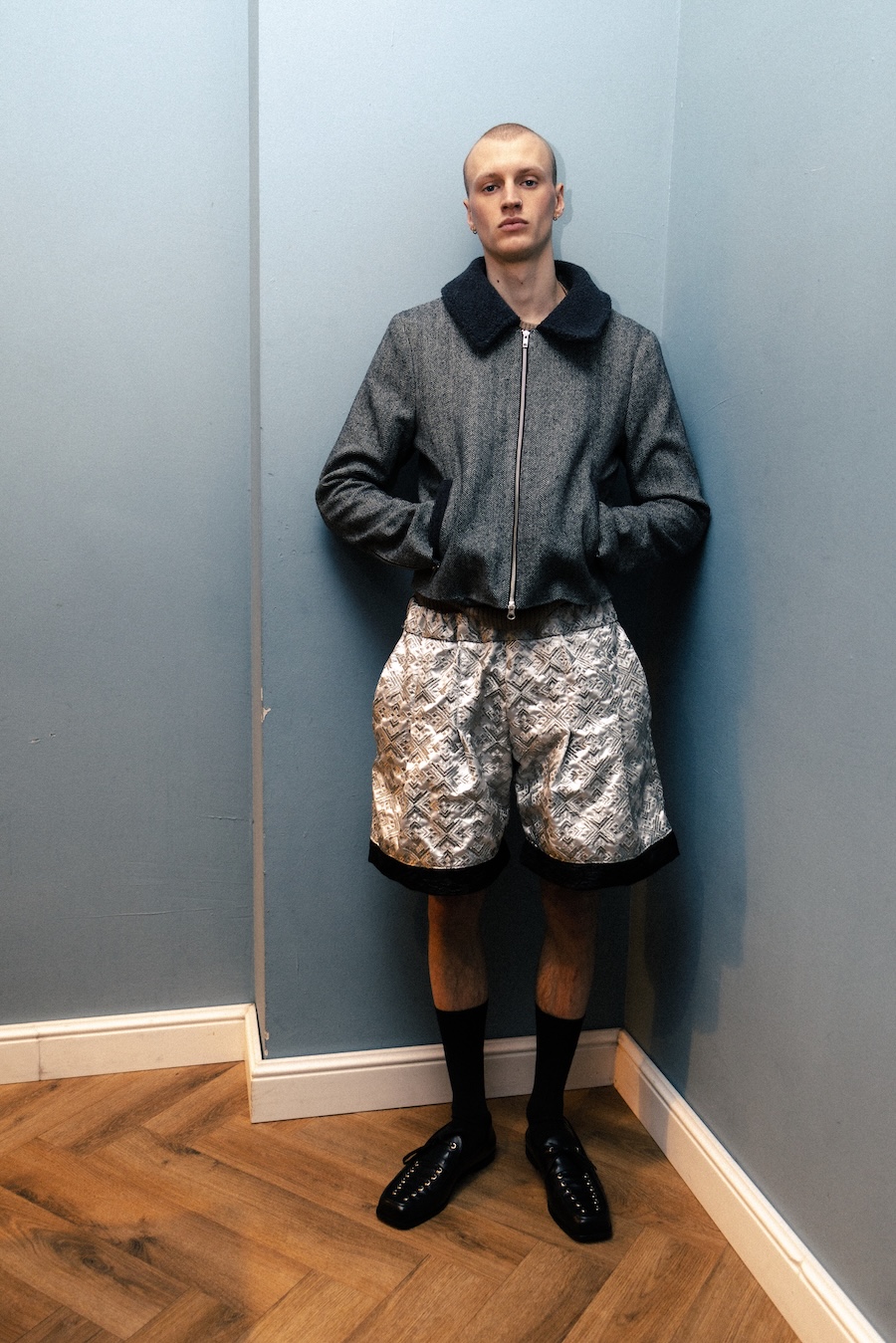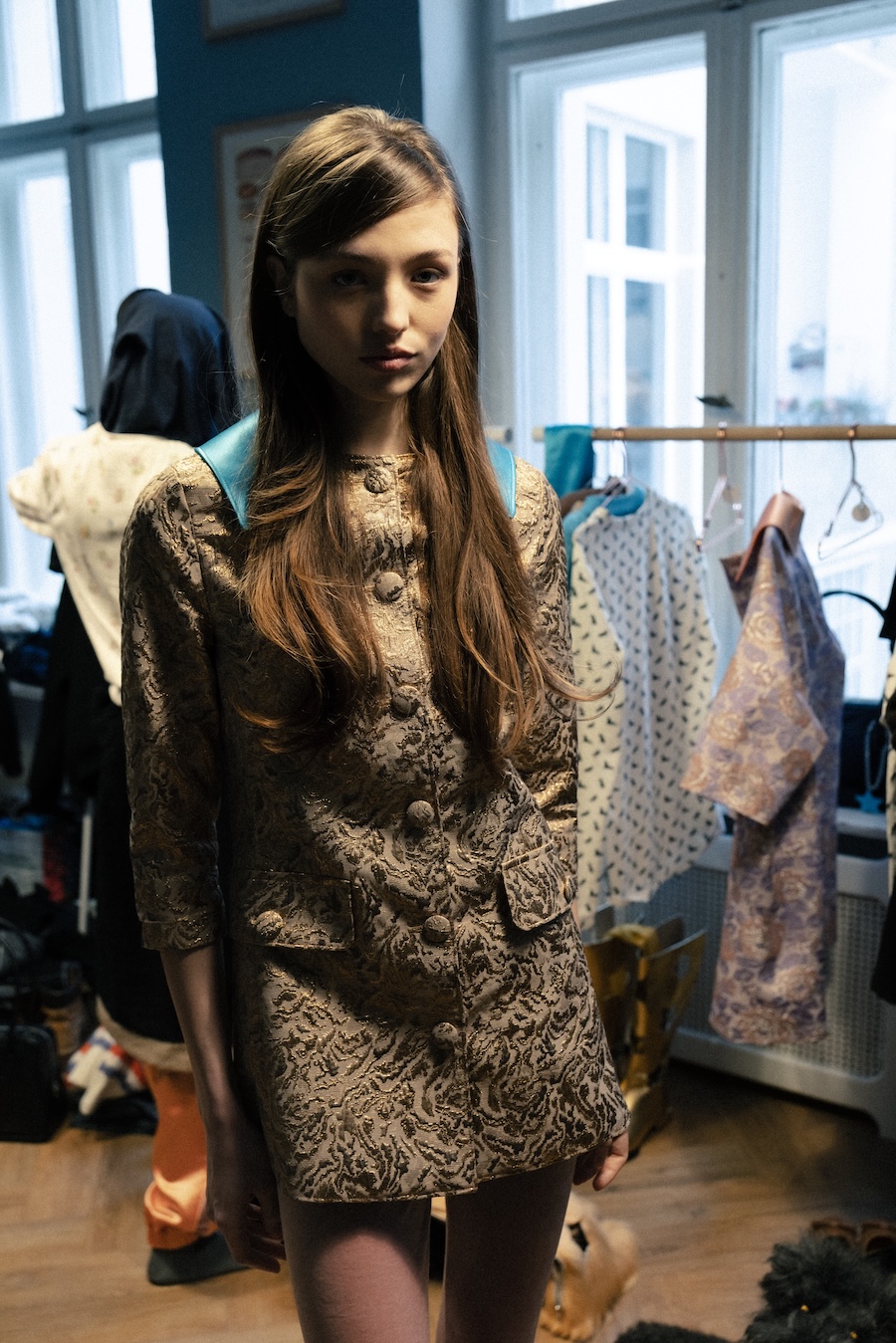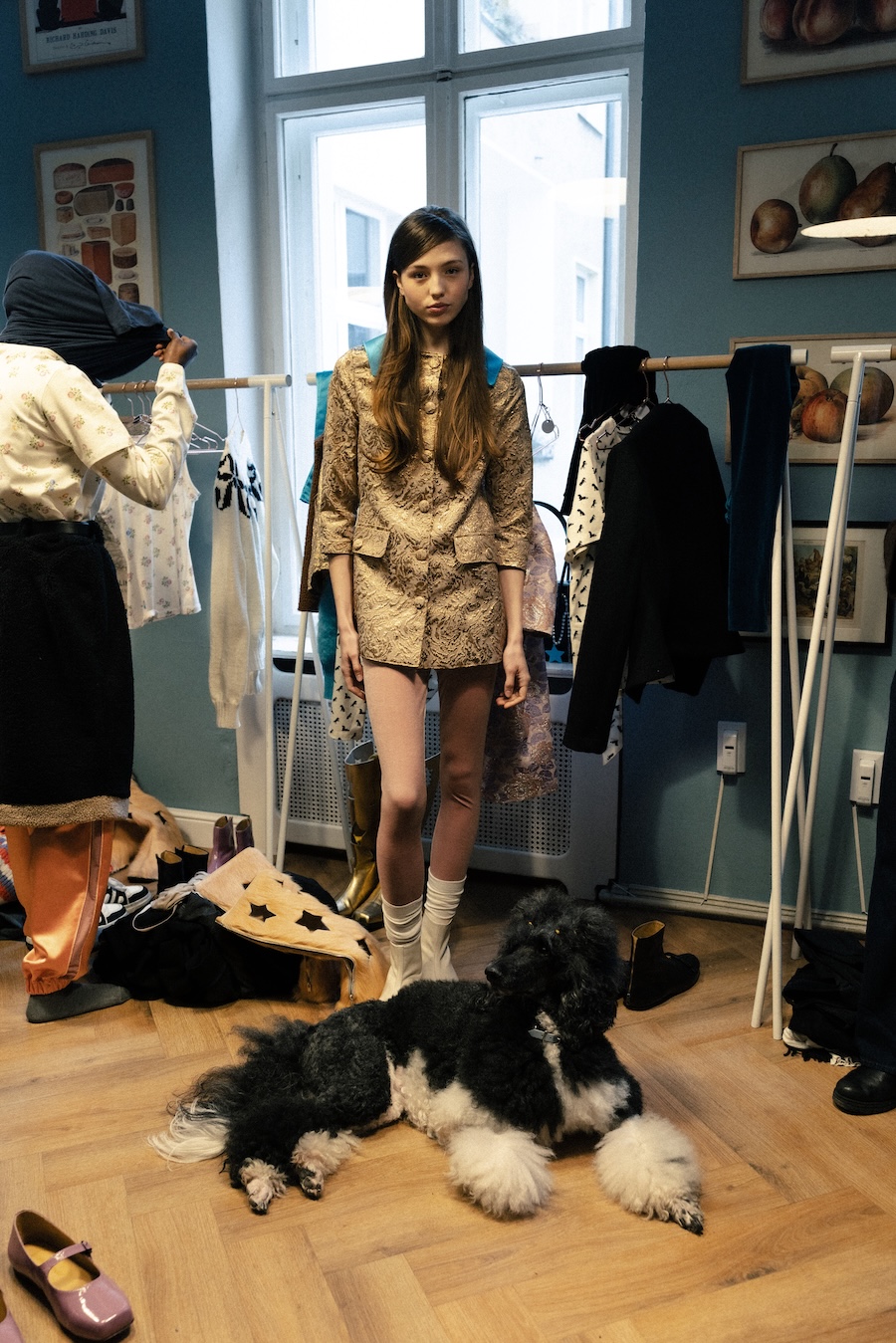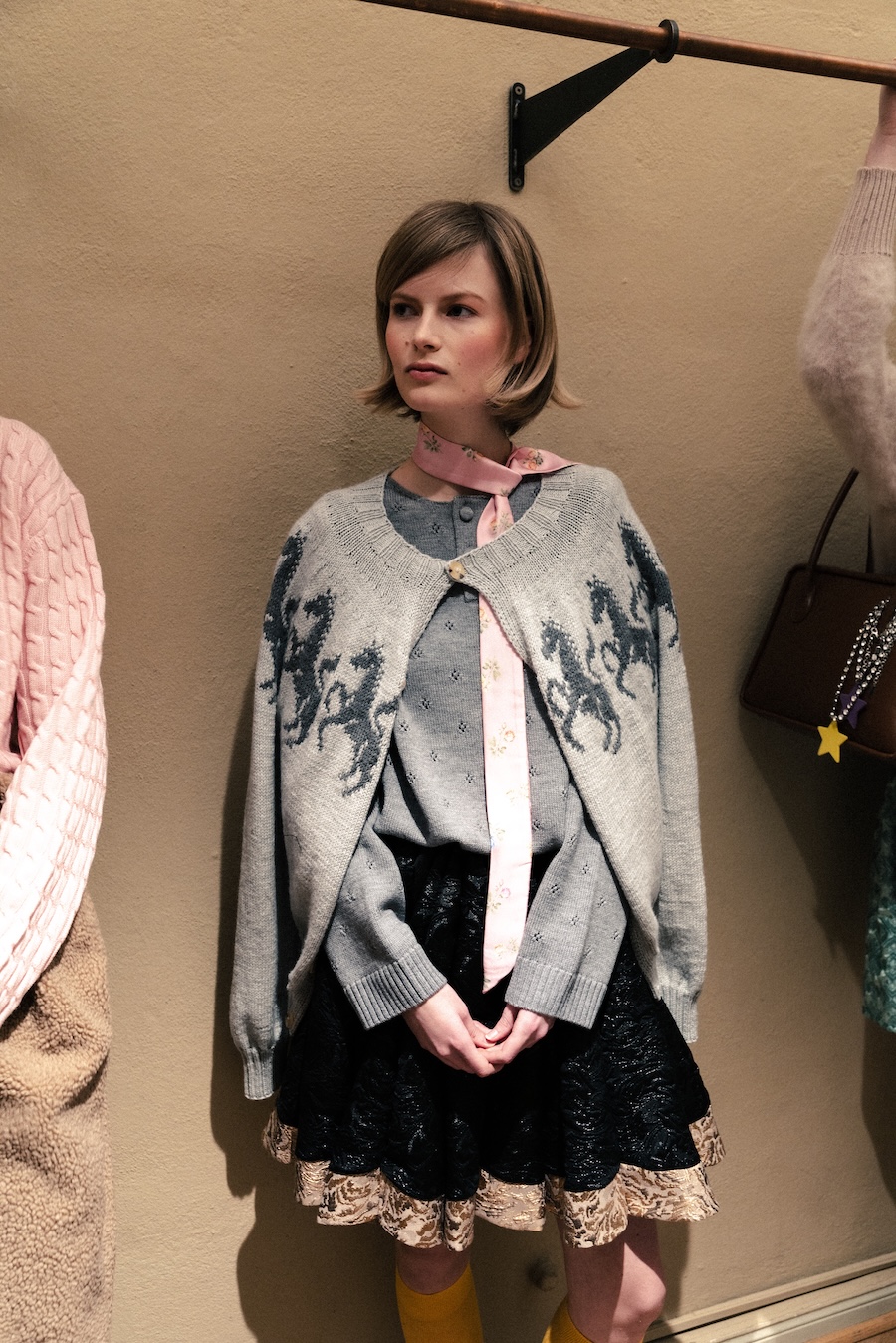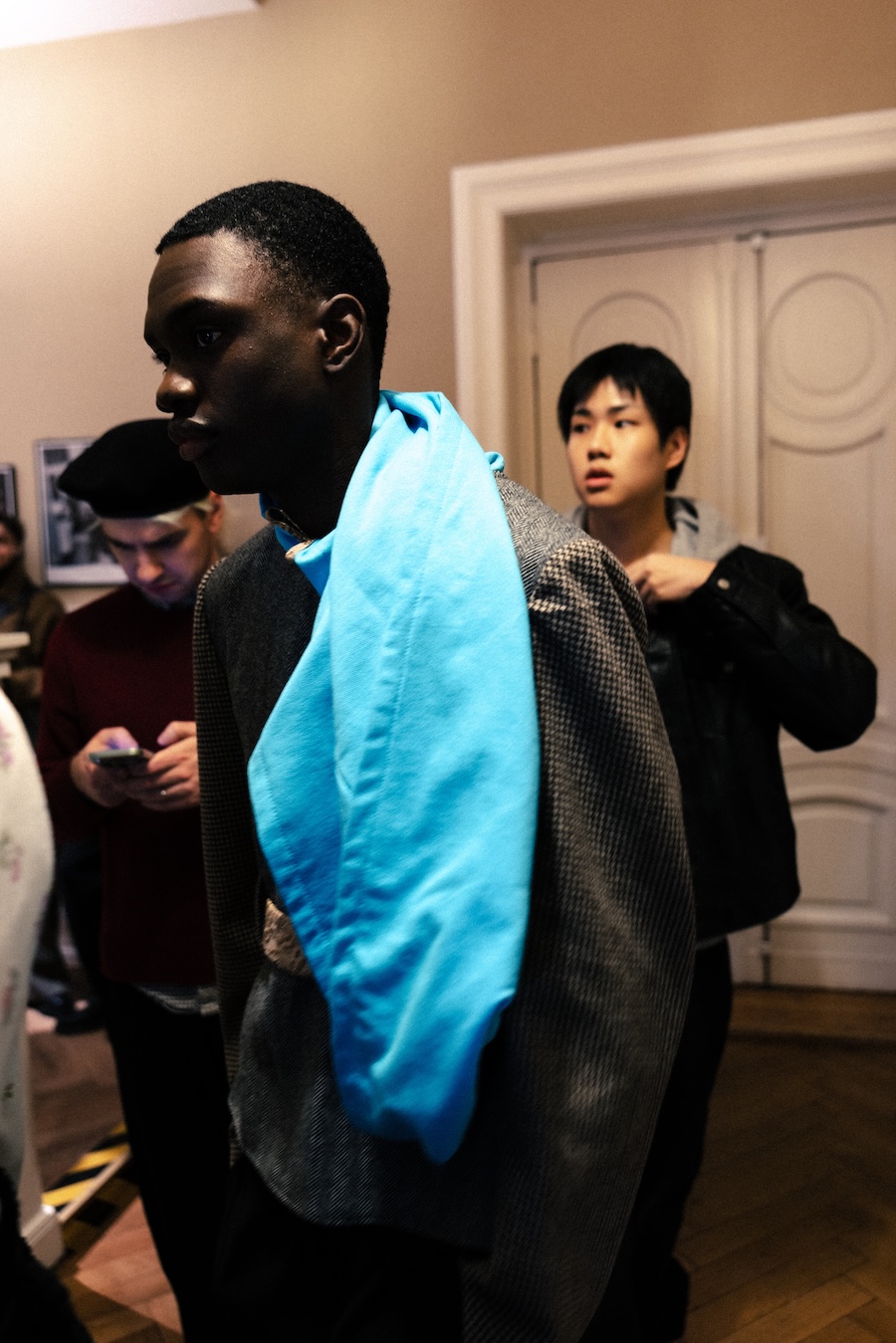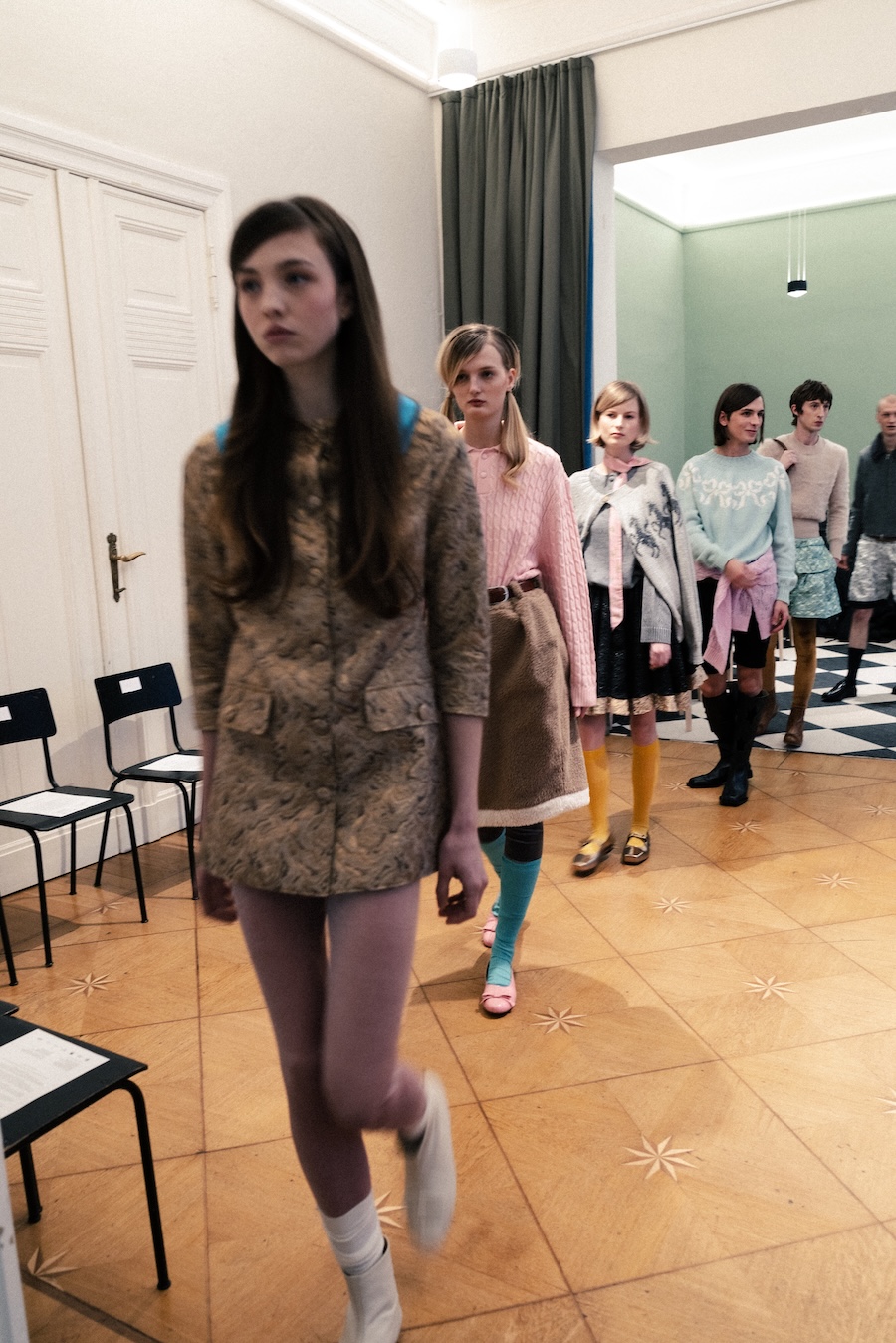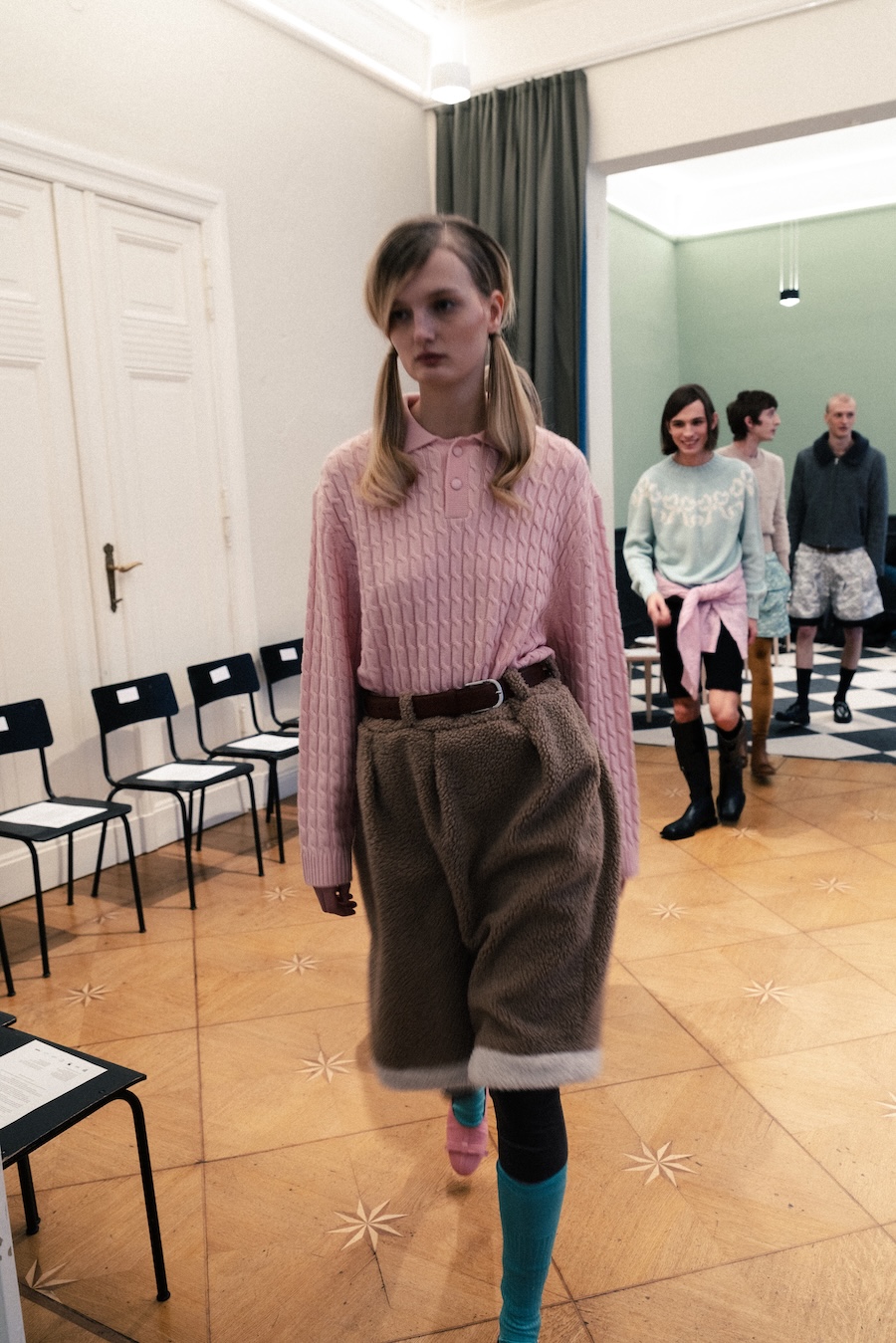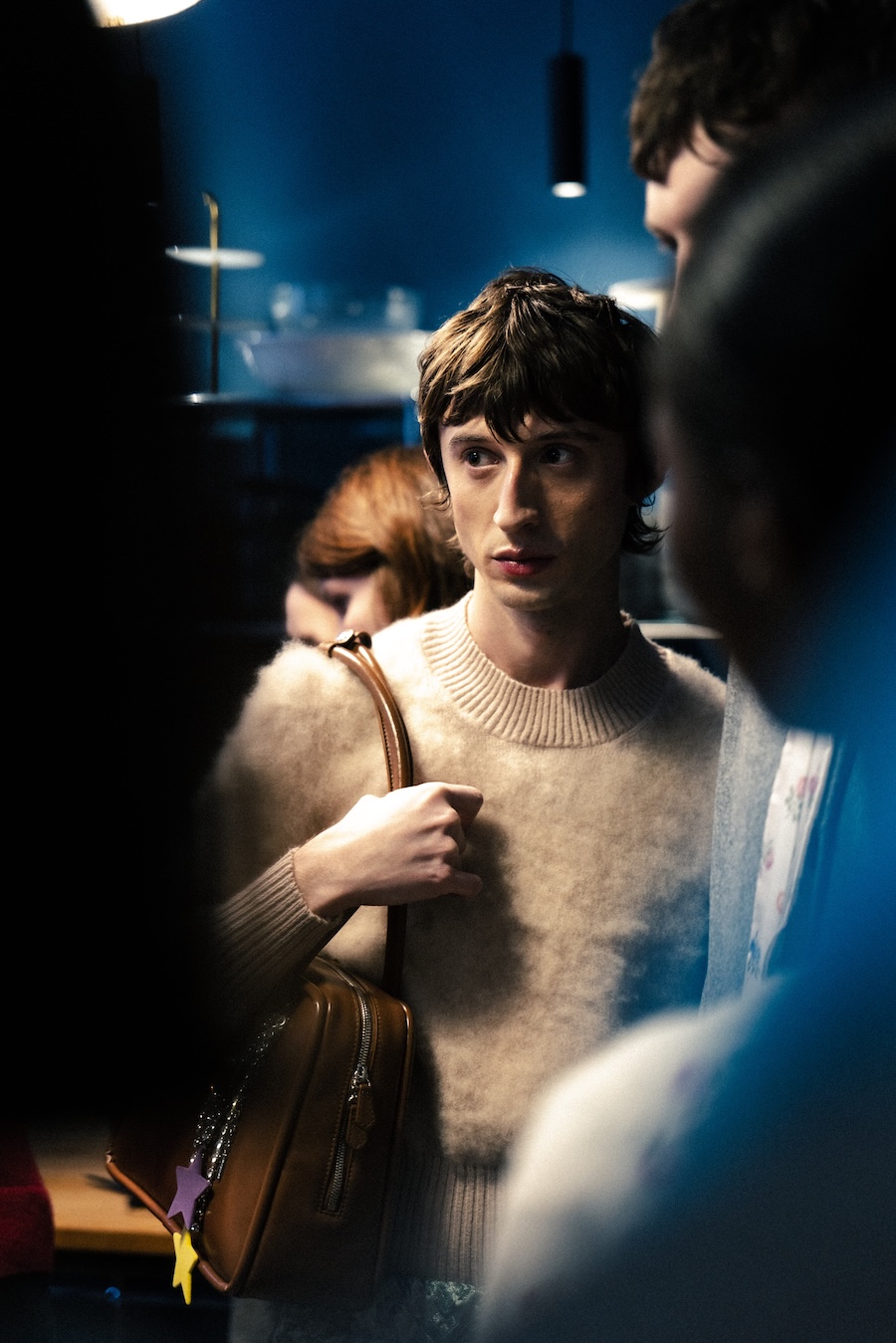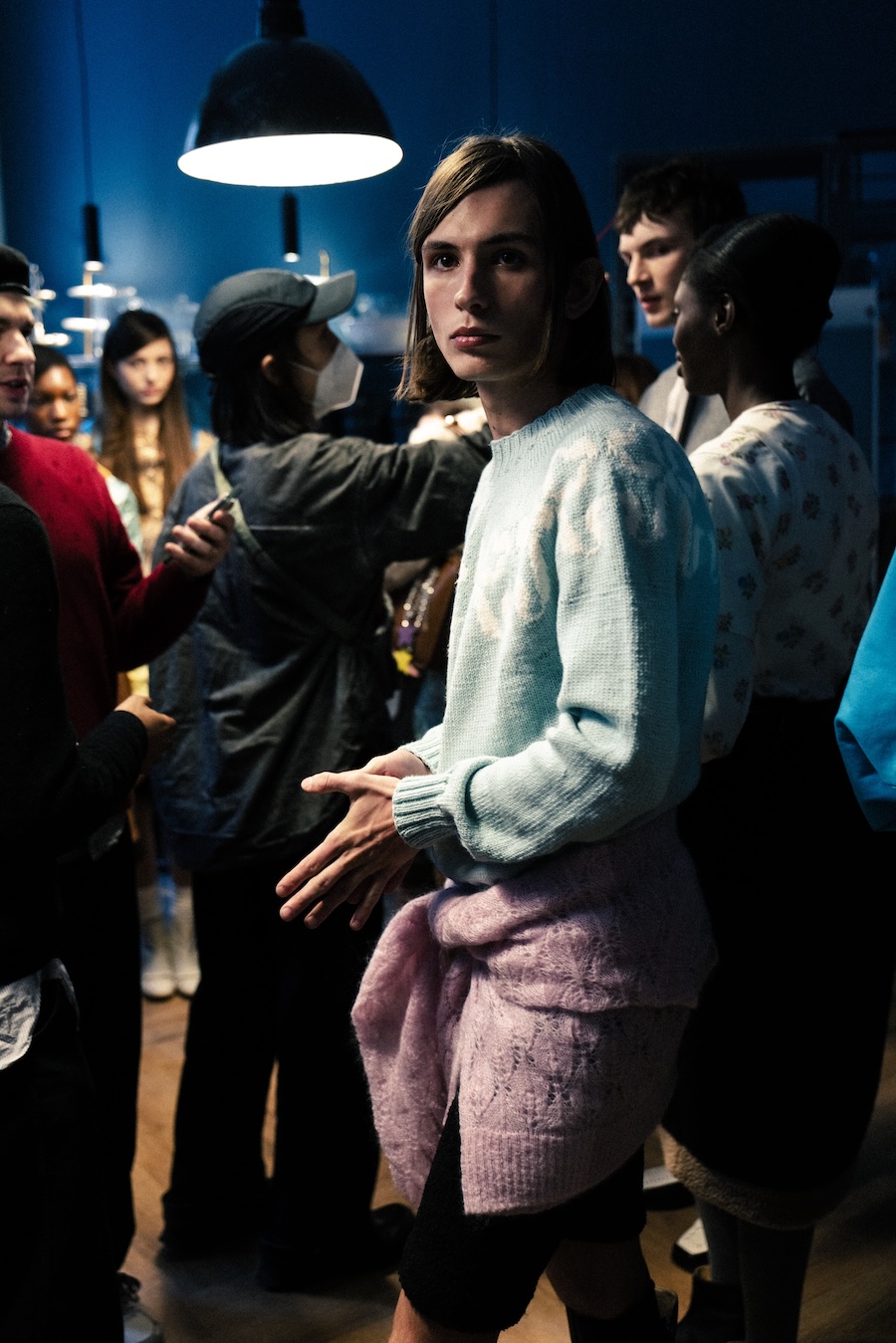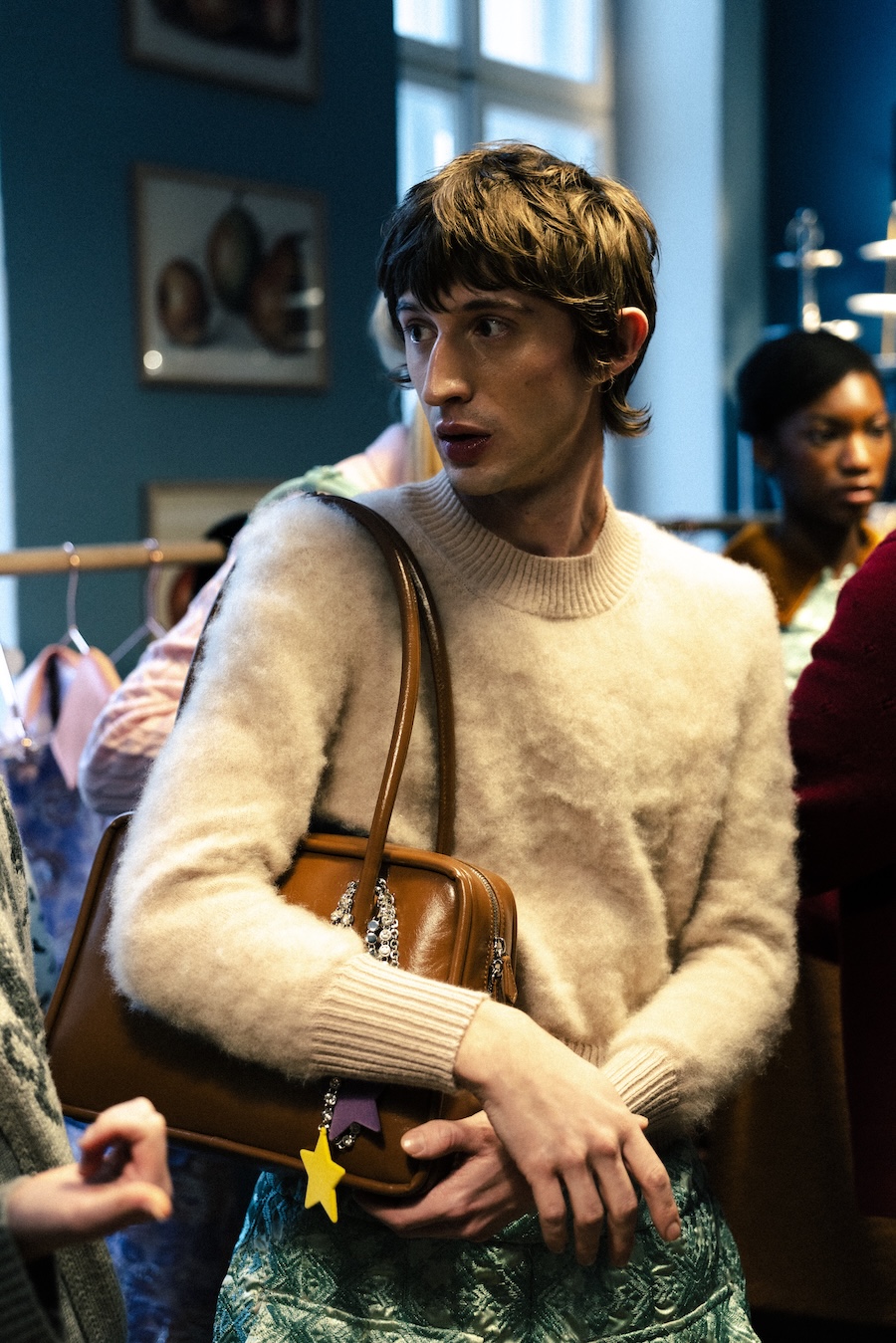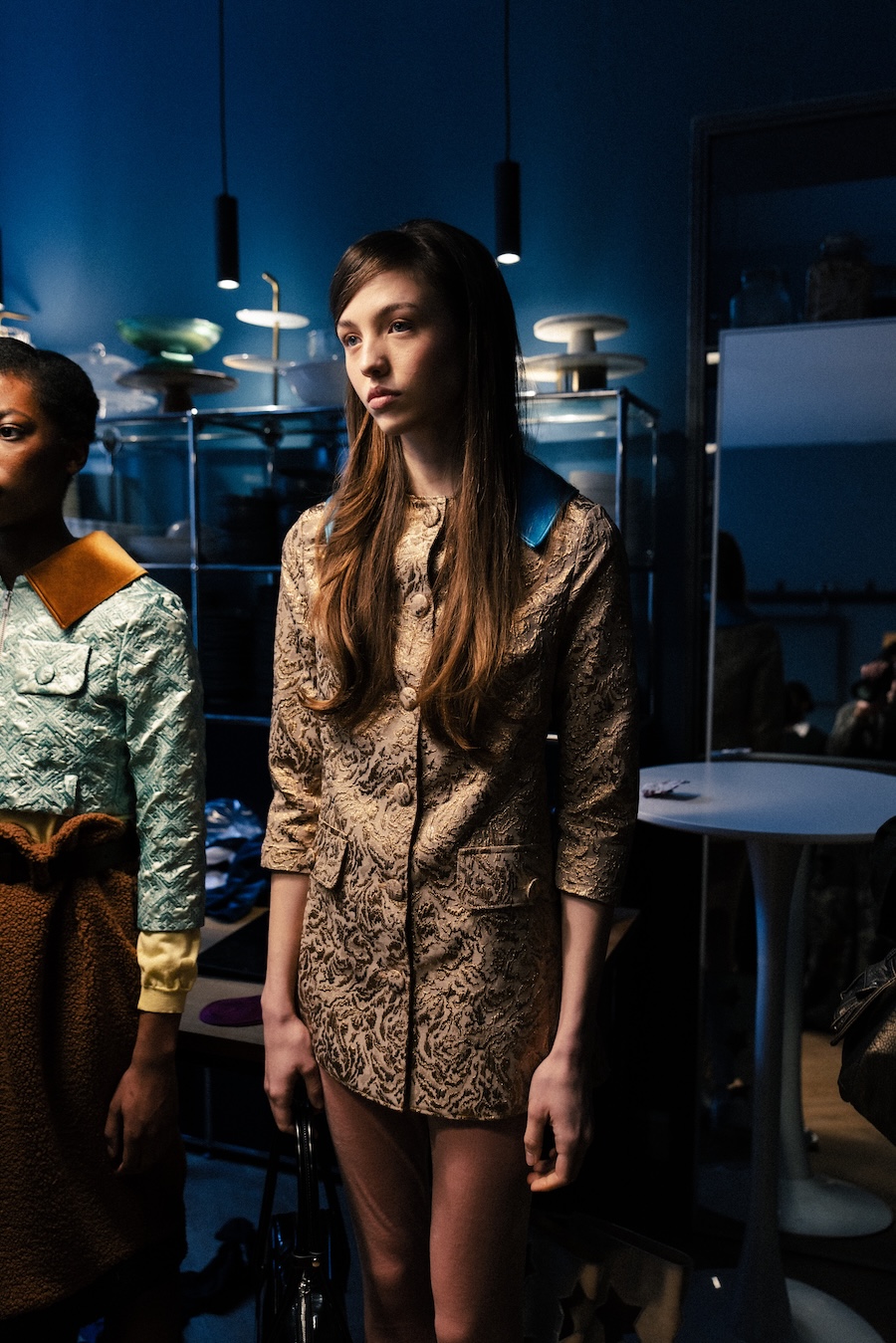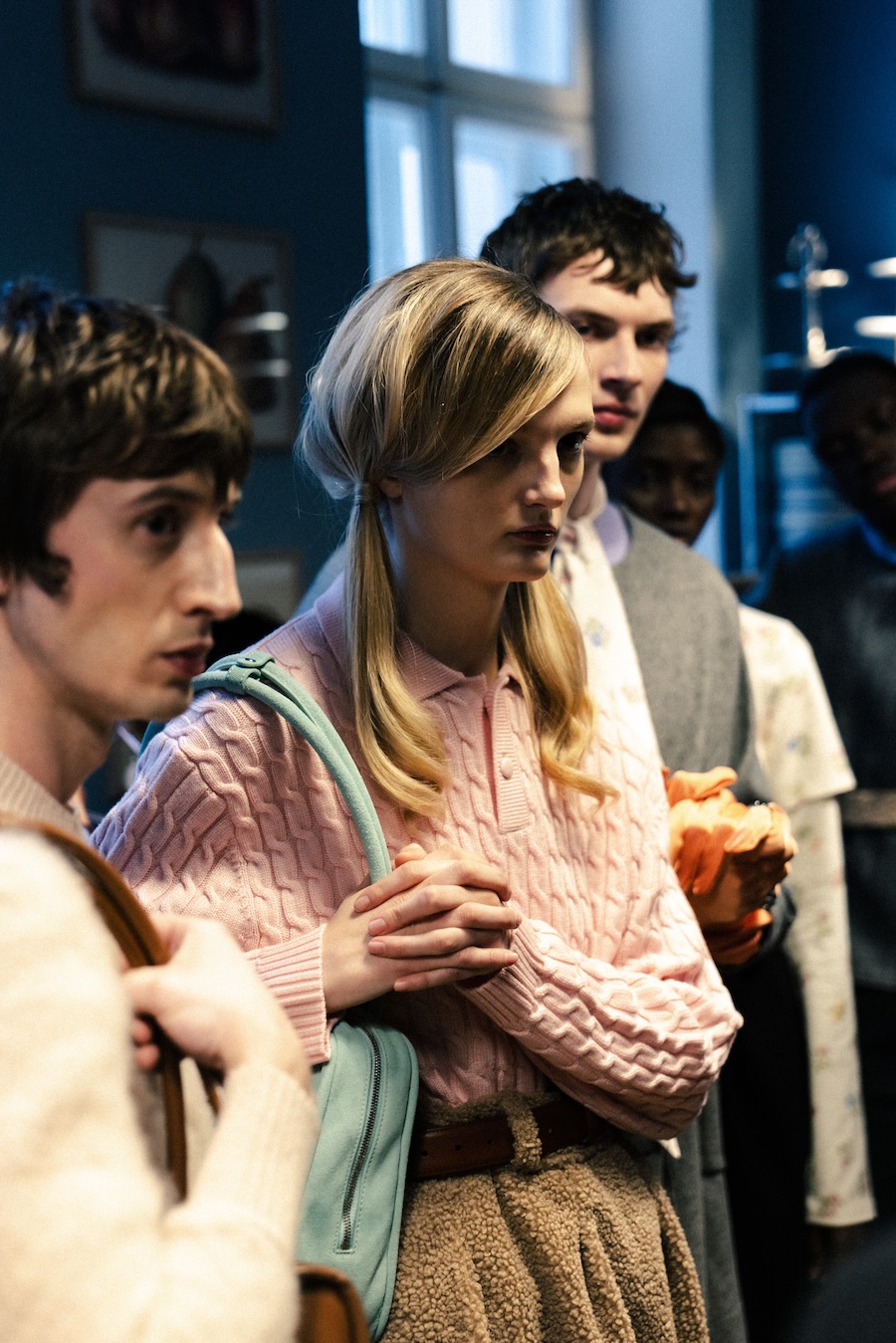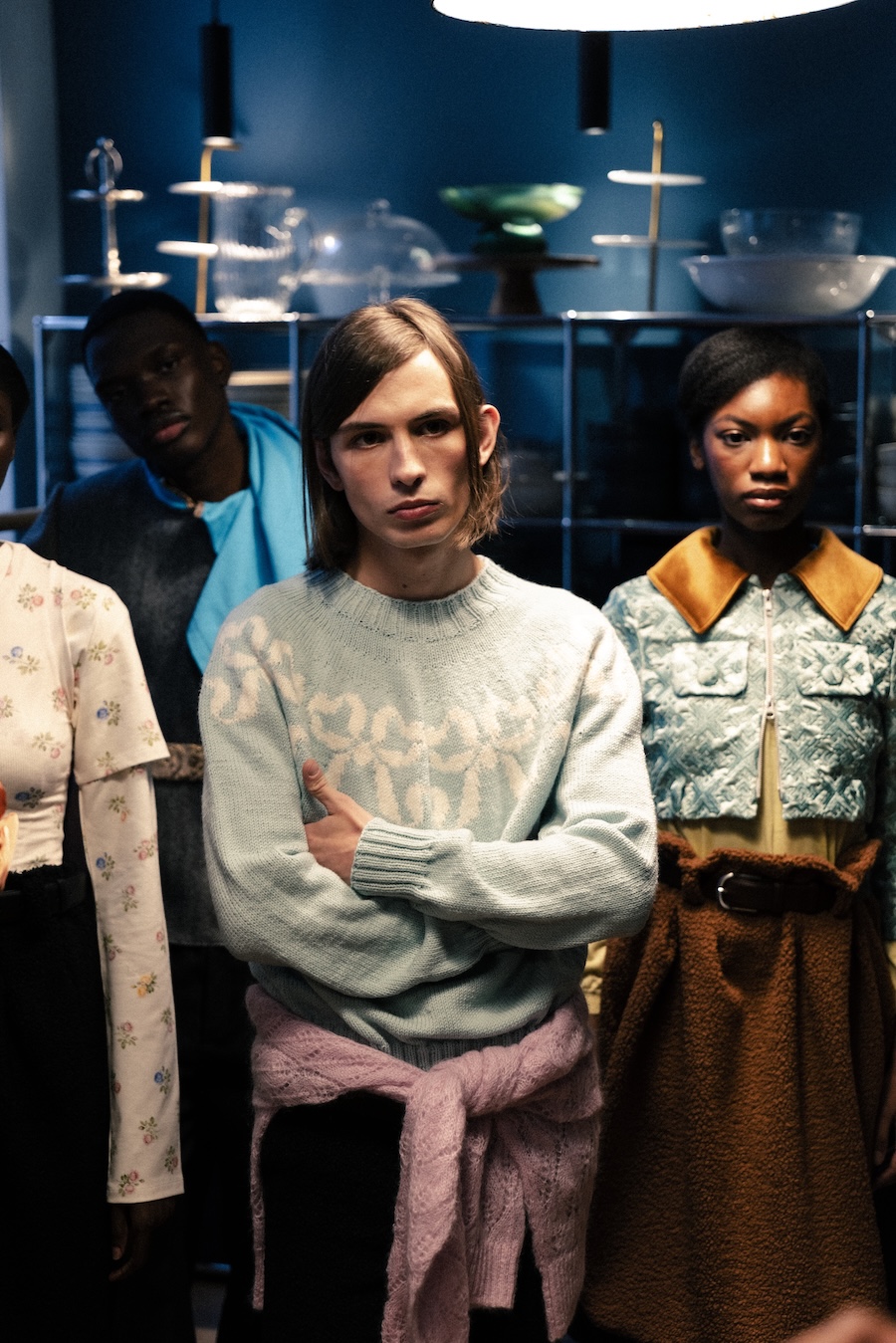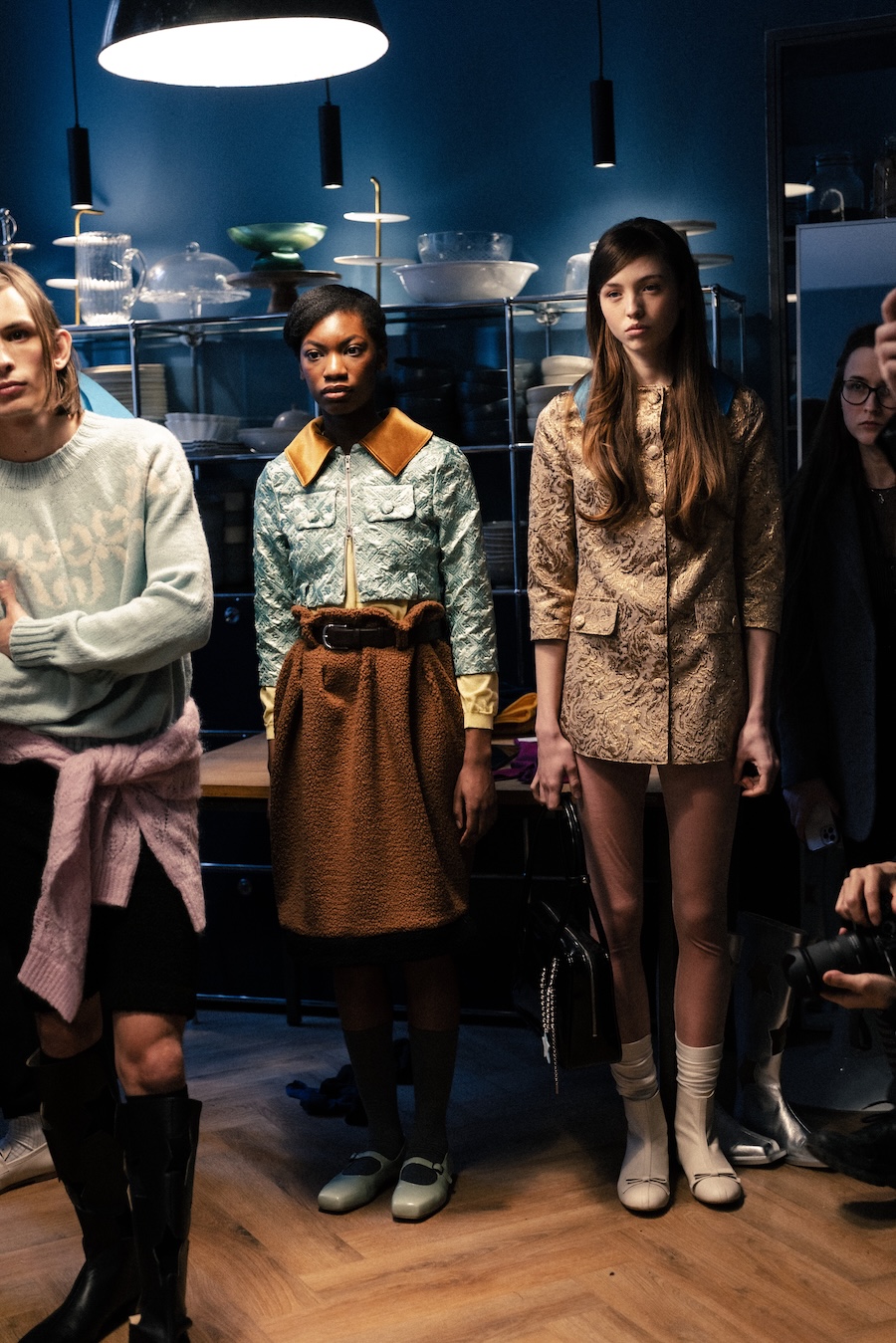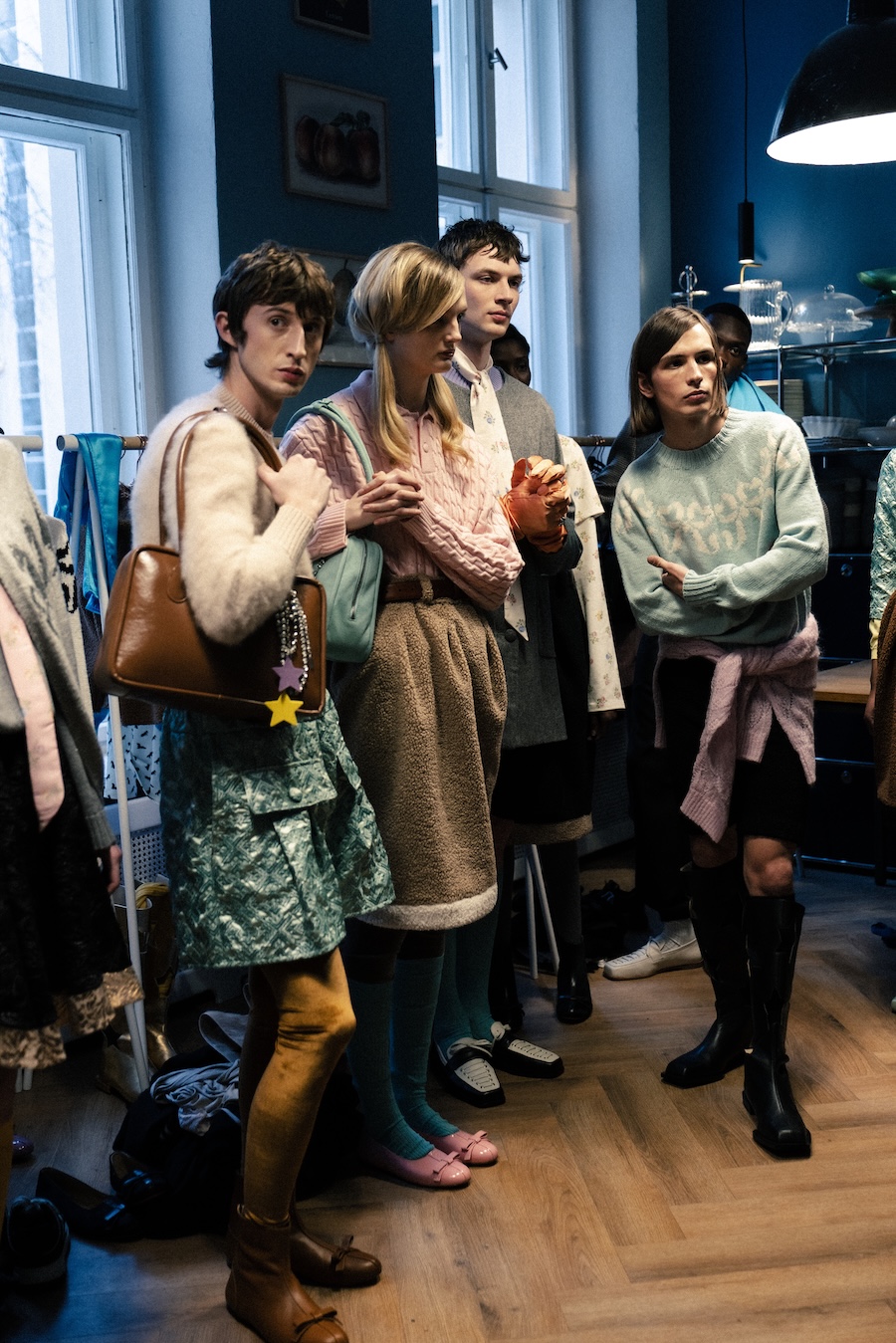

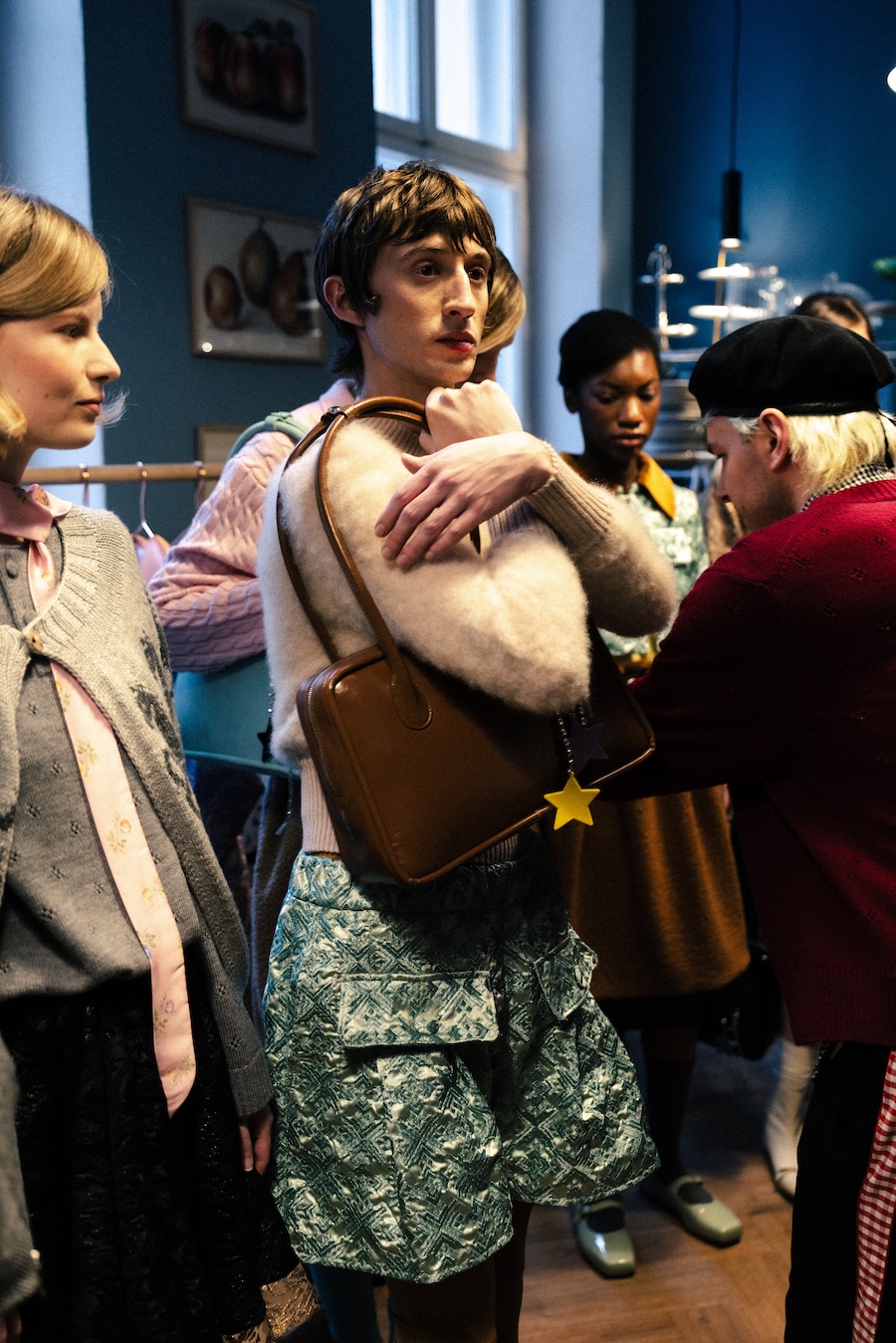
Last week at Berlin Fashion Week, ANDREJ GRONAU unveiled his latest ready-to-wear collection, a striking exploration of the tension between youthful naiveté and refined elegance. Launched in 2022, this brand has quickly garnered attention for its ability to juxtapose traditional tailoring with unexpected textures, creating a distinctive aesthetic.
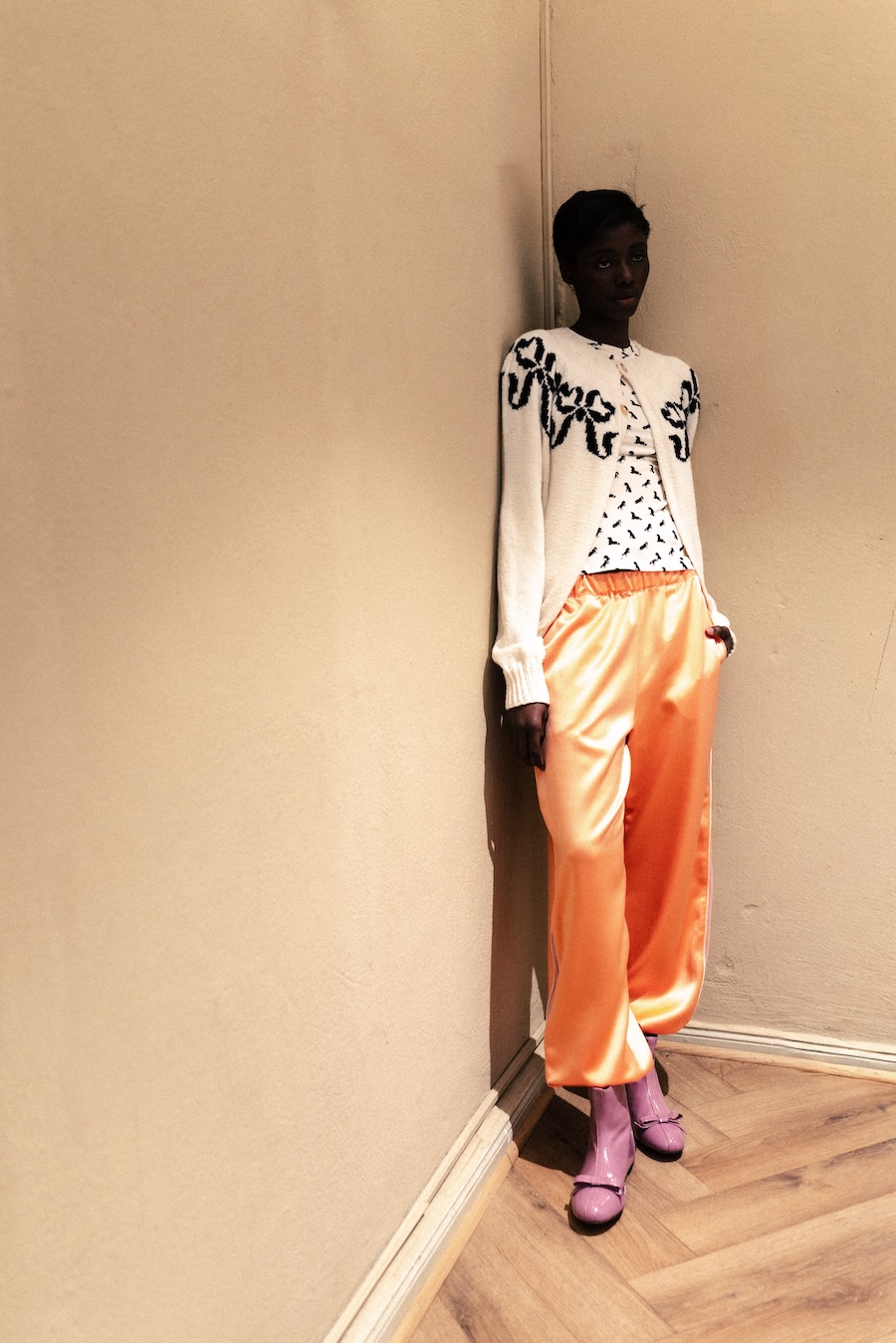
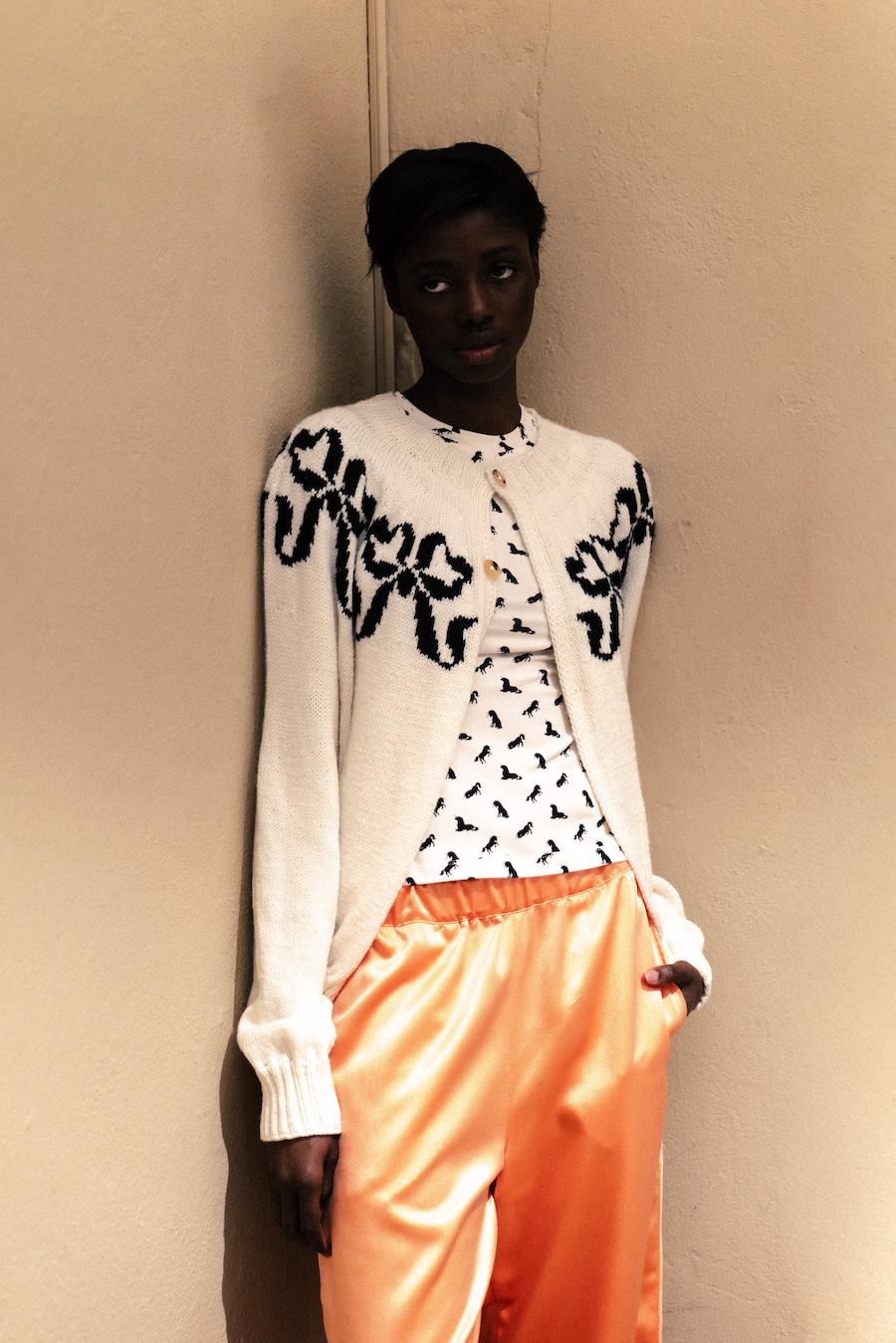
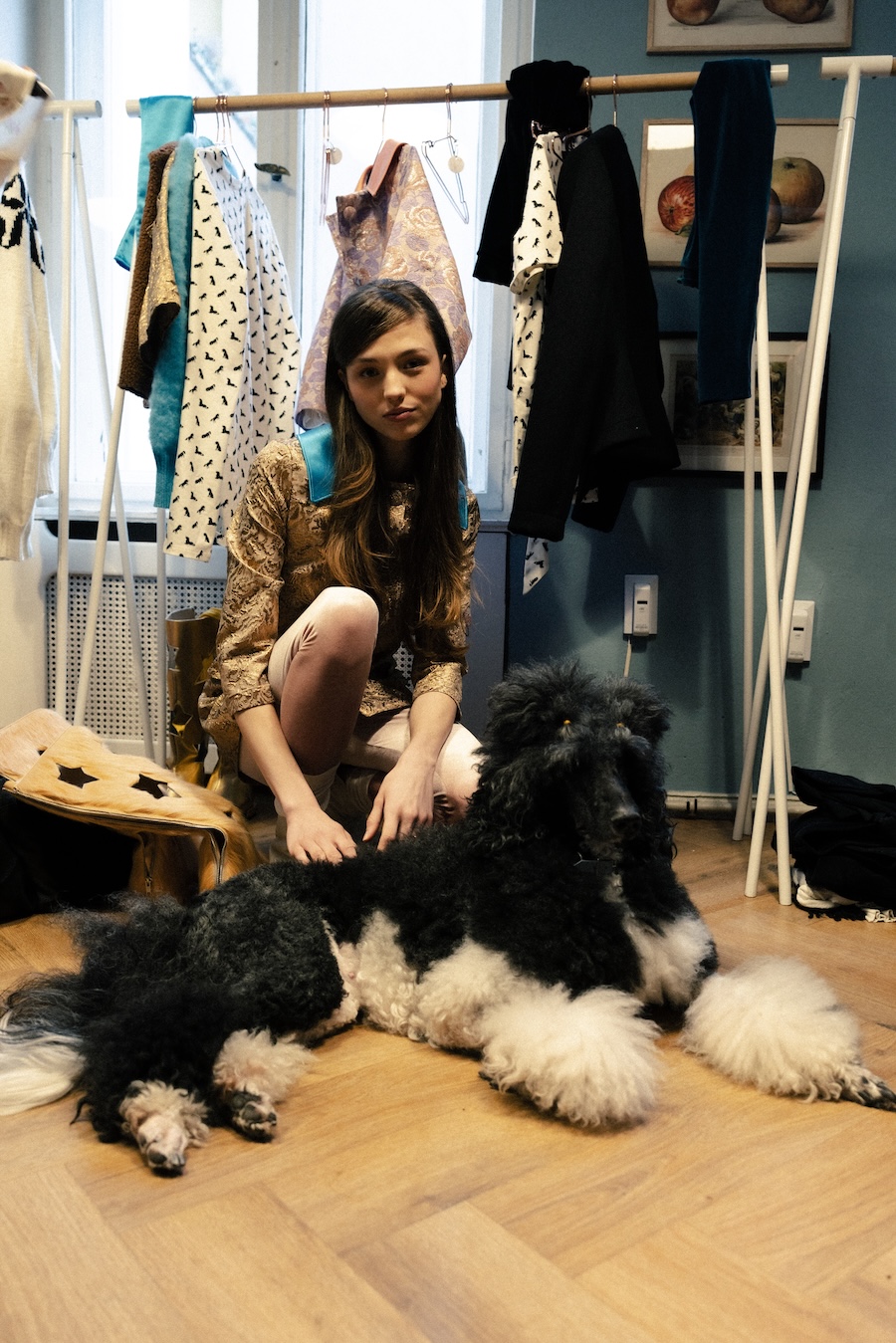
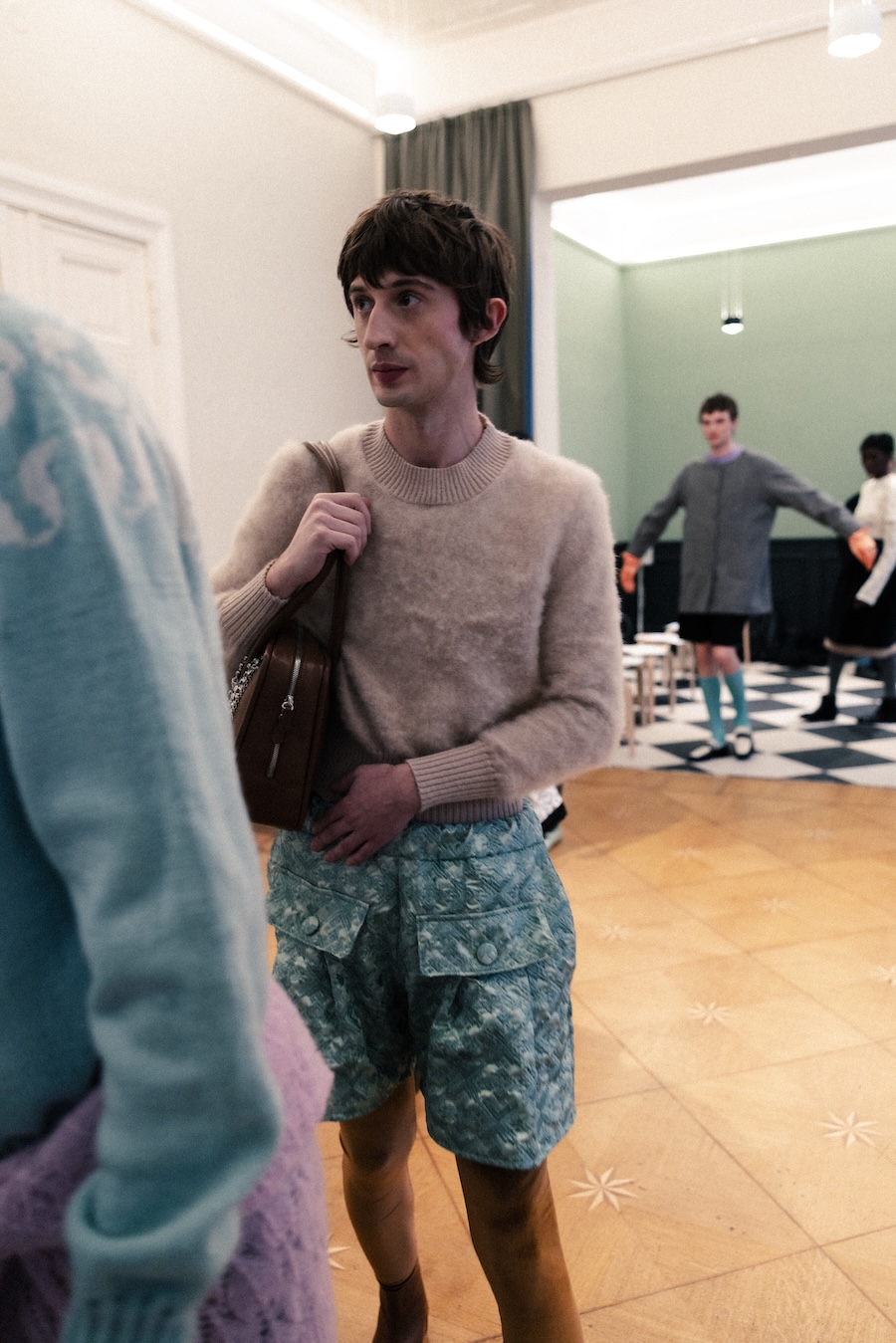
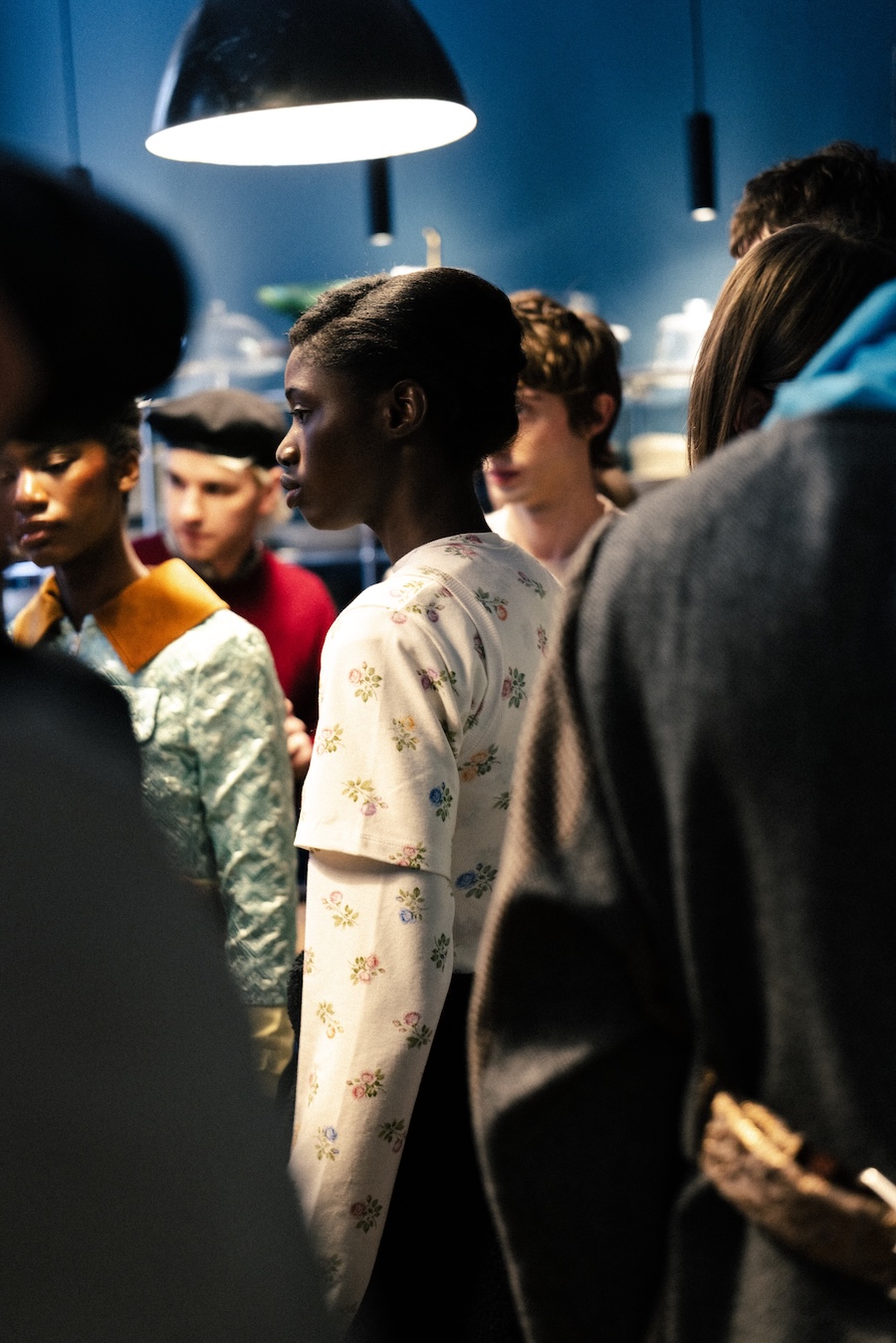
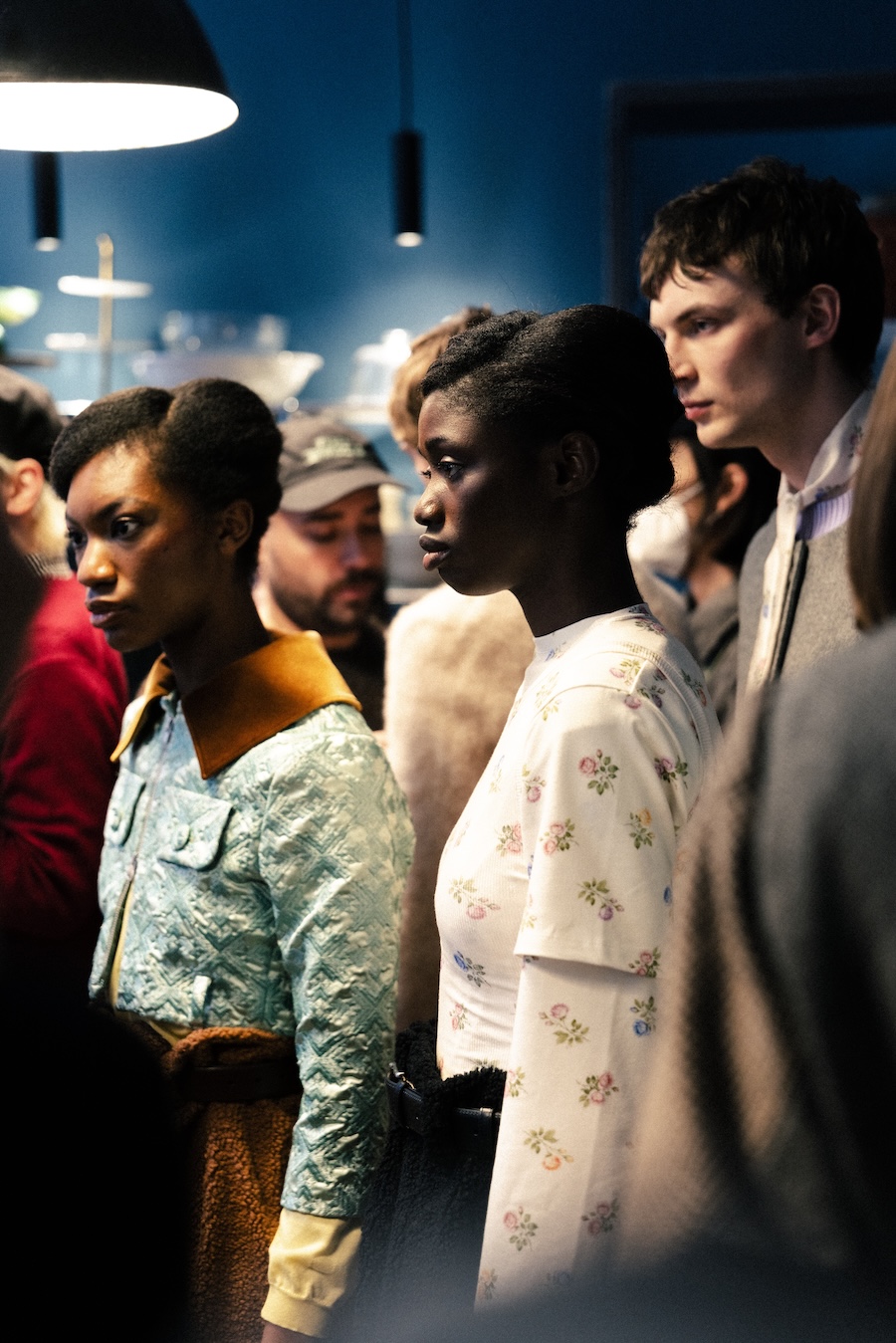
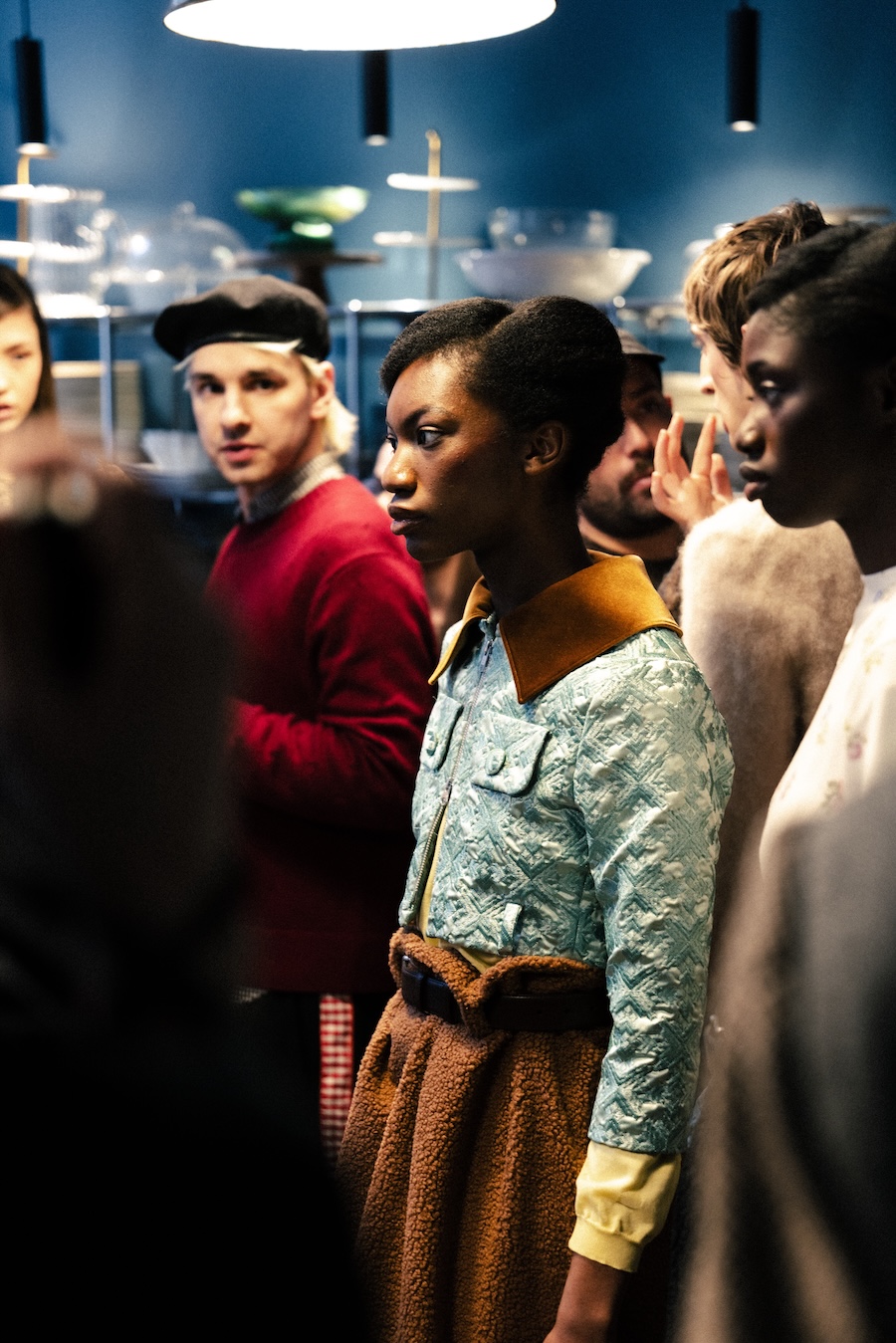
Photographer Shin Jeong Hoon captured the essence of this extraordinary unveiling, providing intimate backstage glimpses into the creative process and the vibrant atmosphere of the event. As the fashion world reflects on ANDREJ GRONAU’s innovative collection, it’s clear that the conversation on taste and identity has only just begun.
@berlinfashionwe
@fashioncouncilgermany
All photos by Shin Jeong Hoon
www.shinfoto.com
@sh1nfoto
As a graduate of Central Saint Martins, Gronau’s eponymous line merges nostalgia with contemporary design elements, delivering pieces that exude a sense of playful sophistication. The collection reimagines familiar motifs, seamlessly blending youth culture with timeless influences, weaving together the past and present through traditional craftsmanship and modern flair. Intricate detailing and expressive silhouettes are at the heart of this unique offering, which balances childlike imagination with meticulous craftsmanship.
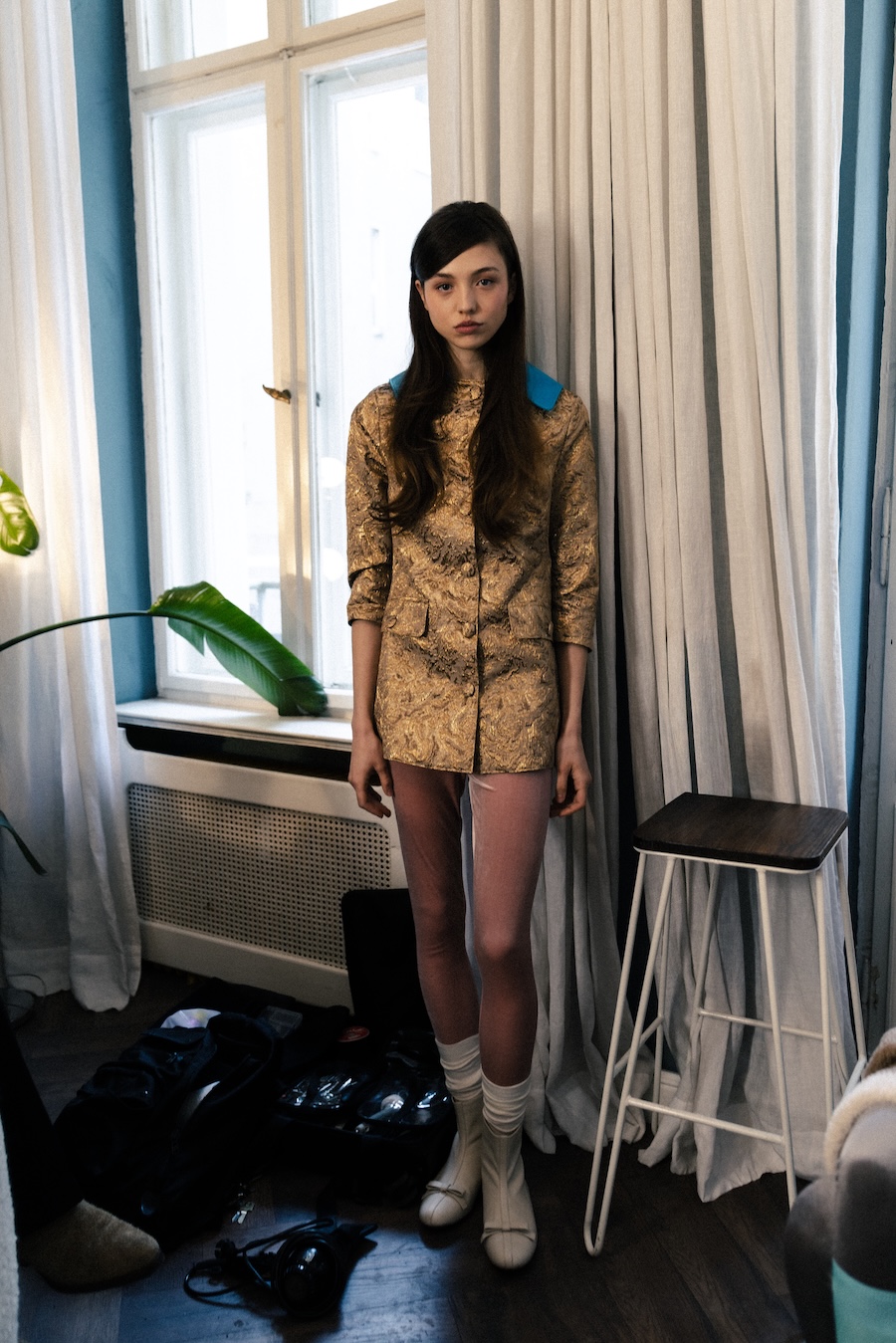
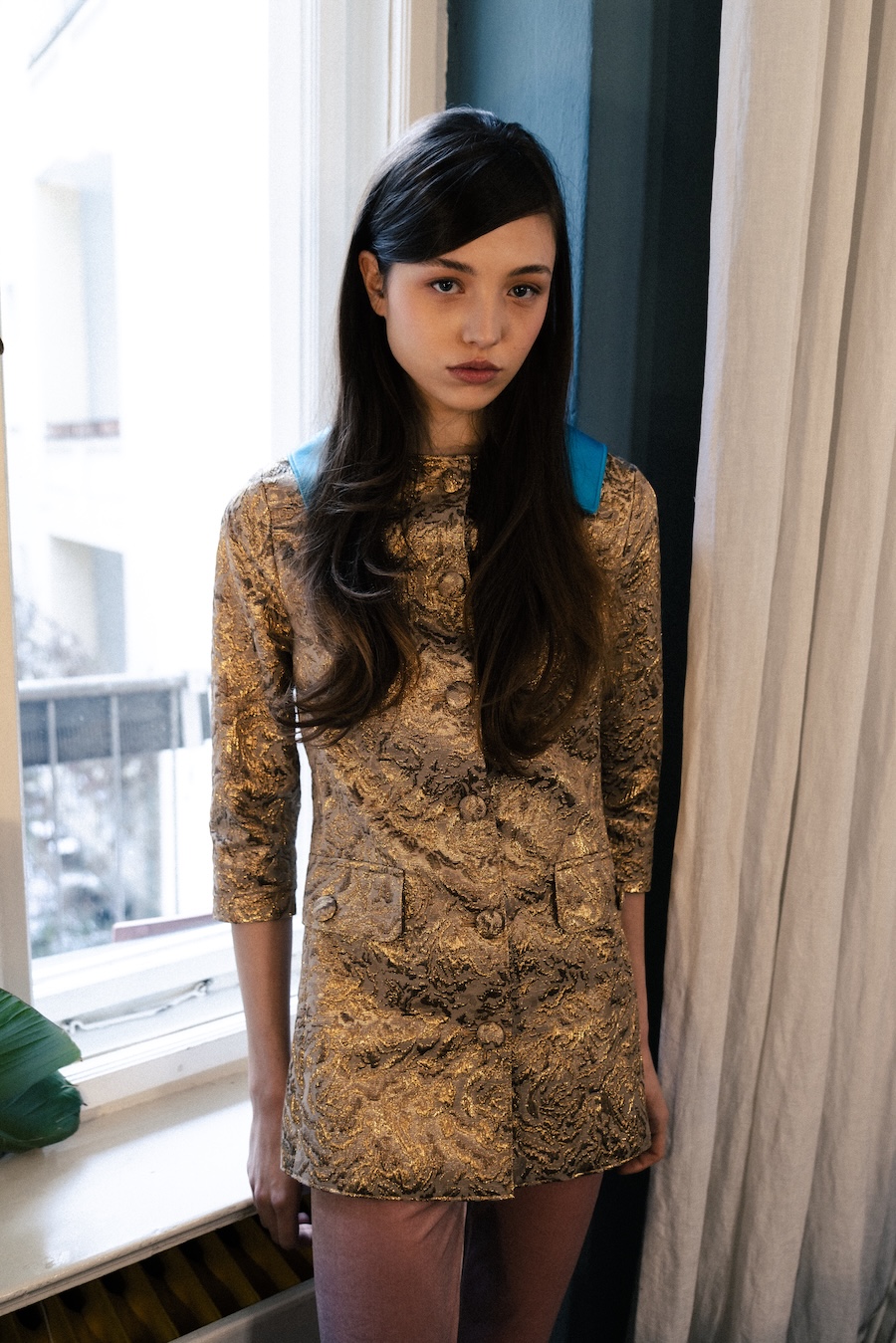
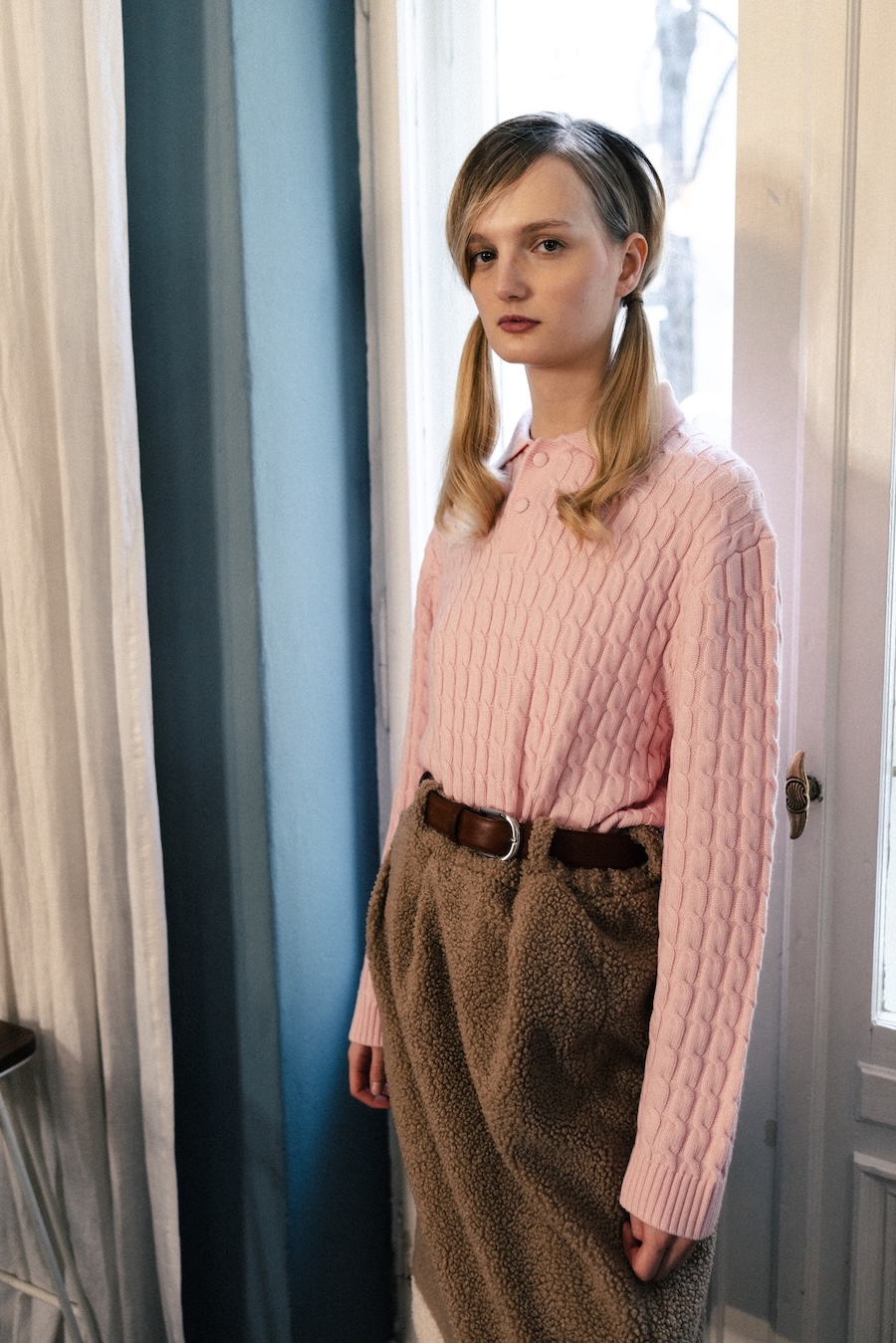
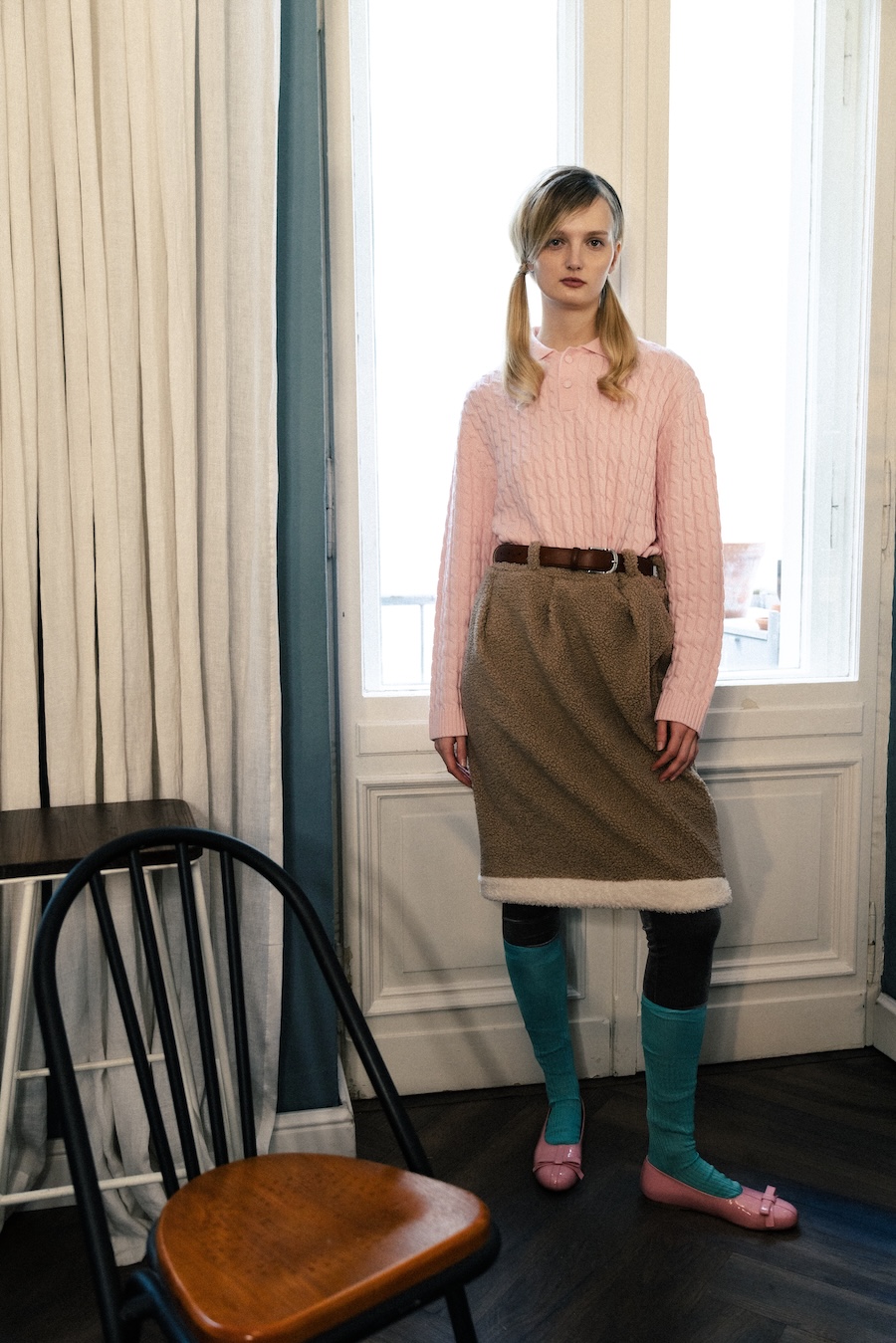
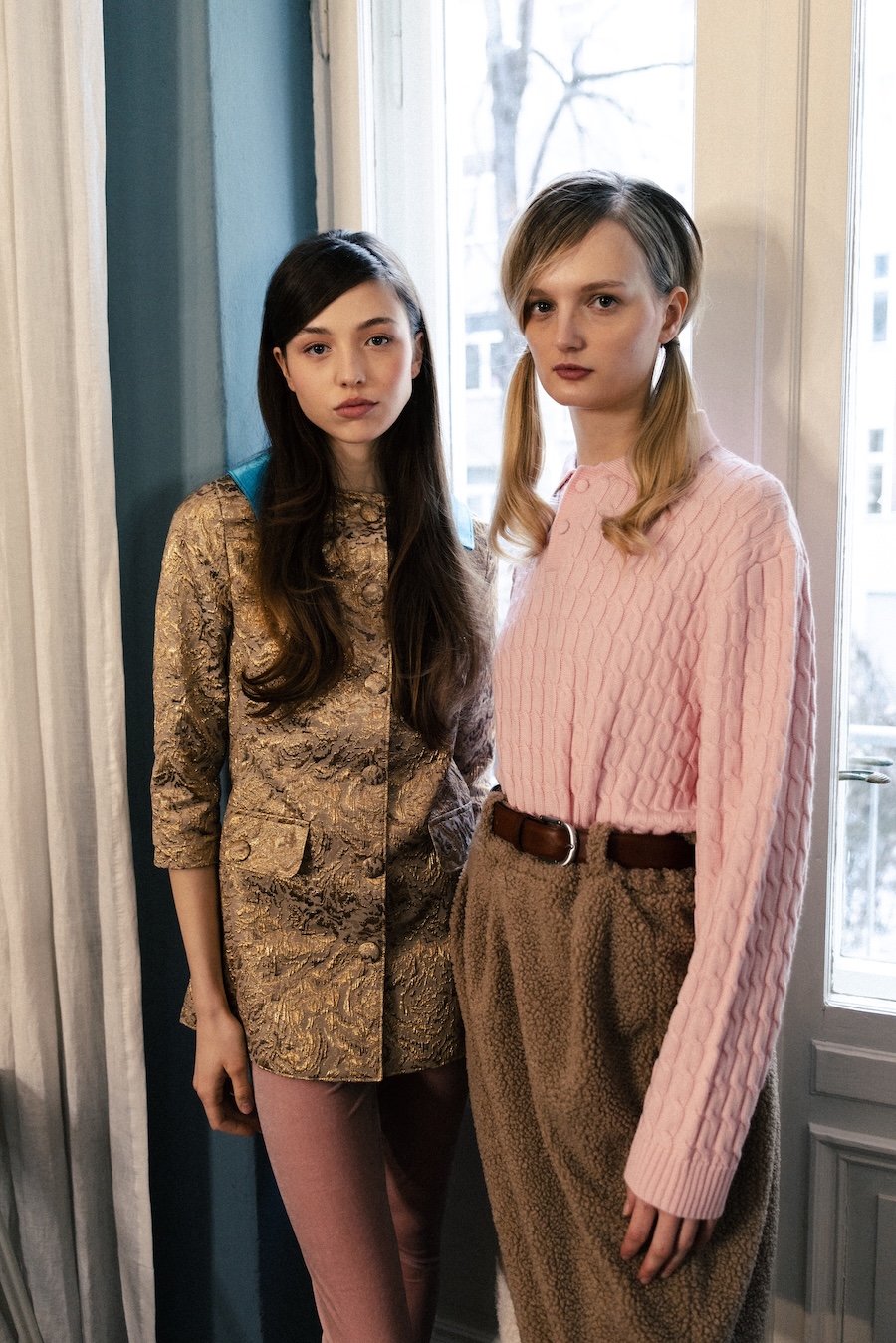
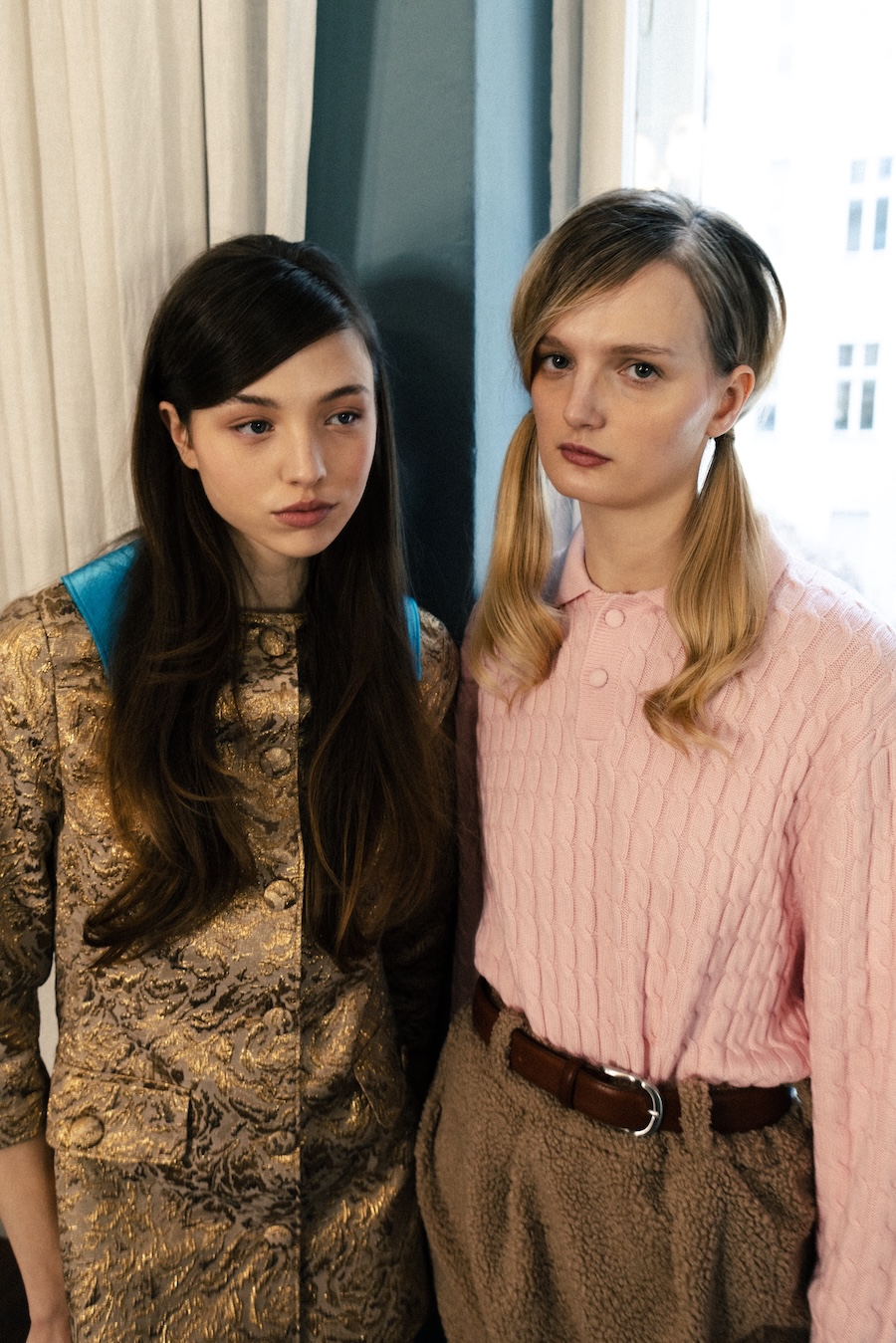
This new collection invites us to step into a world where taste loosens its rules. Inspired by the concept of the dollhouse as a systematic structure, it transforms the private interior into a public declaration, investigating how adulthood occupies spaces once coded as decorative, feminine, masculine, or excessive.
ANDREJ GRONAU celebrates the ideas of comfort as confidence and privacy as power, effectively reclaiming the domestic sphere as a “Room-For-Play.” He encapsulates this ethos with the statement, “My house. My Rules. My Pleasure.” Behind closed doors, the traditional confines of taste are challenged as the collection turns the idea of the private interior into a vibrant public expression.
The pieces boldly incorporate household elements, allowing carpets, blankets, and curtains with ornamental patterns to migrate from living rooms into wardrobes. Comfort takes centre stage, with French terry fabric evolving into elongated trousers and sherpa fleece redefining everyday silhouettes. The collection prioritises fabrics typically reserved for moments of rest and softness, making them visible and totally wearable.
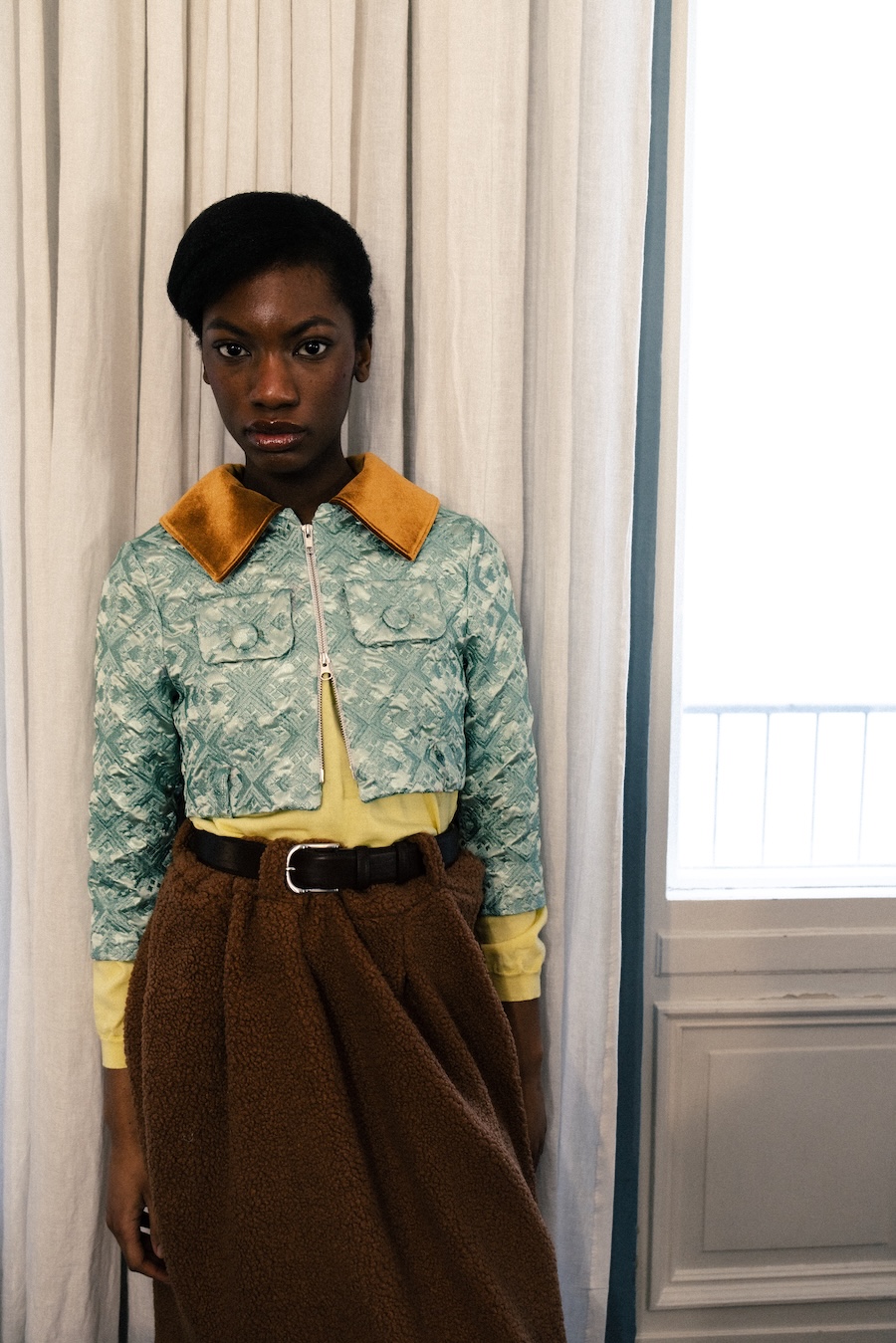
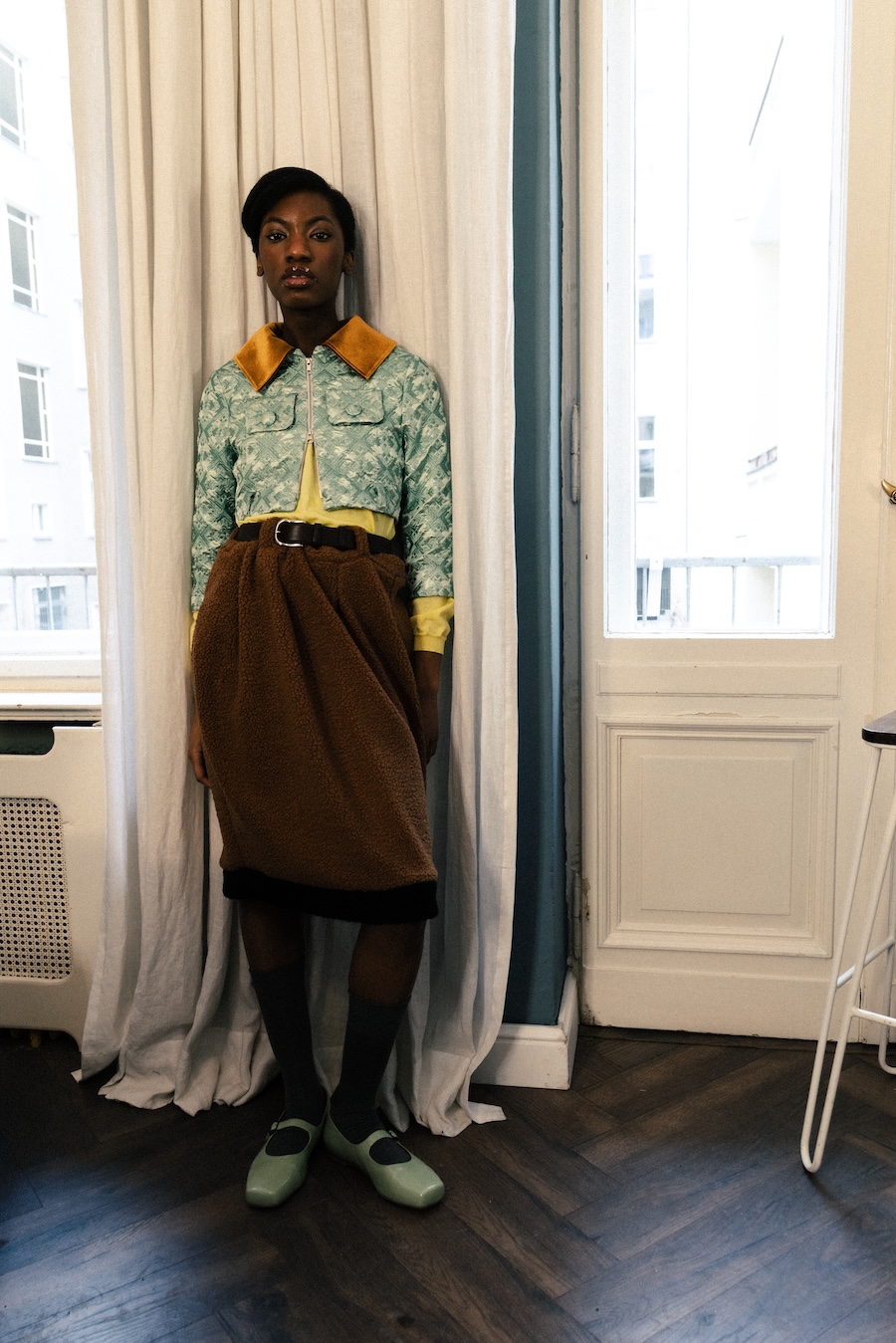
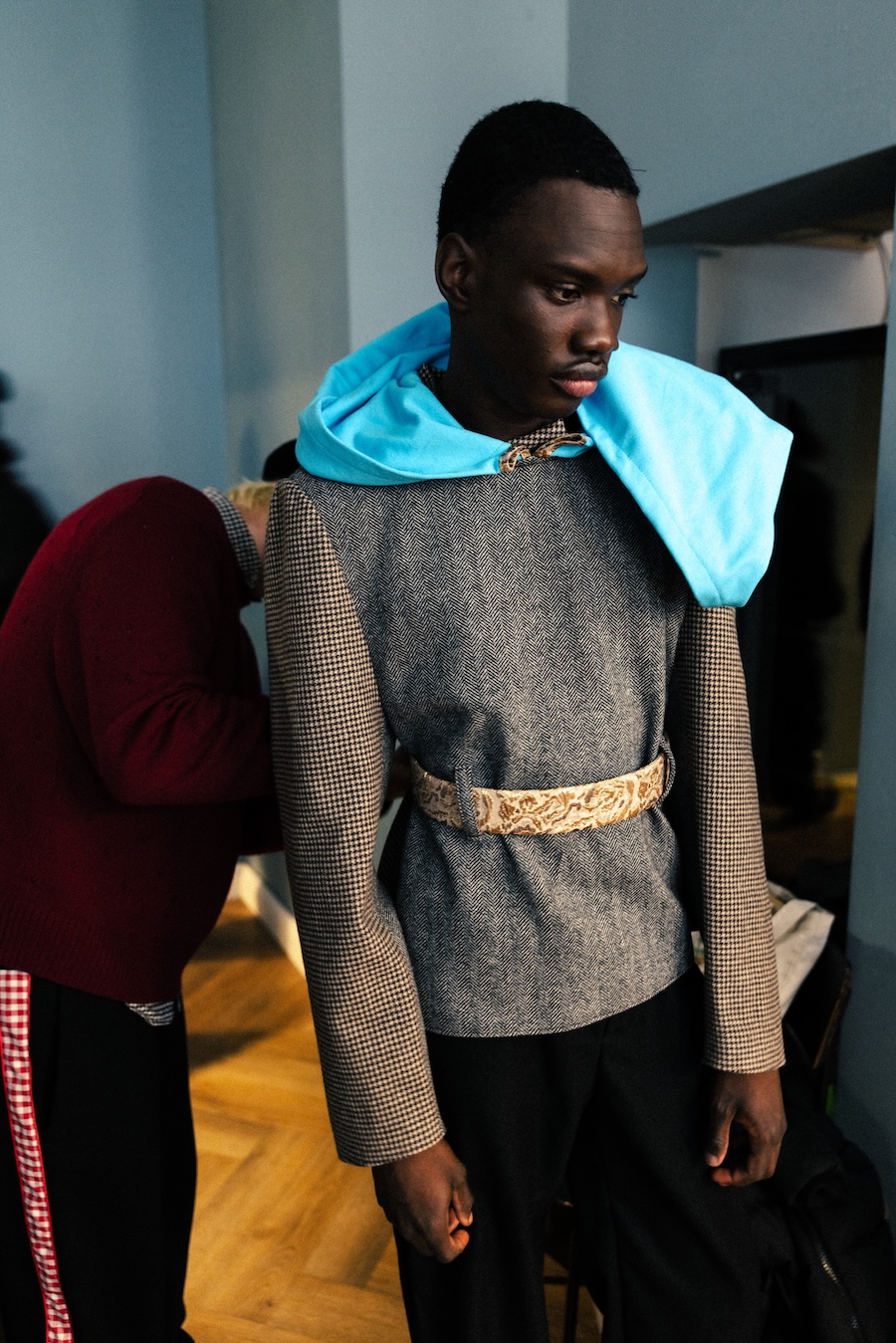
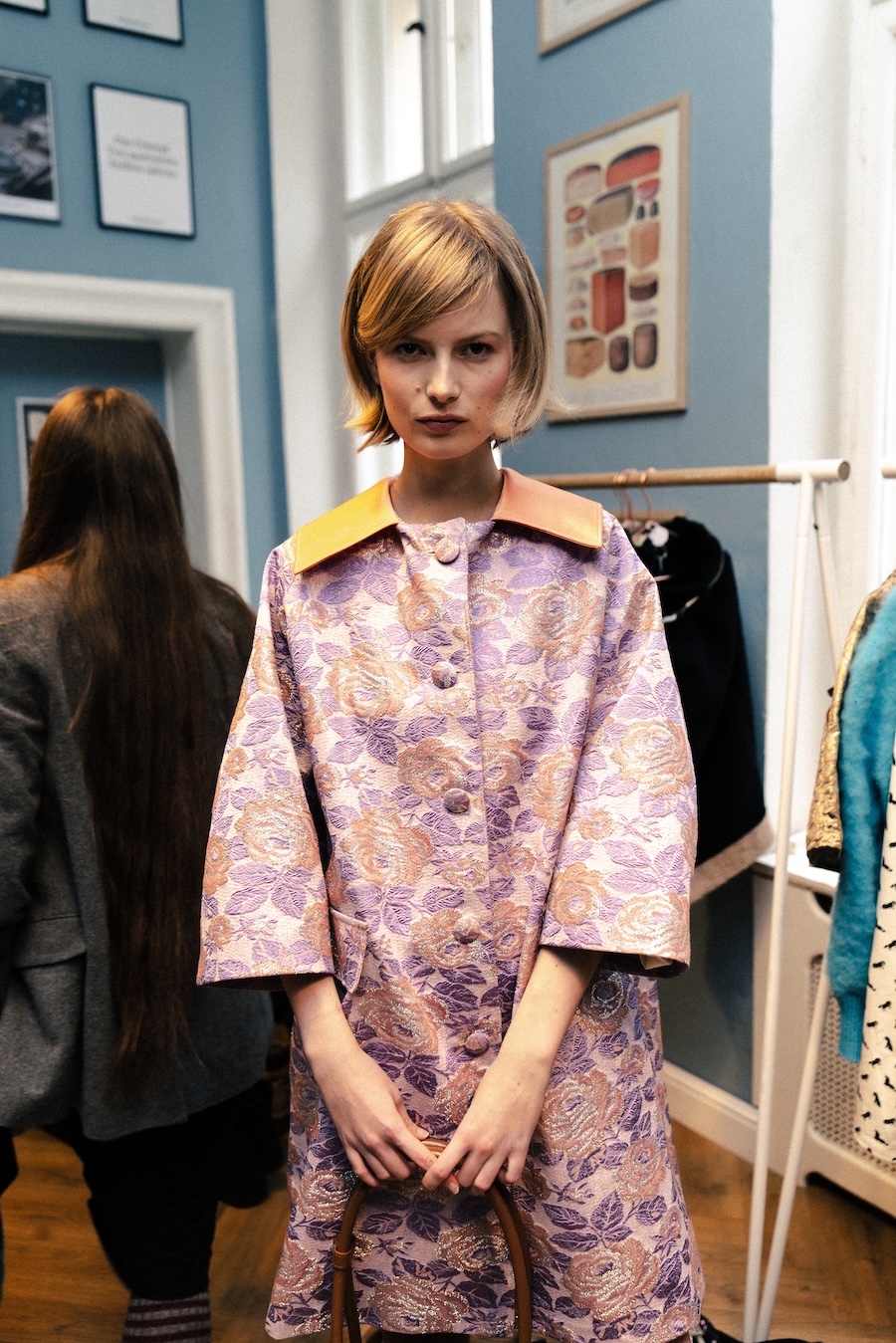
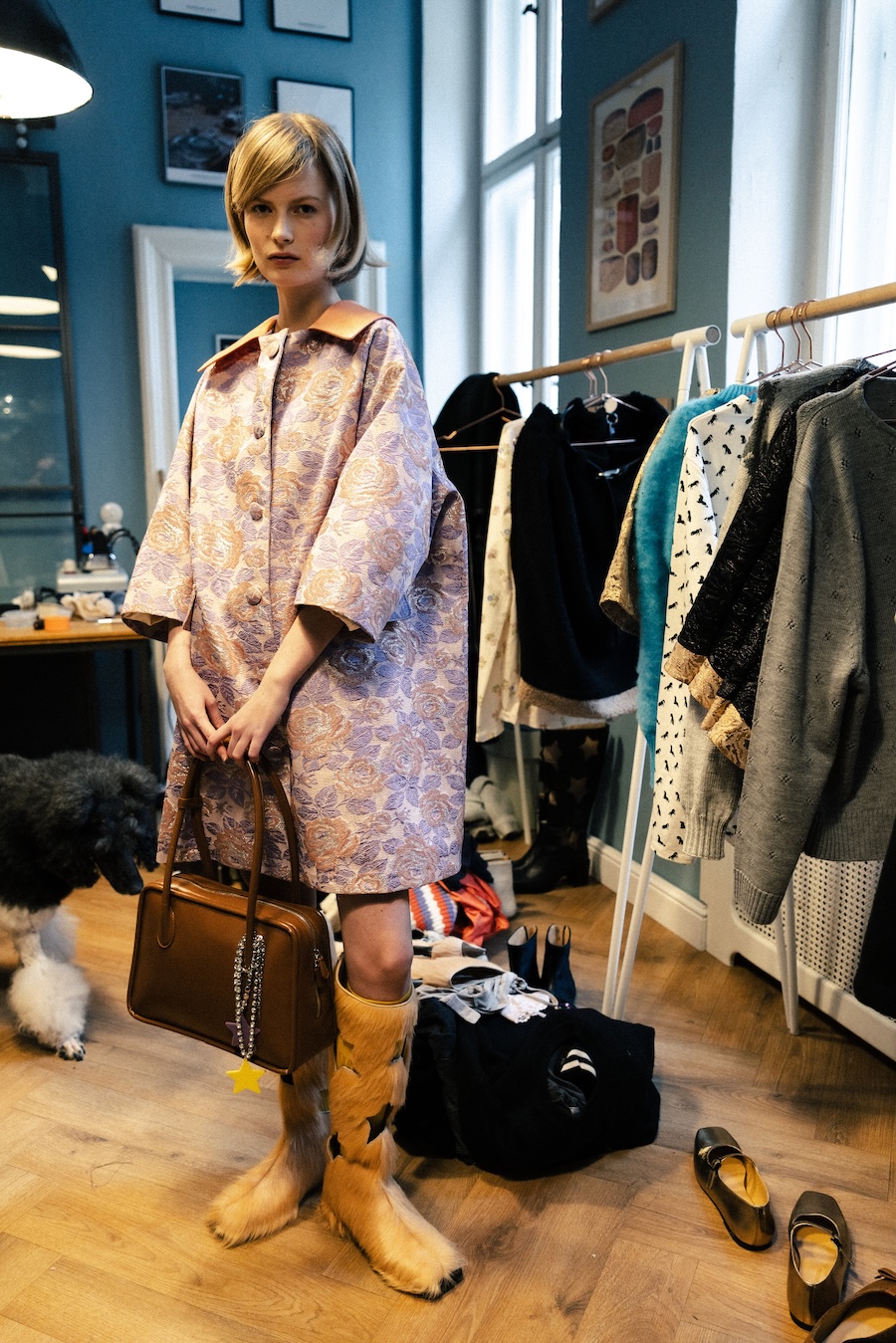
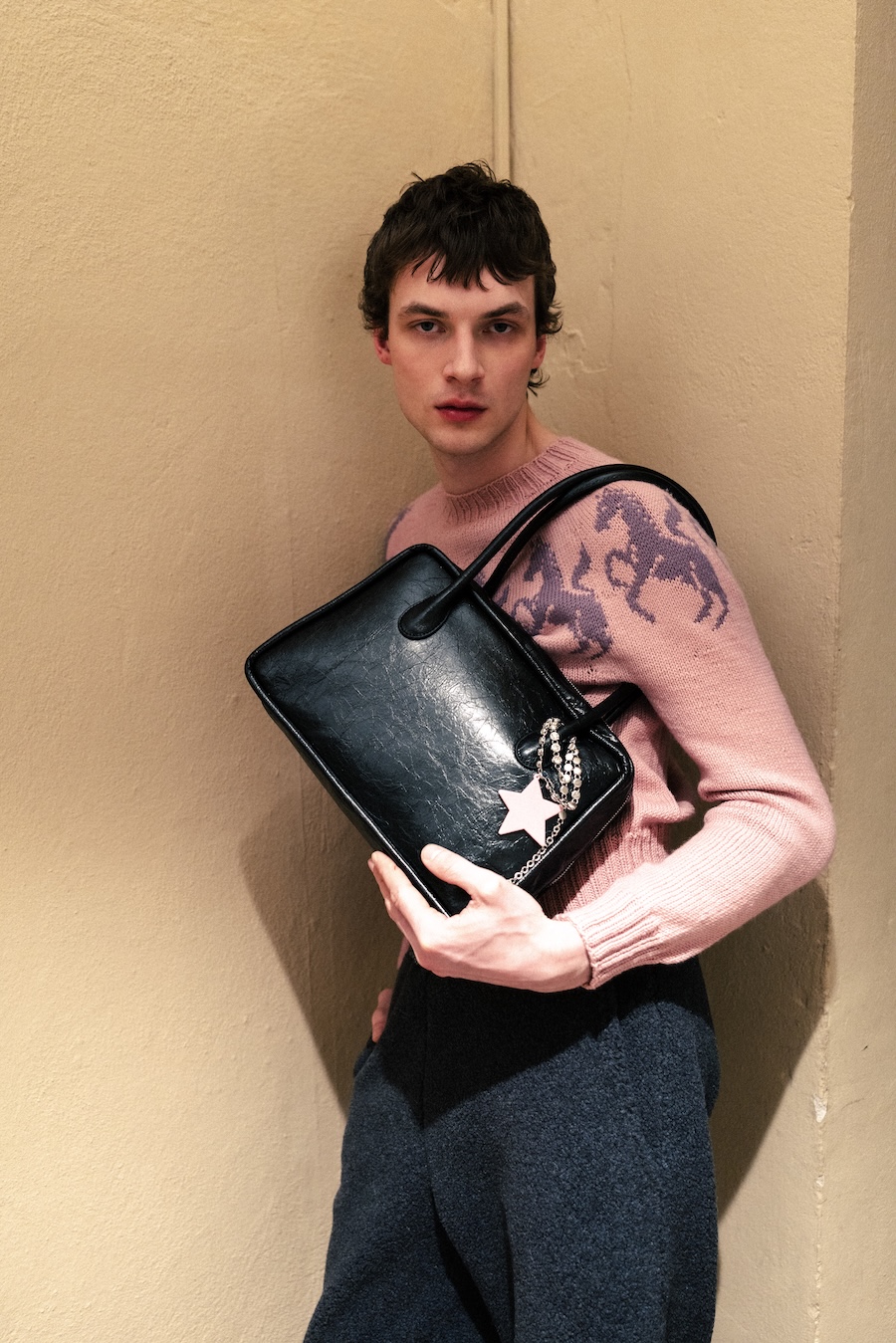
In a nod to Pierre Bourdieu’s idea of taste as a social code, the collection acknowledges that at home, taste behaves differently than in public; inside, it can slip away from convention. This collection thrives on the tension between good taste and bad taste, style versus fashion sins, and what we choose to reveal compared to what we conceal.
Themes of velour meeting brocade evoke ornamental stucco, with hoodie hoods cascading like drapery. The collection communicates that interior logic can become silhouette, embodying gestures that are serious yet playful. They resonate with Walter Benjamin’s conception of interiors as spaces where traces of self and identity accumulate.

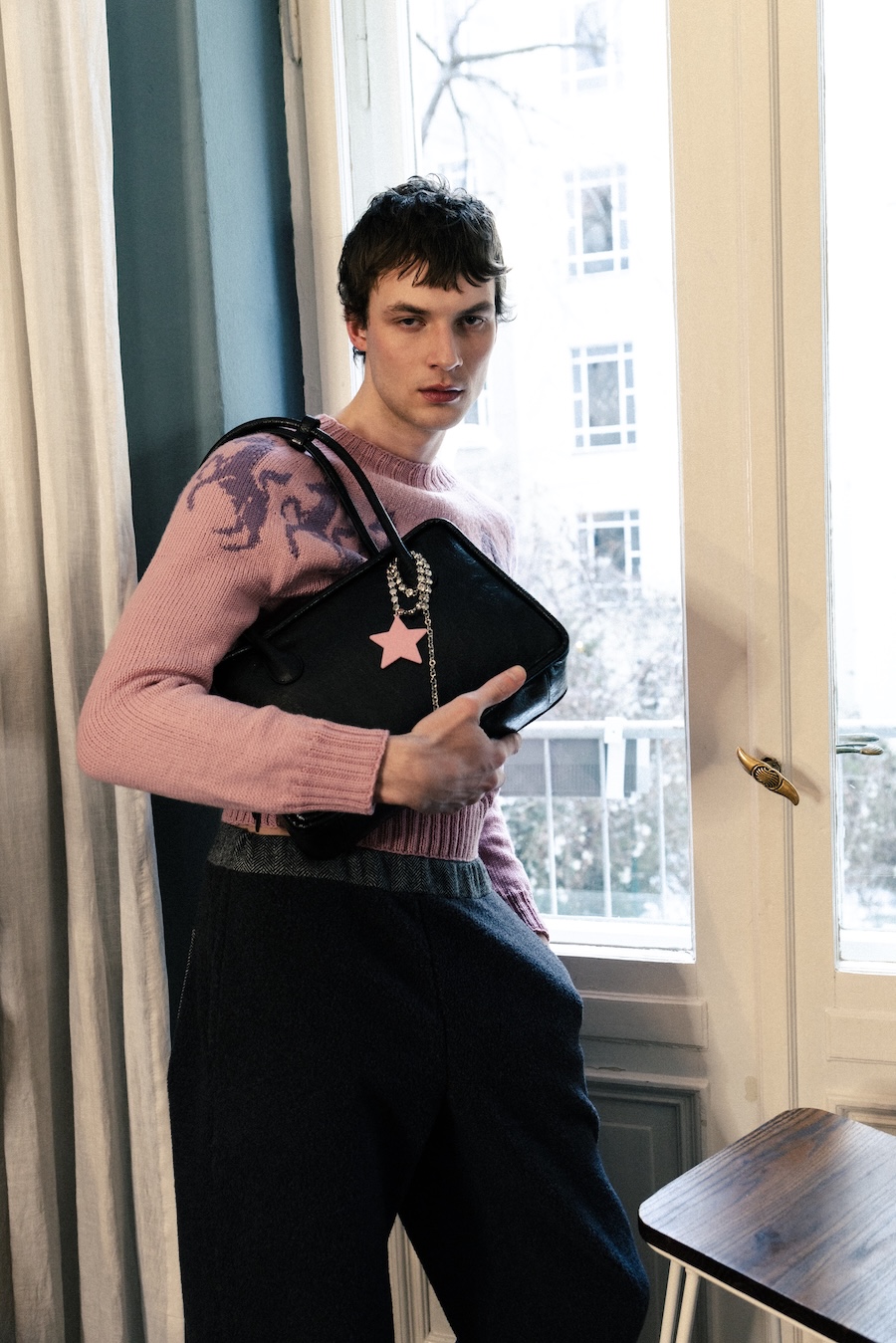
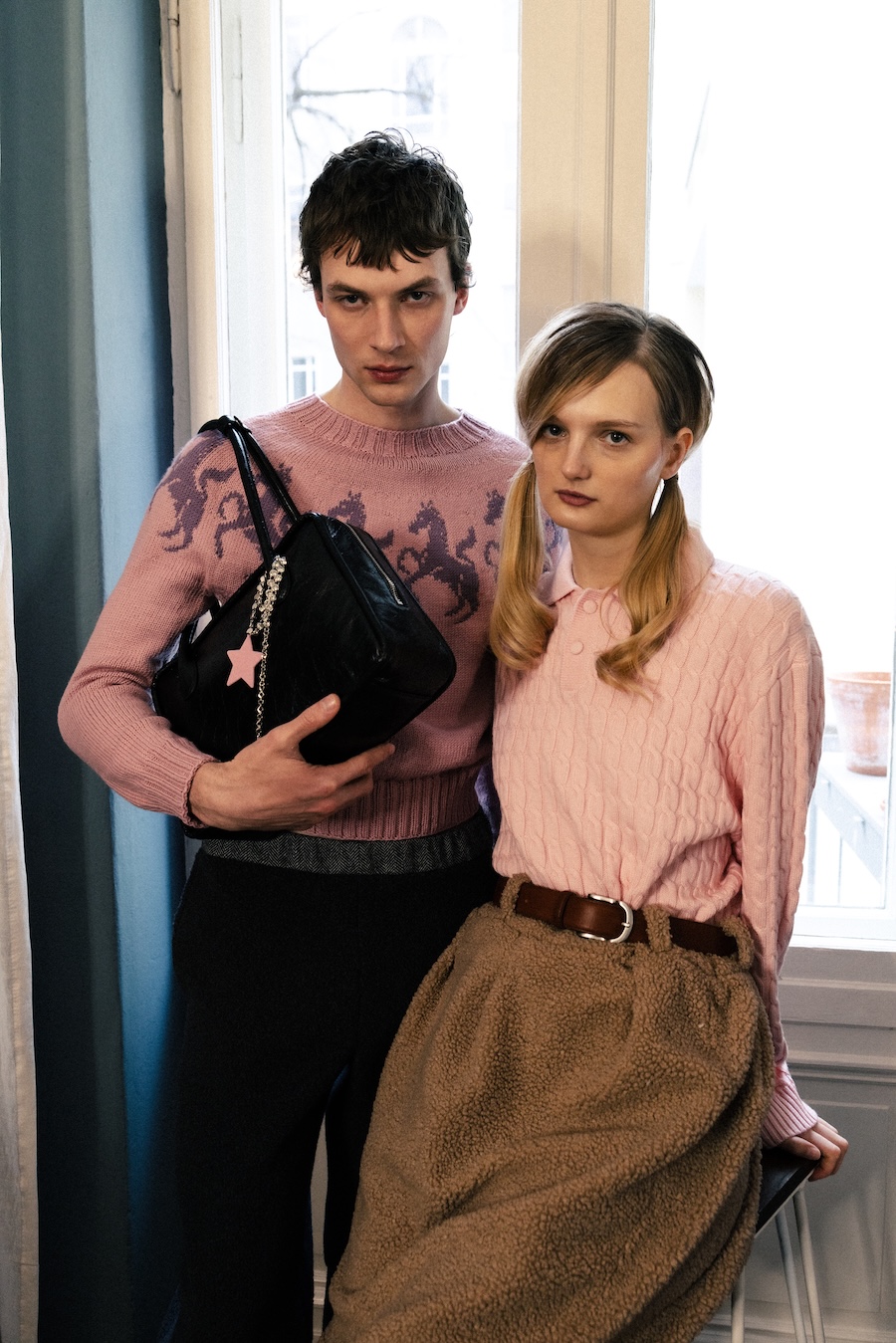
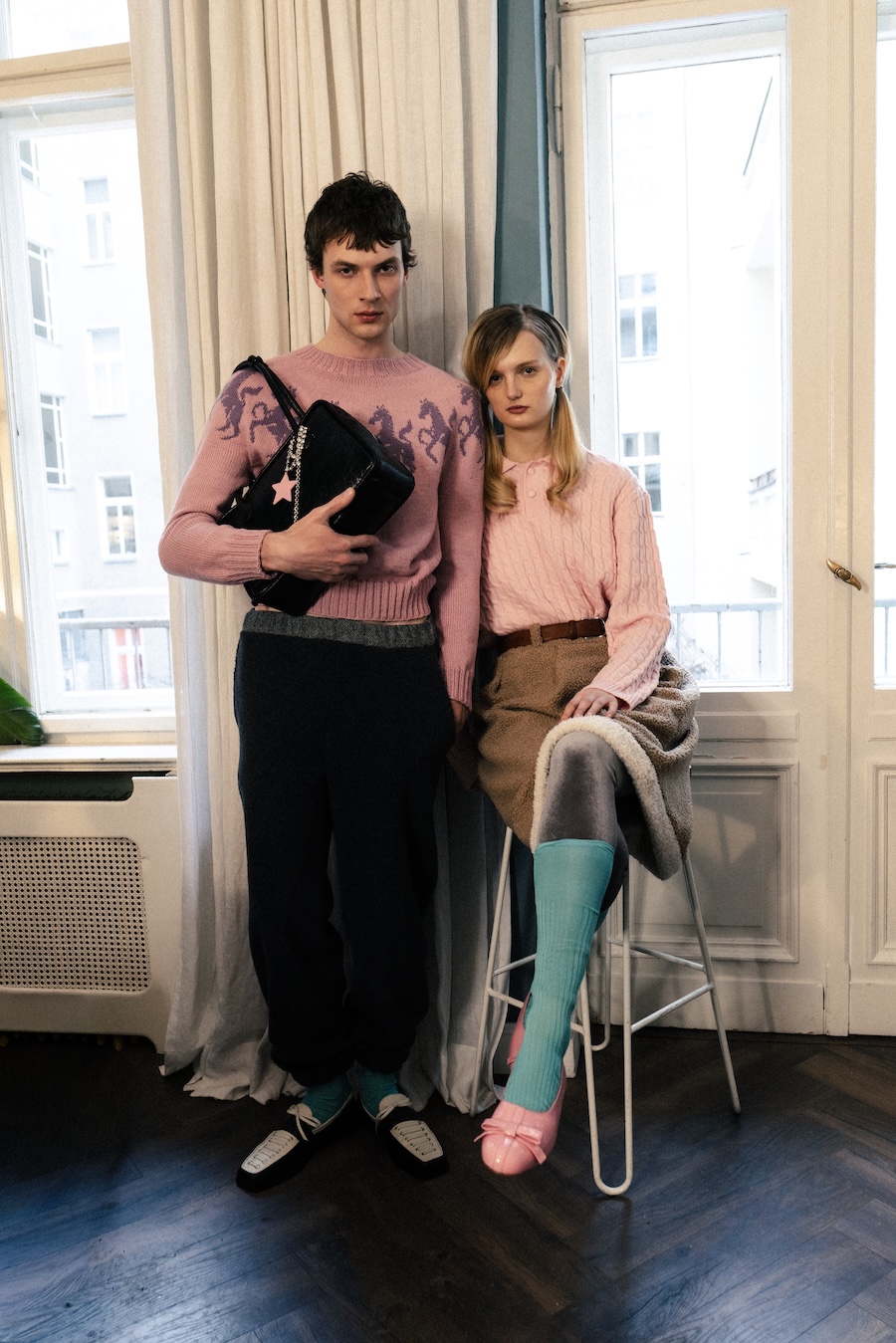
Here, adulthood does not erase elements of girlhood or boyhood; rather, it absorbs them. Gronau suggests that growing up is not a linear journey; it’s layered, emotional, and perpetually unfinished, never truly unfurnished.
With a vivid palette of saturated yellows, turquoise, mint, and gold, the collection recalls an era where velvet and velour once dominated interiors. Whimsical patterns are worn with pride, clashing deliberately with cold bureaucratic greys, those uniforms we don when stepping into the outside world. In this collection, restraint meets indulgence, celebrating comfort as a badge of confidence and privacy as an empowering statement.