

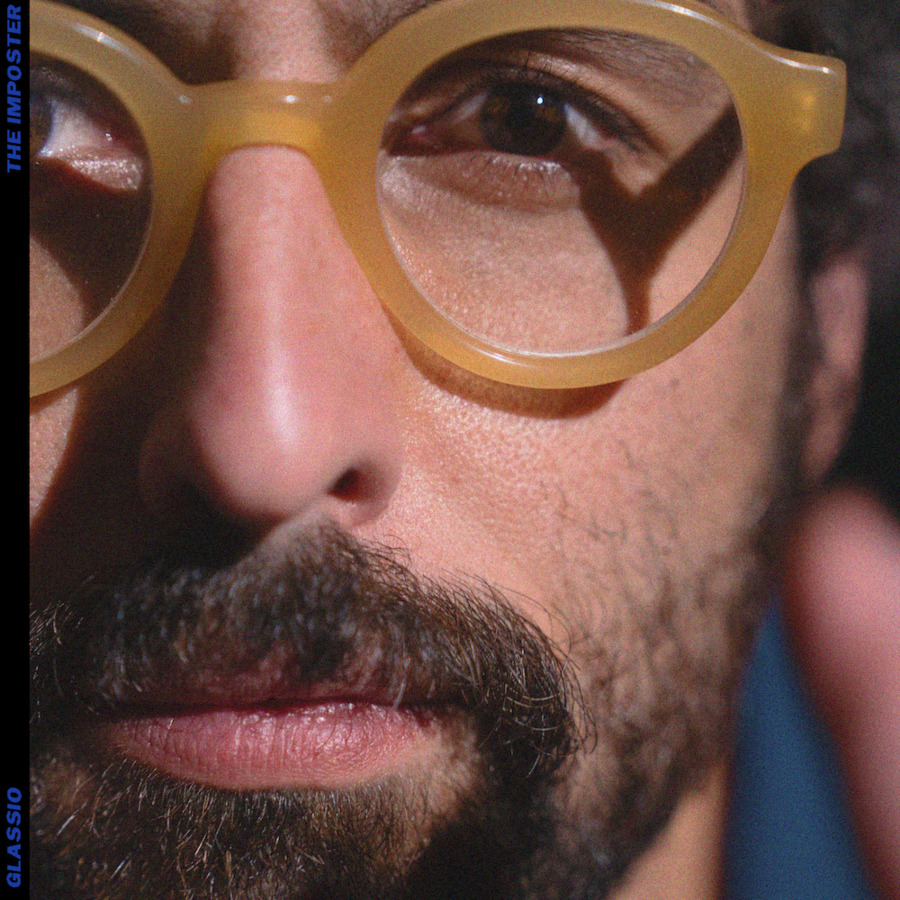
Something brilliant happens when you can feel the weight that the artists carried to get to an album. The late nights. The wrong turns. The moment they realise they’ve been performing a version of themselves for so long, they’re not sure what’s left underneath. Glassio‘s third album, “The Imposter,” is that kind of epiphany pressed into a record.
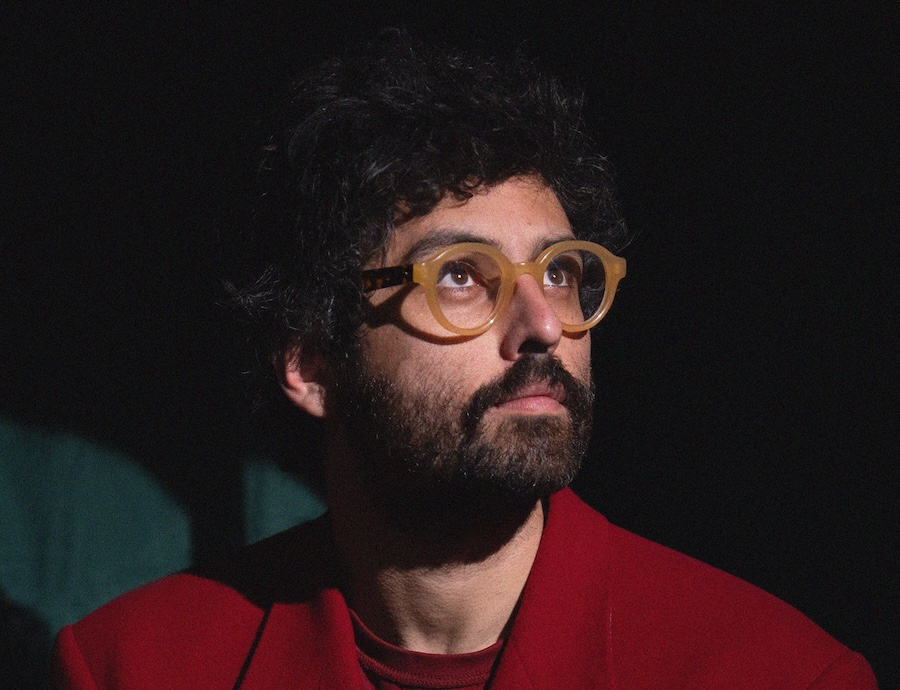
Sam R. has been at this for a minute now. With over 25 million streams and placements on HBO, Netflix, and Amazon Studios, he has emerged as one of the defining artists in New York’s indie-electronic scene over the past decade, shaping a sound often described as melancholy-disco.
“The Imposter” feels more like a gentle detonation, a controlled demolition of whatever “Glassio” was supposed to be, so something more honest could rise from the rubble.
The circumstances matter here. A transatlantic move from New York to London, paired with the early stages of sobriety, created the kind of upheaval that either breaks you or forces you to confront what is truly essential. For Sam, it did both. Across 13 tracks, the album traces that unravelling and rebuilding with an intimacy that can feel almost uncomfortable, especially if you are not ready to sit with your own reflections.
Sonically, it’s a woven thing. Shoegaze drift sits next to early-2000s electronica, psychedelic folk bleeds into dream-pop, and somehow none of it feels like genre tourism. It feels like someone who’s been collecting sounds his whole life, finally letting them all talk to each other in an ambience curated by his particular perception of each. There’s a throughline you can trace back to M83 or Hot Chip if you need reference points, but the register here is different. More vulnerable.
The tracklist moves like a fever breaking. “Join the Club” and “Give Me Back My Future” open in a state of disorientation that shadows the rest of the record. Throughout the album, Glassio returns to themes of fracture and estrangement, turning them into a quiet but persistent antagonist. The journey toward recovery feels hard-won, lyrically and emotionally.
But the destination matters too. The closing track, “Take a Look at the Flowers,” featuring Madge, feels like the exhale the entire record has been building toward. Sam describes it as his way of ending the loop, and that sense of release runs through every line. After all the searching, the interrogating, and the stripping away, what remains is the simple act of pausing long enough to notice what is still blooming around you. It is grace in its most unadorned form.
The question at the album’s core surfaces most nakedly on “Hit or Bliss,” a spoken piece that dares to ask, “Would you still create if you were denied the right to create? Would you still know who you were?” It’s the kind of question that sounds academic until life forces you to answer it with more than words. Sam’s answer, across the album, is a slow admission. “A maker makes,” Sam says. “That’s what they are. I had to stop running from that.”
Many albums wrestle with identity, addiction, and the fear of fading into irrelevance. “The Imposter” sits with those anxieties rather than conquering them, tracing a path where vulnerability feels less like confession and more like reconstruction.
