

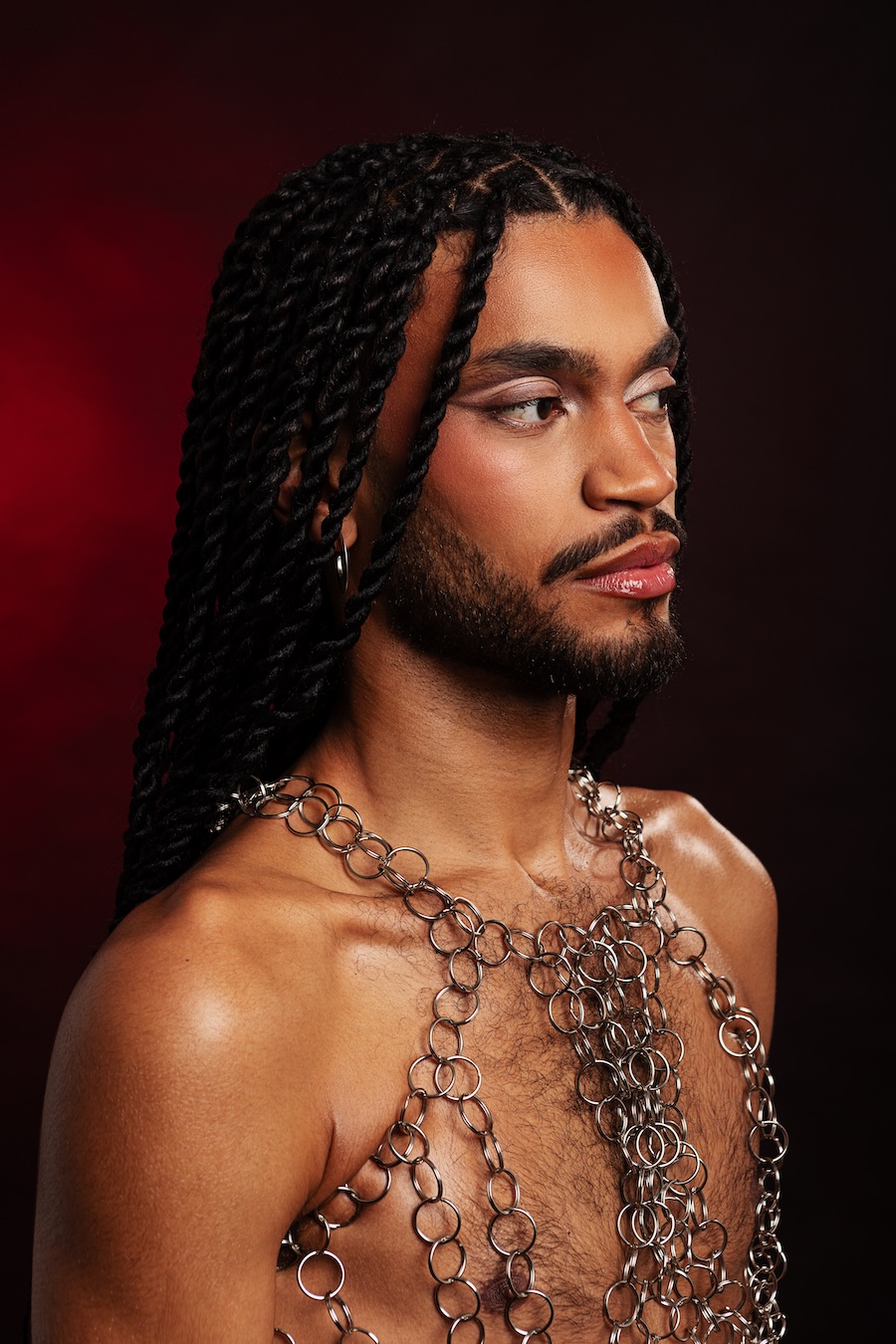
I am in LOVE with FAYIM. I can’t help but feel like I’ve arrived late to a party buzzing with the vibrant sounds and heartfelt lyrics of an outstanding artist. I may have just recently discovered FAYIM’s enchanting music, but I am utterly captivated. His voice resonates deep within me, and his track “NÄHER” has quickly climbed the ranks to become one of my top three favourite songs of 2025. What a talent! What a voice! FAYIM is not just an artist; he is a stunning human being who brings a compelling blend of depth and lightness to his music. If you are in Berlin today, do not miss FAYIM at Honey Lou Bar, Berlin @honeylou.bar.
Living in Berlin, FAYIM stands out as a singer-songwriter and performer who masterfully balances emotion and authenticity. From his early beginnings in a musically rich household, influenced by a father known in the Hamburg reggae scene, to forging a distinct voice resonating with modern narratives that intertwine pop culture and storytelling, FAYIM is a remarkable talent.
As we dive into his journey, FAYIM opens up about how his upbringing and the influences of his parents cultivated his love for music. He speaks passionately about his identity as a queer artist, how it liberates him, and the importance of vulnerability in his songwriting.
With his debut EP, “FOKUS,” FAYIM invites us on a journey through the intricacies of love, loss, and self-discovery. Each track carries its unique flavour, echoing the softness and complexity of his personality, all while drawing inspiration from the greats of R&B, soul, and pop. We explore FAYIM’s creative process, his visions for the future, and the profound messages embedded within his work. Join us as we uncover the layers of this extraordinary artist who is reshaping the soundscape of the contemporary music scene with authenticity and grace.
FAYIM, can you tell us how your upbringing in Hamburg and your parents’ early musical influences shaped your career as an indie artist?
I grew up in a very musical household with both of my parents being avid music lovers – my father was a musician himself. He played in several Reggae bands and had a lot of friends in the local scene. It was through his friend Love Newkirk that I joined Lukulule e.V. – a project in Hamburg fostering creativity in children and young adults. Every Sunday, I sang in the project’s choir, mainly learning about genres like R&B, gospel, Motown and Soul, which my parents loved as well. Through my parents’ support, I was able to gain experience as a performer from an early age, and it really shaped my artistic skills, knowledge and love for music and performing.
My parents were also very protective when it came to my involvement in the music industry, which I got a first glimpse of around age 9. I recorded vocals for a TV production and worked with other producers over the years following. My parents made sure I was never f’ed with, and it made me understand that having a love for music and working in the industry are two different things.
How does your background as a queer artist inform your music and the way you engage with your audience?
I believe that my background as a queer artist gives me a freedom of expression that non-queer artists don’t get to experience because of how cis heterosexism limits them. Queerness informs my music the same way my blackness and other parts of my identity do, and it’s the beauty of these intersections that makes writing and performing my music so enjoyable. I’m always happy to see the influence my music has on people, especially on those I share lived experiences with.
Many artists find solace in their craft. How does singing and songwriting help you process emotions and experiences in your life?
Creating music has been a way for me to immortalise some of the most beautiful experiences I’ve had. It has also helped me through some of my worst, e.g. my experiences with grief. I released my first ever single, “Du fehlst”, talking about dealing with the loss of my father, and it has become a reminder that life continues after what can feel like the end. It is beautiful to have my craft as a tool to process emotions and experiences, and every time I don’t sing for a few days, I know something is off. Singing and songwriting help me to find balance again whenever I feel unstable.
Your EP “FOKUS” has been a favourite of ours for 2025. Can you walk us through the production process of this project?
When I decided to start working on my debut EP in 2023, I applied for the “Projektstipendium” from Musicboard Berlin and eventually received 5329€ from the institution. In summer, I got together with Käthe Johanning, who recorded keys & synths for the first song on the project titled “Elia”. In autumn, I got together with Lucy Liebe (guitar), Zylva (keys & synth), Sofia Eftychidou (bass) and S. Fidelity (producer) for 3 days, and we arranged and recorded all instrumentation for the remaining tracks “Pixel”, “Näher” and “Fokus”.
After the recording of the instruments was completed, I went into vocal producer mode and created all the background vocal arrangements, which is my favourite thing to do. In November of 2023, I got together with Camufingo at Audioberlin Audiotainment Studios and recorded the lead vocals. One day later, I was joined by 7 incredible vocalists, who recorded the BVs with me: D.$ahin, douniah, HOLAN, Lyriya, mandhla., Noah Slee & Wanja Janeva. They added such beautiful textures to the songs, and I couldn’t believe the ideas I had heard in my head were finally coming to life. Pachakuti added the flute layers to “Elia”, “Pixel,” and “Fokus” in December, which gave all songs another warm and dreamy element.
After the initial completion of the lead vocal recordings, I became increasingly unsatisfied with my vocal performance on “Näher” and some of the lyrics on the track “Fokus”. It wasn’t until a month before the release that I recorded the lead vocals that ended up on the EP, which I recorded with Dhanya Langer at his studio in late spring of 2025.
It was a very long process, and I am so grateful for all the musical contributions from these incredibly talented people. The creation of the project felt very natural, and I feel very proud about this release.
Each track on “FOKUS” has its own unique flavour. What inspired the sound and arrangement choices throughout the EP?
Even though each song has its unique flavour, they all carry the softness, intricacy, lightness and warmth that make up parts of my personality as well. I was born in 1995 and grew up listening to a lot of early 2000s pop music, R&B and Highlife, which has had a huge influence on the way I set up my song structure and how I use my voice.
Especially artists like Mariah Carey, Beyoncé, Brandy, Take 6, and The Clark Sisters are huge inspirations to my vocal arrangements. I compose vocals in a way that they carry the essence and emotion of the song, even without any other form of instrumentation. Vocals have always been the first thing I pay attention to when listening to music, and I feel it’s something unique about my sound regarding the German mainstream music landscape.
Let’s talk about “Elia.” What does the song represent for you, and what message do you hope to convey to your listeners?
“Elia” captures a very fond and personal memory, and it’s the musical and lyrical introduction to my debut EP. The song describes a moment in which you let go of baggage you’ve been carrying and how vulnerability allows you to connect more deeply with the person you’re in love with. The lyrics, vocal production and instrumentation capture the warmth that moment reminds me of, and I hope that the listeners feel just as held as I did in that moment.
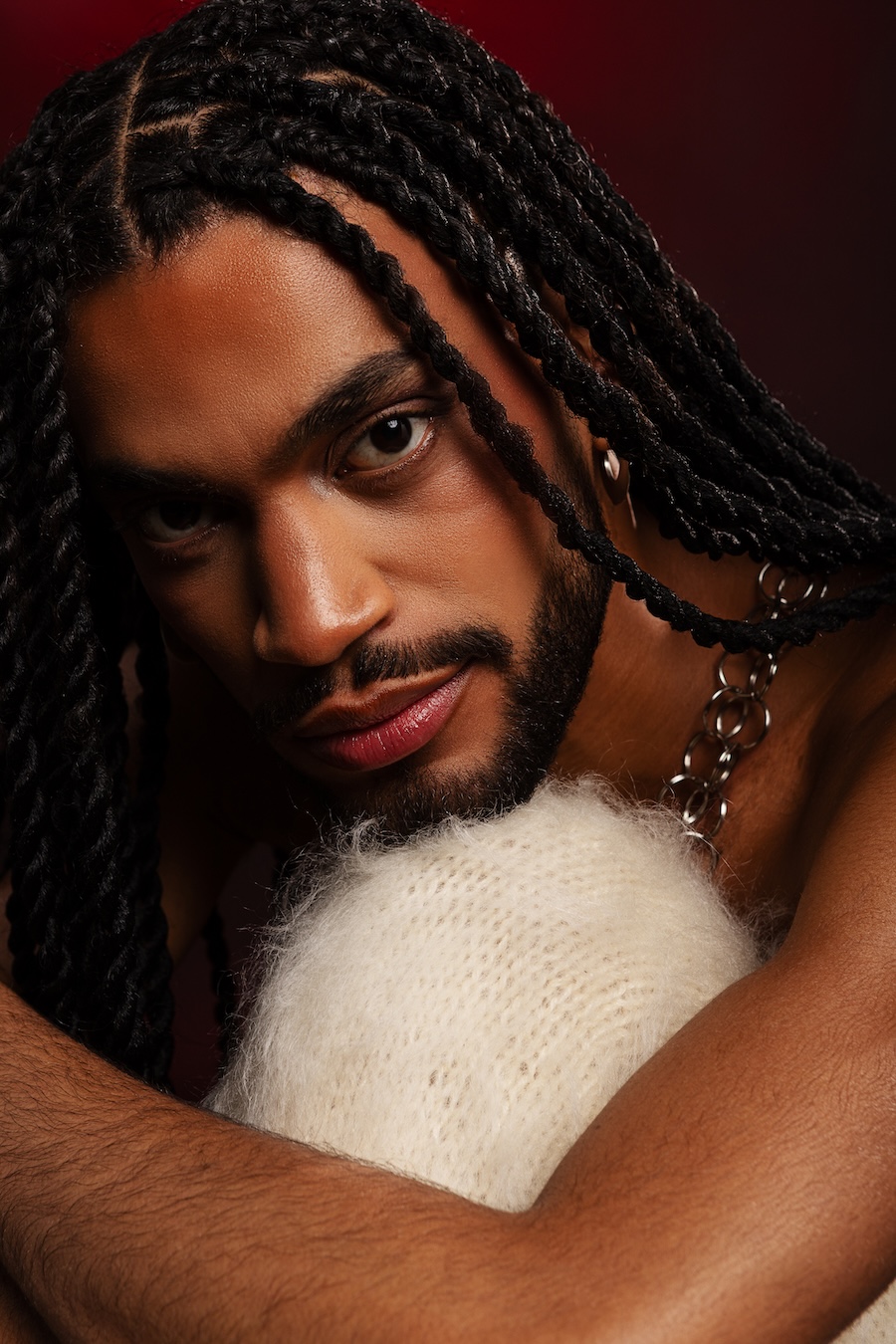
The track “Pixel” carries a distinct vibe. Can you share the story behind this song and what it means personally to you?
The first ideas for “Pixel” came during a session in October 2022 in Hamburg, where I came up with the melody for the hook (“Pixel von dir reichen mir nicht mehr”) and some other drafts for the verses. After the session, I didn’t work on the song for some time, and it was just sitting in my hard drive. However, the hook was stuck in my head, so a few months later I decided to write some more lyrics for it and put the track on the EP. Like many of my songs, it feels like a page out of my journal, and I wrote it during a time in which my partner and I rarely got to see each other due to us being on the road a lot.
In “Näher,” you explore themes of closeness and connection. What was the driving force behind this song, and how does it reflect your personal experiences?
With “Näher”, I wanted to challenge my songwriting because I had gotten too comfortable writing music around 75 BPM. I was shaped by a lot of powerful, energetic pop music by women growing up, so I wanted an uptempo song for the EP. So I created an anthem for the girls, gworls and they/thems to get ready to or blast in the car with the top down. The lyrics are inspired by a night out in Berlin I had a few years ago, and it felt good to be flirtatious and a little sexy in the lyrics.
The title track “Fokus” seems to encapsulate the essence of the EP. What led you to title the project after this song, and what is its core message?
The song “Fokus” describes my personal experience with the beauty and challenges of being black, queer and in love in Berlin. However, I chose “Fokus” as the title for the EP because it represented so many aspects of personal and creative developments in my life and how I viewed myself.
After having worked many years in the industry behind the scenes and at the side of the stage, I felt it was time to take centre stage and to “focus” on telling my own stories. I wanted to “focus” on talking about my experiences and creating a sound that I felt was underrepresented or missing in the German music scene.
Ultimately, I wanted to “focus” on maximising my light, instead of continuing to minimise it for the fear of being seen. I’m glad I’ve taken this step, and I’m looking forward to putting out more art in the future.
As we look forward to 2026, what are some challenges you anticipate facing as an indie artist in this rapidly changing music landscape?
The music landscape is highly influenced by politics, and as German politics become even more right-wing, conservative and silencing, I anticipate more cuts to cultural institutions, funding and opportunities of support, especially for queer BIPoC.
So now more than ever, we need our audience to come to shows, buy tickets, buy our music, merch, share our art on socials and so on. Streaming platforms aren’t paying us enough, and we put so much effort, time and money into creating our art for people to come together and enjoy it.
I am also in the beginning stages of building a team because even though I enjoy being a manager, booking agent, video editor, website creator, graphic designer and stylist, besides being an artist, it’s simply too much for me to handle all at once.
Can you discuss the importance of storytelling in your music and how it differs from other pop artists today?
My songwriting is very personal and comes from a perspective that is often overlooked and underrepresented in the German mainstream. It was very important for me to highlight these narratives and to always be authentic in my music because I’m also honest with myself in my day-to-day life. By basically giving the audience a look into my journal, I allow them to connect to the music more deeply, and I pride myself on being this vulnerable. I also love to connect very picturesque language with vocals that capture the emotions of the stories and experiences, which makes my storytelling very me.
With the rise of digital platforms, how do you see your relationship with your audience evolving as an indie artist?
Over the year, I’ve mainly used Instagram and TikTok to reach and build my audience. It’s been a lot of fun creating content and sharing parts of my personality on there, but I want to find other ways of engaging with my listeners and viewers and become less dependent on huge tech firms whose CEOs often support ideology I strongly disagree with. I’m still figuring out how to work with it.
What dreams do you have for your music career, and where do you see yourself in the next few years?
I can say that, as a singer, I’ve already lived many of my dreams, being behind others on stage who have inspired my musical journey. I’ve also had the opportunity to be on most of the platforms that I had dreamed of stepping on when I was younger.
Now it’s time to relive these experiences being a solo artist and with my own creative vision. I want to go on our, see new cities and countries and connect with the people who listen to my music. I also want to produce albums, music videos and eventually create a space for black & queer talent to network and collaborate. We can all learn from each other and need each other’s support to thrive in this industry. I believe that setting up FUBU infrastructures has the potential to make these journeys more comfortable.
As a self-taught musician, what advice would you give to aspiring artists trying to find their voice in the music industry?
If you decide to go into the industry, have a clear vision of yourself and your art and find people who align with it. The music industry is primarily interested in how to profit from your music, not your music or voice itself. Don’t let the opinions of businesspeople distract you from the gift you have, and especially don’t let the industry dim your light or shape you into something you are not.
Have you faced any significant struggles in your journey as an artist, and how have these experiences shaped your music?
My struggles in my journey as an artist have never really been about skills but more so about personal issues, such as not believing in myself enough and wanting to shrink myself. Overcoming these insecurities has shaped my debut project and its title, “Fokus. Even when I had little to no financial resources, I found ways to create and learnt hard skills online, such as video editing and music production, to not feel stuck in my creative processes.
How do you stay grounded and maintain your authenticity while navigating the pressures of the music industry?
I stay grounded by talking to other artists and creatives about their experiences in the music industry and try to start conversations about proper artist care and adequate payment. Being around friends and loved ones and in the Berlin ballroom scene also play great parts in keeping myself balanced in an environment that can be very stressful and isolating. Sometimes I also like a good book or to learn a new language. Something that has little to do with the music industry, just to get my mind off it.
Can you share a memorable moment from your performances that has left a lasting impact on you?
One of the most memorable moments took place this year at my EP release show. To see people buying tickets to come support my dream was very heartwarming and made me emotional the second I stepped on stage. I had to collect myself quickly because Titi (@nappychild on IG) did an amazing make-up look that I didn’t want to ruin. In the audience, I saw people who travelled from other cities, already knew the words to my previously released songs and who inspired me to make music in the first place. It felt very surreal, but it makes so much sense looking back. It was an evening full of love and support, and I can’t wait to have more of these memories.
Collaborations can be key in the indie scene. Are there any artists you dream of working with in the future?
There are so many artists I’d love to create music with, such as Milaa, Joy Denalane, Ray Lozano, Anny and toxique, to name a few here in Germany. I have even considered making music in other languages at some point and would love to get in the studio with MNEK, Durand Bernarr, Destin Conrad, Liniker, Alex Isley and serpentwithfeet. And Mariah, of course.
What do you hope listeners take away from your music, especially from the “FOKUS” EP?
I hope that listeners will always feel the warmth and sincerity of my music, regardless of the language used for the lyrics. This EP is about love and carries a lightness that I want the audience to feel while listening to it. One person told me that they wanted to fall in love again after listening to “Fokus”, which was one of the sweetest compliments I’ve heard in a while. The fact that the stories can make you feel this way is beautiful, and I’m honoured I get to contribute to the past, present and future of Black & queer art in Germany.
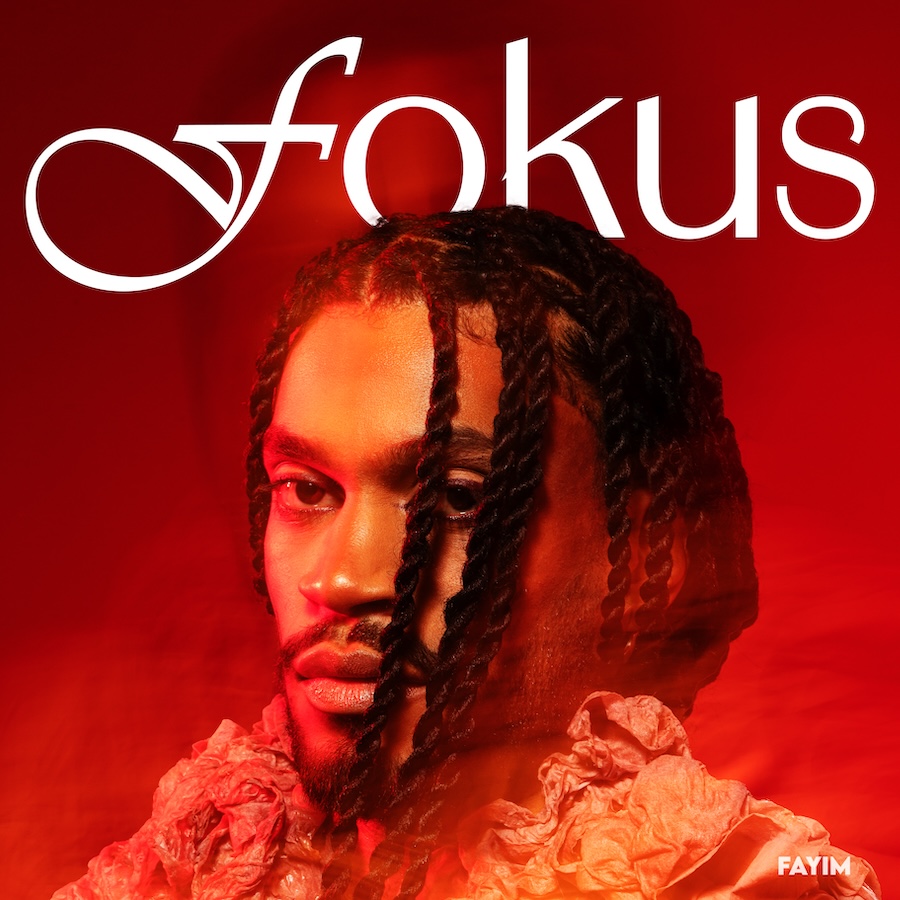
Photography by Meklit Fekadu @meklit.fekadu
Fotoassistenz: Amany Hassan @amany__h
Hair & Make-Up: Titi Amoako @nappychild
Styling: Mathieu @m.amadouo & Mario Lukić @wifigiver
Set: MAJÈRE @studio.majere
Schmuck: Sahar Ismail @saharismail.berlin
