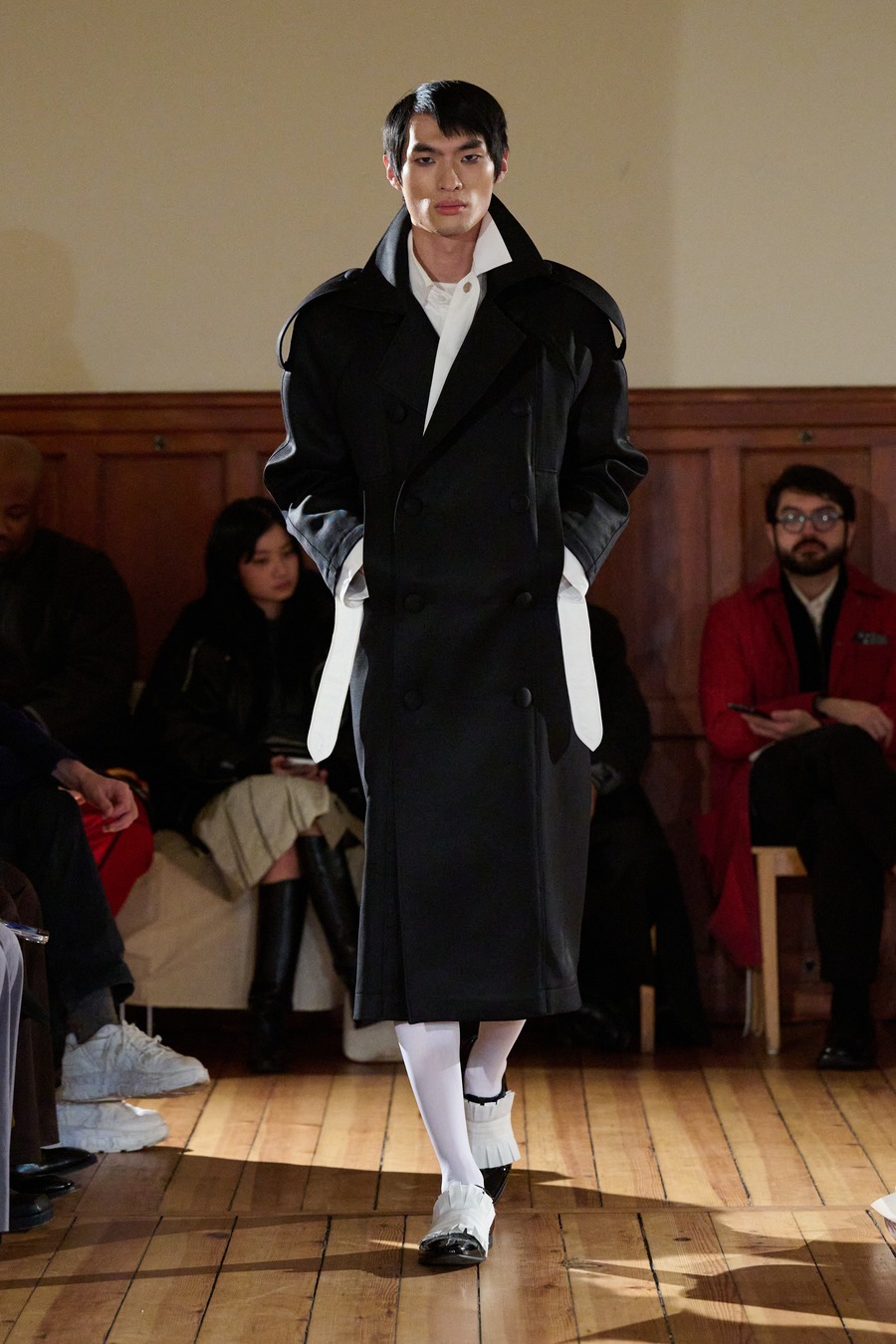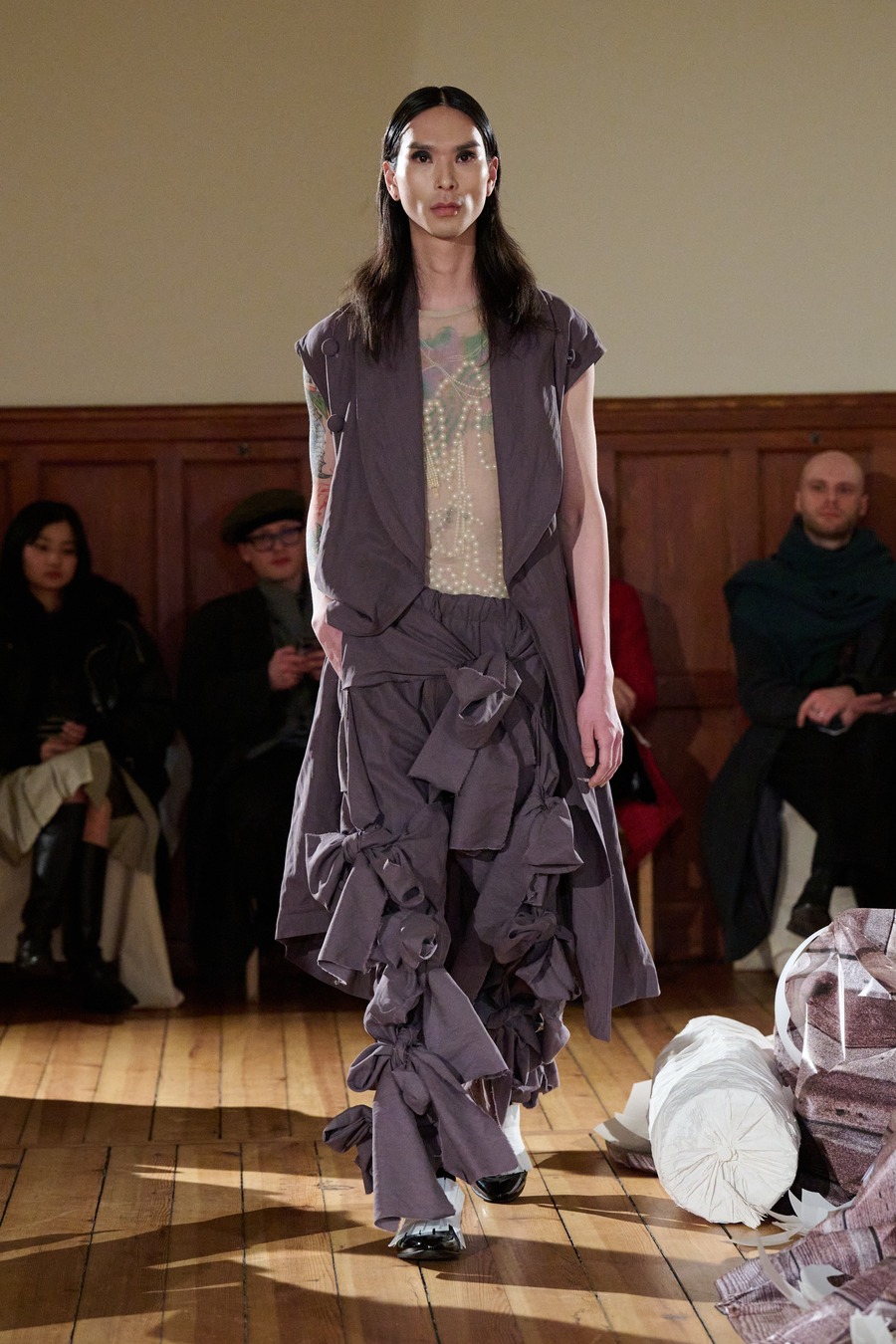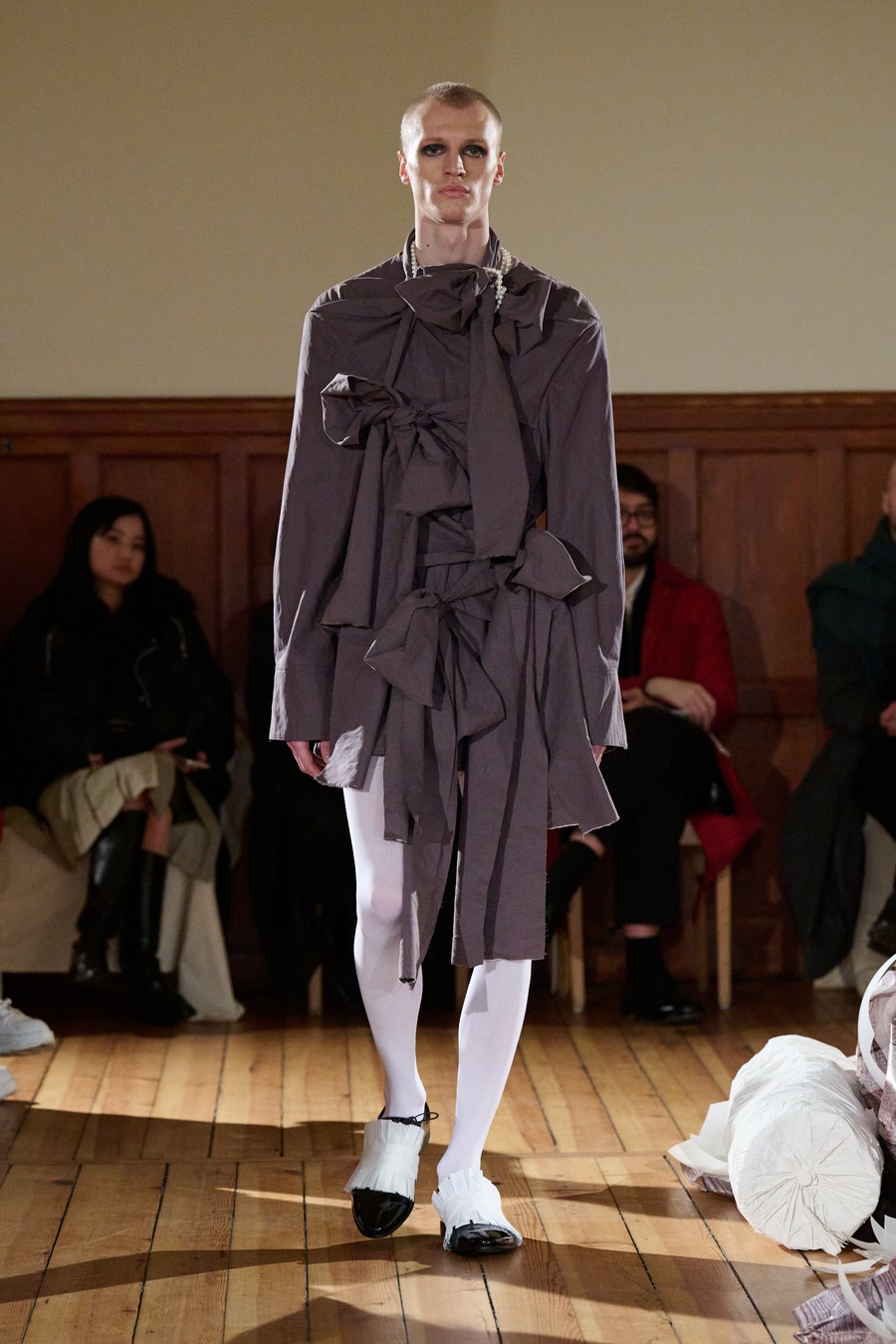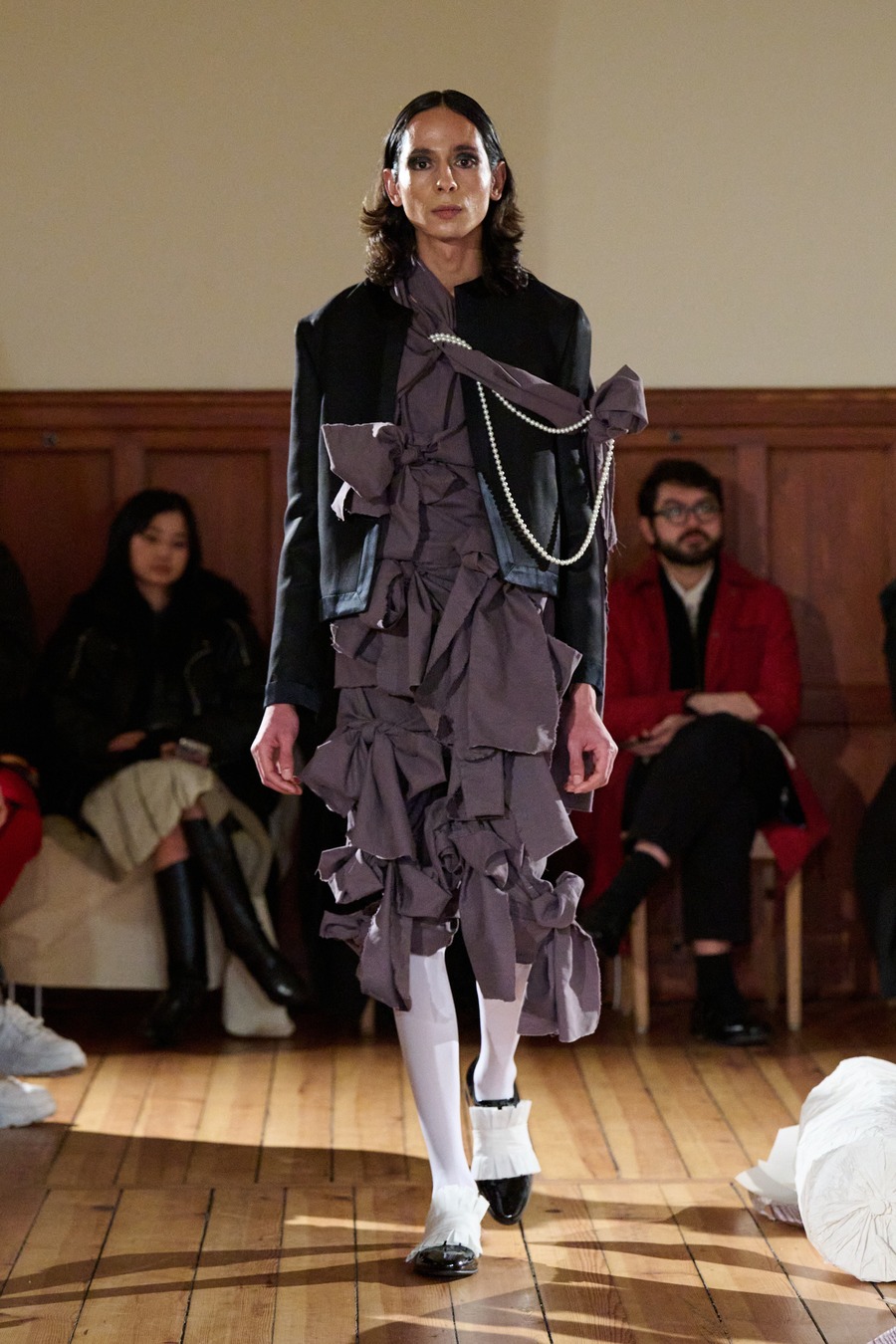
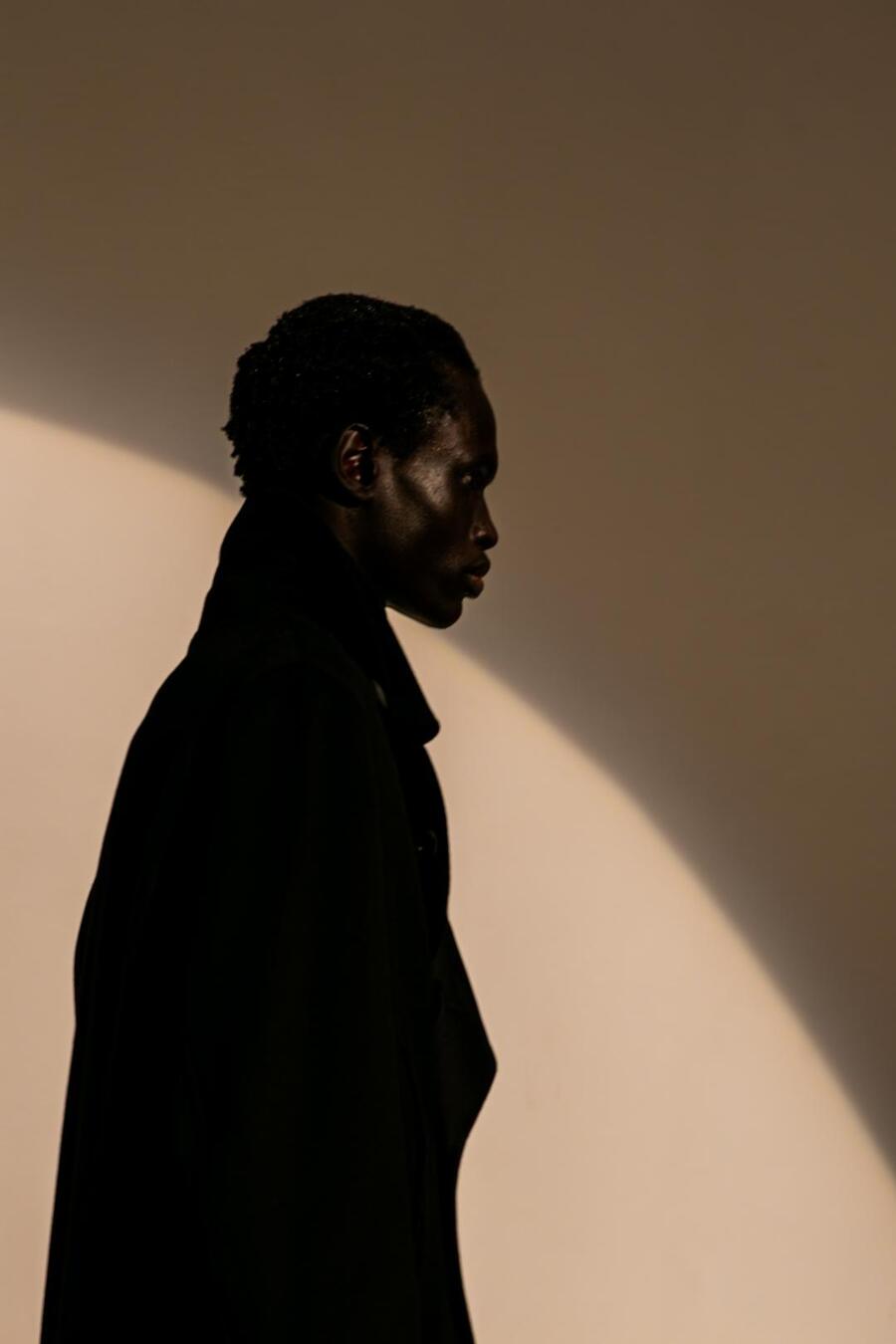
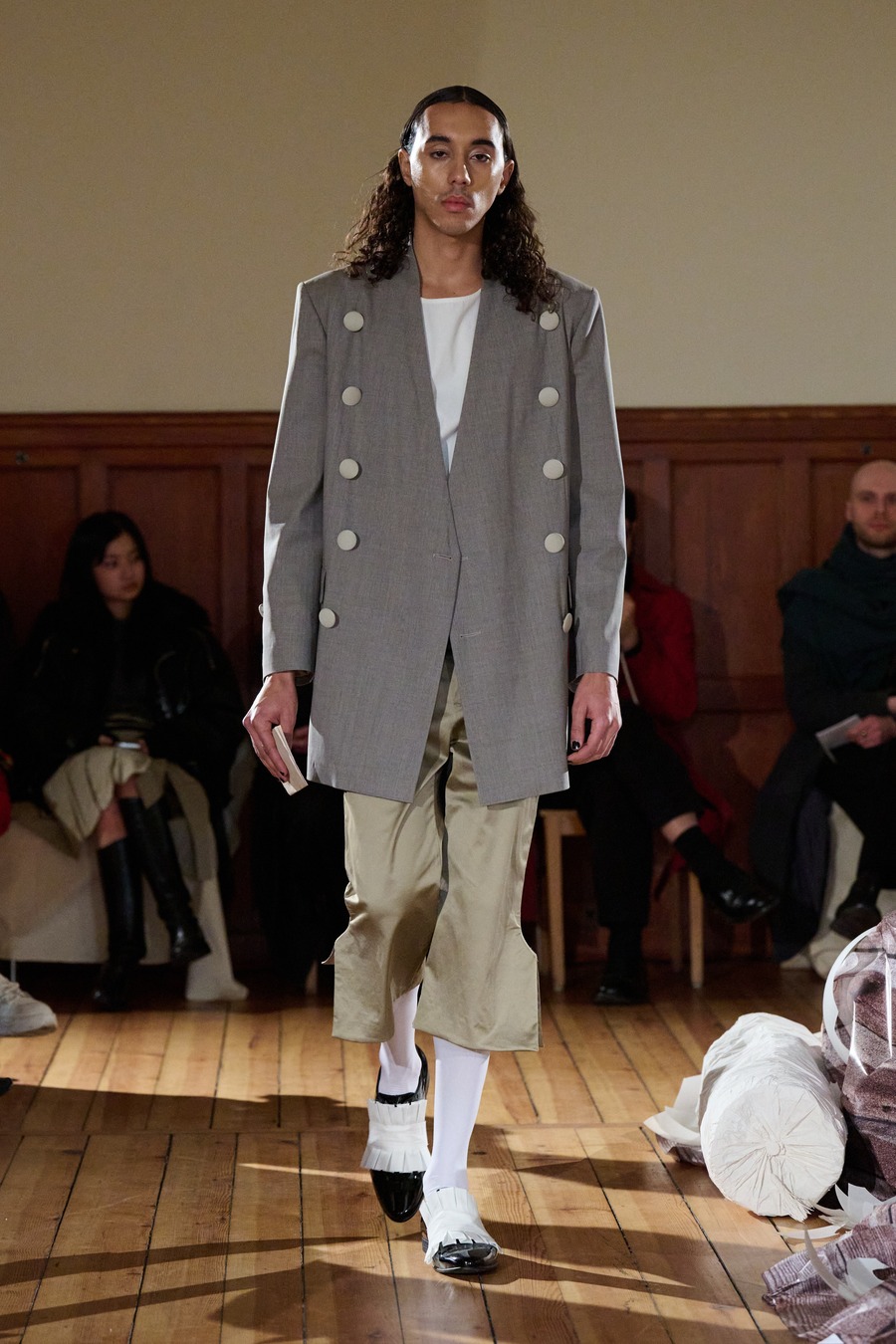
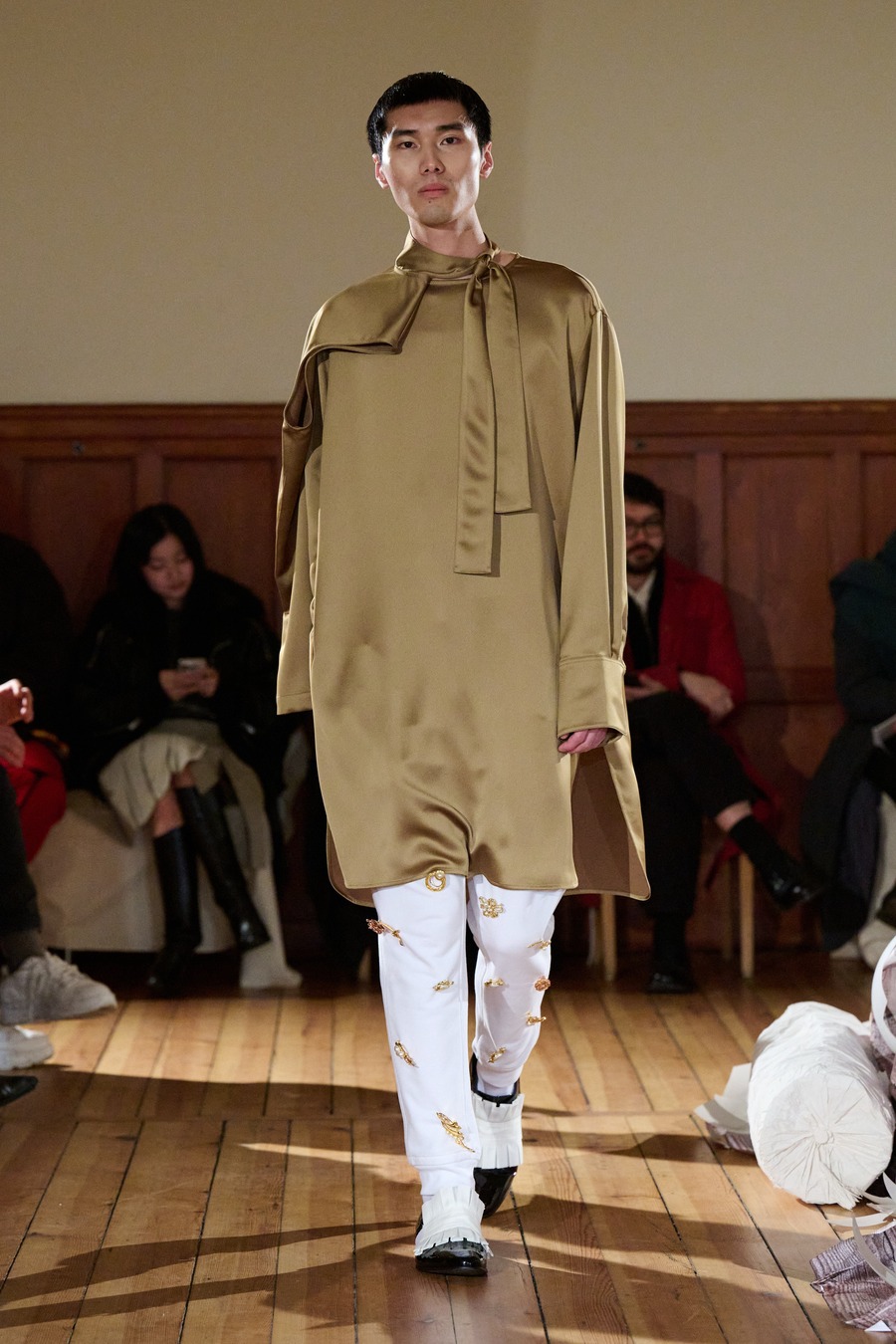
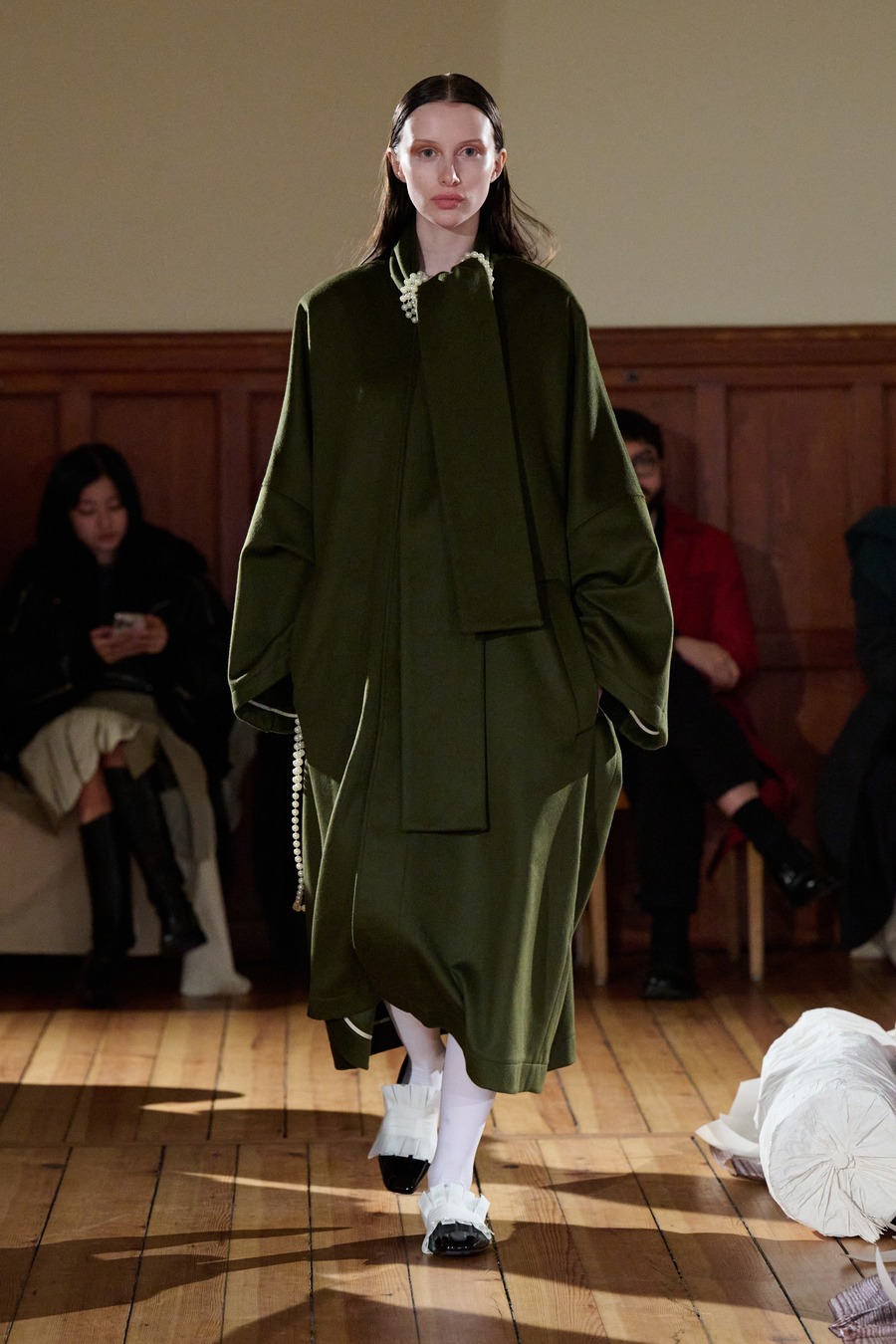
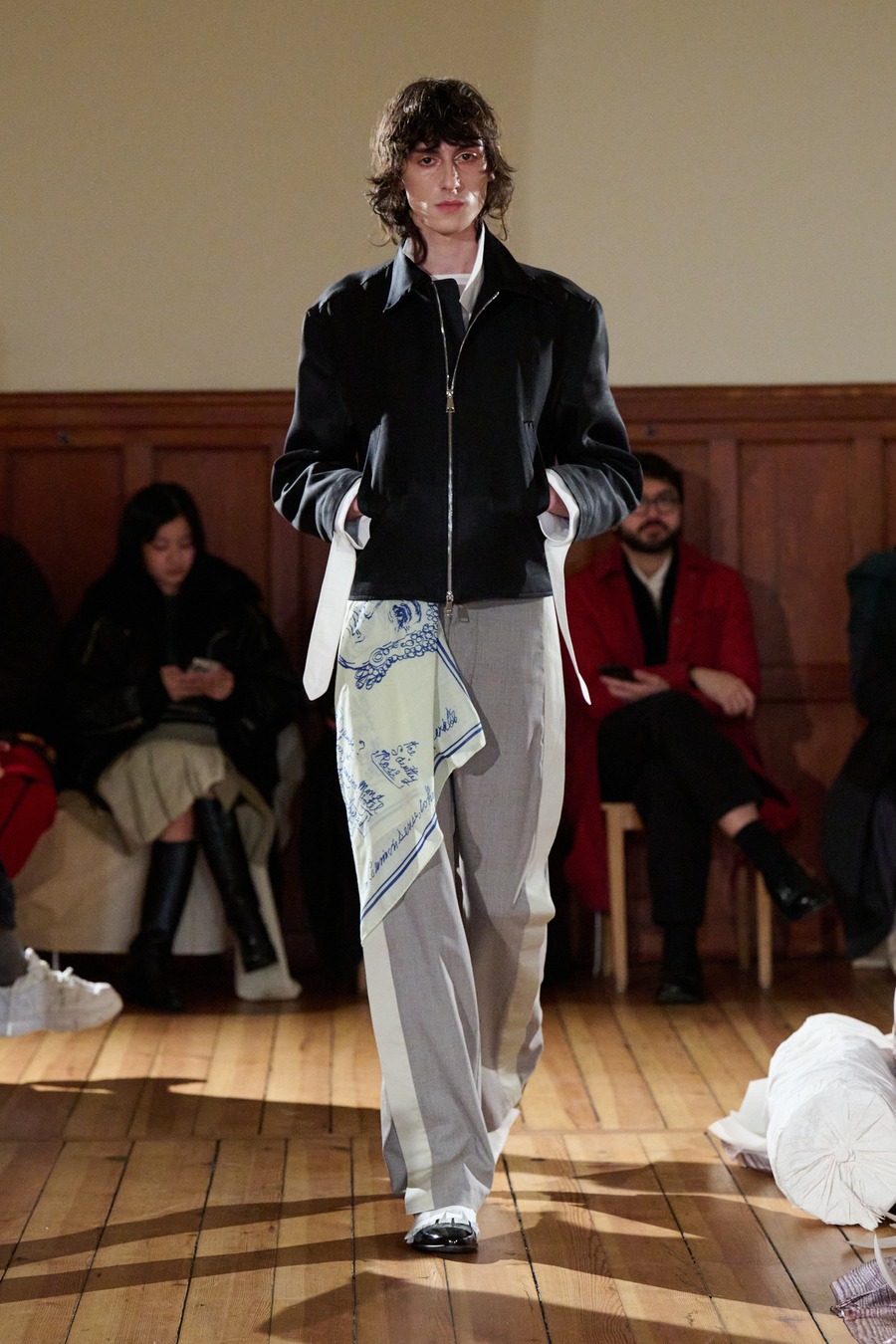
MARKE unveiled its eagerly anticipated Fall/Winter 2025/26 collection, titled “Everything That Stays Is Love,” during Berlin Fashion Week. This collection is an extraordinary tribute to nostalgia and longing, navigating the delicate line between daydreams and reality. “Everything That Stays Is Love” is, without a doubt, one of my favourite collections from the last Berlin Fashion Week. If Jil Sander and Karl Lagerfeld had a child, it would undoubtedly be Mario Keine from MARKE.
@marke.brand
@mariokeine
@berlinfashionwe
@fashioncouncilgermany
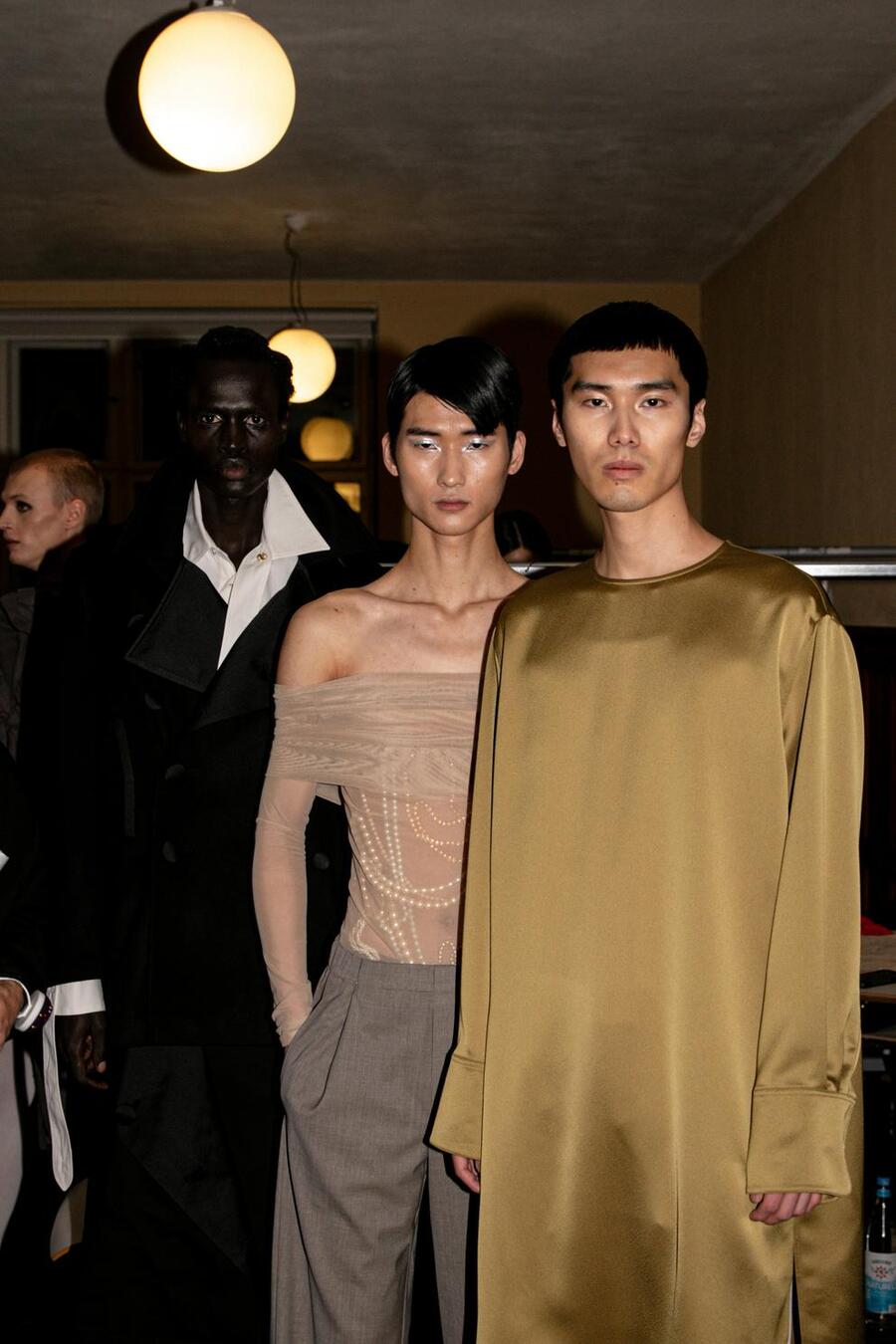
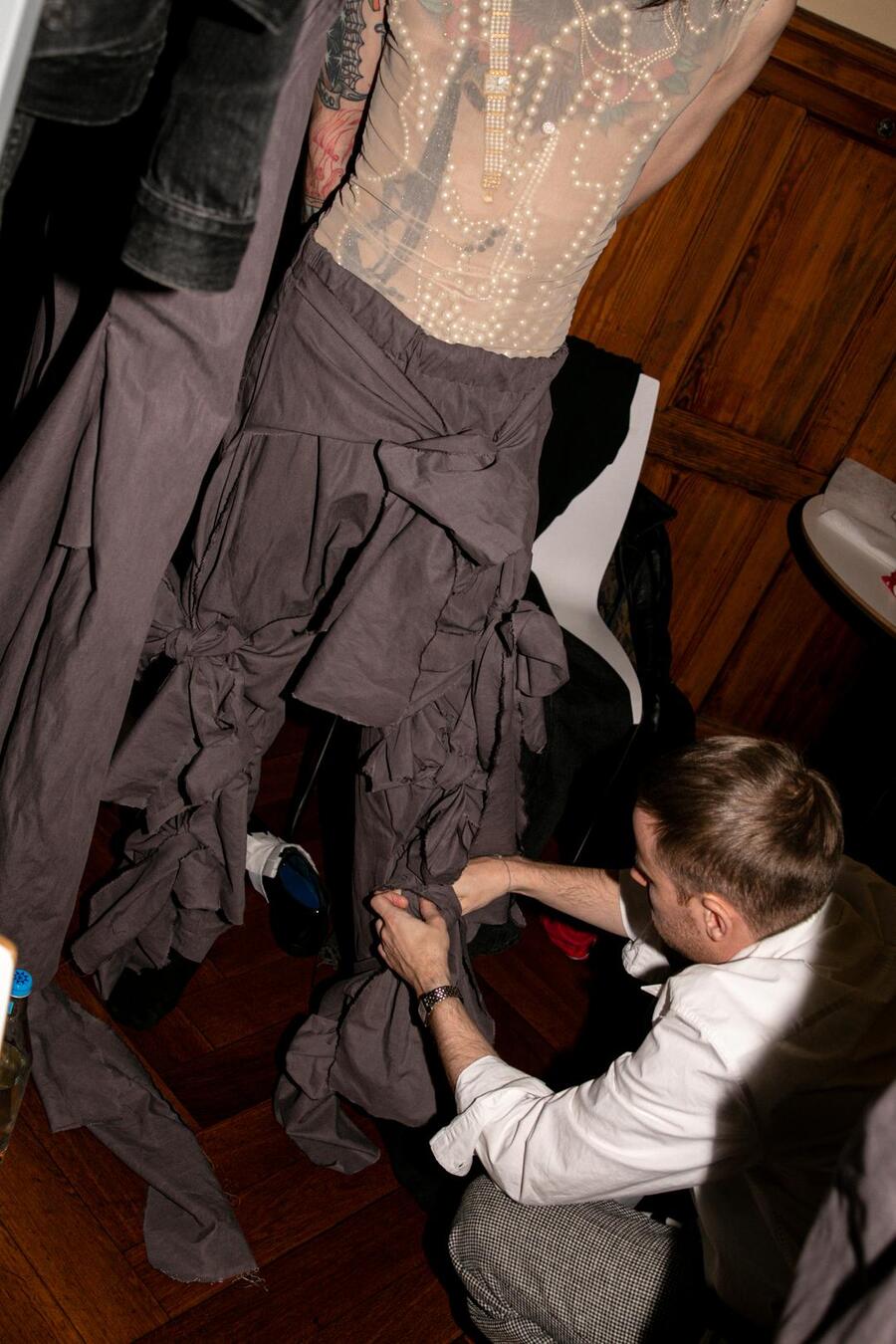
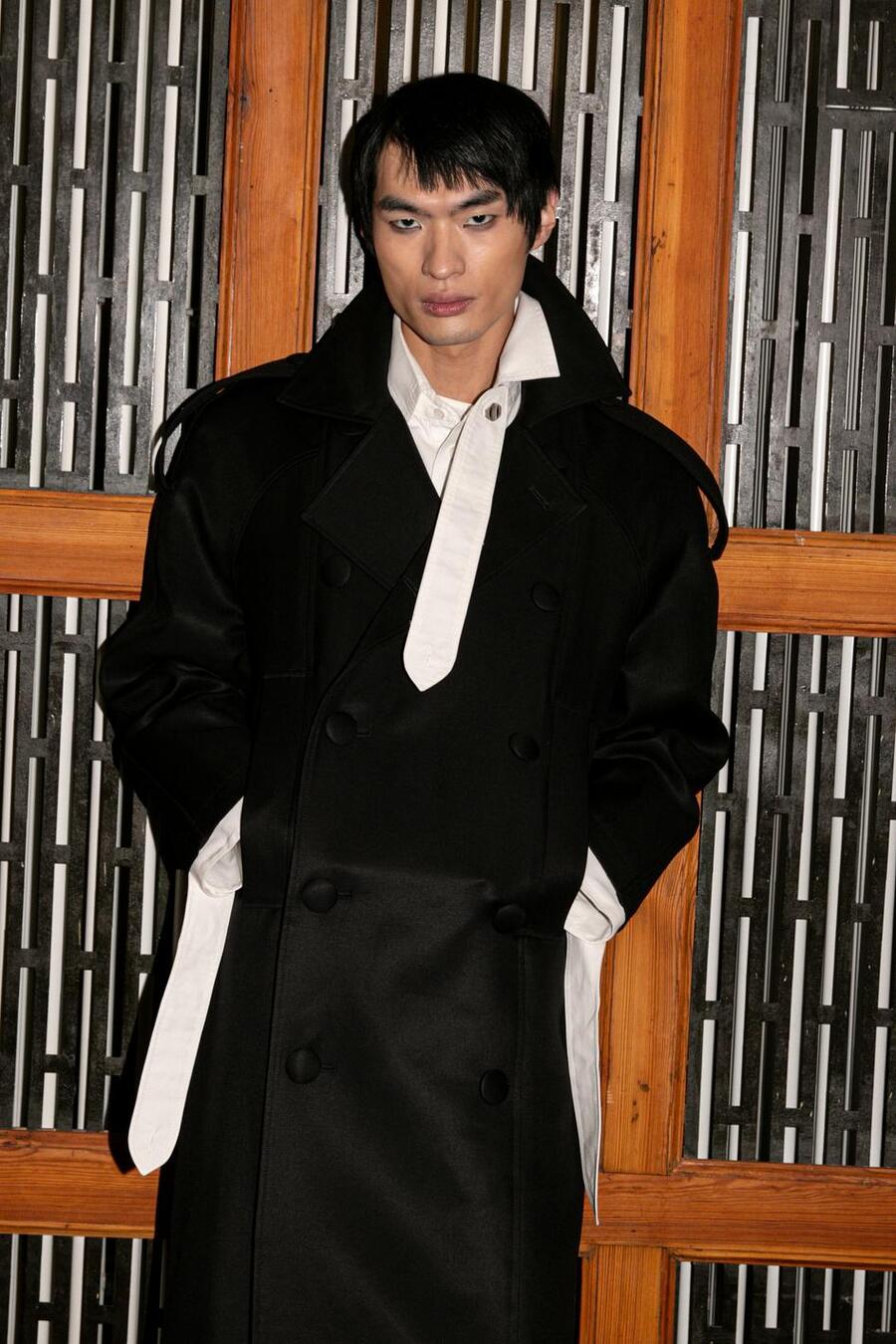
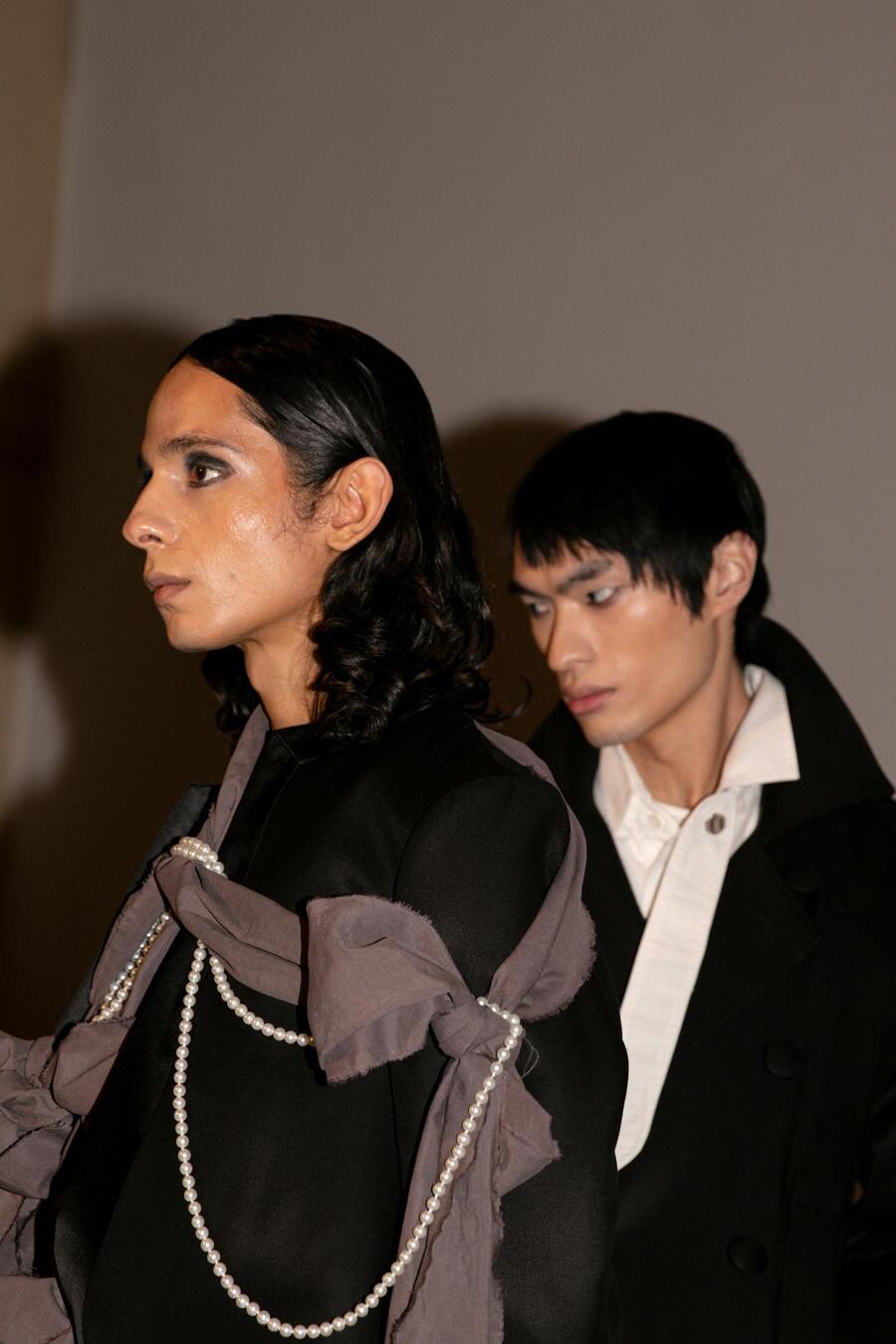
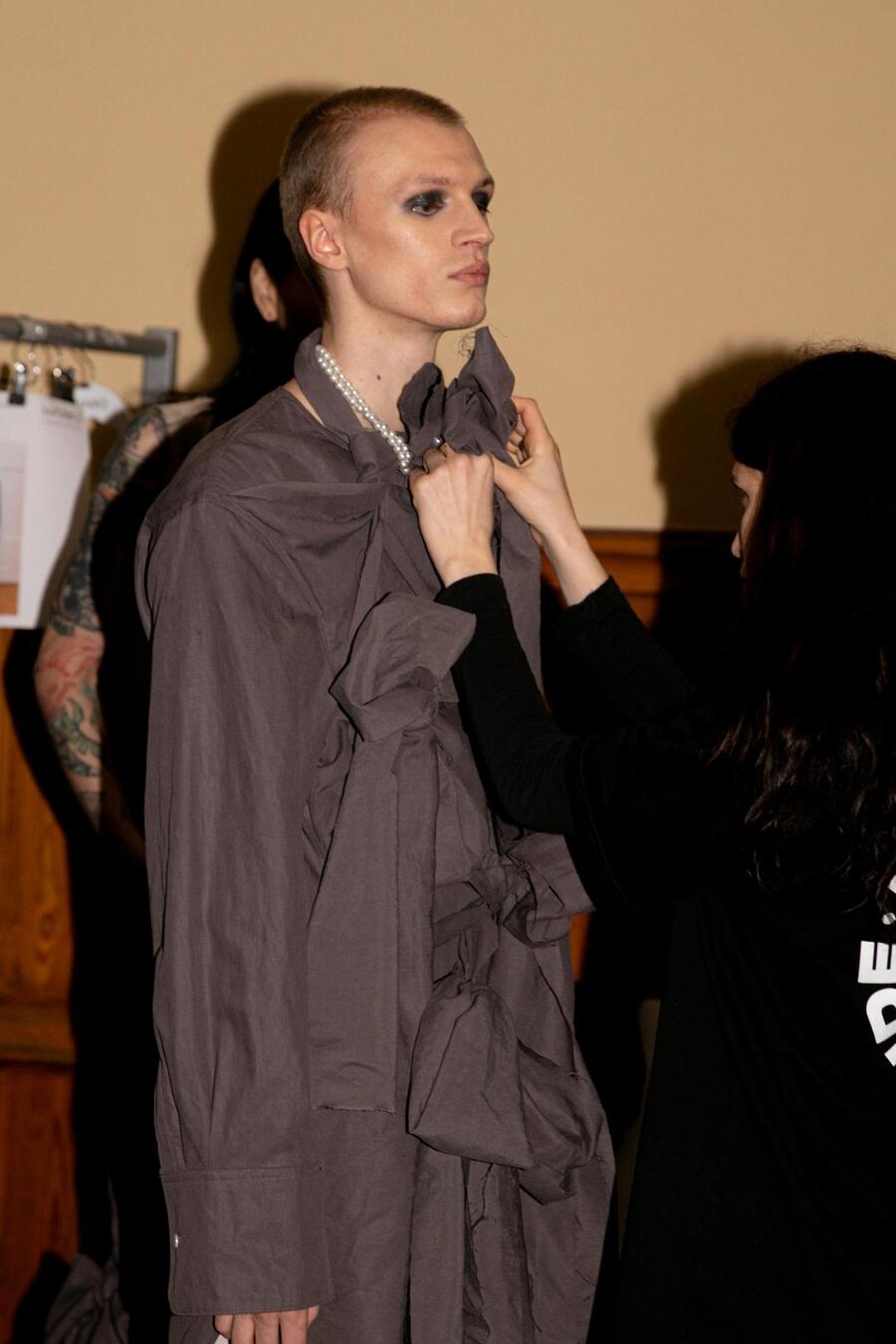
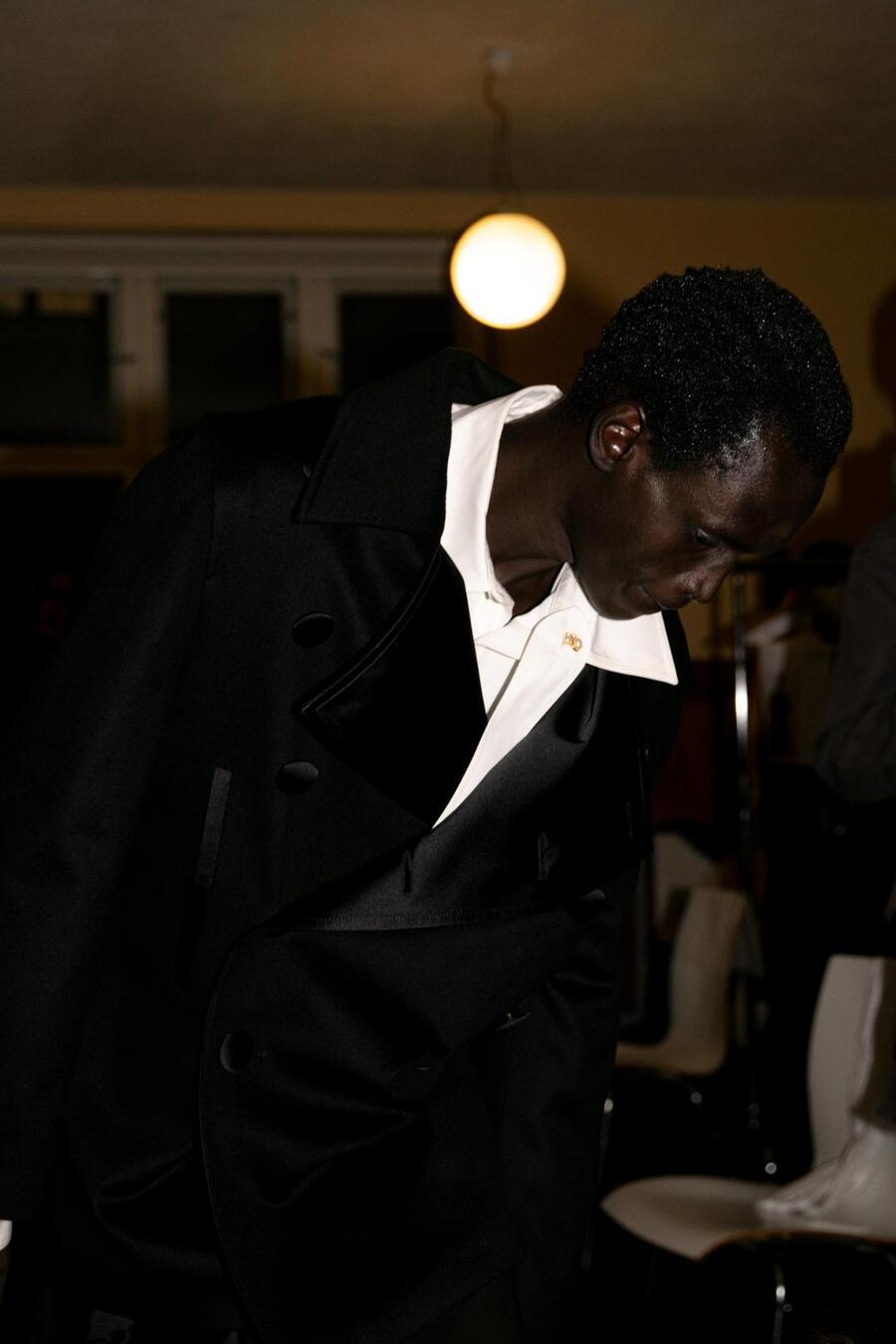
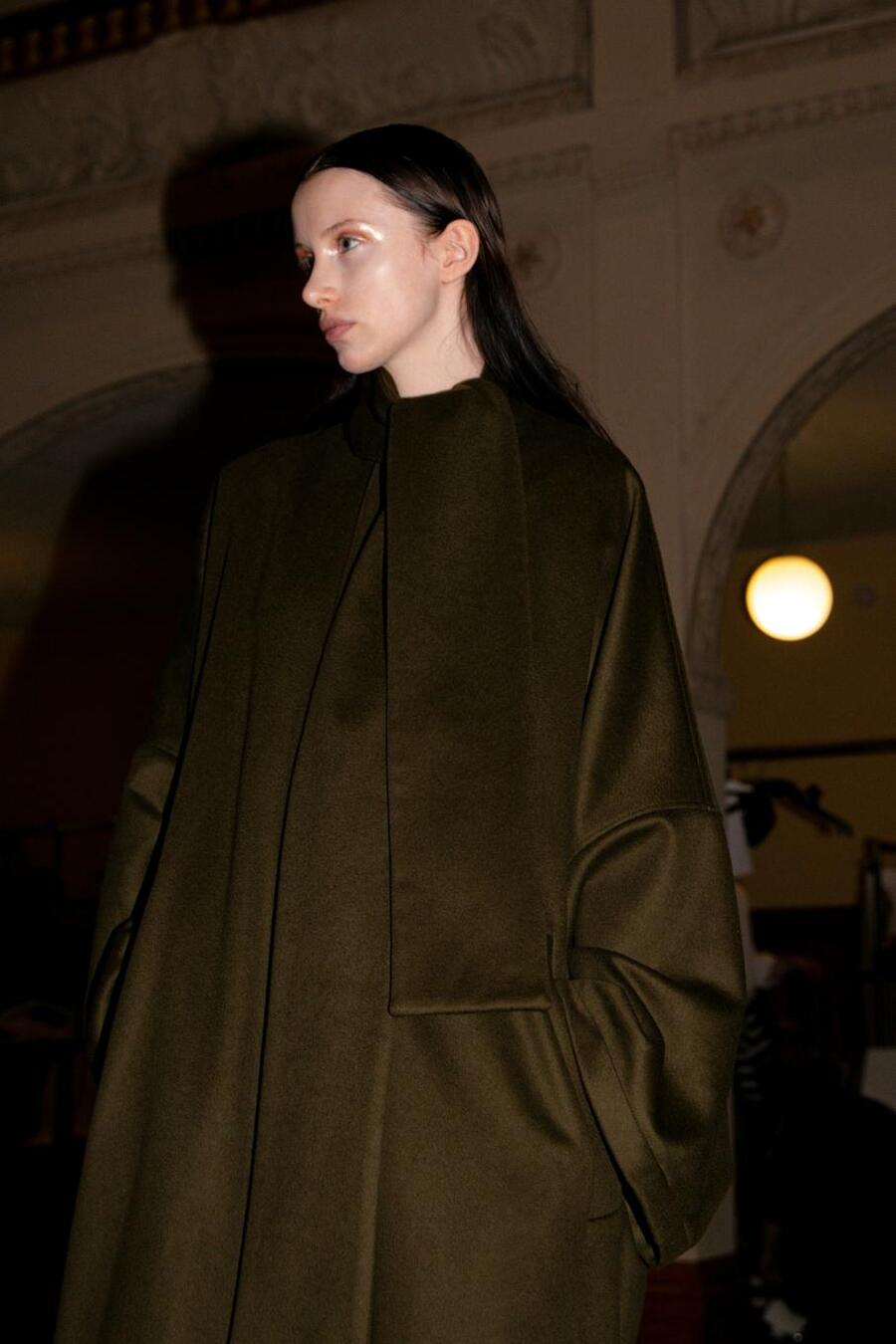
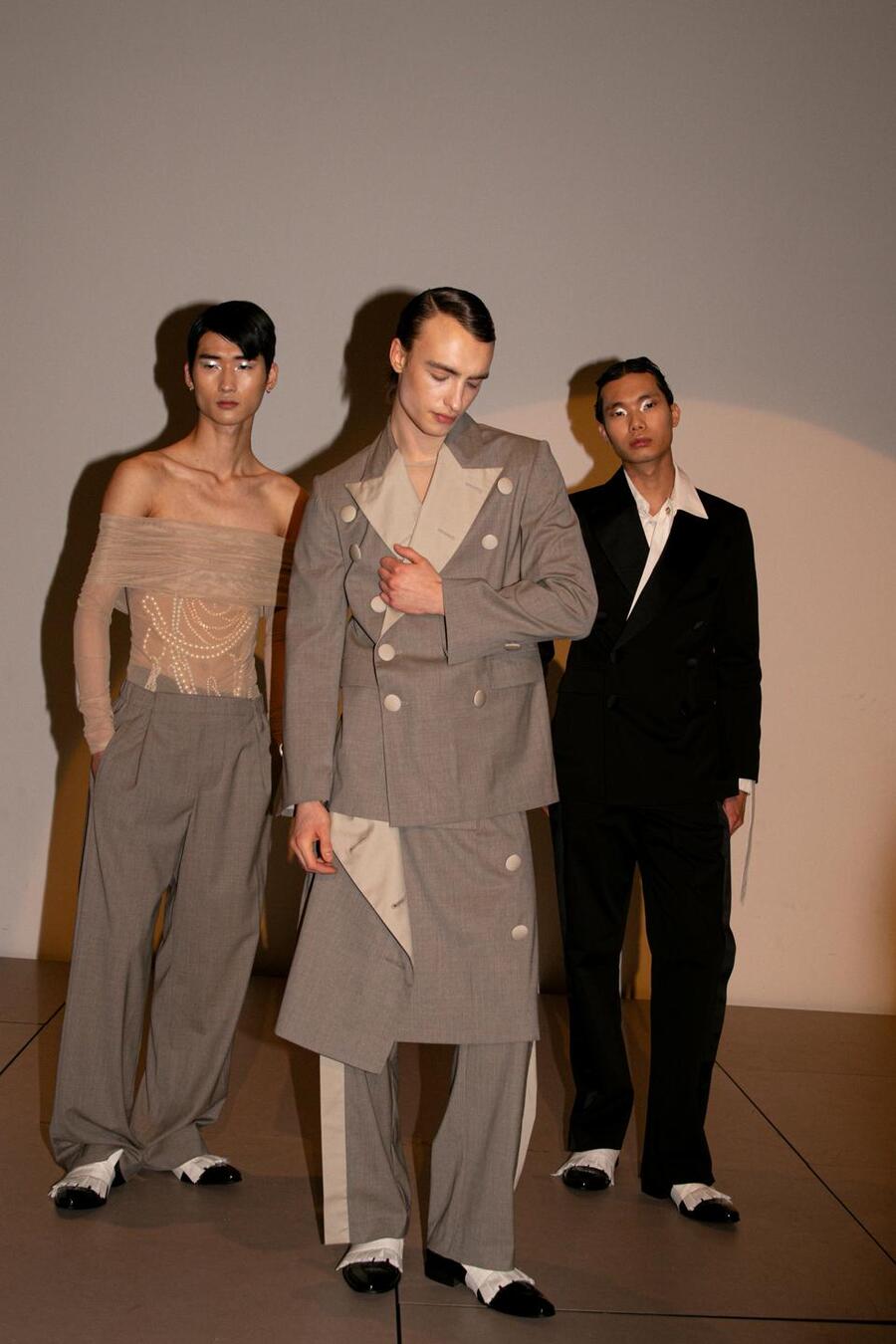
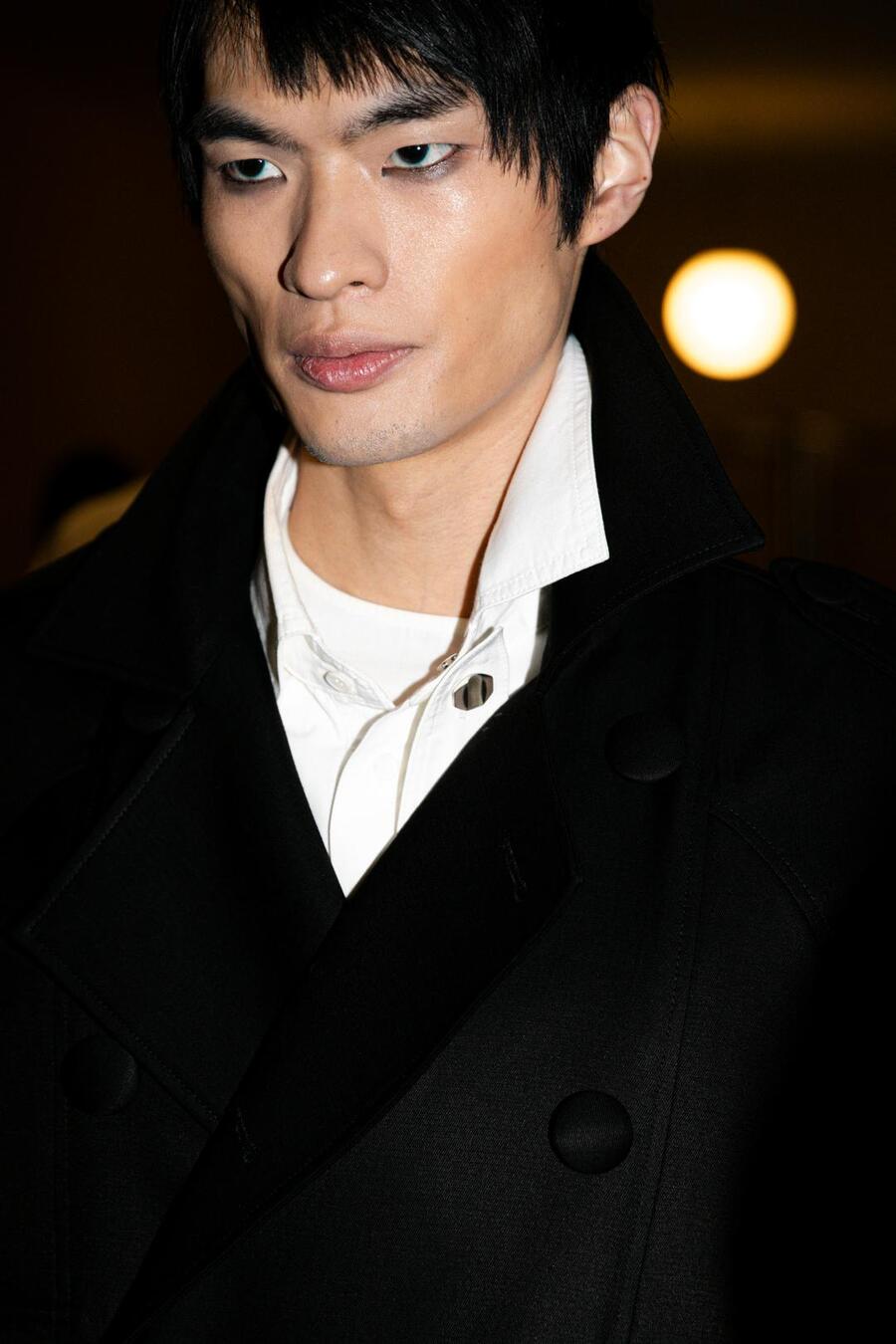
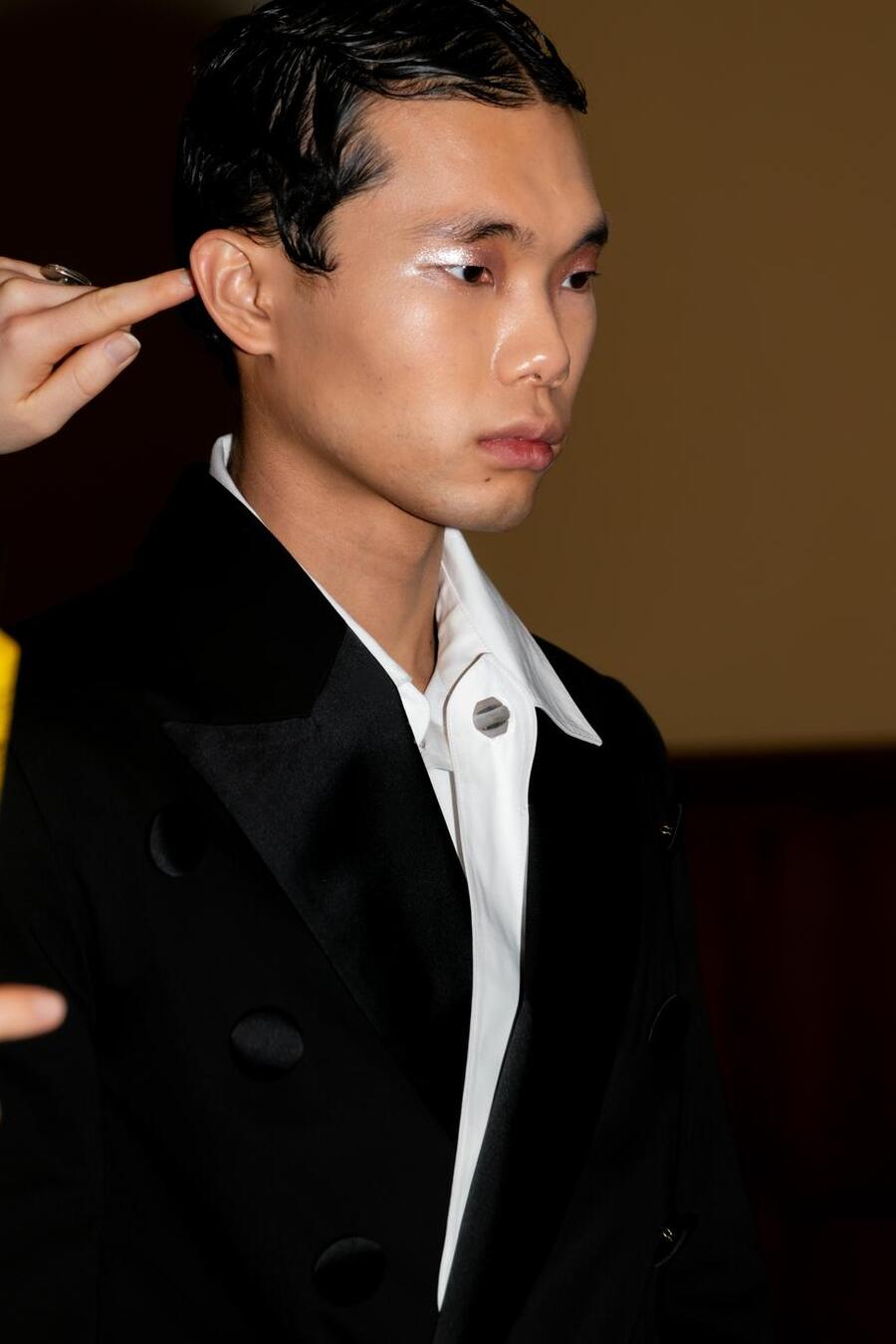
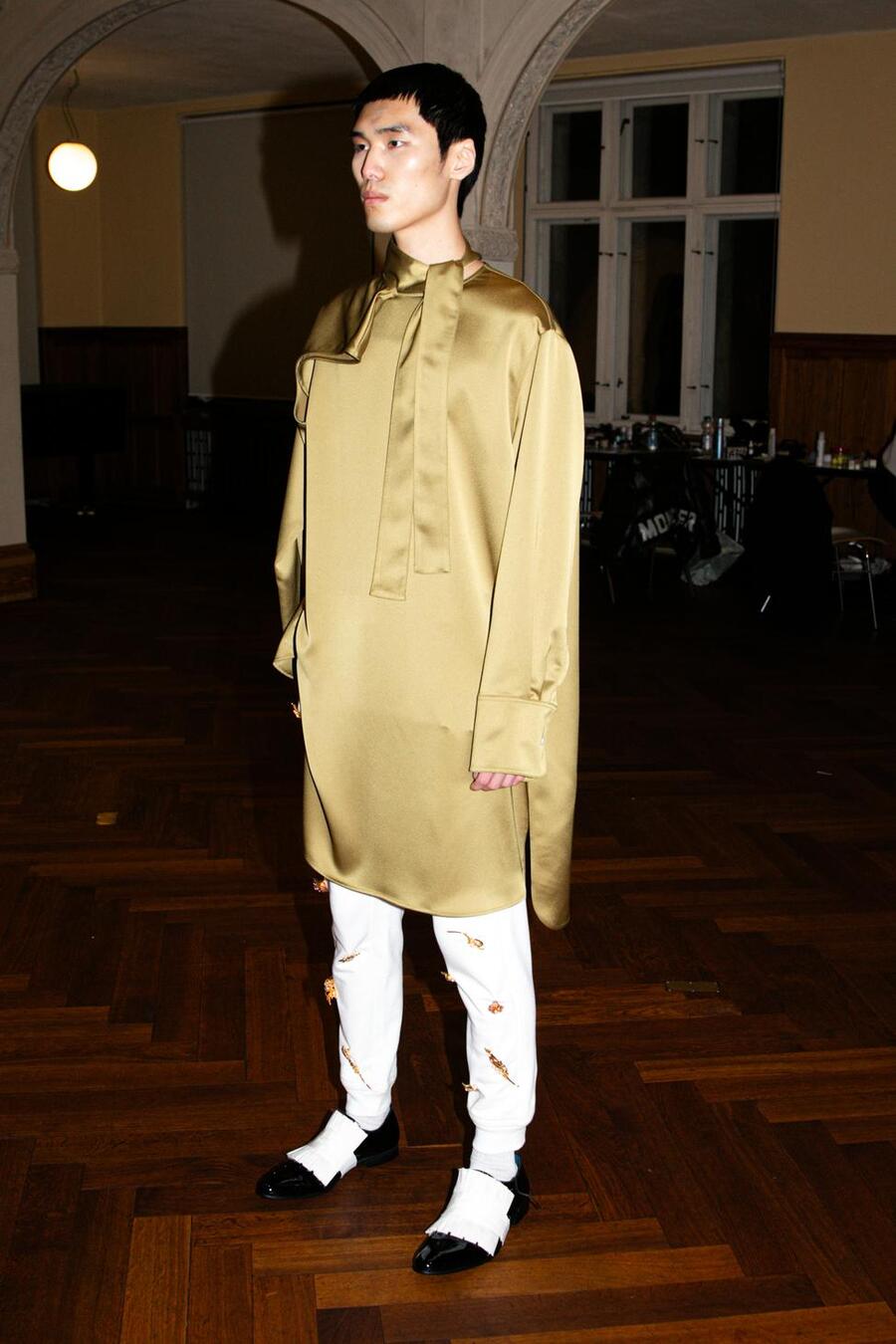
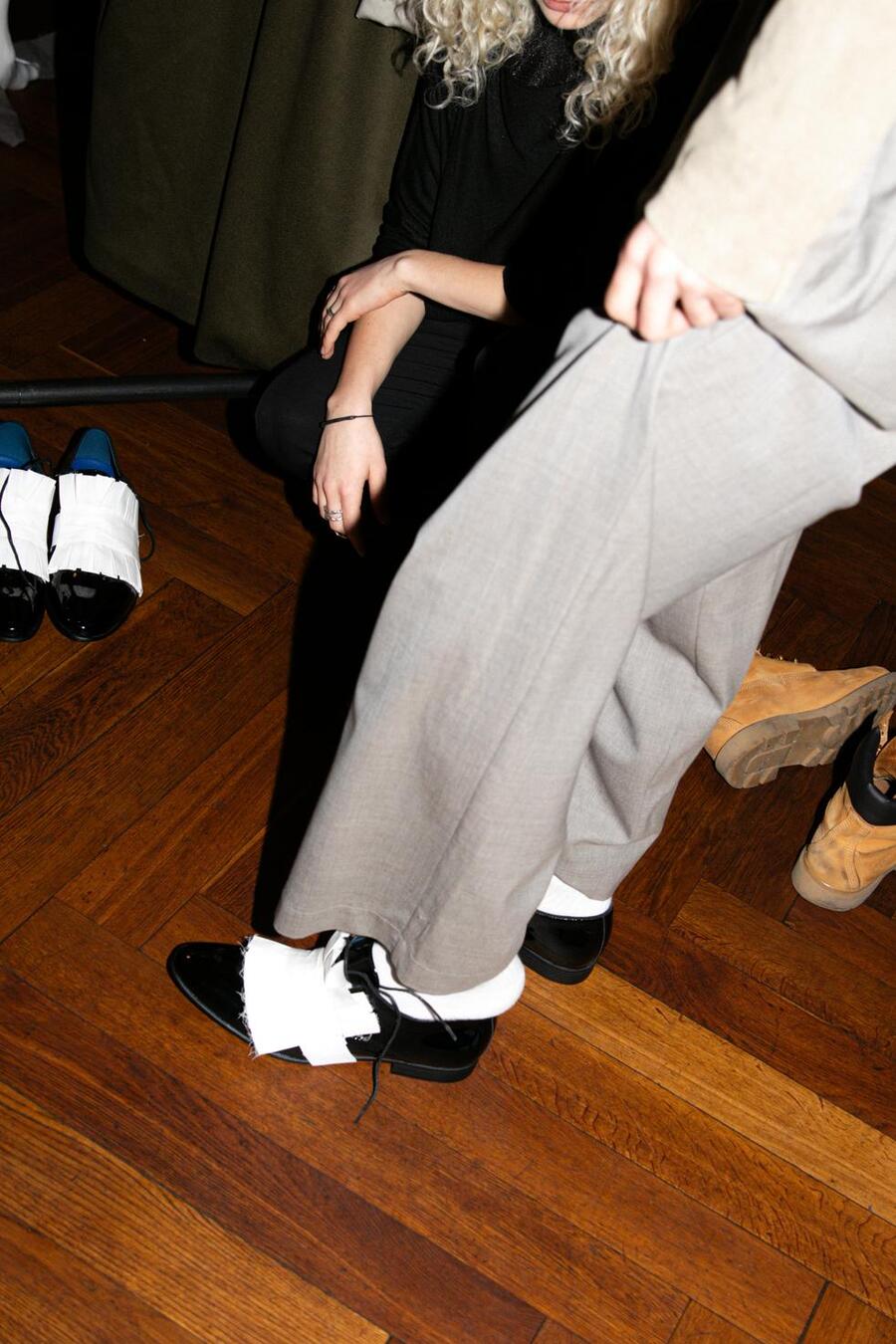
MARKE Backstage F/W25 by Kevin Duong for #BFW
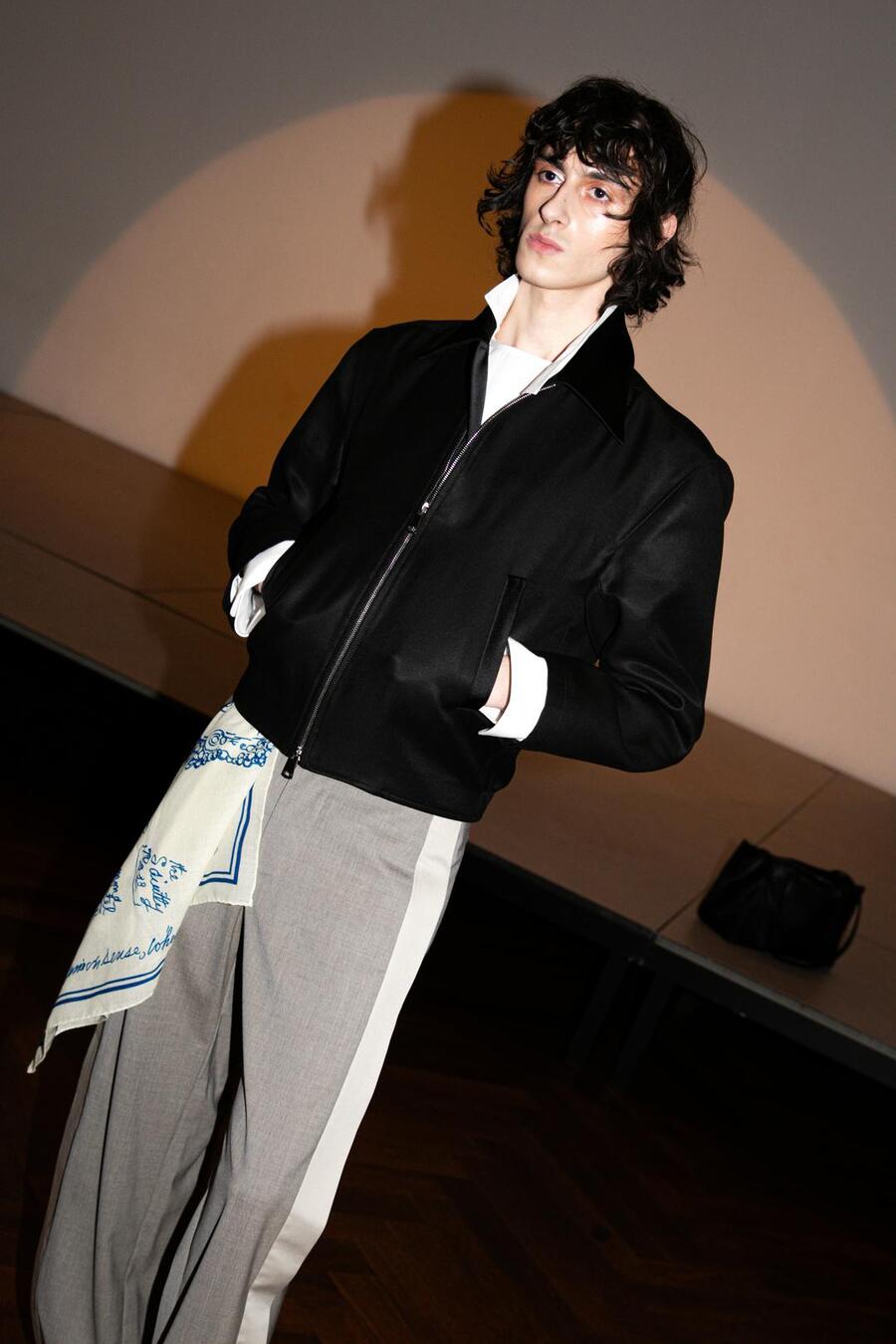
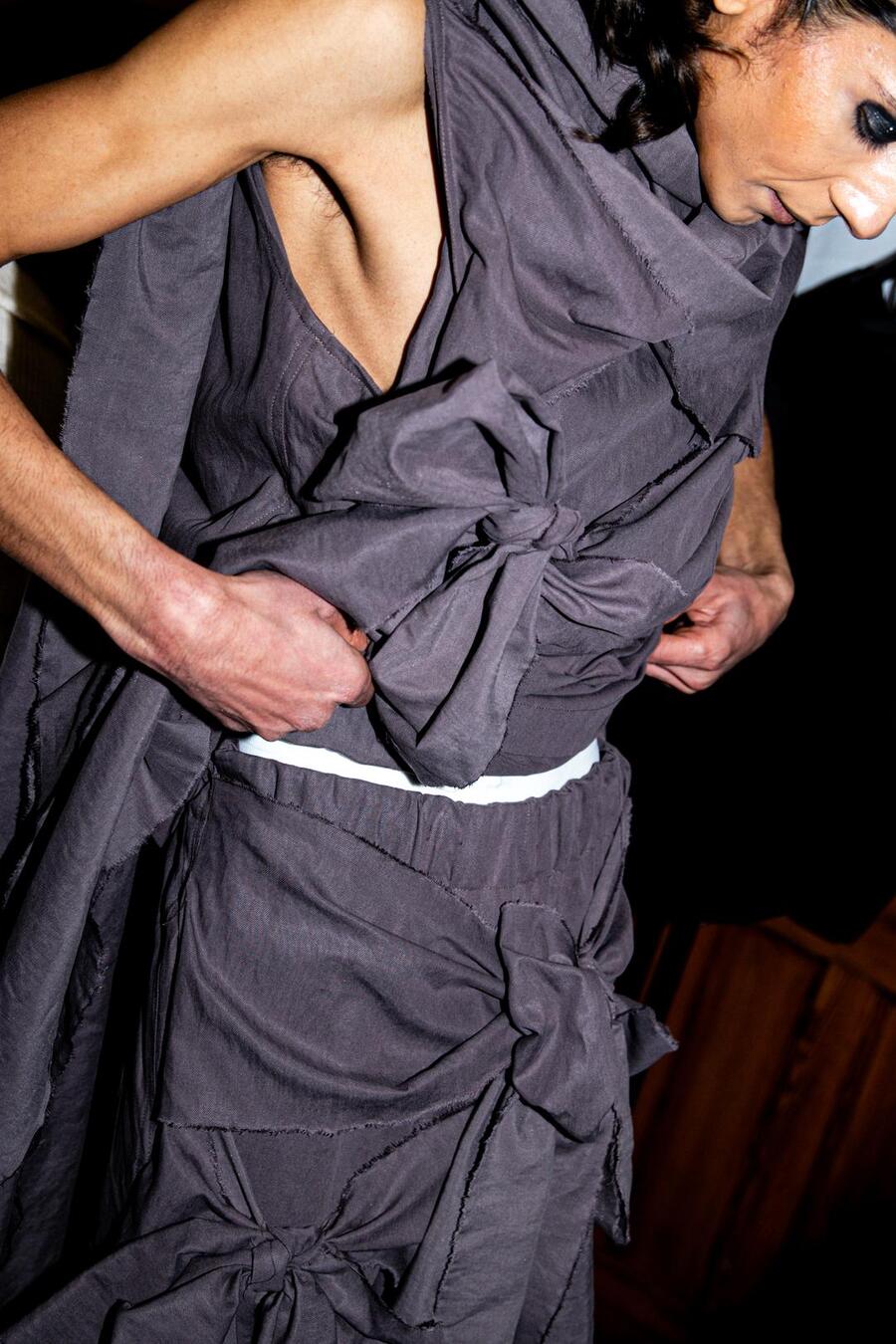
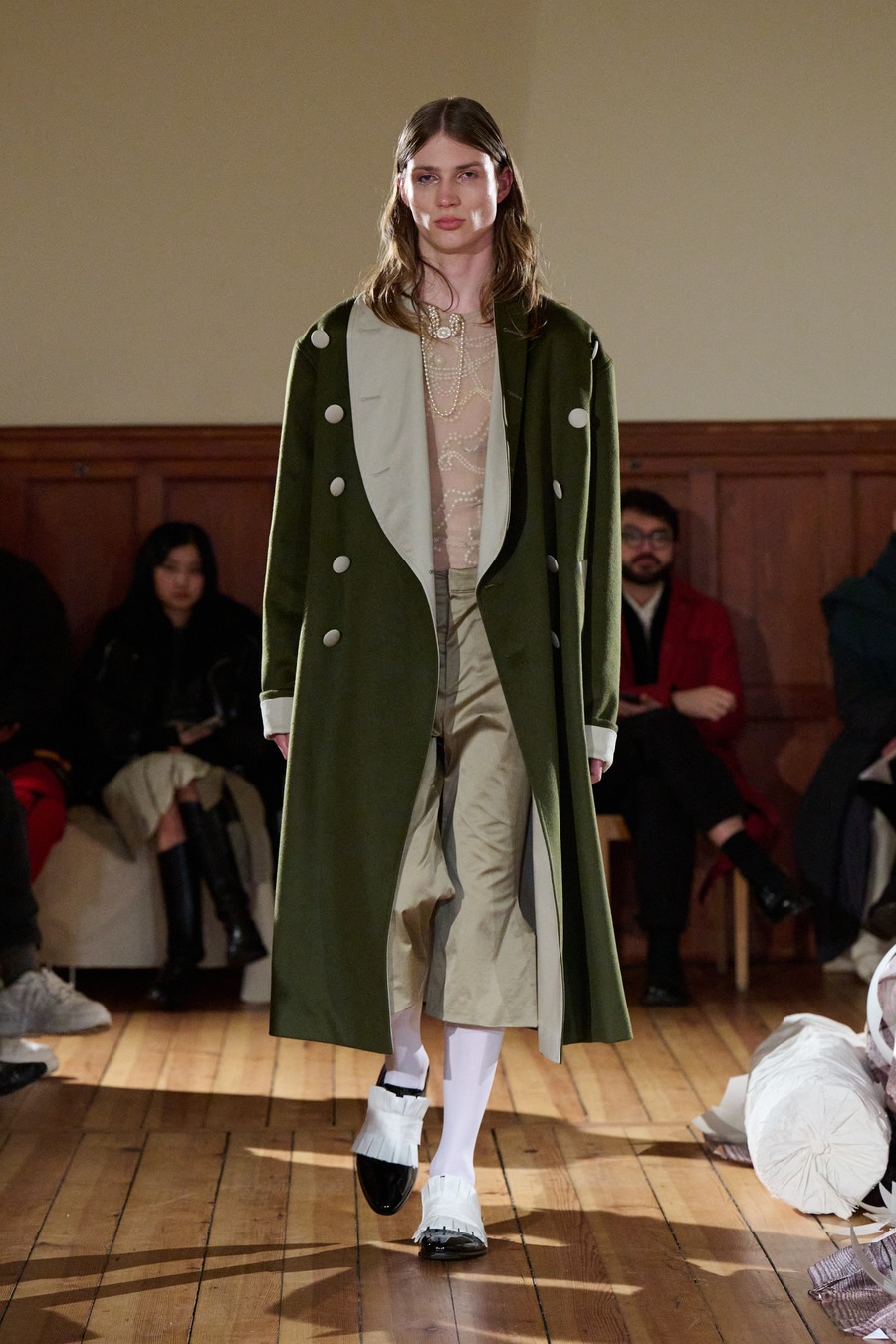
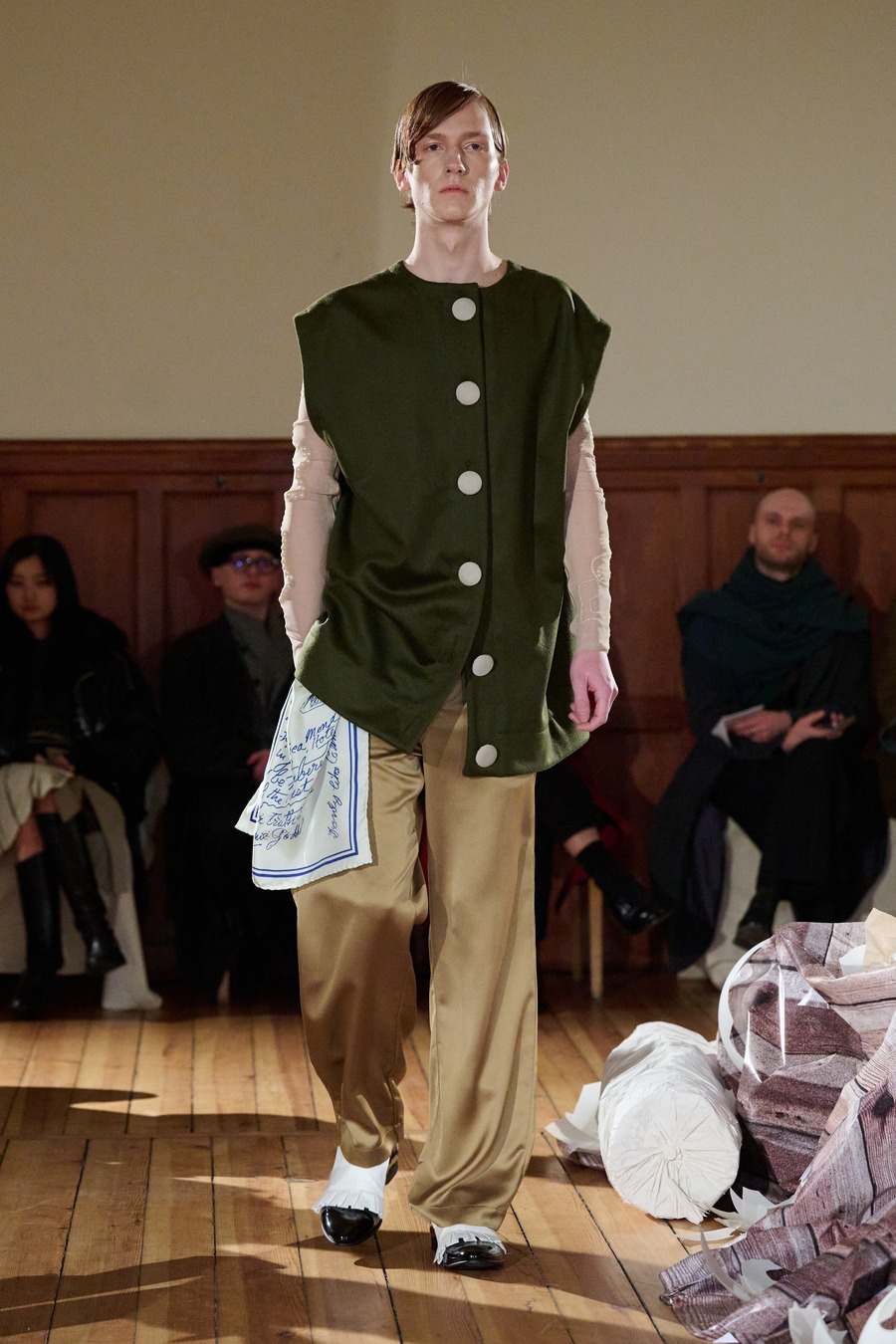
Marke Catwalk F/W25 by James Cochrane for #BFW
To explore Mario’s creative vision in-depth, read my interview with the designer below!
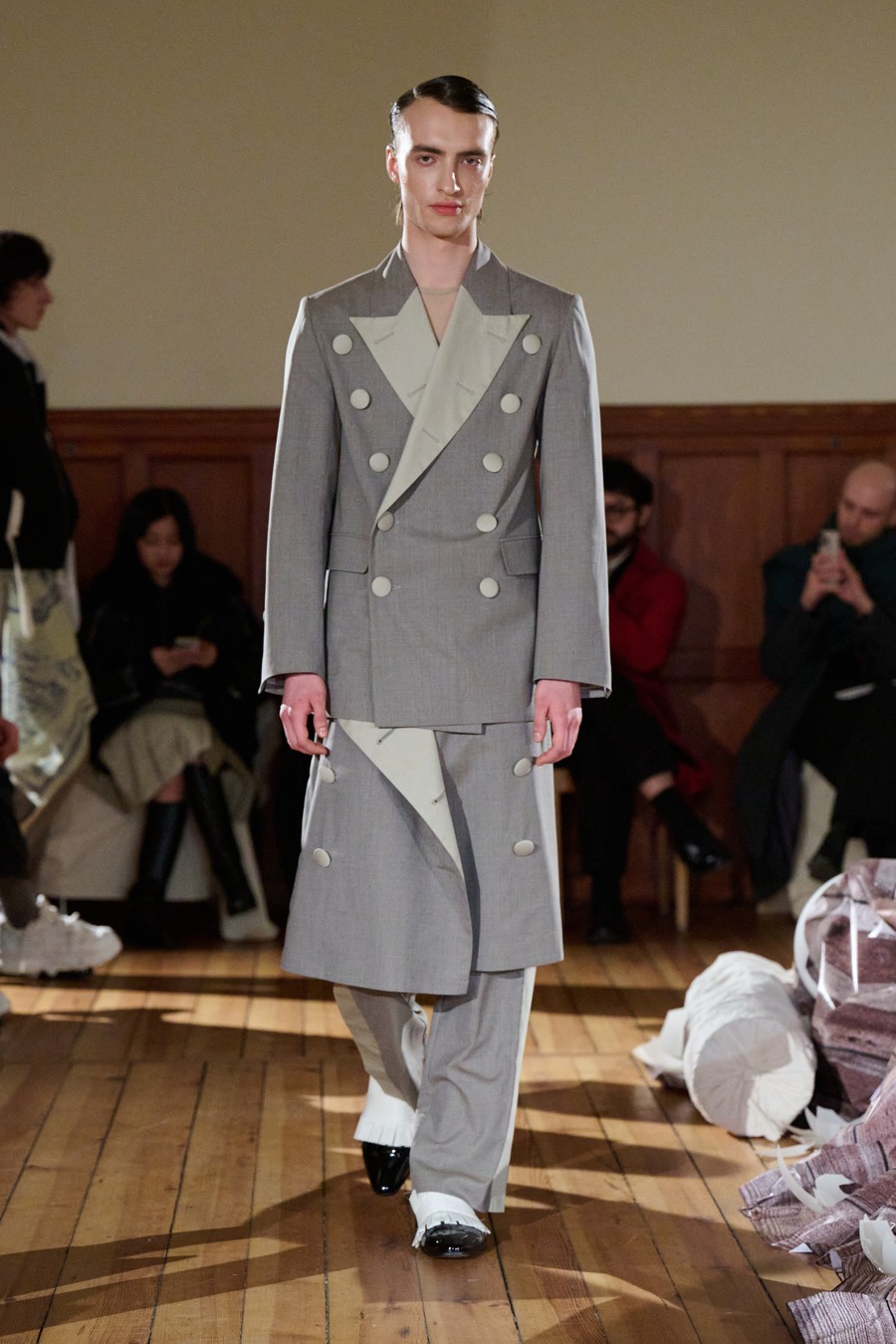
Inspiration for the collection is drawn from iconic figures such as Miss Havisham from Dickens’ Great Expectations and Stephen Tennant of the Bright Young Things. The collection unfolds in three distinct acts, mirroring the emotional arc of a life deeply entwined with nostalgia.
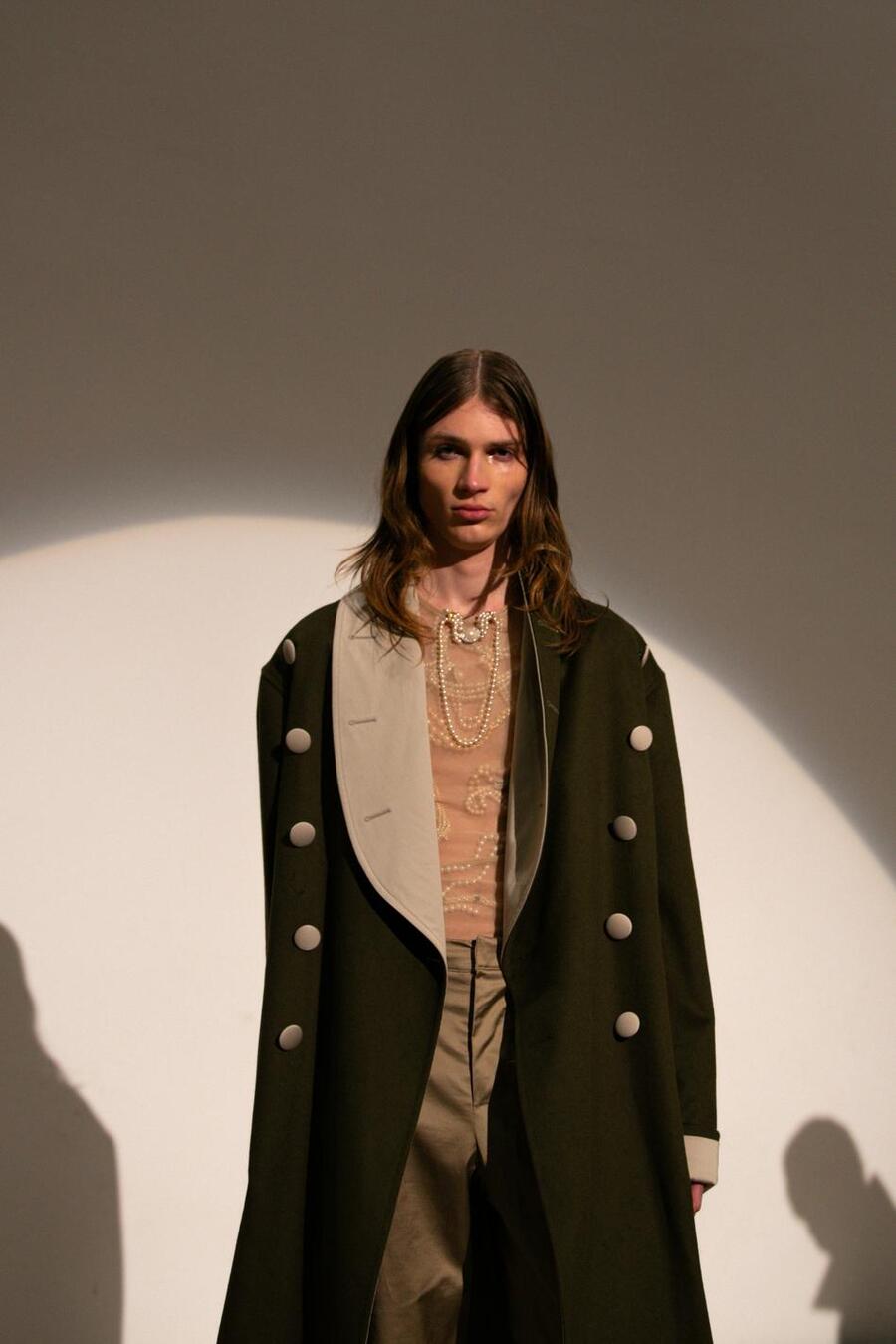
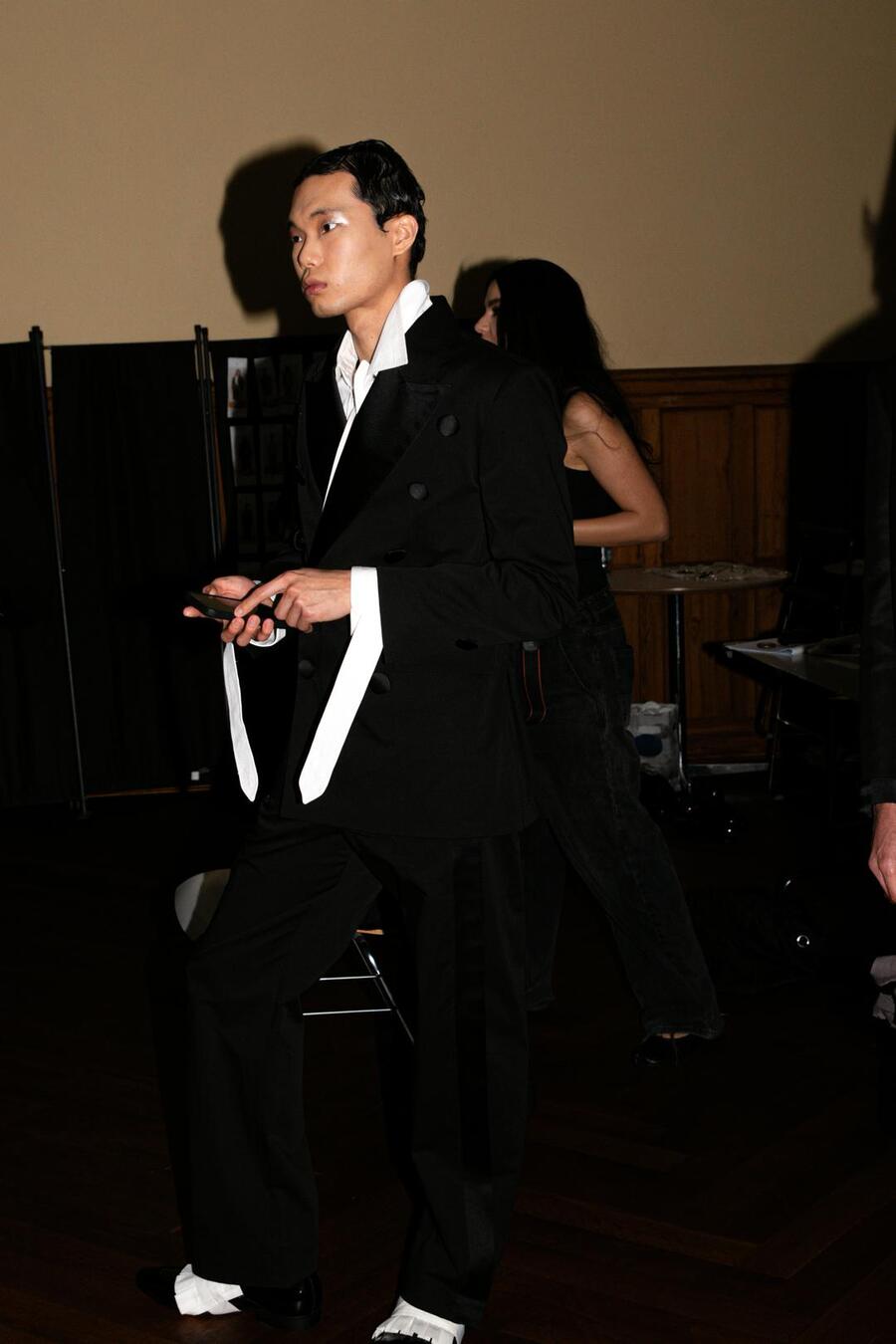
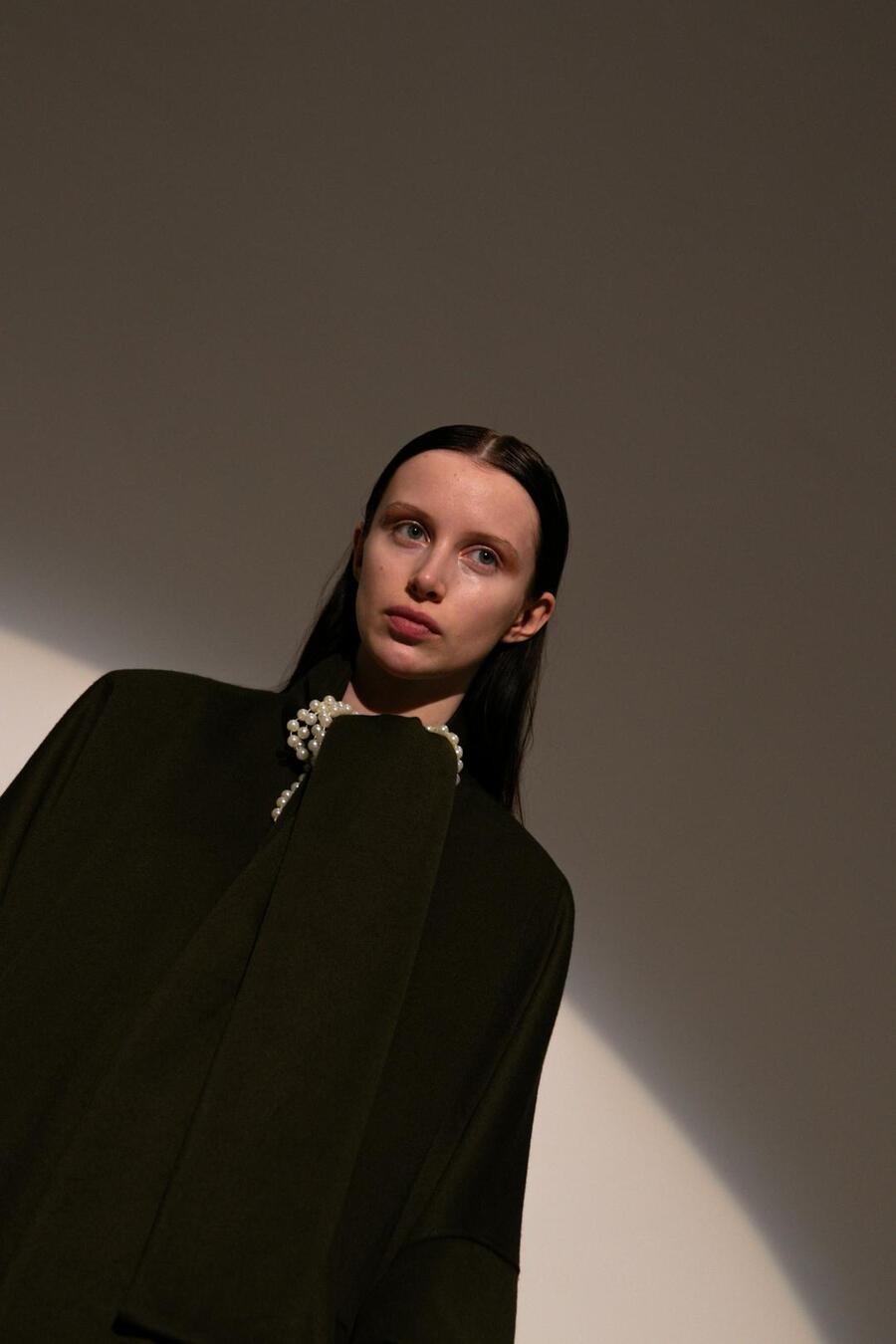
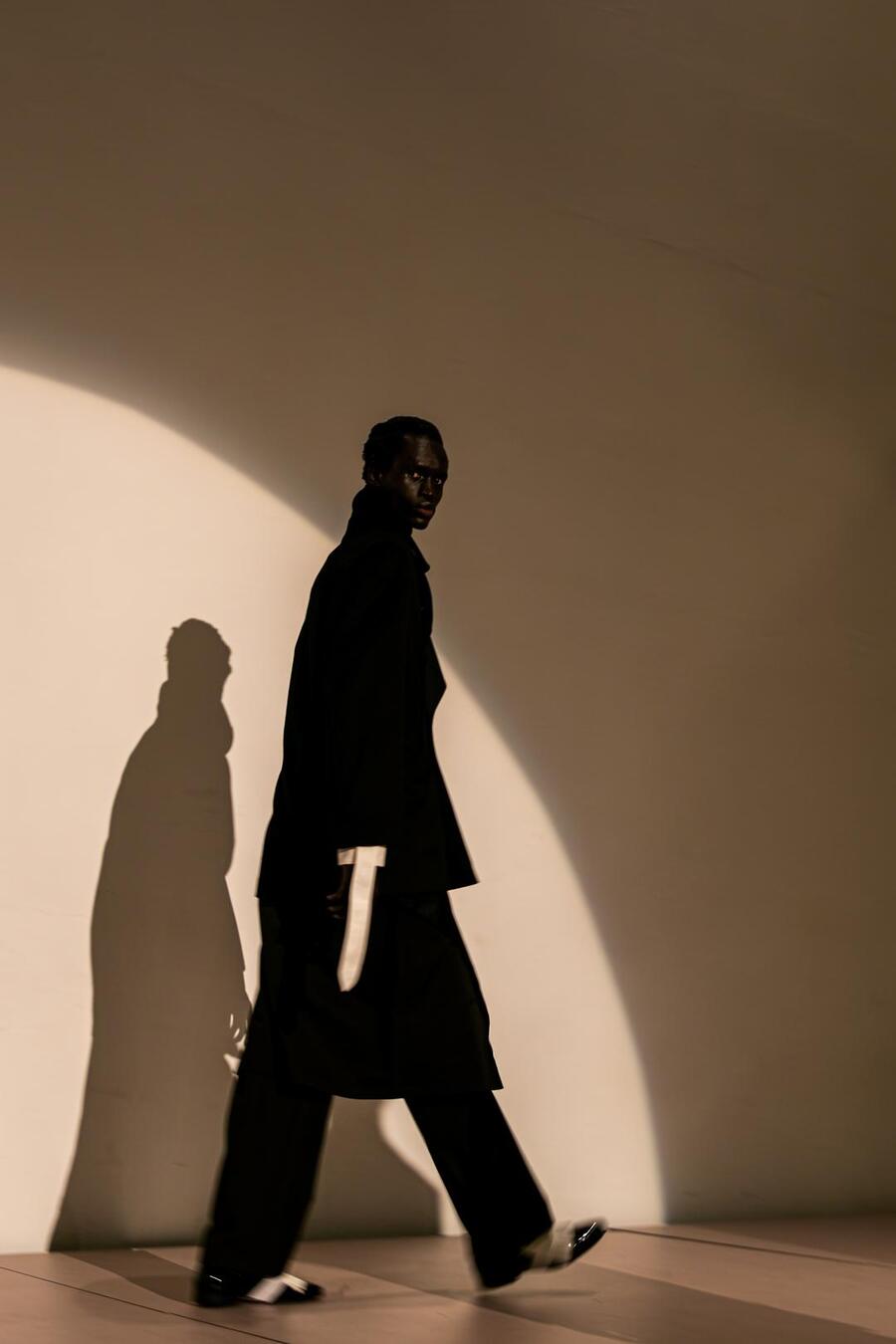
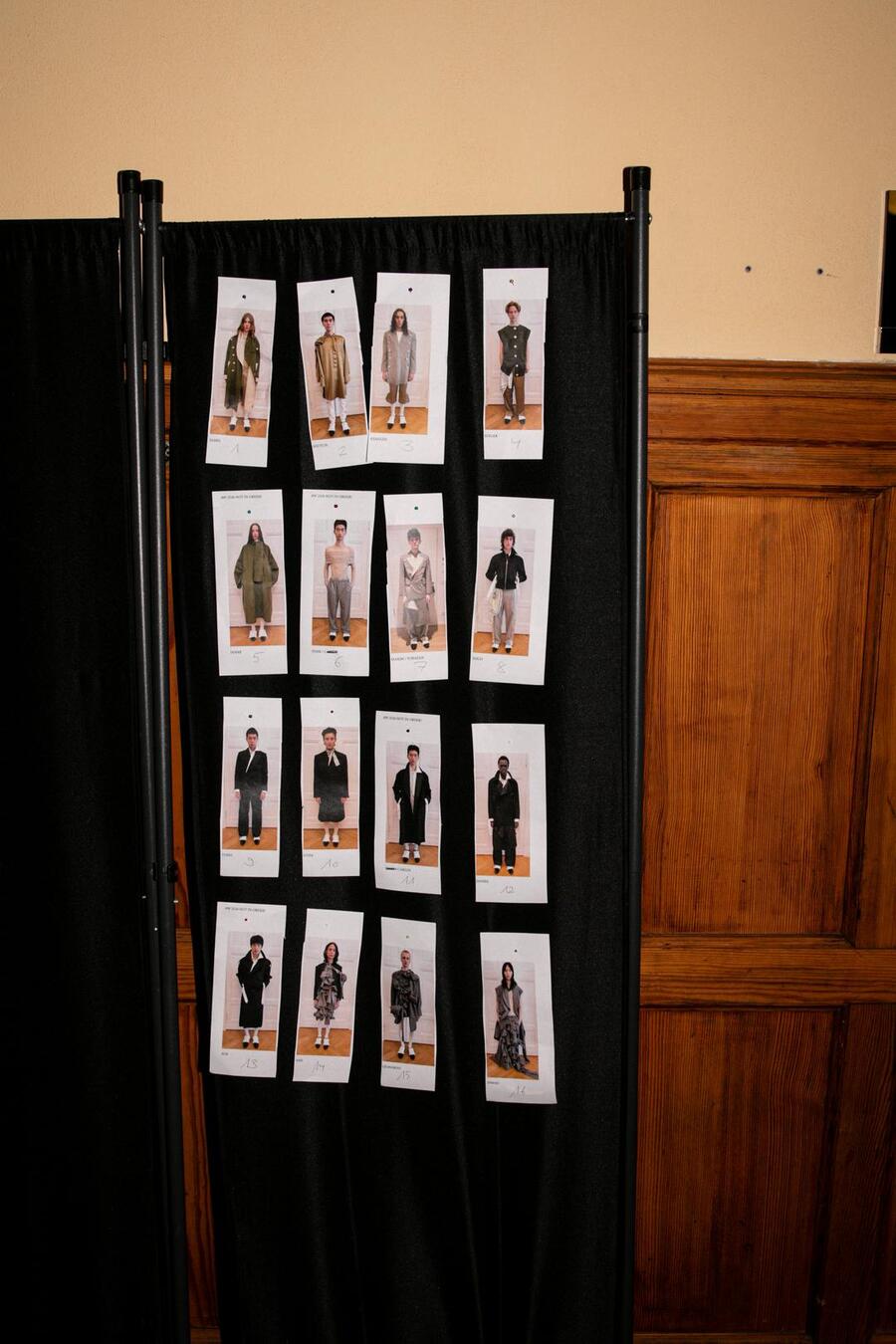
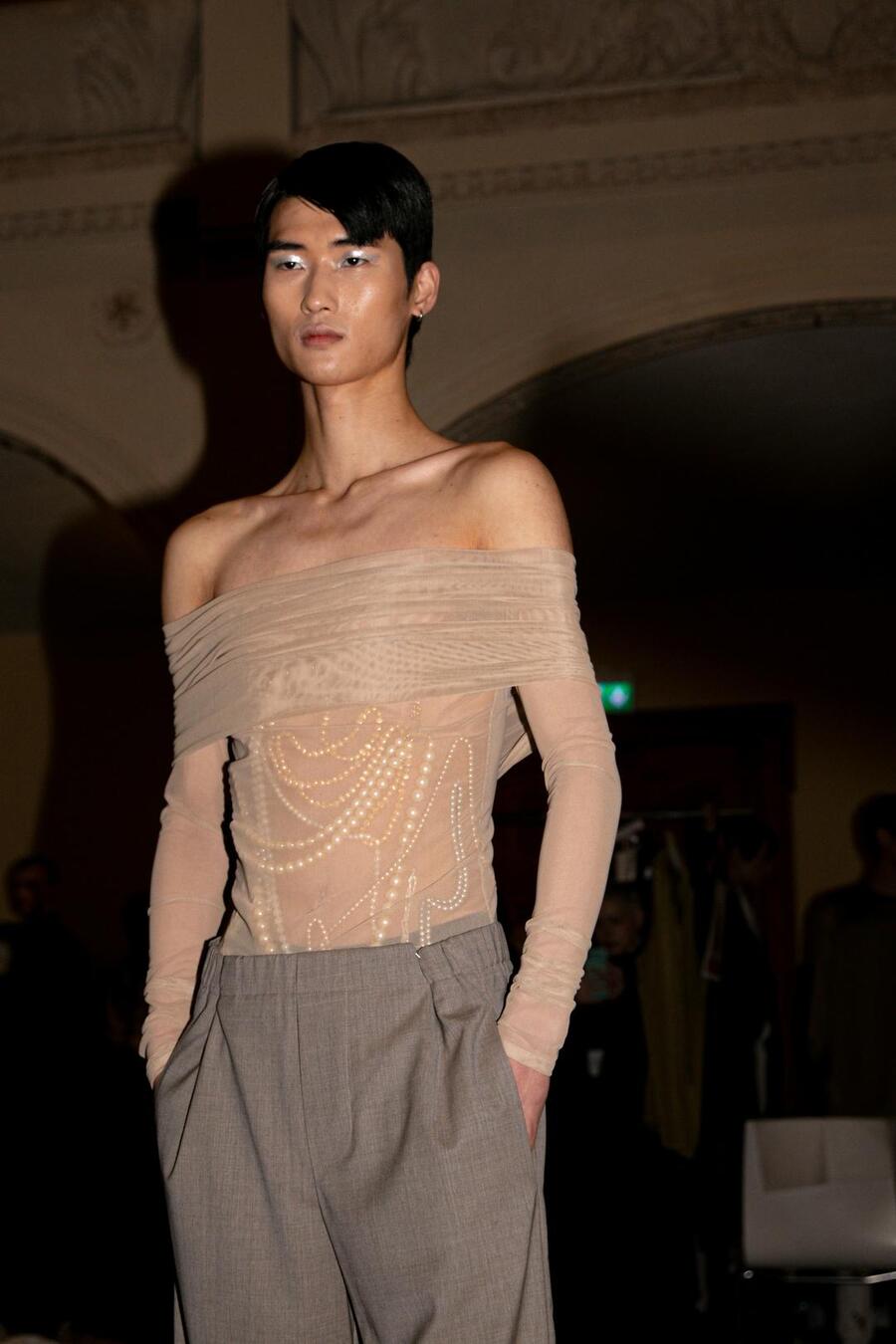
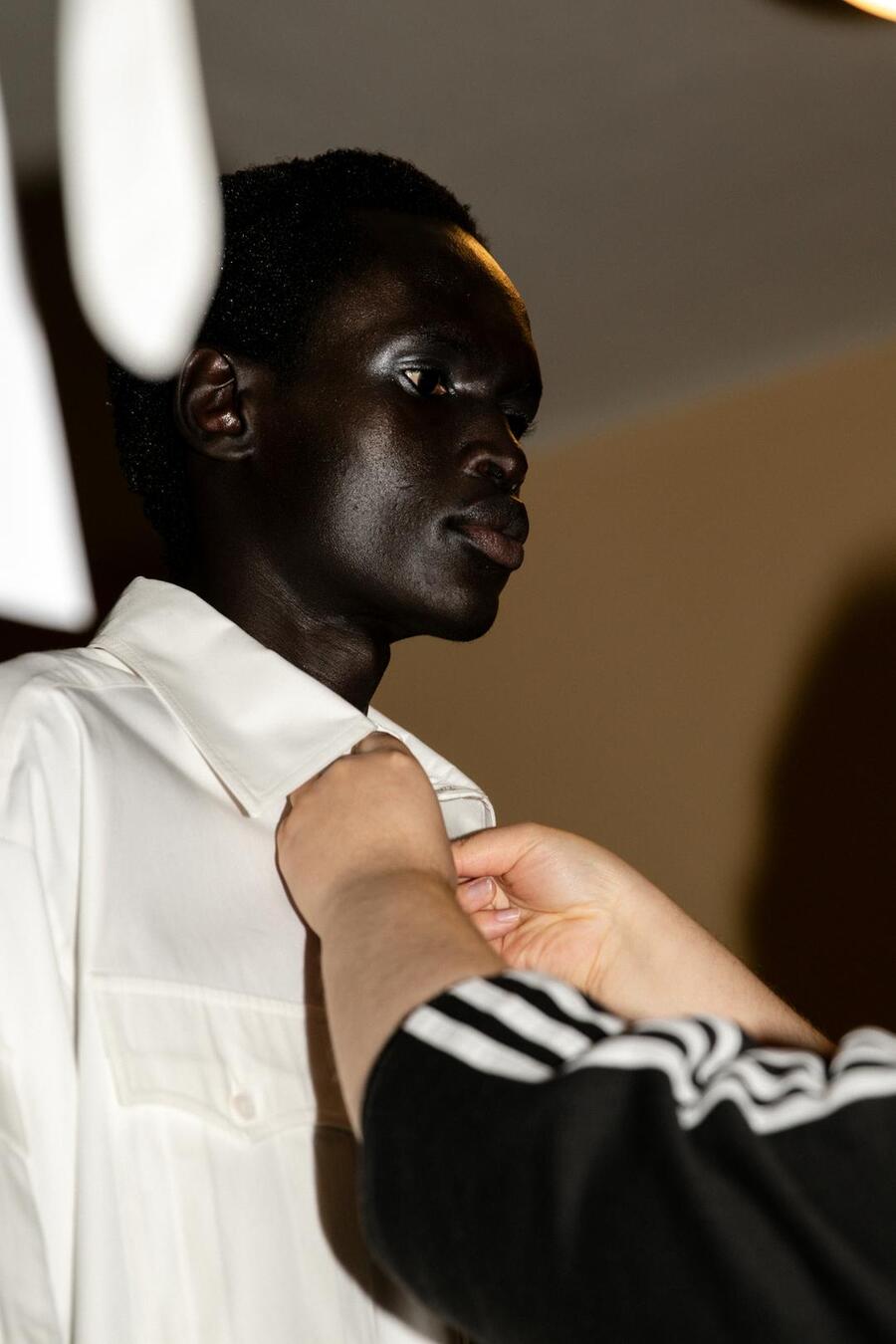
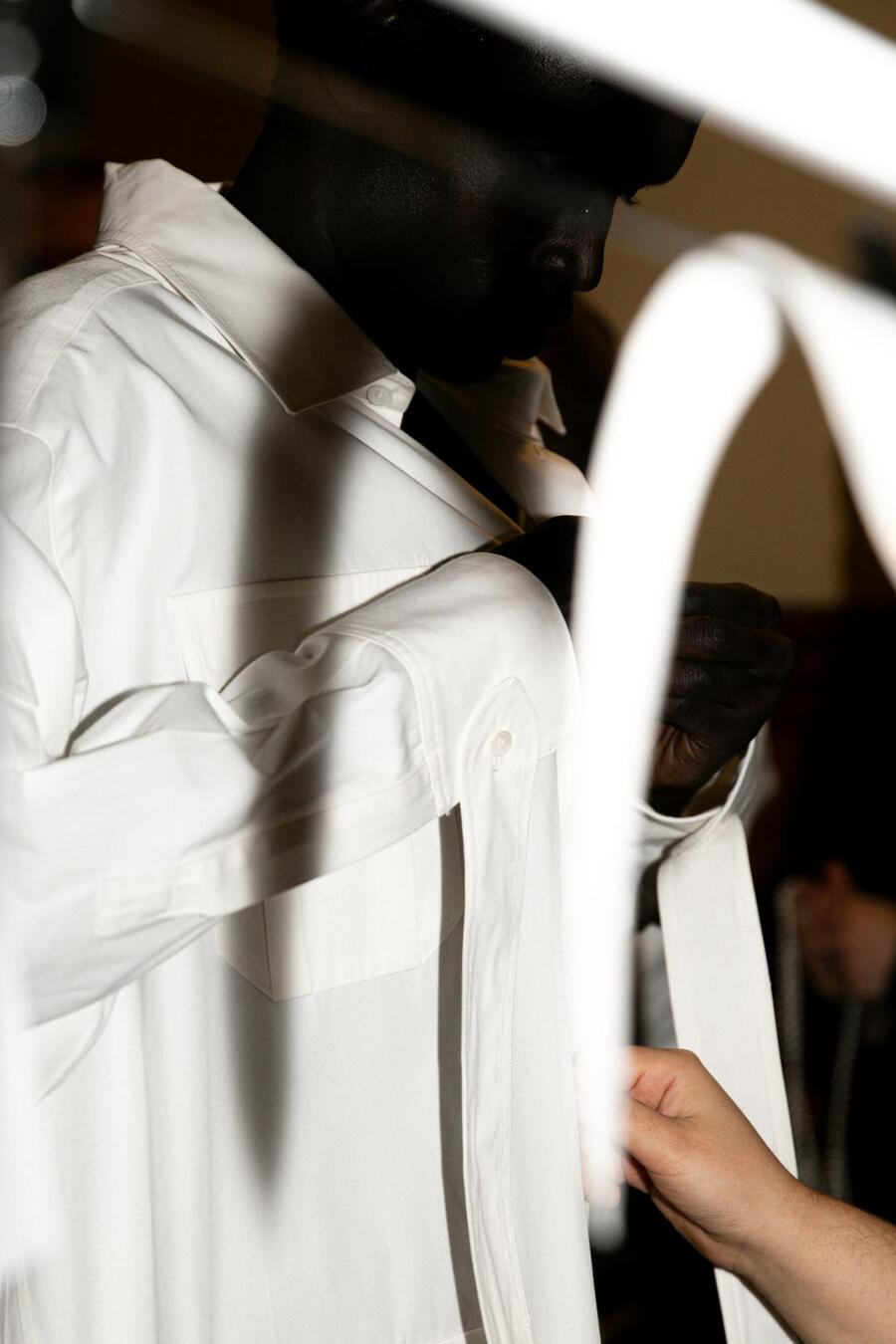
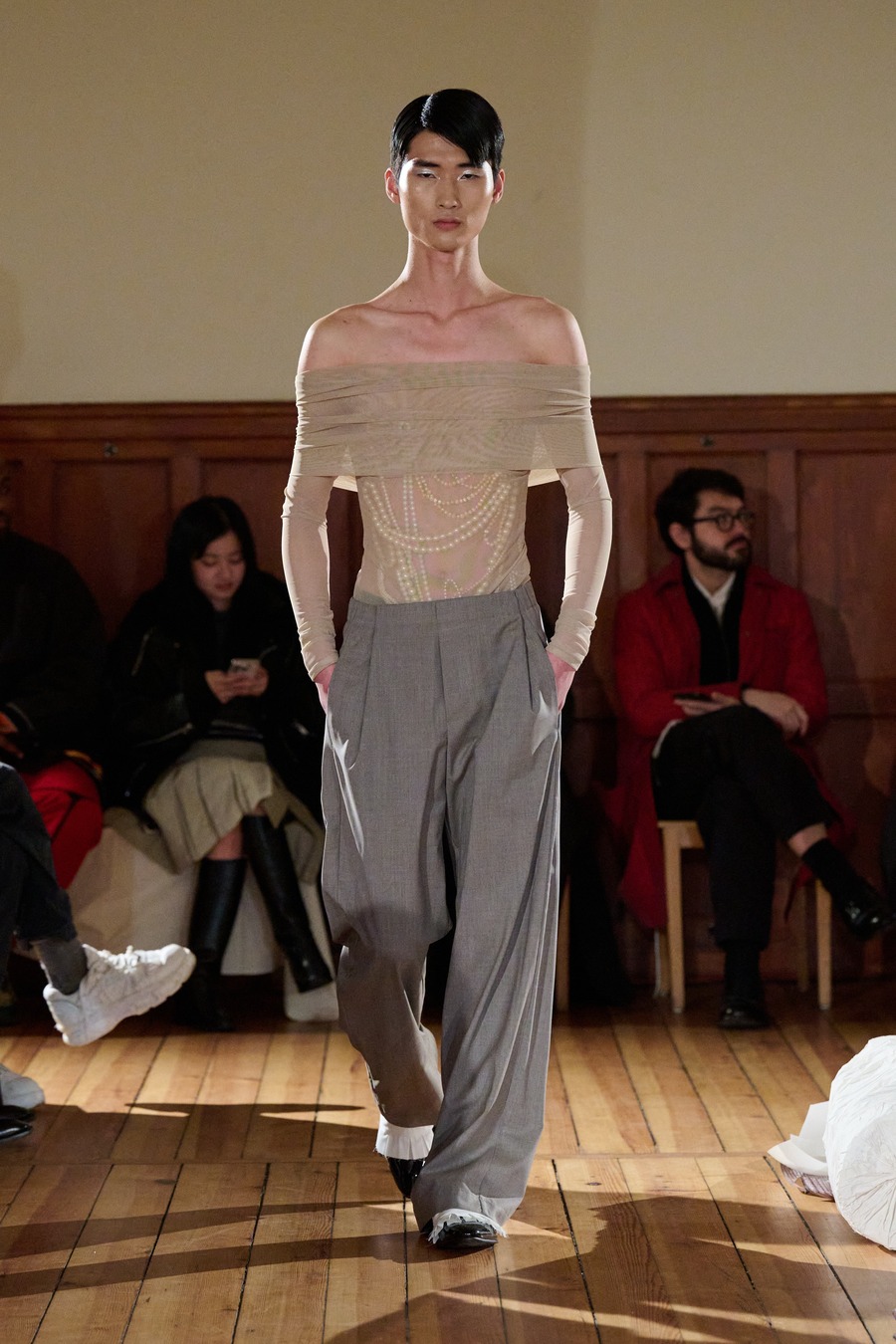
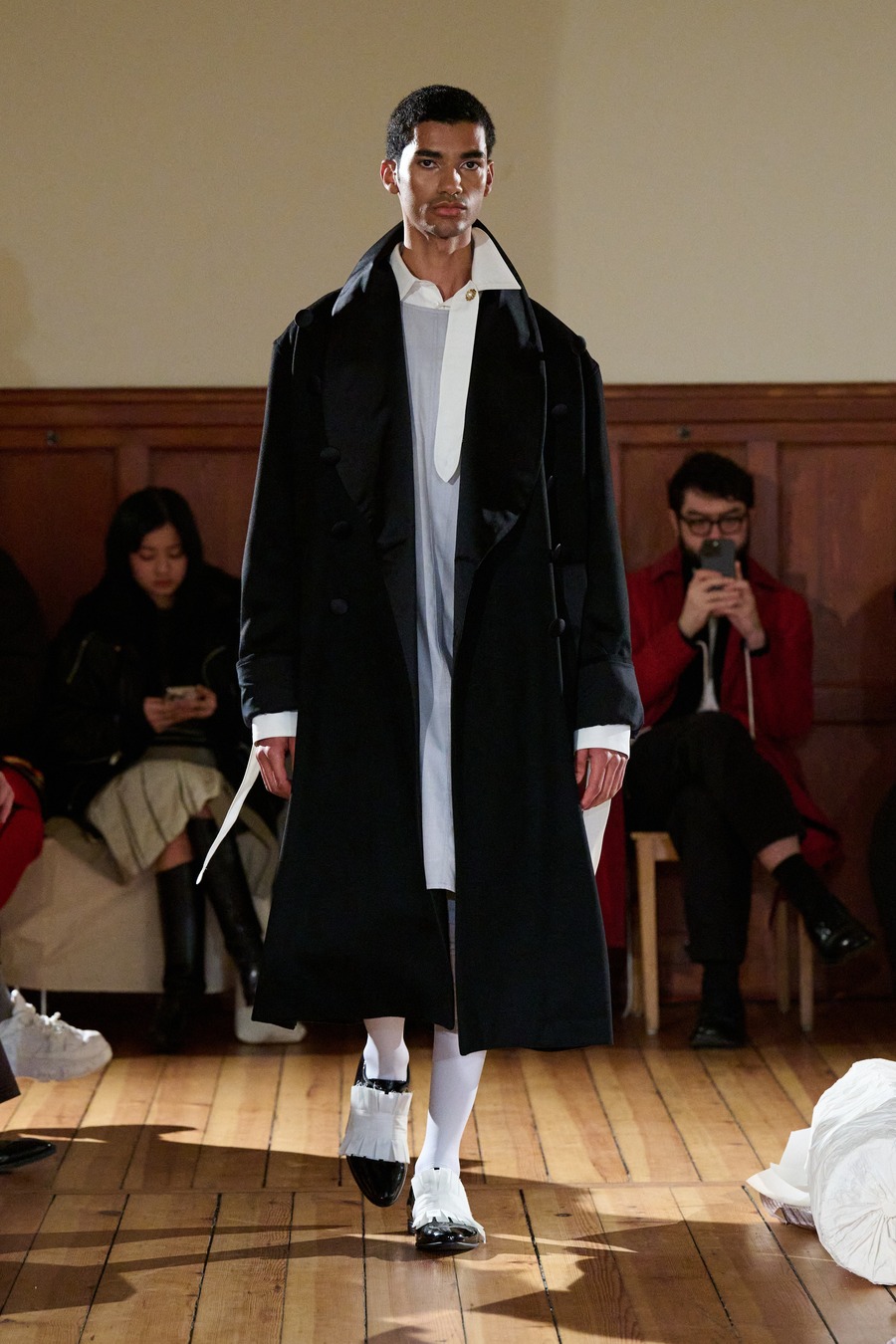
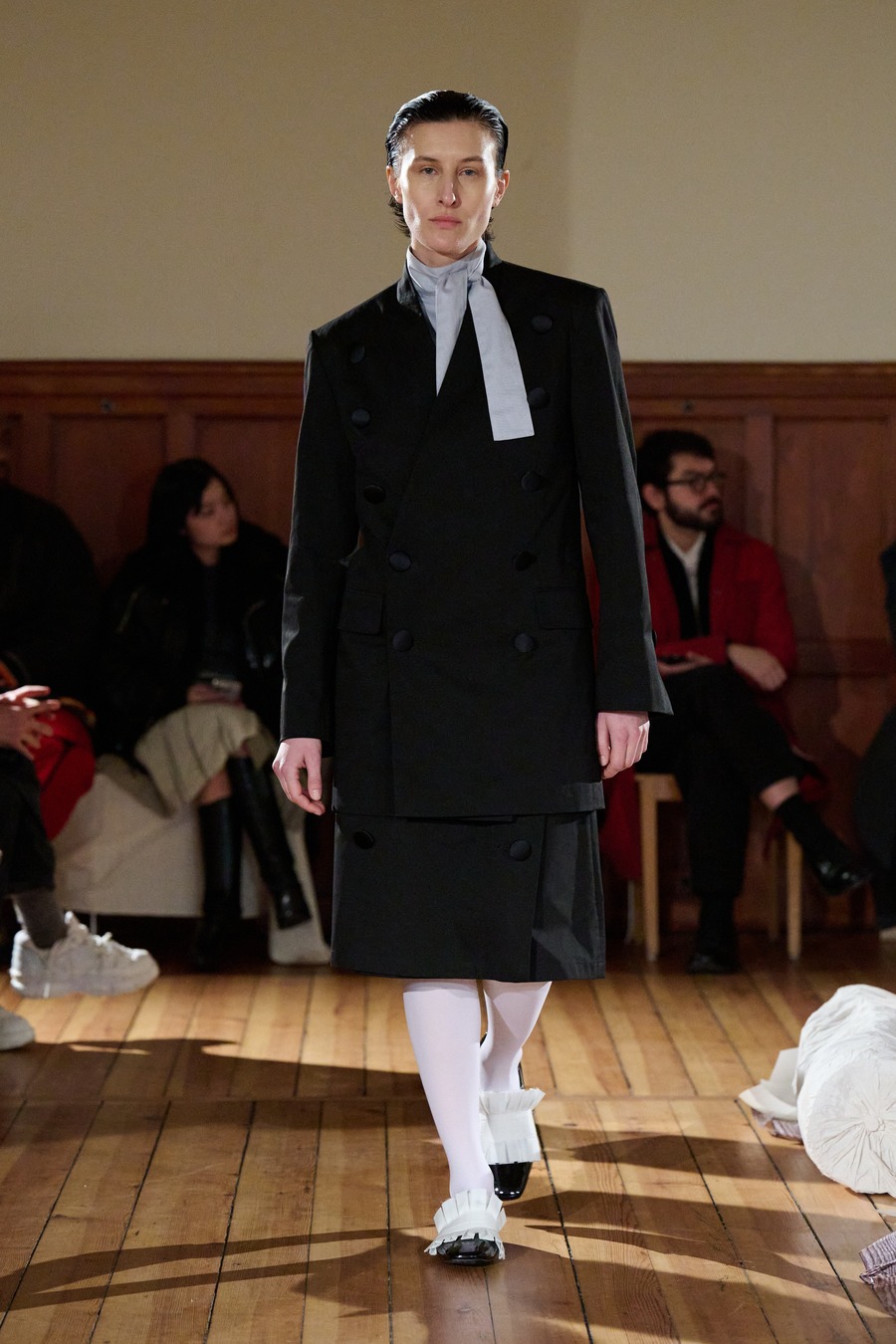
The first act captures the radiant glow of youth, brimming with promise and possibility, encapsulated through fluid silhouettes, soft draping, delicate embellishments, and skin-tight mesh garments. Transitioning to the second act, the mood shifts to reflect grief and introspection. Here, the colour palette deepens into blacks and muted tones, with tailored garments softened by luxurious wool-silk blends. The final act boldly embraces decay, showcasing oversized shirting and raw-edged draped bows that convey a sense of collapse, with silhouettes poised on the brink of disintegration.
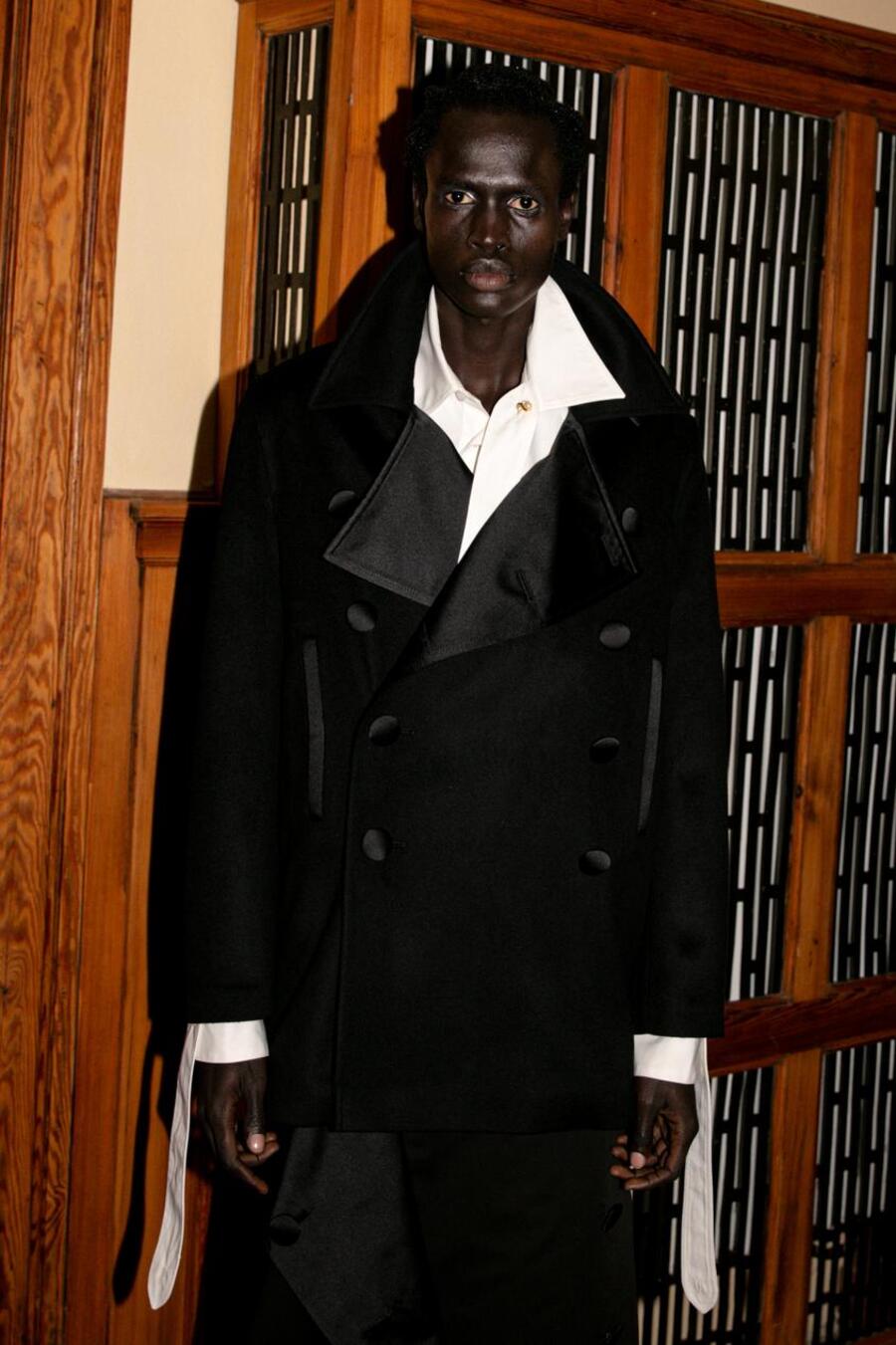
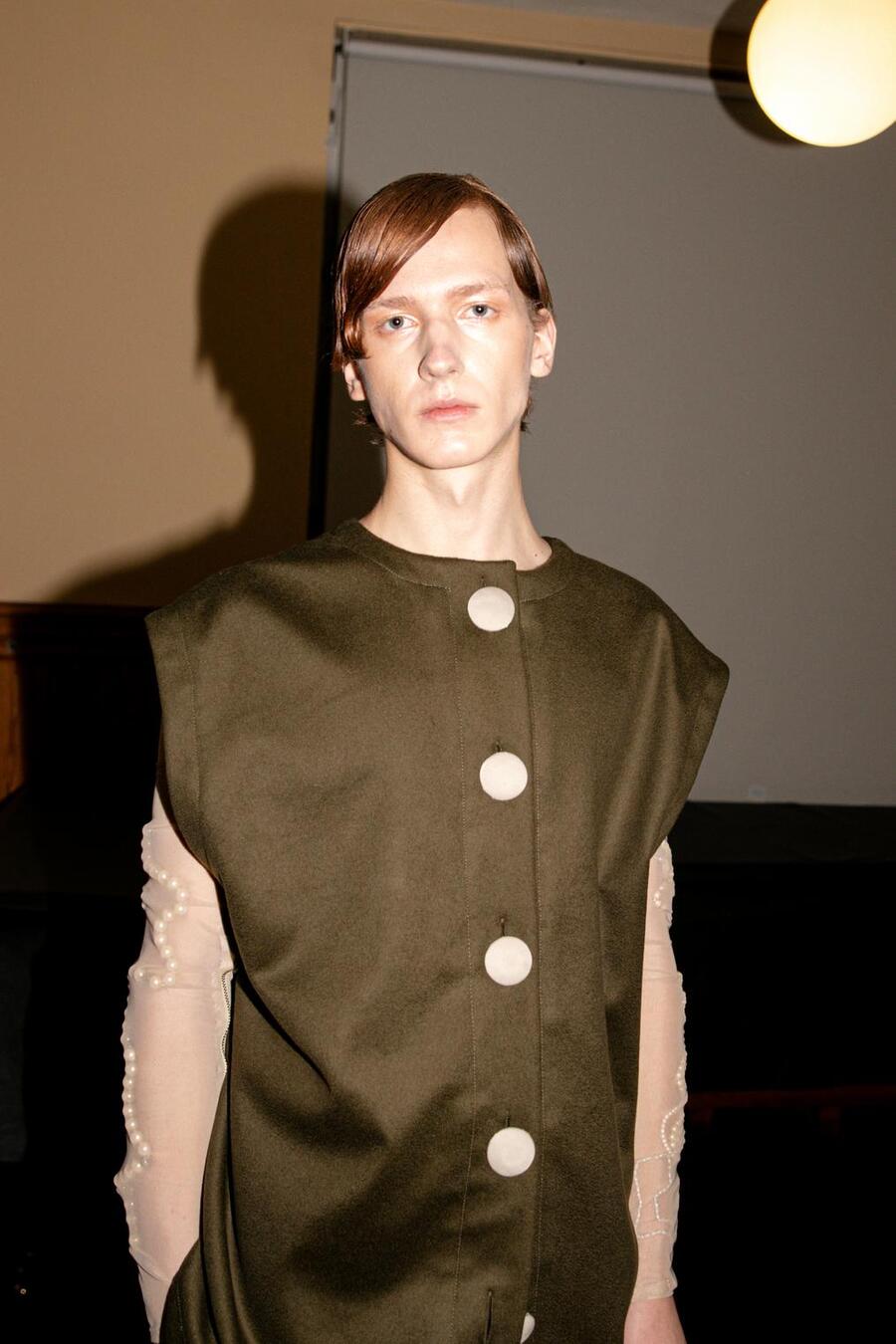
This unisex collection, crafted from sustainable materials sourced from deadstock, reaffirms MARKE’s commitment to responsible design. Each garment embodies a narrative, balancing artistry and accountability.
As a brand, MARKE—an acronym for the visionary designer Mario Keine—strives to delve into the dynamic essence of the human spirit and personality. Each collection encourages the exploration of diverse aesthetic shapes, celebrating hybridity, fluidity, and eclecticism. Drawing from a rich canon of art and cultural influences, historic decades, and folklore, Mario Keine expertly crafts conversations between the past and the present.
What inspired the title “Everything That Stays Is Love” for your F/W 25 collection?
To be honest, the collection had a different name, when it was close to being finished. But I listened to an interview on the radio, in which the presenter talked about his friendship with a pianist in his 80s. They did a recording together and when reviewing it, he noticed the sadness of the pianist, as his hands were not able anymore to achieve the technical precision he once was known for. The presenter told about the total sorrow, but from time to time the pianist’s face lit up, stating ‚But you see? The spirit was there again!’.
I immediately dropped the old name as I felt, this transports way more what I wanted to convey because, in the end, this is what it’s all about in life, right?
Can you elaborate on how the themes of nostalgia and longing influenced your design choices?
As a designer, I somehow always long to feel again, what I felt when watching fashion shows when initially starting to fall in love with the subject around 2004/2005. I’m not interested in creating something that feels generically modern and fresh, but something that feels like it carries character and history. Especially this season I wanted to create pieces that feel like they’ve been there forever and carry memories from past decades, which, in conclusion, makes it a timeless approach to design – the pieces feel ‚then‘ and ‚now‘.
How did the characters of Miss Havisham and Stephen Tennant contribute to the overall aesthetic of the collection?
These two are somehow always there for me in my creative process. Literary personas like Miss Havisham, and eccentric people shunning society while living in their reality, have always fascinated me since childhood. Stephen on the other hand is like my ‚eternal muse‘. He dedicated his life to being intransigently himself, in all his flamboyancy with the sole purpose of gathering aesthetics and the air of beauty around himself – and this at a time, when his presence was illegal due to his sexuality and openness about it.
Could you explain the significance of the three acts in your collection? Can you discuss the evolution of silhouettes throughout the three acts of the collection?
The three acts stand for different episodes in the life of an imaginary person.
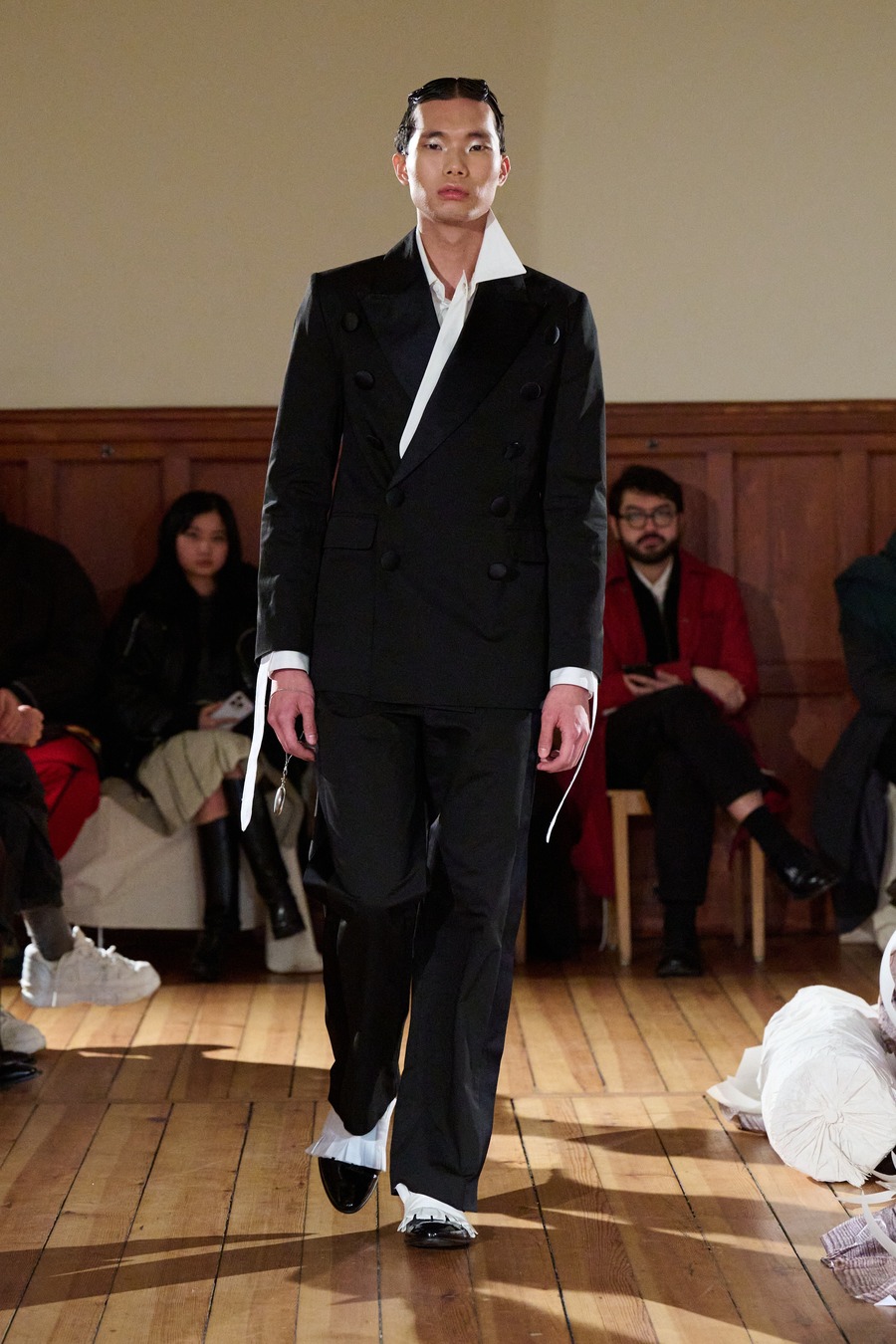
The first act visualizes moments of youth, falling in love, taking such memories under your skin, and cherishing them. The second act is inaugurated by a black suit, with which the model carries a pocket watch. It’s the moment the character decides to freeze time and to make their own past their present. They start living as a recluse, shunning society, breathing the air of past times and their idealized past. The last chapter symbolizes emotional collapse, the moment they realize that they have lived from the memories of only a few years, mourning their past, avoiding and refusing to make new.
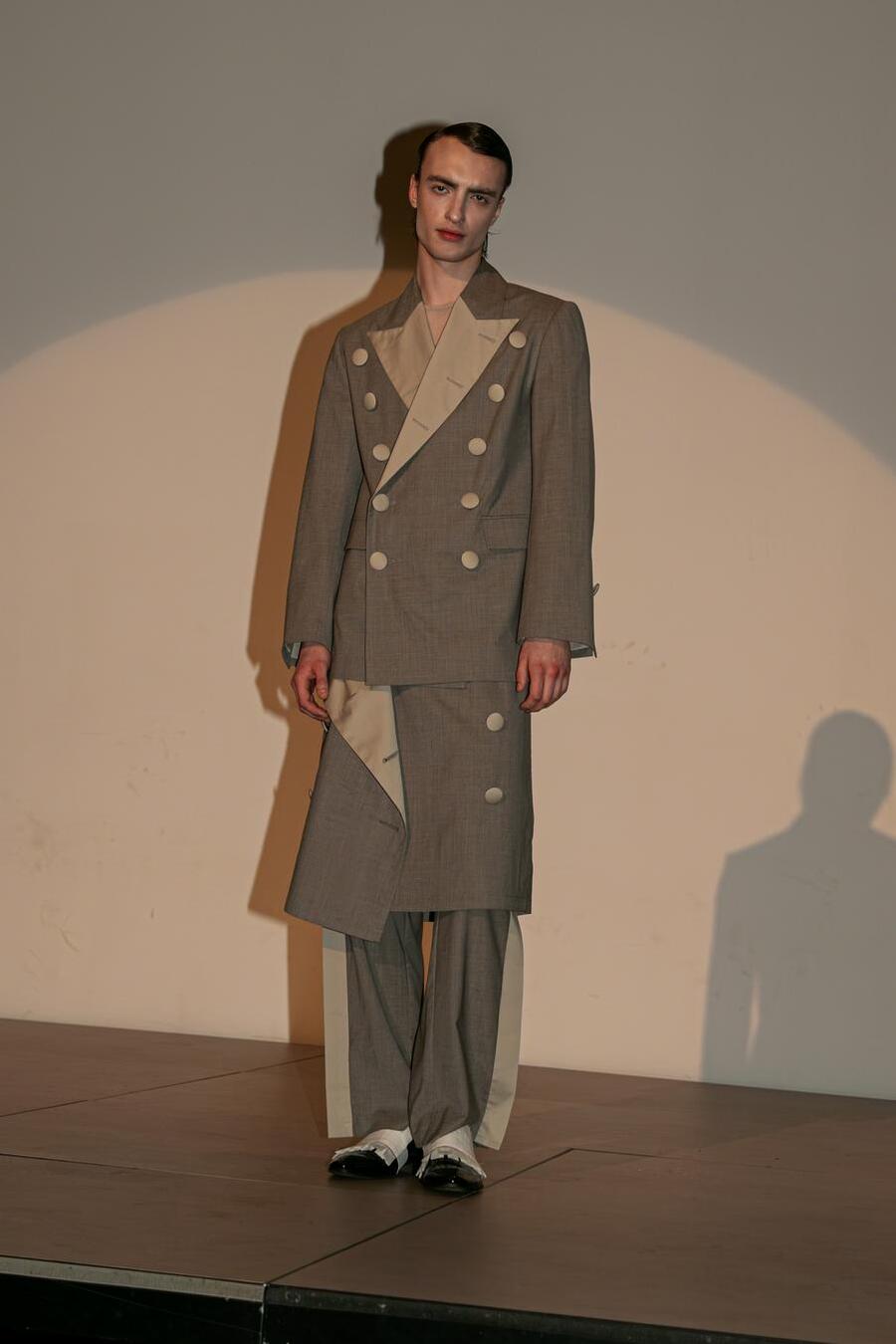
The silhouette in the first chapter is very fluid, vivid, and youthful. Soft layerings with classic suits combined with softly draped overskirts, silhouettes resembling historic costume parties.
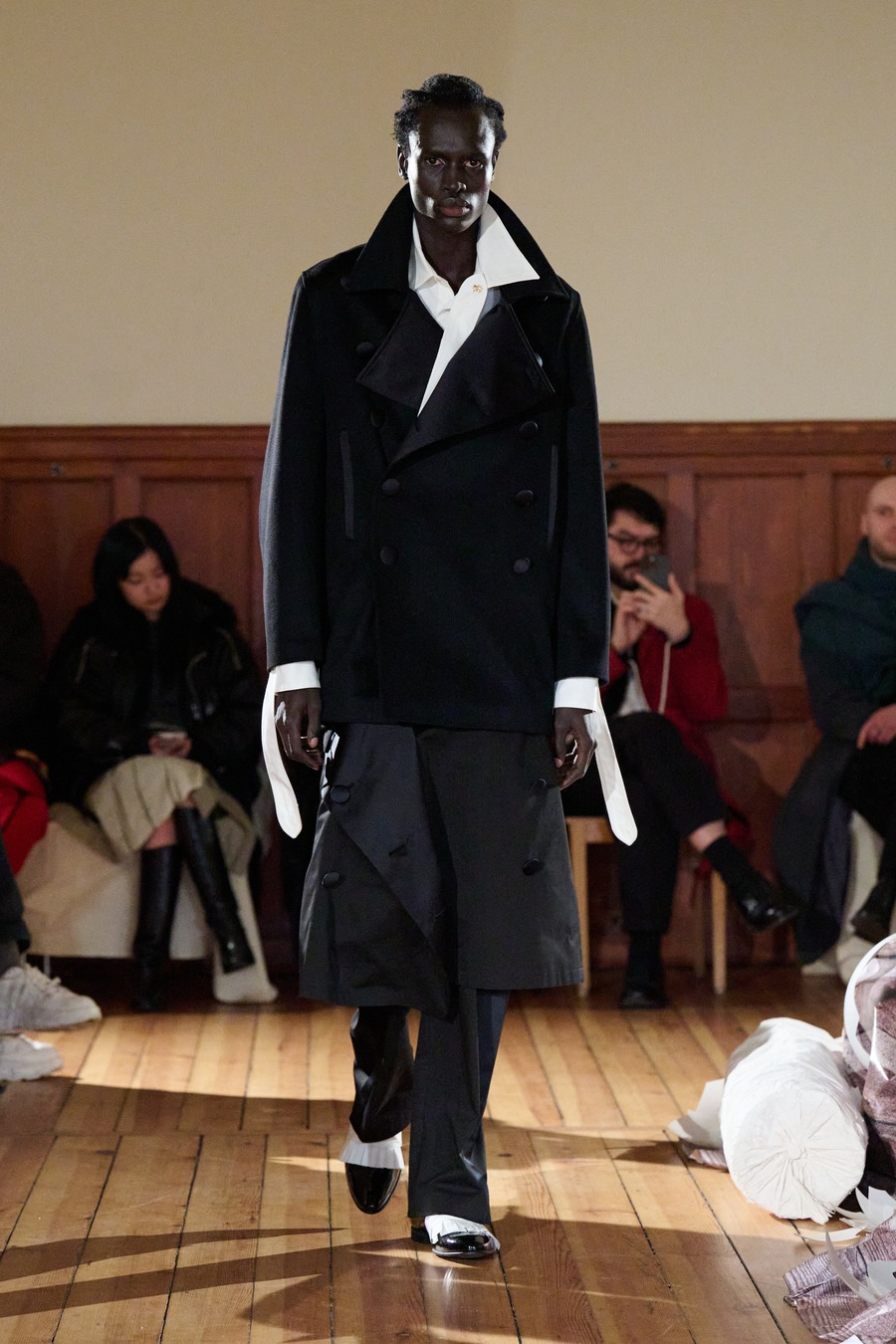
The second chapter suddenly feels more like protection, either in the sense of stiffness and armour or in the sense of a soft shell protecting them from reality. This segment looks very classically tailored, but with second sight you notice elements of deconstruction, of crumbling structures.
The last chapter then is purely said collapse. Pieces with open-edged bows, like drapes of old curtains or rags of former clothes. The view refuses to identify structures, but all pieces are the exact patterns as the looks from chapter one with the addition of the bowed stripes of fabric being inserted in the side seams. Therefore you have the total collapse of the structures established before.
What types of materials did you choose for this collection, and why were they important to your vision? What role does colour play in conveying the different emotions expressed in each act?
Compared to last season, the color choice is much more muted, as well as the material choice is more luxe.
The first, more vivid and youthful act, comes in tones of sand, champagne and olive. Material ranges from pure virgin wool suiting with details of cotton-sating, wool/cashmere mixes for coats up to pearl embroideries underneath the surface of sheer mesh.
The second chapter, moments of mourning, comes purely in black and white. Shirts are from stiffened kinds of cotton, while the coats come in pure wool or wool-silk mixed with contrasts in pure silk.
The last chapter, Emotional Collapse, consists of three looks in a raw-edged cotton-viscose mix, fully created from a dusty shade of mauve.
How do you achieve the balance between artistry and sustainability in your designs?
Sustainability is the ground pillar of all developments of MARKE. From the beginning 100% of all fabrics used are sourced from Italian over- and deadstock material. All pieces are developed in Cologne in-house and then handed over to production, which is happening in Germany and Poland to avoid long-distance sampling and process. Like this, I can supervise and control easily the quality standards and questions in the process and avoid taking several rounds of development.
Artistry comes in two directions – general craftsmanship and quality, as well as the time-intensive production of showpieces. For me, the kind of craftsmanship my ateliers deliver, already is a form of art in itself, providing pieces of the highest quality standard and longevity for generations. This season I have added the elaboration of time-intense showpieces, like the jewellery embroidered pieces and ripped-bow pieces. All jewellery belonged to the late grandmother of a close friend of mine and I was delighted to be allowed to take these existing memories, sew them by hand in all the pieces and fill them with new and additional memories.
Berlin Fashion Week has been a pivotal platform for emerging designers. Why do you think it’s an ideal environment for young talent?
I heard several times this season that BFW now feels like LFW once felt. It’s a centre of support for emerging designers which allows them to be in the center of the spotlight. Berlin manages to shine the light on us due to the absence of big, over-powering and over-shadowing names. The amount of international guests is increasing from season to season and if we were showing within the Paris schedule we would have to fight for our lives to make it possible to have 1 or 2 guests of such reputation at our shows. To Berlin, they come to exclusively explore our work and focus on our developments.
What challenges do you face as a designer when showcasing your work in such a competitive setting?
The first challenge of course is getting the funding. The Berlin Contemporary format is the best support for us, because without it very few of us brands manage a show production financially.
But for the format, one has to apply every season without the security to receive it. Therefore this comes with the insecurity of showing at all.
On the other hand, the aesthetic of MARKE is not very ‚Berlin‘. I tend to play more with historical references and romanticism than what’s edgy and cool. As well as my approach to fabric qualities and high-end detailing, the product requires people to explore it closely to be enchanted by it. This makes it a little more tricky to stand out as I’m not seeking a viral moment, but a sensual, intimate experience.
How does your background and experiences influence your design philosophy?
After my studies, I worked for five years for a Cologne-based design agency that works in the field of brand communication as well as product, package and retail design for clients in the segments of premium and luxury. The approach there was quite ‚old-school‘ regarding research, concept development and storytelling. It was very manual and detail-oriented, which is needed when working externally for Swiss watch brands or French couture houses. I think that has shaped my overall aesthetic to be very elaborate and refined in detail instead of bold approaches.
What do you envision for the future of MARKE, and how do you hope to evolve your brand?
For next month I’m right now in the organization for the sales showroom during Paris Fashion Week. I want to place MARKE stronger in physical wholesale, while as well implementing trunk shows and pop-ups this year. My ambition is to build a stronger community around the brand, creating a dialogue between the audience and the product, to allow them to become part of the world through collaborations, artist talks etc.