

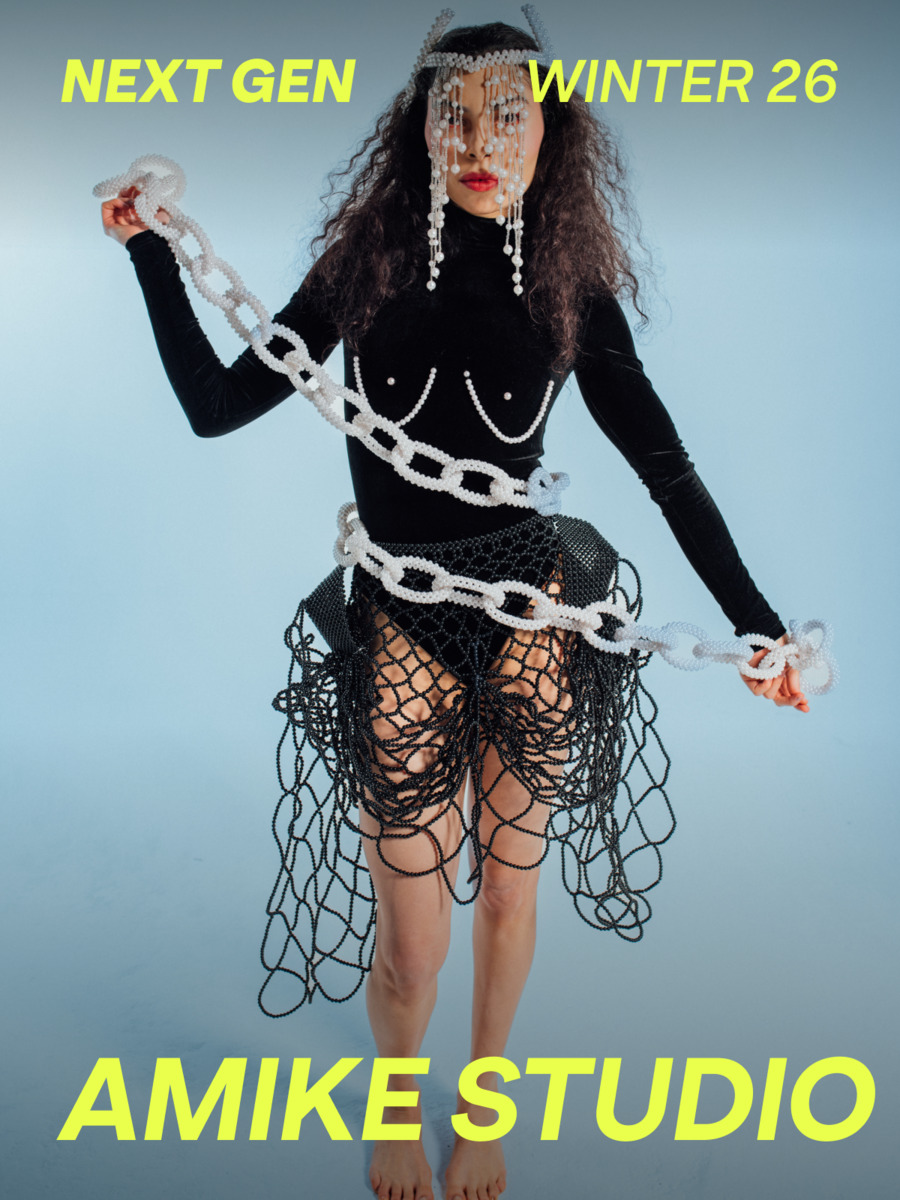
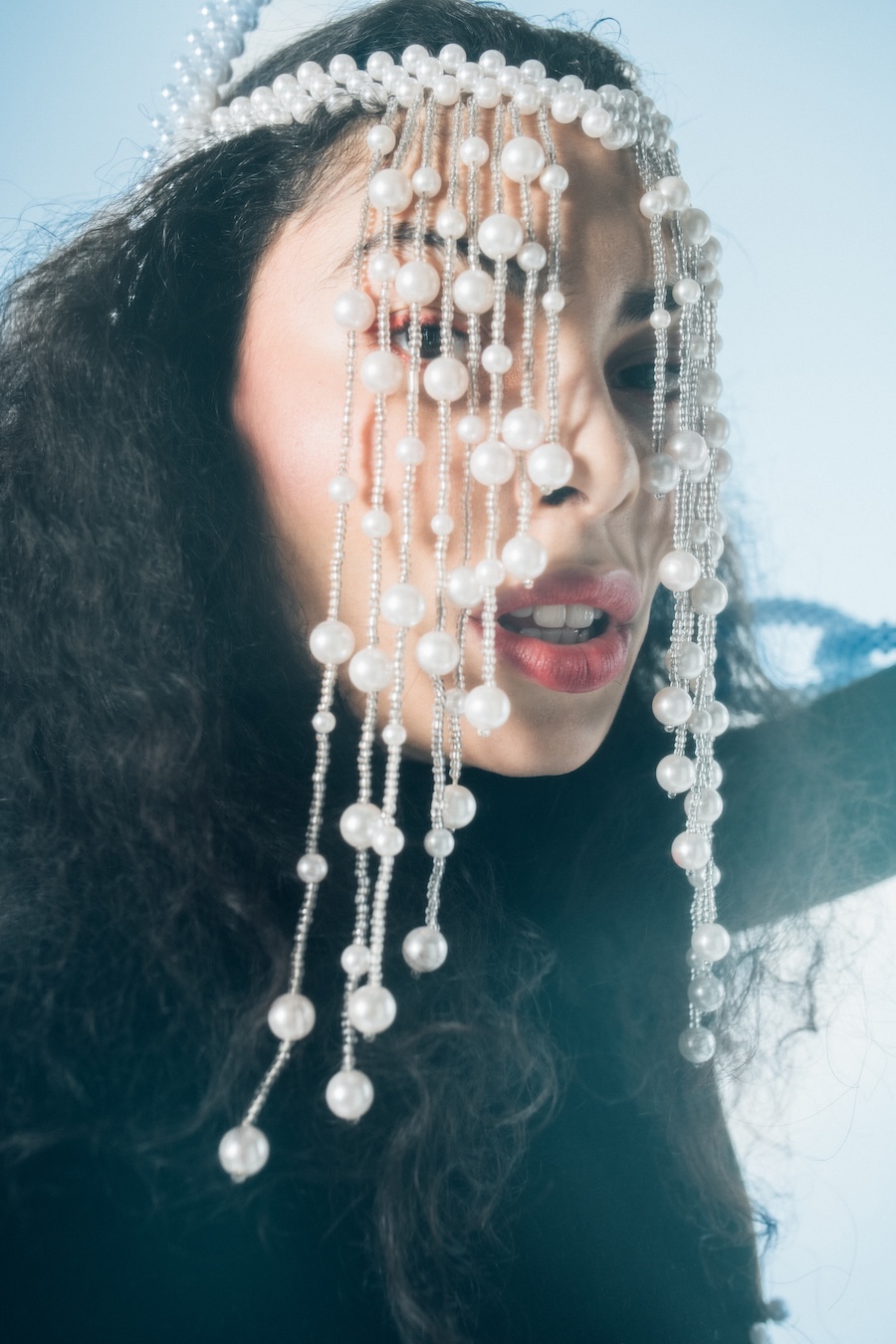
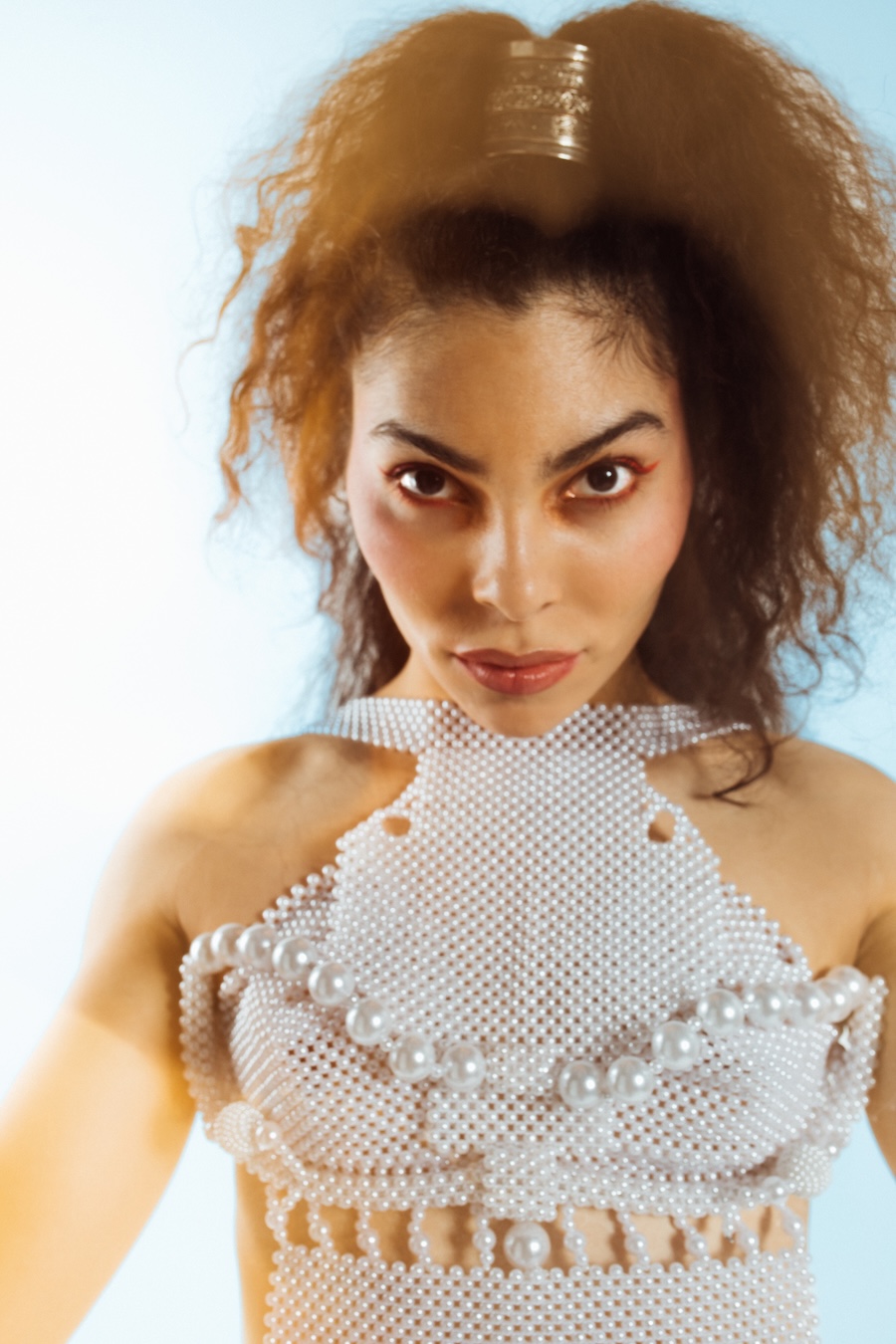
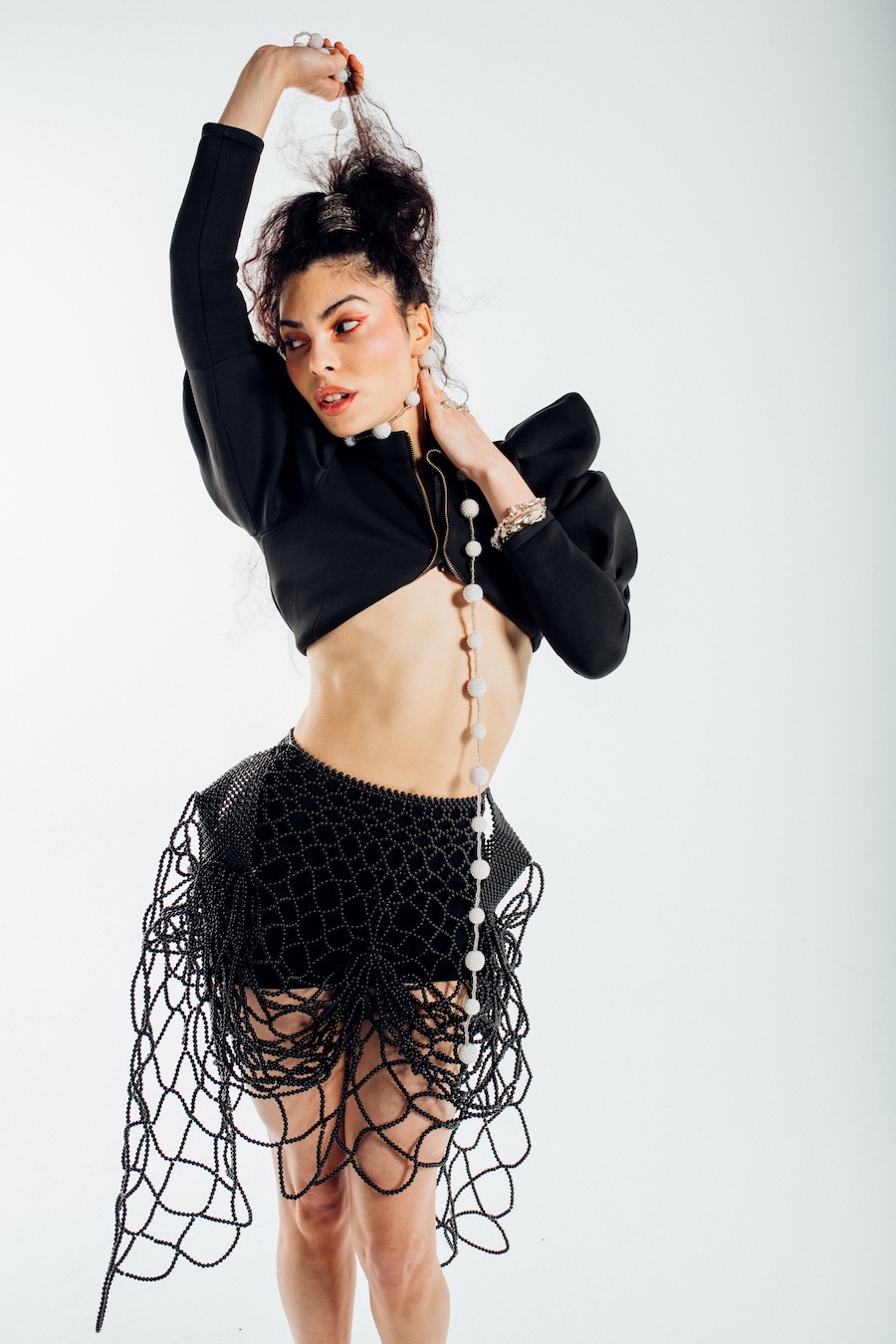
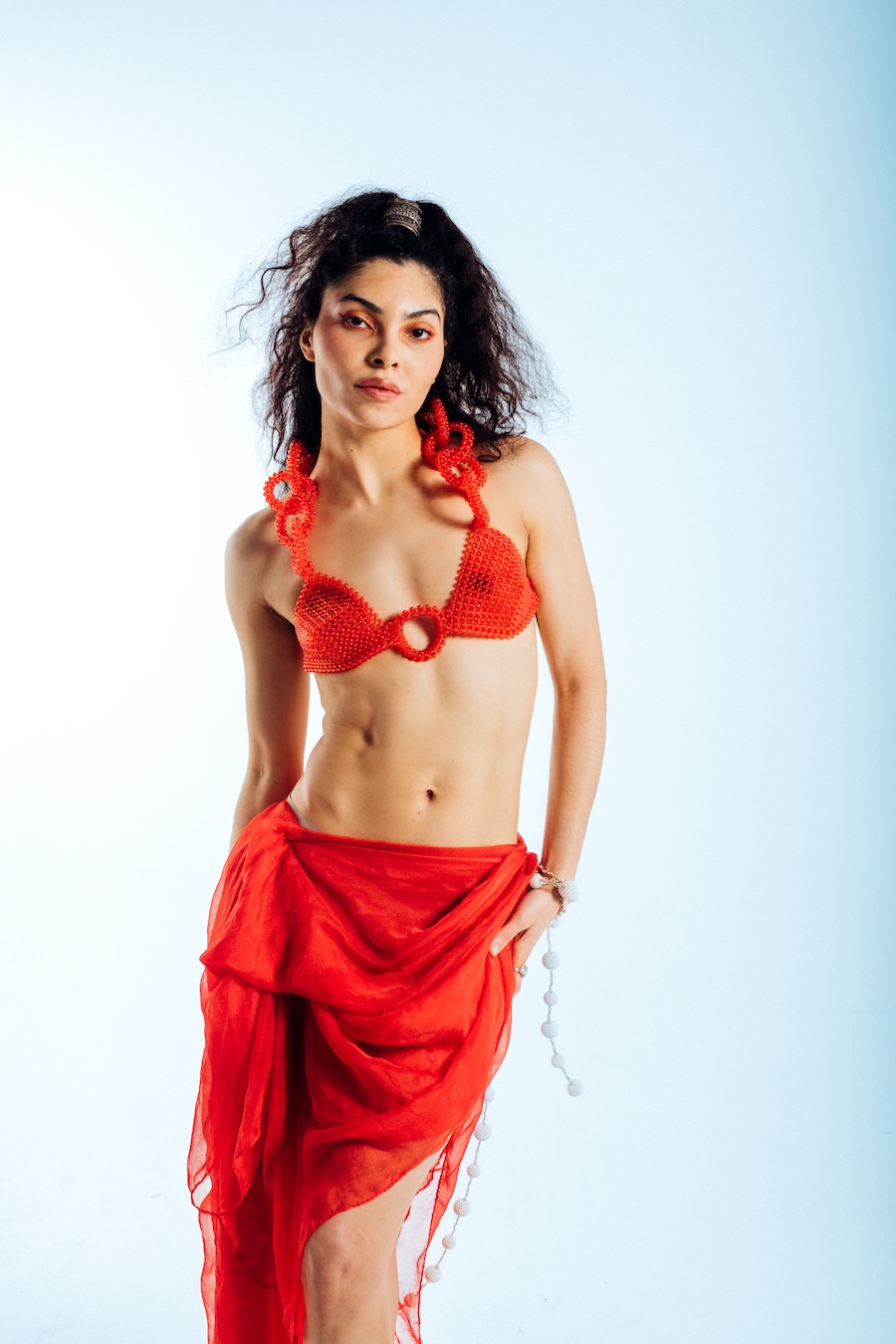
As we continue our exploration into the dynamic world of NEXT GEN, we are thrilled to present Interview Number 3 in our series, featuring the visionary Amike Studio. Renowned for its unique blend of craftsmanship and narrative, Amike Studio’s debut collection, AGASONGERO, offers a profound reflection on the designer’s roots and the journey of life itself. Inspired by the hills of Rwanda, where the designer grew up, this collection tells a story of climactic struggles, momentous pauses, and the enduring beauty found in persistence.
NEXT GEN by Platte Berlin is highlighting the designers shaping the future of Berlin fashion. The platform showcases talents with international potential and is here to create long-term momentum through mentorship, retail exposure, and media visibility in the fashion community. Positioned at the intersection of creativity, sustainability, and community, NEXT GEN strengthens Berlin’s role as a home for emerging fashion voices.
In our discussion, we unravel the intricate layers of Amike Studio’s creative process and its unwavering commitment to sustainability, as well as the vital role of spaces like Platte Berlin in nurturing emerging designers. The dialogue encompasses reflections on collaboration, mentorship, and the intricate dance of fashion as an evolving cultural dialogue.
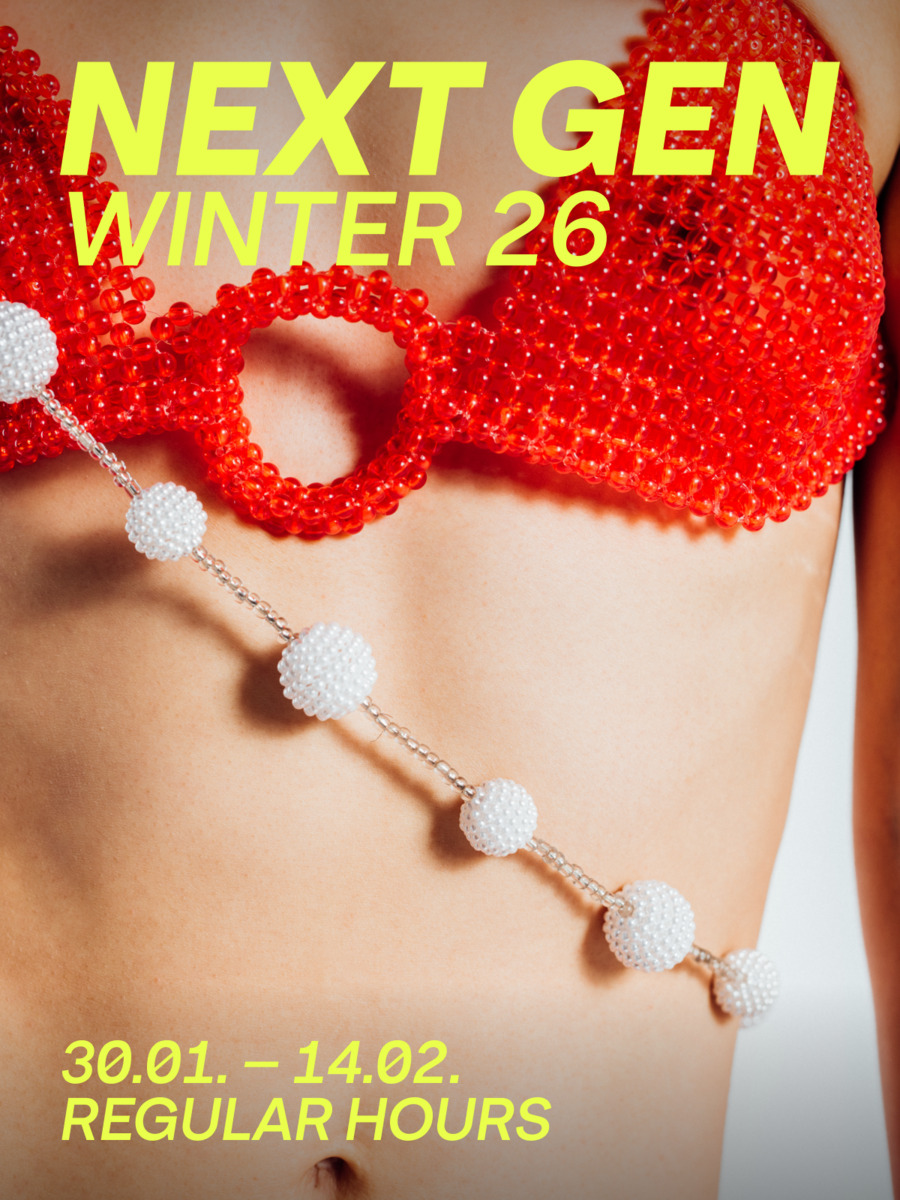
@svenmarquardt / @platte.berlin
Follow: @amikestudio
Photography by @arnaud.ele
Interview @marcel_schlutt
Join us as we delve into the insightful perspectives of Amike Studio and celebrate the future of fashion, an ever-expanding universe where artistry, intention, and community intertwine to shape a more meaningful industry.
KALTBLUT: Can you tell us about the inspiration behind your current collection showcased at the NEXT GEN exhibition in Platte Berlin?
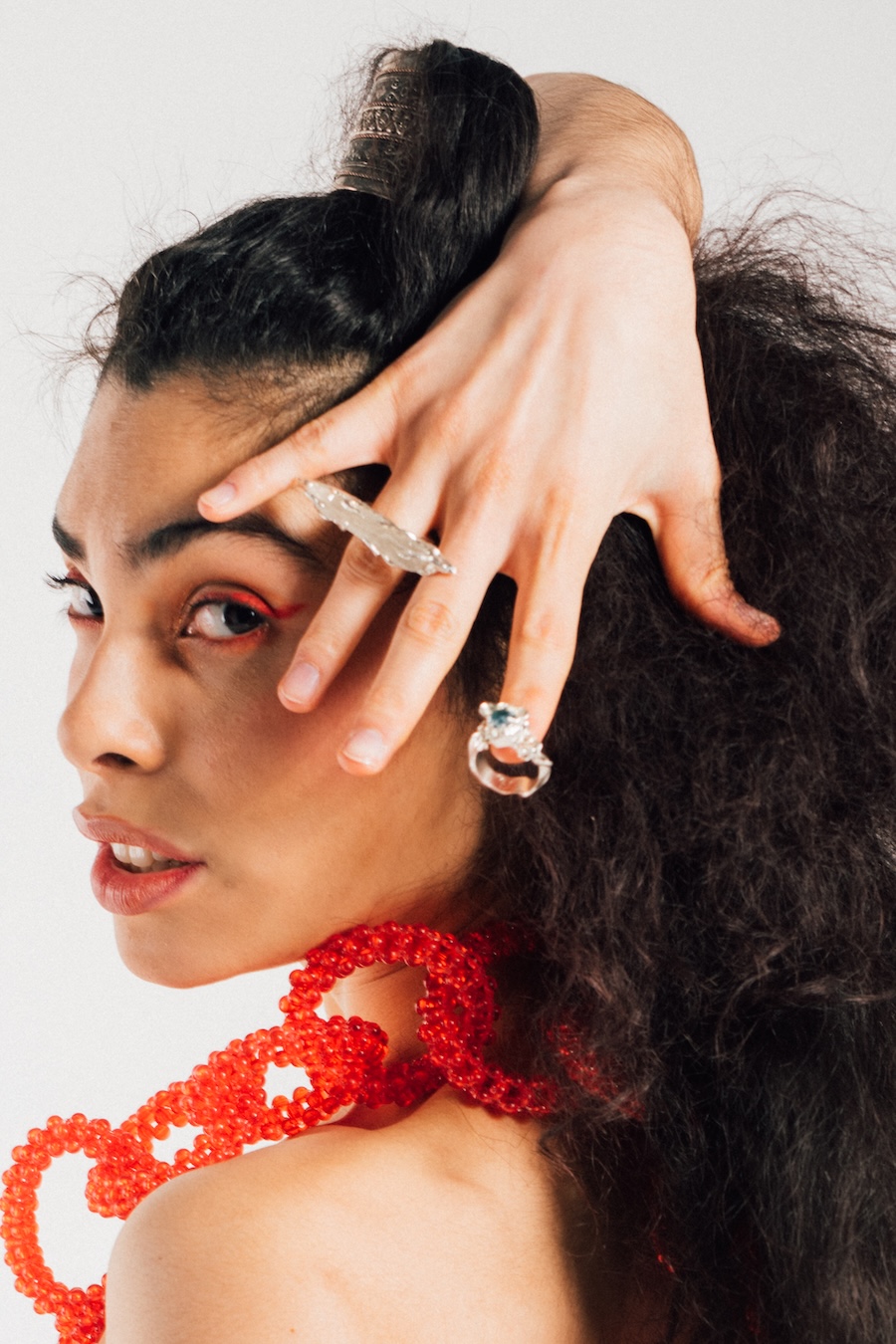
The collection I’m showing at Platte Berlin is called AGASONGERO. In Kinyarwanda, Agasongero means “the peak.” The work is a story-led journey of climbing a hill, both literally and metaphorically.
Rwanda is often called the country of a thousand hills, and growing up there, my days were shaped by constant movement: ascending and descending, taking stairs, crossing from one hillside to another. It was a loop: physical, repetitive, and strangely grounding. Over time, I started to see that rhythm as a mirror of how life moves: progress isn’t a straight line, it’s a series of climbs, pauses, setbacks, and returns.
AGASONGERO, which is my debut collection, follows that arc. It begins where the climb starts: with momentum, curiosity, and intention. It then moves into the learning curve and the struggle, the moments where the body and mind are tested. And finally, it arrives at the peak, the top, where you gain distance, clarity, and a different perspective on everything it took to get there.
In its silhouettes, AGASONGERO expresses the duality of a design language forged between tradition and experimentation. While my Rwandan context emphasises structure, restraint, and respect for form, Berlin encouraged me to push boundaries in my creative expression, to take risks, and to reinvent myself.
KALTBLUT: How do you integrate sustainability into your design process?
Sustainability is built into every layer of Amike Studio, not as an add-on, but as the way I work. I’m not chasing seasons or trends; I’m building a parallel fantasy universe of possibilities, and that naturally demands a slower, more intentional and intimate pace.
I treat each collection as a long-term narrative, not a temporary drop. AGASONGERO, for example, took four years to develop, because the focus is on depth and world-building rather than speed. Pieces are made in small batches or to order, so nothing exists “just because.”
The production process itself also sets a limit: the level of detail, attention, time, and labour that goes into one garment makes overproduction impossible. Ultimately, I aim for emotional and physical durability. If a piece feels meaningful, someone is more likely to wear it often, care for it, and repair it instead of replacing it.
KALTBLUT: How important is a space like Platte Berlin for you as a designer?
A space like Platte Berlin is incredibly important to me because it creates room for fashion to be experienced as culture, not just product. It supports designers at an early stage with visibility, context, and community. These are things that are often missing when you’re building a practice independently and outside of the mainstream system.
Platte also allows my work to be read the way it’s meant to be read: as a story, craft, and world-building. When a collection like AGASONGERO is rooted in narrative and process, it needs a setting that invites people to slow down, look closely, and connect with the details.
Most of all, it feels like a bridge between emerging designers and a wider audience, between ideas and real encounters. Spaces like this make the work feel alive, and they make the journey forward feel possible.
KALTBLUT: How would you describe Platte Berlin if you can use only 3 words?
Community. Platform. Possibility.
KALTBLUT: What challenges have you faced as an emerging designer in the Berlin fashion scene?
The biggest challenge has been building momentum in a scene that moves fast, while my work is intentionally slow. Berlin has a lot of creative energy, but as an emerging designer, it can still be difficult to access the things that actually help you grow, like funding, production support, consistent visibility, and the right networks.
And on a personal level, navigating a new industry ecosystem, often across cultural and language barriers, was isolating at first. But it’s also pushed me to be very clear about who I am, what I stand for, and to build community around the work rather than chasing quick approval.
KALTBLUT: How has participating in the NEXT GEN program influenced your growth as a designer?
Participating in NEXT GEN has been a real turning point for me because it gave my work visibility, exposure to an attentive community, and, honestly, hope for the future. Being part of the program reminded me that there is space for slow, story-led fashion to exist and grow.
It exposed the collection to people who take the time to look closely, ask questions, and engage with the details. That kind of audience is invaluable for a practice like mine, where the meaning lives in the process as much as the final pieces.
On a personal level, NEXT GEN has been a form of practice: it helped me learn how to communicate the world of Amike Studio and my vision more clearly, so the collection can be understood beyond the surface and not just as garments, but as narrative, craft, and a universe I’m building over time.
KALTBLUT: In your view, what role does collaboration play in the fashion industry today?
Collaboration is essential right now because fashion is too complex and too resource-heavy to build in isolation. For me, it expands the world of Amike Studio through shared skills and perspectives, making the story richer without diluting the vision. It’s also a sustainability practice: sharing resources, supporting local talent, and building fairer ways of producing and crediting work.
KALTBLUT: Who are your biggest influences or mentors in the fashion world, and how have they impacted your work?
My biggest influences are Iris van Herpen for the way she fuses couture craft with experimentation and technology, Alexander McQueen because the emotional intensity and theatrical dreaminess of his work make me feel seen, and Mowalola for the fearless, unapologetic energy in her work.
In terms of mentorship, Waridi-Wardah has been incredibly important for my growth. She has helped me gain real clarity on how to bring all the elements of my vision together, communicate the world of Amike Studio, and position myself in a way that does the work justice.
KALTBLUT: Can you describe the creative process you went through while developing your latest pieces?
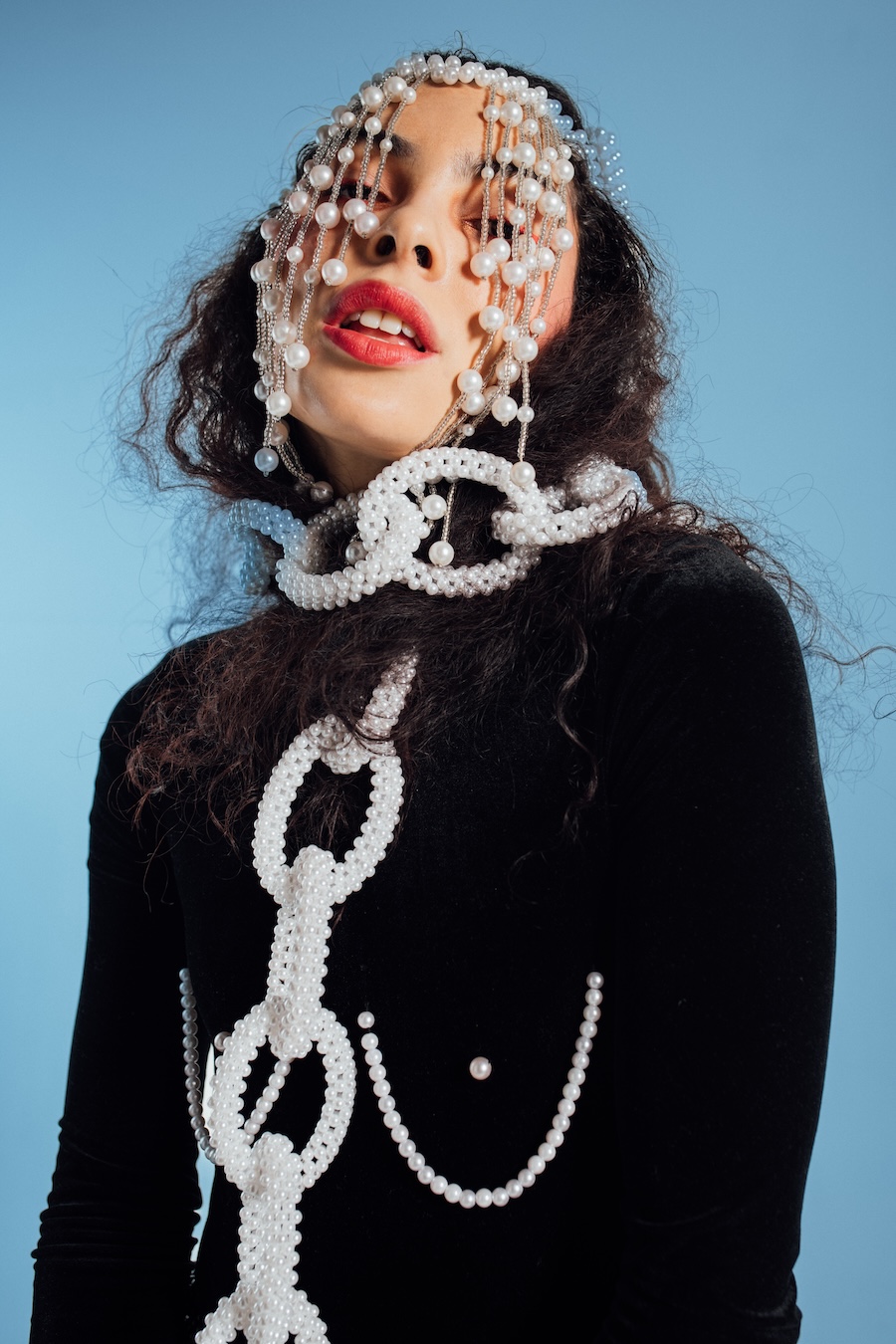
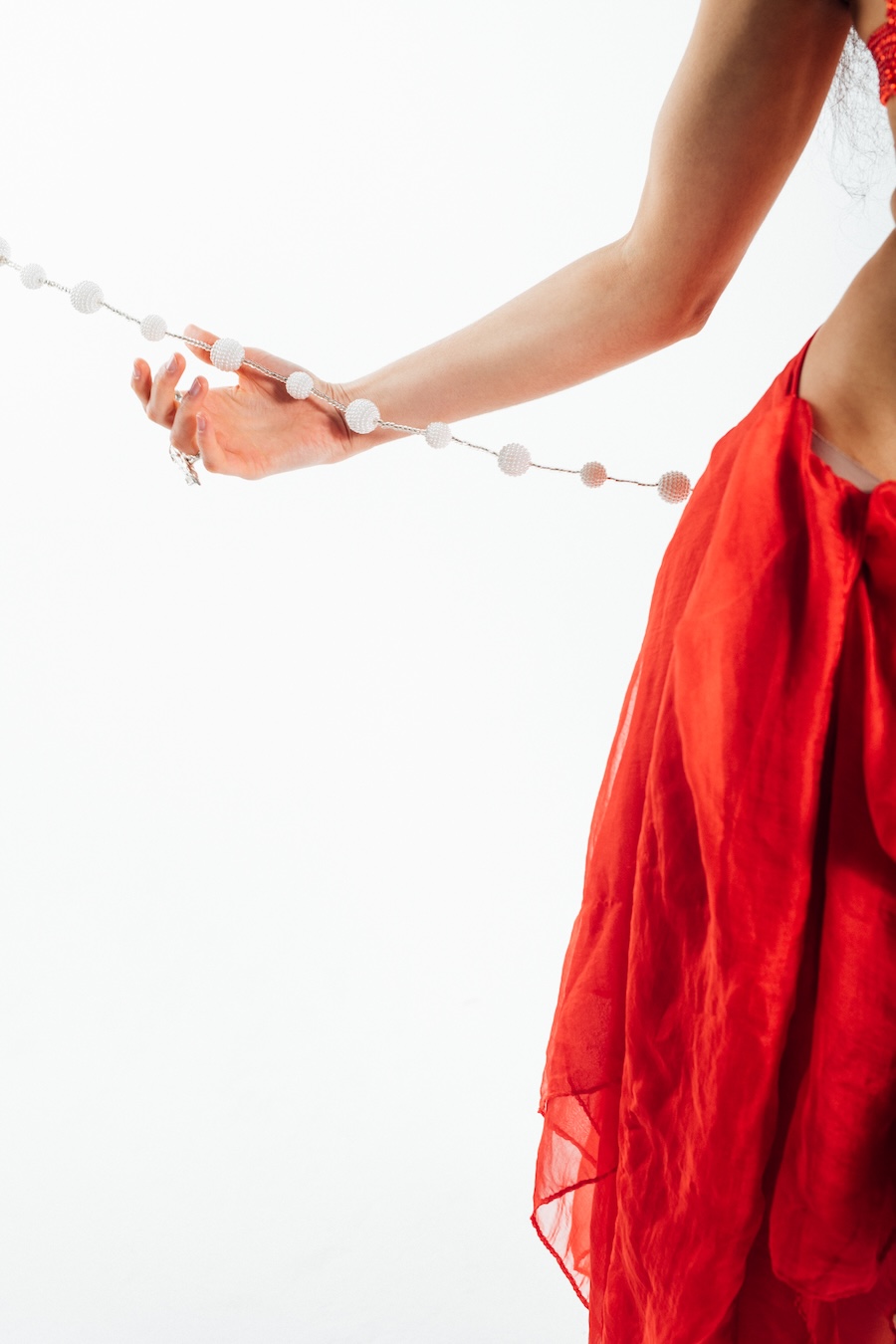
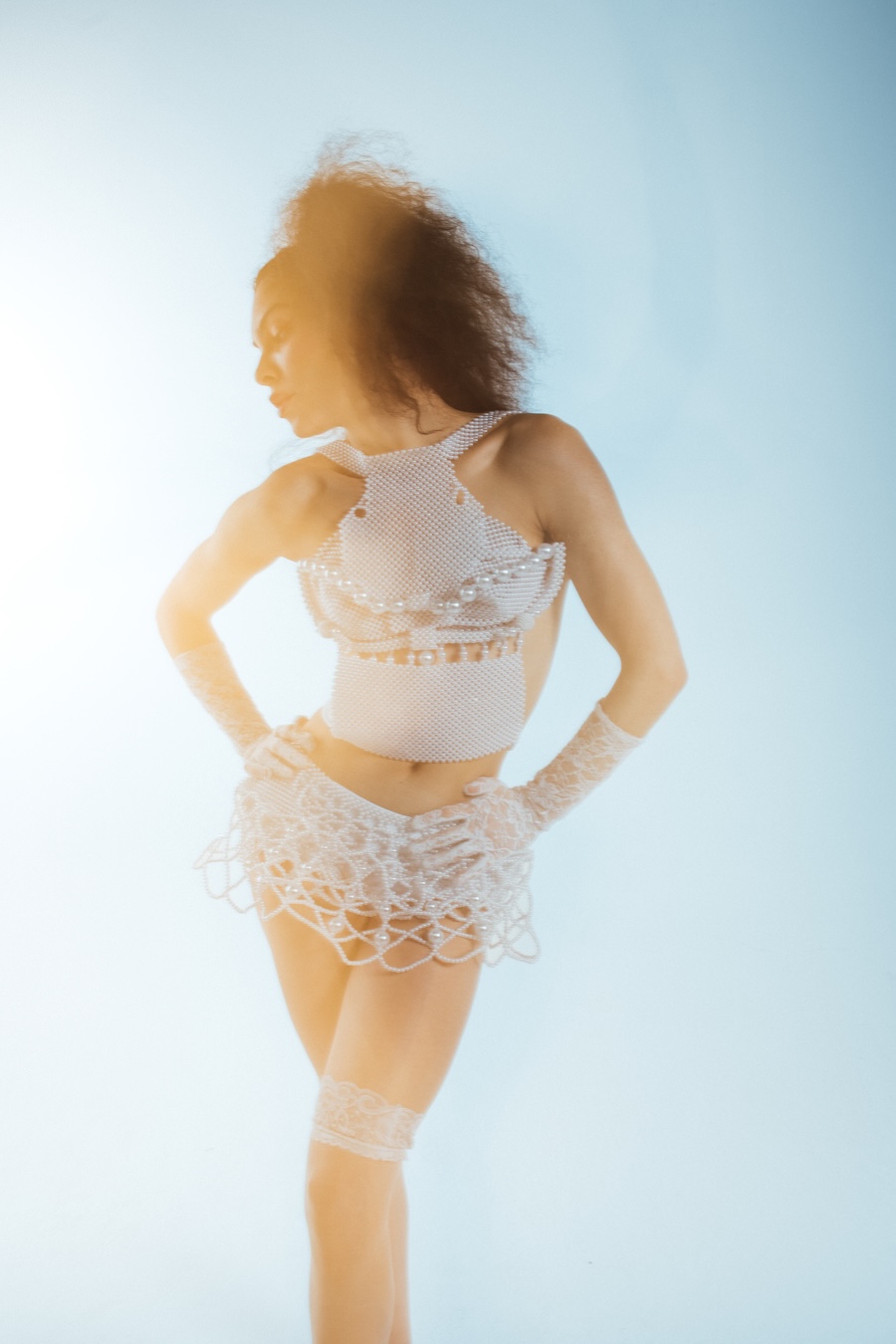
My latest pieces came out of a slow process of placing one bead at a time. This collection took four years, from the first ideas to the final touches, because the techniques and materials I use demand patience. It’s literally impossible to rush a garment into existence.
I work closely with a cooperative of Rwandan women, and the ambition of the ideas really requires that shared, community-led rhythm. A lot of the work is hours of sitting and repetitive handwork and pattern-building, which can be monotonous but also meditative; this is where the care and detail are built in.
KALTBLUT: What message do you wish to convey to your audience through your designs?
I want my work to remind people that growth isn’t linear, it’s a climb, a return, a loop, and you’re allowed to move at your own pace. Through the pieces, I’m also honouring where I come from: the rhythm of Rwanda’s hills, and the power of community and handwork behind every garment. Ultimately, I want the audience to feel invited into a world where fashion can be emotional, patient, and where what you wear holds story, labour, and possibility. ‘Afterall, living is an art, so let the world be your muse, Aline Amike.
KALTBLUT: How do you envision the future of fashion, particularly in the context of emerging designers and sustainability?
I imagine the future of fashion becoming smaller, slower, and more honest. Sustainability won’t be a “category”; it will be the baseline: traceable materials, fair labour, made-to-order or small runs, and design that assumes repair, rewear, and longevity.
For emerging designers, I see a future where growth doesn’t mean copying the traditional luxury system. It means building new ecosystems; collaborations, shared ateliers, local production networks, and platforms that value process and storytelling as much as the final image. If we’re supported to work at a human pace, emerging designers can lead the shift toward fashion that feels culturally alive and genuinely responsible.
KALTBLUT: What advice would you give to aspiring designers looking to make their mark in the fashion industry?
Build your world before you chase visibility. Clarify what you stand for, and let that guide every decision. Start where you are and work with what you have. Learn the craft deeply, and don’t underestimate consistency over hype. Find your people: collaboration and community will carry you further than trying to do everything alone.
KALTBLUT: How would you describe the local fashion scene/industry in your hometown/country?
The local fashion scene in Rwanda feels awake and grounded; young, hungry, and deeply craft-led. There’s a strong respect for making, with ateliers and small workshops at the centre, and designers building from skill, community, and identity.
KALTBLUT: If your brand were ice cream, what flavours would it be?
I honestly don’t know if these flavours exist yet, and that’s exactly the point. My brand would taste like Hibiscus + dark chocolate, smoked vanilla + sea salt, and chilli-spiced coffee with cacao nibs: grounded, intense, and a little surreal.
KALTBLUT: What was the last music track you listened to?
Life of Champions by Kaya Byinshi
KALTBLUT: Finally, what can we expect to see from you in the near future?
In the near future, you can expect me to keep expanding the fantasy world of Amike Studio through craftsmanship, developing AGASONGERO further with new pieces that push the craft and storytelling even deeper. I’m also focused on building stronger collaborations and more community-led production, so the work can grow without losing its patience or integrity. And of course, there will be more chances to experience the pieces in real life, through exhibitions, art installations, and spaces that invite people to look beyond the surface.
Creative Direction by Katharine De Siqueira @martin.de.siqueira
PHOTOGRAPHER Arnaud Ele @arnaud.ele
Light Assistant Lea Comprelle @ghostlyours
Production Lead Annika Malz @anni.mlz
Production Assistant 1 Evren Santiago Kukul @evren.santiago
Production Assistant 2 Aliya Krause @aliyakrs_
BTS Hayden Vassilkov @alchem7st
BTS Kevin Kurth @kevinkurthh
HMU Sue Eder @sue_eder
STYLING Julian Stamm @julianstamm
MODELS
Model 1 Arthur Kloens @arthur.kloens
Model 2 Marie Zechiel @mariezechiel
Model 3 Angelita Fortres @angelitasfortress
Model 4 Elizabeth López @_lizlpz
