

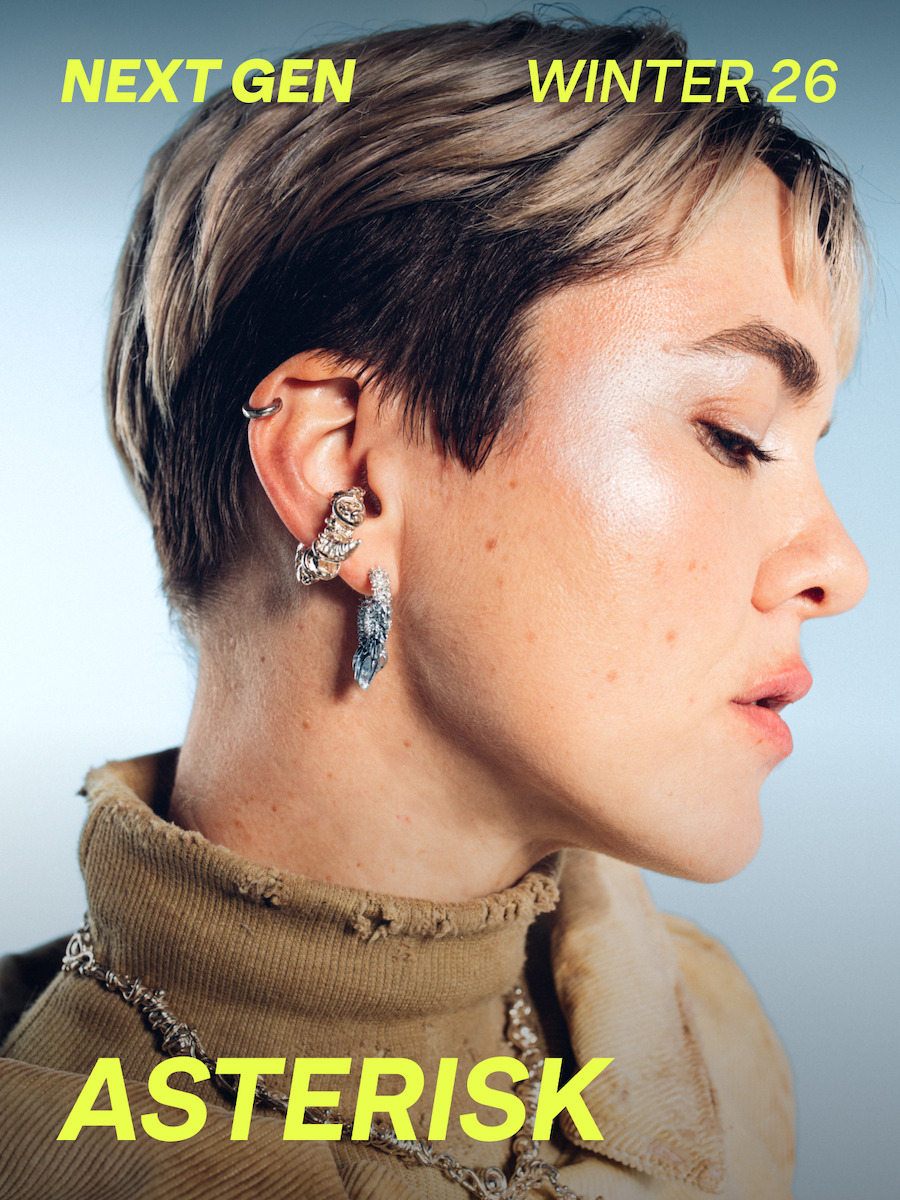
As Berlin Fashion Week approaches, PLATTE.Berlin continues to establish itself as a cornerstone of German fashion. From January 29th to February 14th, 2026, the spotlight will shine on the NEXT GEN initiative, showcasing six exceptional designers who embody the innovative spirit of our time. Each has been meticulously selected by a diverse jury that spans the realms of design, sustainability, business, and fashion.
In an exciting twist, this year marks the debut of the NEXT GEN Pop-Up & Exhibition, expertly curated by the renowned Sven Marquardt. Over a dynamic two weeks, the lines between vibrant personalities and daring new designs will blur, ensuring that fashion becomes more visible and accessible than ever before. PLATTE is committed to redefining the fashion narrative, strengthening connections among designers, consumers, media, and the vibrant Berlin fashion community, while setting unprecedented standards for creativity and collaborative spirit.
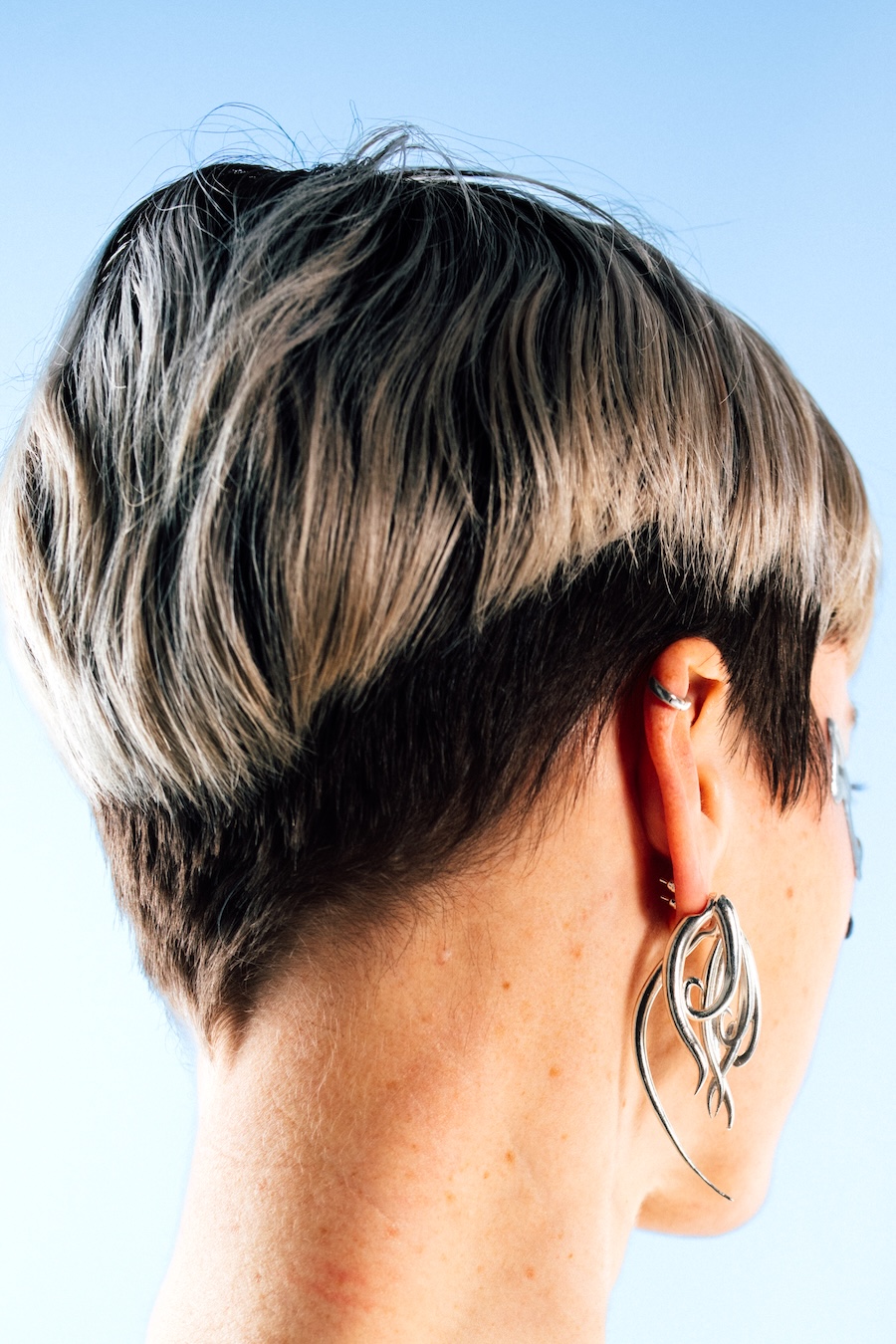
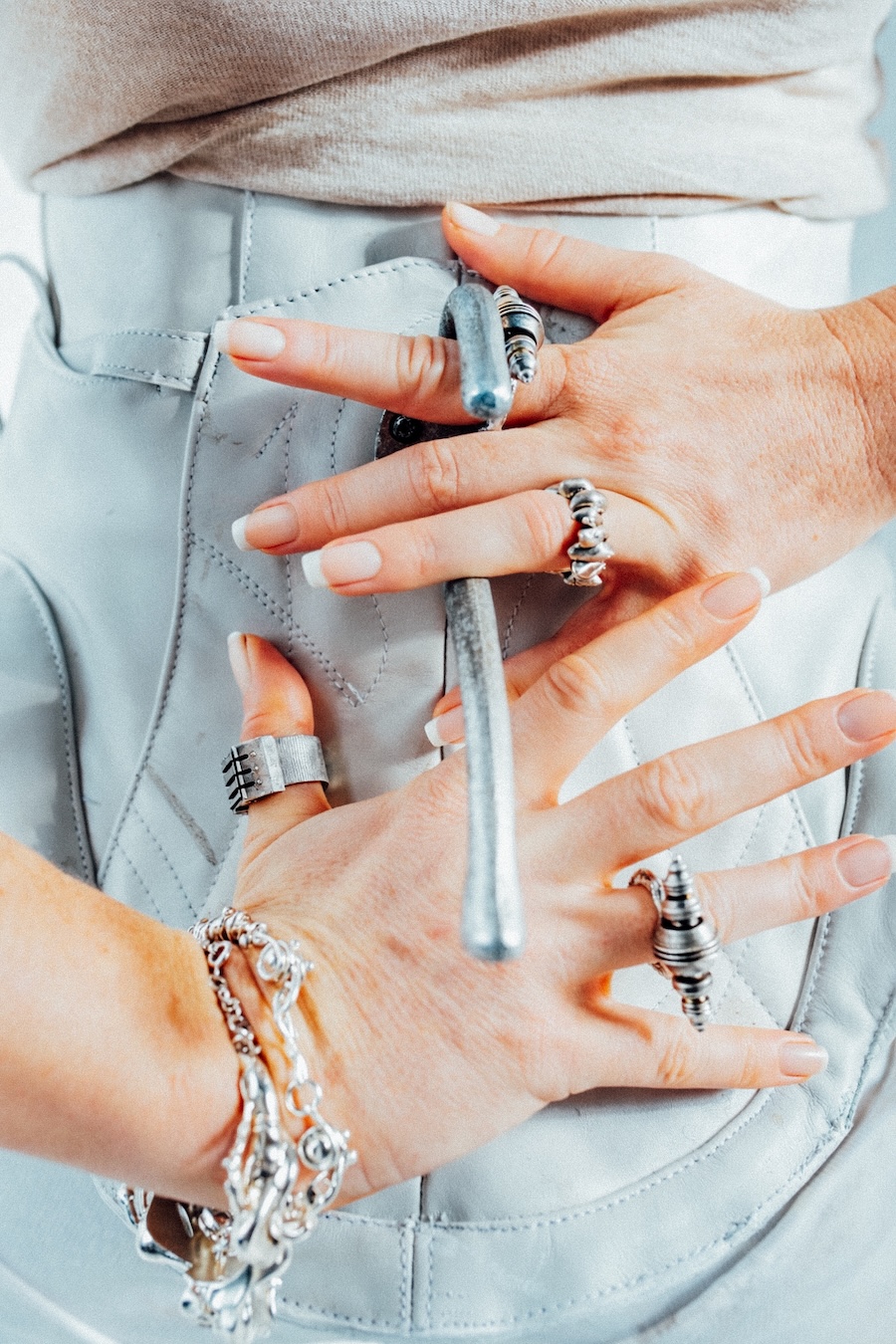
Kicking off our interview series, we’re thrilled to introduce ASTERISK, an evocative jewellery brand founded by the visionary Zan Hyang Song. Guided by intuition, touch, and emotional memory, ASTERISK explores the fluidity of meaning through its namesake symbol “*.” This ongoing practice traverses the delicate balance between raw and refined, fragile and resilient, ancient and futuristic, all while maintaining a tether to its essence. Join us as we delve into the minds of these trailblazers and celebrate the future of fashion!
@svenmarquardt / @platte.berlin
Follow: @asteriskonline / asteriskonline.eu
Photography by @arnaud.ele
Interview @marcel_schlutt
KALTBLUT: Can you tell us about the inspiration behind your current collection showcased at the NEXT GEN exhibition in Platte Berlin?
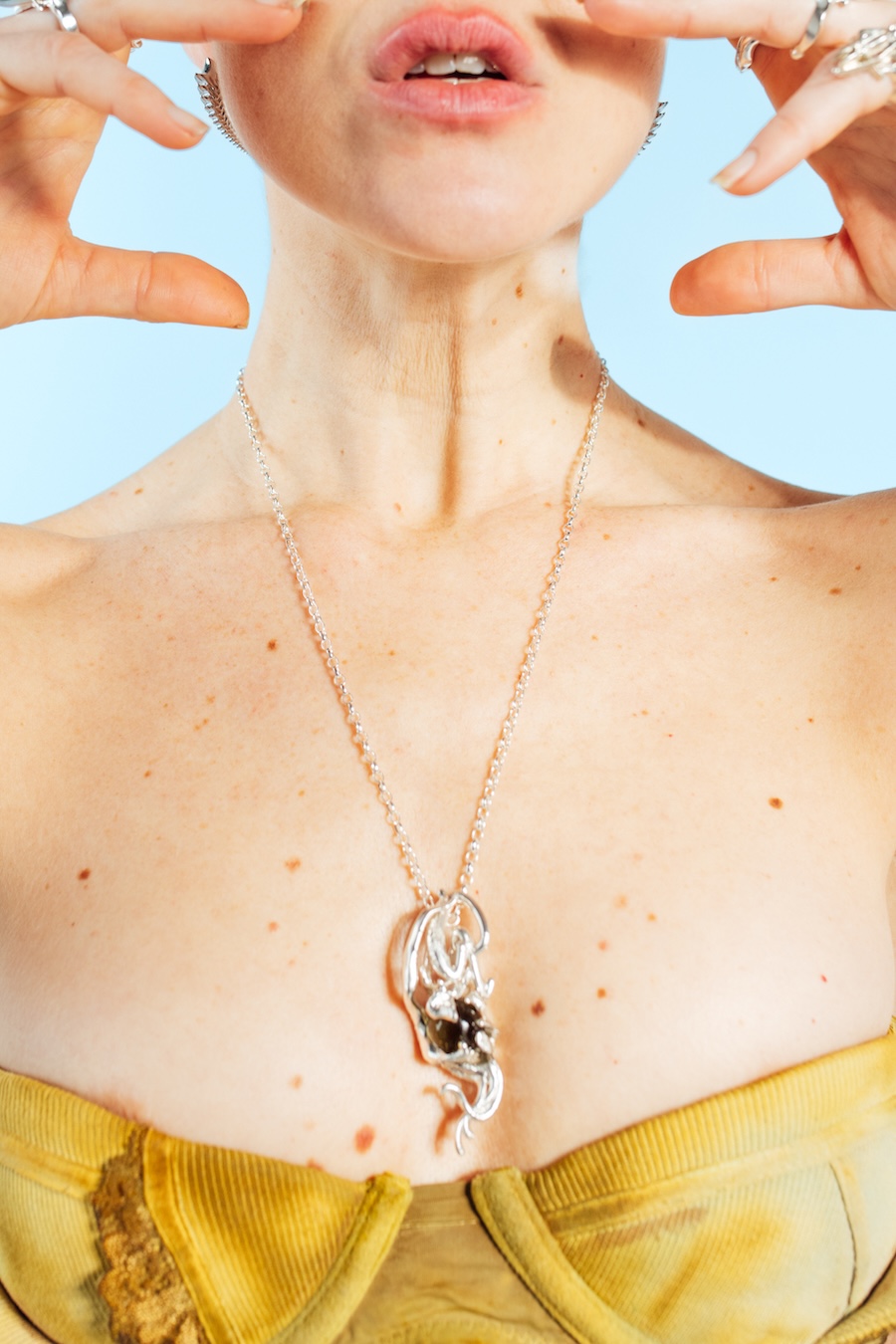
It’s a constellation of different collections brought together into a single look. Each body of work carries its own design language, its own rhythm, forms, and sensibilities, yet when they meet, they begin to speak to one another. Individually, they reflect different fragments of me. Together, they form a whole. The NEXT GEN exhibition became a space to show how these seemingly separate expressions naturally align, how contrast and continuity coexist, and how my identity emerges through the layering of different phases and expressions, rather than through the repetition of a single visual language.
KALTBLUT: How do you integrate sustainability into your design process?
If we think about sustainability in its most honest sense, producing fashion or objects at all is already a contradiction. In that way, I don’t see my practice as truly sustainable. What matters to me instead is working with as much intention and awareness as possible within a system that already exists.
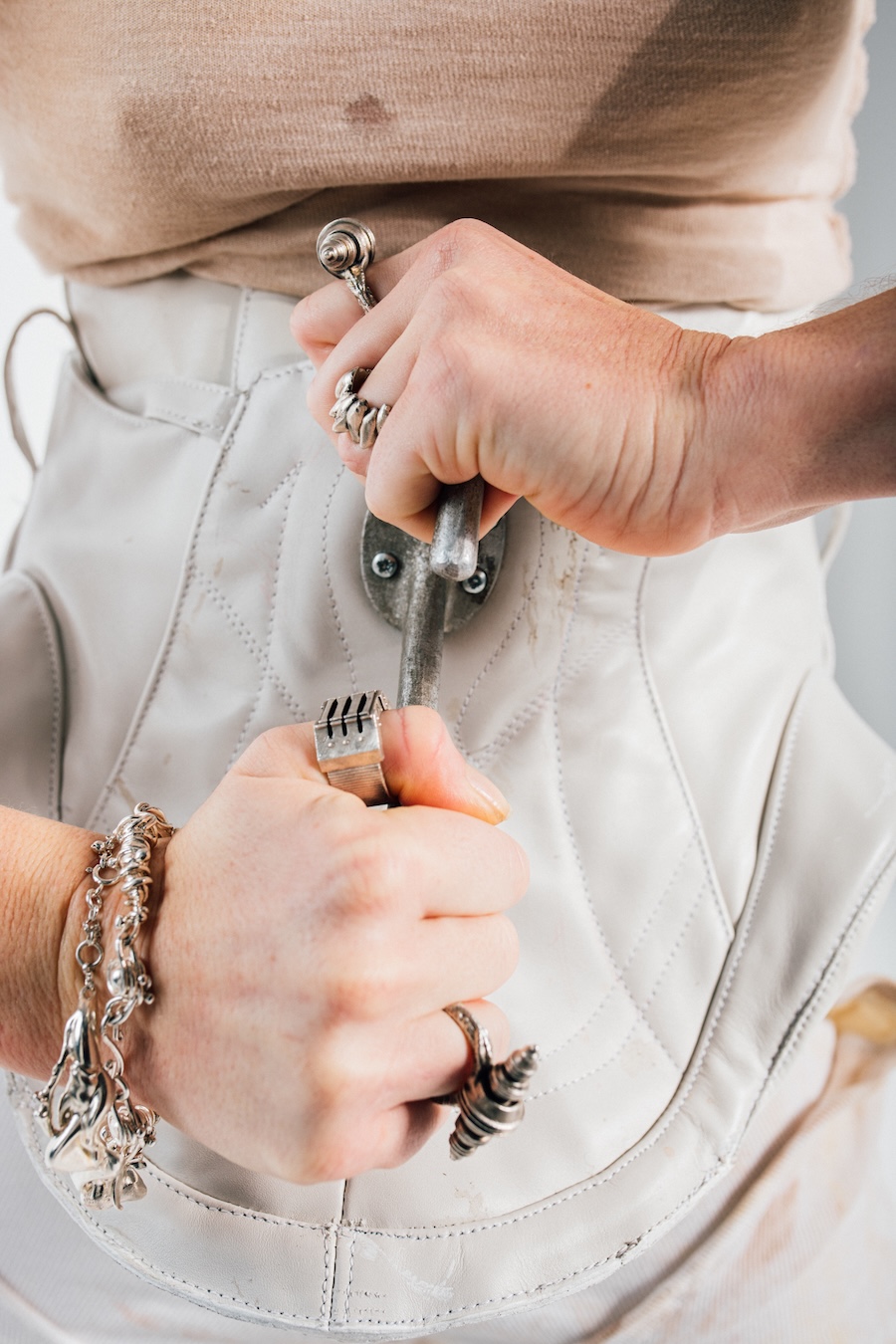
I’m critical of how sustainability is often used as a label or a selling point in fashion. Rather than claiming sustainability, I focus on scale, restraint, and responsibility. I work in a made-to-order process, producing in small and deliberate quantities, and design pieces meant to last, both physically and emotionally. My process is slow and hands-on, keeping me closely connected to materials, waste, and decision-making. I collaborate with a small, family-owned caster and reuse or rework elements whenever possible.
For me, this is less about being sustainable and more about acting consciously, knowing the limits of the system I work within.
KALTBLUT: How important is a space like Platte Berlin for you as a designer?
A space like Platte Berlin is important to me because it creates room for emerging designers to exist without having everything fully resolved or commercialised. It offers visibility while still allowing experimentation, dialogue, and growth. Being part of a space that values process, exchange, and community makes it easier to develop work with intention and honesty, rather than pressure or expectation.
KALTBLUT: How would you describe Platte Berlin if you can use only 3 words?
Emerging, Evolving, Intentional
KALTBLUT: What challenges have you faced as an emerging designer in the Berlin fashion scene?
One of the biggest challenges has been navigating networking, especially as someone who is not naturally very social. In a scene that often feels fast and extroverted, this initially felt intimidating. Over time, I’ve learned that meaningful connections don’t have to be forced. The Berlin fashion scene reminded me that relationships should grow organically, through shared values, time, and mutual respect rather than constant visibility.
At the same time, I don’t fully see myself as part of the traditional fashion scene. I move in and out of it, as my practice is rooted more in jewellery making and craft, which I experience as closer to an art form. This more individual way of working has allowed me to grow at my own pace and stay connected to the process itself rather than the expectations of a scene.
KALTBLUT: How has participating in the NEXT GEN program influenced your growth as a designer?
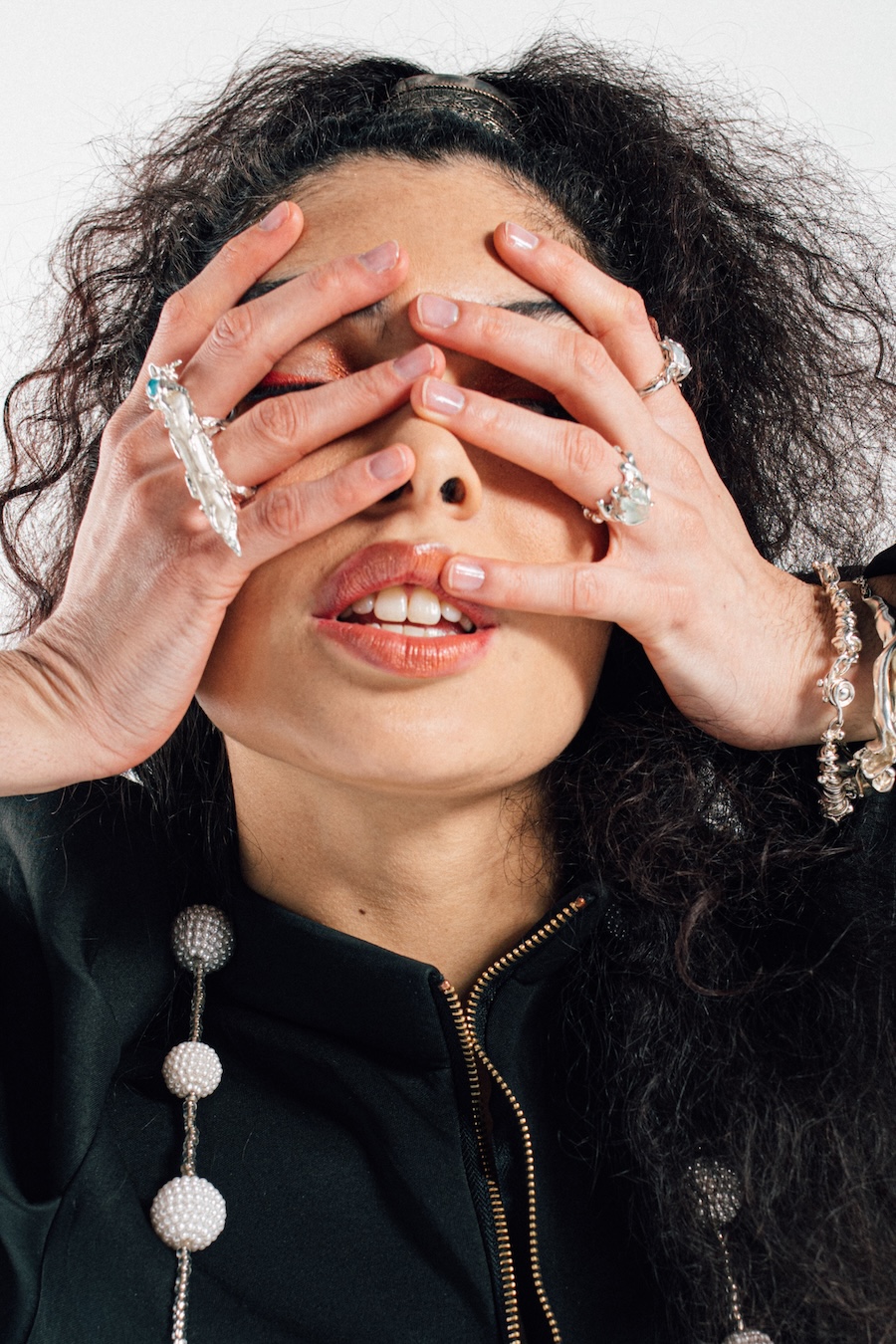
Participating in the NEXT GEN program allowed me to see my practice within a broader context and sharpen my voice not only as a designer, but also as an entrepreneur behind the brand. It created a space for exchange, reflection, and experimentation, where feedback and dialogue became part of the process rather than an afterthought. Being surrounded by other emerging creatives pushed me to think beyond design alone, becoming more conscious of how I position, communicate, and sustain my work, and ultimately moving my practice forward in a more holistic way.
KALTBLUT: In your view, what role does collaboration play in the fashion industry today?
For me, collaboration is about connection and trust. Working with others allows me to step outside of my own perspective and see my work through different eyes. It often pushes me to grow in unexpected ways, both creatively and personally. In an industry that can feel isolating at times, collaboration creates a sense of exchange and shared movement forward, reminding me that fashion does not have to be built alone.
KALTBLUT: Who are your biggest influences or mentors in the fashion world, and how have they impacted your work?
I’ve realised that my biggest influences come less from the fashion world itself and more from my surroundings and the people close to me. Their presence, conversations, and shared moments shape my work in quiet but meaningful ways. I also can’t mention Mother Nature, whose forms, rhythms, and balance continuously influence my work and keep it grounded.
KALTBLUT: Can you describe the creative process you went through while developing your latest pieces?
The creative process behind my latest pieces was deeply intuitive and personal. It started from an internal state rather than a fixed idea, often shaped by emotion, memory, and subconscious movement. I allow myself to work slowly, listening closely to the material and to my own rhythm, letting forms emerge rather than forcing them. There is a constant dialogue between making and feeling, adjusting and letting go. Each piece becomes a quiet record of a moment, carrying traces of vulnerability, transformation, and inner change.
KALTBLUT: What message do you wish to convey to your audience through your designs?
For me, each piece feels like carrying a part of myself, as it is born from something internal. Through my designs, I want to leave space for the audience to find their own meaning within the forms. I hope the pieces create a sense of connection, allowing the wearer to feel as if they are carrying a part of themselves as well. Something intimate, something to belong to, not something they would want to lose.
KALTBLUT: How do you envision the future of fashion, particularly in the context of emerging designers and sustainability?
When I think about the future of fashion, especially for emerging designers, I believe it has to become more critical of its own existence. From a broader sustainability perspective, the issue is not only how things are produced, but how much and why. In my opinion, fashion remains inherently unsustainable simply because we don’t need more. No matter how responsibly something is made, it still adds to excess.
That said, as long as the system exists, the responsibility lies in being more aware within it. For emerging designers, this means working consciously, questioning necessity, and resisting constant production and visibility. I see the future in reduction rather than expansion, in smaller scales, slower rhythms, and a deeper sense of intention. Fashion’s future, for me, lies in honesty and restraint, in making less but meaning more.
KALTBLUT: What advice would you give to aspiring designers looking to make their mark in the fashion industry?
I would encourage aspiring designers to stay close to their intuition and be patient with their own pace. It’s easy to feel pressure to be visible, fast, or constantly productive, but meaningful work takes time. Focus on developing a clear sense of why you create, not just what you create. Build genuine relationships, stay open to learning, and don’t be afraid to question the industry rather than simply trying to fit into it. Making your mark doesn’t come from following trends, but from staying true to your own values and voice.
KALTBLUT: How would you describe the local fashion scene/industry in your hometown/country?
I grew up in a small town in Germany called Hürth, which does not really have a local fashion scene or industry. Going back there feels refreshing and calming, a reminder to touch grass and realise that it’s not that deep. Fashion in Hürth is not structured around creative communities, platforms, or independent designers, but is instead shaped by everyday, functional needs. In that sense, it reflects many smaller towns where fashion exists primarily as consumption rather than as a cultural or creative field.
KALTBLUT: If your brand were ice cream, what flavours would it be?
Black Sesame
KALTBLUT: What was the last music track you listened to?
Puerto Kickstart by TWEAKS
KALTBLUT: Finally, what can we expect to see from you in the near future?
To be honest, I don’t fully know yet. I’m currently in a phase where things feel a bit unclear, both in my work and in life more generally. I see this moment as a necessary pause, a space to reflect and recalibrate. In the near future, I hope to find my way back with more clarity and intention, allowing the next steps to unfold naturally rather than forcing direction.
Creative Direction by Katharine De Siqueira @martin.de.siqueira
PHOTOGRAPHER Arnaud Ele @arnaud.ele
Light Assistant Lea Comprelle @ghostlyours
Production Lead Annika Malz @anni.mlz
Production Assistant 1 Evren Santiago Kukul @evren.santiago
Production Assistant 2 Aliya Krause @aliyakrs_
BTS Hayden Vassilkov @alchem7st
BTS Kevin Kurth @kevinkurthh
HMU Sue Eder @sue_eder
STYLING Julian Stamm @julianstamm
MODELS
Model 1 Arthur Kloens @arthur.kloens
Model 2 Marie Zechiel @mariezechiel
Model 3 Angelita Fortres @angelitasfortress
Model 4 Elizabeth López @_lizlpz
