

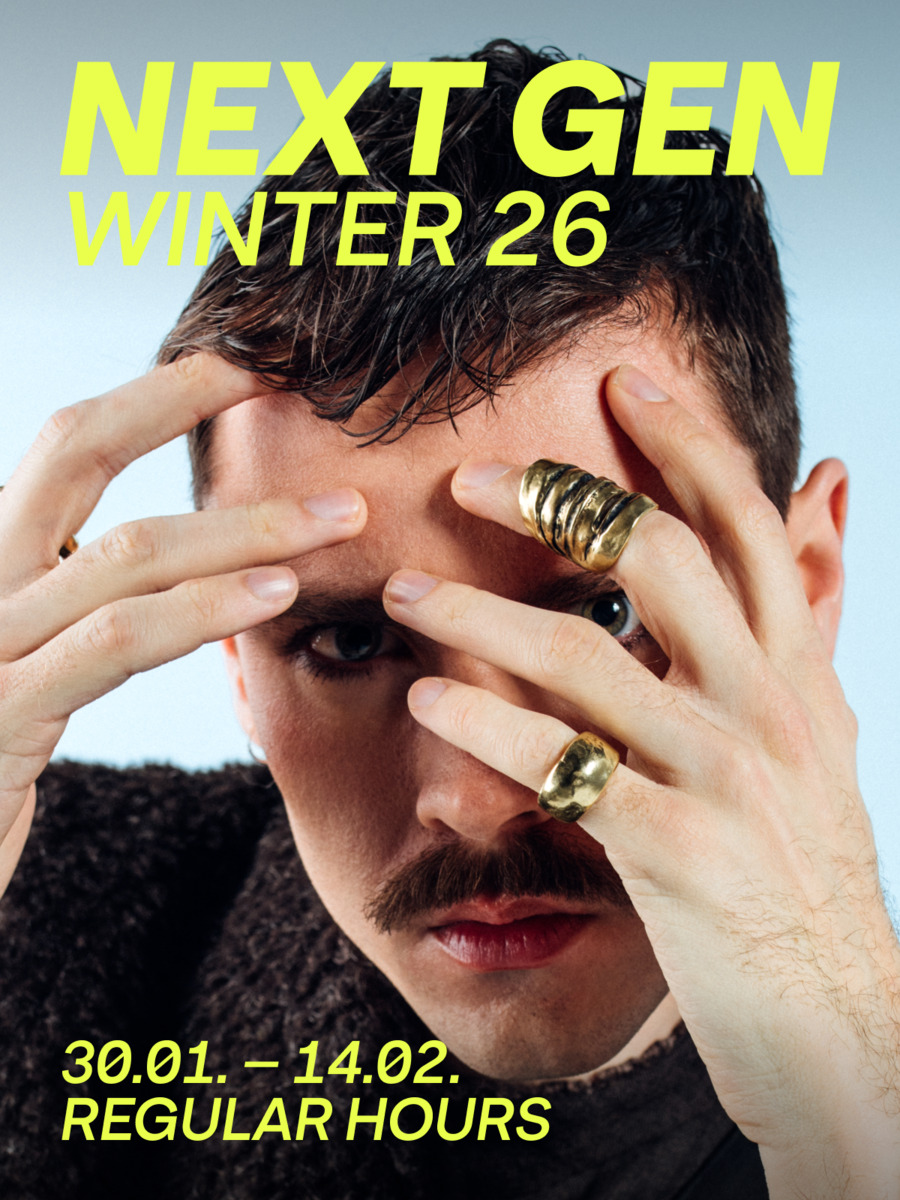
As the vibrant pulse of Berlin’s creative scene continues to attract attention, we are thrilled to present our fourth interview in the NEXT GEN Winter 2026 series. This instalment features the innovative artistry of LUESTUDIO, a brand that seamlessly intertwines the realms of sculptural design and contemporary fashion.
Envisioned by esteemed photographer and NEXT GEN jury member Sven Marquardt, the NEXT GEN pop-up and exhibition at PLATTE offers an immersive experience where six distinctive designers are showcased. Each designer’s identity comes to life through captivating visual installations, encapsulating the essence of their craft. With pieces steeped in stories of tradition and modernity, the collection invites viewers to engage with the intricate balance of permanence and fleeting trends in today’s disposable culture.
@svenmarquardt / @platte.berlin
Follow: @lue.studio
Photography by @arnaud.ele
Interview @marcel_schlutt
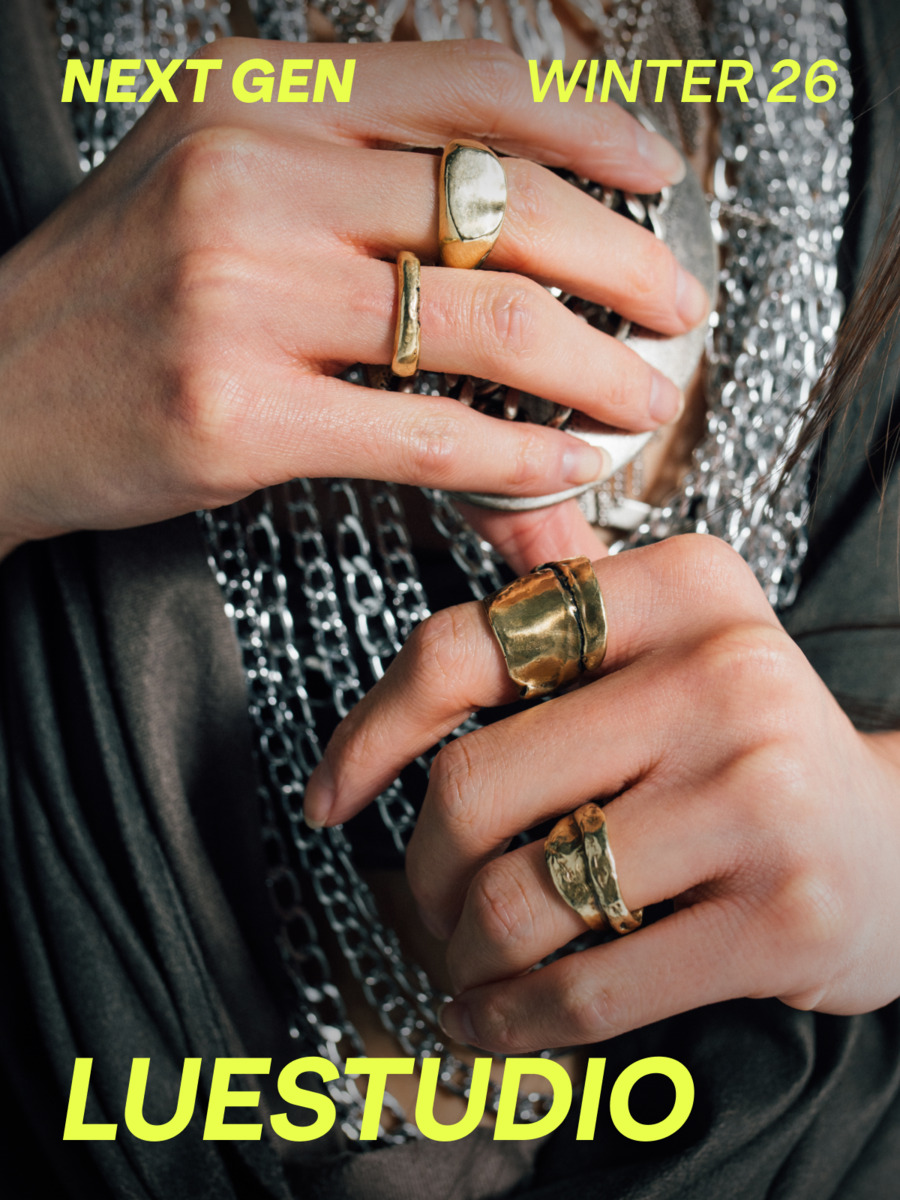
Our conversation with LUESTUDIO sheds light on their creative inspirations, sustainable practices, and the dynamic interplay of cultural discourse within the fashion landscape. As you delve into the thoughts of this emerging designer, be prepared for a journey that extends beyond aesthetics, challenging the very foundations of how we perceive fashion in our digital age. Join us as we explore the depths of creativity and intention that mark the NEXT GEN exhibition at PLATTE Berlin.
KALTBLUT: Can you tell us about the inspiration behind your current collection showcased at the NEXT GEN exhibition in Platte Berlin?
The collection shown at NEXT GEN grew directly out of my sculptural practice. The pieces are not designed digitally but shaped by hand, fire, gravity, and resistance. My process is inspired by ancient metal rituals like molybdomancy, where form emerges rather than being imposed. This tension between chance and intention, between ancient material rituals and contemporary systems of value, is at the heart of the work. I’m interested in how objects carry meaning over time and how we define permanence in a digital era.
Berlin, with its post-industrial approach, plays an important role here, working between what is left, what is recycled, and what is re-coded. Post-industrial thinking means moving beyond the logic of mass production and endless novelty. It’s about slowing down, letting the material take part in authorship, and creating objects that exist beyond seasonal cycles. The city’s constant tension between structure and chaos, permanence and transition, strongly shapes my work. I’m drawn to this friction, between minimalism and maximalism, softness and architectural hardness, and the collection reflects that balance.
KALTBLUT: How do you integrate sustainability into your design process?
Sustainability at LUESTUDIO is not treated as an add-on, but as a structural decision that shapes the entire design process.
I produce in limited, made-to-order editions to avoid overproduction, stay personal and close to the material and the process. All pieces are hand-sculpted and locally cast in small batches, which allows close control over material use, waste, and craftsmanship. Excess material from casting is reused and reintroduced into the production cycle, and packaging is kept minimal and plastic-free. For me, sustainability also means designing for permanence: creating sculptural forms meant to be worn over time, rather than responding to micro trends.
KALTBLUT: How important is a space like Platte Berlin for you as a designer?
A space like Platte Berlin is essential to my practice because it allows the work to be experienced in context. Platte creates a setting where fashion, art, and cultural discourse intersect, which aligns closely with how I understand jewellery. Being shown within a curated exhibition framework allows the work to be read through material, form, and idea. For me, that kind of context is crucial for communicating what LUESTUDIO stands for and for building meaningful dialogue with both the public and the industry.
KALTBLUT: How would you describe Platte Berlin if you can use only 3 words?
Curated. Cultural. Forward-looking.
KALTBLUT: What challenges have you faced as an emerging designer in the Berlin fashion scene?
One of the main challenges in Berlin is navigating a fashion scene that is highly creative but often resistant to long-term structures.
As a designer working with a sculptural, made-to-order approach, the challenge is less about visibility and more about finding the right contexts, platforms, retailers, and media that value permanence and concept. Berlin offers strong cultural energy, but building sustainable economic models within that environment requires patience and clear positioning.
KALTBLUT: How has participating in the NEXT GEN program influenced your growth as a designer?
Participating in NEXT GEN has helped me articulate my practice within a broader fashion and cultural context. The program offers a framework that encourages reflection on positioning, narrative, and long-term development. Being part of a curated group of designers has reinforced the importance of clarity, understanding not only what I make but why it matters now. It has also created space for dialogue with industry, media, and peers, which is essential for evolving a practice that sits between art, design, and fashion.
KALTBLUT: In your view, what role does collaboration play in the fashion industry today?
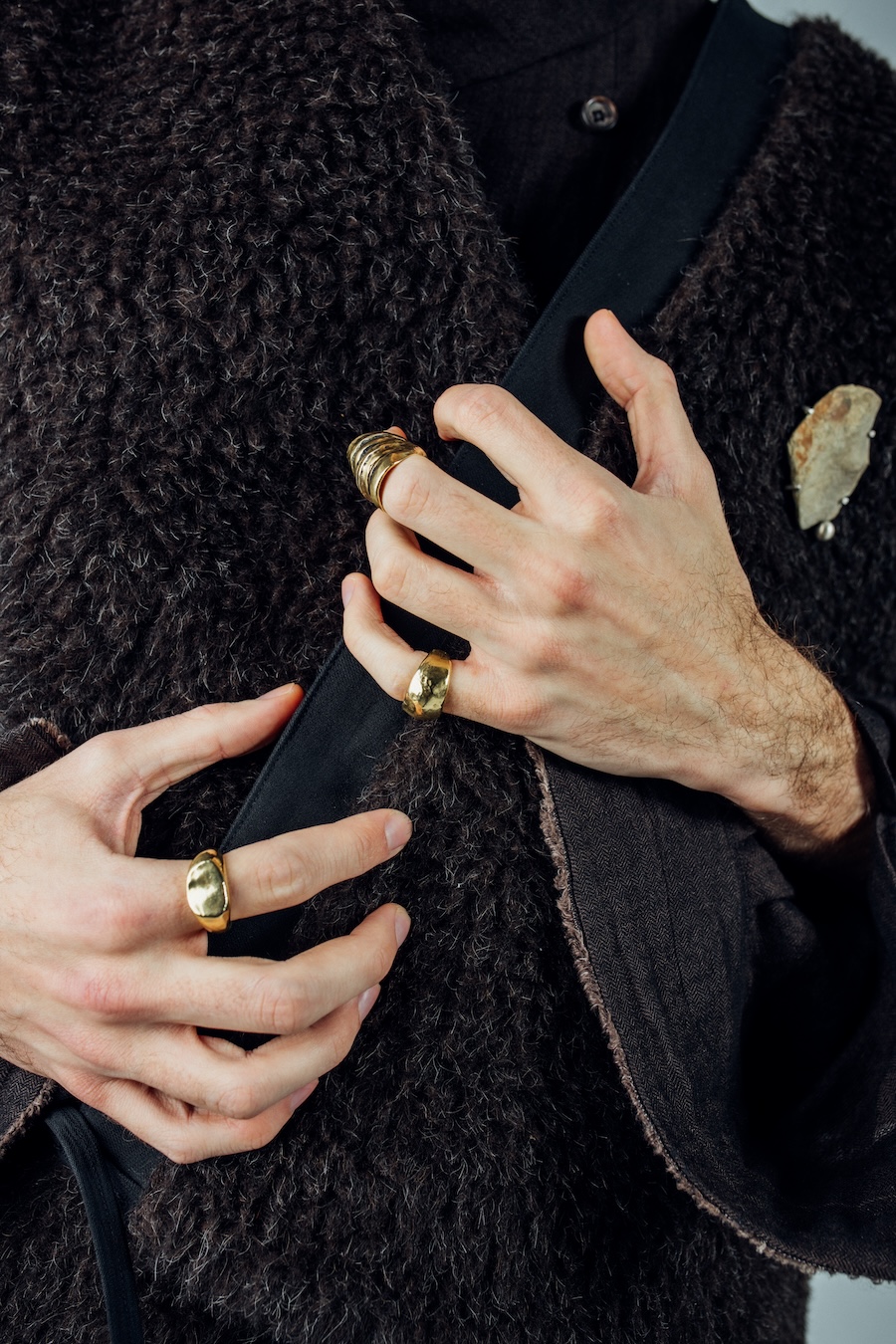
Collaboration is essential today, especially as fashion becomes increasingly interdisciplinary. Meaningful collaboration allows different practices to intersect and challenge established formats. For me, collaboration is not about amplification for its own sake, but about shared values and mutual curiosity. When collaborations are rooted in specific positions, they create spaces for new narratives, more sustainable structures, and deeper cultural relevance. Collaboration allows me to introduce my ideas into broader cultural circulation, without losing their integrity. I’m interested in long-term relationships, with materials, with people, with systems of making. Collaboration is a way of opening a dialogue. If my work can enter other contexts, then collaboration becomes a tool for cultural friction. And I think we need more of that.
KALTBLUT: Who are your biggest influences or mentors in the fashion world, and how have they impacted your work?
One of my strongest influences is Michèle Lamy. Through her work, I first encountered jewellery from an architectural and sculptural perspective, as something that can function as an artistic medium and a long-term practice. What resonates with me is her deeply interdisciplinary approach to fashion and culture. She studied philosophy under post-structuralist Gilles Deleuze and worked as a defence lawyer before her engagement with contemporary art, exhibitions, and performance. This demonstrates a way of working where fashion is never isolated, but part of a broader cultural and conceptual field. Lamy’s practice shows how material, body, sound, and space can merge into a coherent position rather than a product-driven narrative.
KALTBLUT: Can you describe the creative process you went through while developing your latest pieces?
My creative process is rooted in sculptural thinking rather than traditional product design. Each piece begins with a physical form, often hand-sculpted in ceramic infused with metal particles. I work intuitively with material, allowing chance, gravity, and transformation to play a role, while guiding the process through precise decisions. The forms are then fired, moulded, and cast, preserving traces of both control and unpredictability.
I don’t work with digital modelling; the pieces evolve through touch, resistance, and material behaviour. This process allows the jewellery to carry a sense of time and physical presence, qualities that reflect my interest in permanence, authorship, and sculptural form.
KALTBLUT: What message do you wish to convey to your audience through your designs?
I want the work to invite a slower, more conscious relationship with objects.
My designs suggest that jewellery can be a carrier of material memory, intention, and authorship. Through sculptural form and durable materials, I hope to convey a sense of permanence in contrast to the constant acceleration of micro trends. Ultimately, the message is about choosing pieces that age with the wearer and that reflect a personal connection.
KALTBLUT: How do you envision the future of fashion, particularly in the context of emerging designers and sustainability?
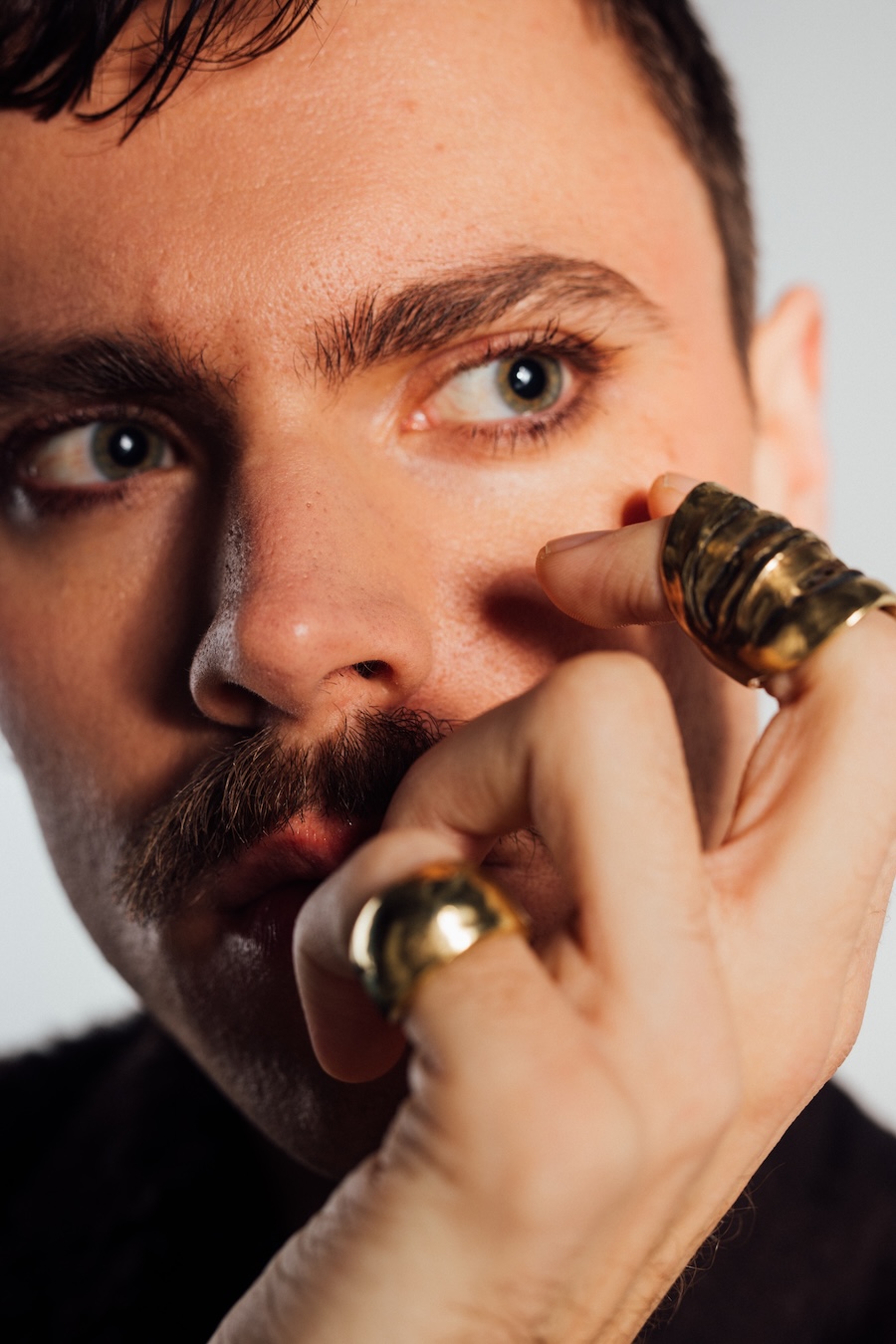
I see the future of fashion shifting toward durability, intentionality, and interdisciplinarity, especially for emerging designers. Sustainability cannot just be about materials; it must be embedded in process, edition size, and cultural relevance. I envision a space where craftsmanship, experimentation, and sustainable practices coexist with digital and cultural innovation, allowing designers to build long-term relationships with audiences, collectors, and institutions while maintaining integrity.
KALTBLUT: What advice would you give to aspiring designers looking to make their mark in the fashion industry?
My advice would be to understand what you care about and let that guide every decision.
Build your work around long-term relevance, stay curious, be patient, and seek contexts, exhibitions, collaborations, or programs like NEXT GEN that allow your work to be experienced on its own terms. Finally, treat setbacks as part of learning, and remember that meaningful impact often comes from consistency and authenticity, not speed. But: It’s better to burn out than to fade away.
KALTBLUT: How would you describe the local fashion scene/industry in your hometown/country?
In Germany, the fashion industry is largely centred in Berlin. The city’s fashion scene is shaped by creativity, experimentation, and cultural discourse. Berlin operates as a laboratory rather than a showroom, a place where interdisciplinary approaches, conceptual work, and critical positions can develop with a high degree of freedom.
At the same time, this freedom comes with challenges. Building a sustainable practice requires persistence, clarity of vision, and the ability to find platforms and collaborators who value long-term impact.
KALTBLUT: If your brand were ice cream, what flavours would it be?
If LUESTUDIO were ice cream, I’d describe it as a combination of dark chocolate with sea salt, smoky caramel, and a hint of bitter espresso.
KALTBLUT: What was the last music track you listened to?
Comafields / Imaginary Festival by Burial
KALTBLUT: Finally, what can we expect to see from you in the near future?
In the near future, I’ll continue to expand LUESTUDIO as a space between sculpture, jewelry and digital systems. On a material level, I’m developing new pieces and limited editions that push the idea of forms that feel both ancient and distinctly contemporary.
At the same time, I’m deepening the integration of digital technologies into the work. This includes blockchain-based authentication and provenance as a way to think about authorship, value and longevity in an era of infinite reproduction. I’m interested in how physical objects can carry digital memory and how wearables can exist across material and virtual infrastructures. There will be more exhibitions that position the work within material research, artistic and cultural context, as objects meant to be worn, lived with and understood over time.
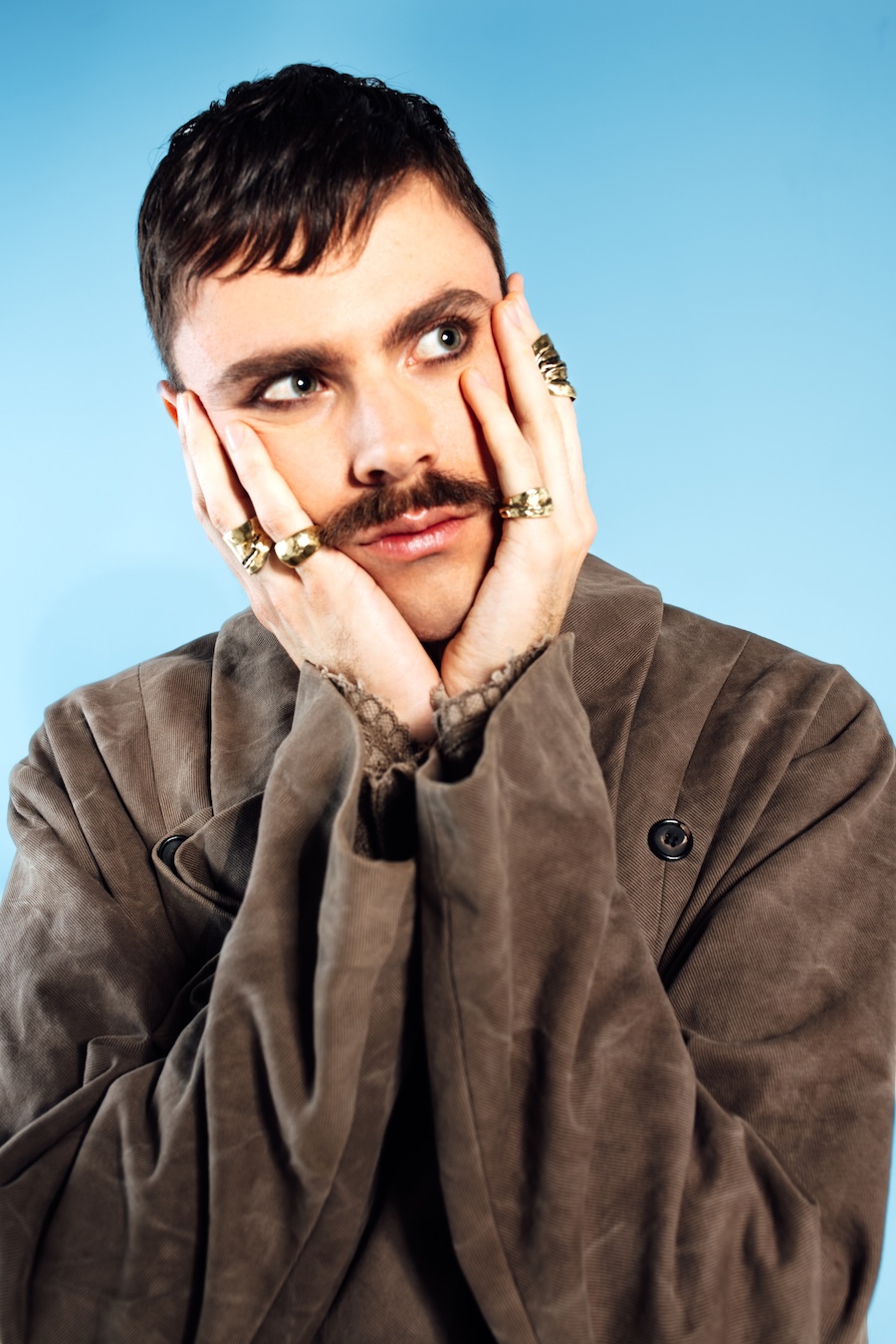
CREDITS
LUESTUDIO luestudio.xyz
TikTok www.tiktok.com/@lue.studio
Instagram www.instagram.com/lue.studio
Creative Direction by Katharine De Siqueira @martin.de.siqueira
PHOTOGRAPHER Arnaud Ele @arnaud.ele
Light Assistant Lea Comprelle @ghostlyours
Production Lead Annika Malz @anni.mlz
Production Assistant 1 Evren Santiago Kukul @evren.santiago
Production Assistant 2 Aliya Krause @aliyakrs_
BTS Hayden Vassilkov @alchem7st
BTS Kevin Kurth @kevinkurthh
HMU Sue Eder @sue_eder
STYLING Julian Stamm @julianstamm
MODELS
Model 1 Arthur Kloens @arthur.kloens
Model 2 Marie Zechiel @mariezechiel
Model 3 Angelita Fortres @angelitasfortress
Model 4 Elizabeth López @_lizlpz
