

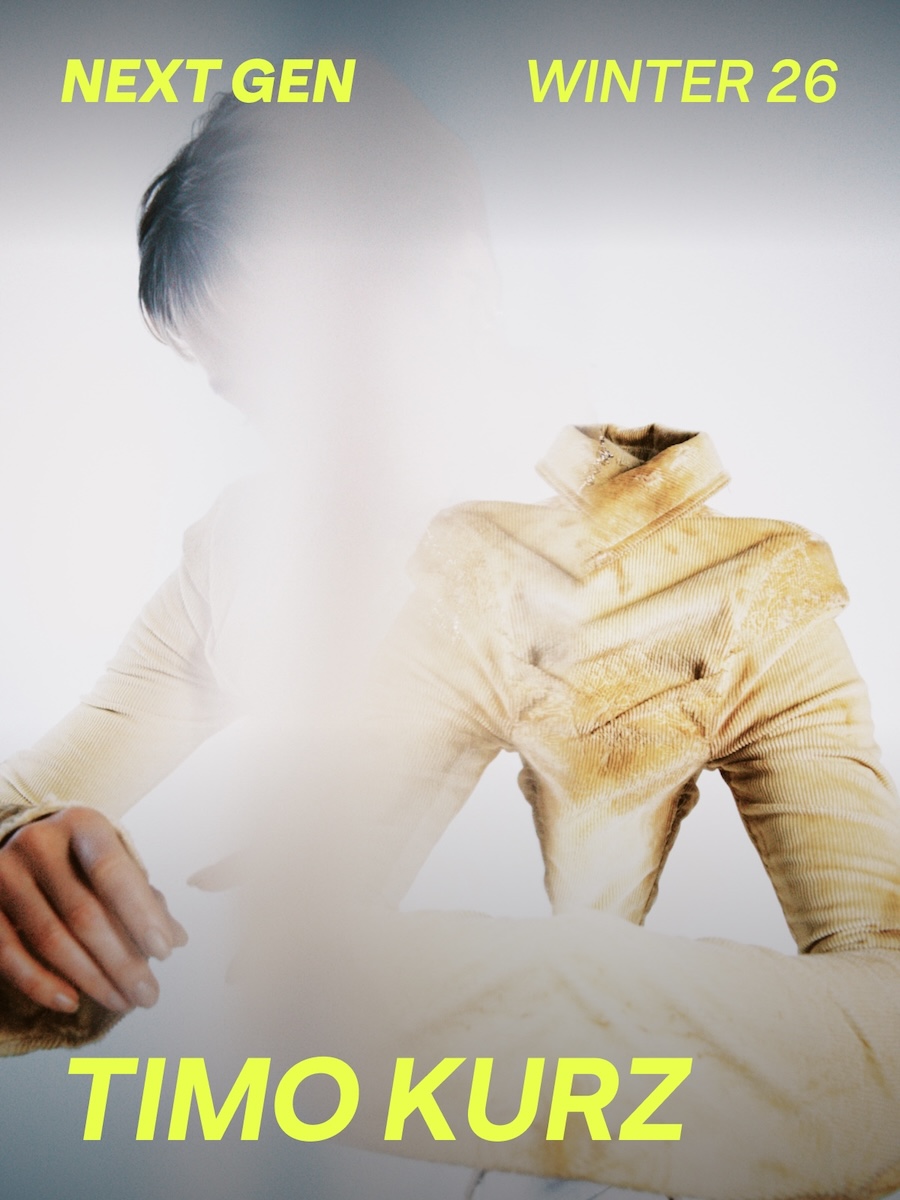
As the fashion world accelerates towards a new horizon, the NEXT GEN exhibition emerges as a pinnacle of innovation and creativity within Berlin’s vibrant landscape. Launched by PLATTE.Berlin on January 30th, 2026, as part of Berlin Fashion Week FW26/27, this platform seeks to amplify the voices of tomorrow’s talent. Curated by the iconic mastermind Sven Marquardt, the NEXT GEN event runs until February 14th, transforming PLATTE Store into an immersive visual showroom where fashion and motion design intertwine.
@svenmarquardt / @platte.berlin
Follow: @timo___kurz
Photography by @arnaud.ele
Interview @marcel_schlutt
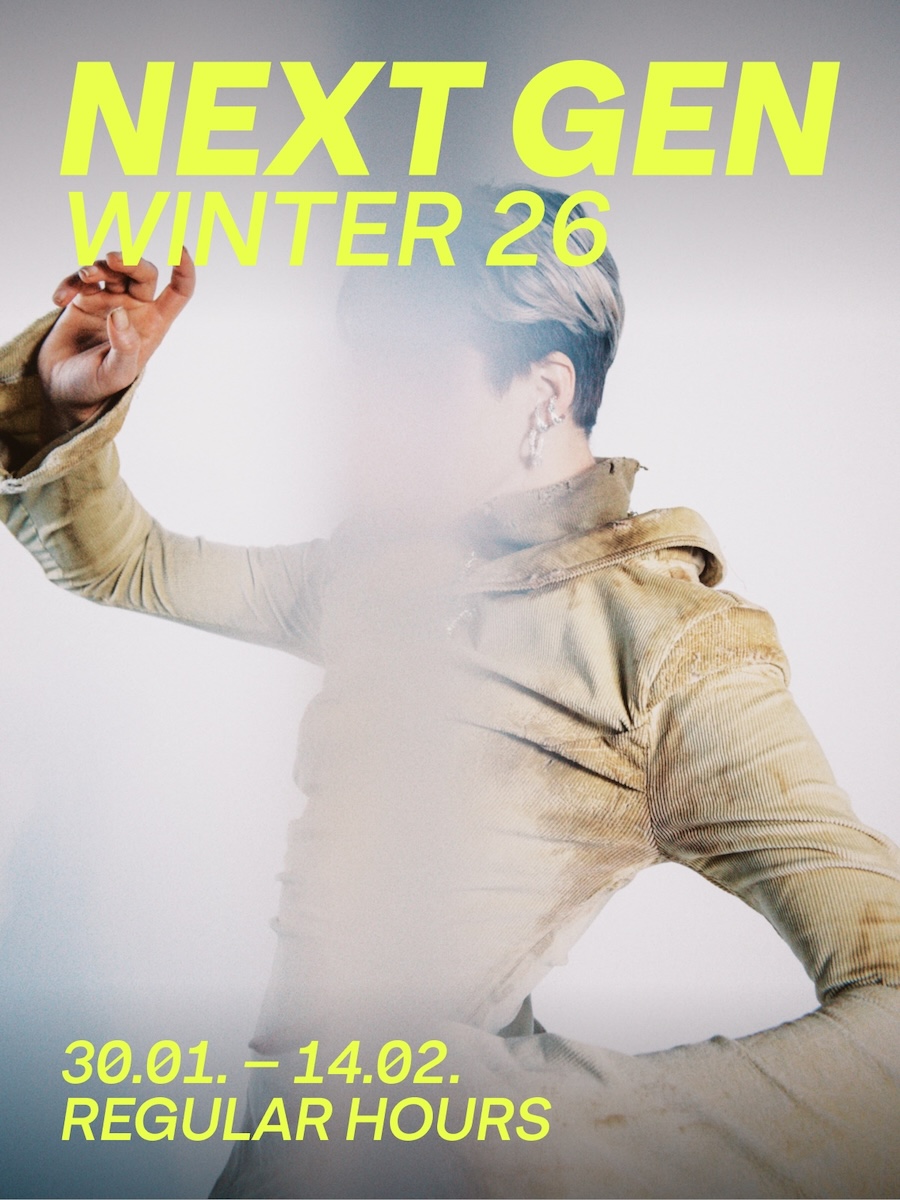
We’re thrilled to present our final interview with one of the standout designers from this forward-thinking exhibition, Timo Kurz. Selected by an expert jury featuring luminaries like Nan Li from Namilia and Lisa Bergstrand from former Givenchy and YSL, Timo’s work encapsulates the essence of sustainability, craftsmanship, and emotional depth. In this exclusive conversation, Timo shares insights into his creative process, the challenges of the Berlin fashion scene, and his vision for the future of fashion. Join us as we delve into the mind of a designer shaping tomorrow’s narratives.
KALTBLUT: Can you tell us about the inspiration behind your current collection showcased at the NEXT GEN exhibition in Platte Berlin?
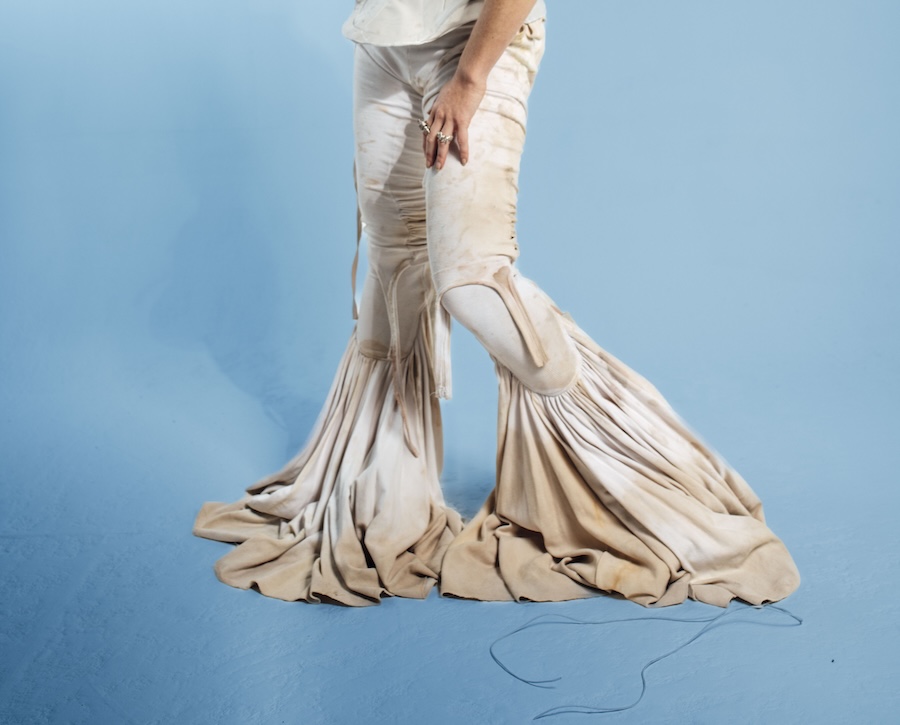
The collection is dedicated to a lived experience rather than a theme. It was shaped by observing long-term emotional strain, endurance and silent resilience within a close personal context. What interested me was not the event itself, but what such conditions leave behind in the body, in behaviour and in emotional architecture.
Instead of telling a concrete story, I translated these impressions into an atmosphere.
KALTBLUT: How do you integrate sustainability into your design process?
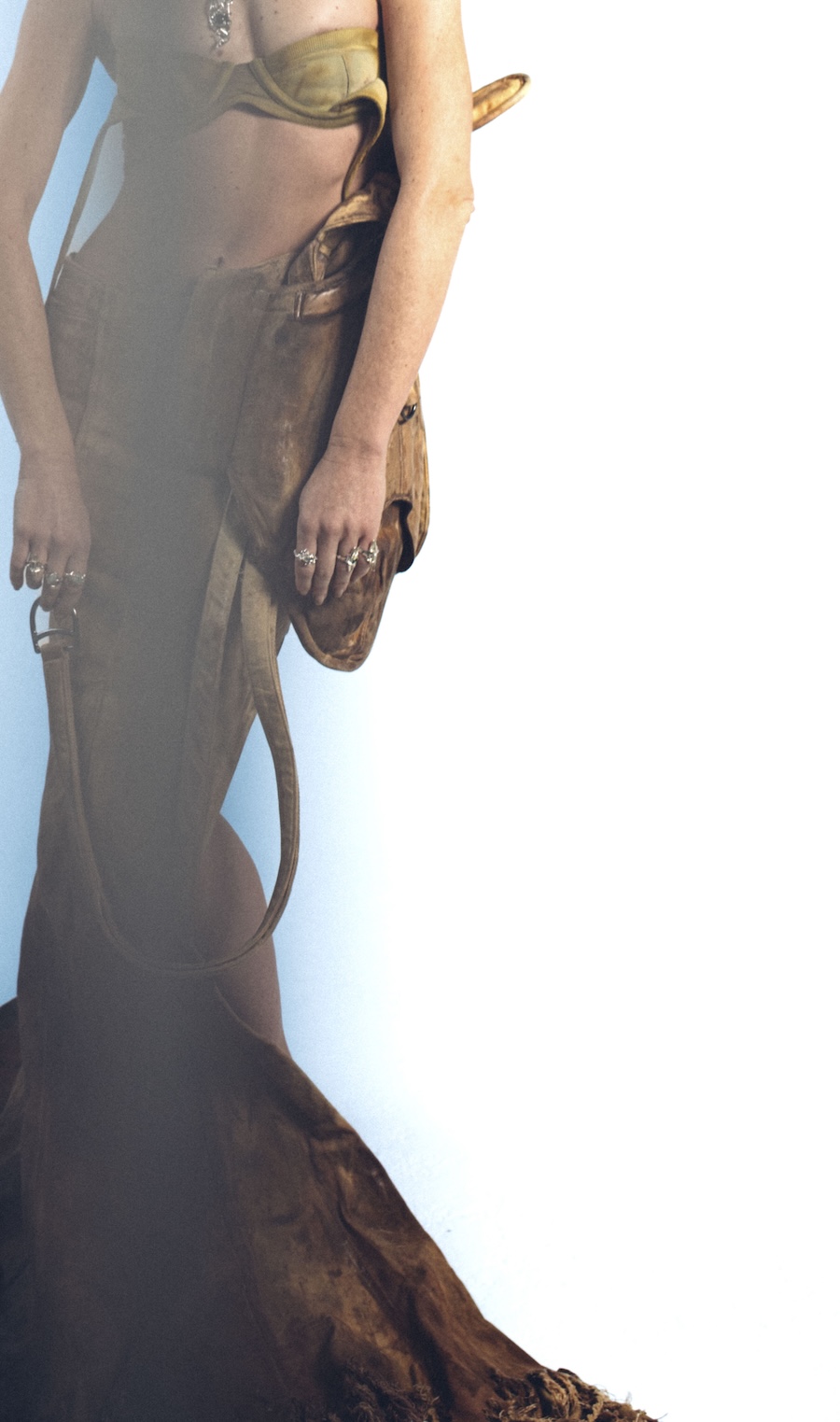
I work a lot with existing materials, deadstock and reworked textiles, and I prototype intensively before committing to final fabrics. The goal is to build pieces that justify their own existence. For me, sustainability starts with how things are made, not how they are marketed.
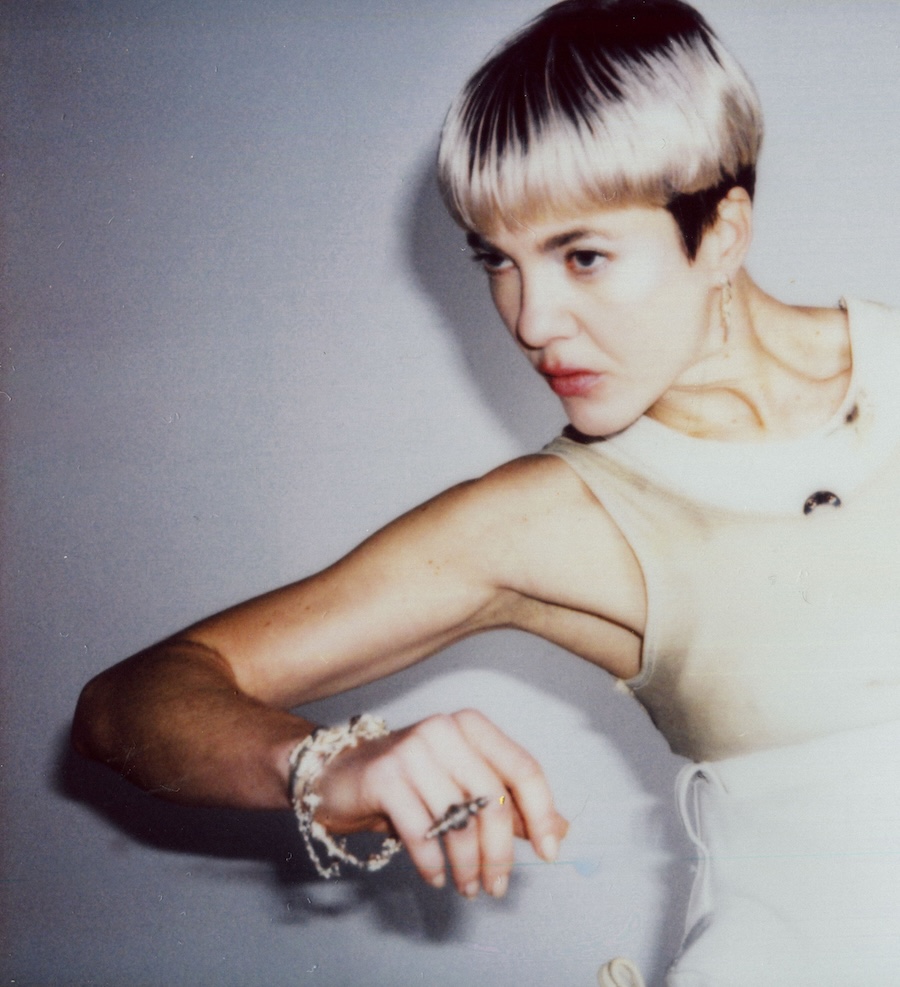
KALTBLUT: How important is a space like Platte Berlin for you as a designer?
Spaces like Platte are important because they allow work to exist without being fully commercialised. They support designers at a very vulnerable stage in their career, where process, research and intuition are still visible. For me, that openness is essential. It creates room to show raw work without compromise.
KALTBLUT: How would you describe Platte Berlin if you can use only 3 words?
Youthful. Supportive. Process-driven.
KALTBLUT: What challenges have you faced as an emerging designer in the Berlin fashion scene?
Berlin offers freedom and experimentation, but little structure. As an emerging designer, you are often expected to sustain yourself independently. creatively, financially and emotionally. Developing work that requires time, depth and care within that environment can be challenging, especially when the expected output continues to grow exponentially.
KALTBLUT: How has participating in the NEXT GEN program influenced your growth as a designer?
NEXT GEN helped me clarify my position. It encouraged me to articulate what my work is really about, not in terms of technique or trend, but in terms of intention.
KALTBLUT: In your view, what role does collaboration play in the fashion industry today?
Collaboration is essential for me. Fashion doesn’t happen in isolation. Exchange and friction are what give ideas depth, and working with others helps move the work beyond a single perspective.
KALTBLUT: Who are your biggest influences or mentors in the fashion world, and how have they impacted your work?
Though I’ve had many mentors in the past, it’s hard for me to pinpoint a single one. The strongest influence they all shared was a focus on process, craft and developing a clear inner logic rather than following trends. That emphasis shaped how I approach my own work today.
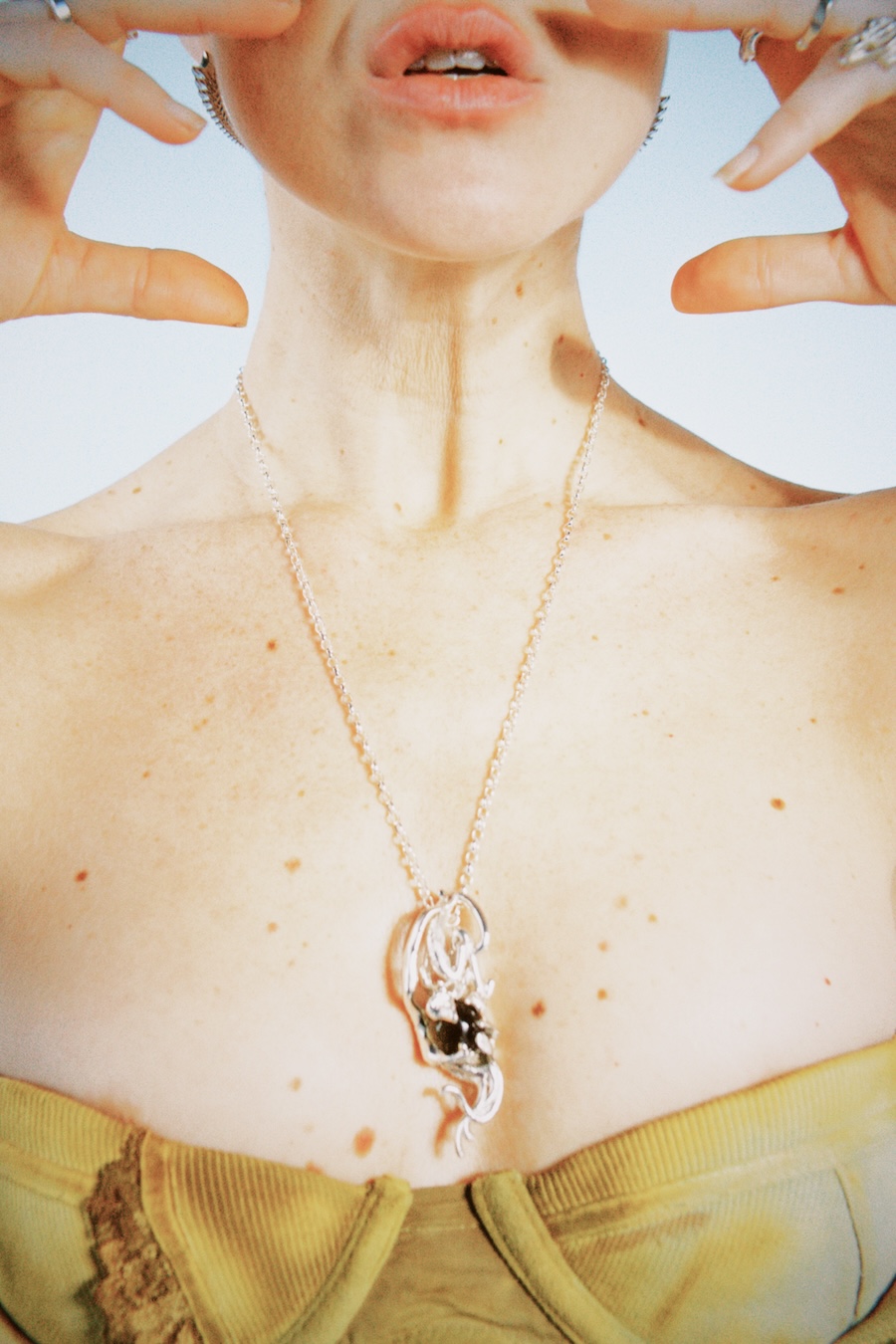
KALTBLUT: Can you describe the creative process you went through while developing your latest pieces?
The process was emotionally and psychologically intense. I was working inside abstract inner states with no concrete narratives. The collection grew out of exploring these spaces and translating them into physical form.
The concept itself was deeply personal. Many silhouettes emerged through collapse and carry a sense of internal pressure. Because of this, the process was demanding because it required staying inside these mental and emotional environments for a long time. The garments are not meant to explain something, but to make a condition tangible.
KALTBLUT: What message do you wish to convey to your audience through your designs?
I want the work to create space for complexity. Not everything needs to be immediately readable, beautiful or resolved. At the same time, there is a deep appreciation in my work for craft and process themselves
KALTBLUT: How do you envision the future of fashion, particularly in the context of emerging designers and sustainability?
There won’t be any emerging brands in the future without sustainable thinking. Sustainability won’t be a separate category anymore, but the foundation of how work is developed, produced and sustained over time.
KALTBLUT: What advice would you give to aspiring designers looking to make their mark in the fashion industry?
Develop a real language before you build a brand. Learn how things are made, and why they are made that way.
KALTBLUT: How would you describe the local fashion scene/industry in your hometown/country?
Germany has a strong relationship with quality, longevity and technical excellence in fashion. What is less established, in my opinion, is fashion as a living cultural language. In places like Berlin, that gap is partly bridged, because fashion becomes more connected to art, nightlife and subculture. But on a national level, fashion is still often treated more as a product than as a cultural expression.
When looking at my hometown, the fashion scene is fairly small, but there are definitely strong minds operating.
KALTBLUT: If your brand were ice cream, what flavours would it be?
I don’t really think in flavours. If I had to choose, it would be something bitter. For myself, probably lime.
KALTBLUT: What was the last music track you listened to?
snarky – quannnic
KALTBLUT: Finally, what can we expect to see from you in the near future?
The list for 2026 is long: a rebranding, new pieces and a broader expansion of the world. I’m building.
Creative Direction by Katharine De Siqueira @martin.de.siqueira
PHOTOGRAPHER Arnaud Ele @arnaud.ele
Light Assistant Lea Comprelle @ghostlyours
Production Lead Annika Malz @anni.mlz
Production Assistant 1 Evren Santiago Kukul @evren.santiago
Production Assistant 2 Aliya Krause @aliyakrs_
BTS Hayden Vassilkov @alchem7st
BTS Kevin Kurth @kevinkurthh
HMU Sue Eder @sue_eder
STYLING Julian Stamm @julianstamm
MODELS
Model 1 Arthur Kloens @arthur.kloens
Model 2 Marie Zechiel @mariezechiel
Model 3 Angelita Fortres @angelitasfortress
Model 4 Elizabeth López @_lizlpz
