


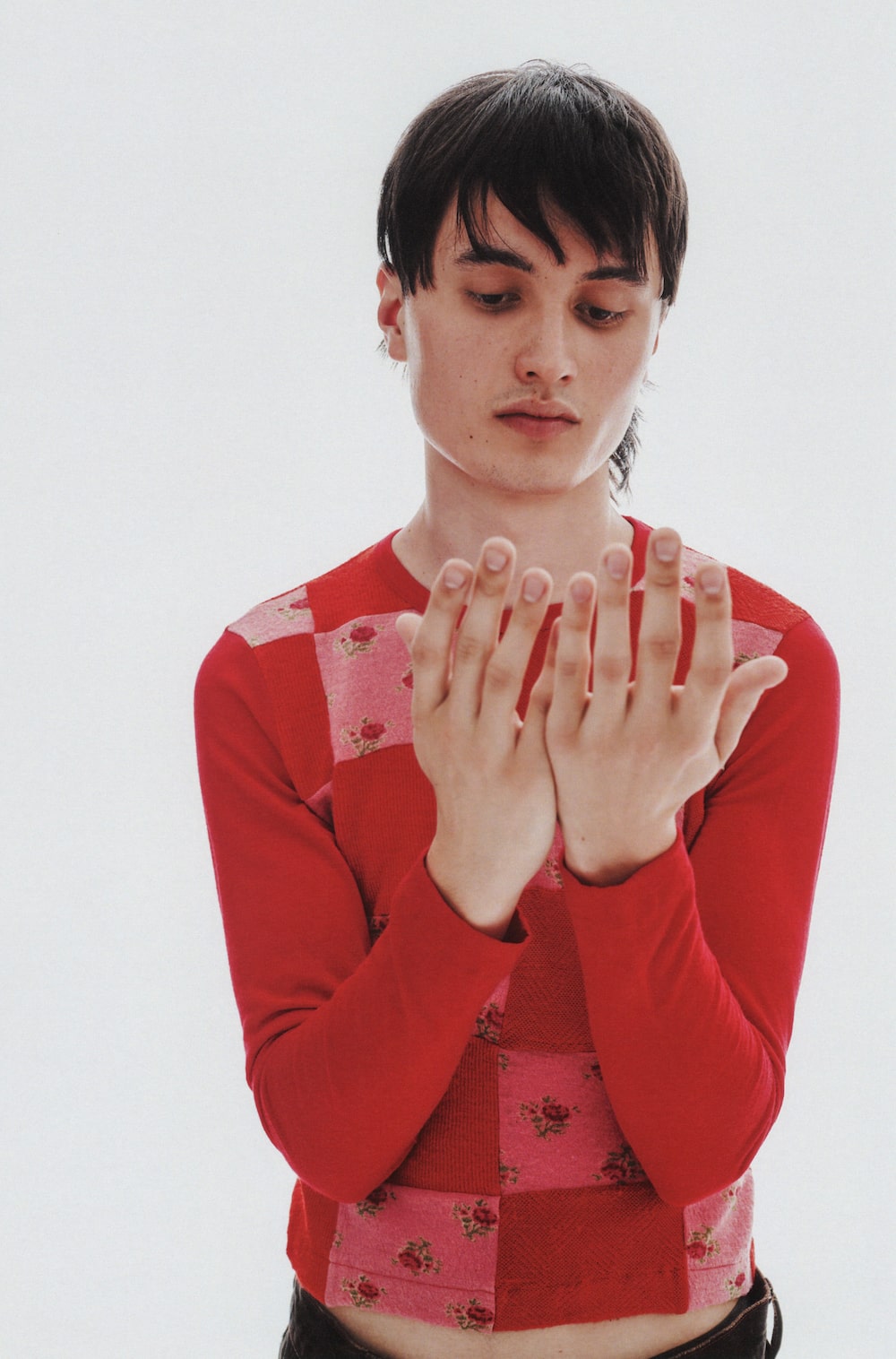
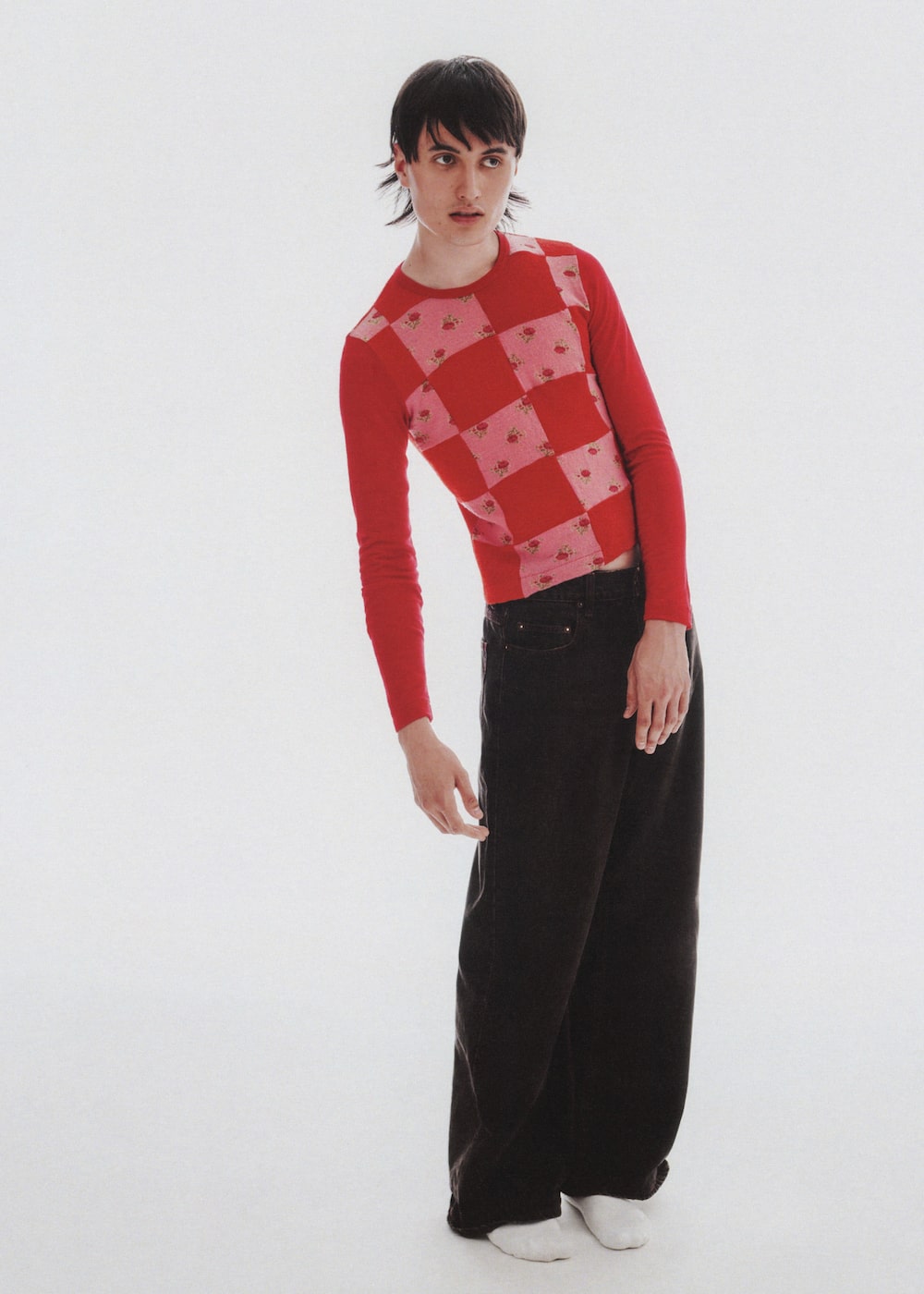
We spoke to Nick Ward as he announced his debut album, House With The Blue Door. House With The Blue Door follows Nick’s two previous EPs and represents a lifetime in the making. The album delves into themes of family, childhood, DNA, and the complex relationship we have with the past. Nick finished the record just before his twenty-second birthday, aiming to encapsulate his childhood and adolescence into a single statement while exploring how trauma and memory have shaped who he is today. He describes the album as a deeply personal journey, one that not only reflects his own experiences but also resonates with anyone grappling with the echoes of their past. The intricate lyrics combined with haunting melodies create a reflective and immersive experience for listeners, inviting them to ponder their own histories and the indelible marks they leave behind. Within the album, Nick traverses through a mosaic of emotions, from the innocent joys of youth to the poignant struggles of growing up. He hopes that House With The Blue Door will not only be an album but also a narrative that encourages introspection and connection.
KALTBLUT: Can you share with us the inspiration behind the title “House With The Blue Door” for your upcoming album?
It was the name my brother and I gave our house when we were little kids. We would always wave and say ‘goodbye house with the blue door’ when we left. I need to pick the title for a record way before I start writing songs, just so I have a target that I’m always trying to hit. It saves the decision paralysis later too.
KALTBLUT: You mentioned that the album is a raw portrait of where you were at the age of 22. Could you elaborate on how this snapshot of your life shaped the overall sound and direction of the record?
I turned 23 the other day, so it’s not like I have much hindsight of what 22 was like. You can’t help but put yourself into a record and subconsciously let whatever’s happening in your life sneak its way into the lyrics. After my last EP (Brand New You) I finally took a bit of a break, which was the first time I’d taken a break since finishing high school, which means it was probably the first time I’d really slowed down in a while. To make a long story short, I think I was just depressed and had fallen into some bad habits. I would just stay inside and make music, which felt like the only escape from how I was feeling. I isolated myself from my friends and really lacked the confidence that I had before. After I finally started therapy, I started to recognise patterns throughout my family history and behaviours that I kept seeing repeated. I also started to look back into my childhood and point out moments that really changed the way I thought, for better or worse. This album, to me, is the story of that whole journey.
KALTBLUT: How did previously working with Troye Sivan, Oscar Gorrës and Leland contribute/influence the album?
The brief time that I spent with them writing was so informative on the structure of the songs. Before that Sweden trip, I really didn’t know what made a good pop song, and thought it was just about repeating the chorus more than twice. A lot of my early demos and songs were structured almost linearly, with not many repeating sections. I guess pop music is about finding ideas that get better with repetition, and finding the most discreet packaging for all those different ideas and textures.
KALTBLUT: How have your interactions with fashion brands like Prada and Celine influenced your visual aesthetic for music videos and shoots related to the album?
It’s really important to me that these photos and videos can be seen in the future and not be soured by a super trendy outfit or overly-complicated design. I think I wanted the visuals to feel a lot more luxe this time around too. The brands I’m most attracted to are the ones that have rarely hopped on trends or lost their identity throughout changing times and fashions, and in that way I guess they inspire me.
KALTBLUT: You mentioned that psychedelics and early psychedelic music were significant influences on the sound of the record. How did this impact the overall mood and vibe of the album?
They’re not something I do that often, but they were around quite a bit during the finishing of the record. Lyrically, they were inspiring because psychedelics can sometimes allow you to simplify bigger ideas, and help you break down overwhelming thoughts. I don’t like overly flowery language or metaphors when you can opt for the plain truth, so I think psychedelics helped me get to the core of what I was trying to say sometimes. In terms of production, a lot of late 60s and early 70s music inspired the palette of sounds. I was buying phasers, valve pre-amps, spring reverbs and tape machines to give the modern sounds an older feel. I’ve listened to The Beatles for my whole life, so they can’t inspire everything I make. The Mellotron, which they kind of popularised, is a big part of the sound of this album.
KALTBLUT: In what ways do you hope listeners will connect with the themes and emotions explored in “House With The Blue Door”?
I feel like what I went through is pretty universal, so I hope people can find a bit of themselves in it. Even though it was written in a pretty drab period, I still think it’s an optimistic record and something that can hopefully be comforting for people.
Follow
@nickwarddd
Photos by @joebrennarghh
House With The Blue Door will be released on October 4th, pre-save it here: https://nickward.lnk.to/HouseWithTheBlueDoor
