

 Courtesy of Highsnobiety
When we think of fashion films, rarely do we think about the film editor behind them. However, a film editor is just as important as the models, the actors, the stylist and the director. They bring together the footage, and a director’s vision, into a rhythmic masterpiece.
One film editor on the rise is Berlin-based film editor, Dominik Braz Bittrich, who has worked on films for major brands like Cartier and Yves Saint Laurent.
Having worked as a Director, and Film Editor, among other roles, Braz Bittrich started his journey in Buenos Aires, before moving to Berlin in 2017. Over the past seven years, he has established himself as a go-to film editor for some of the industry’s most high-profile projects.
Whether it’s editing together a film to promote Beyonce’s Cowboy Carter album with Sony Music Germany, or working with top brands like Mercedes-Benz, Nike and Google, he knows how to channel each brand’s voice through video authentically through narrative storytelling. On a commercial scale, he has helped lead projects for some of the largest global brands today.
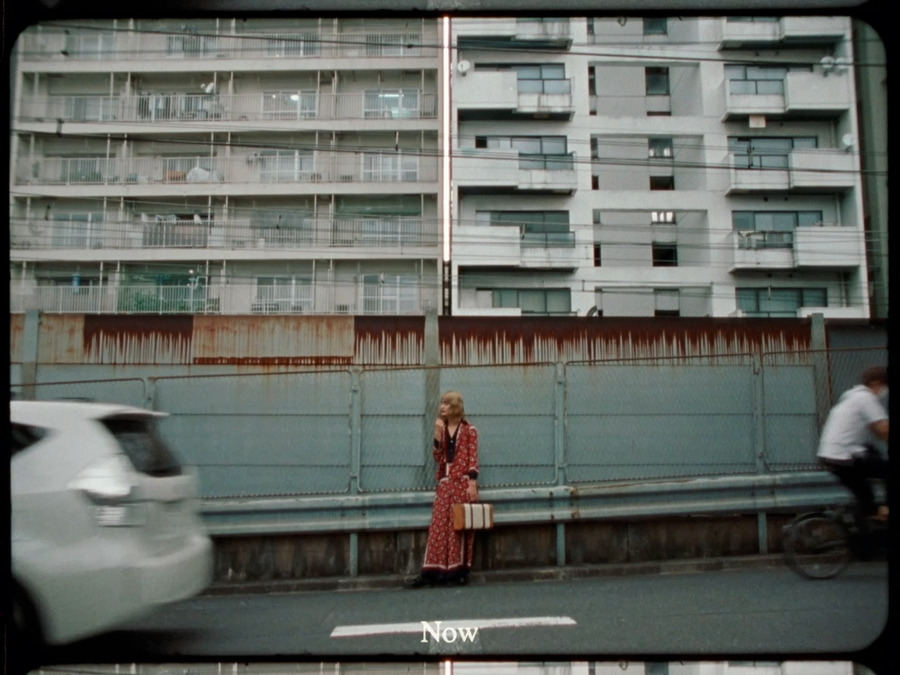 Courtesy of Mica Komagata
When it comes to fashion films, Braz Bittrich has become an expert in pacing out a fashion film to give it suspense and intrigue, while also creating immersive visual worlds that draw viewers in. He talks to KALTBLUT about the art of editing a fashion film and key moments that have shaped his career.
How do you define fashion films?
Dominik Braz Bittrich: Fashion films are where I get to mix art, storytelling, and branding in a way that hits home. It’s not just about the clothes, it’s about capturing a vibe, an emotion that sticks with you. I like to focus on the details that bring everything together, whether it’s the pacing of the edit, the choice of music and sound design, or how the visuals flow. For me, it’s about creating something that feels both intentional and effortless, where every element adds to the overall impact.
In 2024, where do fashion films stand?
Fashion films have become a space for creating pieces that embrace a slower, more deliberate pace. It’s not about quick, stressful, attention-grabbing edits. Instead, people are open to longer, more thoughtful pieces that require patience and are focused on being genuinely beautiful to watch.”
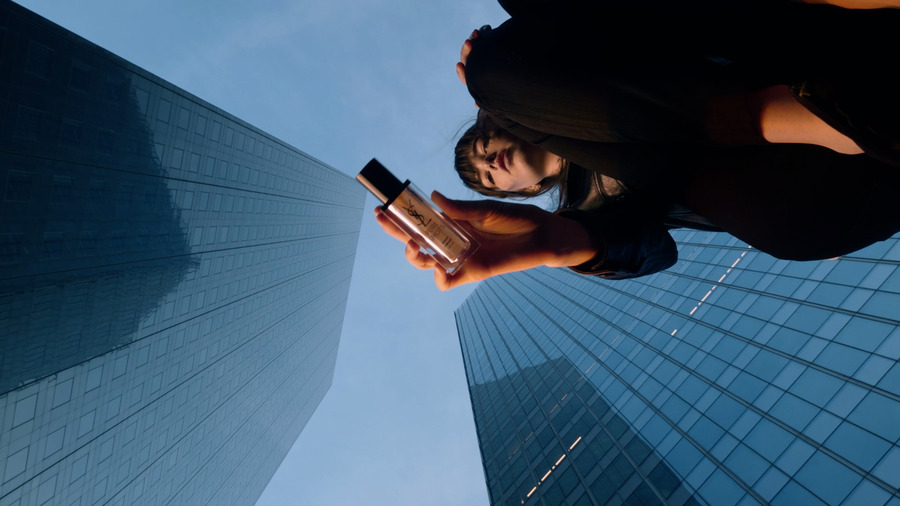 Courtesy of Yves Saint Laurent
Can you walk us through your process when editing a fashion film?
When I’m editing a fashion film, I start by being as picky as possible with the first footage selection. Anything that doesn’t hit the mark gets cut. Then, I like to try leaving the images lingering in the edit as long as I can, sometimes to the point where it’s almost uncomfortable or weird. Honestly, if a shot is good enough, I could watch it for five minutes without a cut.
You’ve worked on international campaigns, how do these experiences shape your work in fashion films?
I think working on international campaigns has broadened my perspective. It’s taught me how to balance creative expression with the commercial needs of a brand. Each campaign is different, and you learn to communicate a brand’s identity in a way that resonates across different target groups. It’s less about the formula and more about adapting your vision to fit a global audience.
 Courtesy of Magda Butrym
Can you talk about the short films for Ami Paris, featuring celebs like Fran Drescher, Joe Locke, Henry Lau, and Gavin Casalegno?
These films were a bit of a turning point for me in terms of editing. They relied a lot on one-takes, so I had to keep things simple and tasteful. The goal was to let the scenes speak for themselves. It was refreshing to focus on choosing the perfect takes and letting them breathe, and nice seeing how powerful that minimalist approach was.
What about your commercial for Magda Butrym?
The Magda Butrym project was a standout for me. The footage was some of the most beautiful I’ve ever worked with. Every frame was so well-crafted that it was a pleasure to edit. The project was all about highlighting the brand’s elegance and sophistication. What made it even more special was that I got to create the music and soundscape as well. Sound is such a big part of storytelling for me, and being able to tie everything together like that made the whole process feel truly complete.
What advice would you give to someone looking to break into fashion film editing?
Stay curious, and don’t be afraid to experiment. The fashion film industry is all about innovation, so it’s crucial to develop your own style and voice. Connect with other creatives around you, learn from them, and keep challenging yourself to grow. Above all, be persistent and stay true to your vision. That’s what’s going to set you apart in the industry.
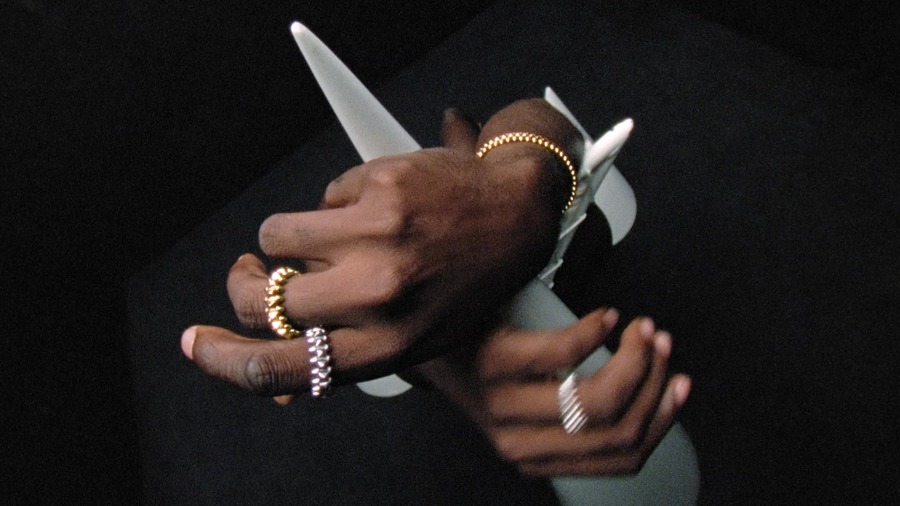 Cartier, Courtesy of Highsnobiety
What is the future of fashion filmmaking, in your opinion?
Filmmaking is more accessible than ever, with the amount of content being created now what’s always going to stand out is having a distinct taste and style. There’s so much out there, and it’s the unique voices that are going to keep making a real impact.
Since you started video editing professionally, how have you seen the industry change?
The industry has changed dramatically since I first started. What has evolved is the accessibility and democratization of tools. When I began, editing software was costly and required significant hardware to run effectively. Now, you can edit on a regular laptop or even an iPhone. Beyond the tools, the process of collaboration has also shifted. When I first got into the field, working with a team often meant being in the same physical space, or at least the same city. Now, thanks to cloud-based platforms and faster internet speeds, I can collaborate with teams across the world in real-time. Also, making edits at a beach hotel – I highly recommend it.
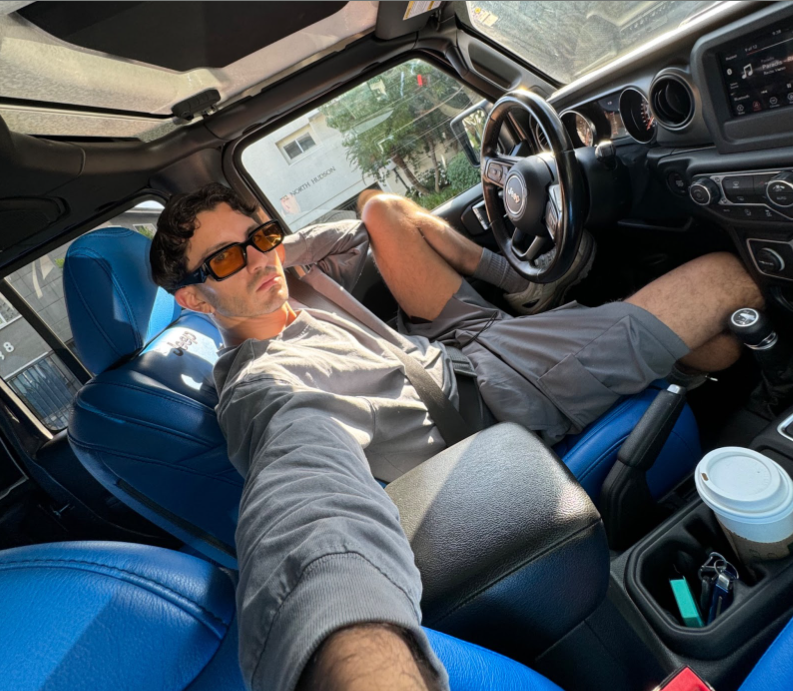
Dominik Braz Bittrich
