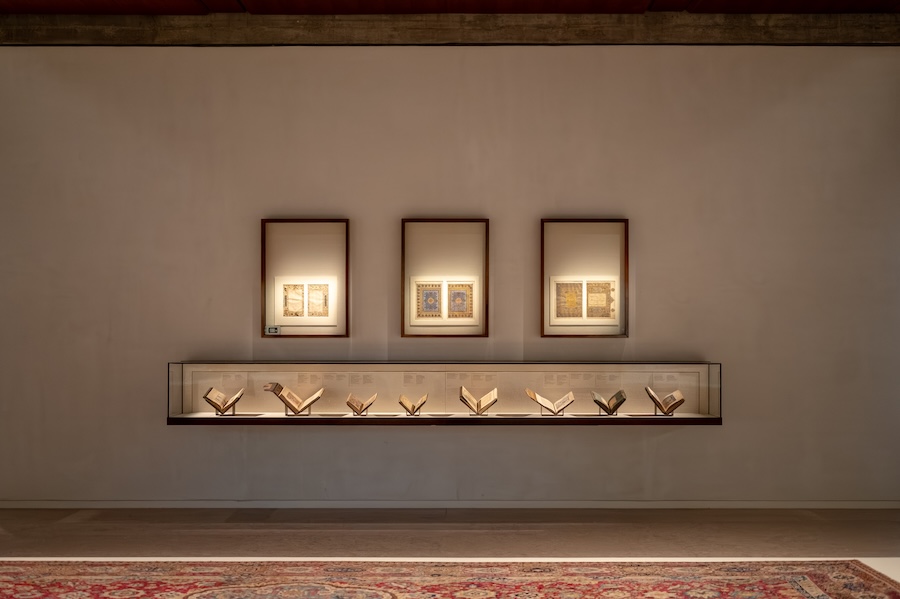


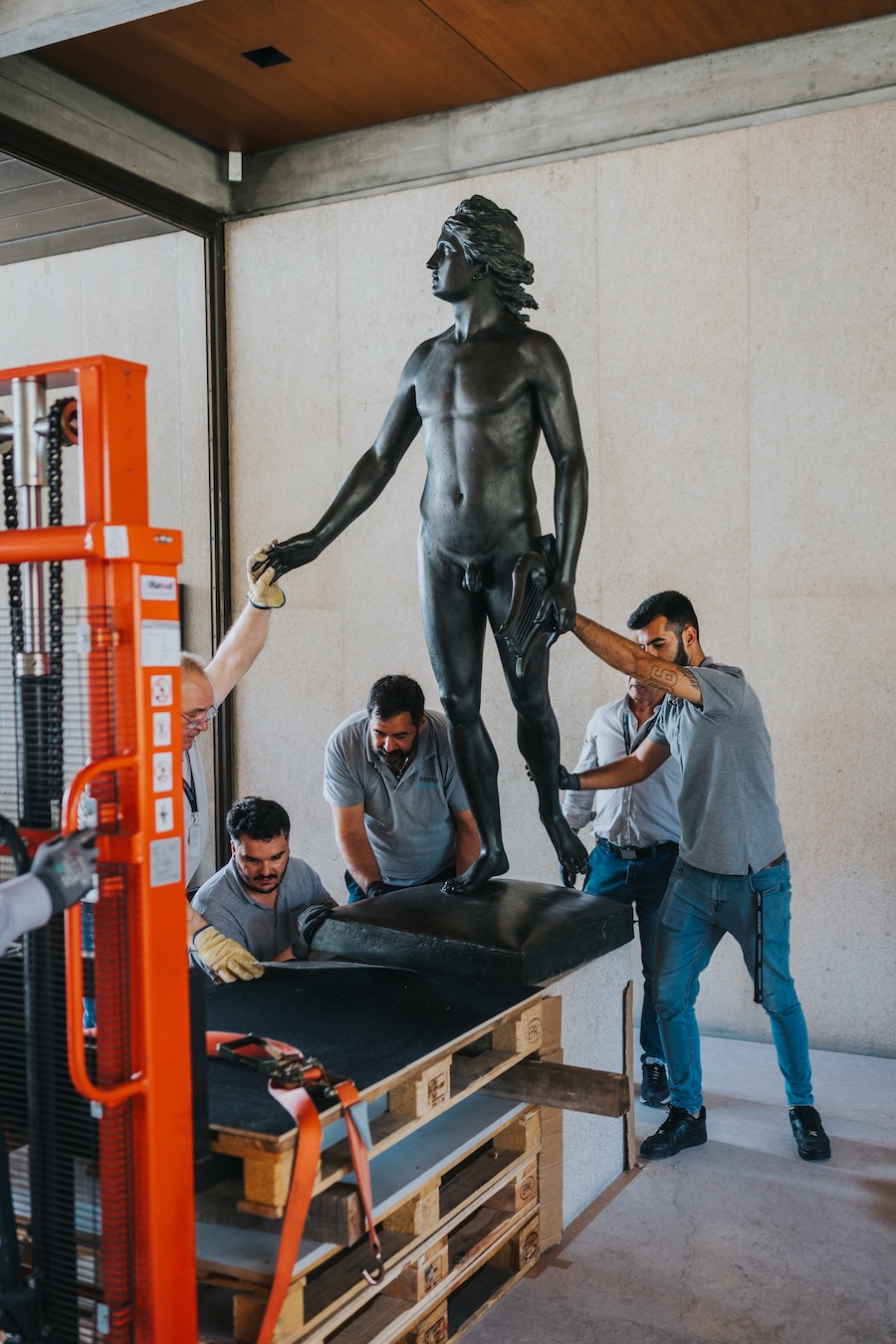
Culture. Cultural identity. Cultural background. Cultural belonging? Culture has always been shaped through movement. It travelled through trade routes, migration, conquest, memory, and everyday exchanges between people. Yet in today’s cultural discussions, it is often treated as something static: something people possess rather than something they create together.
Words and interview by Aliya Krause @aliyakrs_
Follow @museugulbenkian / mgulbenkian.pt/museu
The central question is:
WHO DOES CULTURE BELONG TO?
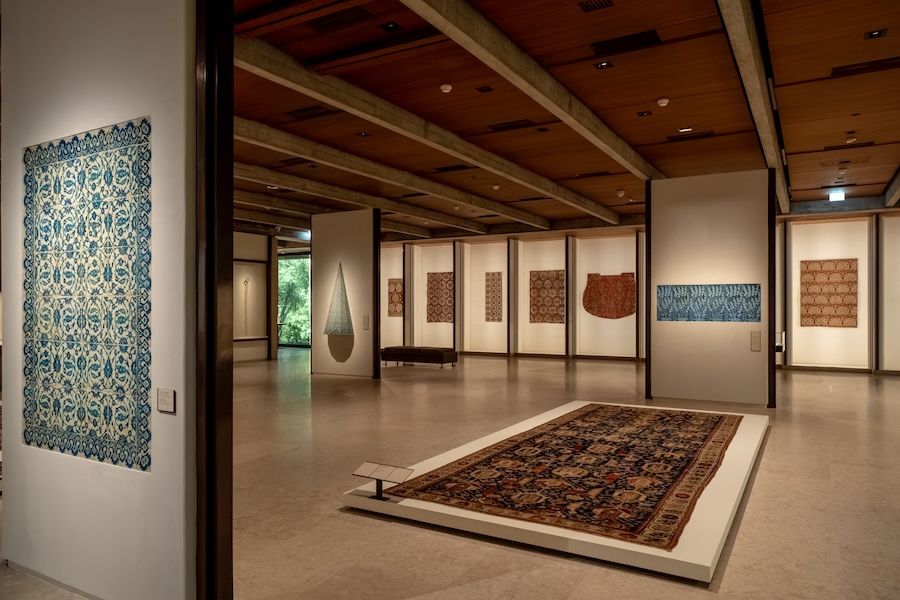
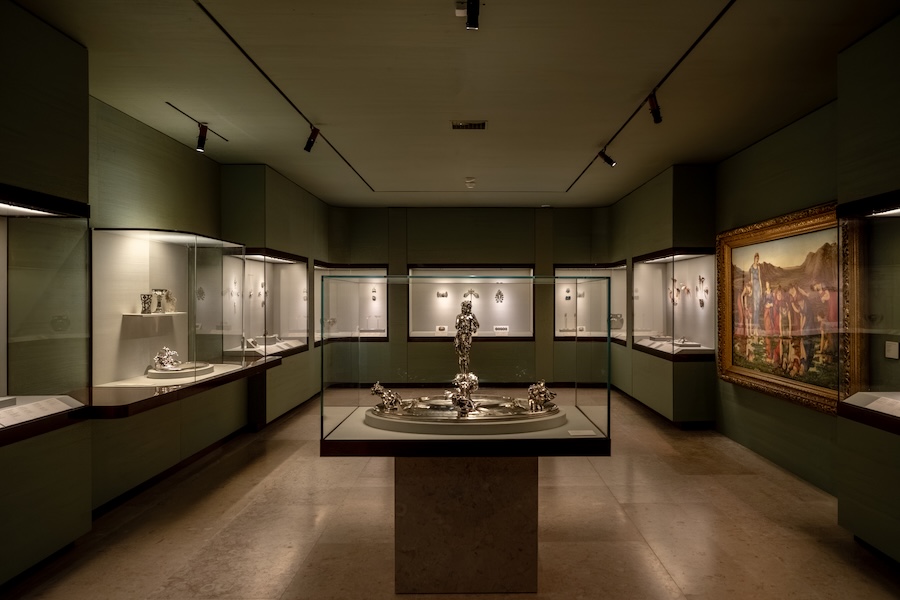
This question is explored during the reopening of the Calouste Gulbenkian Museum in Lisbon. Walking through its collection, you are surrounded by objects that carry multiple stories. They were created in one place, influenced by one another, collected somewhere else, and are now being viewed in Lisbon through our contemporary lens. They challenge the idea that culture can always be traced back to a single origin.
The reopening of the museum is not only a story about restoring a building from 1969. It is a conversation about how we look at heritage today.
Let’s have a look together.
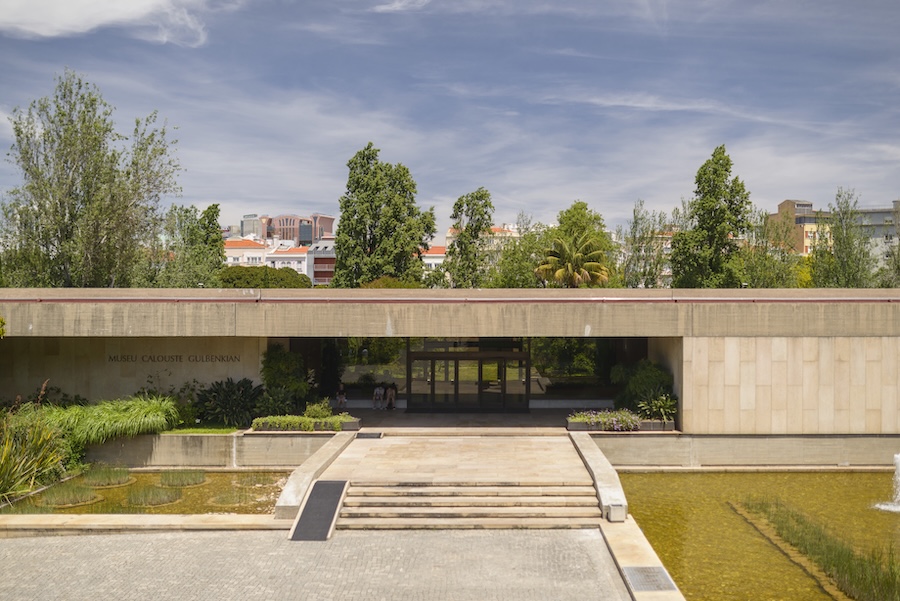
ARRIVING AT THE GULBENKIAN
Before even entering the museum, the art begins outside.
The two gardens feel like a transition zone between climates, almost between continents. What was once farmland, later Lisbon’s zoo, and then a lively social space for horse racing, has now evolved into a protected cultural park that still feels wonderfully alive.
Walking deeper into the second part of the garden, the air changes. It becomes heavier, more humid. The vegetation thickens. There is water somewhere close. You feel it before you see it. It almost turns tropical.
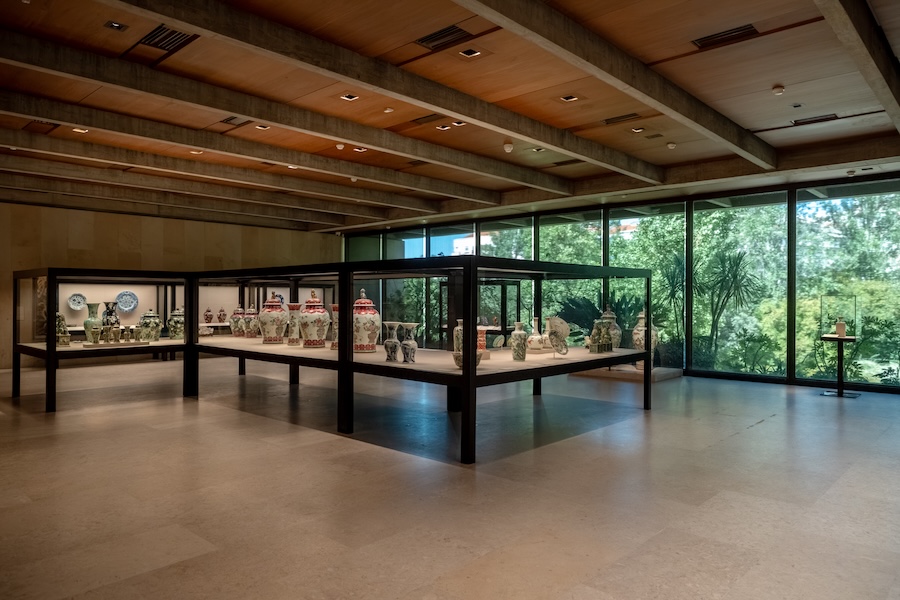
Through this walk, the museum’s central idea is introduced: the dialogue between nature, architecture, and art.
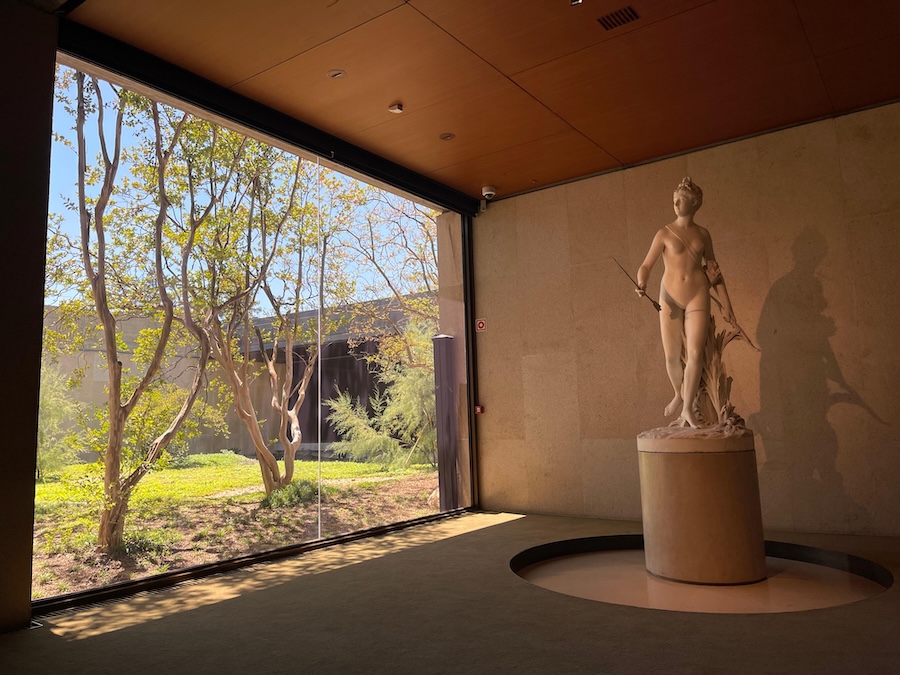
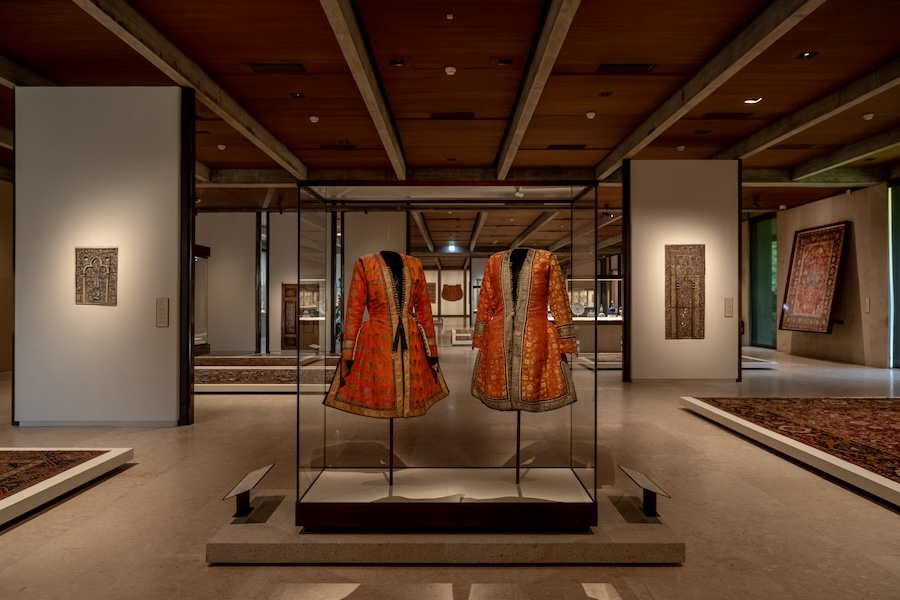
Inside Gulbenkian, the materials feel honest. The walls are built from stone and wood, untouched by any artificial paint. The floor carpet has a muted beige-green tone. It almost feels as if the grass continues into the building, while at the same time preserving the museum’s original 1960s character.
THEN THE QUESTION STARTS SHIFTING
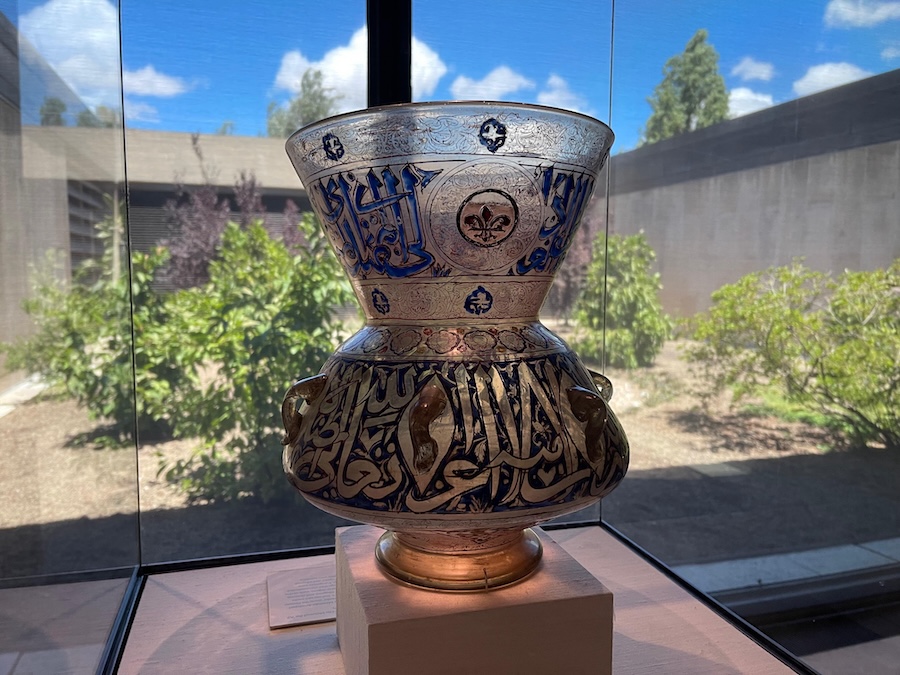
Walking through the museum, we pause at the Gulbenkian’s remarkable collection of Mamluk glass. Natural light from the garden filters through the translucent surfaces of the medieval vases, making them appear almost weightless.
But the closer we look, the more uncertain their origins become. Was this object created in Egypt, or Syria? If the origin is unclear, who can truly claim ownership of such a cultural artefact?
And suddenly, the question at the centre of this article takes form:
Who does culture belong to?
This question feels especially relevant today. We live in a moment where culture is constantly shared and reinterpreted digitally. References travel instantly. Images, sounds, aesthetics, and traditions move across borders faster than ever before, so that it becomes almost impossible to trace a single cultural origin.
At the same time, we are becoming increasingly sensitive to questions of origin. This generation wants the correct reference. We want recognition. We want to know where something comes from and who it belongs to.
And that instinct is understandable.
Origin shapes people’s sense of identity. And identity seems like one of the strongest concepts in a person’s life. Something that can influence how we understand ourselves, our place in the world, and even become a lifelong search: Who am I?
And now I invite you to think of this exact question. Who are you when something that has shaped your identity was dismissed or made fun of? An object, a culture, a part of you. Imagine an object, dear to you, passed on from your ancestors, a part of your legacy/ family’s history. Imagine, for years, that object was repeatedly mocked within your circle, not appreciated for its culture and essence, but only criticised for its look. Now imagine that suddenly this object is a part of the running trends that define our modern society. Everyone starts adopting it. Including the ones mocking it when it was still dear to your identity. Would you not feel a natural desire to reclaim it?
This is an open question that, for some, can resemble the smell of Indian spices that were once mocked before those same flavours became celebrated around the world. For some, it can be the Asian eye shape that was once ridiculed, while beauty trends later embraced eyeliner techniques that imitate those very features. And for others, it can be a darker skin tone that was once excluded from beauty standards, only to see others try to recreate it as a summer trend.
Standing in front of the Mamluk glass in the museum, the same feeling begins to emerge. Cultural debates are not only about ownership. They are about finally wanting to be seen.
Interview with Xavier F. Salomon
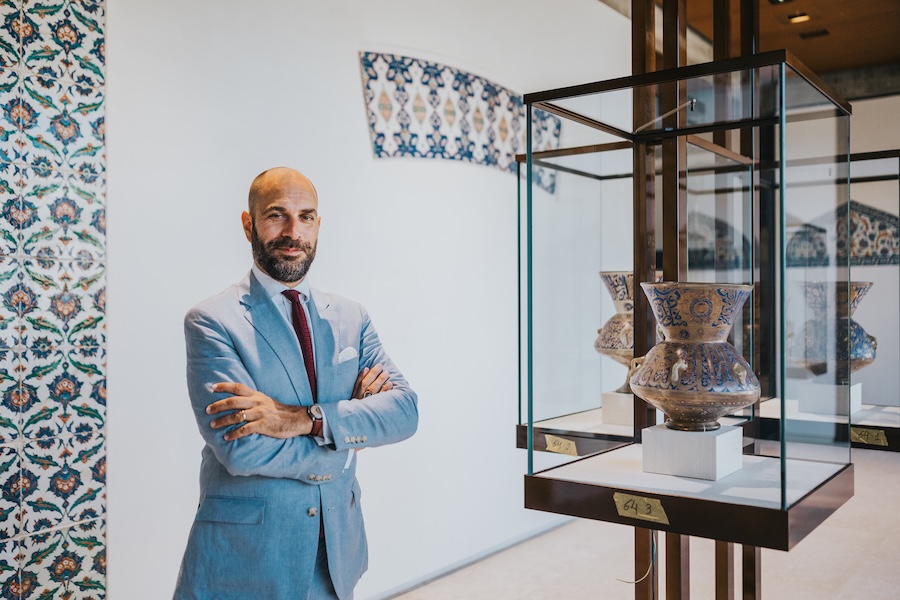
Director and Chief Curator of the Gulbenkian Museum, Lisbon
Q1: On Reopening & Curating the Collection
KALTBLUT.: In terms of curating the collection, especially in the context of the reopening, what had to remain untouched, and what needed to evolve?
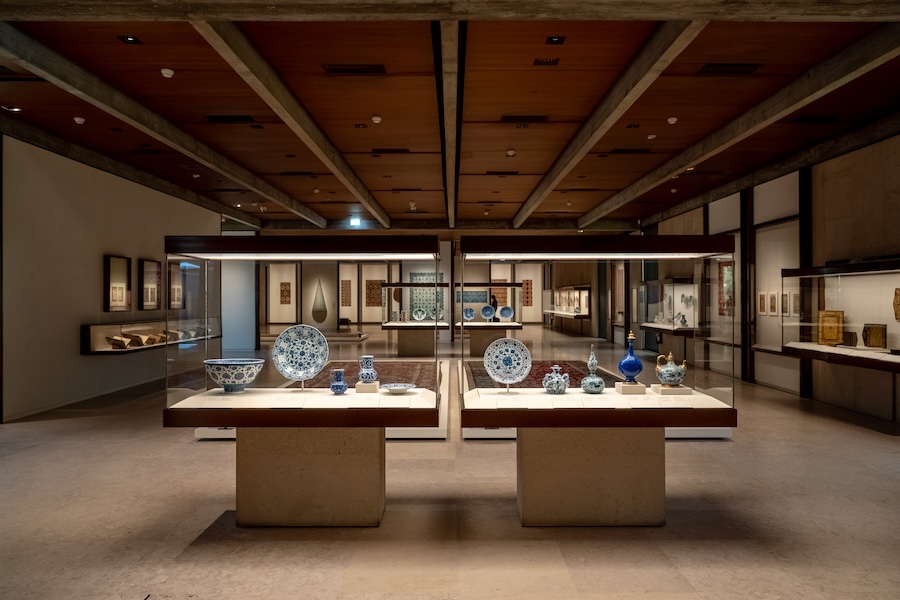
Xavier F. Salomon: The building itself was restored as closely as possible to how it was in 1969. What really changed is the technology, lighting, and anti-reflective glass, so visitors can now see the artworks much more clearly than before.
In terms of the collection, certain vitrines were reconsidered, and more emphasis was placed on creating conversations between objects. Especially across cultures. While there are sections dedicated to Asia and Europe, the boundaries are intentionally blurred. Asian objects appear in European contexts and vice versa. It becomes less about strict divisions and more about exchange.
Museums are not only about displaying beautiful objects. They are about understanding the context. These works represent the best of human creativity, but they were often created in difficult, even violent circumstances: wars, conquests. We have to understand history, and we have to understand it to understand who we are now.
Q2: On Cultural Identity
KALTBLUT: There’s currently a strong focus on cultural identity in art debates. How do museums like Gulbenkian preserve identity while also expanding it?
Xavier F. Salomon: The question is, how fixed is cultural identity, and how permeable is it?
When people ask me where I’m from, it’s not a simple answer. I live in Lisbon, I grew up in Rome, worked in London and New York. My family is Italian, Danish, English, Mexican, Egyptian, Polish… so where am I from?
I think that’s true for many people today. The idea of neatly putting identity into boxes “I am this” or “I am that” doesn’t often work that way anymore. We all carry multiple influences.
We obviously have to be respectful of each other’s cultures, but we especially need to be open to what is unfamiliar to us. I worry that people sometimes retreat into defending their own culture without being open to others. One has to understand what we don’t understand.
Whether it’s religion, food, clothing, or questions of gender, these are complex, varied topics. We have to be open-minded to that and learn about it. And many things along the way that we learn about the past are things that we’re not going to like, and we shouldn’t like them.
Q3: On Lisbon & Global Dialogue
KALTBLUT.: With your British-Italian heritage and international career, you bring a naturally global perspective to the Gulbenkian’s cultural dialogue. How do you preserve the Lisbon culture or maintain a Portuguese perspective?
Xavier F. Salomon: First, we have to ask, what even is Portuguese culture?
From the 15th century onwards, Portuguese culture has been deeply connected to other cultures, through navigation, colonialism, and exchange. Portugal had connections with India, China, Japan, Africa, and maintained colonies until the 1970s. So, this is very recent history.
That history can be explored across many museums in Lisbon and in Portugal. The Gulbenkian happens to be in Lisbon, but it does not represent that specific national history, because the objects in the collection are not Portuguese in origin.
So rather than telling a local story, we can act as an incubator of ideas, presenting broader, representative narratives that go beyond the local. For Portuguese history and identity, there are many museums in Lisbon, in Portugal, that tell those stories, and where you can learn all about incredible cultural exchange, but also very difficult histories.
KALTBLUT.: Thank you so much for having us.
Xavier F. Salomon: Thank you for coming to Lisbon
SO, WHO DOES CULTURE, ACTUALLY, BELONG TO?
Being inside the Gulbenkian Museum, the answer is still unclear… and perhaps that is exactly the point.
“We all carry multiple influences”, Xavier F. Salomon says. And so do the objects in the museum. The Mamluk vase, which is referred to earlier in this article, could have been made by an Egyptian woman. Could she have fallen in love with someone in Syria? Did she flee there, carrying it with her? Or was it simply part of trade between those countries? Whatever its path may be, this object now sits in Lisbon. It has already sparked an article on the relationship between Egypt and Syria, and next, it will definitely lead me to read a book on these countries’ cultural exchange.
These are the thoughts the reopened Gulbenkian Museum invites visitors to have. The restoration of the 1969 building was not only about preserving architecture; it was about creating new ways of seeing the collection. Through new lighting, technology, and connections between objects. The museum encourages people to look for relationships rather than boundaries.
The museum reminds us that cultures do not become less valuable when they are shared. They become richer. But sharing does not mean forgetting origins. As Xavier F. Salomon concludes, “we have to understand history, and we have to understand it to understand who we are now.”
The Gulbenkian itself is proof of this idea. Located in Lisbon, it tells stories that extend far beyond Portugal. It is not a museum of one identity, but a space where different histories meet.
So, who does culture belong to?
Perhaps culture belongs neither to one owner nor to no one. It belongs to the relationships between people. And to those who take time to understand.
Because culture is not something we simply own. It is something we participate in.