


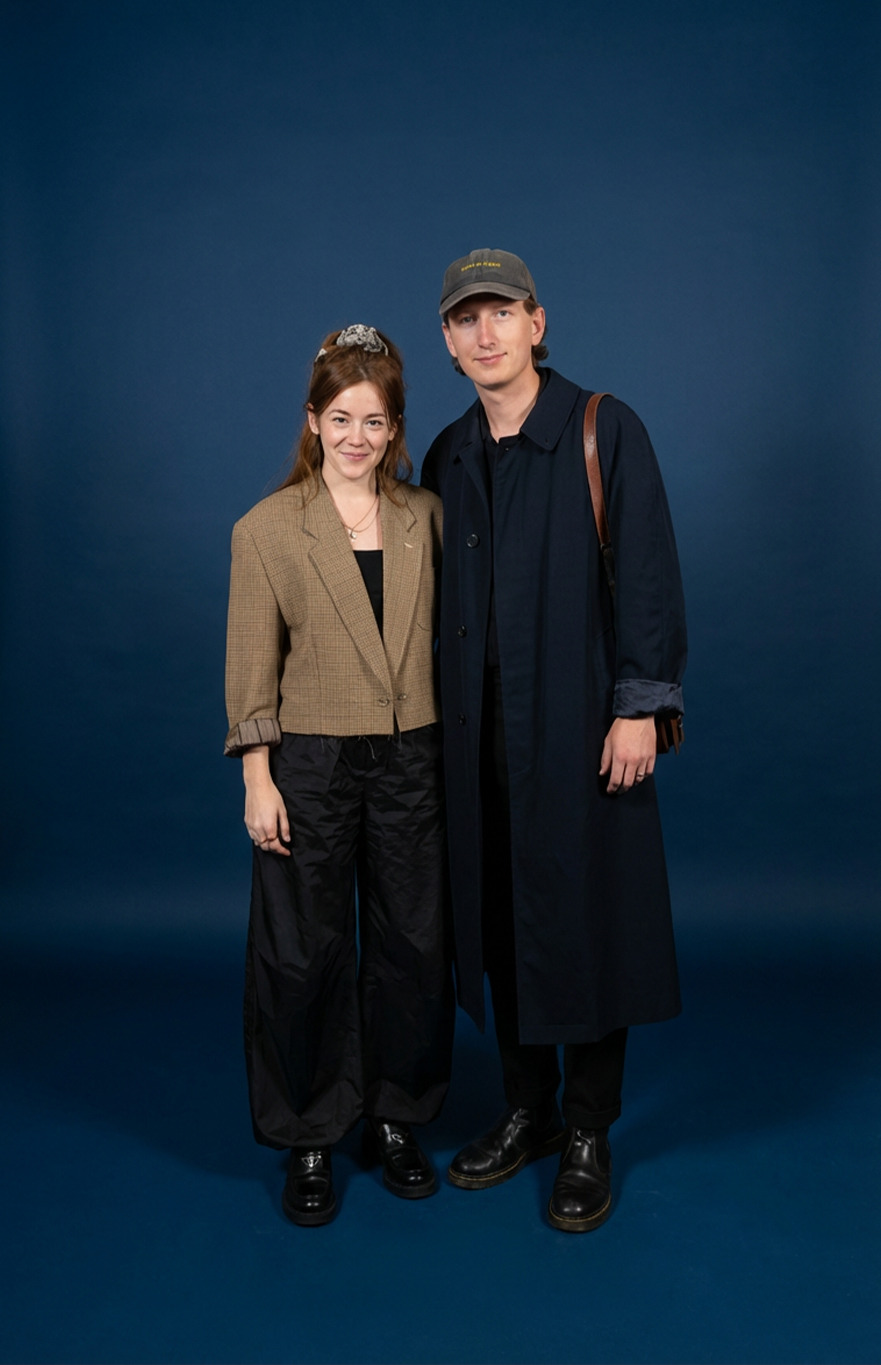
Julian Kleinert had not planned on becoming a filmmaker. At the time, he was focused on music and needed to produce videos for his own band. After several collaborations failed to express their ideas clearly, he made the straightforward decision to buy a camera and create the videos himself. The band did not succeed financially, but that experiment opened another path. Soon afterwards, people began approaching him to produce videos for other artists.
Years later, he founded RAW SOULS Productions in Los Angeles with Amélie Siegmund. The company draws strength from their differences. While she works through intuition and emotion, he focuses on organising ideas and making them possible.
RAW SOULS produces short films, music videos, campaigns, and photography. Its portfolio includes collaborations with Becky G, Robin Schulz, Ray Dalton, Felix Jaehn, Topic, and KAMRAD, as well as 2 [TU:], the short film presented at the Short Film Corner of the 79th Festival de Cannes.
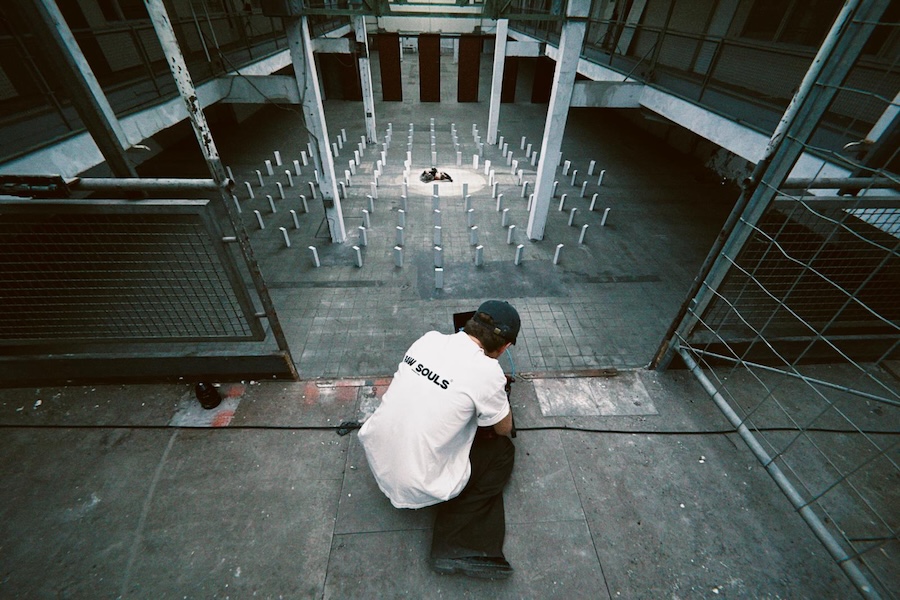
@byelian.official / @rawsouls.production
For readers discovering your work through RAW SOULS Productions, how would you describe your background as a filmmaker and the path that led you to build a production company with Amélie Siegmund?
The funny part about all of this is that I actually started as a musician. I discovered filmmaking through our own music videos, which at some point we simply had to make ourselves. We were collaborating with a bunch of creatives back then, but we were never fully satisfied with how our ideas translated visually. So eventually, we just bought our own camera and started bringing those visions to life ourselves.
That really became my entry point into the visual creative world, and I completely fell in love with it. Eventually, after the band didn’t work out financially, people started approaching me and asking if I could produce videos for them. One project led to another, and now, years later, we somehow ended up with our own production company in Los Angeles, creating all kinds of work.
You have described RAW SOULS as a shared language between you and Amélie. What ideas, values, or creative needs did you feel could only be fully explored by creating a company together?
It’s a bit like yin and yang. There’s a real contrast between the two of us—in how we approach creativity, ideas, work, and even life in general—but somehow it only feels completely whole when those two perspectives come together.
Of course, part of that comes from simply being two different people, with different perspectives and different ways of connecting emotionally with art, artists, and clients. But it’s also very much about how we work. Amélie is incredibly sensitive, intuitive, and thoughtful about things, while I tend to be more practical, efficient, and results-driven.
Neither approach would be as strong on its own. It’s really the combination that makes RAW SOULS what it is.
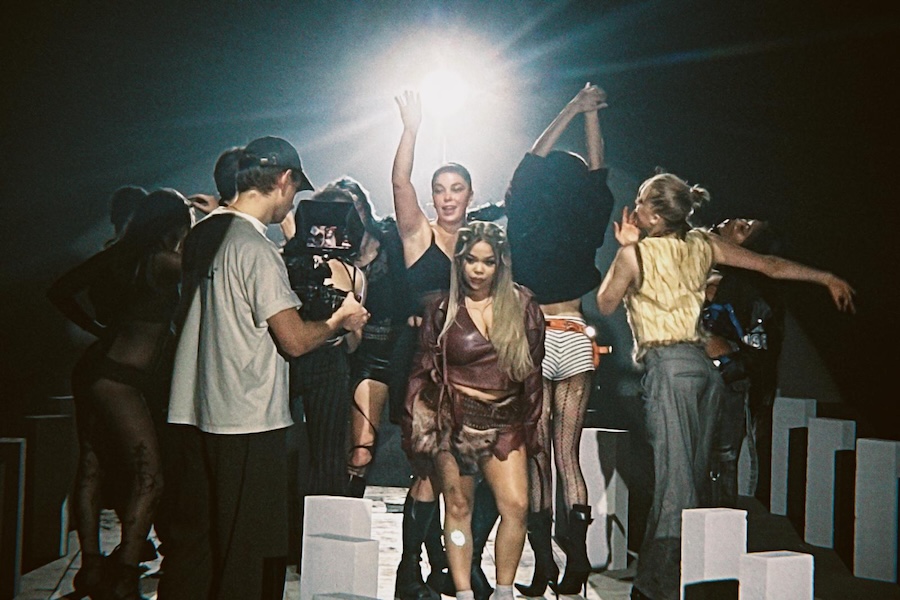
You have said that Amélie often brings intuition and imagination while you provide structure, communication, and a more business-minded perspective. How does that dynamic shape a project from its earliest idea to the final production?
It’s honestly a very natural way for us to approach projects. Amélie is incredibly conscientious and detail-oriented, while I tend to be much more practical and focused on how we actually make something happen.
That allows both of our individual strengths to really shine. An idea can start from a very emotional or intuitive place, but then there’s immediately another perspective asking how we can translate that into something tangible—creatively, technically, and financially. By the time we get to production, those two sides have usually shaped the project together from the ground up.
How do you protect the emotional and instinctive side of a project while also managing budgets, schedules, clients, crews, and the practical demands of production?
To me, those are actually two separate things. As long as you have a clear framework to work within, you can be as creative as you want inside that framework.
We always try to establish the scale and boundaries of a project before diving too deeply into the creative. That prevents you from building an entire concept around something that simply isn’t possible to realise.
At the same time, those limitations can actually create more interesting ideas. Once you know the framework, you can start finding creative ways to push it—and sometimes you end up doing things that weren’t initially planned or technically within the budget simply because you found a smart way to make them possible.
RAW SOULS works across narrative films, music videos, commercial campaigns, photography, and artwork. How does your role change depending on the format, and which parts of the creative process are you most naturally drawn to?
Since I consider myself a creative artist in the broadest sense, the way I approach a project doesn’t really change that much depending on the format. It always starts with an initial intuition—a feeling in your gut, your own emotional connection to the project, and whatever artistic value you see in it.
I try to approach everything with a certain lightness and trust, if that makes sense. Whether it’s a commercial, a passion project, a music video, or something completely different, I’m always looking for that initial spark—even if that sounds super cheesy. Haha. For me, that’s usually where everything starts. The format and all the practical decisions come afterwards.
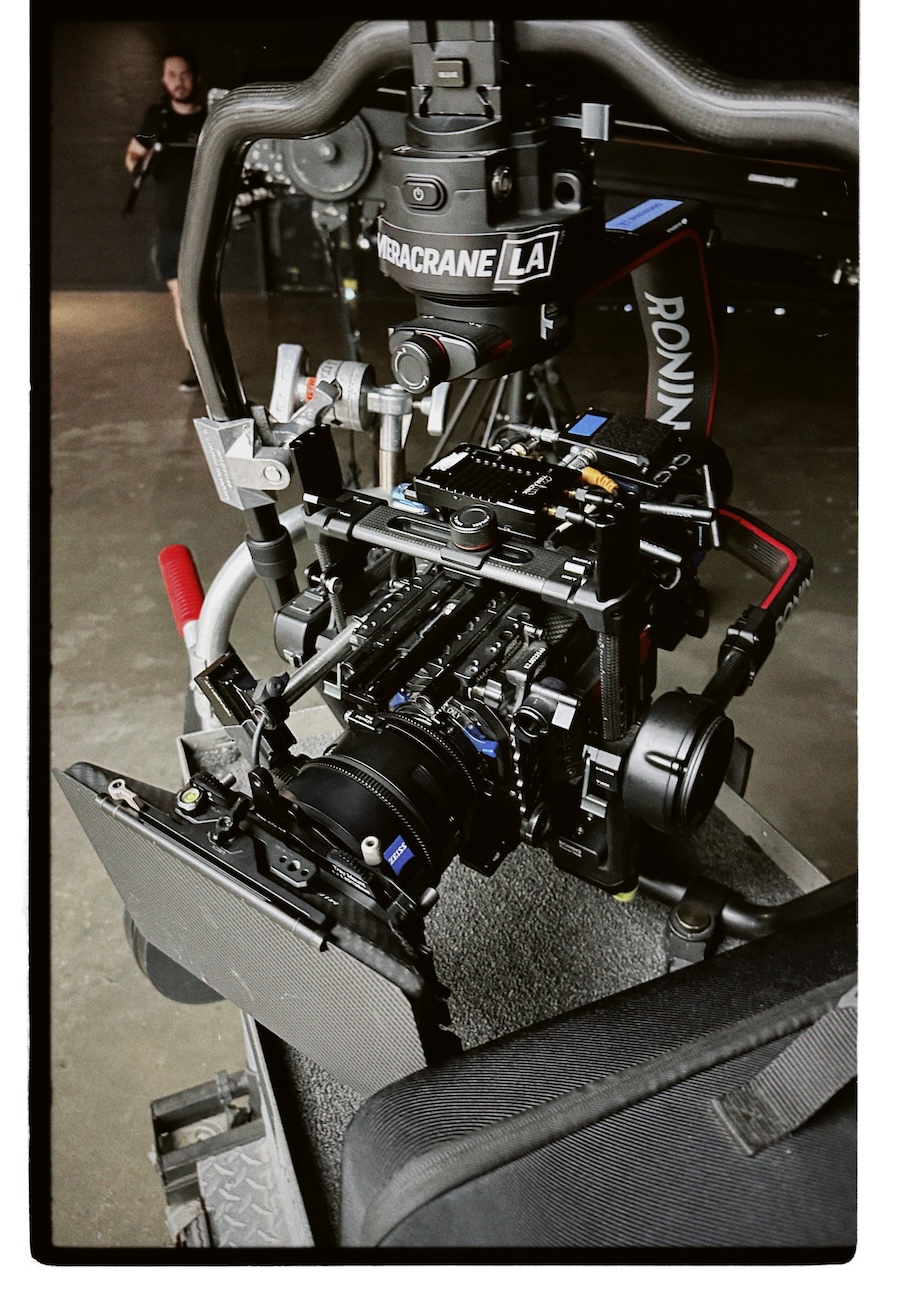
Your portfolio includes music videos for KAMRAD, Robin Schulz, Ray Dalton, Felix Jaehn, Topic, and Becky G. What have these large-scale productions taught you about directing work that must connect with a broad audience while maintaining a clear visual identity?
If anything, they’ve taught me to stick to our own aesthetic and visual language.
In the end, it doesn’t really matter whether we’re working with an indie artist, a commercial fashion brand, an EDM artist, or shooting an independent short film—it still has to exist within our own visual world. As long as it does, I trust that it will work.
And I genuinely love seeing artists like Becky G or Robin through our visual language. There’s something really exciting about bringing very different artists and worlds into our aesthetic without losing what makes them unique.
How do you personally evaluate the success of a music video beyond streaming figures, visibility, or commercial performance?
For me, the success happens the moment the final edit feels cohesive, and I’m genuinely satisfied with it.
Some of the pieces I love the most probably only have a few thousand views or whatever. Reach isn’t necessarily an indicator of quality, and I try not to let numbers determine how I feel about the work.
If I can look at something afterwards and still feel connected to it—and feel like we created exactly what we wanted to create—that’s much more meaningful to me.
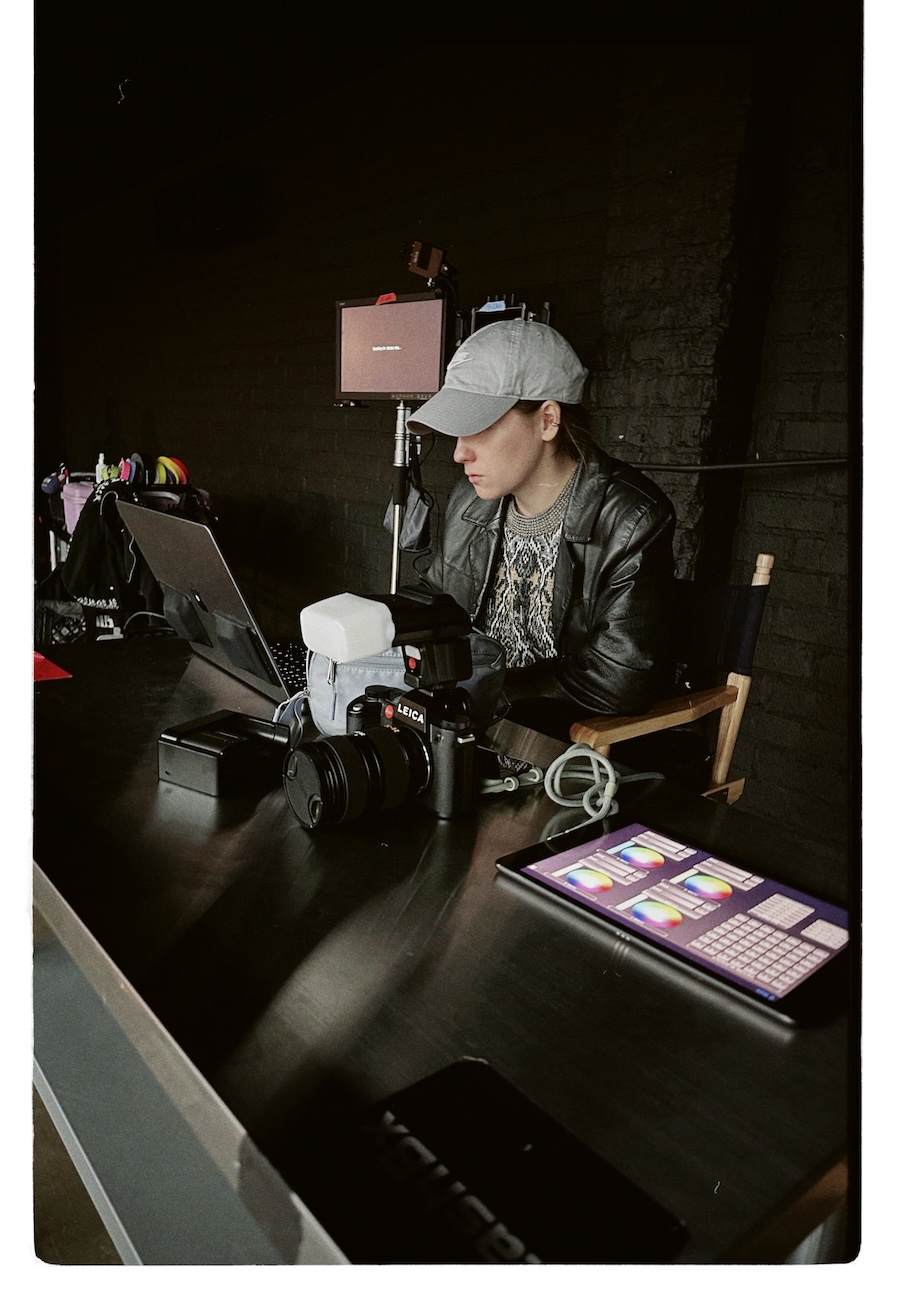
Your independent short film “2 [TU:],” co-written and co-directed with Amélie, was selected for the Short Film Corner at the 79th Festival de Cannes. What did that recognition represent for you, both personally and for RAW SOULS at this stage of the company’s development?
It was honestly just wild to go to Cannes because of a passion project—something we made simply because we really wanted to make it for ourselves.
That was incredibly inspiring and, again, kind of a reminder that you should follow whatever you naturally gravitate toward. When something genuinely comes from the heart, doors have a funny way of opening.
For us, that recognition wasn’t so much about suddenly feeling like we had achieved something or reached a certain level. It was more like reassurance that there’s value in trusting your instincts and creating something without necessarily knowing where it’s going to take you.
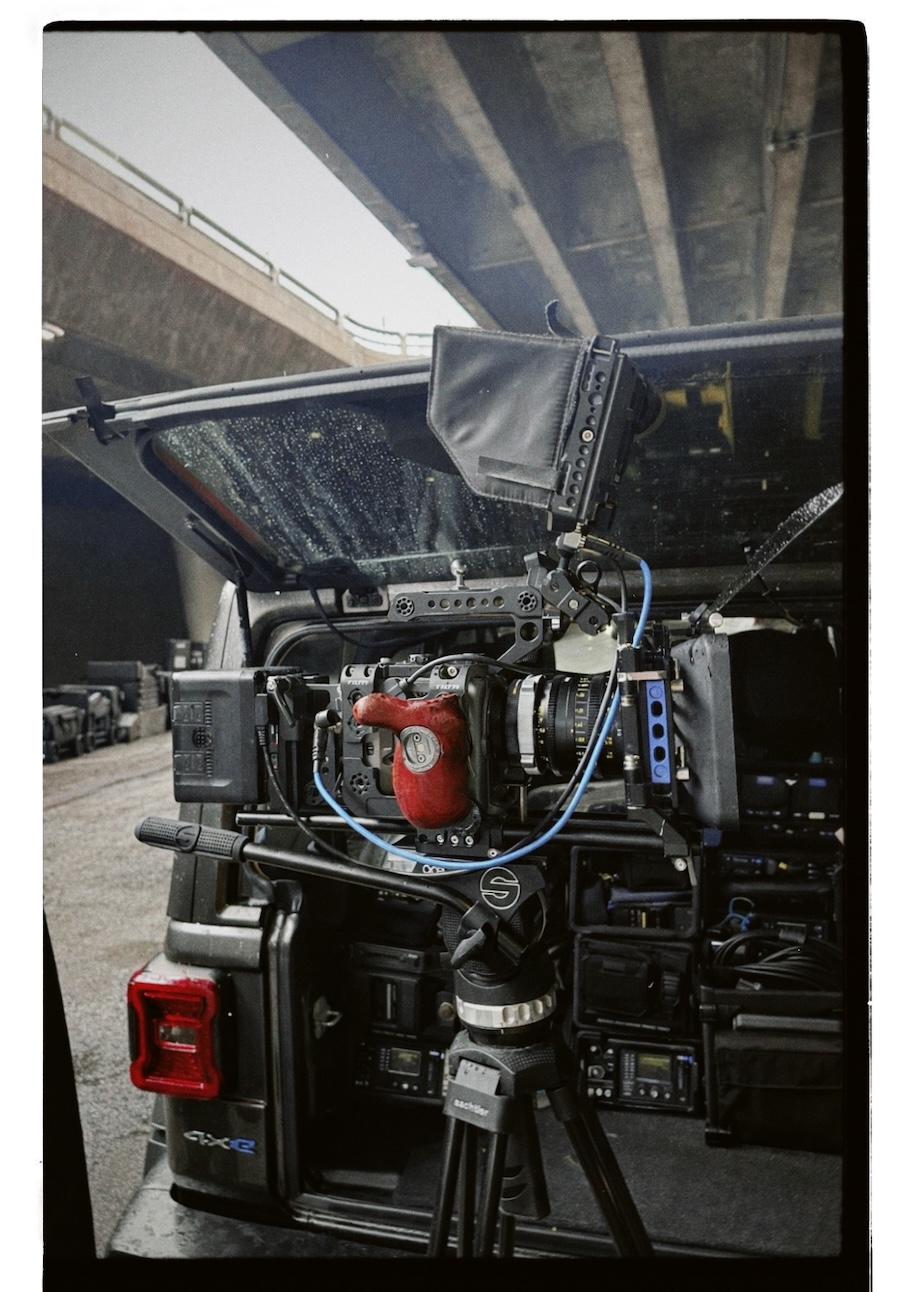
Looking ahead, what are your expectations for RAW SOULS and for your own career over the next few years, and which upcoming projects or creative goals are you most excited to pursue?
The very organic growth we’re experiencing right now, both as directors and as a company, feels really healthy and balanced. I’d love for that to continue without ever losing the essential reason we started doing this in the first place: creating meaningful, aesthetic work that we genuinely care about.
I never want to lose the passion or that excitement that comes with every new project. And more and more, I think I just want to surround myself with people who have the right energy.
If the vibe is right, the values align, and there’s mutual respect, everything suddenly feels lighter. And when it feels light, creating becomes this incredibly exciting and most likely fruitful ride.
Follow Julian Keinert on Instagram and RAW SOULS Productions for more.
