
Out of all the fashion film submissions screened at the 18th edition of FASHIONCLASH Festival in Maastricht, one piece stopped me completely in my tracks, both for its uncompromising aesthetic punch and the raw, unapologetic concept beating underneath. That is why awarding the KALTBLUT Magazine Award 2026 to Dutch designer Storm Nijhuis and his creative team for HELLION was an easy, immediate decision.
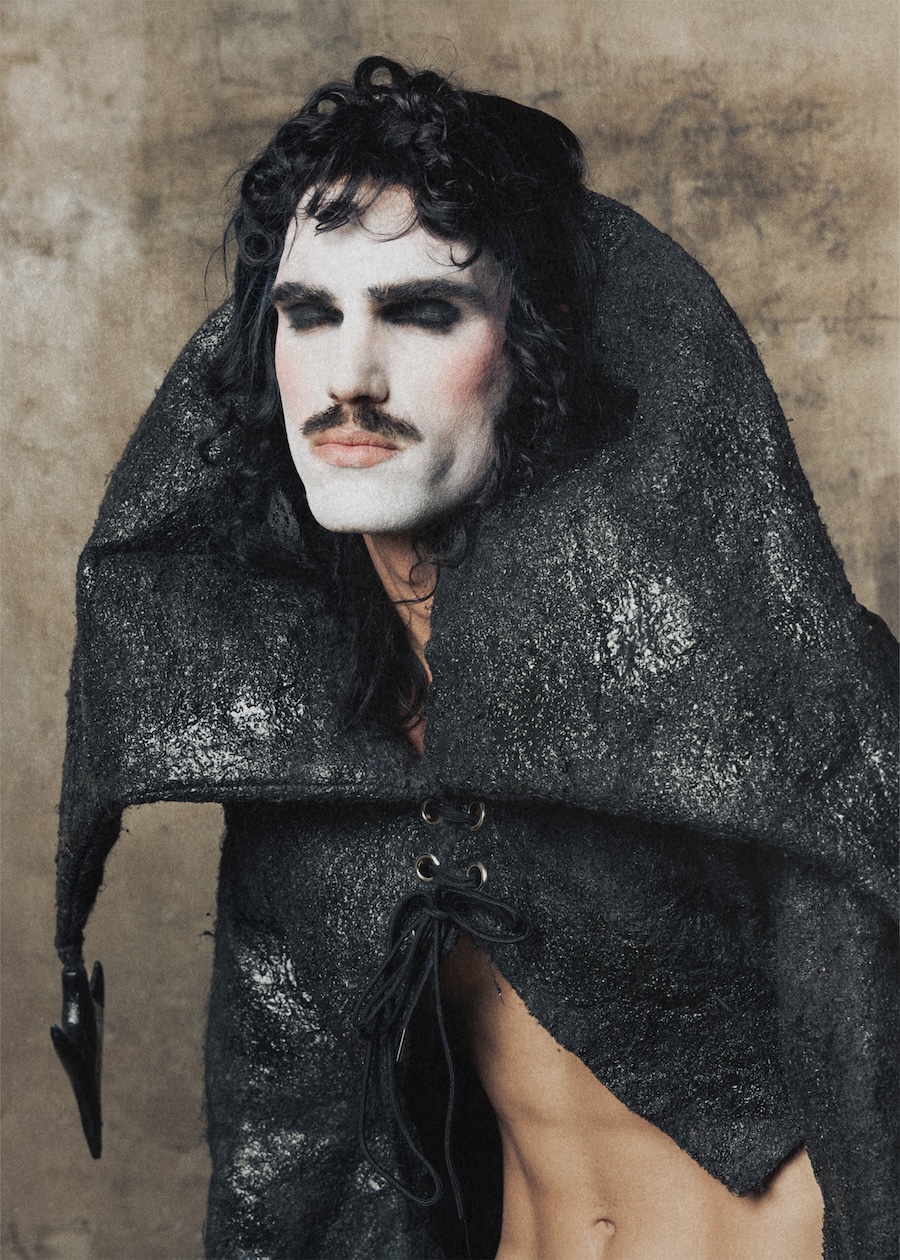
Blending sculptural silhouettes crafted from latex, tulle, crochet, and 3D-printed elements with surreal, subcultural cinema, HELLION transforms religious guilt and queer reclamation into a visceral visual universe. Brought to life on screen alongside director and writer Denise Bakker, producer Linda Schreiter and cinematographer Mikela Koressi the project refuses safe commercial formulas in favor of discomfort, camp theatrics, and fierce self-acceptance. Fresh off his graduation and our Maastricht prize ceremony, we caught up with Storm to talk about reclaiming the “sinner” label, pushing tactile materials to their limits, and translating deeply personal rebellion into moving image.
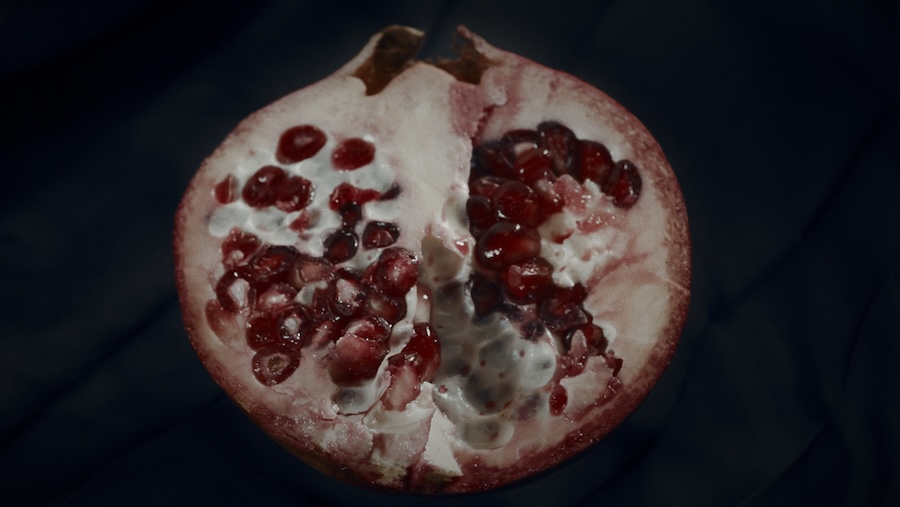
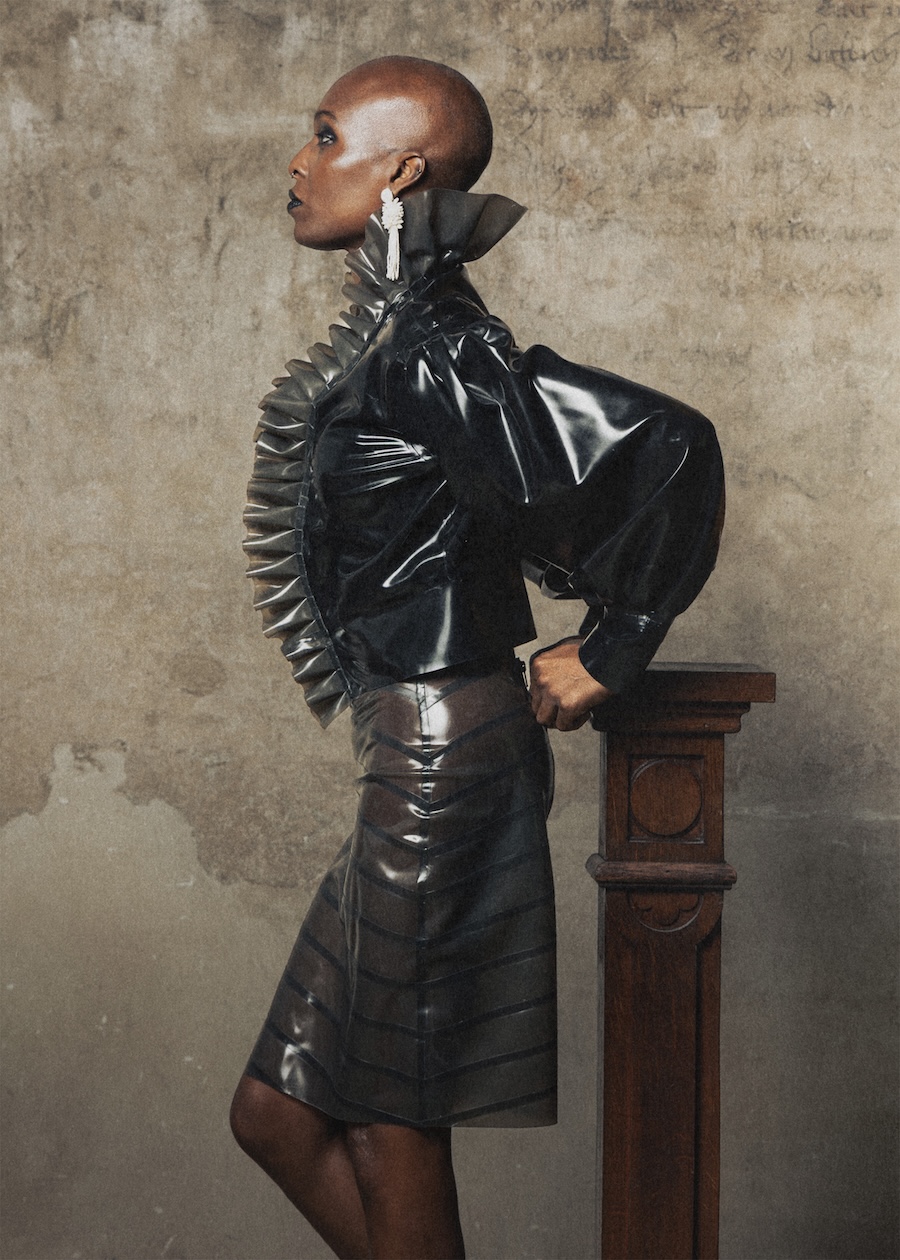
KALTBLUT: First of all, congratulations again on winning the KALTBLUT Magazine Award at the 18th FASHIONCLASH Festival in Maastricht—it was an absolute pleasure to see your work. Now that the dust has settled a bit, how does that recognition feel, and what does this moment mean for where you are right now in your creative journey?
STORM: Thank you so much! It honestly still feels quite surreal. HELLION is such a personal project, and I’ve spent so much time developing it, questioning it, and questioning myself throughout the process. To see it being recognized on this level is incredibly rewarding. Having just graduated, I’m at this strange point where I’m figuring out what my position within the fashion industry looks like. This recognition gives me confidence that there is space for the kind of work I want to create—work that isn’t necessarily about commercial fashion, but about storytelling, experimentation, and expressing something meaningful. More than anything, it motivates me to keep exploring and pushing my own boundaries as a designer.
KALTBLUT: Let’s take it back to the beginning. Where did you grow up, and what were the earliest visual, subcultural, or personal sparks that made you realize fashion—and specifically subversive, narrative-driven design—was the medium you needed to speak through?
STORM: I grew up in a small town in the Netherlands, where there wasn’t necessarily much room for being different. Growing up queer in that environment made me very aware of how people judge each other based on appearance, behavior, and identity. Creativity became a way for me to escape those expectations. I was always drawn to things that were unusual, exaggerated, or slightly uncomfortable—things that challenged what people considered normal or beautiful. My interest in fashion actually started with materials and making things. I studied textile and product design before moving into fashion, so I’ve always approached clothing from a very hands-on perspective. Eventually, I realized that fashion could combine everything I was interested in: craftsmanship, visual storytelling, identity, and the human body. Clothing can communicate something before you’ve even spoken a word, and I find that incredibly powerful.
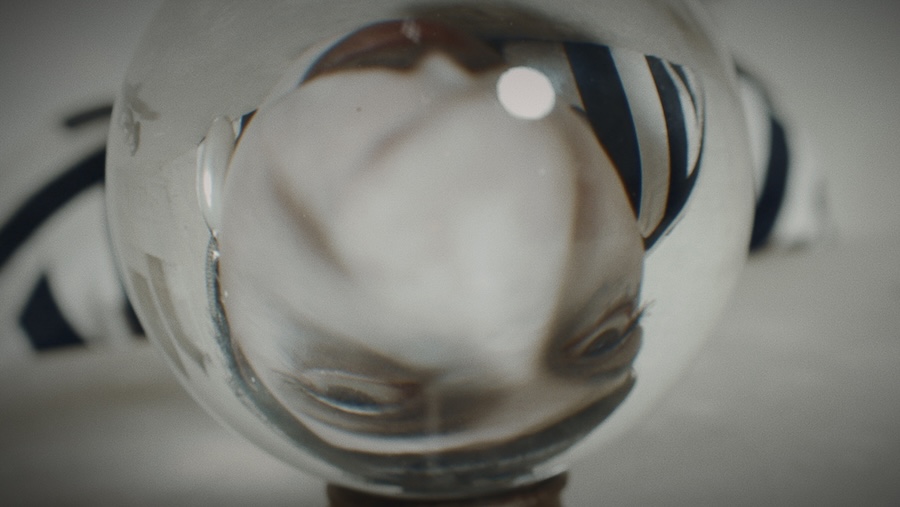
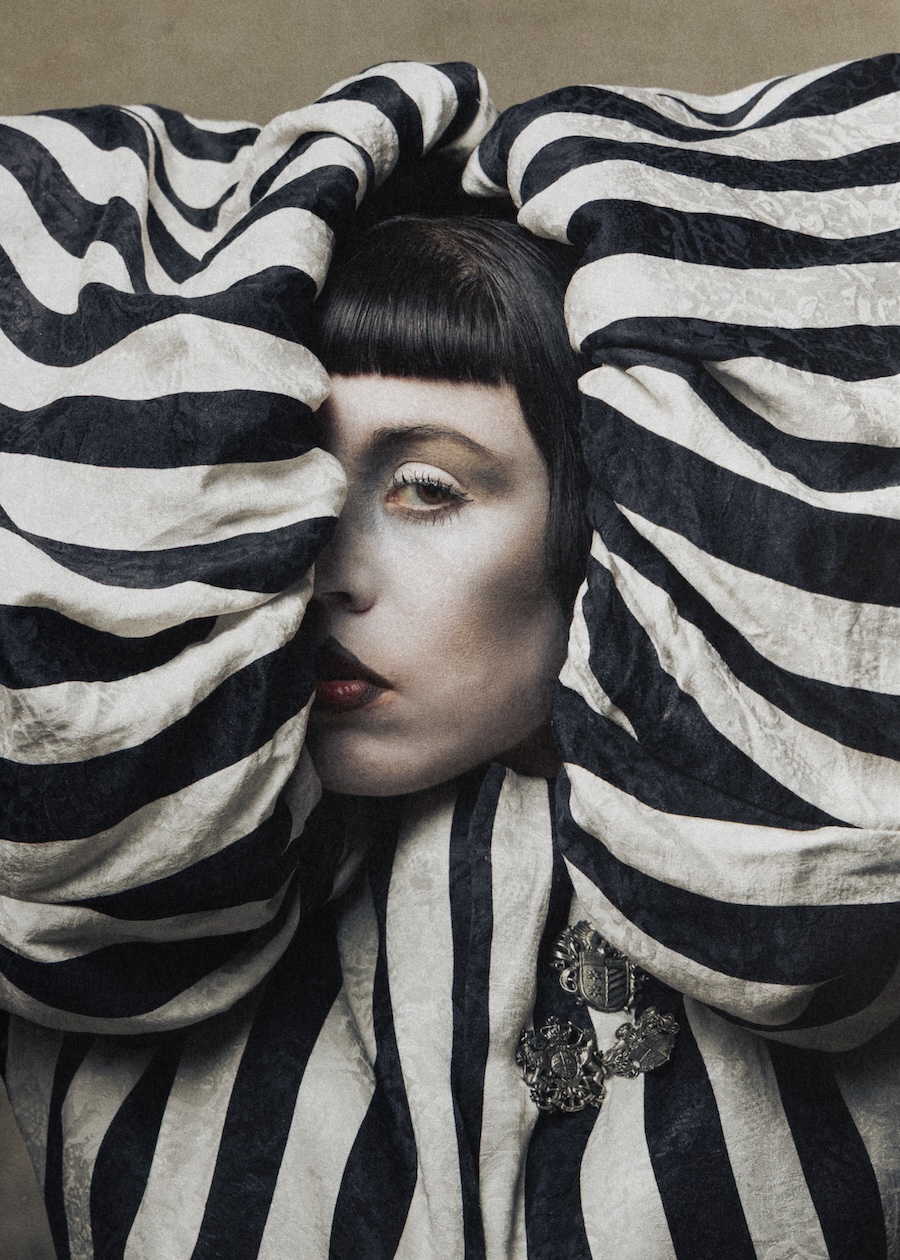
KALTBLUT: Looking at your trajectory leading up to graduating in 2026 and presenting in Maastricht: what were the defining turning points, struggles, or breakthroughs during your studies and early practice that shaped your distinct visual language?
STORM: One of the biggest turning points was learning to trust my own way of designing. Coming from a background in textile and product design, I was always very focused on materials and techniques. During my fashion studies at AMFI, I started to understand how I could use those skills to develop a more personal visual language. My exchange at the Swedish School of Textiles was particularly important because it encouraged me to approach design through material exploration rather than starting with a predetermined silhouette. I’ve always been someone who learns through making. I experiment, make mistakes, take things apart, and discover new possibilities along the way. Sometimes the most interesting results come from things that weren’t supposed to happen. A major breakthrough was realizing that I didn’t need to make everything conventionally beautiful or wearable—I could embrace exaggeration, discomfort, humor, and imperfection as part of my aesthetic. With HELLION, I feel like all those different interests finally came together in a way that felt completely my own.
KALTBLUT: You operate under both your own name, Storm Nijhuis, and the moniker Hellion Sin. What does the name “Hellion” represent to you personally and artistically, and how do those two identities inform each other?
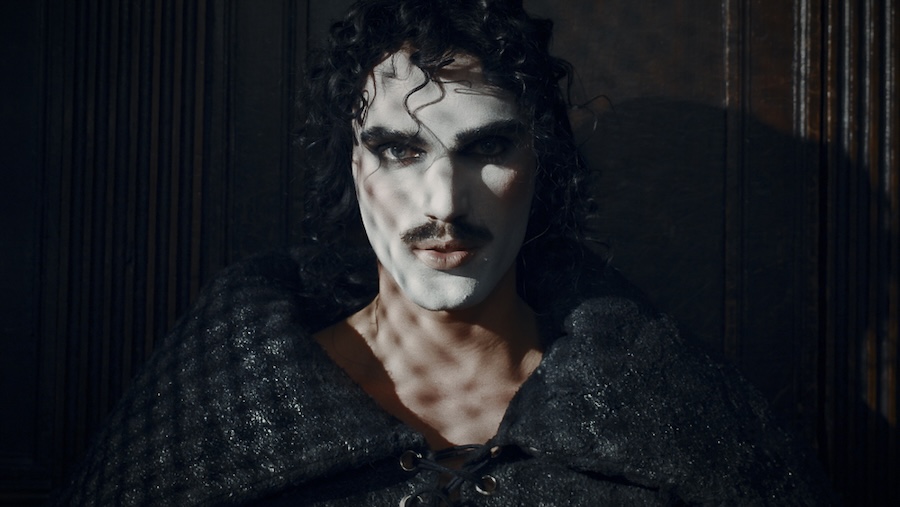
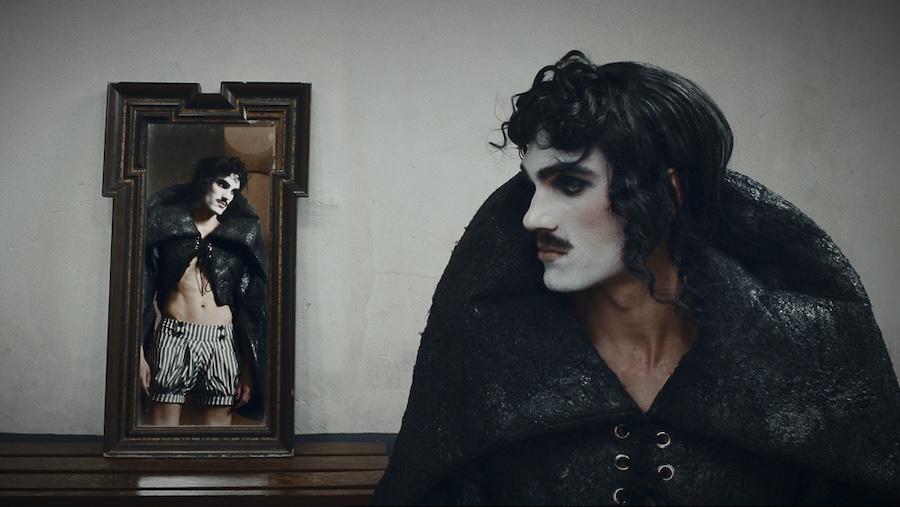
STORM: Hellion is essentially a character born from the things I was once made to feel ashamed of. The word itself refers to someone mischievous, rebellious, or troublesome. Growing up queer in an environment influenced by Christian morality, I often felt that simply being myself was already considered wrong. At some point, I became interested in the idea of reclaiming that judgment. If society already sees you as a sinner, why not embrace that identity and turn it into something powerful? That’s where Hellion comes from. Storm Nijhuis is me as a designer, while Hellion Sin represents a more exaggerated, theatrical, and unapologetic extension of myself. It’s a persona that allows me to explore subjects that are deeply personal while creating some distance through performance and storytelling. In a way, Hellion is everything I was once afraid to be.
KALTBLUT: Much of your work feels deeply rooted in questioning rigid norms around the body, gender, and societal expectations. How much of your own lived experience and personal history flows directly into your design process?
STORM: Quite a lot, although it isn’t always something I consciously plan. My experiences growing up queer have definitely shaped the way I look at identity and societal expectations. I’ve always found it strange how strongly people feel the need to categorize everything—masculine or feminine, beautiful or ugly, good or bad. Those categories often leave very little room for individuality. I think that’s why I’m drawn to contrasts and contradictions in my work. I like combining things that supposedly don’t belong together, whether that’s materials, silhouettes, historical references, or ideas. At the same time, I don’t want my work to be understood exclusively through my personal experiences. I use those experiences as a starting point to explore questions that I think are much broader. Ultimately, I’m interested in the freedom to exist outside the expectations other people create for us.
KALTBLUT: Coming out of fashion school into an industry that is often obsessed with safe commercial formulas, what kind of space are you determined to carve out for yourself—and what existing fashion rules are you most eager to dismantle?
STORM: I want to create work that exists somewhere between fashion, art, and performance. I understand that fashion is an industry and that clothing has a commercial purpose, but I don’t believe that should be its only purpose. What interests me most is fashion’s ability to provoke emotion, tell stories, and challenge perspectives. A garment doesn’t always have to be practical or flattering to be valuable. I’m particularly interested in questioning the idea that fashion needs to follow a certain definition of beauty or wearability. I also think we should be less afraid of making mistakes. Fashion can be incredibly controlled, while I believe experimentation and unexpected outcomes are often where the most interesting ideas emerge. I don’t necessarily want to reject the industry—I want to find ways to bring a more experimental and expressive approach into it.
KALTBLUT: Which artists, filmmakers, musicians, or subcultural movements outside of traditional fashion have had the deepest impact on your aesthetic DNA?
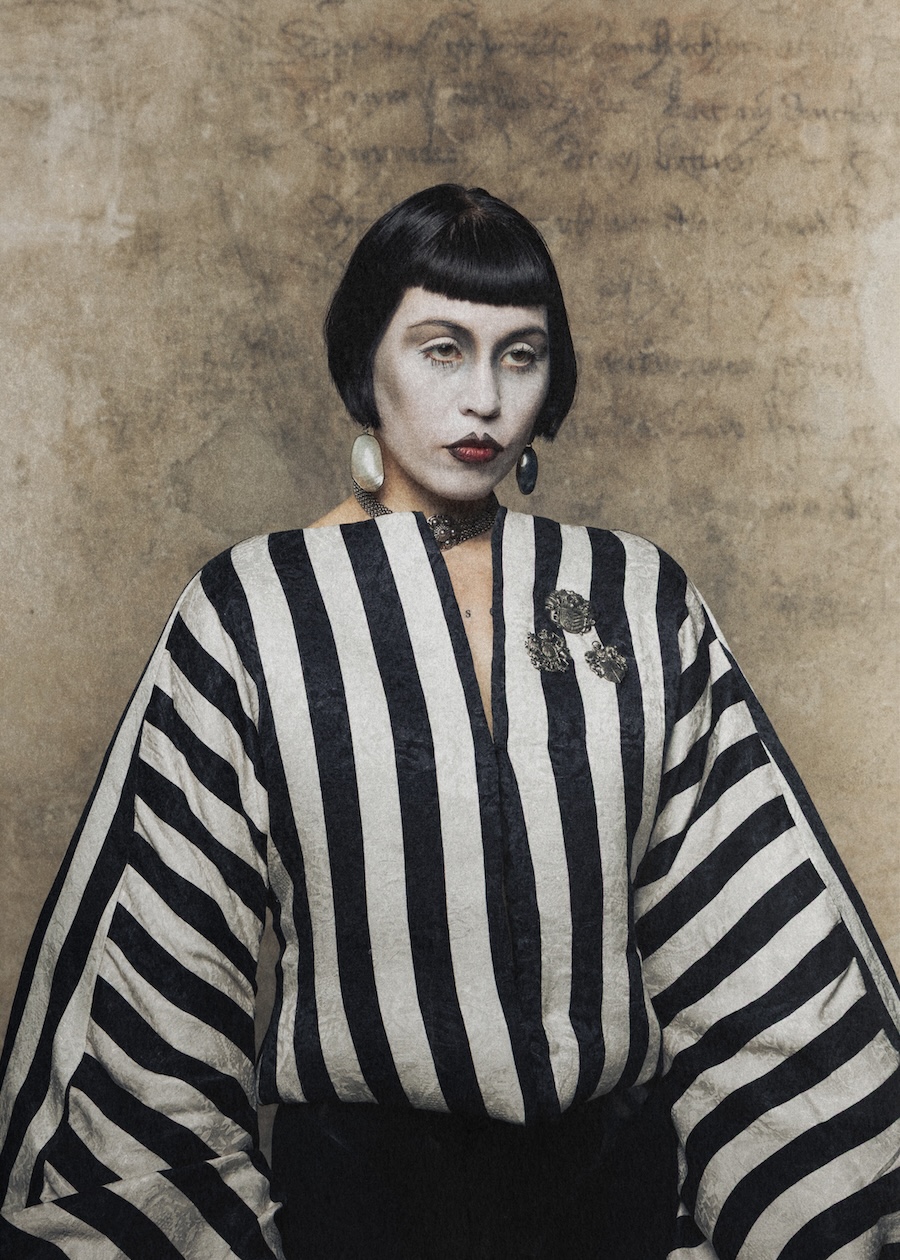
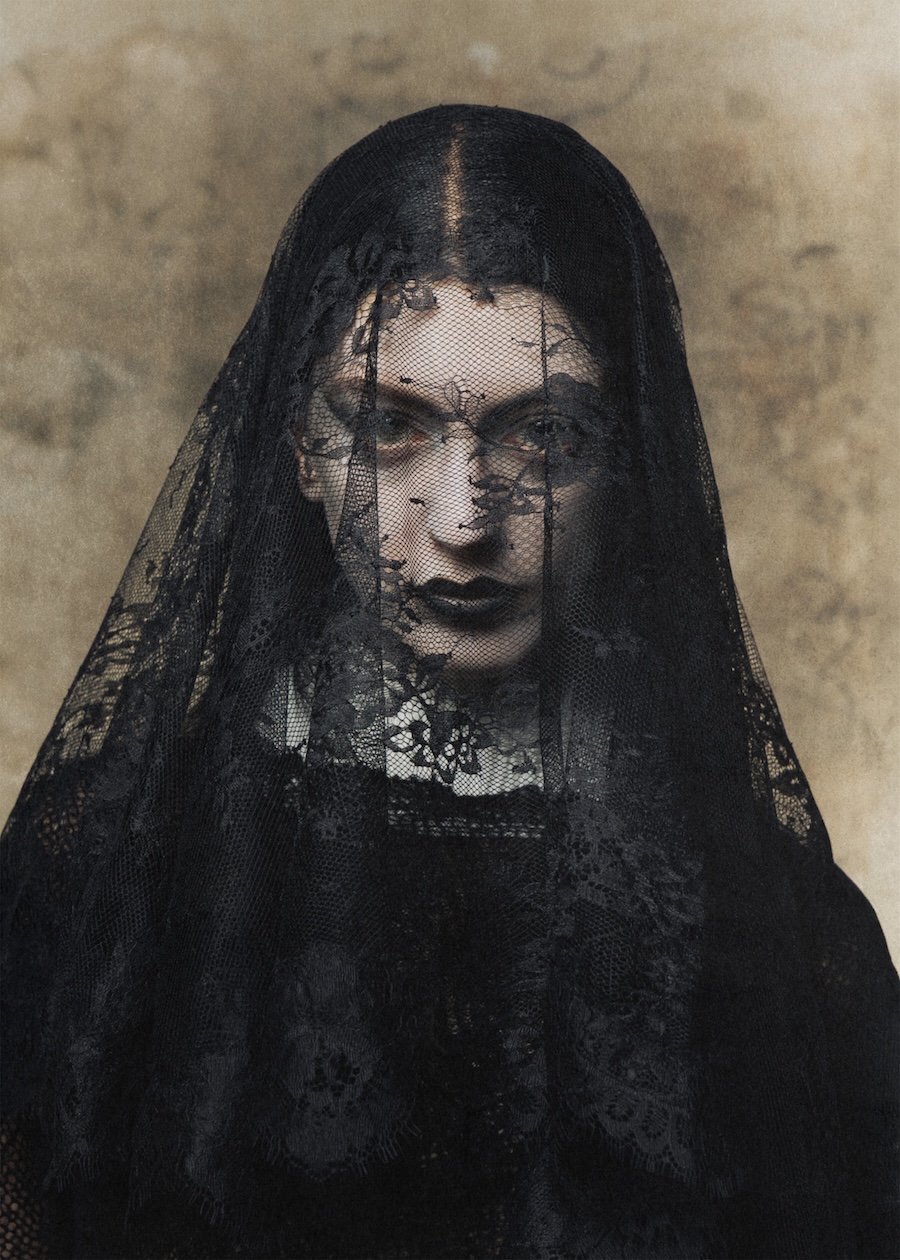
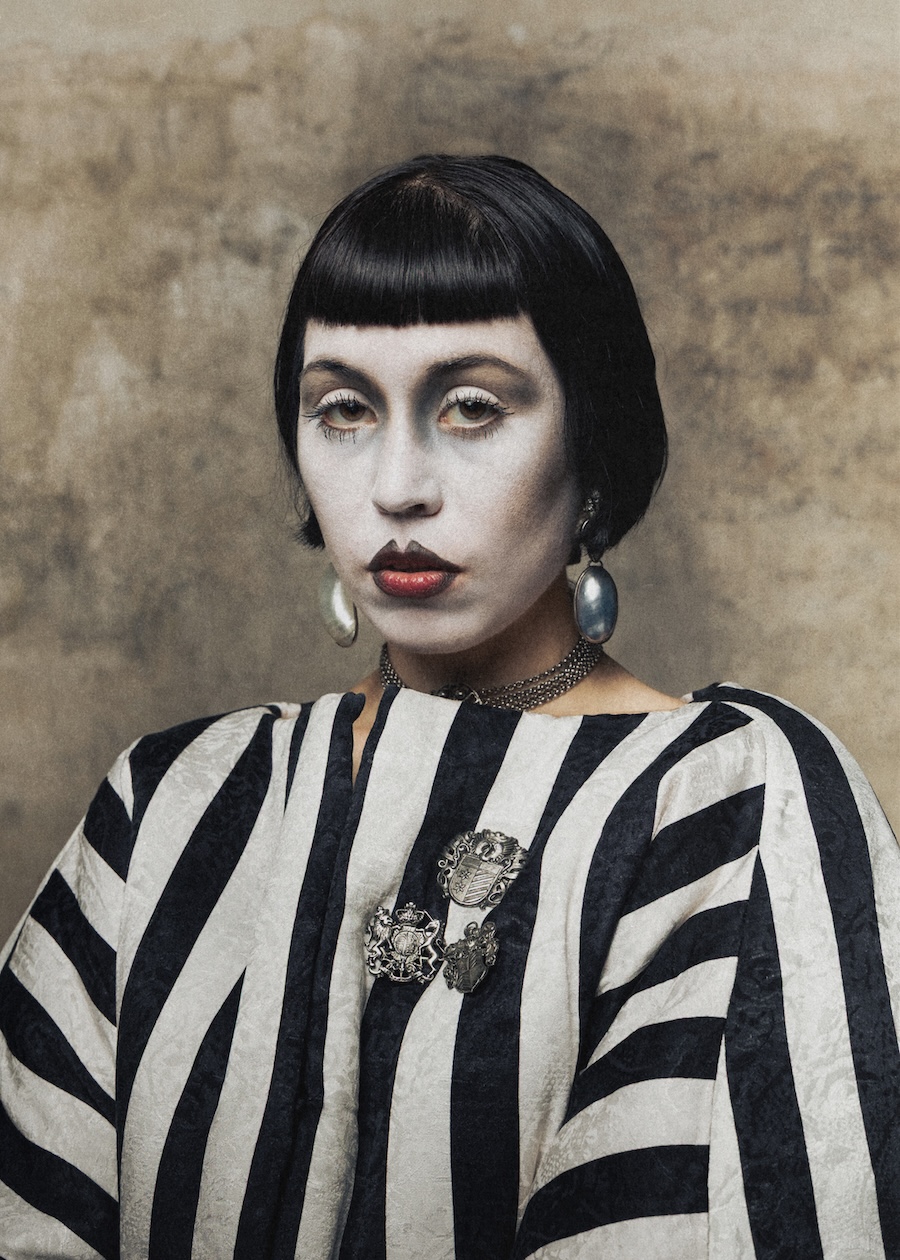
STORM: I’m particularly drawn to visual worlds that combine beauty with something unsettling or absurd. Religious imagery, historical costume, theatrical performance, and camp aesthetics have all influenced the way I approach design. I find it fascinating how something can be incredibly beautiful and ridiculous at the same time. I’m also interested in the way subcultures use clothing to challenge authority and reclaim identity—especially queer culture, where exaggeration, performance, and humor have often been used as forms of resistance. For HELLION, religious art and symbolism became particularly important. I was interested in how the church has historically used clothing, architecture, and imagery to communicate power, purity, and hierarchy. Taking those visual codes and distorting them felt like a way of questioning the authority behind them. I think my aesthetic comes less from one specific artist or movement and more from combining these different visual languages into something unexpected.
KALTBLUT: Let’s dive straight into your collection, HELLION. When you first started conceptualizing this body of work, what was the core emotional tension or central question you wanted to confront?
STORM: The starting point was the question of who gets to decide what is good or bad. Growing up with Christian influences, I became very aware of how morality can be used to define people’s identities—particularly when it comes to queerness, desire, and self-expression. I was interested in the idea that good and evil aren’t necessarily opposites, but concepts that depend on perspective, intention, and interpretation. Something considered sinful by one person might be completely natural to someone else. HELLION explores that contradiction through the character of someone who has been labeled a sinner and eventually decides to reclaim that identity. There’s a sentence that became quite important to me throughout the project: they called me a sinner so I became their hellion. But underneath that rebellion, the project is really about self-acceptance—about realizing that the judgment you’ve experienced can become something you carry within yourself, and learning to free yourself from it.
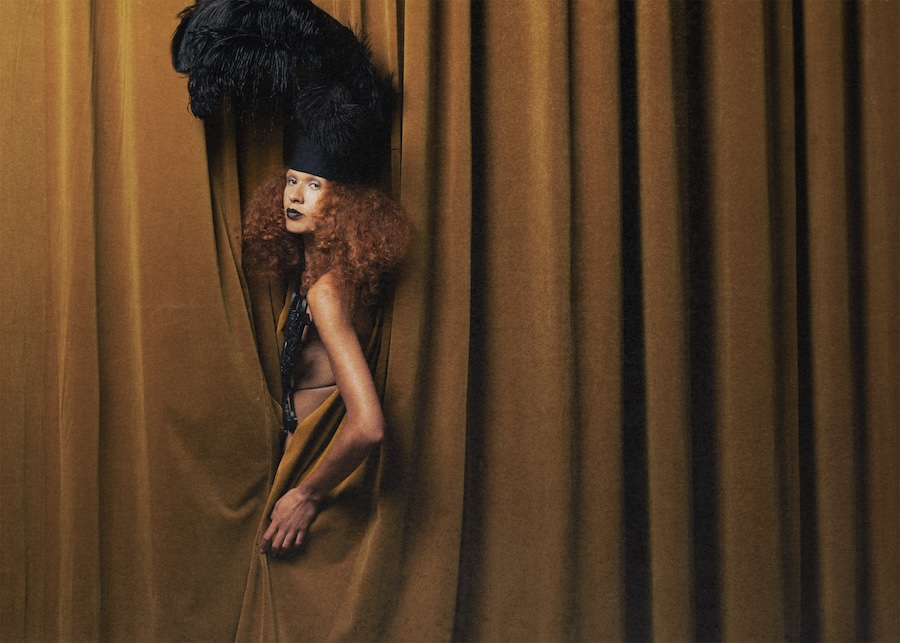
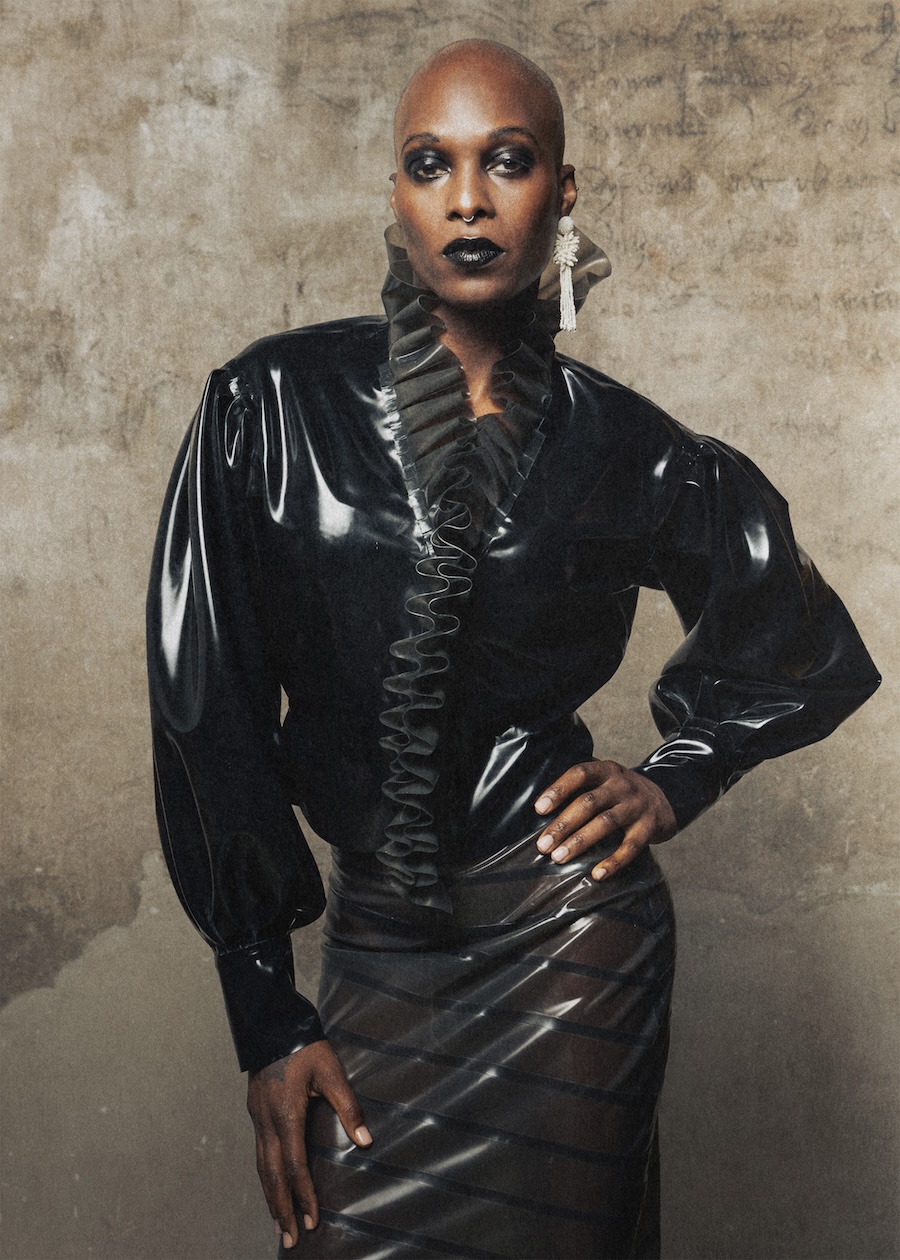
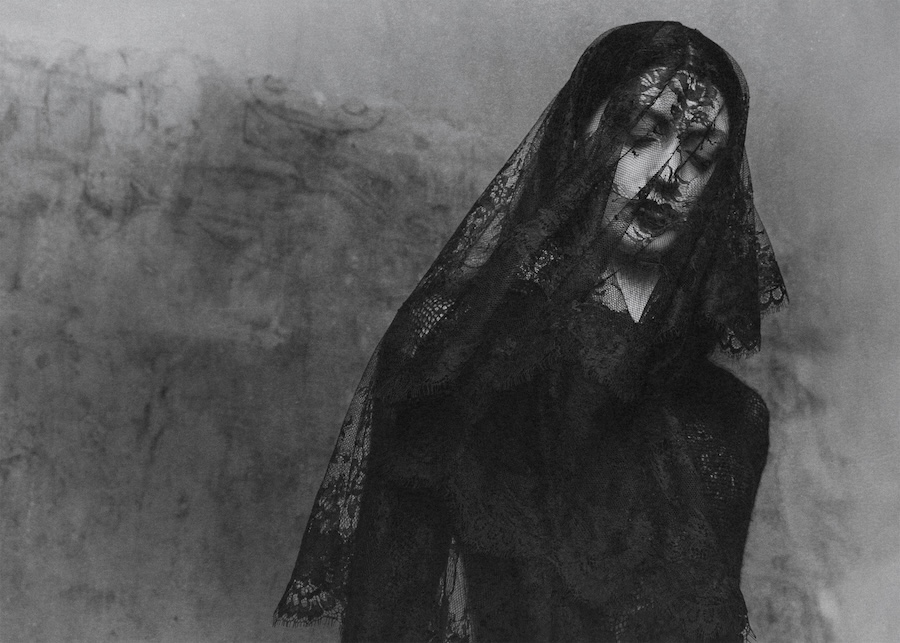
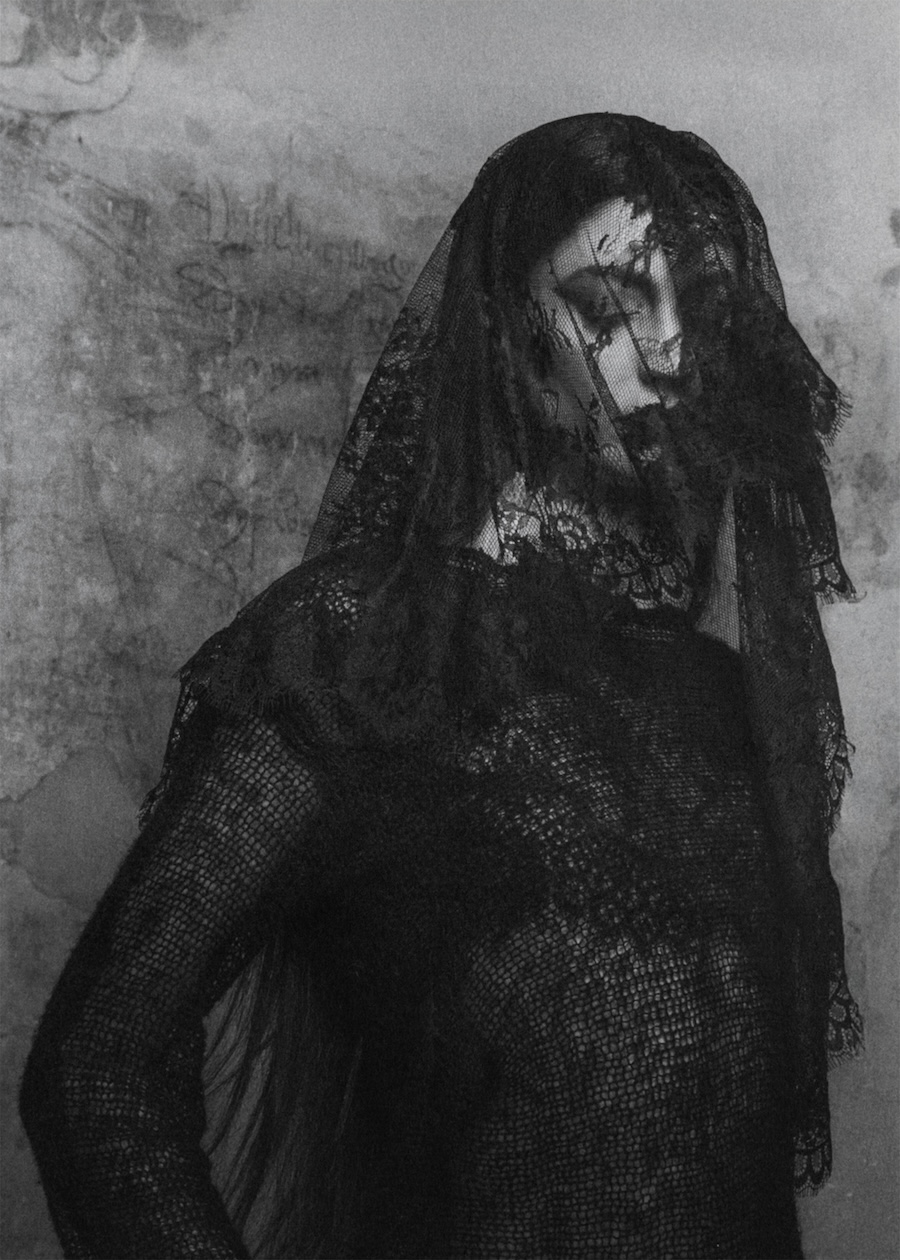
KALTBLUT: Visually, HELLION strikes a powerful balance between raw vulnerability, discipline, and sharp rebellion. How did you translate those psychological states into concrete silhouettes, tailoring, and garment construction?
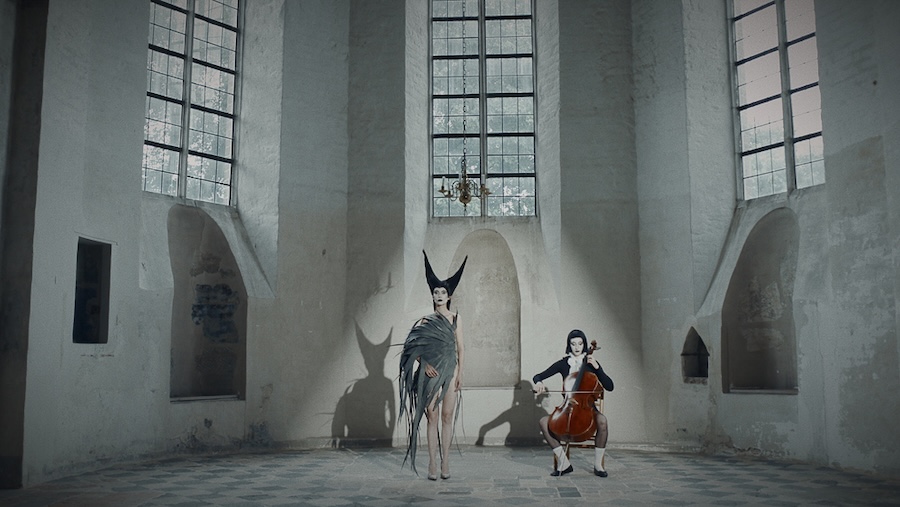
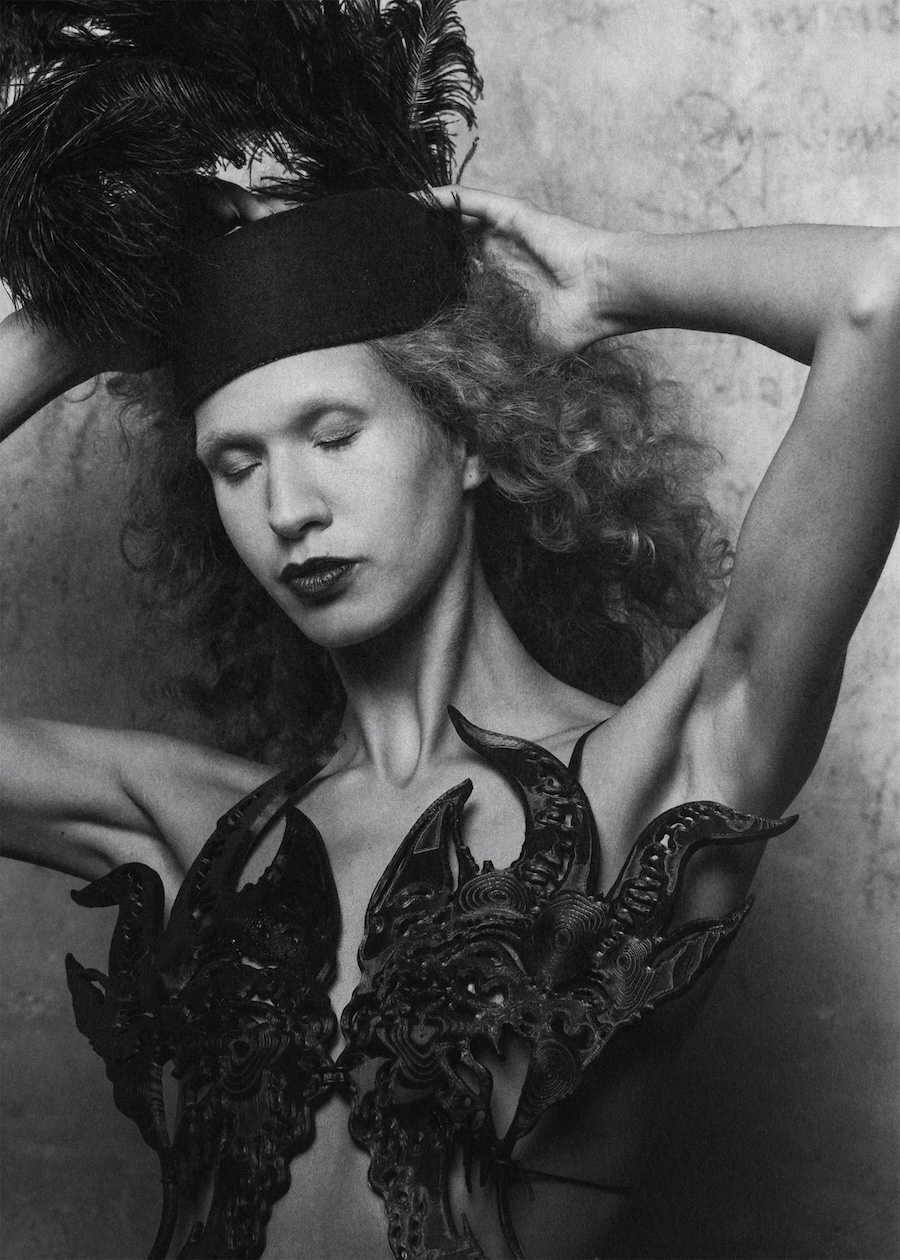
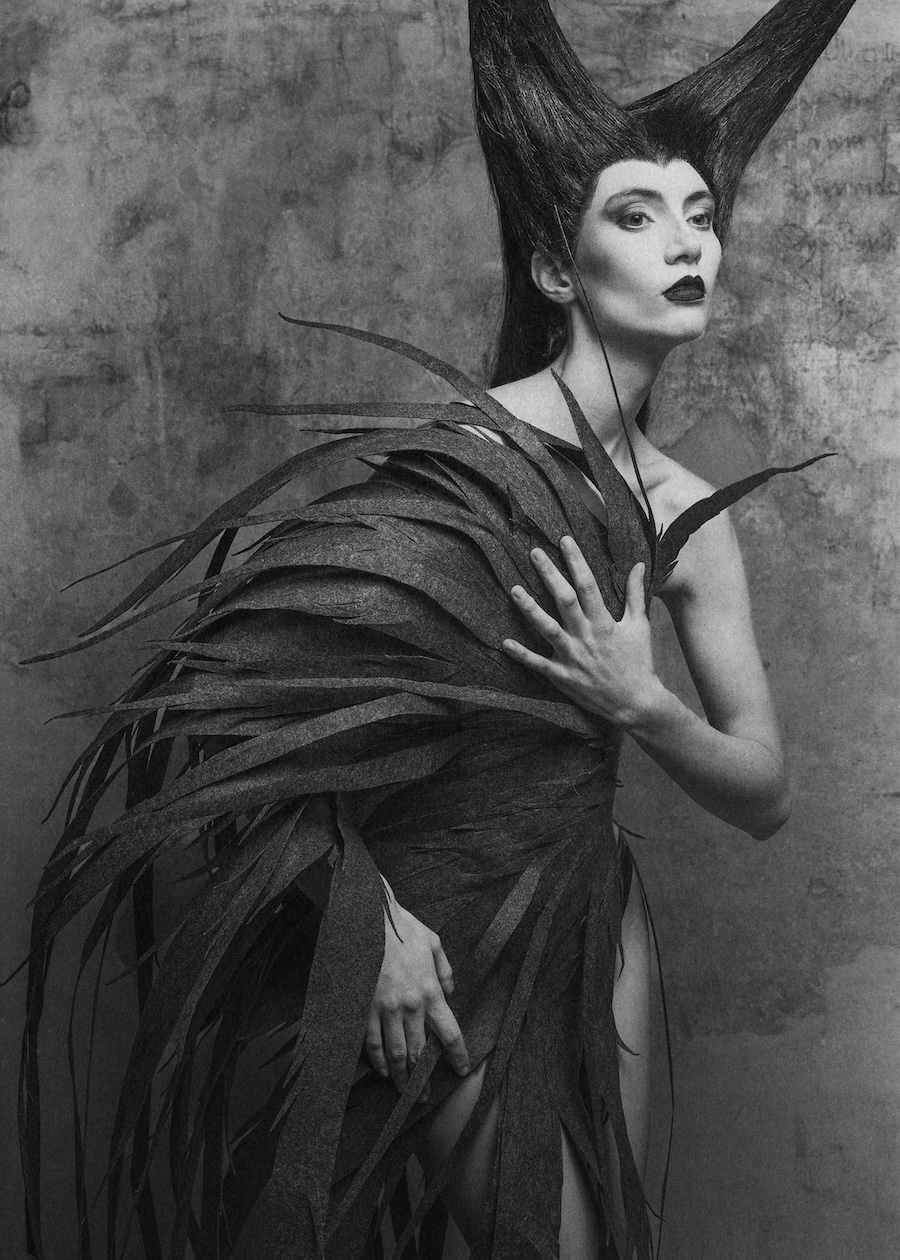
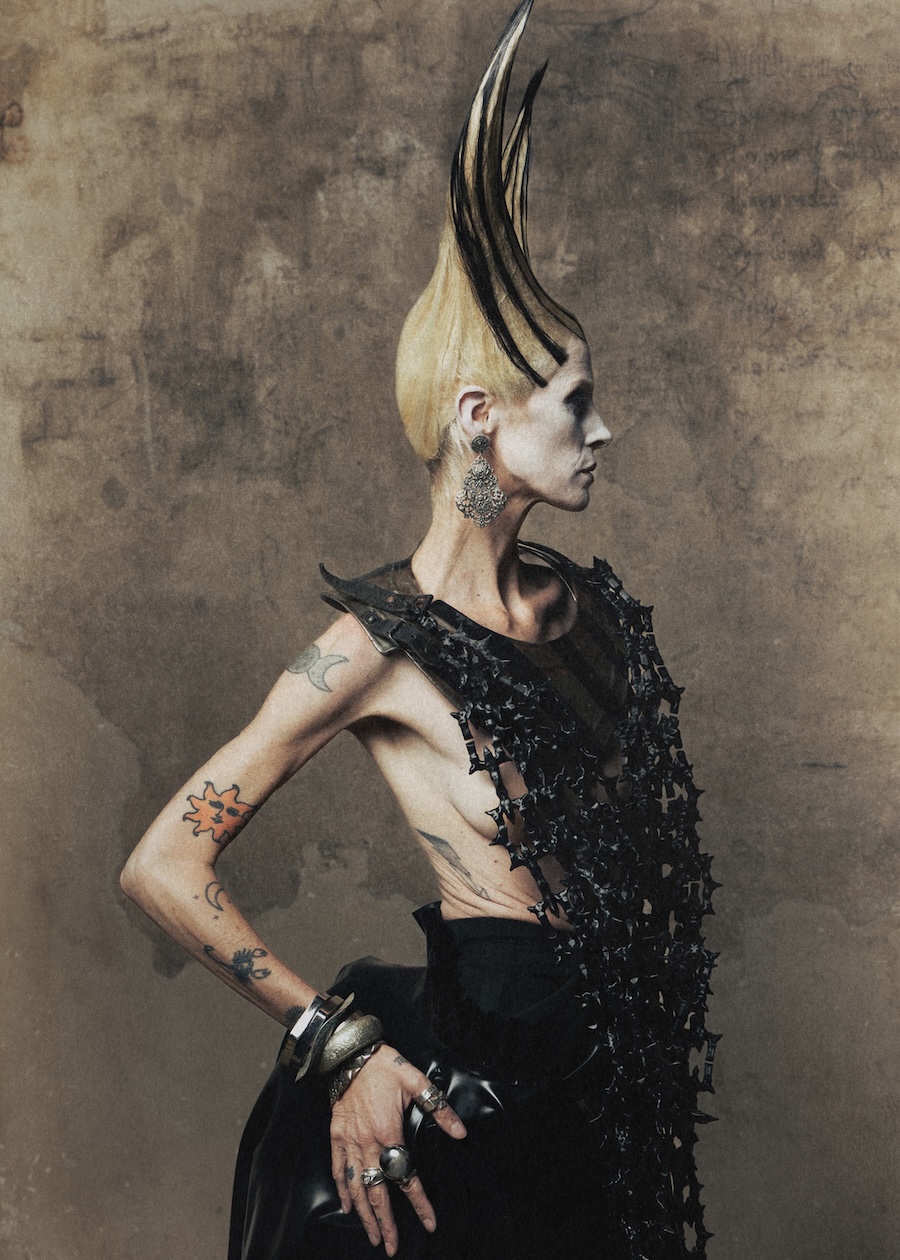
STORM: I started by looking at historical and religious clothing, particularly garments associated with authority, discipline, and purity. These garments often have very recognizable silhouettes and structures, and I wanted to take those familiar elements and exaggerate or distort them until they became something different. I used contrast as a central design tool: structured silhouettes are placed against softer, more revealing elements. Some garments feel restrictive and controlled, while others are almost chaotic. I like that tension between something looking powerful and slightly ridiculous at the same time.
KALTBLUT: Materiality and texture play a huge role in how your pieces command space. Can you walk us through your fabric choices, surface treatments, and the physical craftsmanship behind the collection?
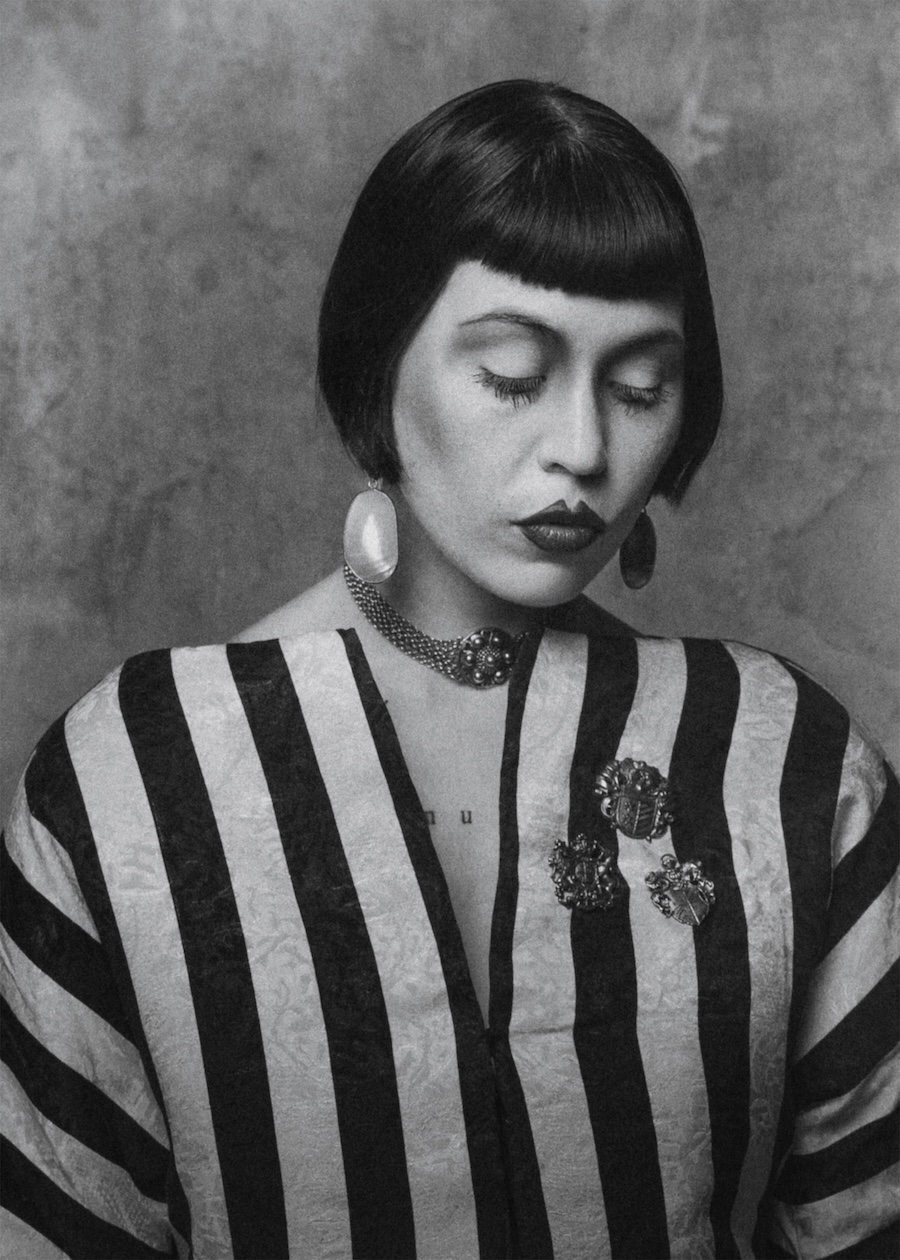
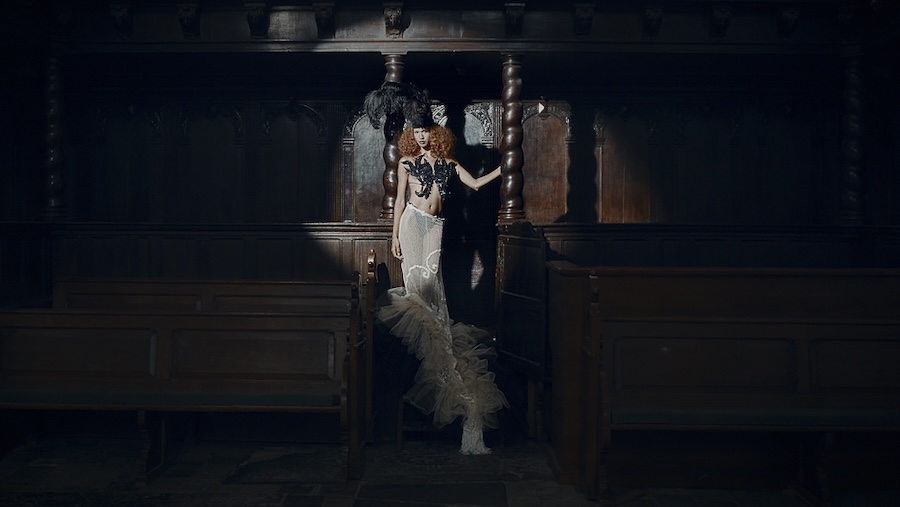
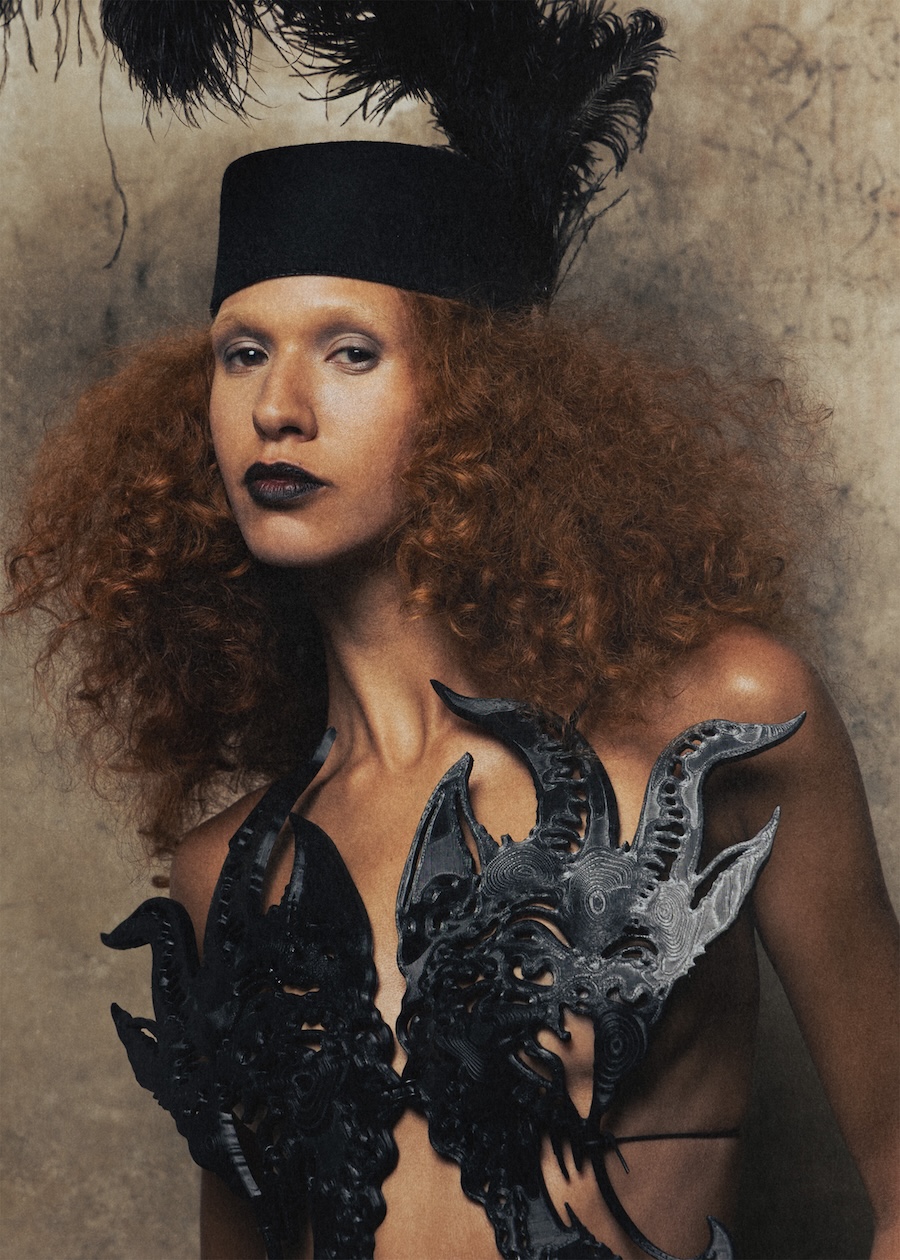
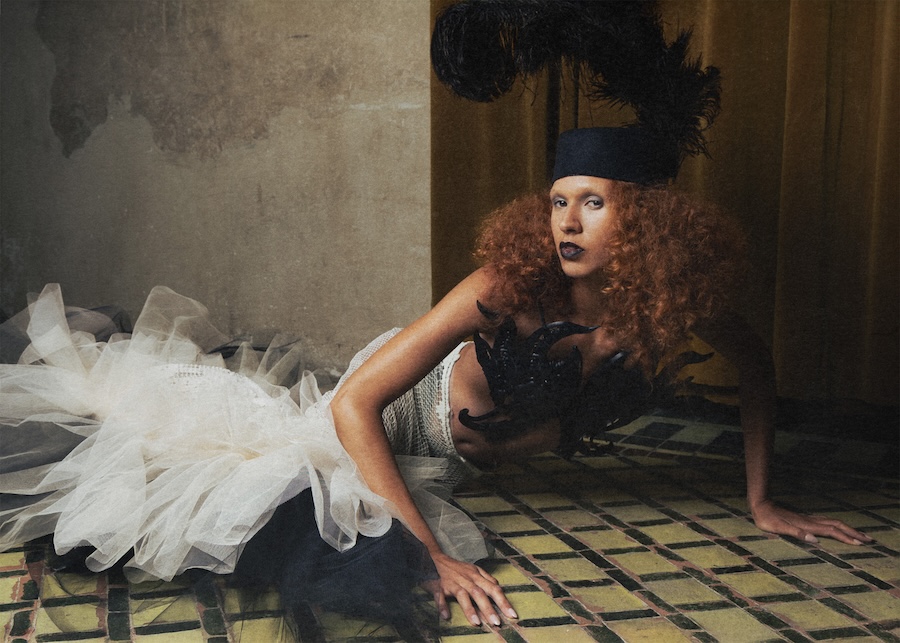
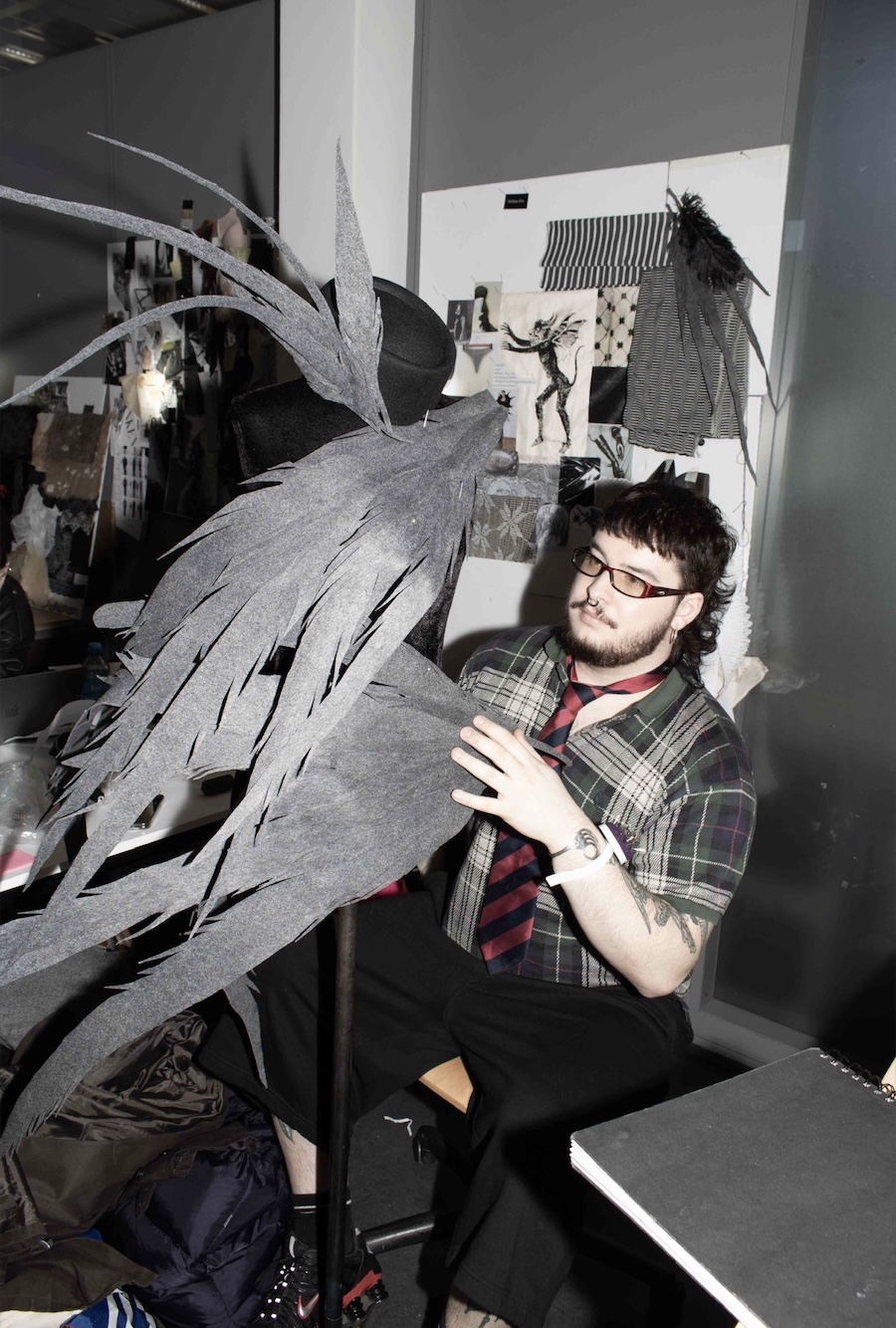
STORM: Material experimentation is probably the most important part of my design process. I rarely start with a completely finished idea of what a garment should look like—instead, I explore materials, manipulate them, and allow their properties to influence the final design. For HELLION, I worked with contrasting materials such as latex, tulle, and 3D printing. I was particularly interested in the contrast between transparency and opacity, softness and rigidity, and materials that reveal the body versus those that conceal it. Latex, for example, has this very controlled, almost artificial quality, while crochet and knitwear feel much more tactile and intimate. I also experimented with exaggerated proportions, surface textures, stripes, and decorative elements to create visual tension. A lot of the garments developed through draping, pattern cutting, and trial and error. I enjoy finding unconventional solutions during construction, even when that means spending hours figuring out how to make something work. For me, craftsmanship isn’t just about perfect execution—it’s also about discovery.
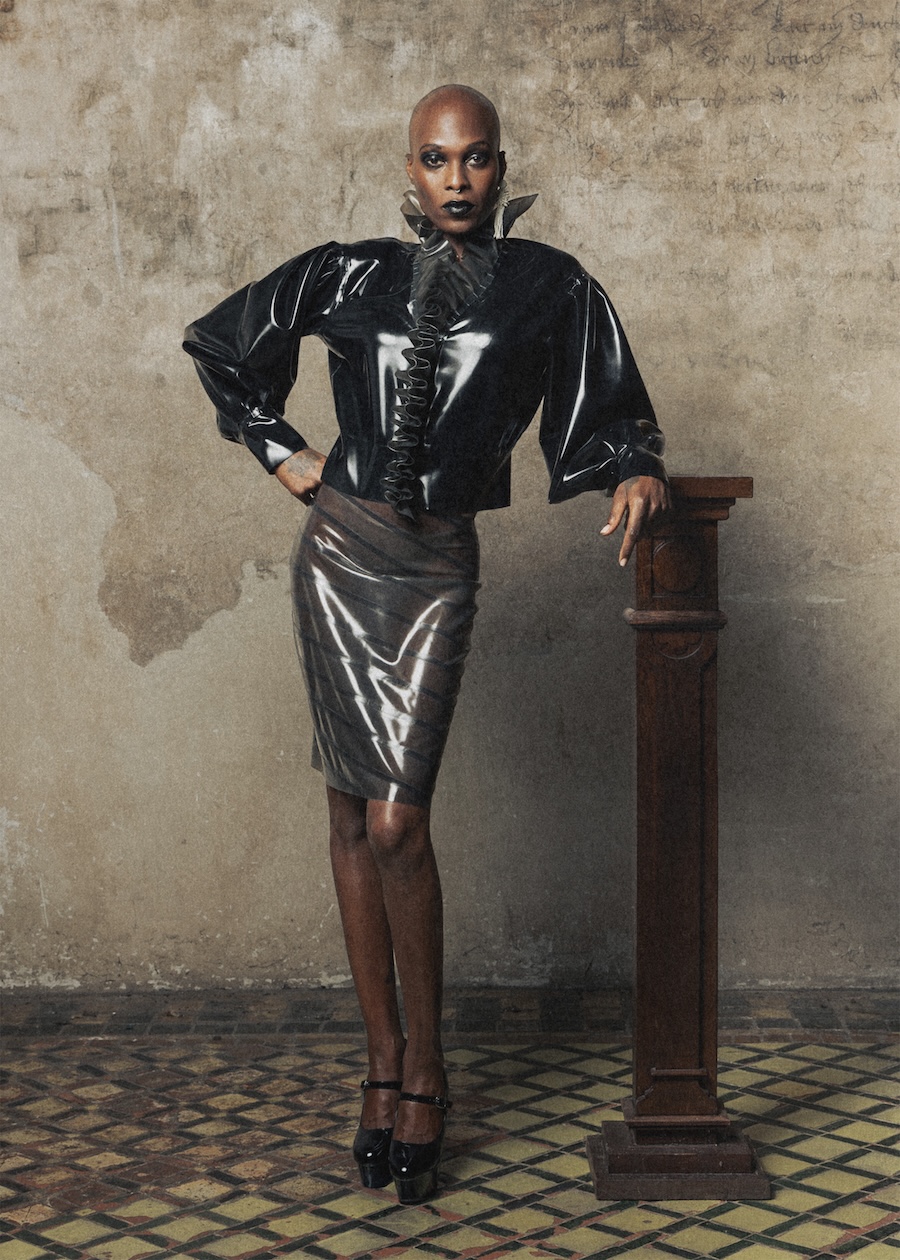
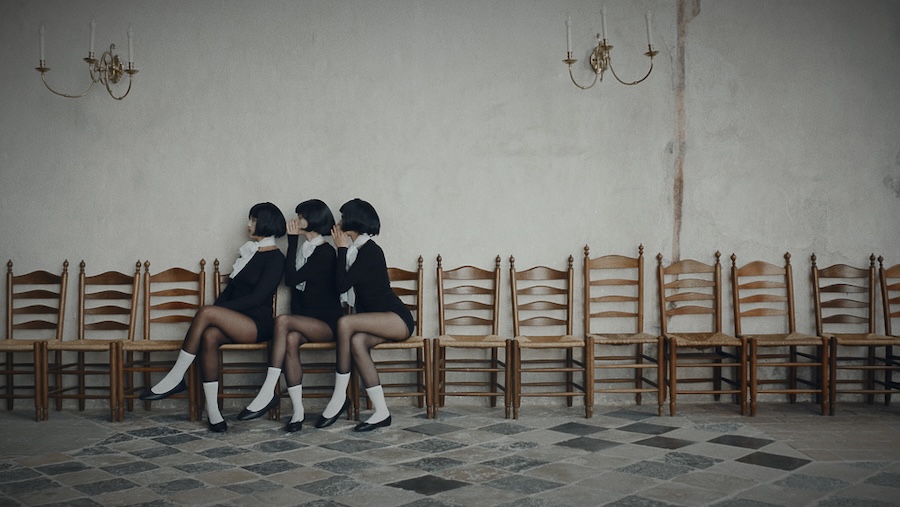
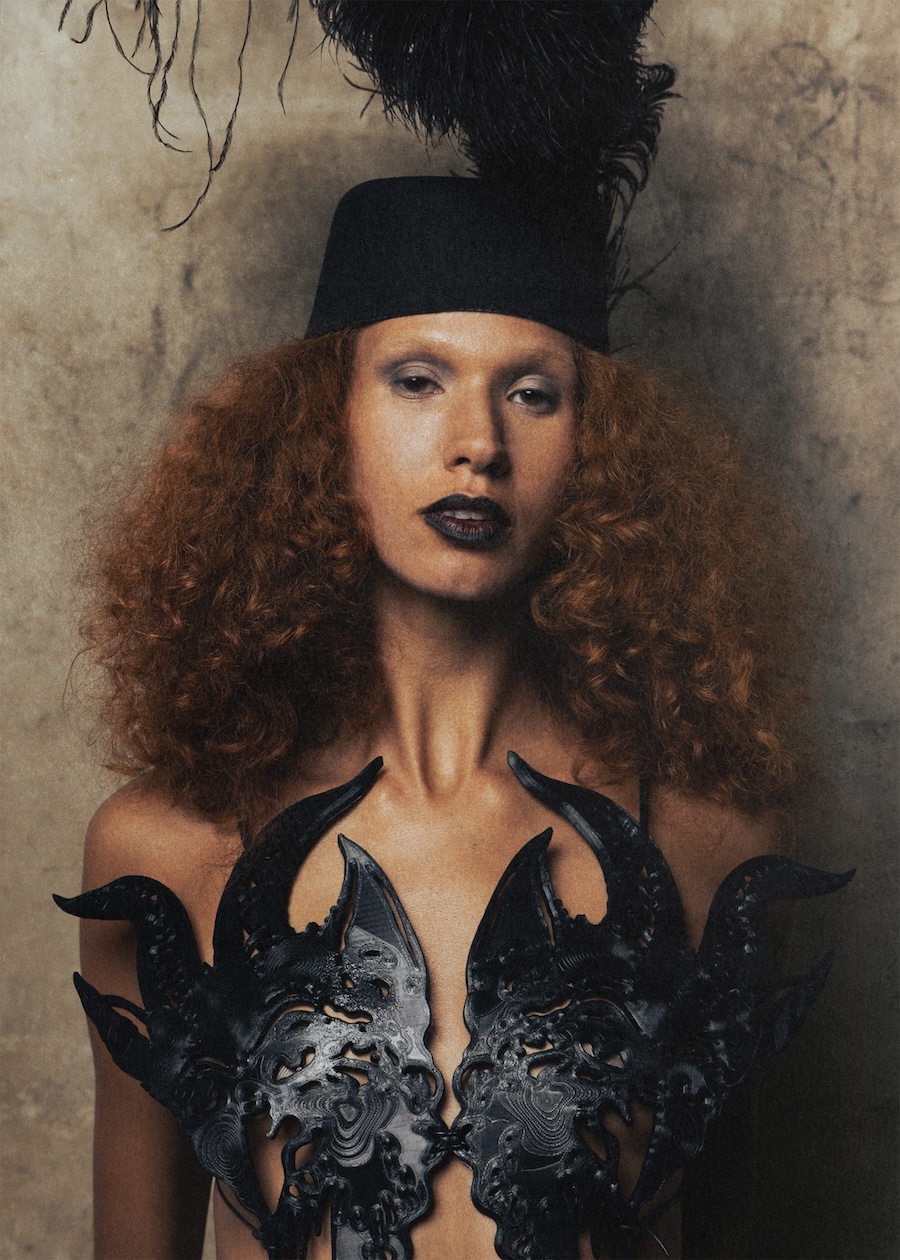
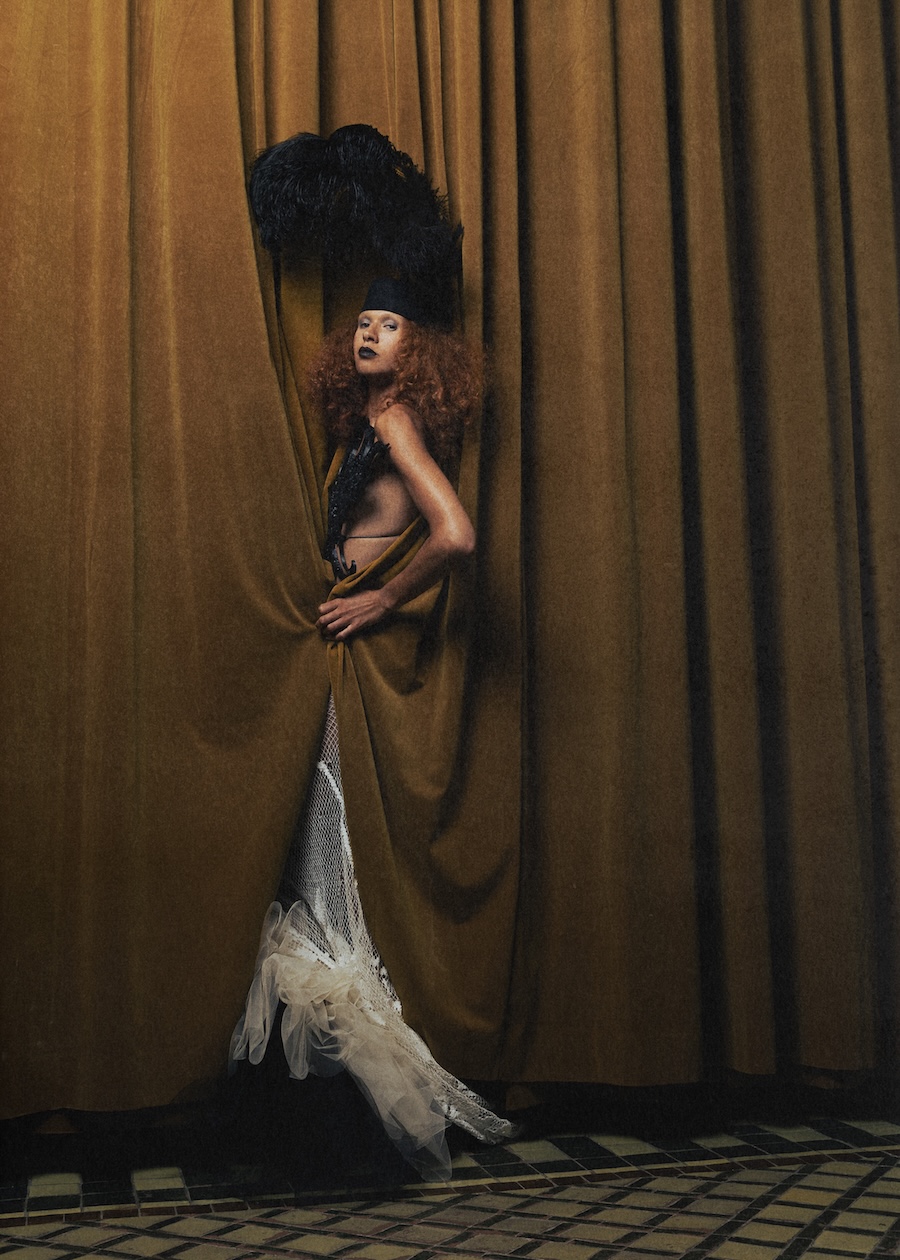
KALTBLUT: In many of your looks, clothing seems to both armor the body and expose it at the exact same time. How do you approach the relationship between restriction, protection, and liberation when dressing a body?
STORM: I think clothing has always had this dual function of protecting us while also communicating who we are. In HELLION, I wanted to explore that contradiction quite literally. Some silhouettes create distance between the body and the outside world through volume and structure—they almost become a form of armor—while other garments expose the body and create a sense of vulnerability. I find it interesting that exposure doesn’t necessarily mean weakness, just as covering the body doesn’t necessarily mean protection. Sometimes revealing yourself is the most powerful thing you can do. That idea connects directly to the concept of HELLION. The character initially hides behind the identity that has been imposed on him, but eventually finds freedom through confronting himself. I wanted the garments to reflect that tension between hiding and revealing.
KALTBLUT: Were there specific pieces in the HELLION collection that pushed you to your technical or emotional limits during the making process—a look that refused to come easy until it finally clicked?
STORM: The most challenging pieces were definitely the ones where I was trying to push materials beyond their conventional applications. Working with exaggerated shapes and unconventional construction methods means that things don’t always behave the way you expect them to. Especially when combining materials with completely different properties, such as latex and softer textiles, finding the right balance between structure, movement, and appearance can become quite complicated. I’m also someone who tends to keep experimenting until something feels right, which can be both a strength and a weakness. There were definitely moments when I questioned whether certain ideas would work at all, but I think those moments are essential to my process. I enjoy the challenge of translating something that seems impossible into a physical garment—and sometimes the solution ends up being much more interesting than the original idea.
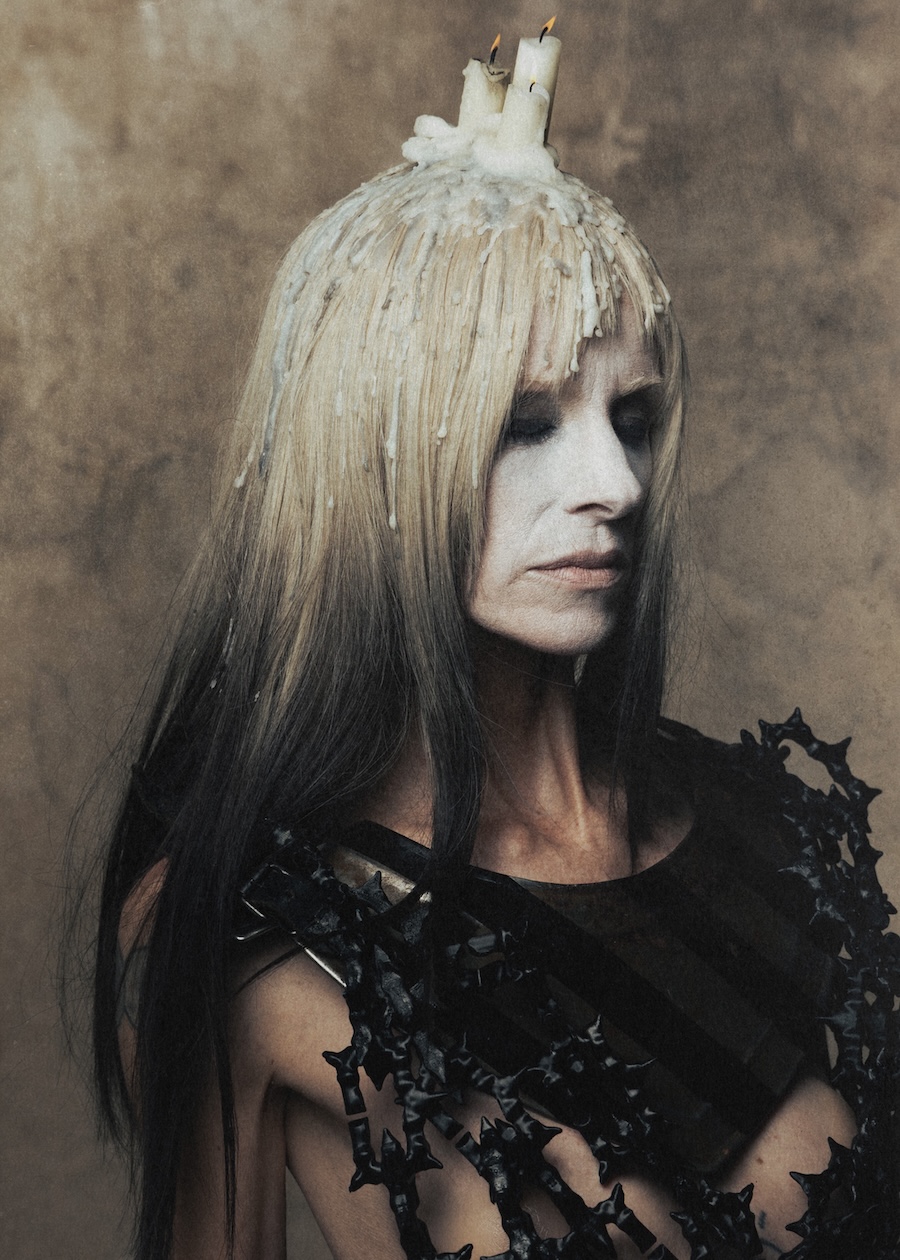
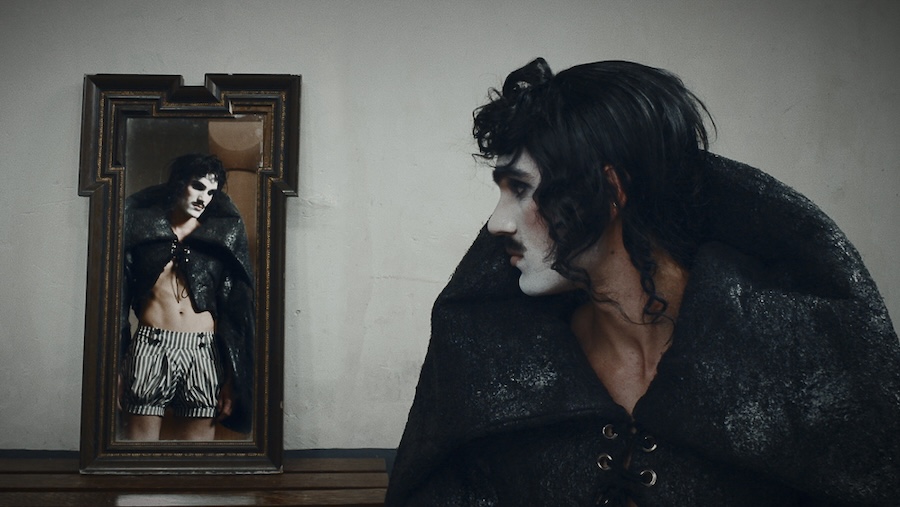
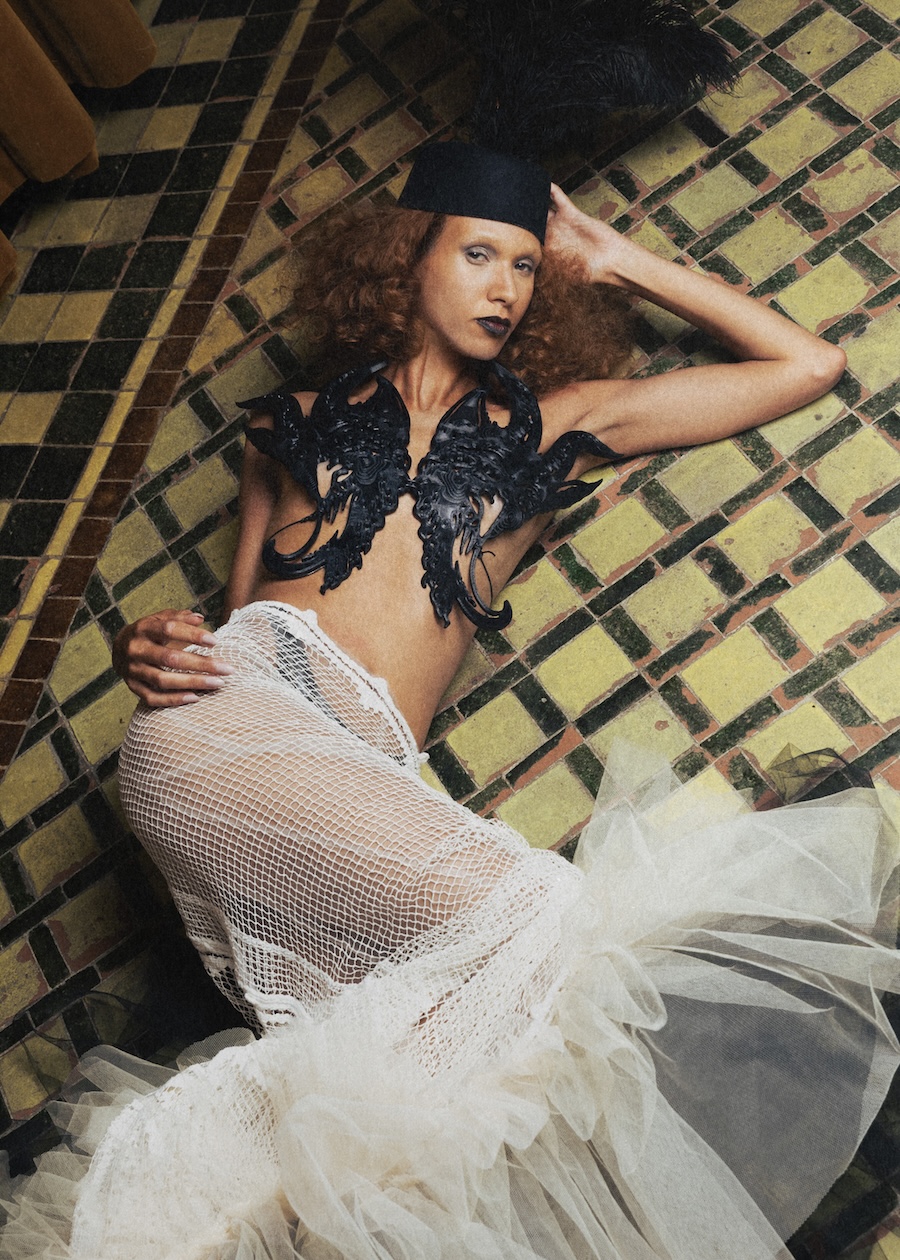
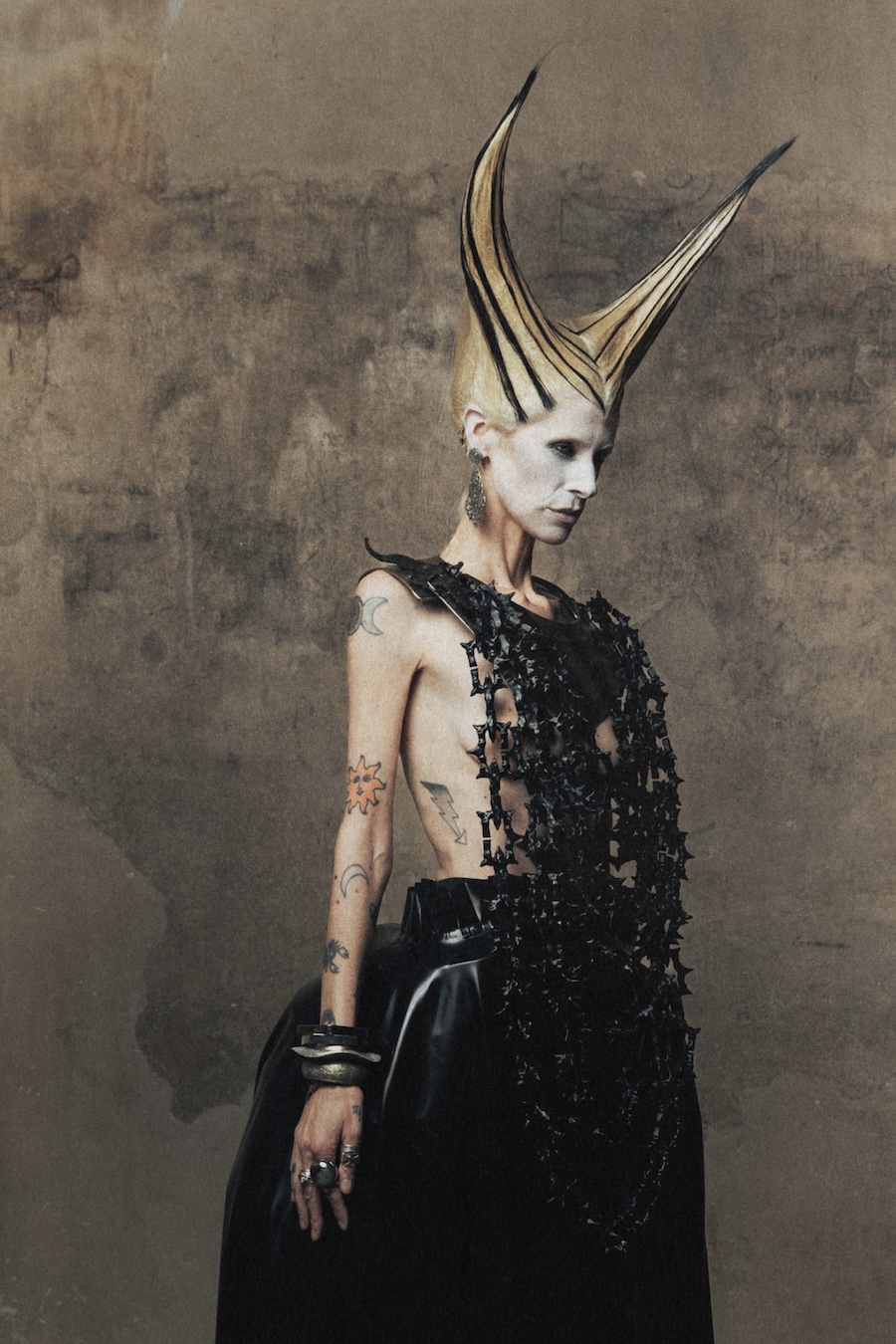
KALTBLUT: How did presenting HELLION within the context of FASHIONCLASH—both in the Class of 2026 exhibition at The Social Hub and across the festival’s multidisciplinary audience—change the way you saw people react to your work up close?
STORM: What I find particularly interesting about presenting work publicly is that people bring their own experiences and interpretations into it. HELLION comes from a very personal place, but not everyone will recognize the same references or understand the story in exactly the same way—and I actually like that. I don’t think art needs to communicate one fixed message. Sometimes someone notices a material, a silhouette, or a contradiction that I hadn’t even considered myself. FASHIONCLASH also brings together people from different creative disciplines, which is especially exciting because I don’t see my work as existing exclusively within fashion. Being able to present HELLION in that environment feels like a natural extension of what I want the project to be: something that invites conversation beyond the garments themselves.
KALTBLUT: If someone encounters a garment from HELLION without knowing anything about your background or concept, what gut reaction or physical sensation do you hope the clothes trigger immediately?
STORM: Curiosity, first of all. I want people to look twice and perhaps feel slightly confused about what they’re seeing. There’s something I really enjoy about creating an object that feels familiar but also completely strange. It might be beautiful, uncomfortable, humorous, or even a little disturbing. I don’t necessarily want everyone to like what I make—I would much rather someone have a strong reaction than feel completely indifferent. If a garment makes someone question why they find something beautiful, ugly, inappropriate, or desirable, then I think it’s already doing something interesting.
KALTBLUT: Your fashion film HELLION immediately caught our jury’s eye for its uncompromising cinematic vision and raw intensity. At what point in creating the collection did you know that static photography or a traditional runway wouldn’t be enough—that HELLION needed moving image to fully breathe?
STORM: Because HELLION was always about more than just the garments, I felt that the project needed a medium that could communicate its emotional and psychological layers. The collection tells a story through clothing, but I wanted to explore what happens when those garments become part of an actual narrative. Film allowed me to introduce movement, sound, atmosphere, and character development in a way that static imagery couldn’t, and it gave me the opportunity to explore the more surreal and theatrical aspects of the concept. I wanted the audience to experience the world of HELLION rather than simply observe the collection. For me, the film isn’t separate from the fashion—it’s another way of expressing the same ideas.
KALTBLUT: Fashion film can easily slip into mere promotional lookbook territory, yet HELLION operates like a visceral, self-contained piece of cinema. What was the core narrative or atmospheric arc you wanted to build on screen?
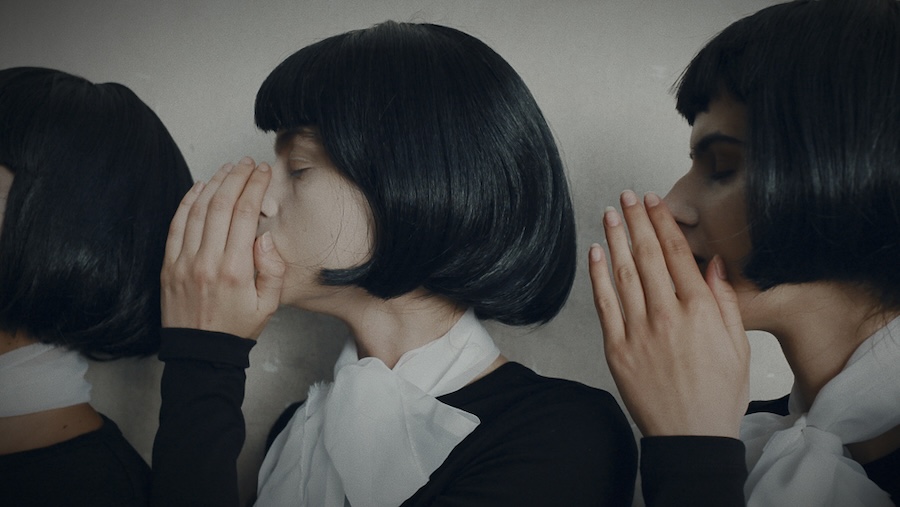
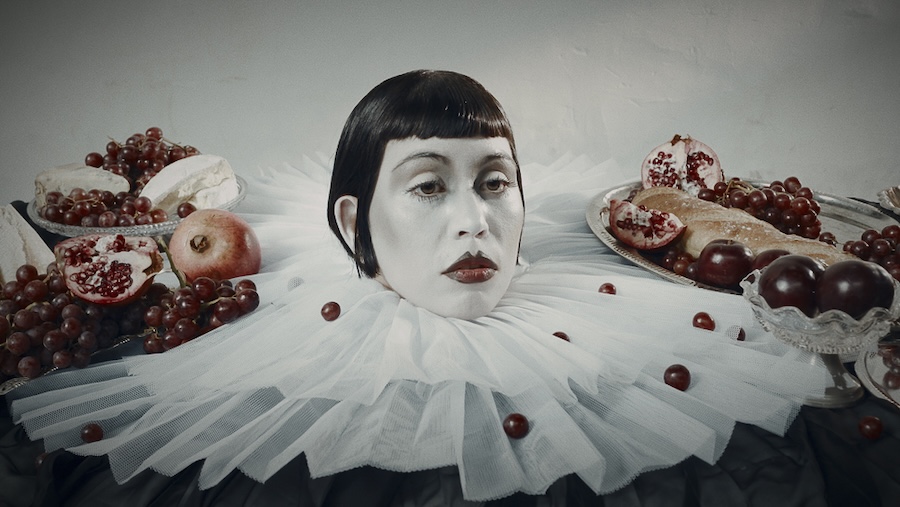
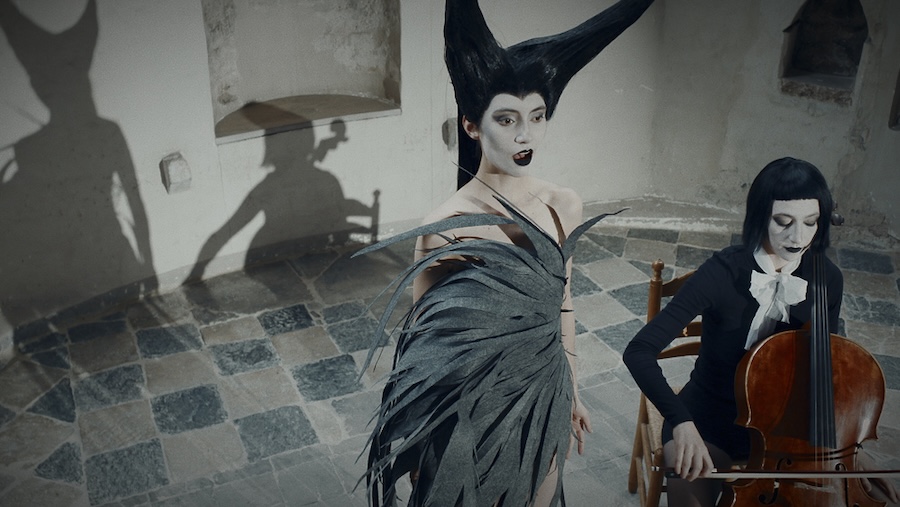
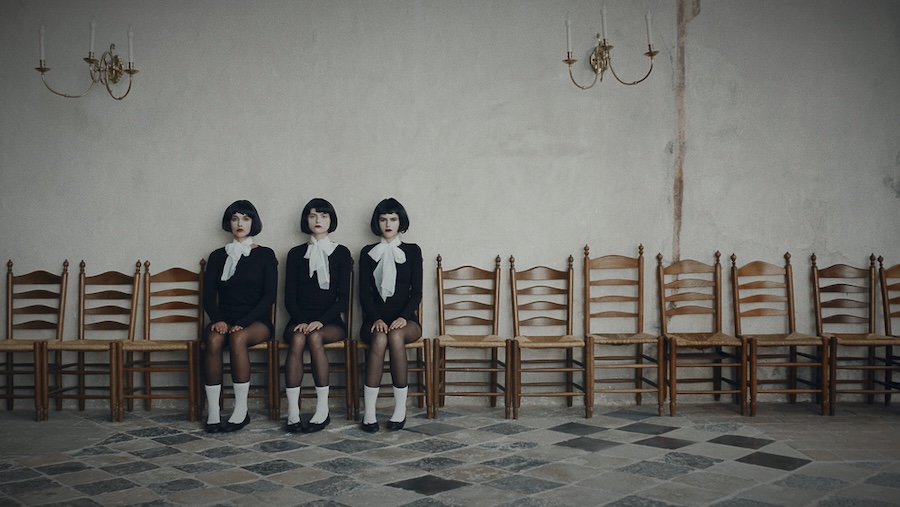
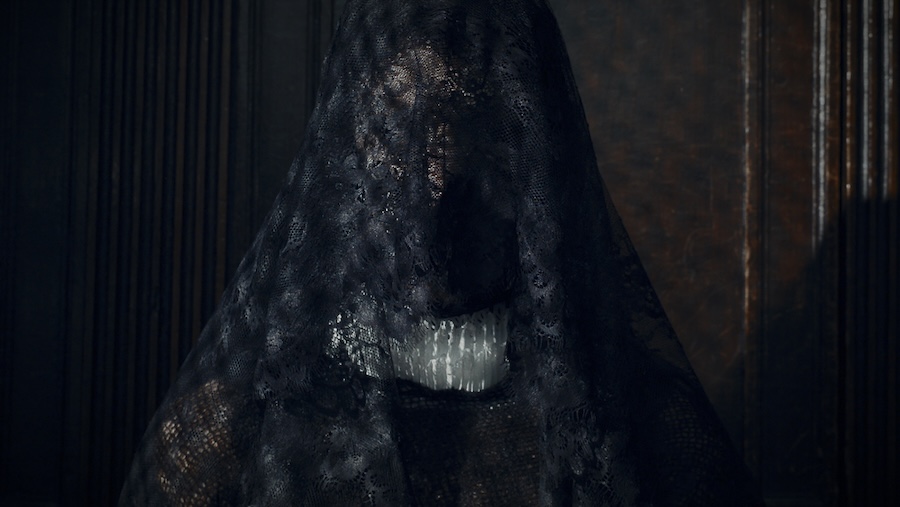
STORM: The film follows Hellion, a mischievous and rebellious figure, as he enters an otherworldly church where religious authority and reality itself feel distorted. Throughout the story, he confronts the judgment that has defined him as a sinner. Rather than submitting to those expectations, he begins disrupting the church and challenging its ideas of purity, sin, and morality. But the story gradually becomes more psychological: what initially appears to be a confrontation with an external authority eventually turns into a confrontation with himself. The central realization is that the voices judging him were never entirely outside of him—over time, he had internalized those beliefs and become his own judge. I wanted the film to move between absurdity, rebellion, discomfort, and vulnerability. Ultimately, it’s not really about defeating religion or authority; it’s about recognizing the power those ideas can have over your identity and learning to let go of that judgment.
KALTBLUT: You brought together a tight-knit, powerhouse creative team for the film—with Denise Bakker directing and writing, Linda Schreiter producing, and Mikela Koressi behind the camera as cinematographer. How did this collaboration come together, and what made this specific constellation of minds right for HELLION?
STORM: HELLION started from a very personal concept, but translating that into a film required people with different skills and perspectives. I think one of the most valuable aspects of collaboration is allowing other creatives to contribute their own expertise while working toward a shared vision. Denise contributed to developing the narrative and directing the film, Linda worked on the production side, and Mikela brought the visual storytelling to life through cinematography. Each discipline approaches the same concept differently, and I think that’s what makes multidisciplinary collaboration interesting. As a fashion designer, I naturally approach things through garments, materials, and visual symbolism. Working with people from film allowed those ideas to develop in ways I couldn’t have achieved through fashion alone. The challenge is finding a balance between giving people creative freedom and maintaining the identity of the original concept.
KALTBLUT: Working closely with director and writer Denise Bakker: how did you translate your tactile textile concepts into a script, pacing, and direction that elevated the garments rather than simply illustrating them?
STORM: The most important thing for me was that the garments weren’t treated as separate objects that simply needed to be showcased—they needed to belong to the world and the characters within it. The concept, symbolism, and visual identity of HELLION were already established through my graduation research and collection, so the challenge was translating those ideas into a narrative that could exist on screen. Working with Denise on the film meant exploring how the character’s internal conflict could be communicated through actions, atmosphere, and interactions rather than relying entirely on visual symbolism. I wanted the garments to become part of the storytelling without the film turning into a conventional fashion presentation. That relationship between fashion and narrative was central to the project.
KALTBLUT: Cinematographer Mikela Koressi captured a striking interplay of shadow, movement, and intimacy on screen. How did you and Mikela approach lighting, framing, and camera movement so the audience could almost feel the weight and texture of the fabrics?
STORM: From the beginning, I wanted the film to feel atmospheric and slightly surreal. The garments contain a lot of contrasting textures, exaggerated volumes, and reflective or transparent surfaces, so it was important that those qualities remained visible on screen. Lighting plays a huge role in how materials are perceived—something like latex reacts very differently to light than organza or knitwear, and I was interested in using those contrasts to reinforce the atmosphere of the film. The same applies to movement: a garment can completely transform once it’s worn and activated by the body. Mikela’s cinematography helped translate those physical qualities into images that felt more intimate and expressive. I wanted the audience to experience the garments as part of the characters rather than as static fashion objects.
KALTBLUT: Every independent film project relies on someone holding the chaos together so the vision can survive—which is where producer Linda Schreiter stepped in. What were the biggest logistical or creative hurdles on set, and how did that collaborative trust carry you through production?
STORM: Having Linda involved in the production helped create that structure and made it possible to focus on the creative aspects of the project. I think collaboration also teaches you that you can’t control every single detail yourself—you have to trust other people with parts of your vision, which can be challenging when the project is so personal. But it’s also what allows the work to grow beyond what you could create alone.
KALTBLUT: Looking ahead after winning the KALTBLUT Magazine Award in Maastricht: how do you see the intersection of fashion design and filmmaking evolving in your future work—and what is next for Storm Nijhuis and Hellion Sin?
STORM: HELLION has definitely made me realize how much I enjoy working across different creative disciplines. I would love to continue exploring that intersection, whether through fashion films, performances, installations, or other experimental formats. At the same time, I want to keep developing my technical skills and exploring new materials and construction methods—that hands-on experimentation will always remain at the center of my practice. Having just graduated, I’m also interested in gaining more experience within the fashion industry and learning from other designers and creative environments. I don’t necessarily know exactly what form my work will take in the future, and I think that’s exciting. Ultimately, I want to keep making work that challenges expectations, encourages individuality, and makes people question things.
Concept & Story Storm Nijhuis @hellion.sin
Fashion Designer Storm Nijhuis @hellion.sin
Director Denise Bakker @denisebakkerr
Writer Denise bakker @denisebakkerr
Producer Linda Schreiter @indavaa
Cinematographer Mikela Koressi @mikelakoressi
Gaffer Paula Hankes @paulahankes
Assisted by Gijs Bakker @gijsbakkerr
Editing & Grading Margarita Kosreva @faavorita
Sound Designer Markas Michmel @no_vision_simili
Sound Mixing & Mastering Markas Michmel @no_vision_simili
Sound Engineering Daniel Slats @studioslats
Set Design Linda Schreiter @indavaa
Assisted by Elena Bernadine @ylna.b
Hair Stylist Taisiia Povalii @tois_hair
Make-up Artist Zoé Lukacie @d3vilwearspink
Make-up Artist Pascal de Groot @call_pas_for_makeup
Styling Storm Nijhuis @stormnijhuis
Nadia ten Hove @nadiezdamarlena
Photographer Manon Dijkman @manondijkman
Voice & Cello Miss Mazzy x LAURENCE @missmazzyxlaurence
Hellion Daan Sanders @daan___sanders
Witch Rylee Luna Martinez @ryleeluna_magdalena
The Nun Charlotte Tosca Boersma via Moxi Models @charlottetosca @MoxieModels.Amsterdam
Latex Lucy Manny via APL Models @________manny_________ @aplmodelmanagement
Lust Dirkje Lemmink @dirkjelemmink
The Knight Cindy via Let It Go Management @cinnies______ @letitgomgmt
Gossip Nun Amber van den Hengel via Moxi Models @_amber.jh @MoxieModels.Amsterdam
Gossip Nun Giorgiana Allen @jo_allen86
Gossip Nun Niekee @niekeethecat
Angel Mazarine Wensvoort @mazarinew
Cello Nun Laurence Gaudreau @gau.laurence
