

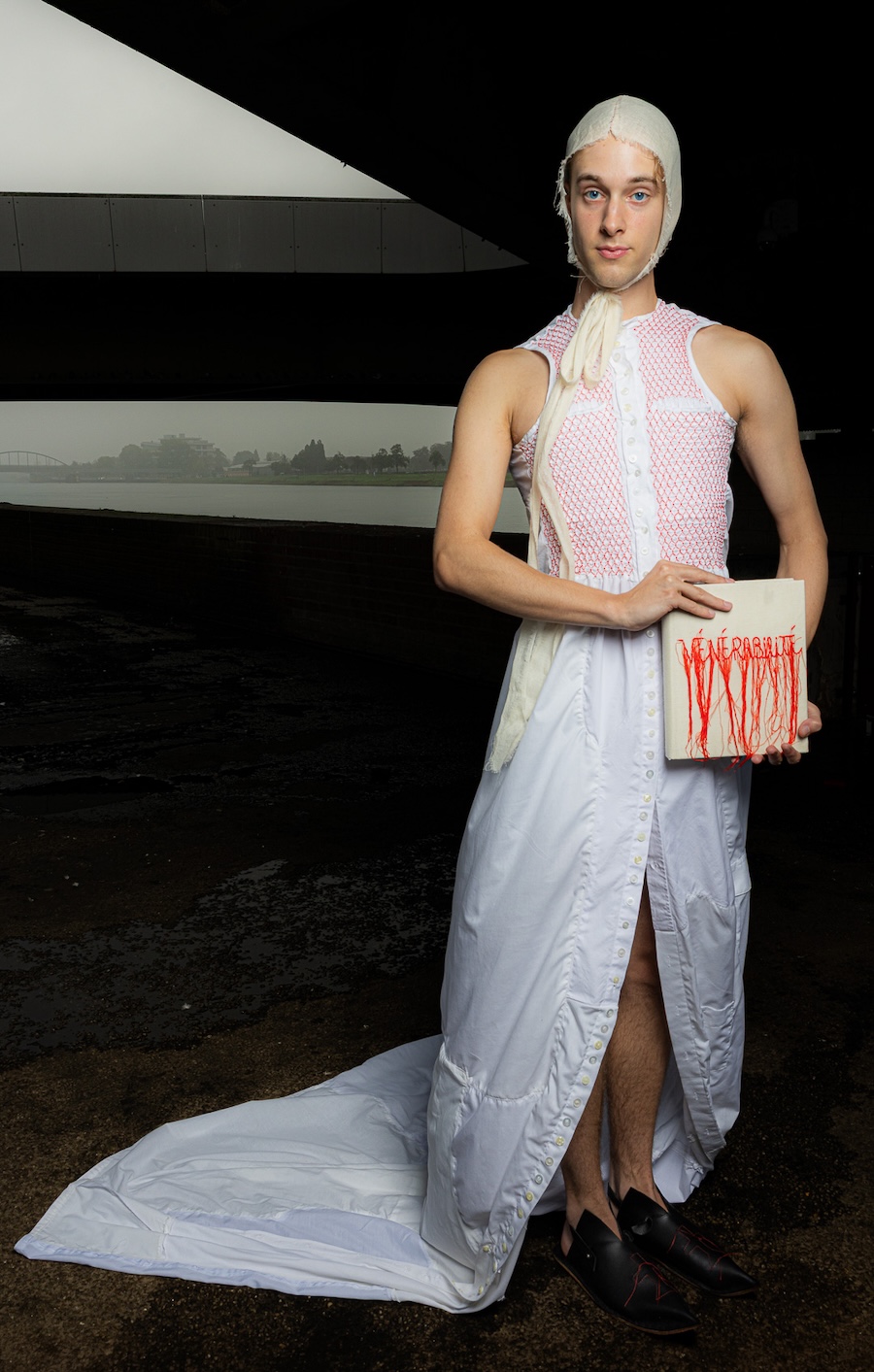
 Chiron Floris
What happens when a city’s past is decoded, deconstructed, and reimagined through the lens of modern avant-garde design? As part of Maastricht Jaar 2026, the year-long celebration tracing the Dutch city’s heritage, identity, and future, the groundbreaking fashion platform FASHIONCLASH staged the Maastricht Helden (Icons) Fashion Show, taking contemporary costume design directly into the public sphere during the Stadsparade.
Rather than relying on literal, period-accurate reconstructions, FASHIONCLASH tasked ten independent local fashion and costume designers alongside eight students from the Scenography & Costume Design programme at Toneelacademie Maastricht with a far more provocative question: What would these historical figures, mythologies, and cultural ideas look like if they walked our streets today?
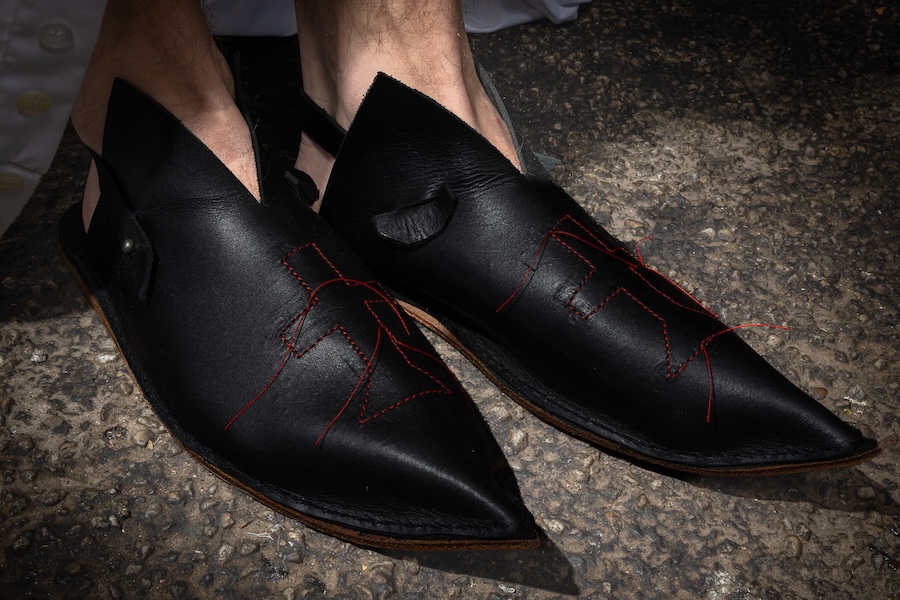 Chiron Floris
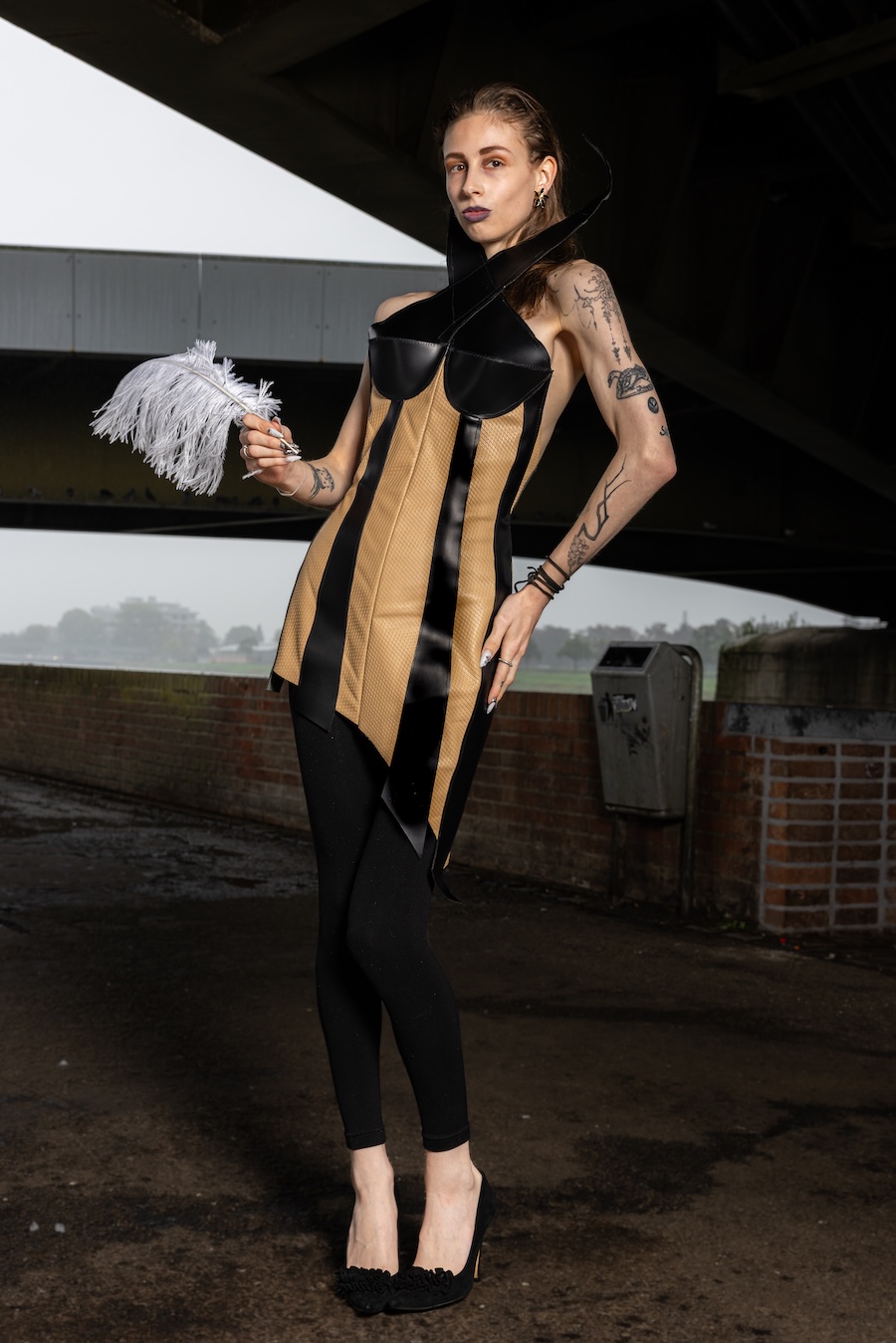 Demi Overmars
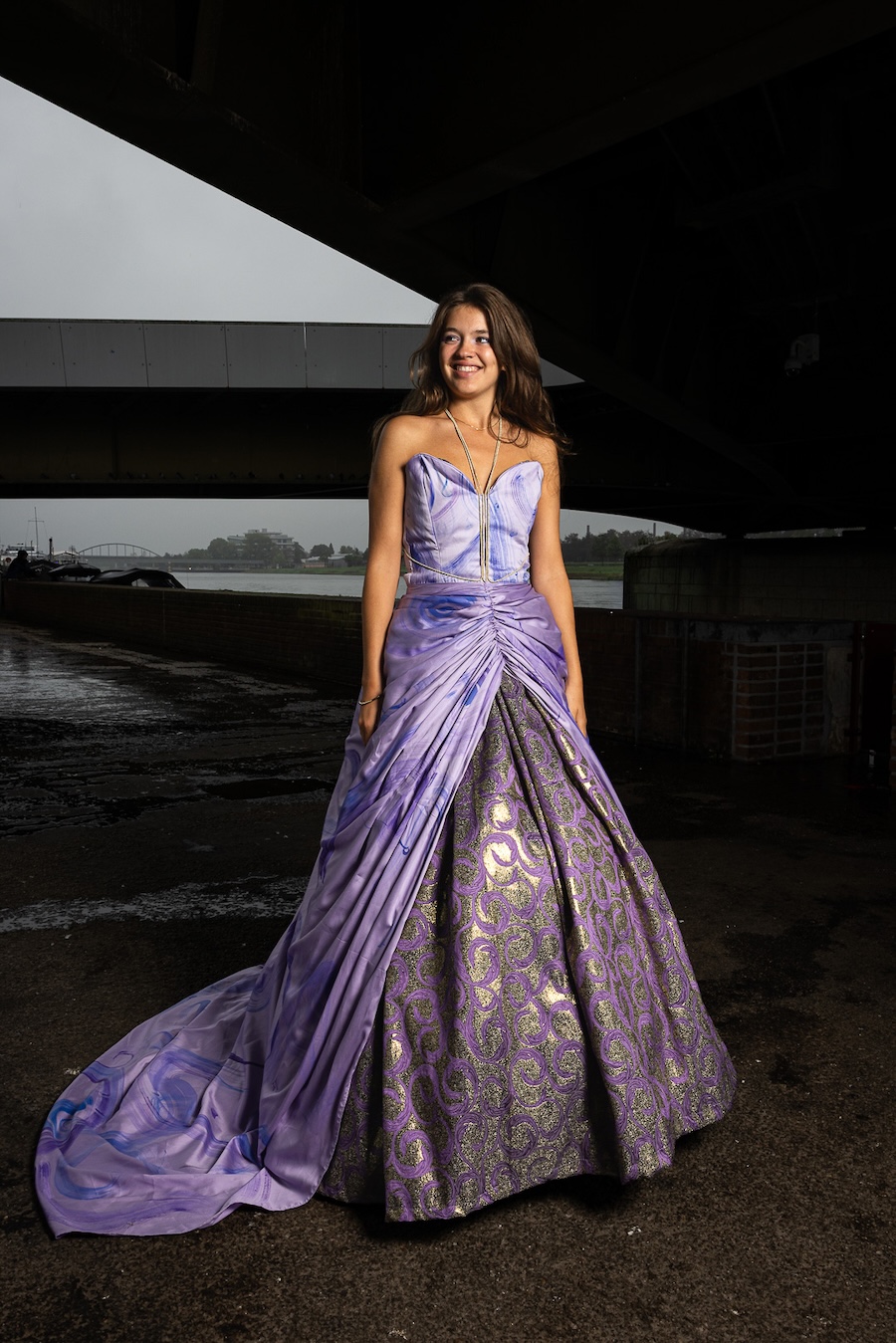 Deniece Clermonts & Max Niereisel
The resulting 18 contemporary looks transform a shared local history into a vibrant, living dialogue. Spanning historical pioneers, scientists, and queer activists to figures from carnival, literature, industry, and sport, the designs explore collective memory through tactile experimentation, architectural silhouettes, and bold theatricality.
Documenting this convergence of legacy and youth culture, photographer Jurgen de Vries @jype.v captured all 18 designs against the city’s modern architecture, rooting the parade’s performative energy in sharp, contemporary editorial portraiture.
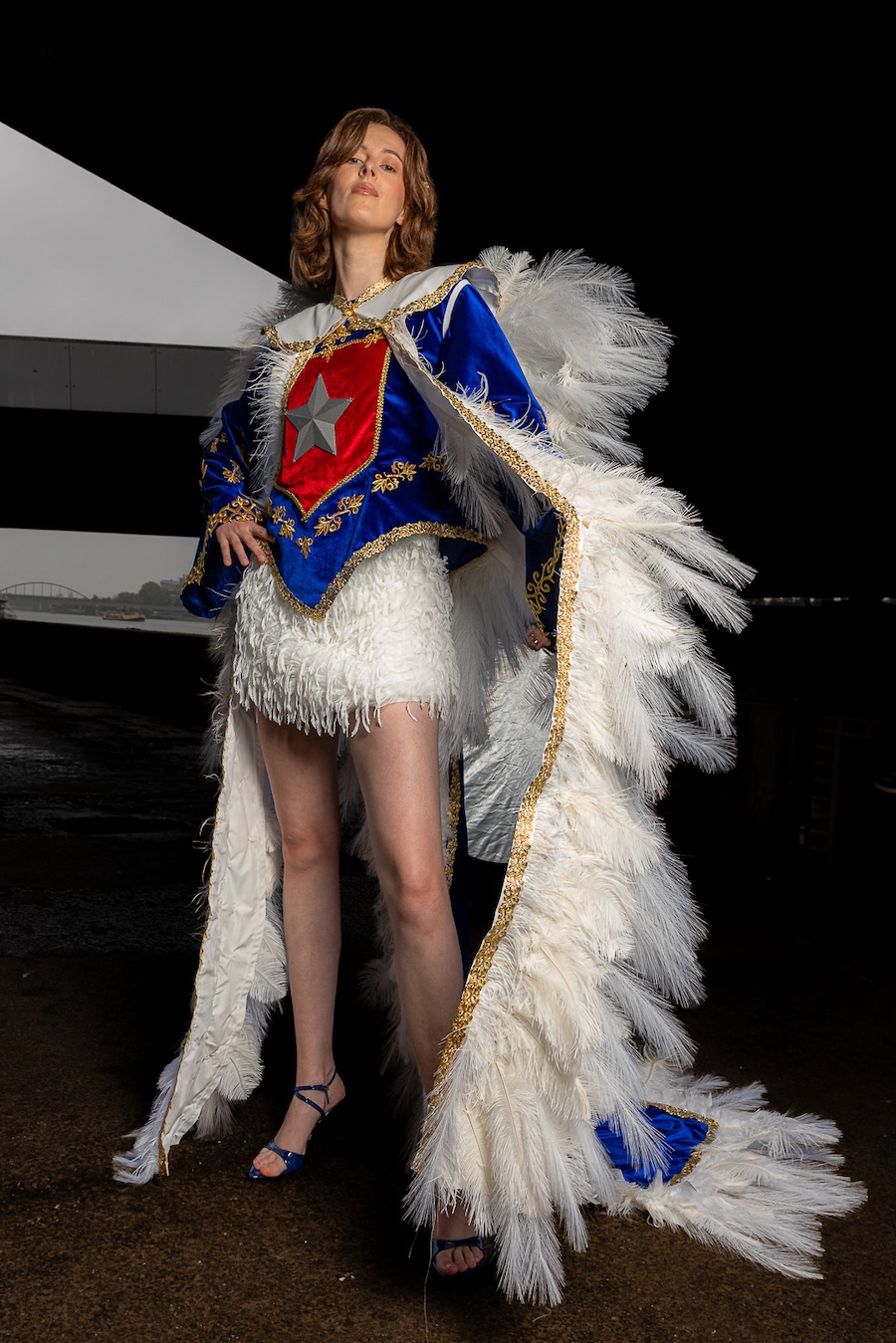 Emma Magermans
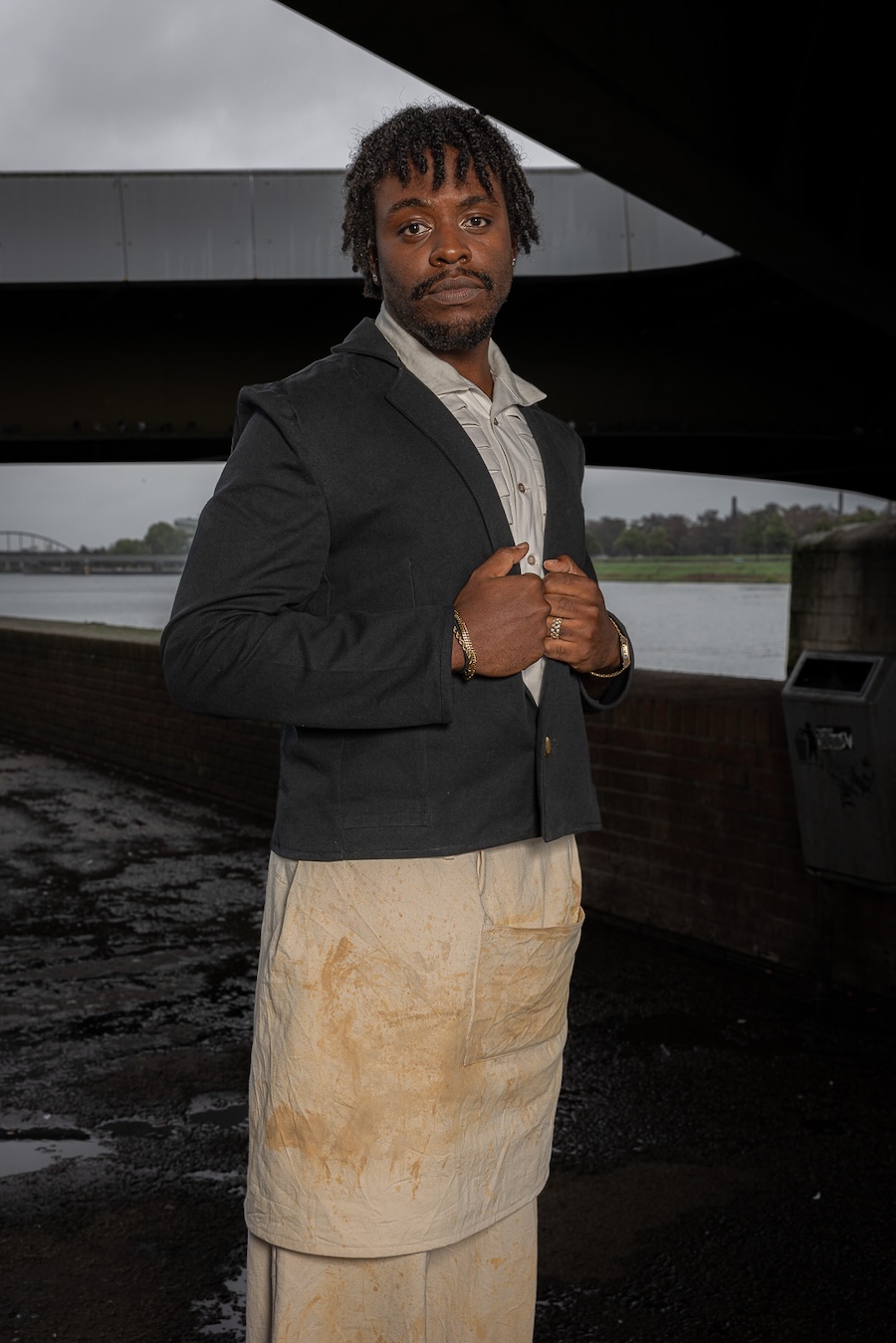 Floris van Lammeren
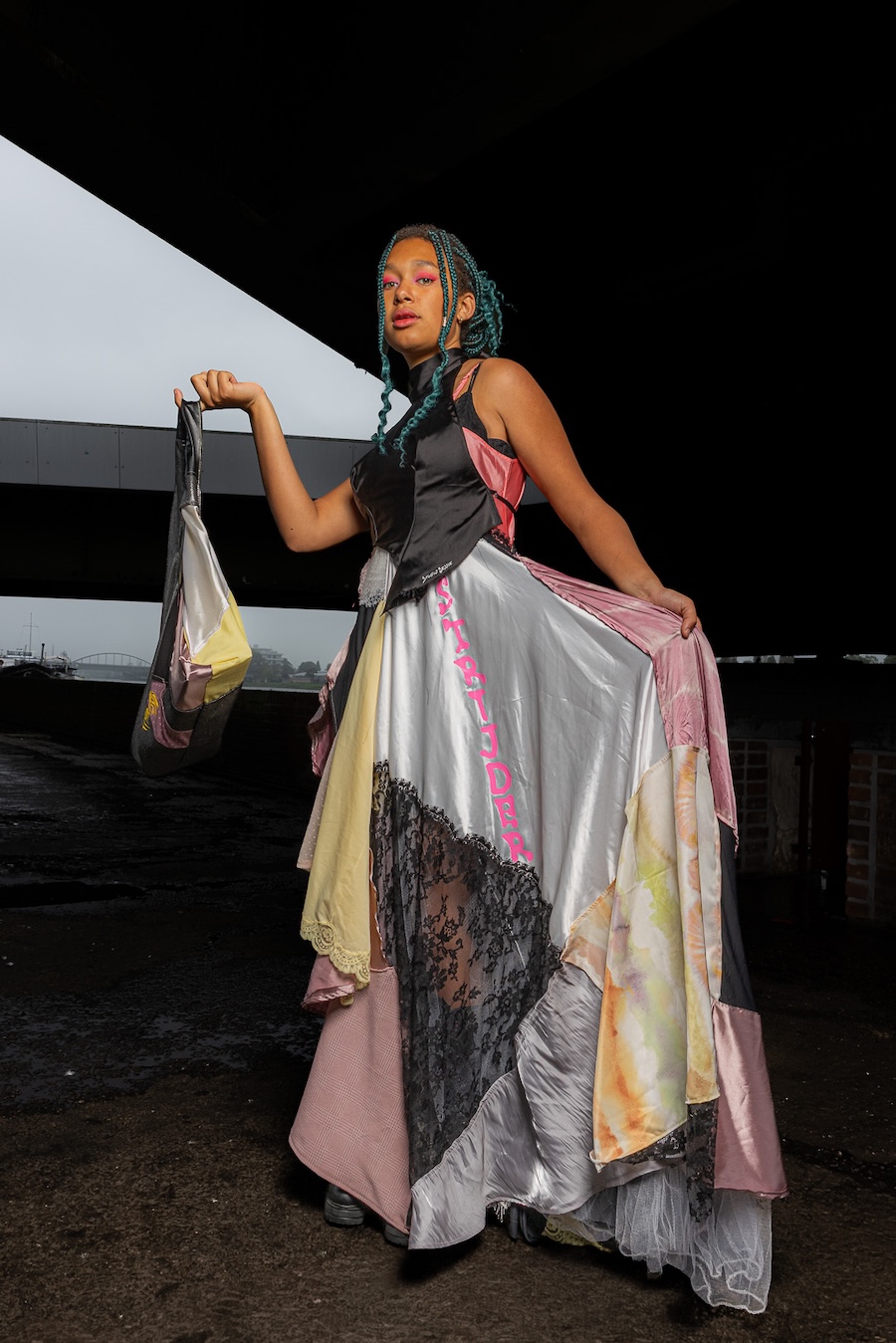 Jessie Römkens
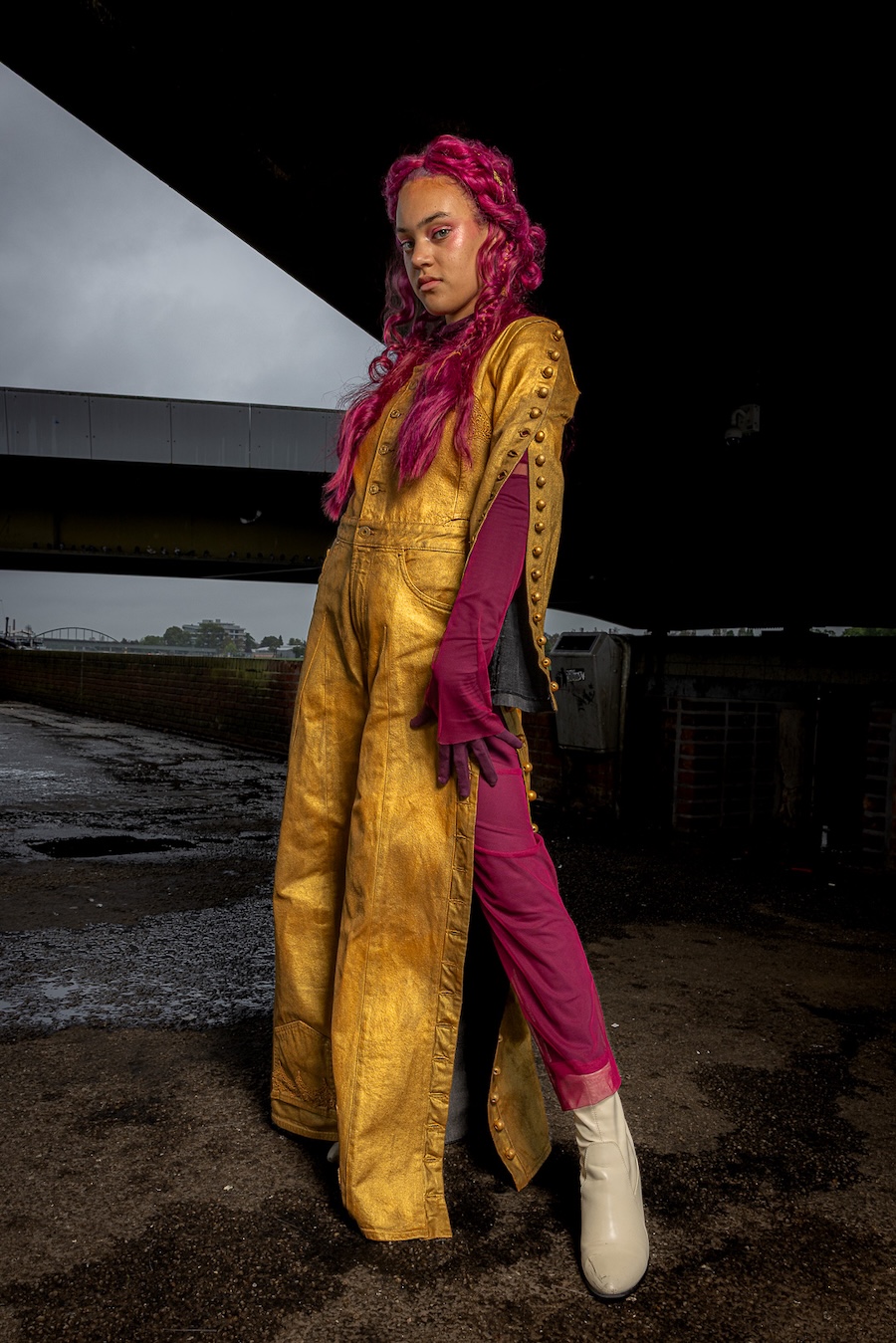 Jolieke Kessels
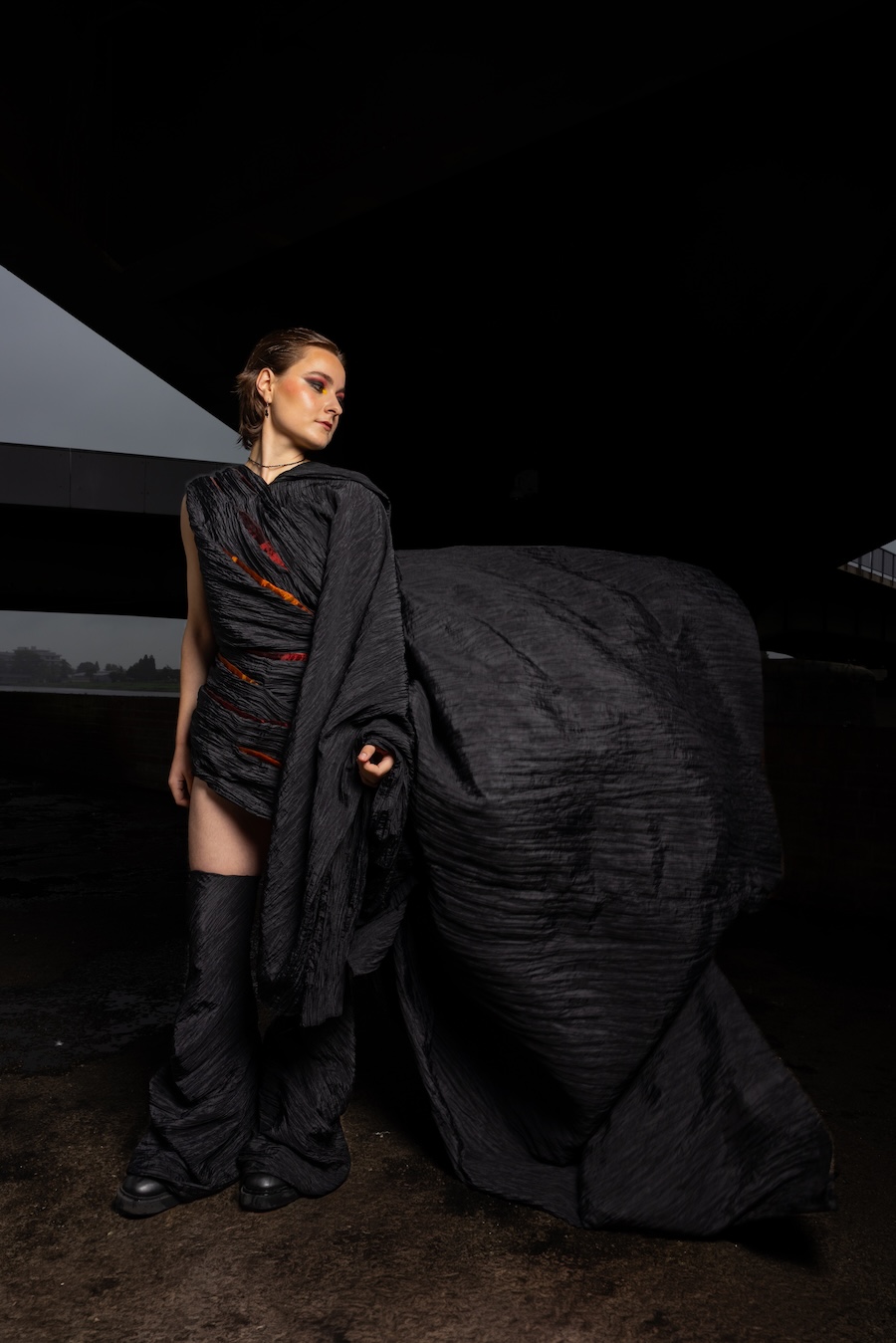 Katharina Krämer
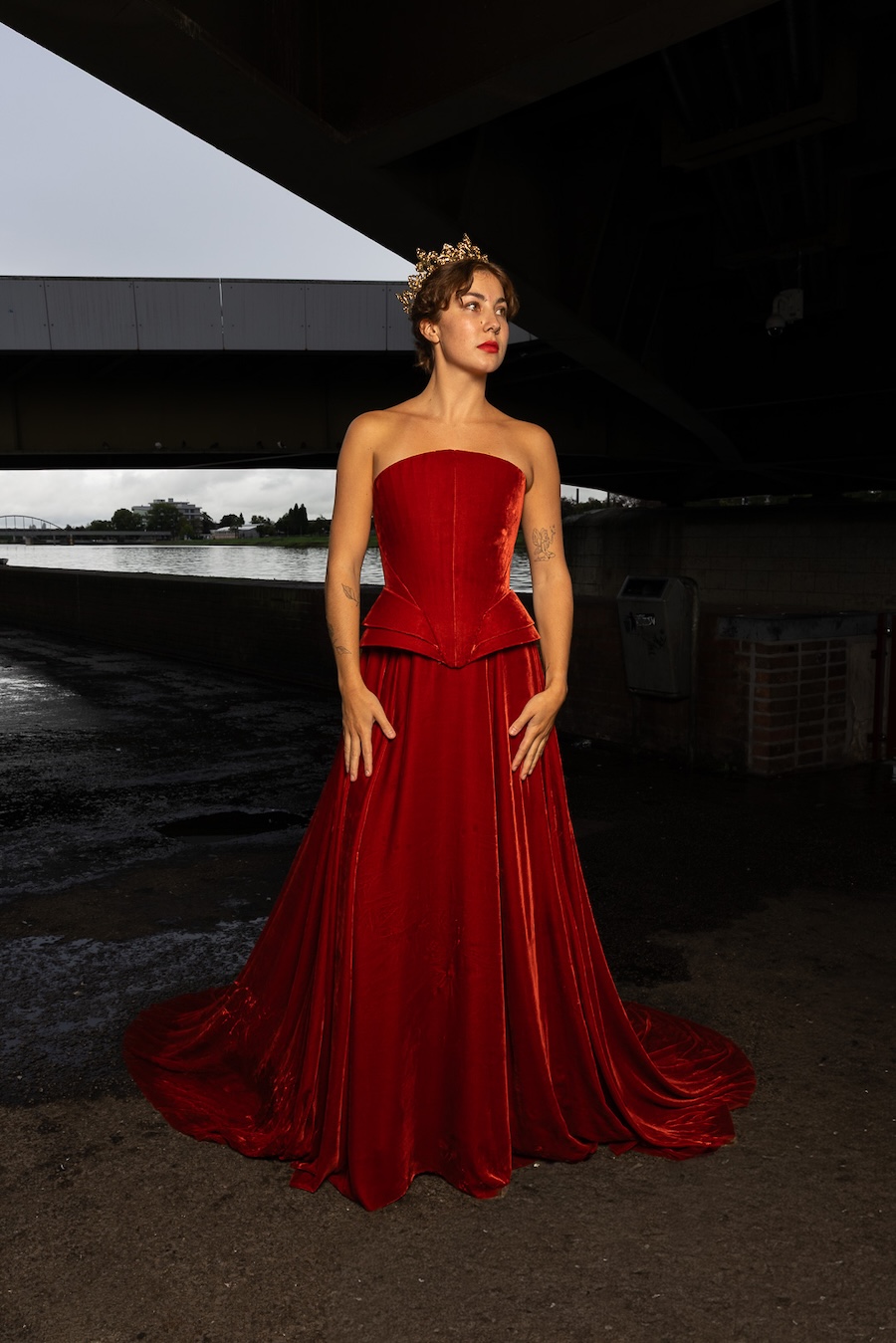 Linda Friesen
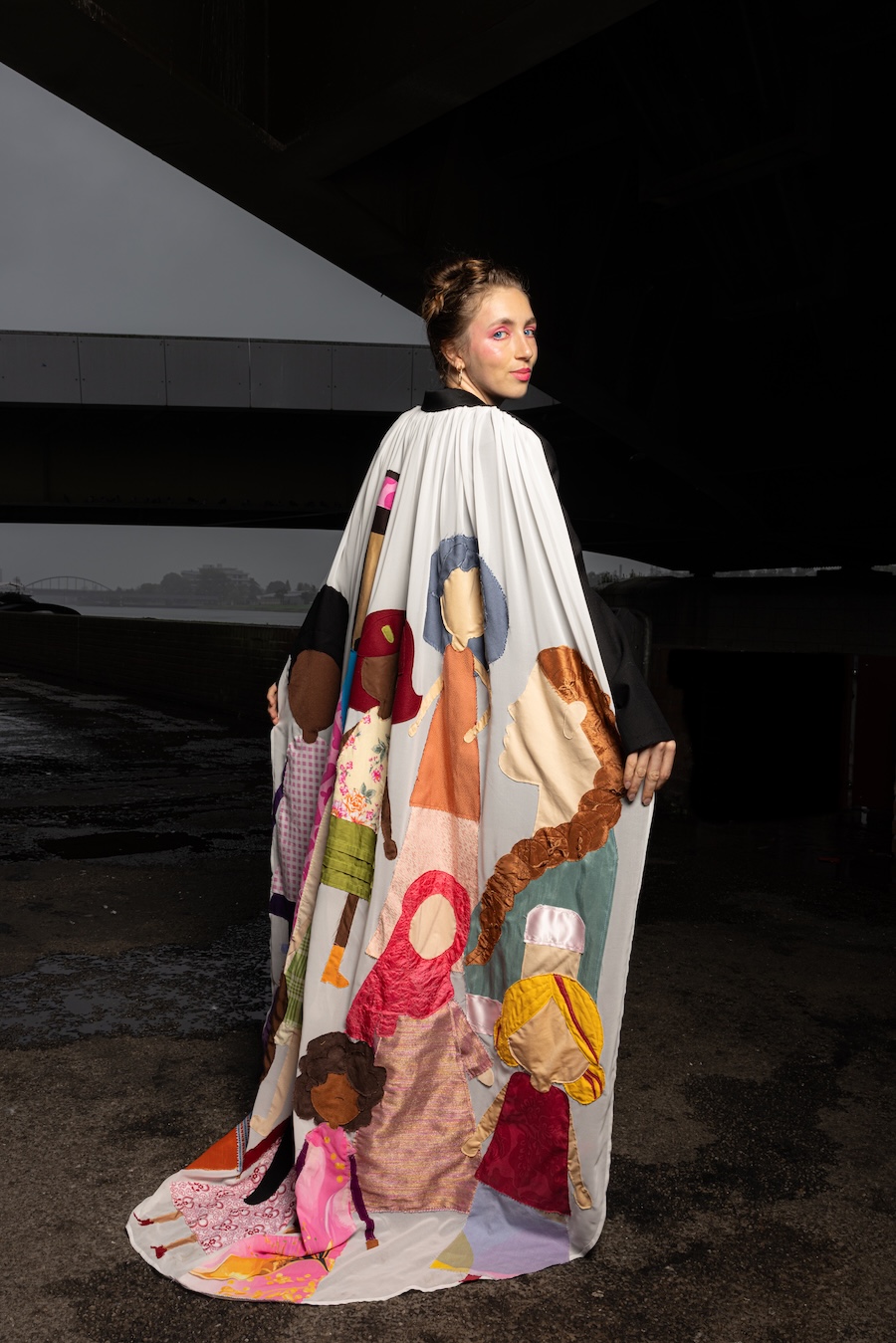 Kyra Frijnts
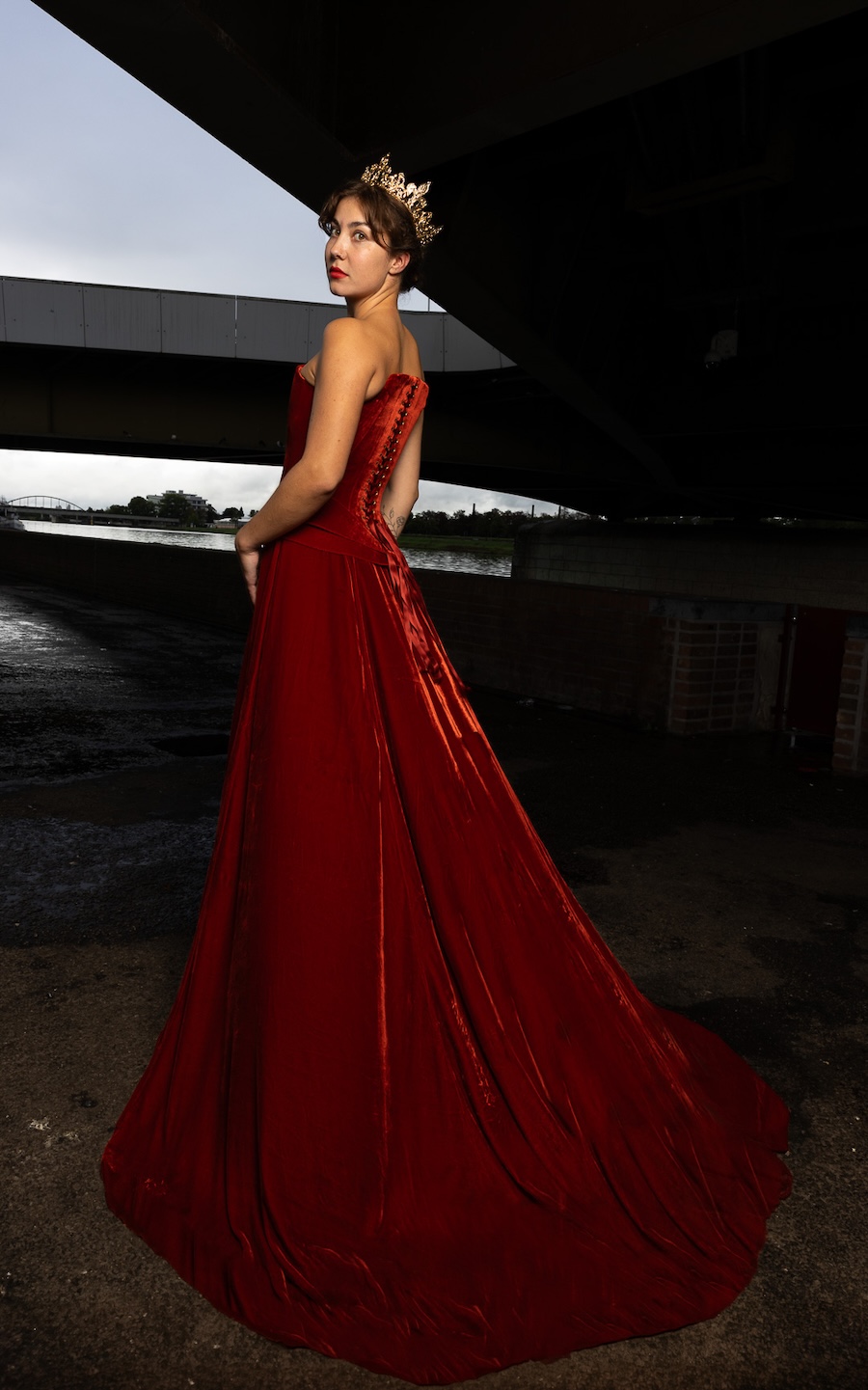 Linda Friesen
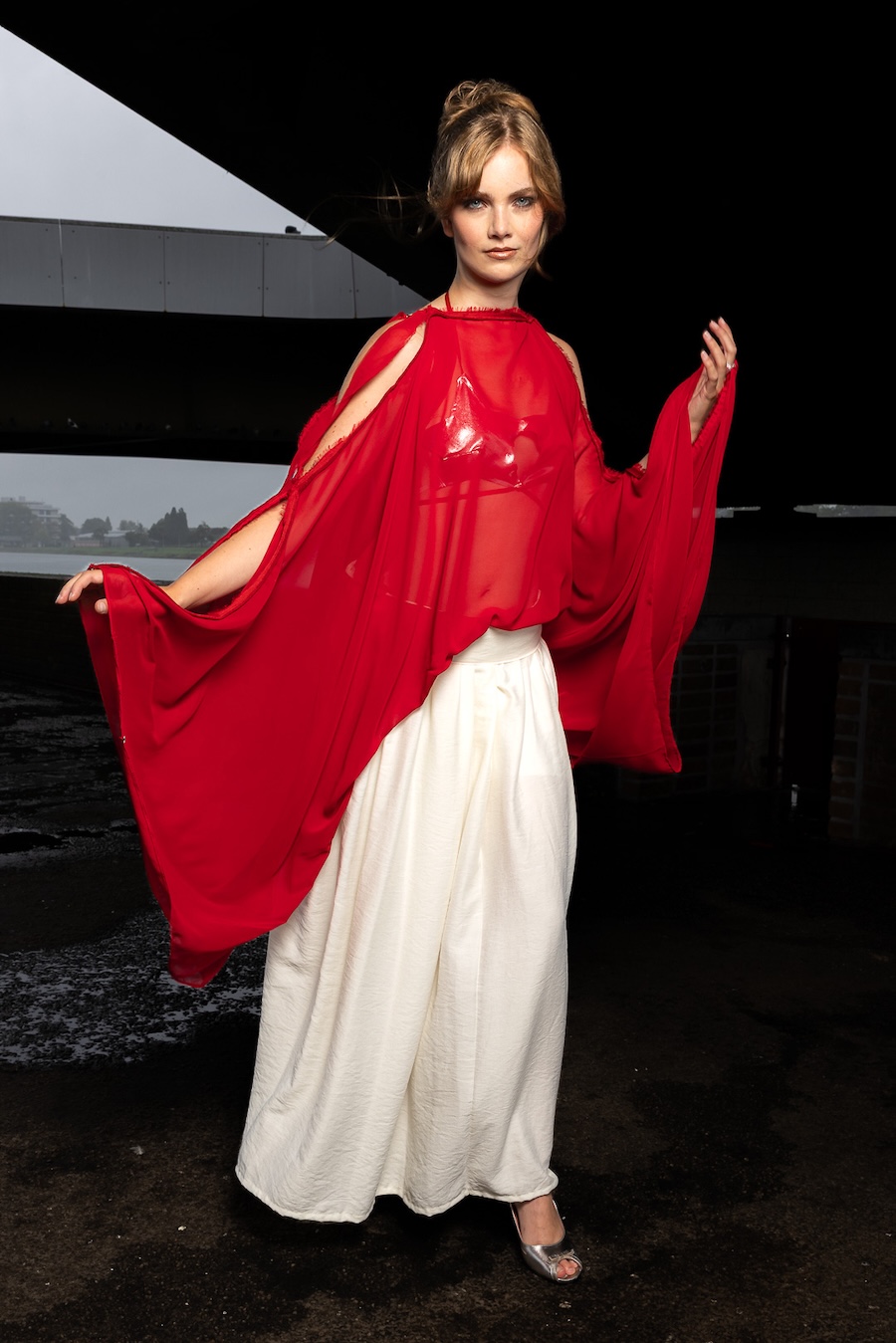 Marte Morel
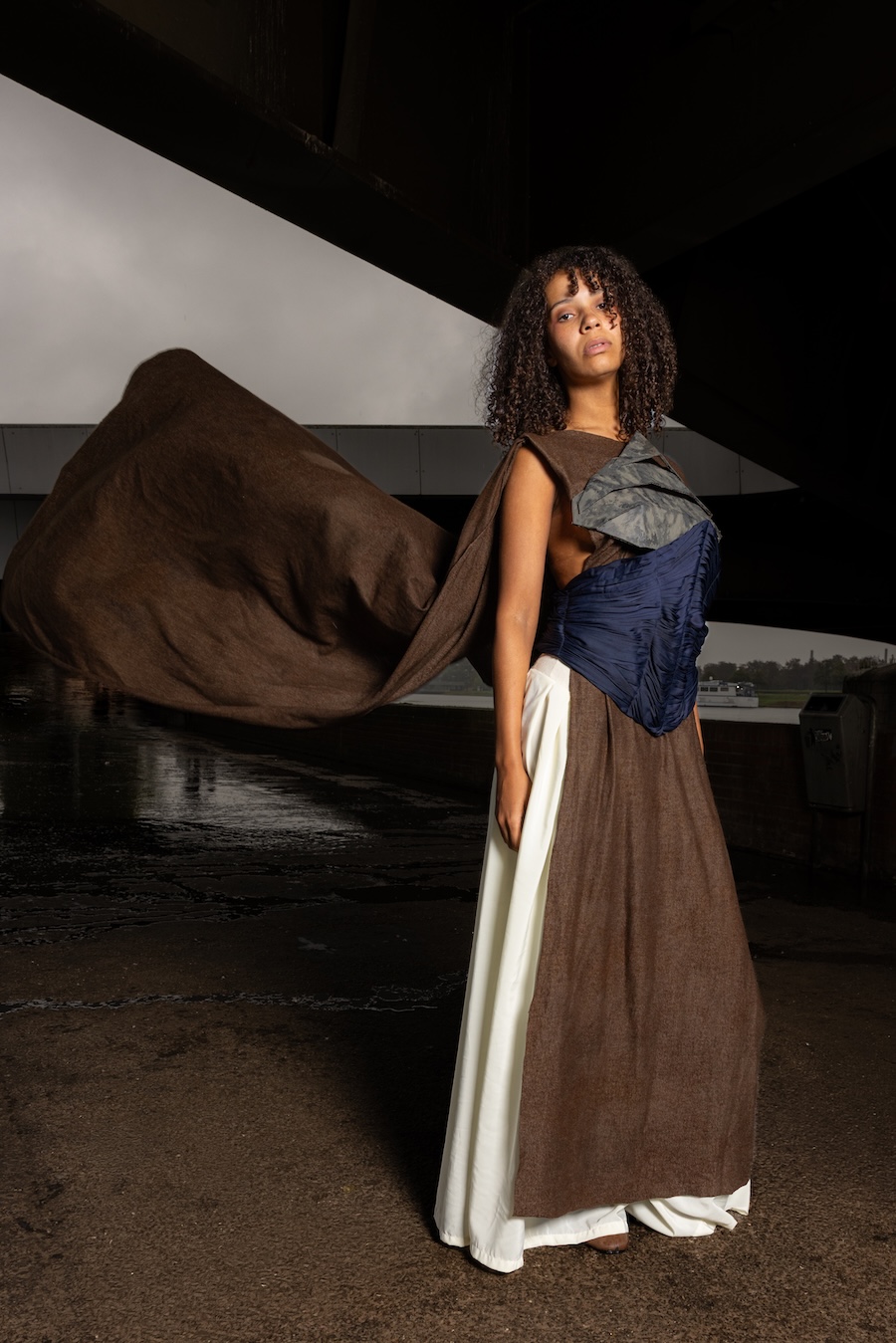 Manon Peters
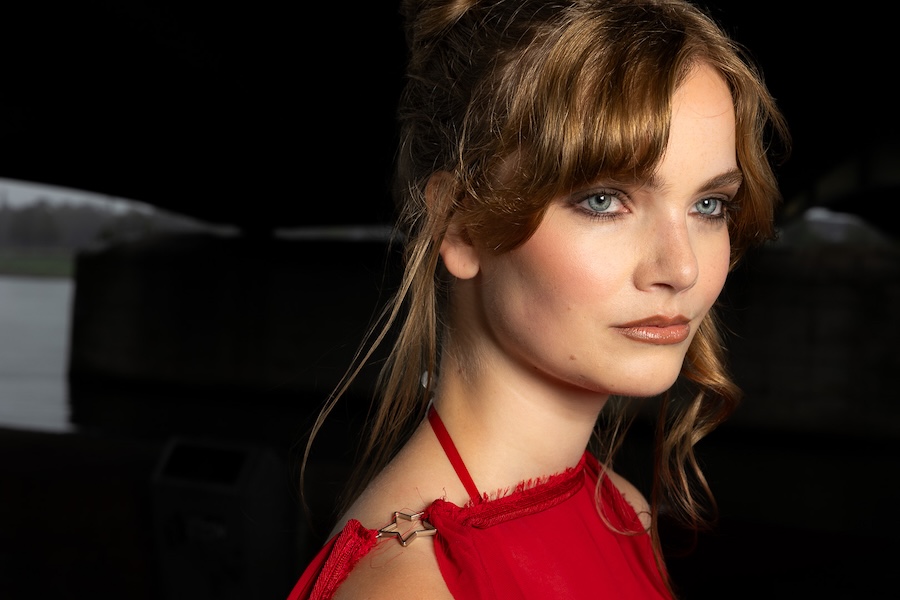 Marte Morel
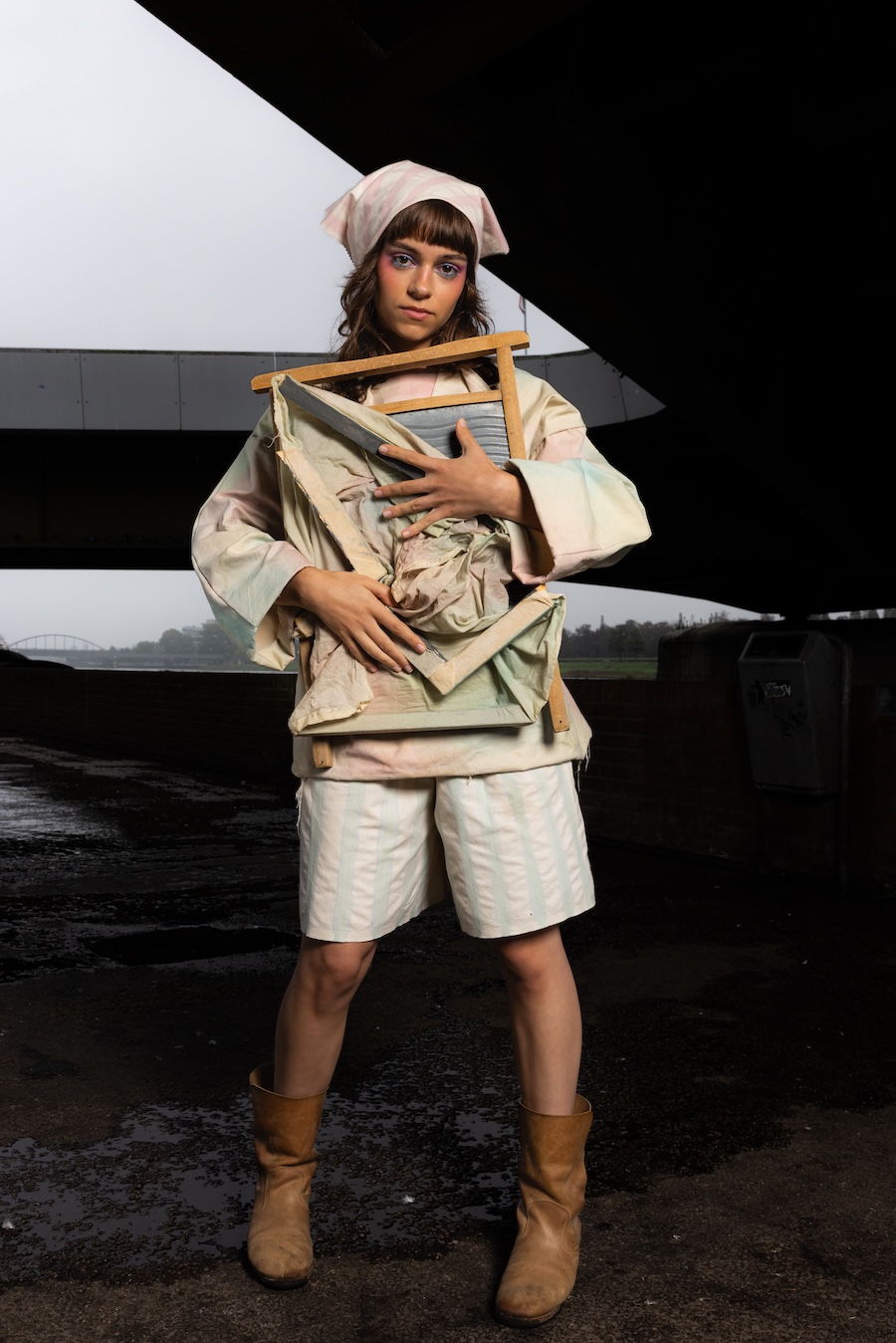 Mats Gerards
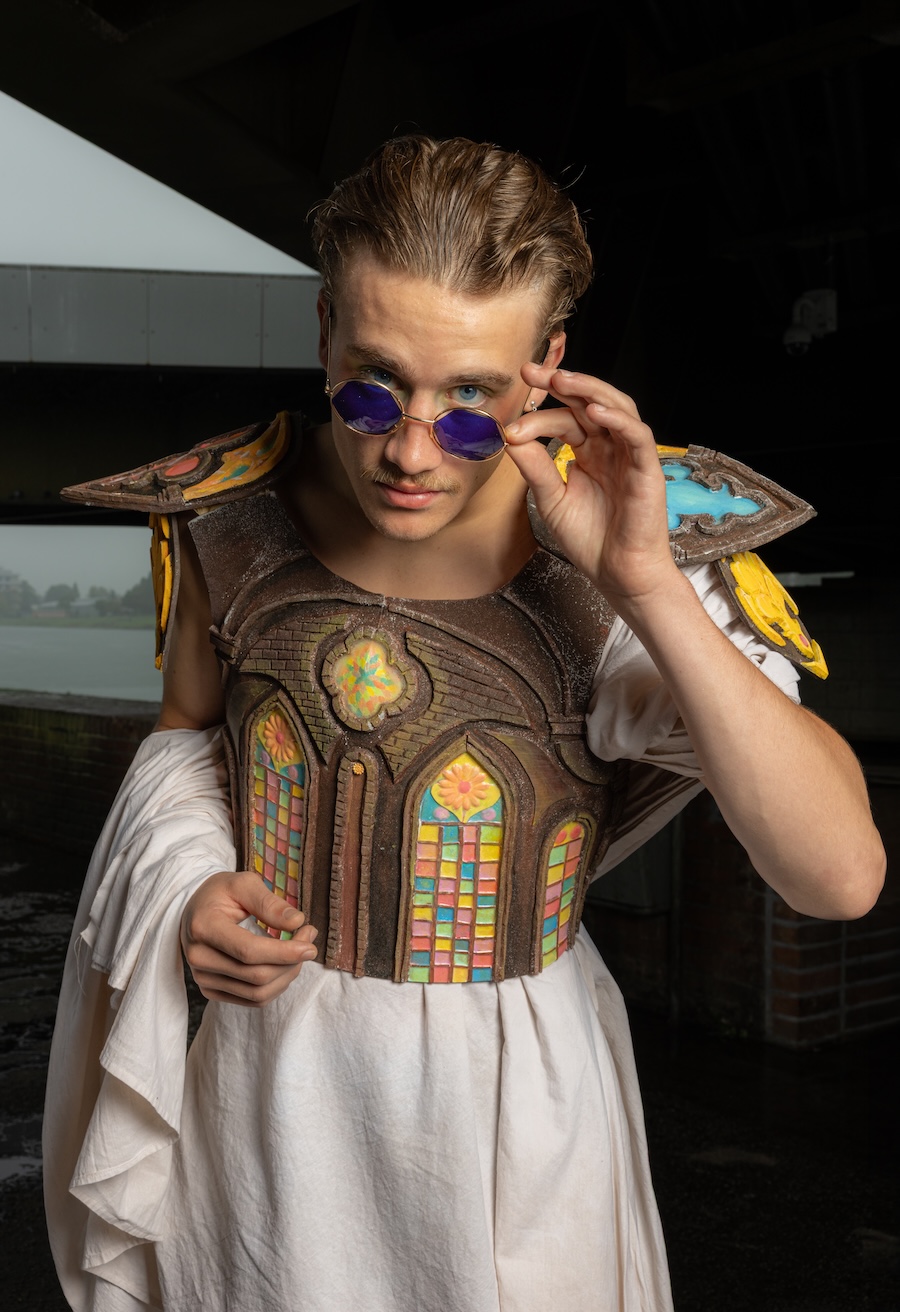 Merlijn Vermeulen
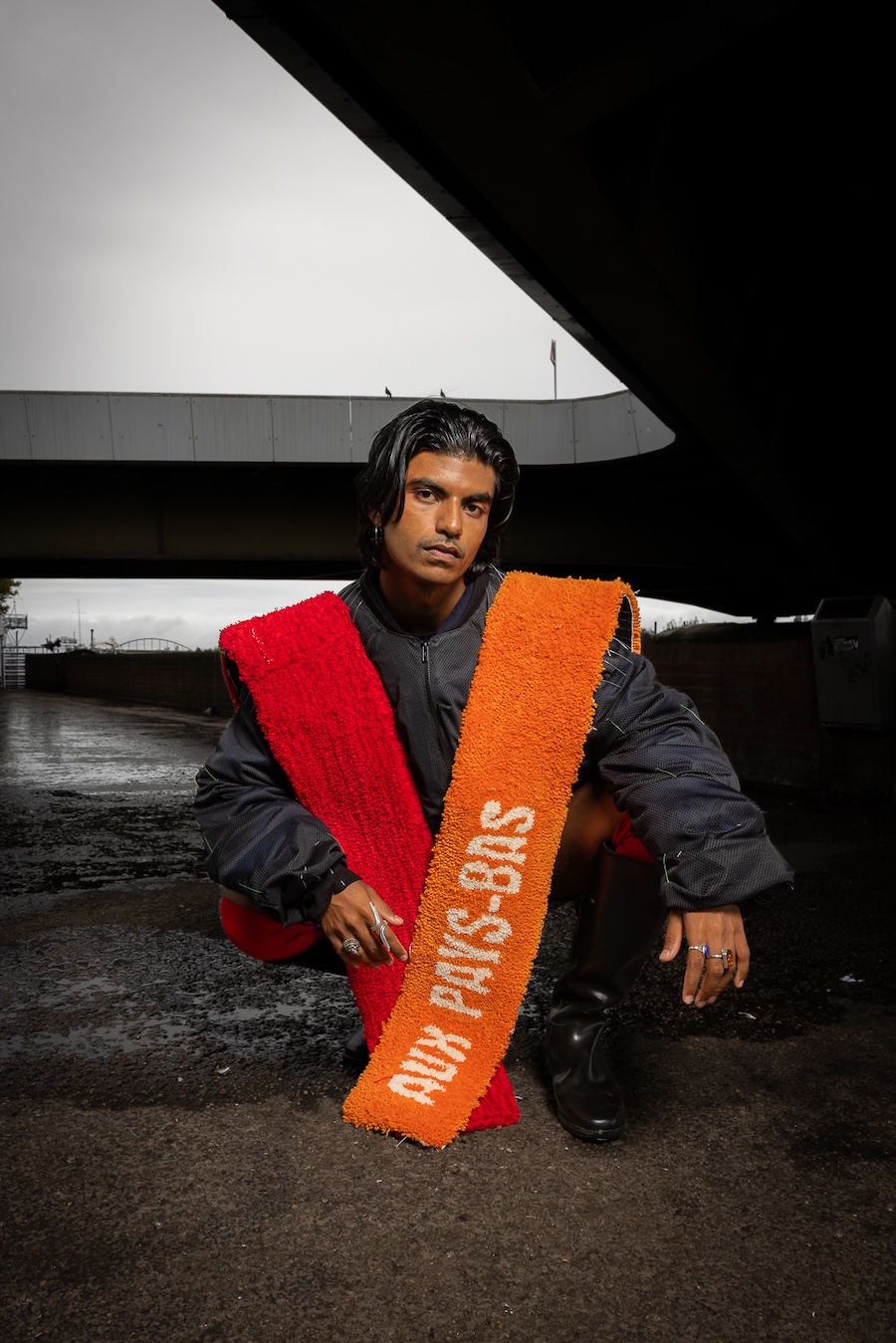 Michelle Cornelissen & Sabina Schreurs
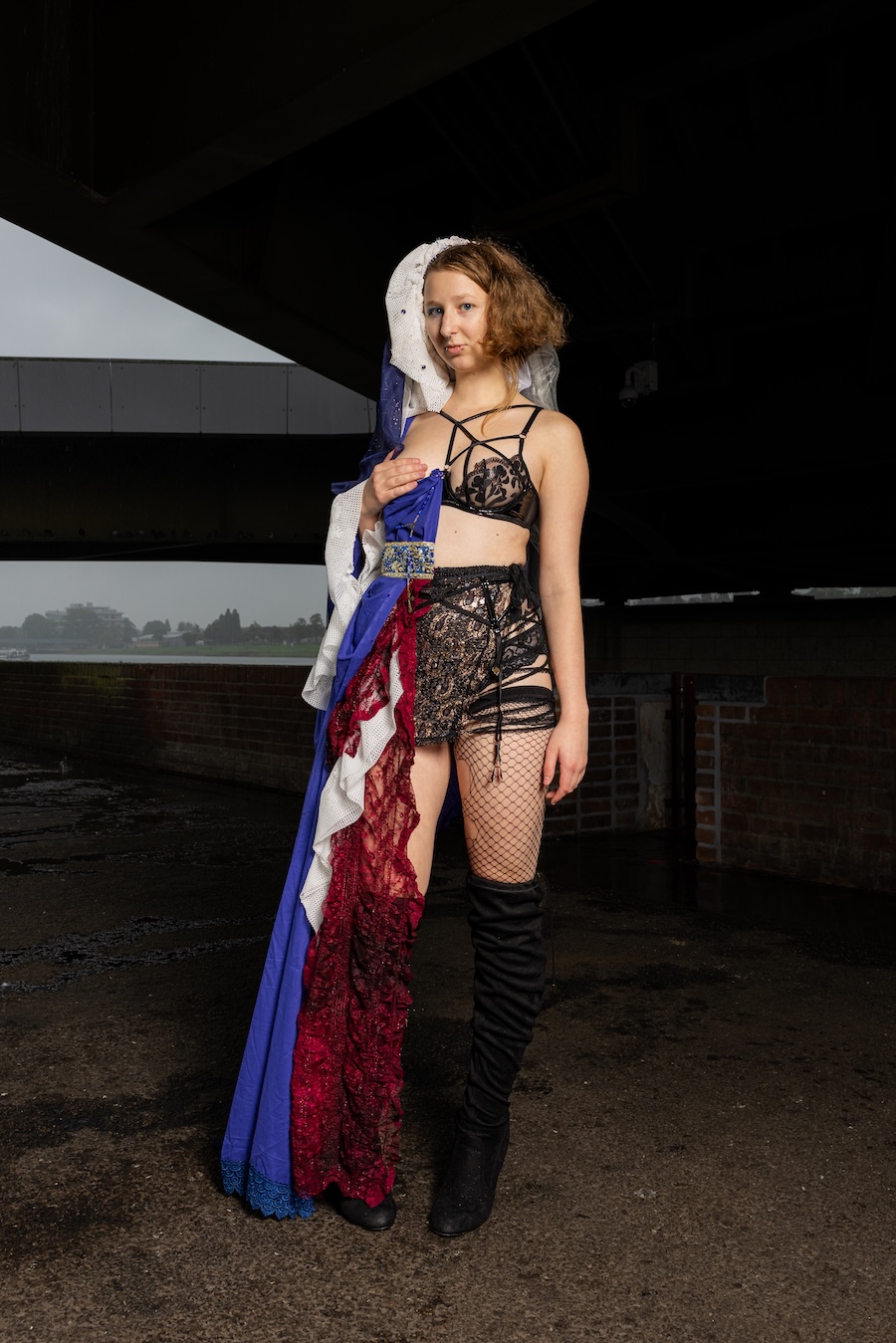 Roana Svetlik
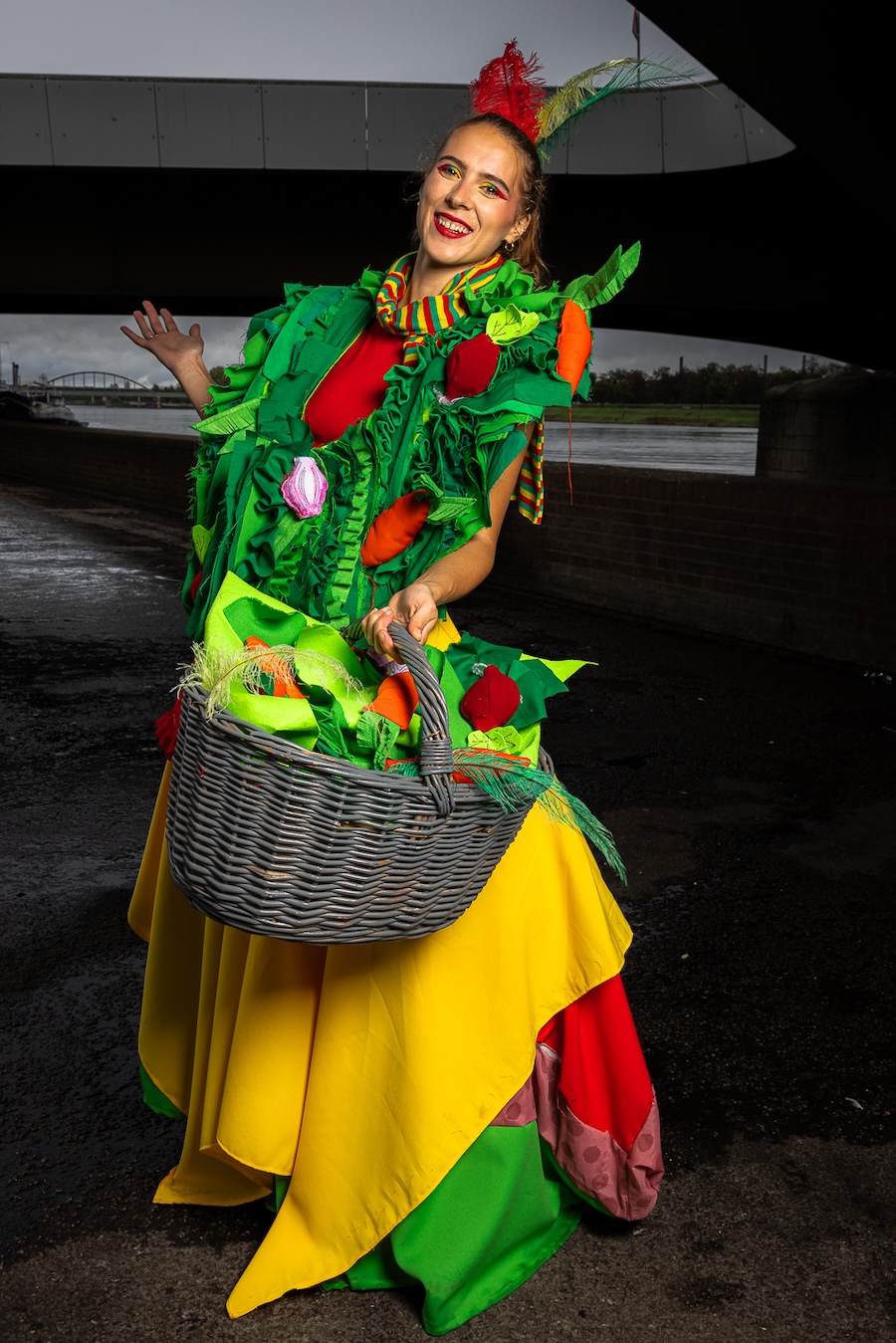 Senna Cuenen
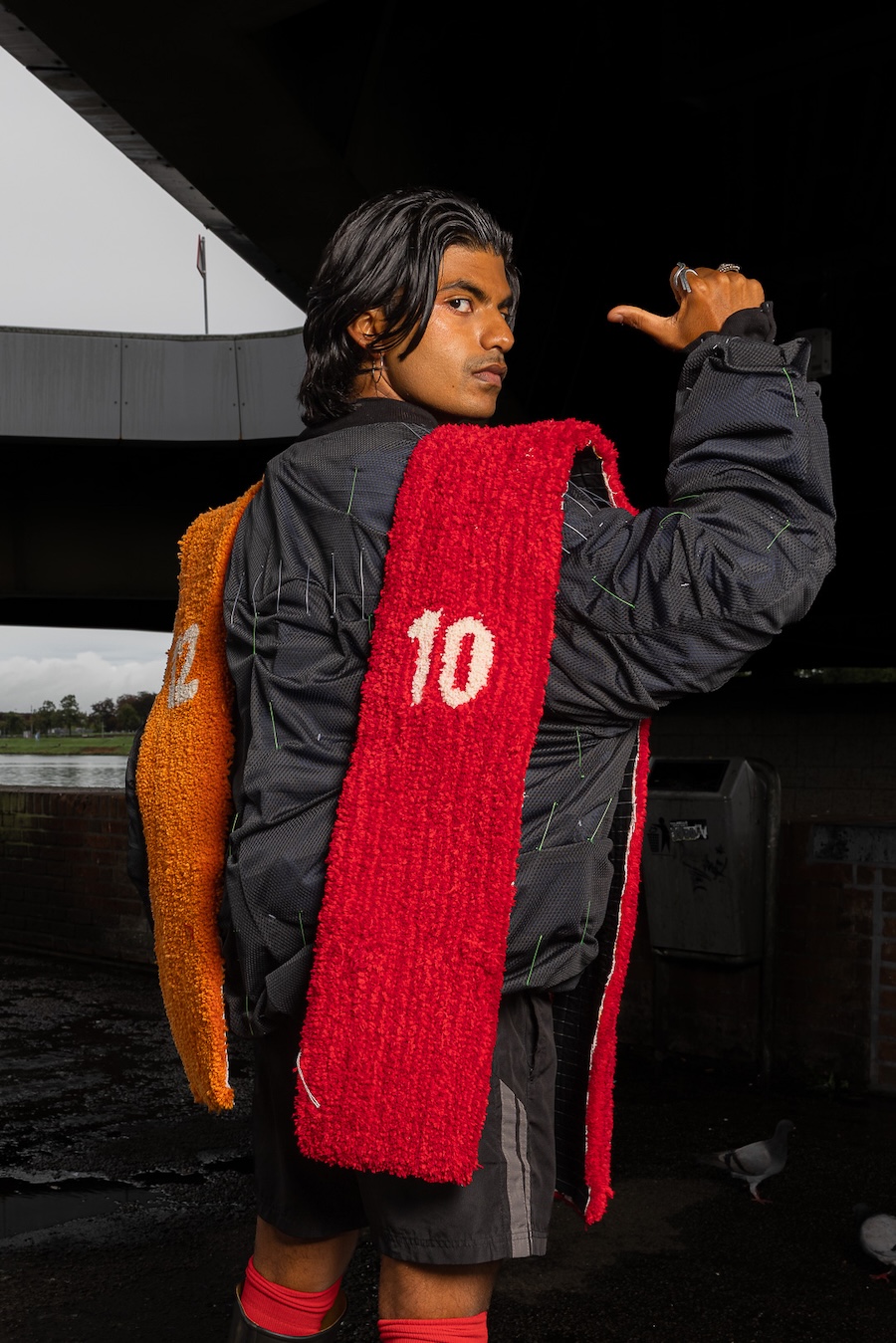 Michelle Cornelissen & Sabina Schreurs.
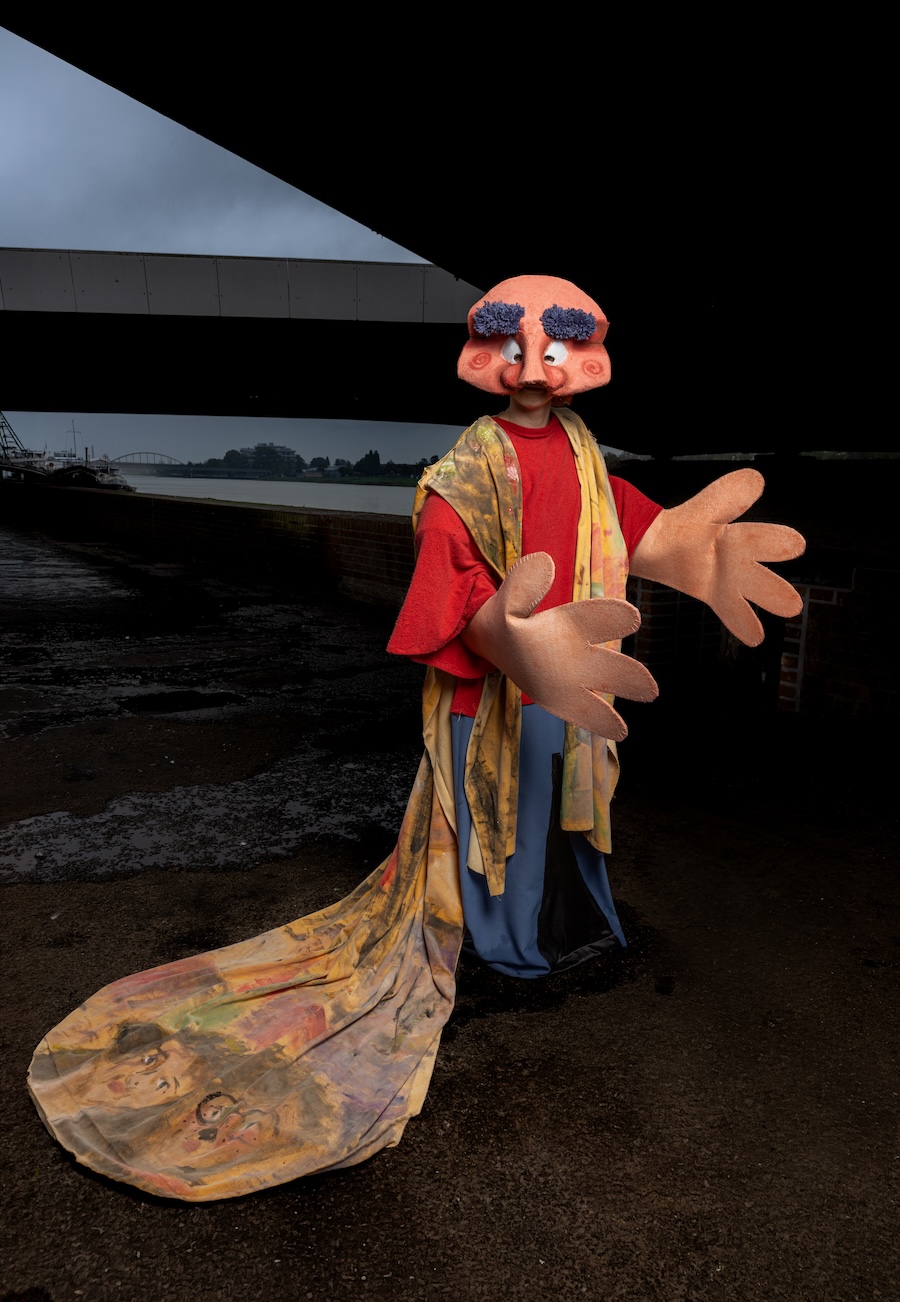 Sigrid Gerritse
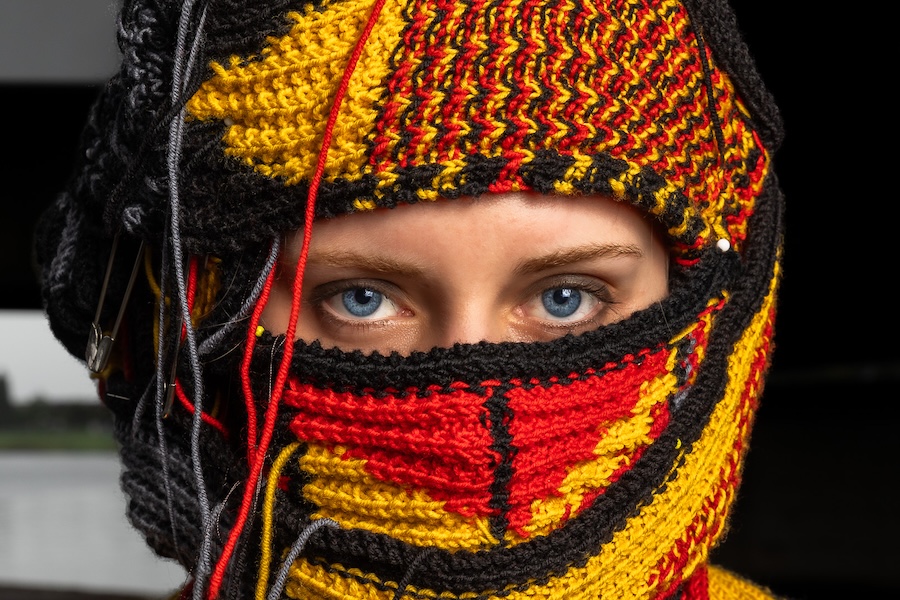 Tiel Janssen
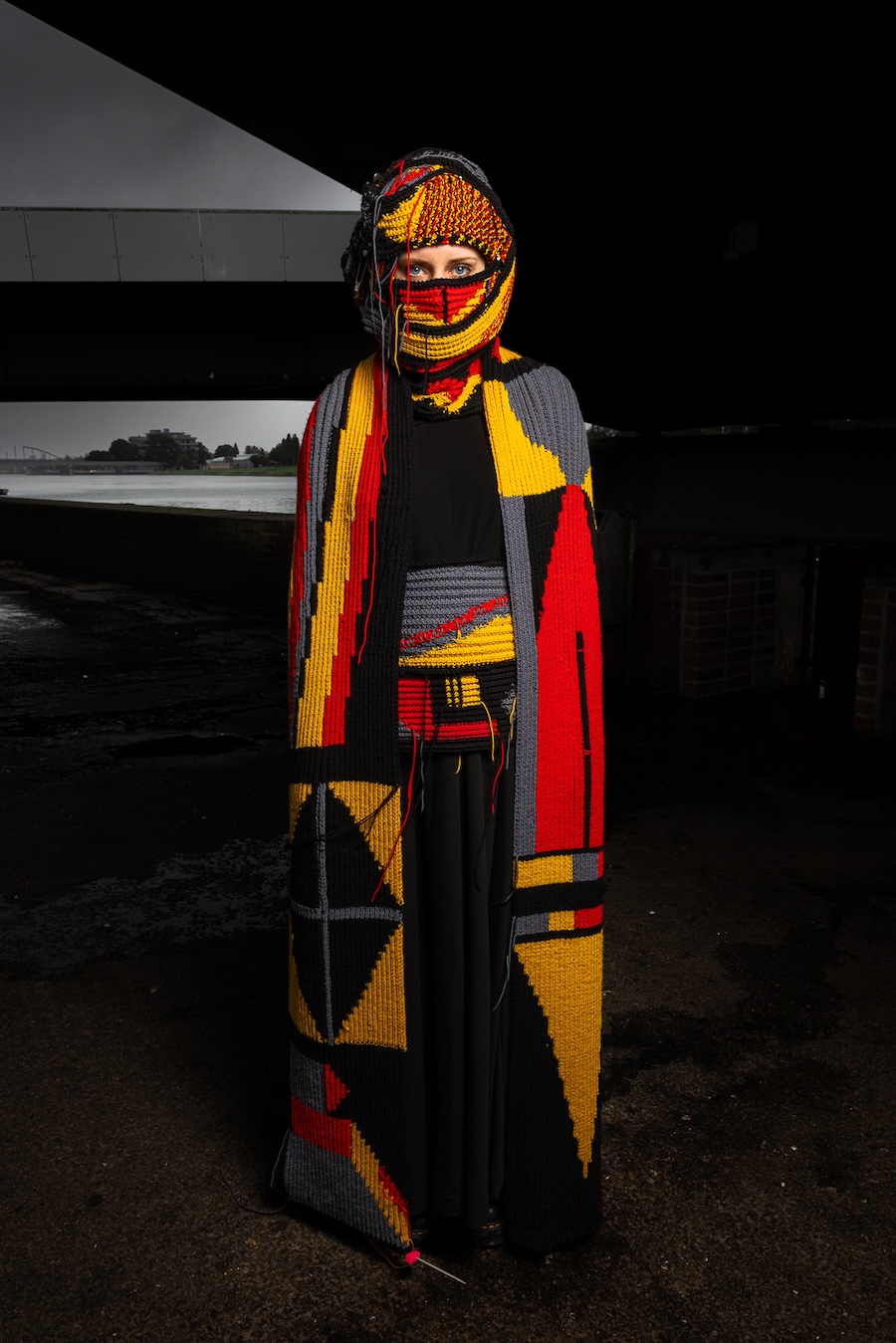 Tiel Janssen
 Wievien Alberts
 Wievien Alberts
Project: Maastricht Helden Fashion Show
FASHIONCLASH @fashionclash_festival for Maastricht Jaar 2026
Academic Partner: Toneelacademie Maastricht (Scenography & Costume Design)
Photography: Jurgen de Vries @jype.v
The local designers
Senna Cuenen — ‘t Mooswief
A lifelong carnival celebrant, Senna Cuenen approached ‘t Mooswief as a symbol of carnival,
togetherness and Maastricht identity. Her costume combines carnival colours with a fabric
vegetable wreath, referring to the women from the surrounding villages who traditionally sold
vegetables at Maastricht’s market.
Chiron Floris — Elisabeth Strouven
Chiron Floris was inspired by Elisabeth Strouven’s commitment to caring for people in need.
This idea of zörg drage became a reflection on how we care for textiles today. Second-hand
cotton shirts were transformed through embroidery and smocking, while an embroidered book
carrying the word respect connects care for people with care for materials.
Jolieke Kessels — Saint Servatius
The starting point was the golden Shrine of Saint Servatius and, specifically, a small female
face carved from amethyst. Jolieke translated the contrast between deep purple and gold into a
costume about a woman who continues to shine despite being surrounded and almost
overwhelmed by a male-dominated history.
Emma Magermans — De Ingel vaan Mestreech
Emma Magermans focused on the city’s guardian angel as a symbol of protection, freedom,
femininity, pride and connection. Rather than reproducing the recognisable figure, she
translated these qualities into a contemporary silhouette, exploring the relationship between
strength, identity and belonging.
Jessie Römkens — Emma Kok
Jessie Römkens was drawn to Emma Kok’s ability to transform vulnerability into strength and
to use her voice to create space for others. The costume explores this tension between
vulnerability, visibility and personal strength.
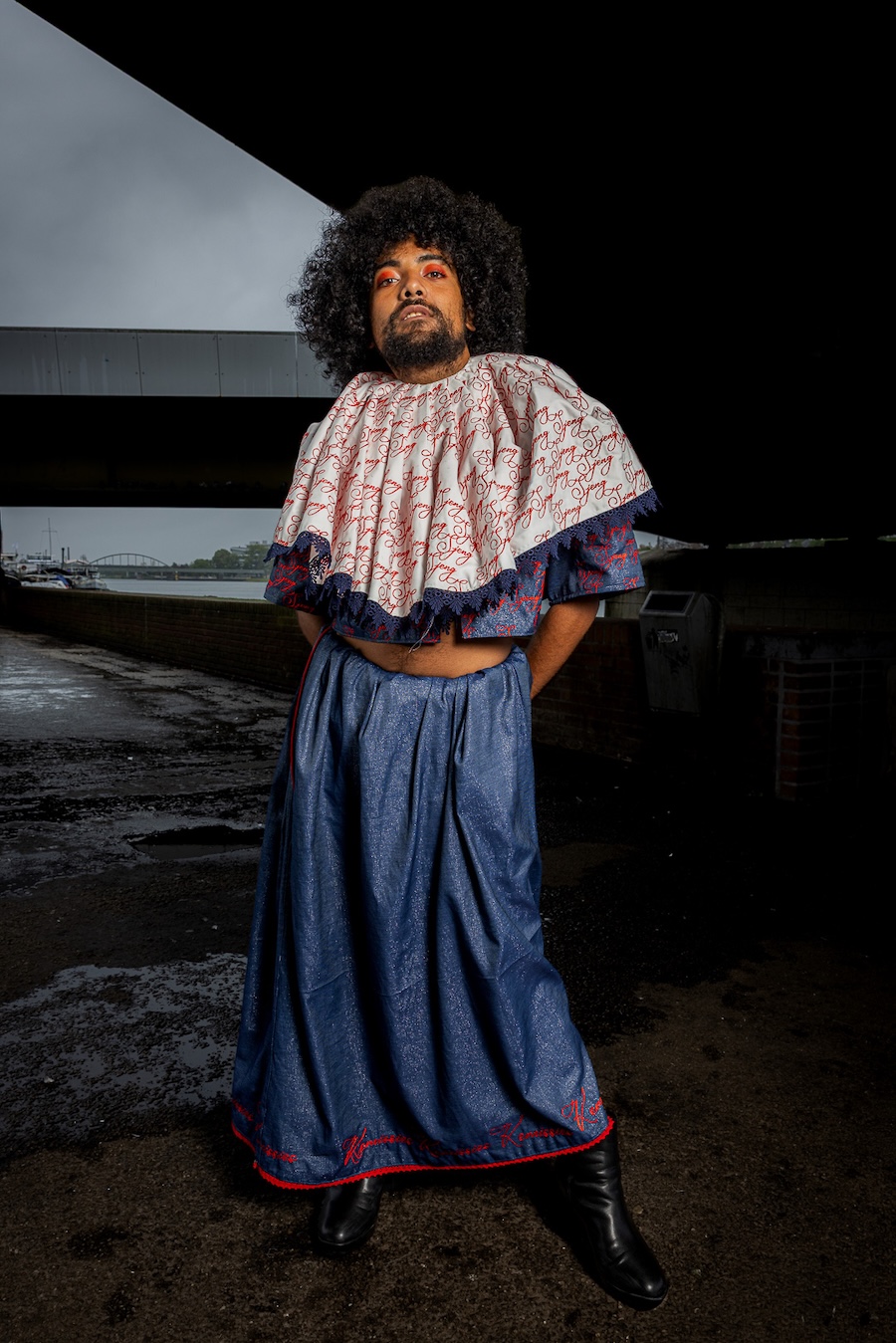
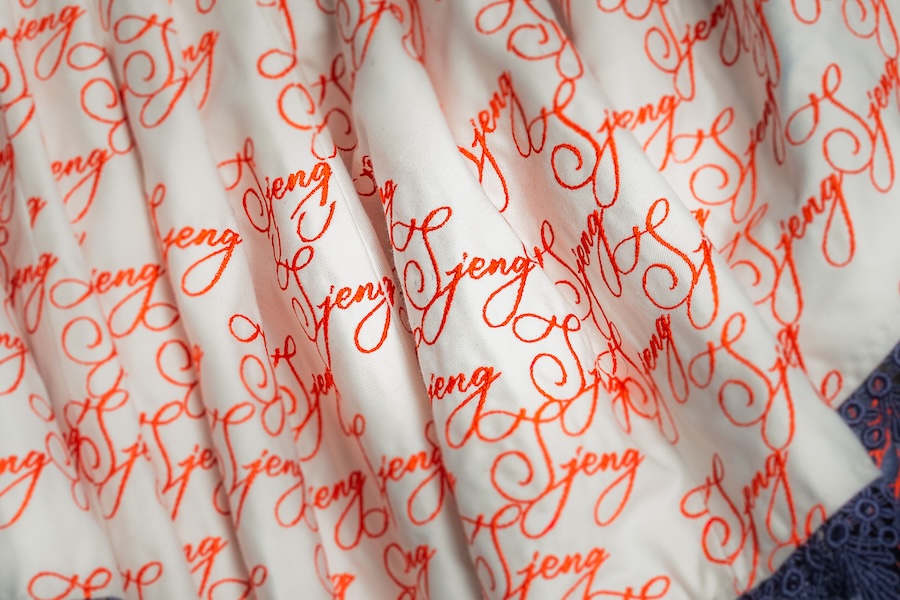
Wievien Alberts — Mestreechter Geis
For Wievien Alberts, the Mestreechter Geis is less a person than a feeling: humour,
individuality, playfulness and a particular way of being. These qualities became the basis for a
playful costume filled with embroidered details, symbols and hidden references to Maastricht.
Marte Morel — Fama, Goddess of Fame
Marte Morel translated the Roman goddess Fama into a contemporary costume celebrating
Maastricht and its inhabitants. Stars refer both to the city’s coat of arms and to the famous
people connected to the city, playing with the idea that anyone might become a ‘star’.
Floris van Lammeren — Petrus Regout
Rather than presenting Petrus Regout only as an industrial entrepreneur, Floris van Lammeren
wanted to acknowledge the workers whose labour made his success possible. The costume
brings two worlds together: the jacket and blouse express status and ambition, while trousers
and apron refer to factory work, functionality and physical labour.
Deniece Clermonts & Max Niereisel — André Rieu
For Deniece Clermonts and Max Niereisel, André Rieu became the starting point for a
costume that translates the world of classical music into fashion. The two designers
joined forces to create a dress especially for the Stadsparade, bringing together their
different practices and experience. The resulting look connects the theatricality of Rieu’s
performances with the expressive qualities of couture and costume, turning the
Maastricht violinist and conductor into a larger-than-life fashion character.
Linda Friesen — Karel de Grote
Linda Friesen’s fascination with historical clothing became the starting point for her
interpretation of Charlemagne. The costume combines strong, armour-like shapes with rich
velvet. Its red colour refers to the army, while the restrained silhouette reflects the image of
Charlemagne as both practical and powerful.
Michelle Cornelissen & Sabina Schreurs — Willy Brokamp
The designers focused on the tension between talent, fame and identity. Willy Brokamp
became a way to explore what happens when extraordinary talent turns into an identity shaped
by public expectations. Their interpretation questions whether a public image is something we
create ourselves or something created around us.
Tiel Janssen – Tiel Janssen
The project also included Tiel Janssen, who was invited by FASHIONCLASH not to
interpret another Maastricht icon, but to participate as an icon herself. At 82, Janssen is
a visual artist and maker whose practice has long moved between costume, jewellery
and sculpture, using unconventional materials as a means of translating thoughts,
feelings and emotions into matter. Her work is driven by experimentation and expression
rather than conventional ideas of what materials or fashion should be. Her participation
brought another perspective to the project: the living artist as part of the city’s cultural
heritage. Rather than looking back at a historical figure, Janssen represents a continuing
artistic practice rooted in Maastricht.
The Toneelacademie Maastricht students
The project also became an educational collaboration with eight students from the
Scenography & Costume Design programme. Their costumes were developed through the
same process but through a moulage workshop led by Nana Rossbach.
Sigrid Gerritse — Pieke Dassen
Sigrid was inspired by Pieke Dassen’s versatility as an artist, actor, carnival singer, painter and
puppeteer. Instead of literally turning him into a puppet, the costume explores what a puppet
can be. A painted cape incorporates Sigrid’s own carnival memories, while felt is used to
create a puppet mask that seems to reveal its own story as it develops.
Kyra Frijnts — Anna Wijnandts-Louis
Kyra focused on Anna Wijnandts-Louis’ position as the first elected female municipal
councillor in the Netherlands and her work for women and workers. A men’s jacket is
transformed into a dress with pink details, questioning whether women still need to adopt
traditionally masculine codes to be taken seriously. A cape covered with women symbolises
those who placed their hopes and expectations in Anna.
Demi Overmars — Andrée Bonhomme
Inspired by Bonhomme’s music and her refusal to compromise her artistic freedom during the
Second World War, Demi created a dark and elegant silhouette. Strong materials, sharp
shapes and black strips reference piano keys, while feathers refer to Bonhomme’s motto: “Si
Tu veux être libre et fort, travaille!” — If you want to be free and strong, work.
Katharina Krämer — Jan Pieter Minckelers
Katharina translated Minckelers’ experiments with coal gas into a visual transformation from
darkness into light. Coal became the central material reference: the costume evokes glowing
coal and the moment when something hidden becomes a source of light. Science, technology
and fashion meet in a single silhouette.
Roana Svetlik — Henric van Veldeke
Roana took Veldeke’s medieval love poetry as a starting point and questioned the way women
are represented within it. Her costume plays with the tension between the idealised Madonna
and the seductive mistress. Partial concealment of the body becomes a way to question
contemporary ideas around femininity, desire and the way women are looked at.
Manon Peters — Pieter and Franciscus Romanus
The Romanus brothers’ architecture and the Sint-Servaasbrug became the basis for Manon’s
costume. She translated the structure of the bridge into clothing, connecting different
materials, shapes and periods. The result turns the costume into a reflection on a monument
that has connected people for centuries, while reminding us that such structures and their
futures cannot simply be taken for granted.
Merlijn Vermeulen — Matthaeus Herbenus
Merlijn was drawn to Herbenus’ curiosity, intellectual interests and fascination with history,
philosophy and architecture. Renaissance imagery and Greek philosophy inspired a
contemporary armour-like silhouette. The armour becomes a metaphor for knowledge:
something that protects, gives strength and helps us navigate the world.
Mats Gerards — Edmond Hustinx
Mats became interested in the creative possibilities Hustinx might have explored had he been
able to devote himself fully to art. The costume brings together his artistic side and his
connection to the family’s soap industry. Canvas and paintable materials refer to the artist,
while washed-out colours and a washboard reference the soap factory. The result reflects both
what Hustinx was and what he might have become.
Maastricht Helden Fashion Show was a project by FASHIONCLASH in the context of
Maastricht Jaar 2026, made possible by the Municipality of Maastricht.
