
 Amy Pratt
From November 13 to 15, the 18th edition of FASHIONCLASH Festival transformed 15 locations across Maastricht into a multidisciplinary playground for 190 designers, artists, and performers. Across the entire weekend, urgent themes of identity, collective memory, gender, physicality, and material experimentation took center stage—proving once again that fashion is far more than passive retail; it is a vital medium for community and world-building.
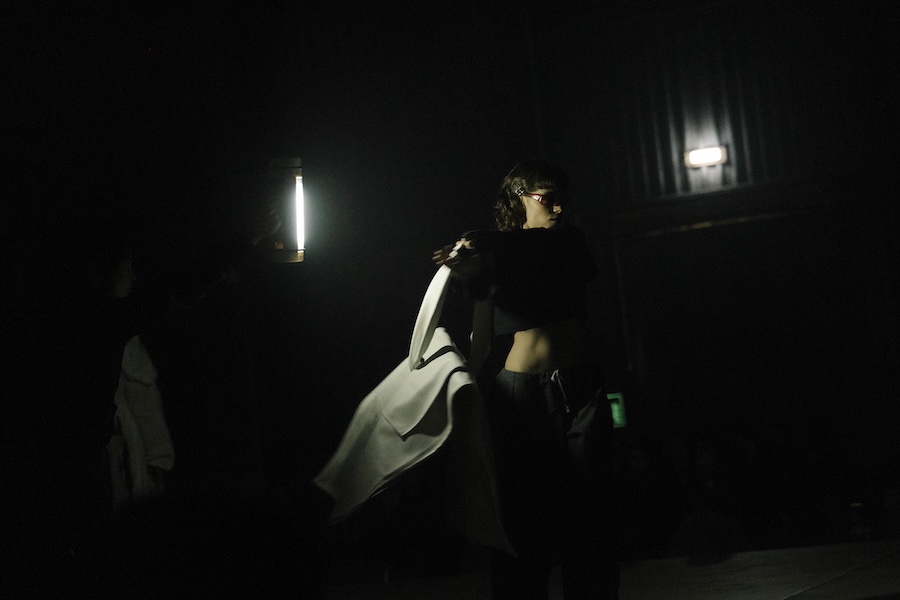
In our second photo review from the festival, we head inside the monumental Peutzhal of ENCI Maastricht for Saturday night’s absolute highlight: The CLASH House and its interdisciplinary opening act, CLASHLAB.
@fashionclash_festival
all photos by @jonathanwiddershoven
Opening the Night: CLASHLAB
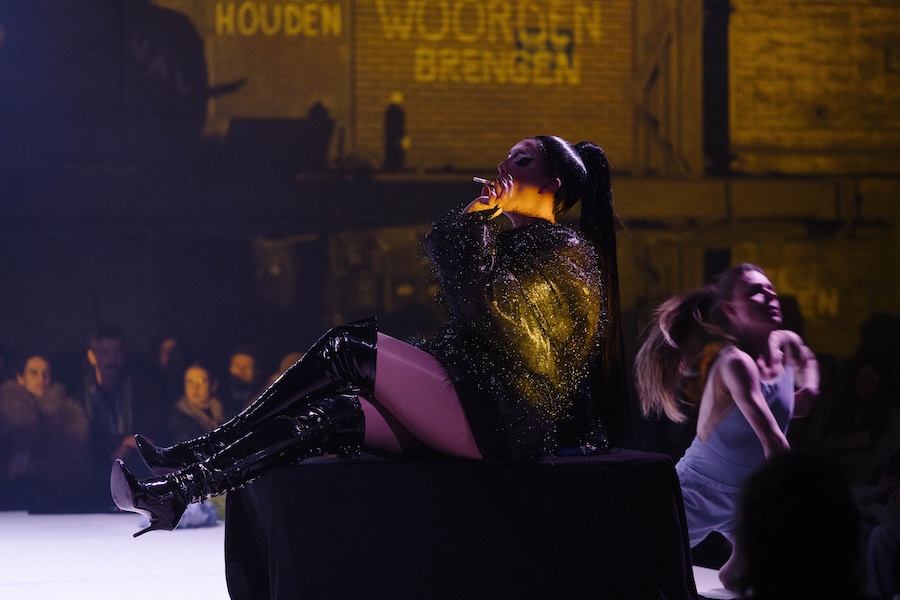
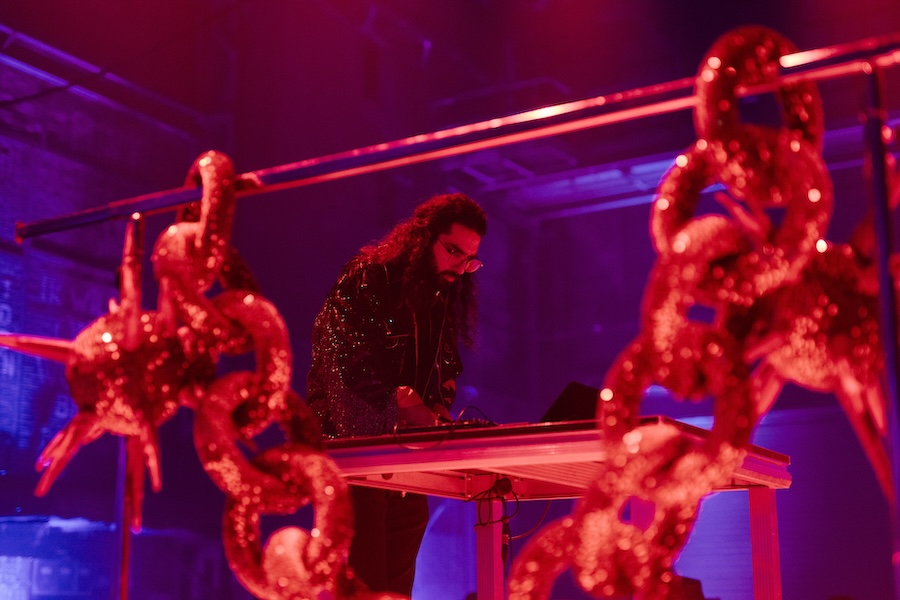
Setting the tone for the evening was CLASHLAB, an experimental development trajectory where fashion, dance, and sound collide as complete equals. For the 2026 edition, fashion designer Teun Seuren (Studio M.O.R.E), choreographer Daniëlle Huyghe, and musician Nader Adabnejad spent a two-week residency dismantling traditional creative hierarchies. Rather than forcing choreography or music to merely decorate the clothes, the trio built a raw, gripping live performance rooted in mutual friction, physical experimentation, and shared authorship.
The CLASH House: Ten Makers Redefining the Runway
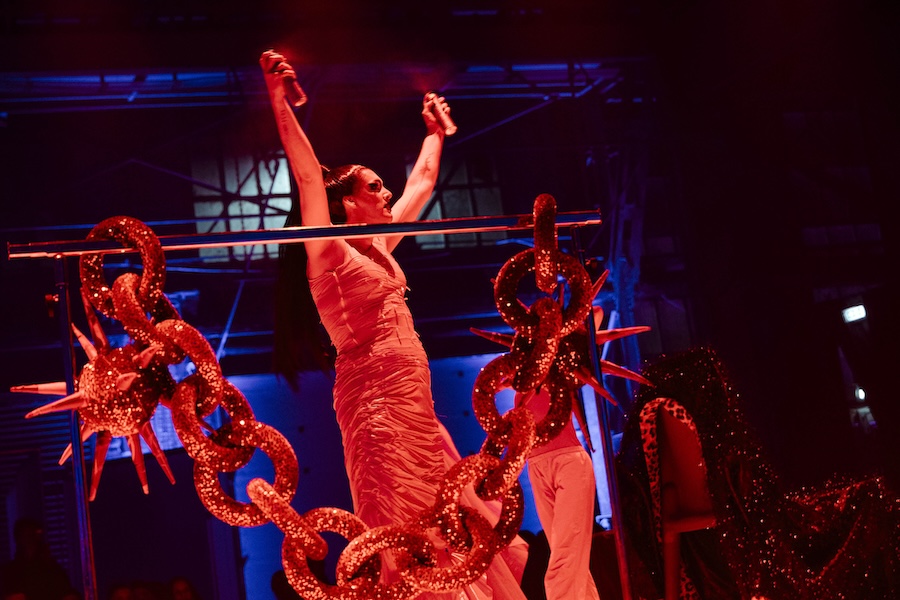
Hosted by theater maker and performer Just van Bommel @kinghelios — dressed in a custom creation by Studio M.O.R.E—The CLASH House remains FASHIONCLASH’s signature fashion performance incubator. Following an intensive coaching and making trajectory, ten emerging designers took over the raw industrial expanse of the Peutzhal to present their collections not on a conventional catwalk, but as full-scale theatrical performances where body, scenography, sound, and narrative fuse together.
Honestly, this year’s cohort (Jahrgang) was extraordinary across the board—the level of conceptual depth, emotional vulnerability, and technical ambition from every single designer left the room electric. While I genuinely admired all ten presentations, Nouka Rous stood out as my clear personal favorite of the night.
Evaluated by an international jury—comprising Jana Patočková (Vogue CS), Donald Gjoka, Anna Barr (FY! Magazine), Philippe Pourhashemi, Mira Postolache (MIRA W. Studio), and Jade Thompson (Schön Magazine)—three major awards were handed out at the close of the evening:
FASHIONCLASH Festival Award, powered by Meester Koetsier Foundation (€ 2,500): Anna Strengers – BOUND TO THIS BODY
FASHIONCLASH Festival 2026 TIM Award (development track worth up to € 1,500 at Qeske Maastricht): Emma Magermans – RAVEILLE
PFAFF x Stitchlie Award (refurbished sewing machine & 1-year Stitchlie membership): Emma Magermans – RAVEILLE
Inside the Ten Performances
Participants: Amy Pratt @amyprattt, Anna Strengers @anna.strengers, Aron Saxe @aron.saxe, Dies van Herk @d_i_es, Emma Magermans @emmamagermansdesign, Isa Hazelager @shoppunkprincess, Larissa de Jager @larisssadejager, Nouka Rous @noukarous, Paco Teepe @pacoteepe, Soojeong Lee @lee_soojeong
The looks of The CLASH House were brought to life with the support of Art of Colors @artofcolors
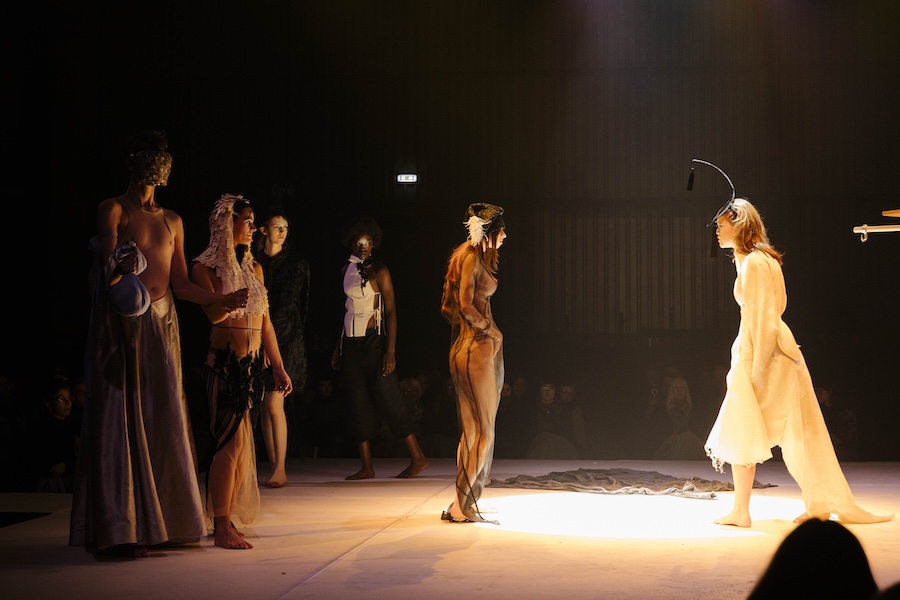
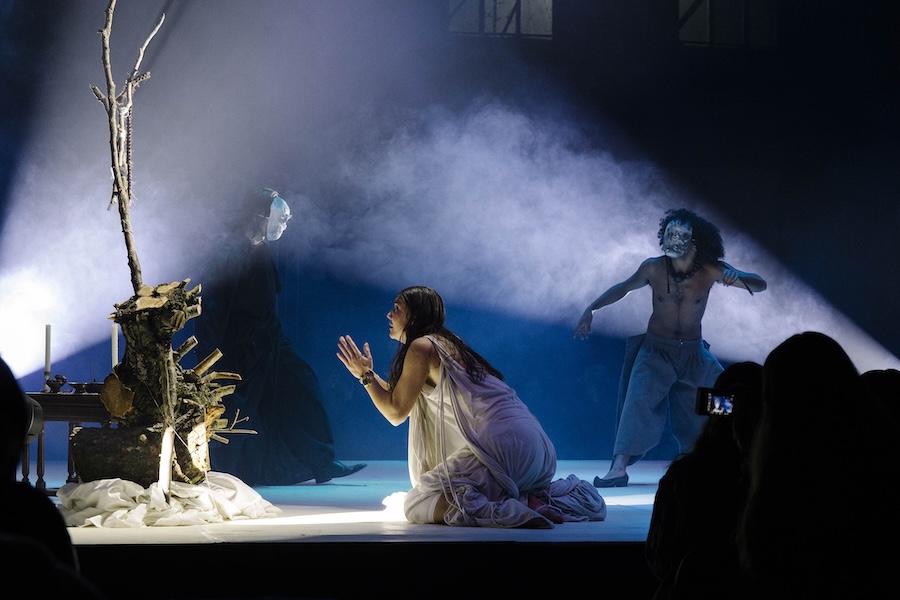
Nouka Rous – On Hallowed Tides: My undisputed personal highlight of the evening. Rous countered our hyper-accelerated, overstimulated consumer reality with the radical power of stillness. Constructing sculptural, hand-crafted silhouettes from deadstock textiles and historical fragments, she staged a hypnotic ritual procession where garments simultaneously cradled and restricted the body—forcing the audience to slow down and truly witness texture, touch, and deliberate movement.
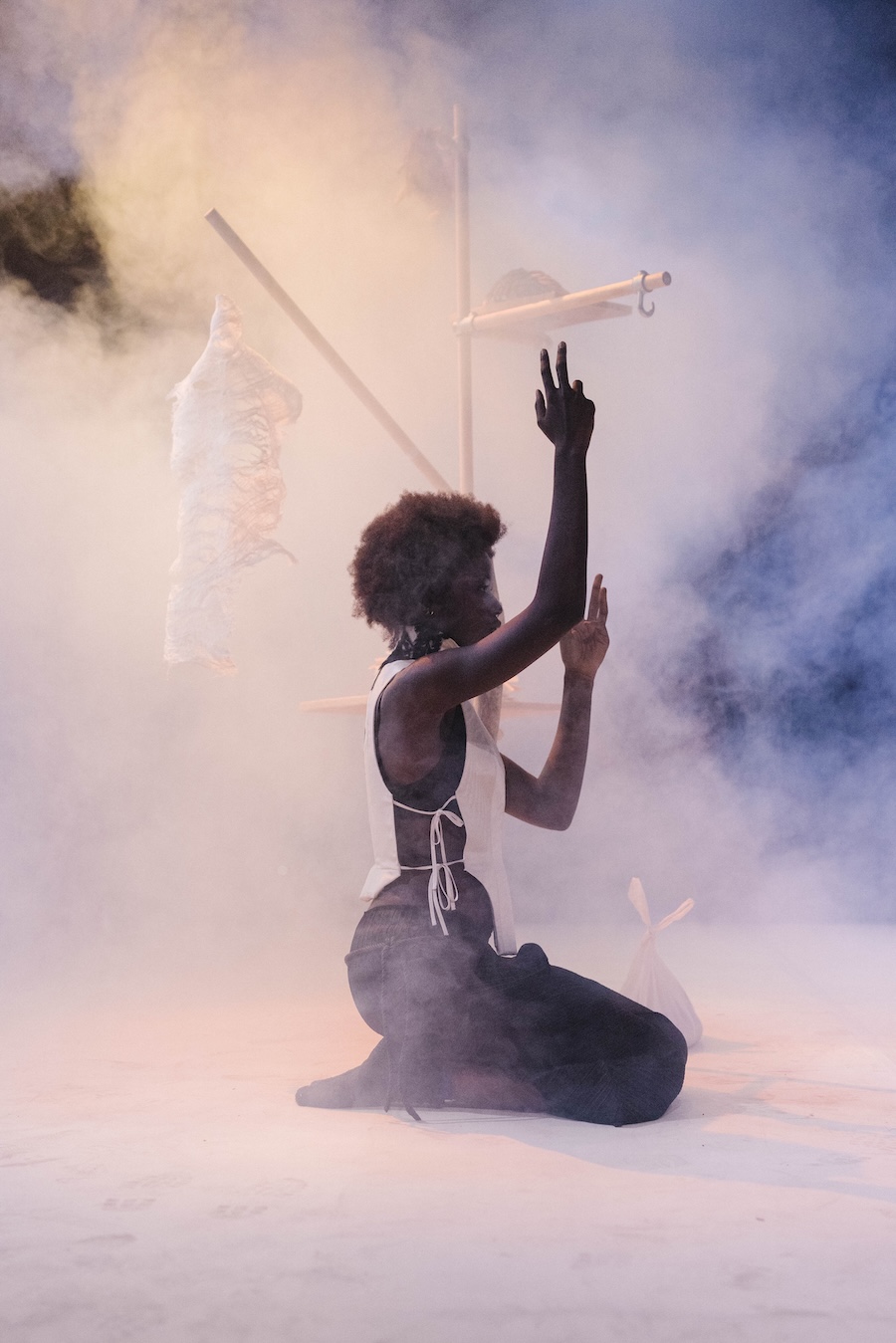
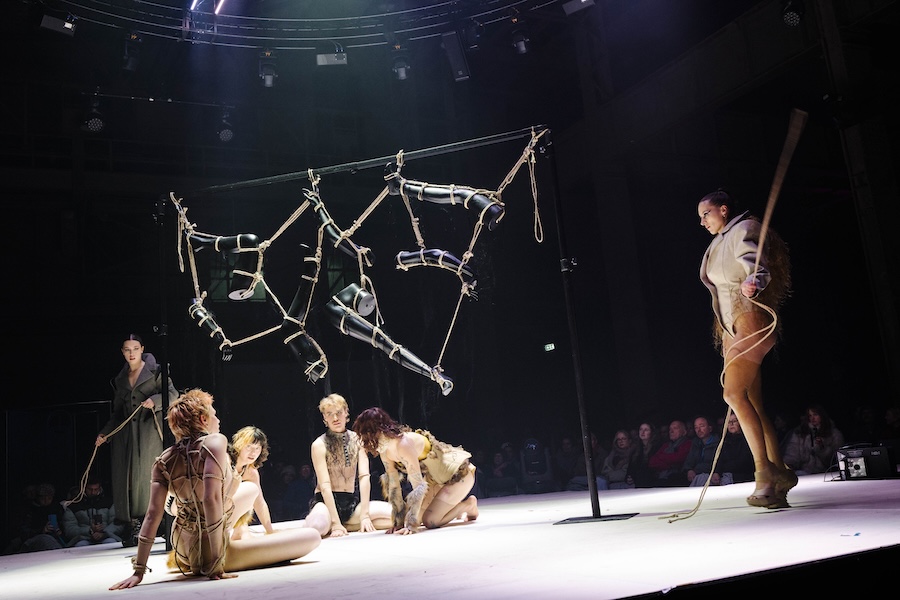
Anna Strengers – BOUND TO THIS BODY: Taking home the main festival prize, Strengers dove fearlessly into the tangled intersections of shame, desire, vulnerability, and bodily autonomy. Drawing from queer nightlife, BDSM, and fetish subcultures, she utilized tactile latex and provocative staging to dismantle taboos around pain, pleasure, and how we gaze at the human form.
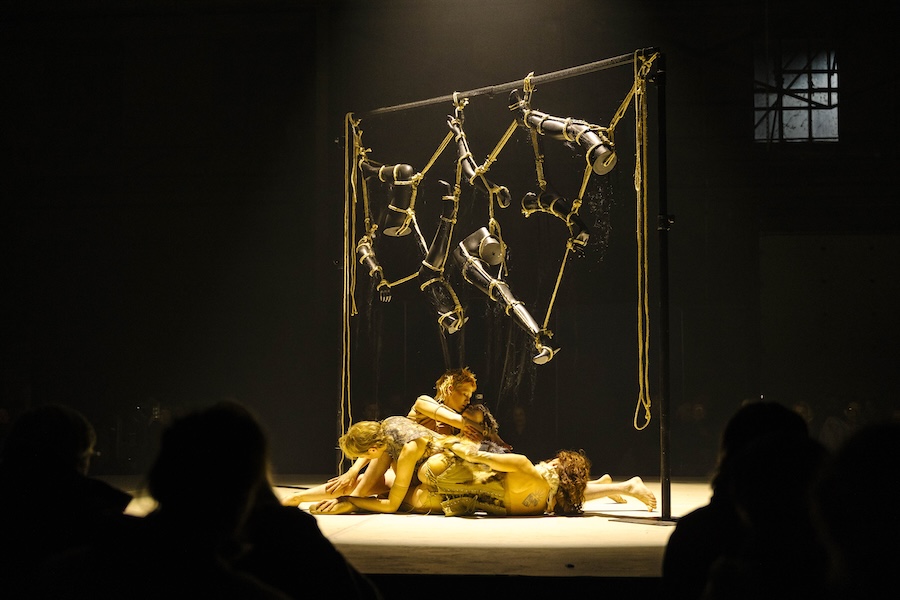
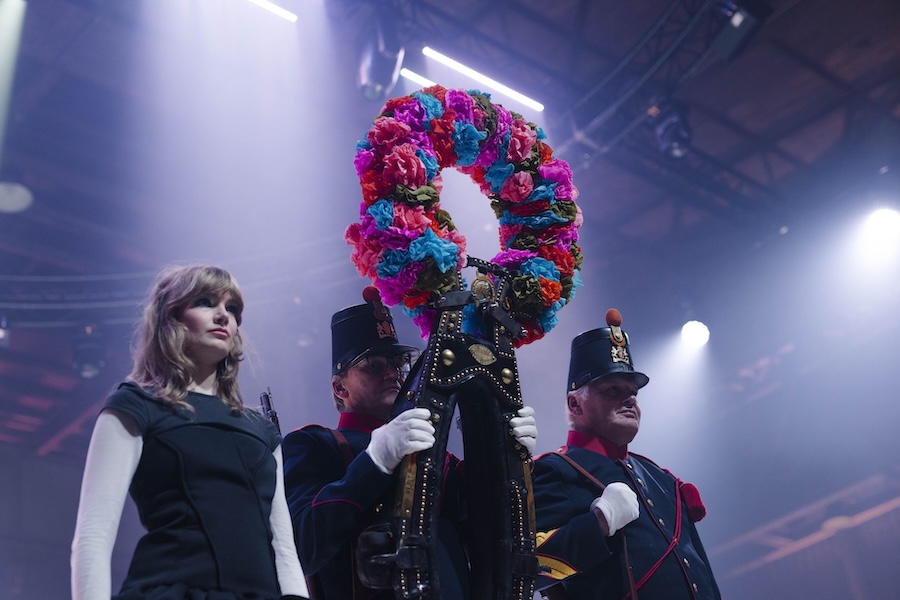
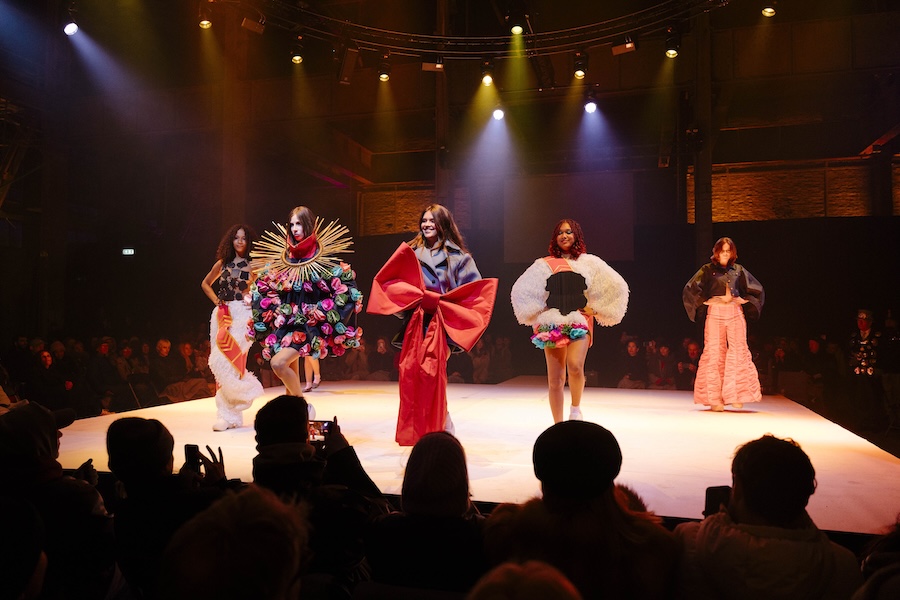
Emma Magermans – RAVEILLE: A double award winner, Magermans translated the regional heritage and communal spirit of her South Limburg childhood in Mheer into vibrant contemporary silhouettes. Colliding club culture with traditional regional dress, she treated heritage not as a static museum piece, but as a living organism constantly remixed by new generations.
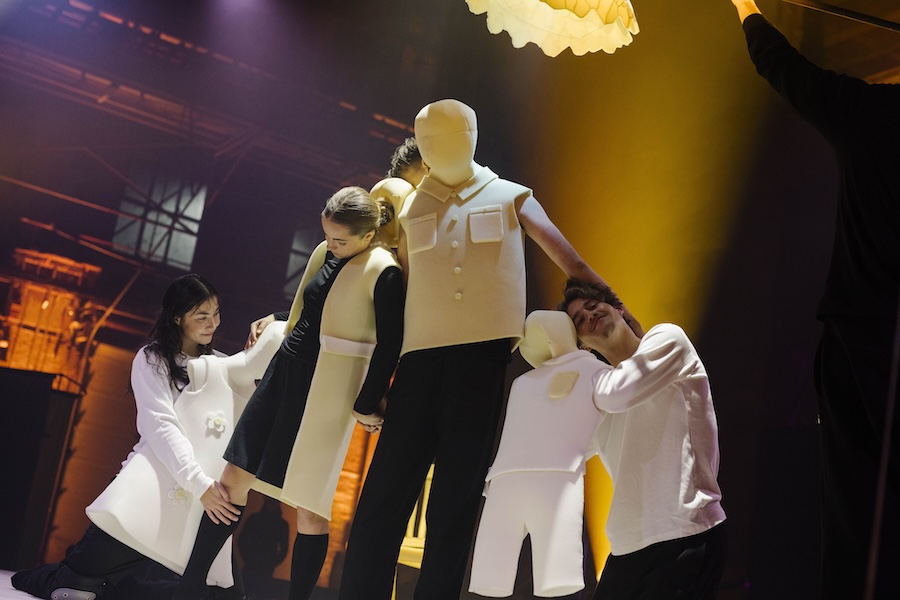
Paco Teepe – Draagbare Momenten: Gathering performers around the intimate, familiar anchor of a family dining table, Teepe transformed garments into vessels of domestic memory. By exposing raw upholstery foam on the exterior like a vulnerable second skin, he pulled hidden family histories and unspoken inner worlds out into the light.
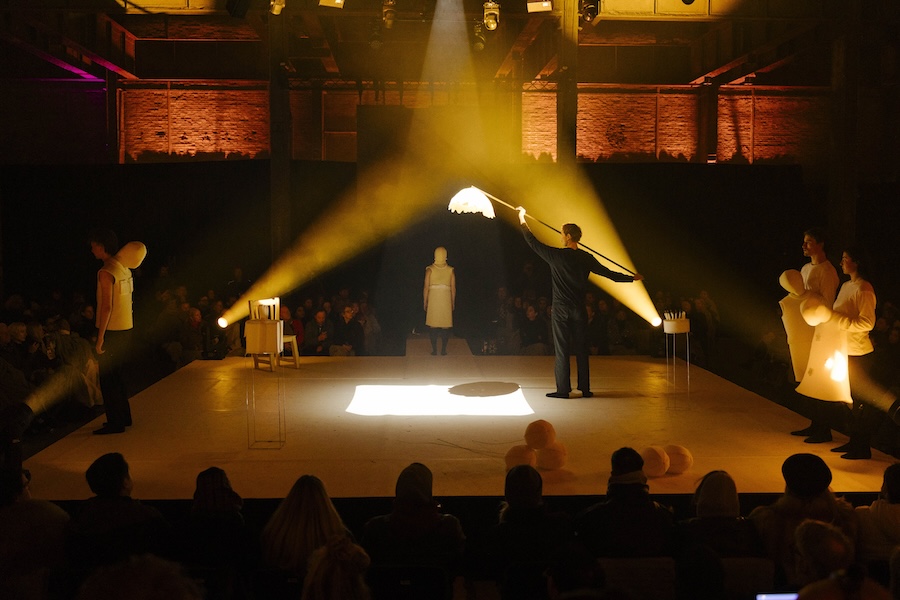
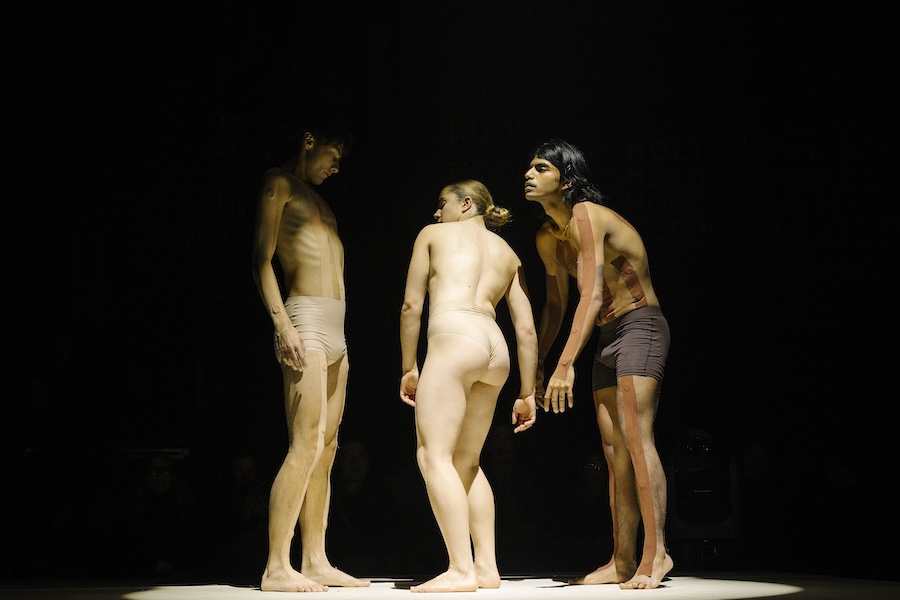
Aron Saxe – you might need to sit for this: Working intimately with six trans men who revisited personal memories and writing workshops around moments of transition one year after their initial conversations, Saxe crafted a deeply moving collective portrait of how emotional memory evolves and takes physical shape through cloth and solidarity.
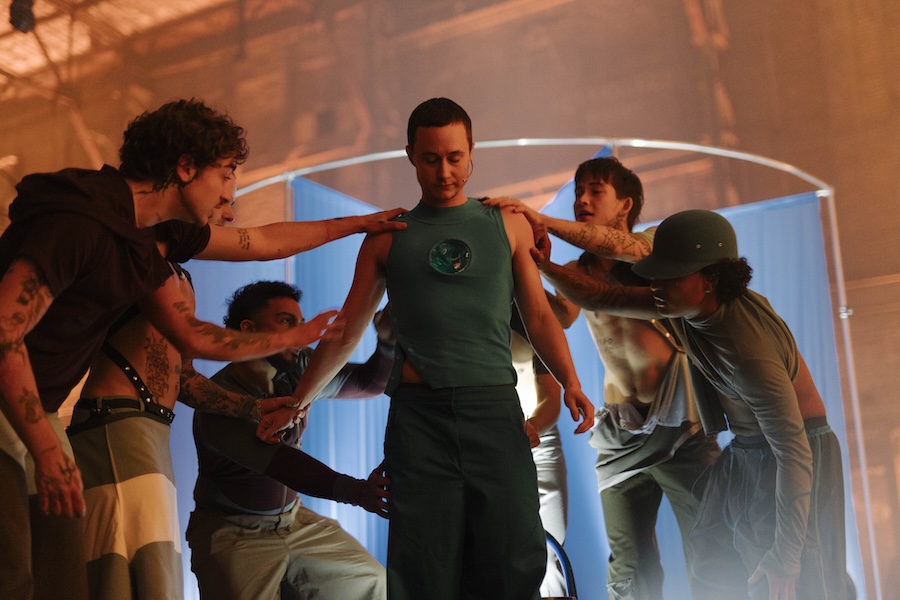
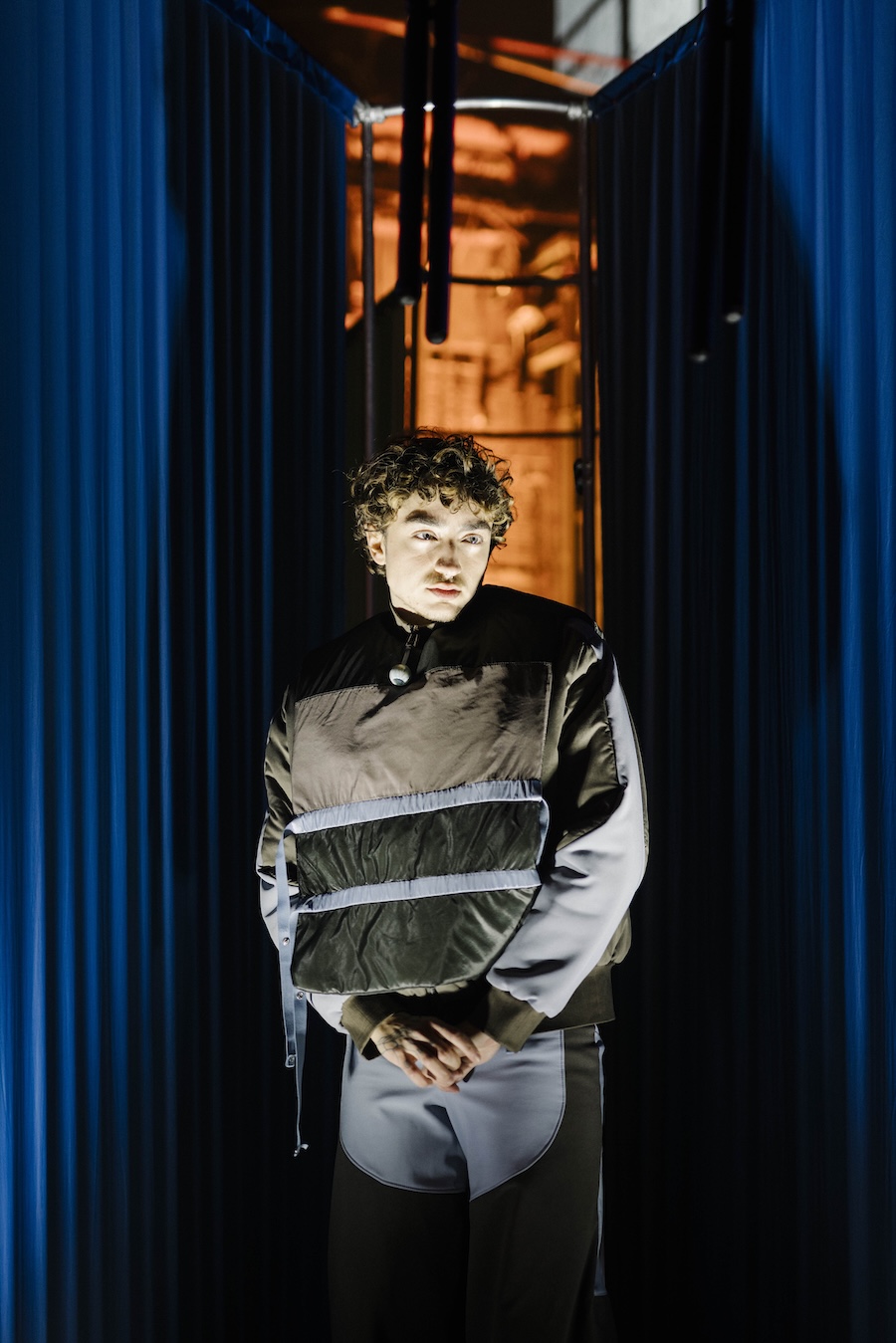
Soojeong Lee – Ritual for the Absence of Suffering: Channeling the spiritual intensity of a Korean shamanic ritual, Lee transformed private fear, pain, and emotional weight into a cathartic public ceremony—carving out space for collective recognition and release.
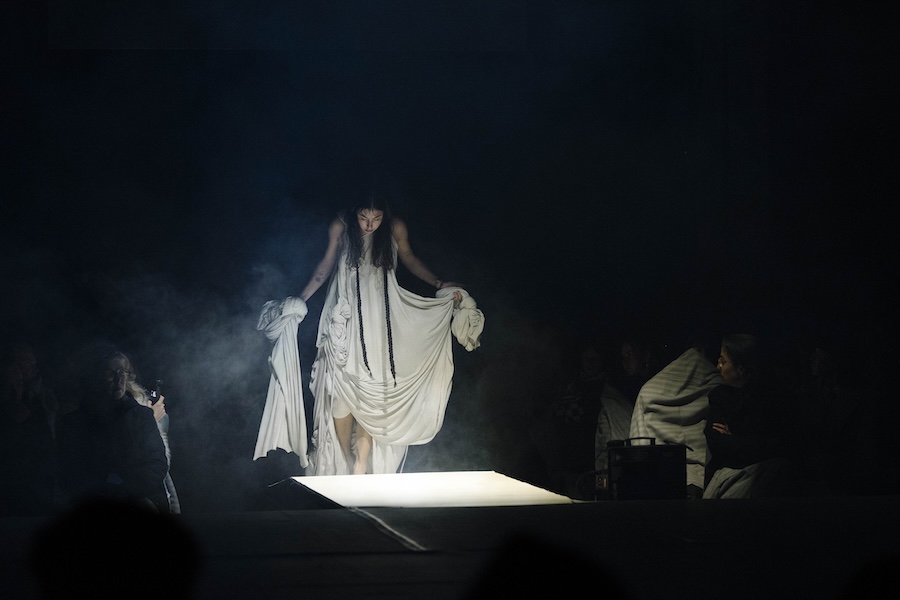
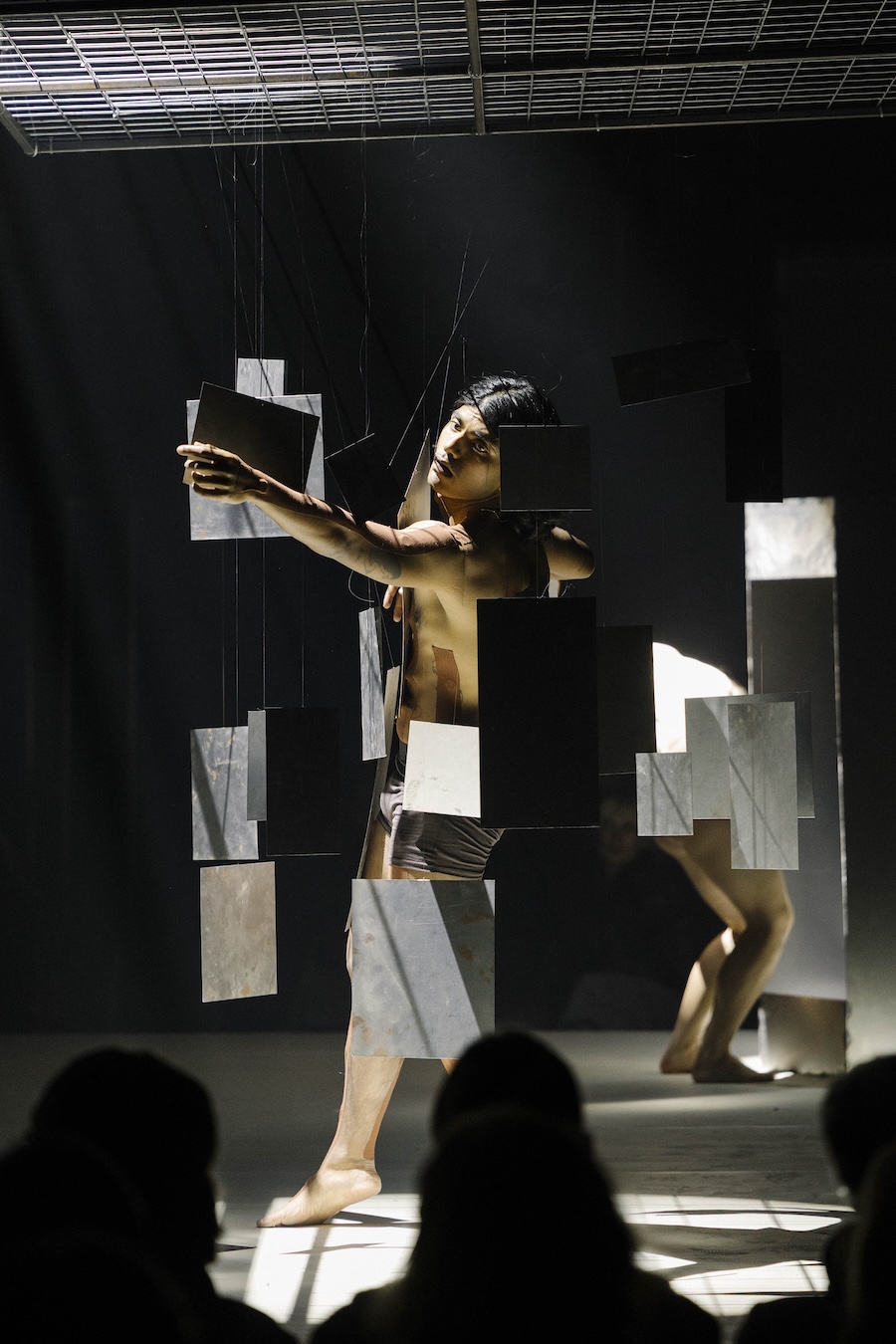
Dies van Herk – untitled02: Interrogating alienation within an increasingly hyper-individualistic culture, van Herk pitted rigid, cold metal structures against the warmth of the human body—visualizing the bruising friction between external societal expectations and our fragile inner lives.
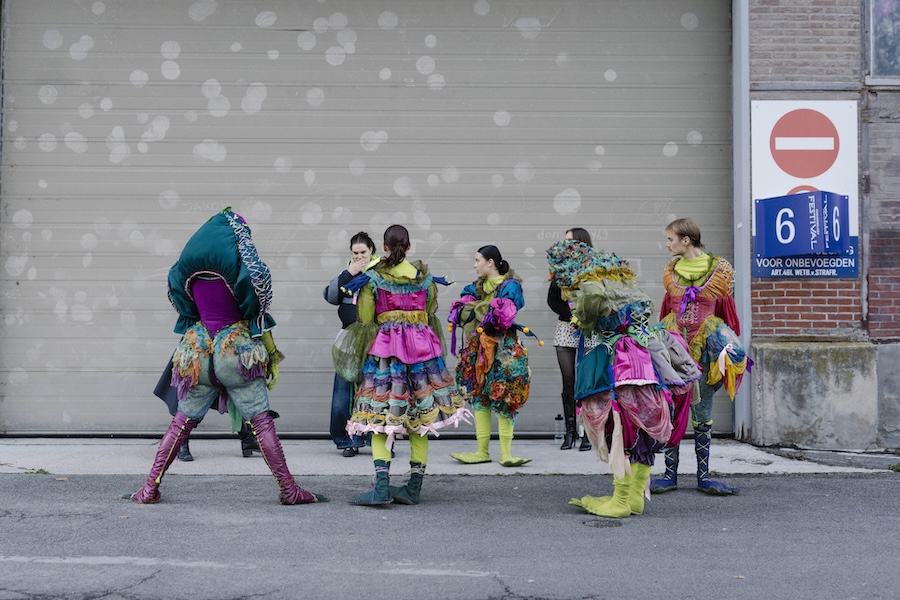
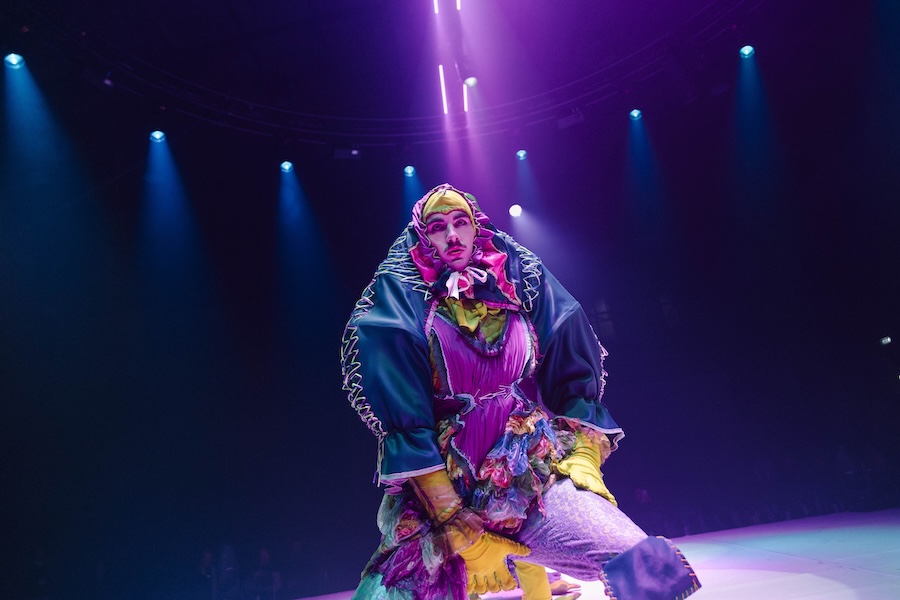
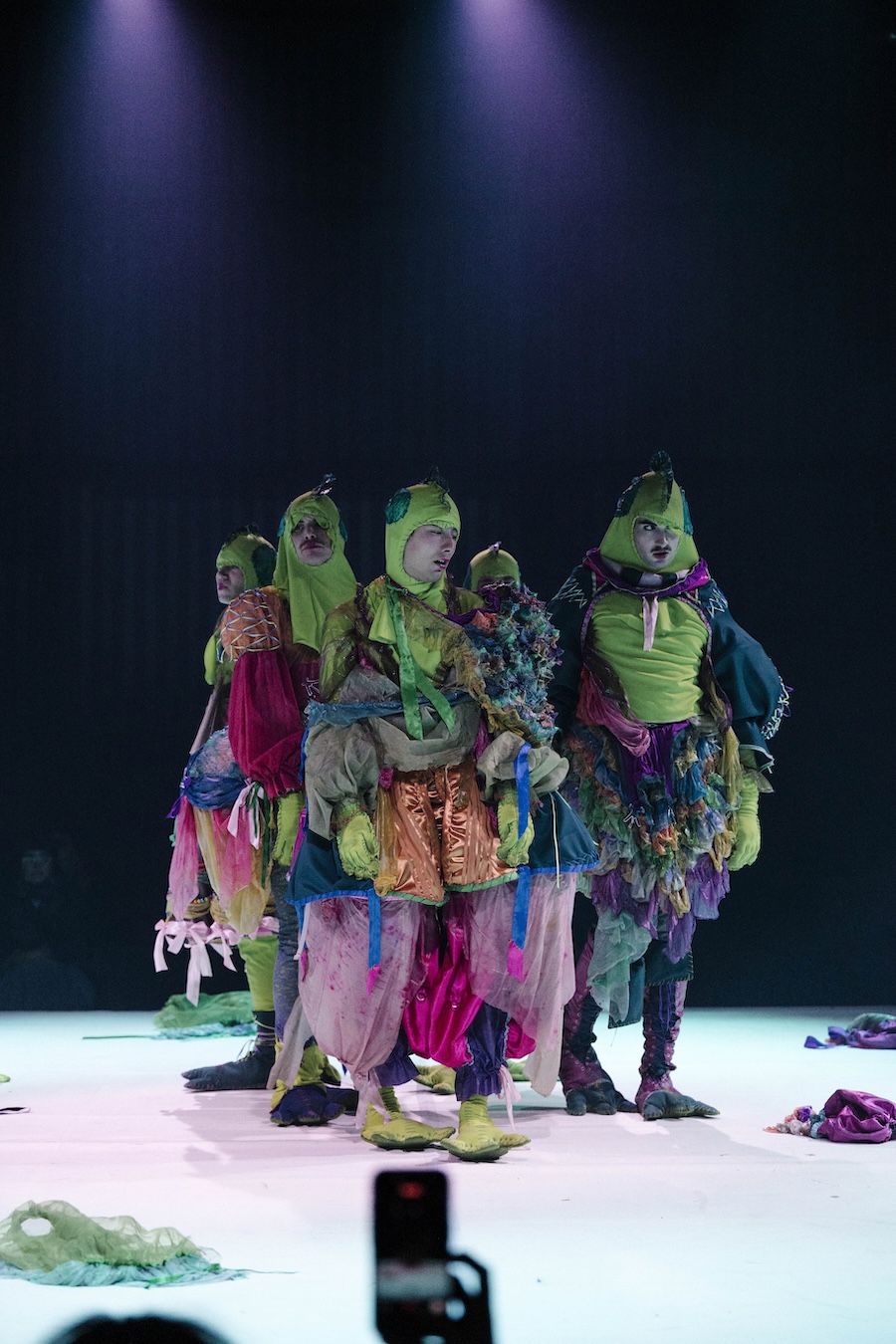
Amy Pratt – The Wet and Naughty Show: Costume designer Pratt collided historical burlesque with a flamboyant, surreal underwater universe of amphibians and fish. Asking what happens when performers seize complete control over their own bodies, she delivered a witty, colorful spectacle celebrating self-determination and theatrical seduction.
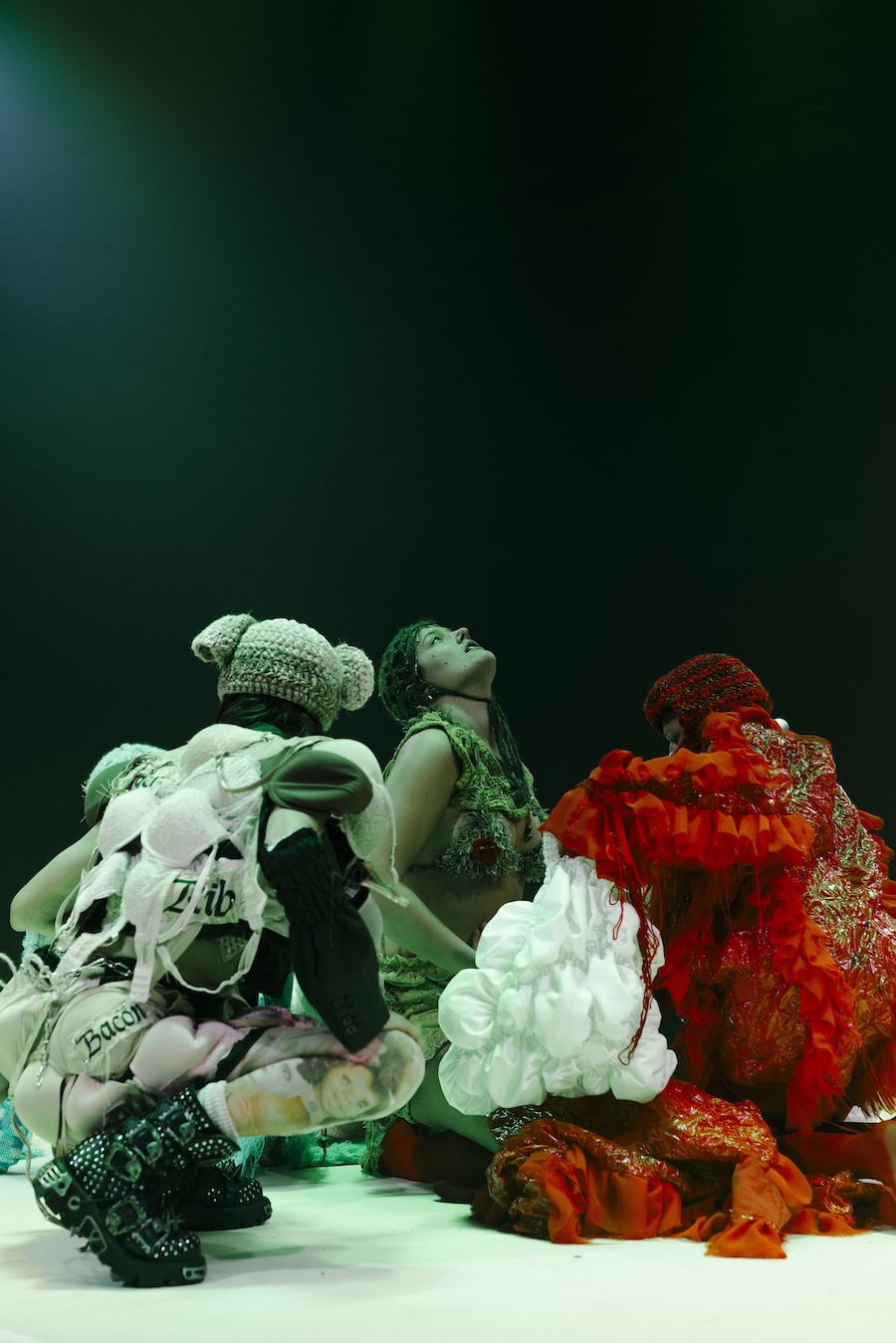
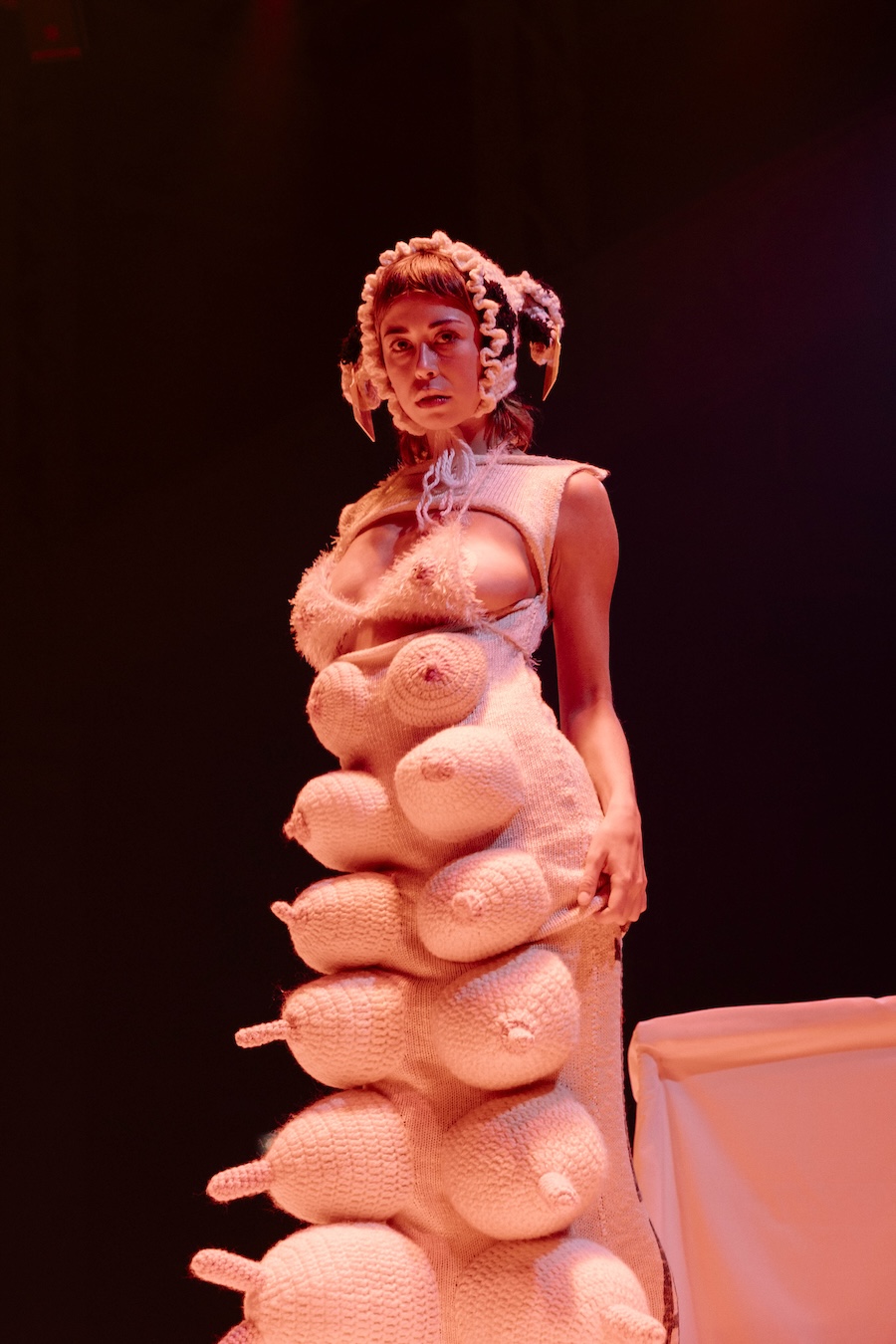
Isa Hazelager – RESILIENCE: Drawing sharp parallels between the industrial exploitation of animals and the objectification of women, Hazelager combined upcycled materials with intricate crochet and knitwear to challenge how we consume, coexist, and treat living bodies.
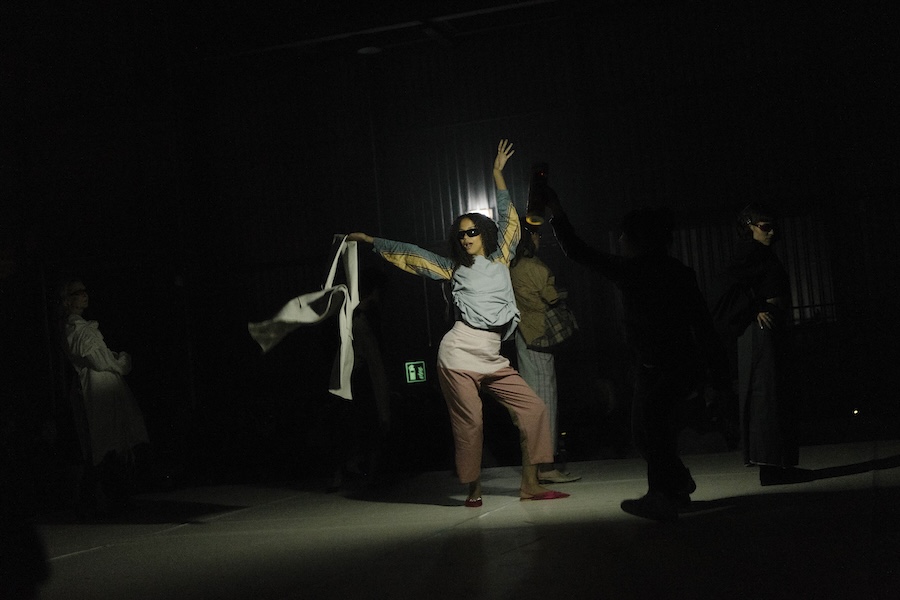
Larissa de Jager – Mama Put The Bags To Use: Paying tribute to her grandmother, Oma Lies—who defied 1960s Amsterdam social stigma after being widowed by continuing to design and sell her late husband’s bags to secure her financial autonomy—de Jager incorporated her grandmother’s original pattern pieces into a fierce, joyful runway ode to female independence.
Stay tuned for our next photo dispatch from Maastricht, and make sure to mark 19 – 21 November 2027 for the 19th edition of FASHIONCLASH Festival.
Venue: Peutzhal, ENCI Maastricht
CLASHLAB Collaborators: Teun Seuren (Studio M.O.R.E), Daniëlle Huyghe, Nader Adabnejad
CLASHLAB Partners: FASHIONCLASH, Musica Sacra, Nederlandse Dansdagen, SALLY, Intro in Situ, schrit_tmacher Festival, Munttheater, Via Zuid (supported by Stichting Kanunnik Salden & De Hustinx Stichting)
Next Edition: 19 – 21 November 2027
