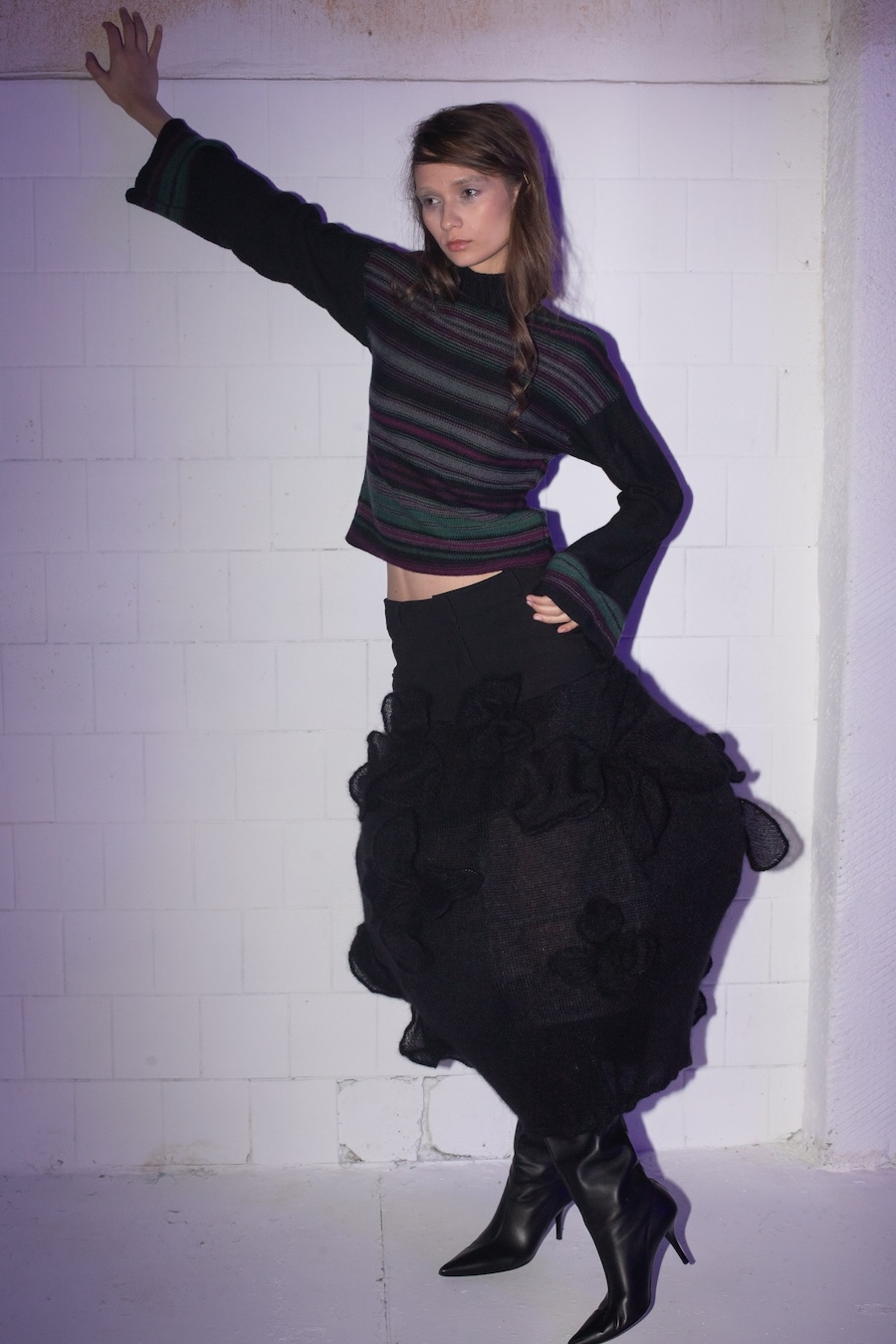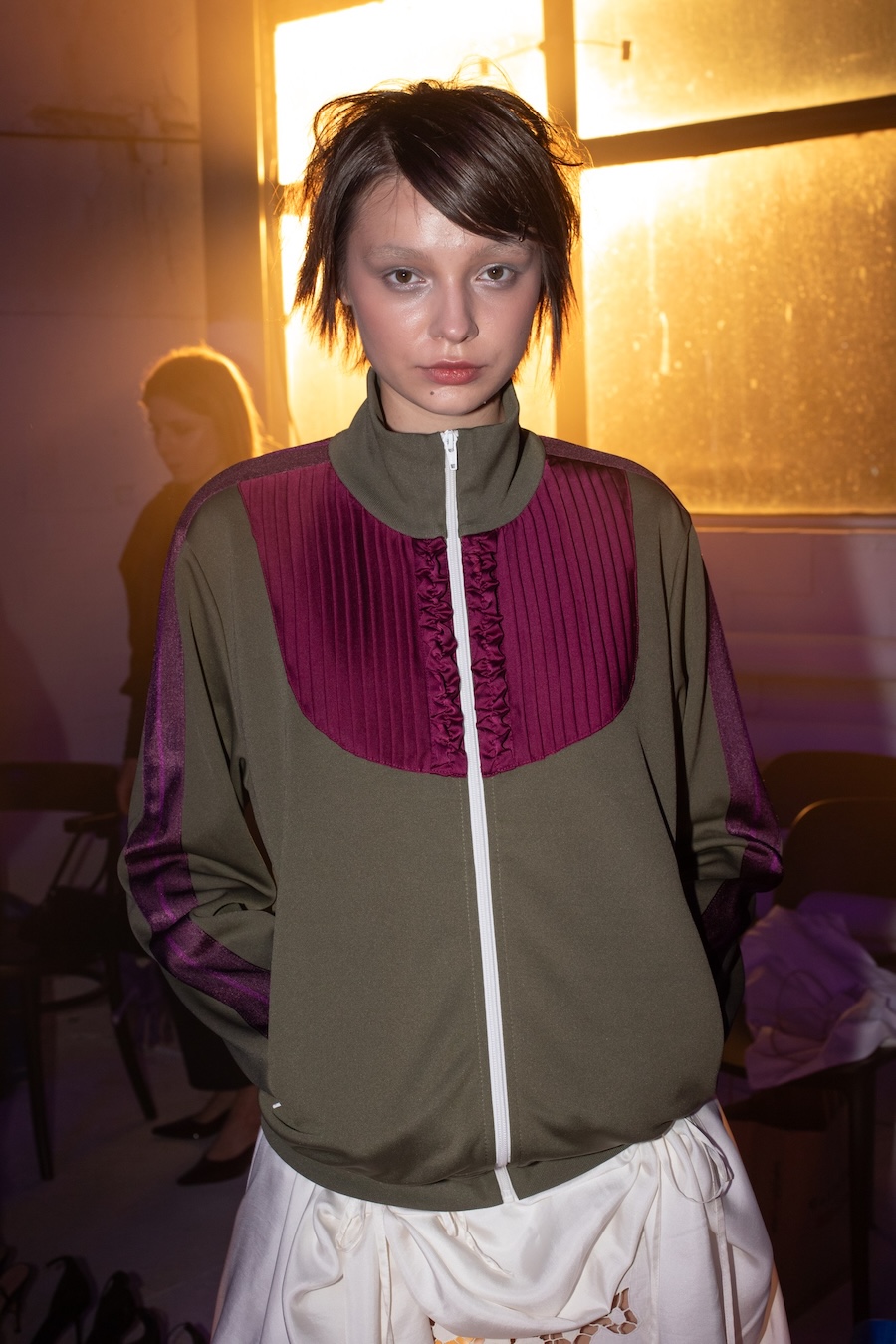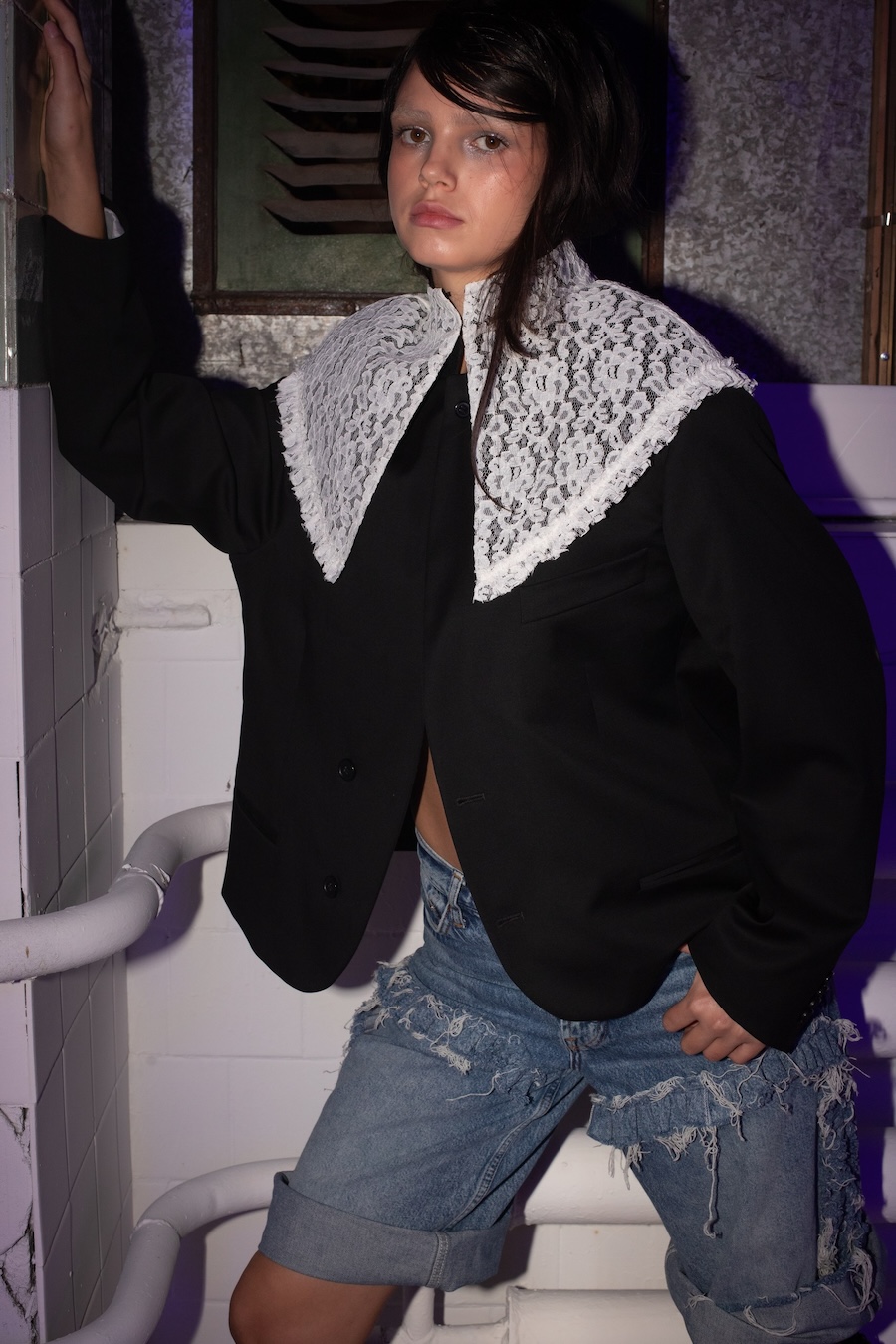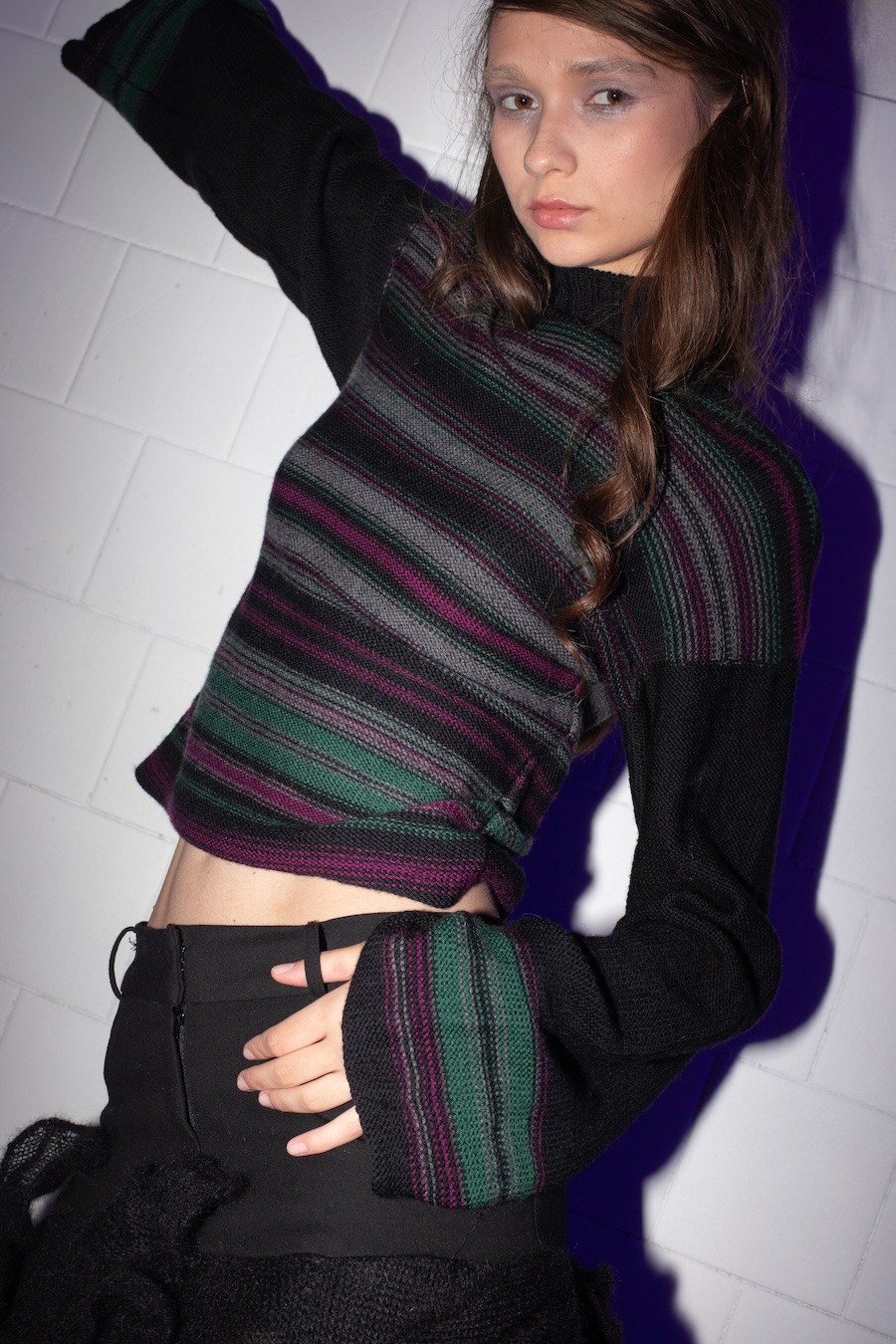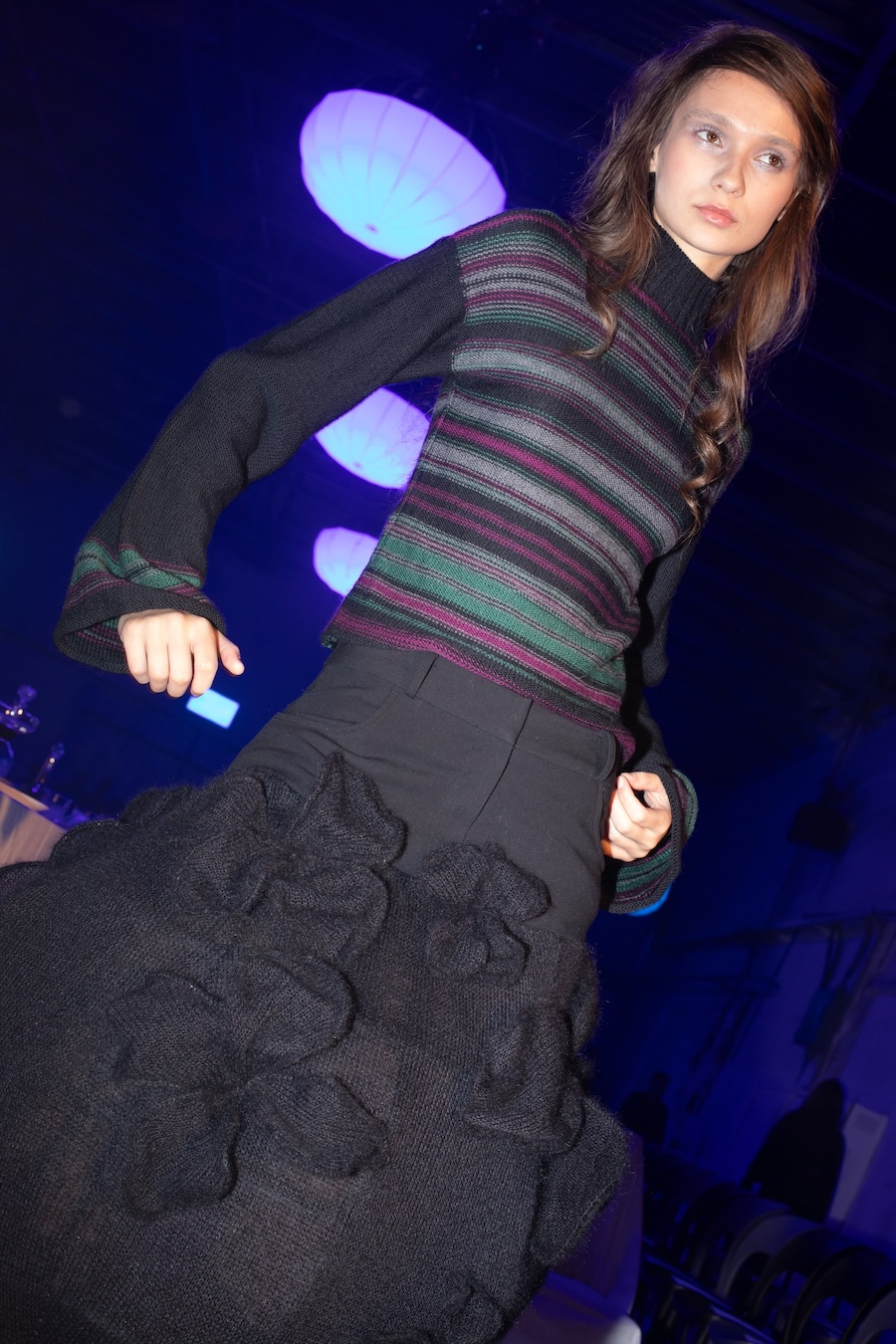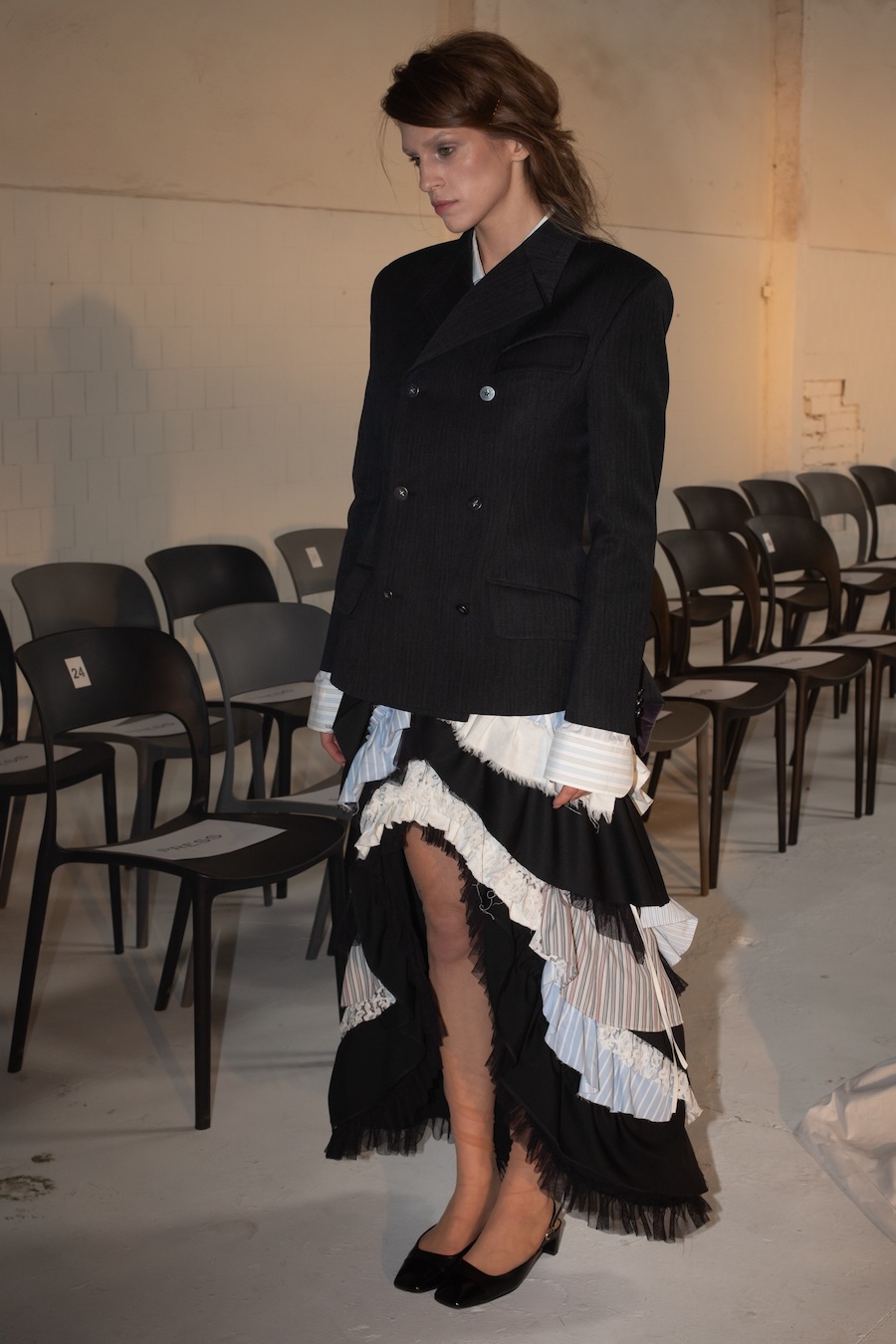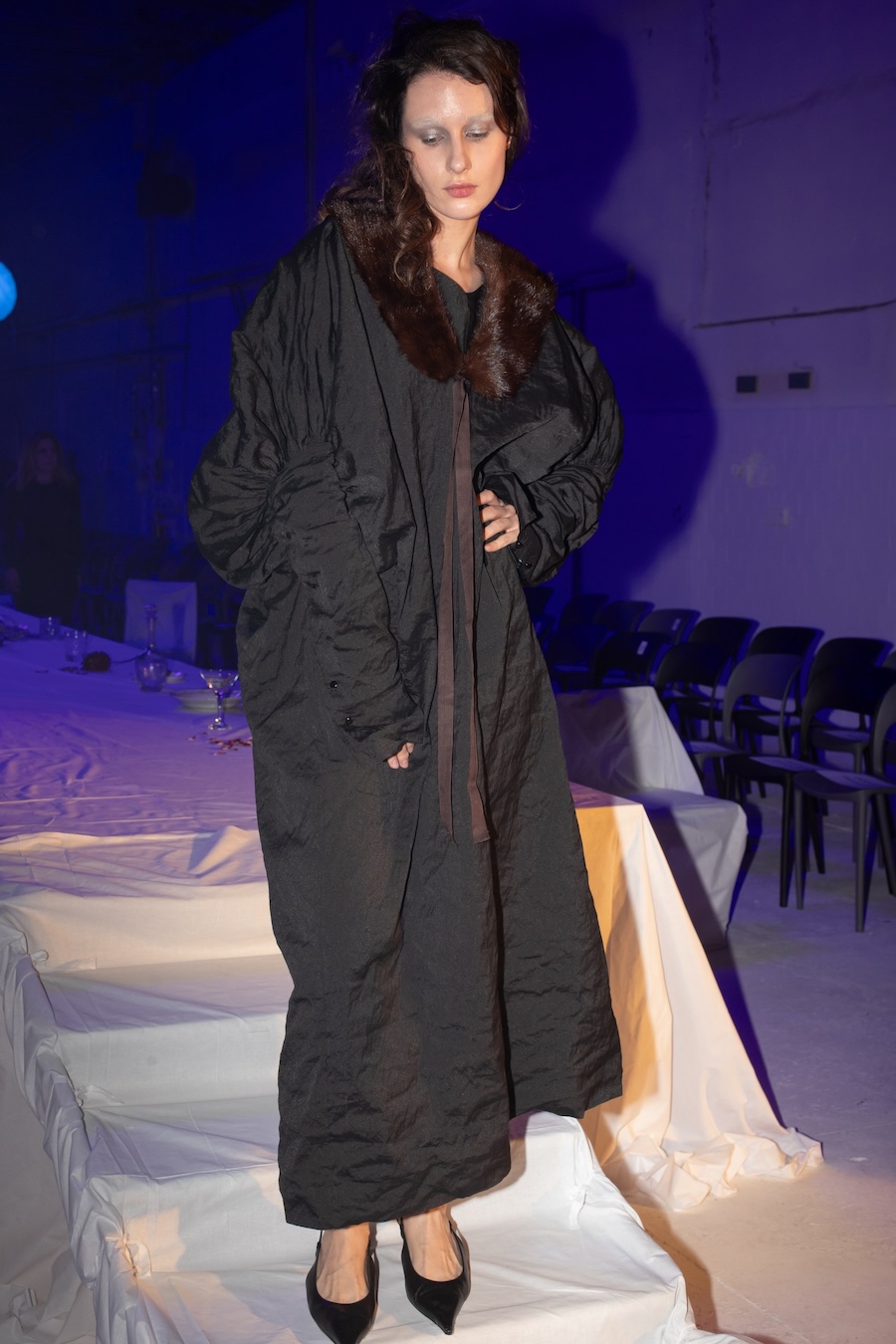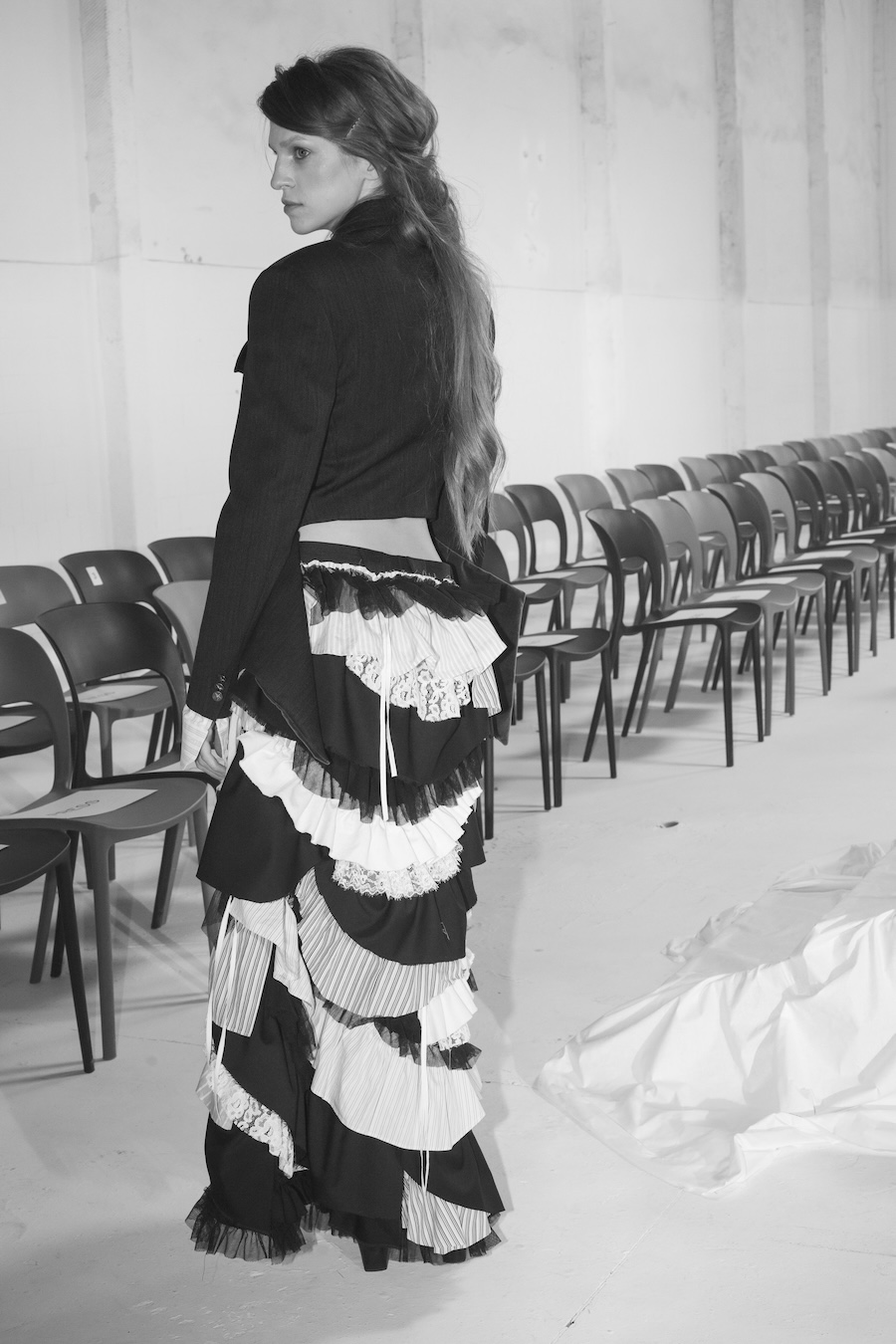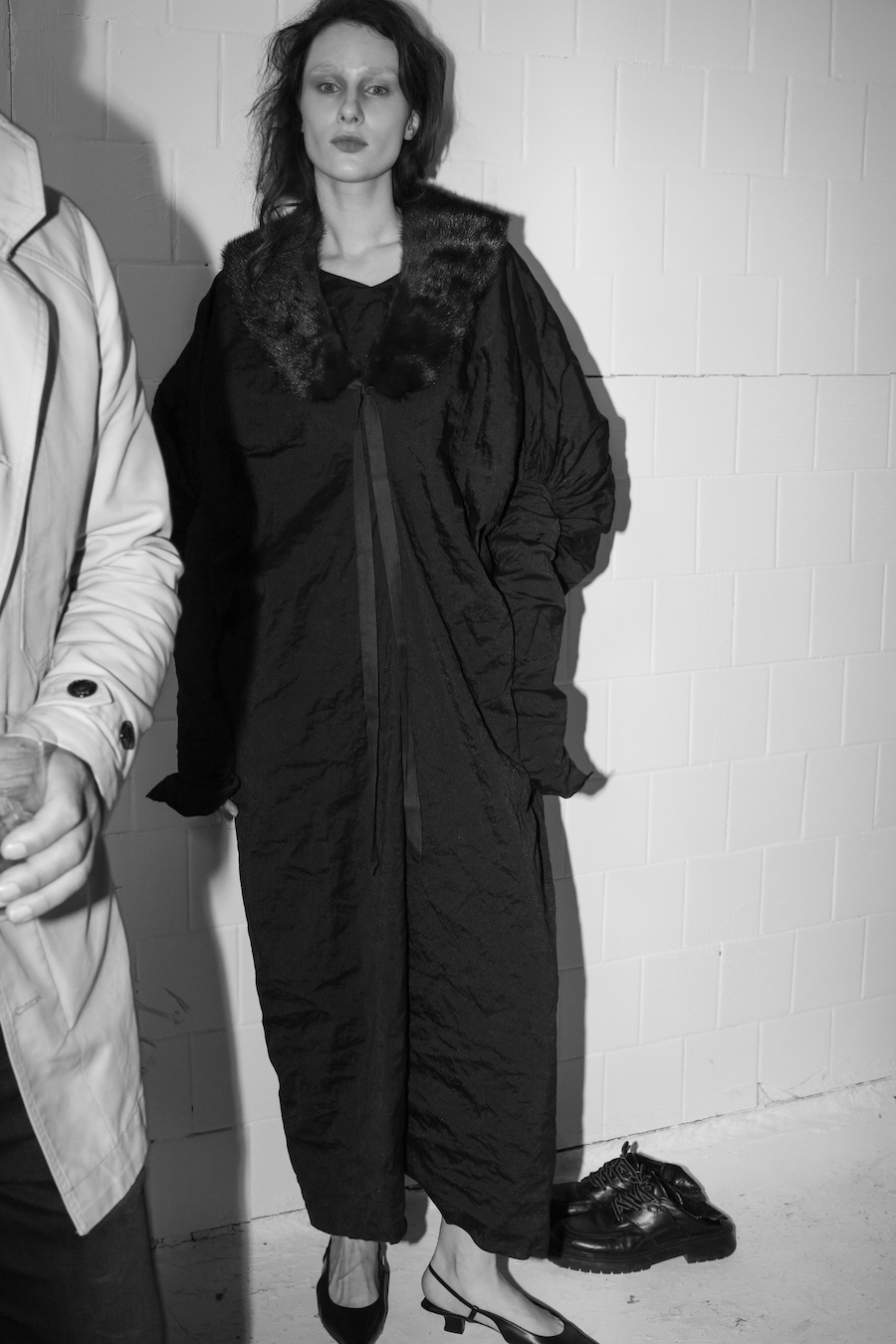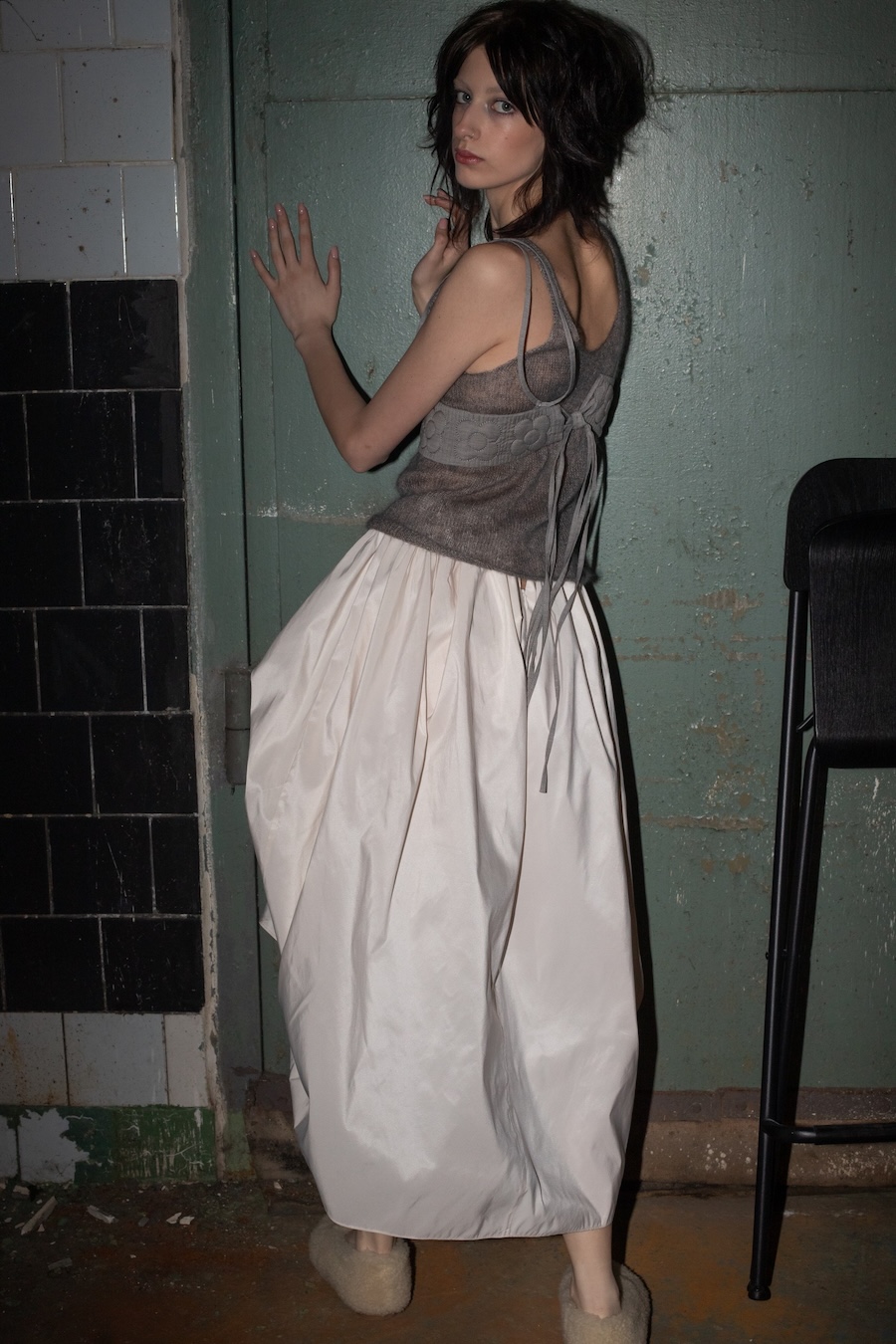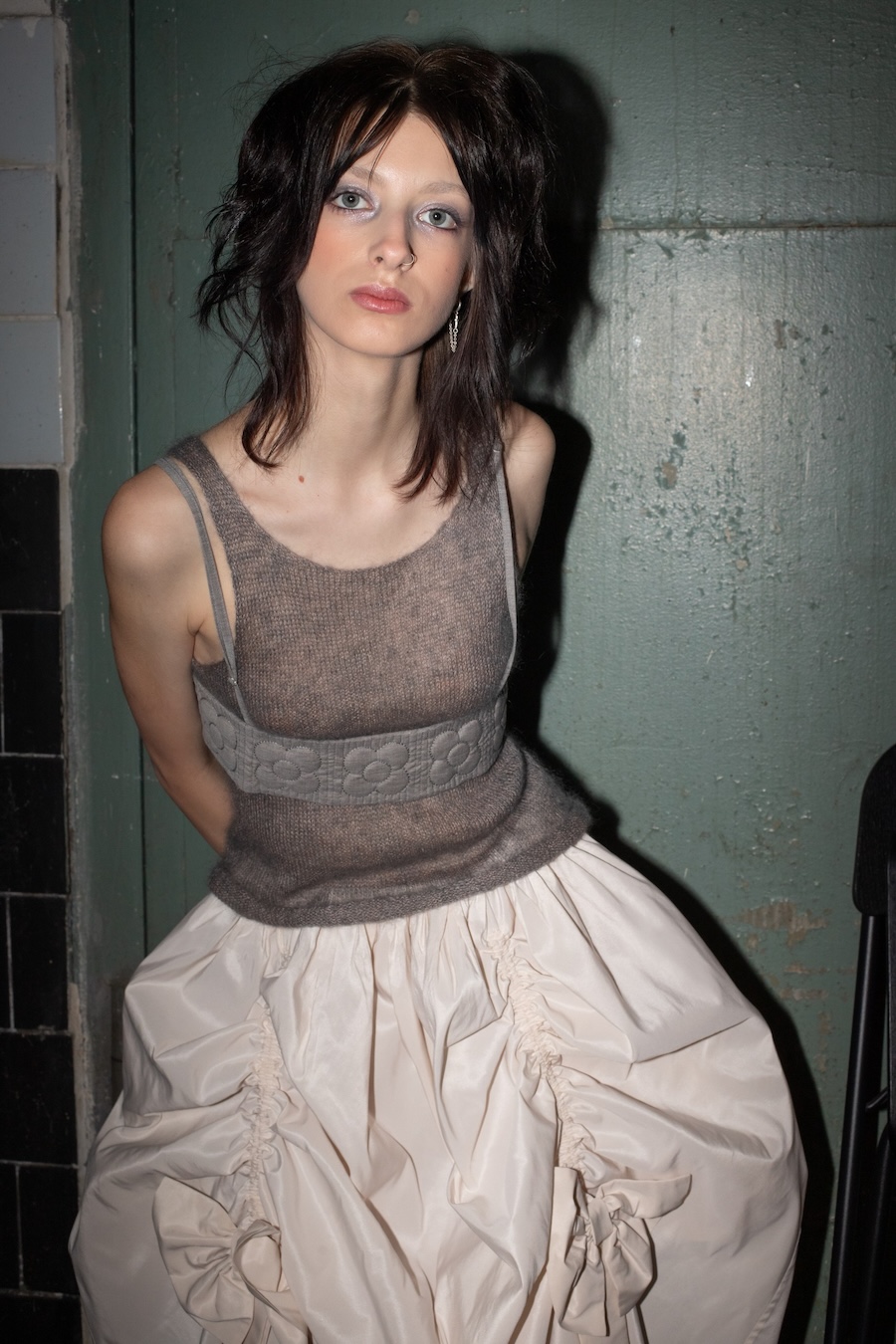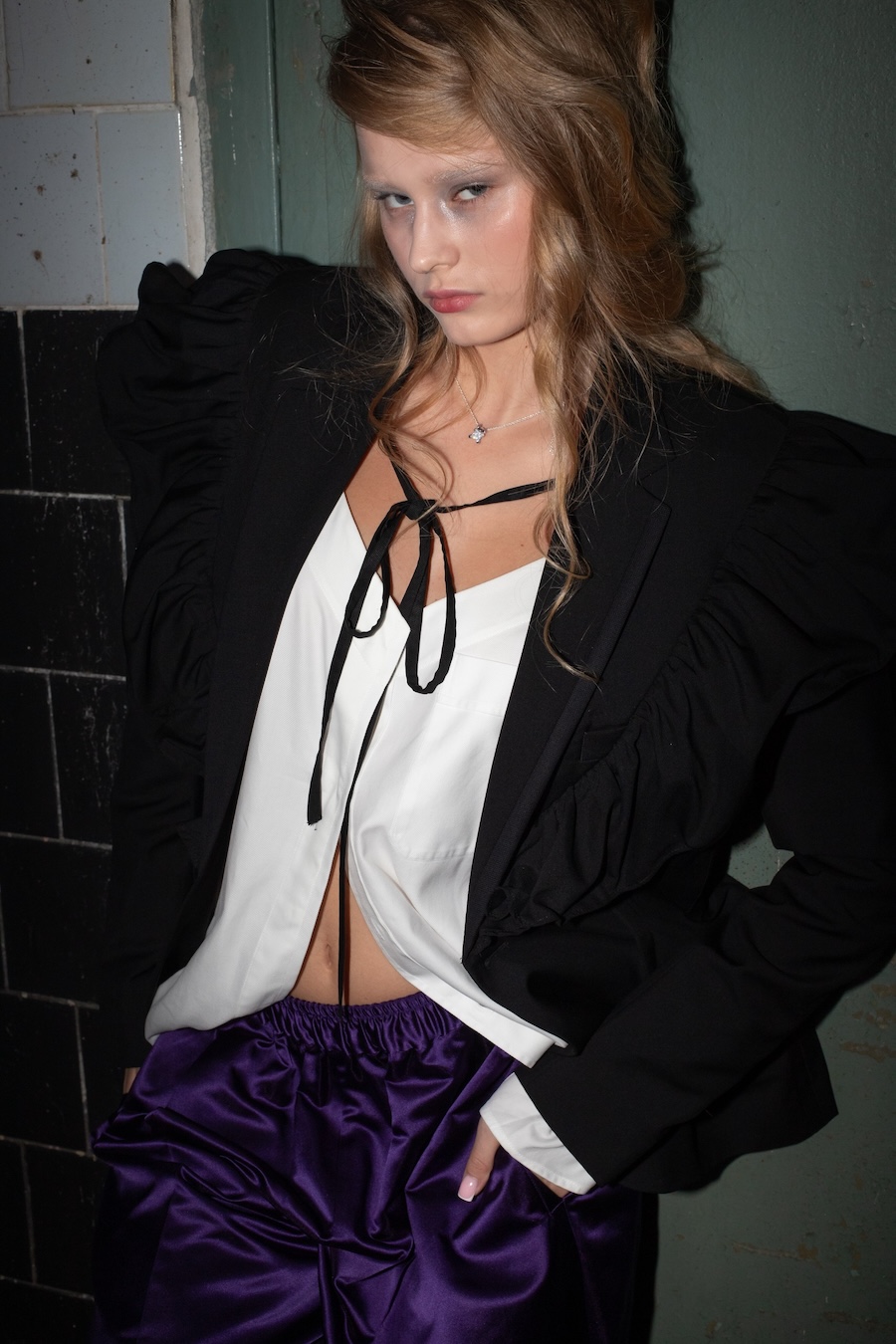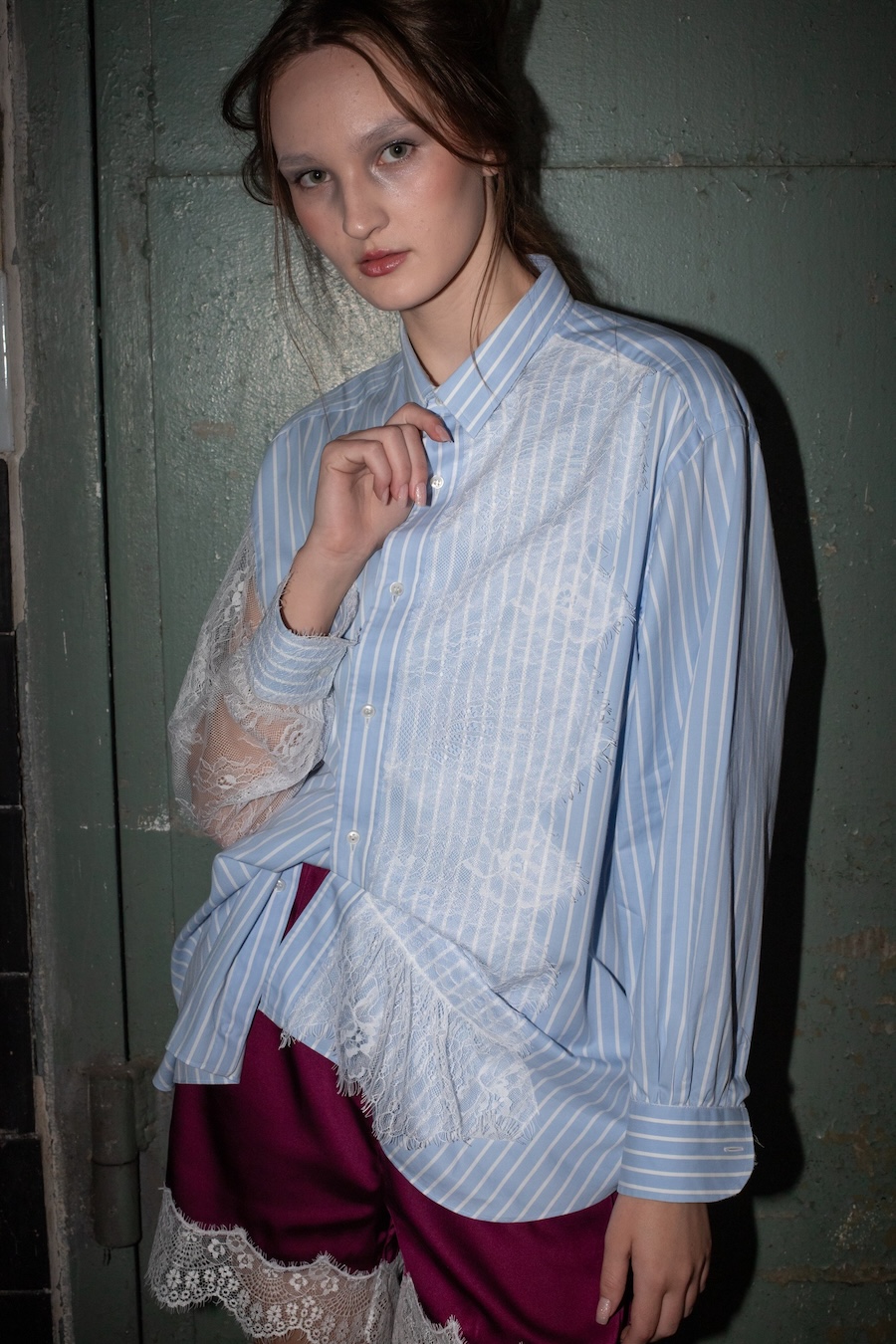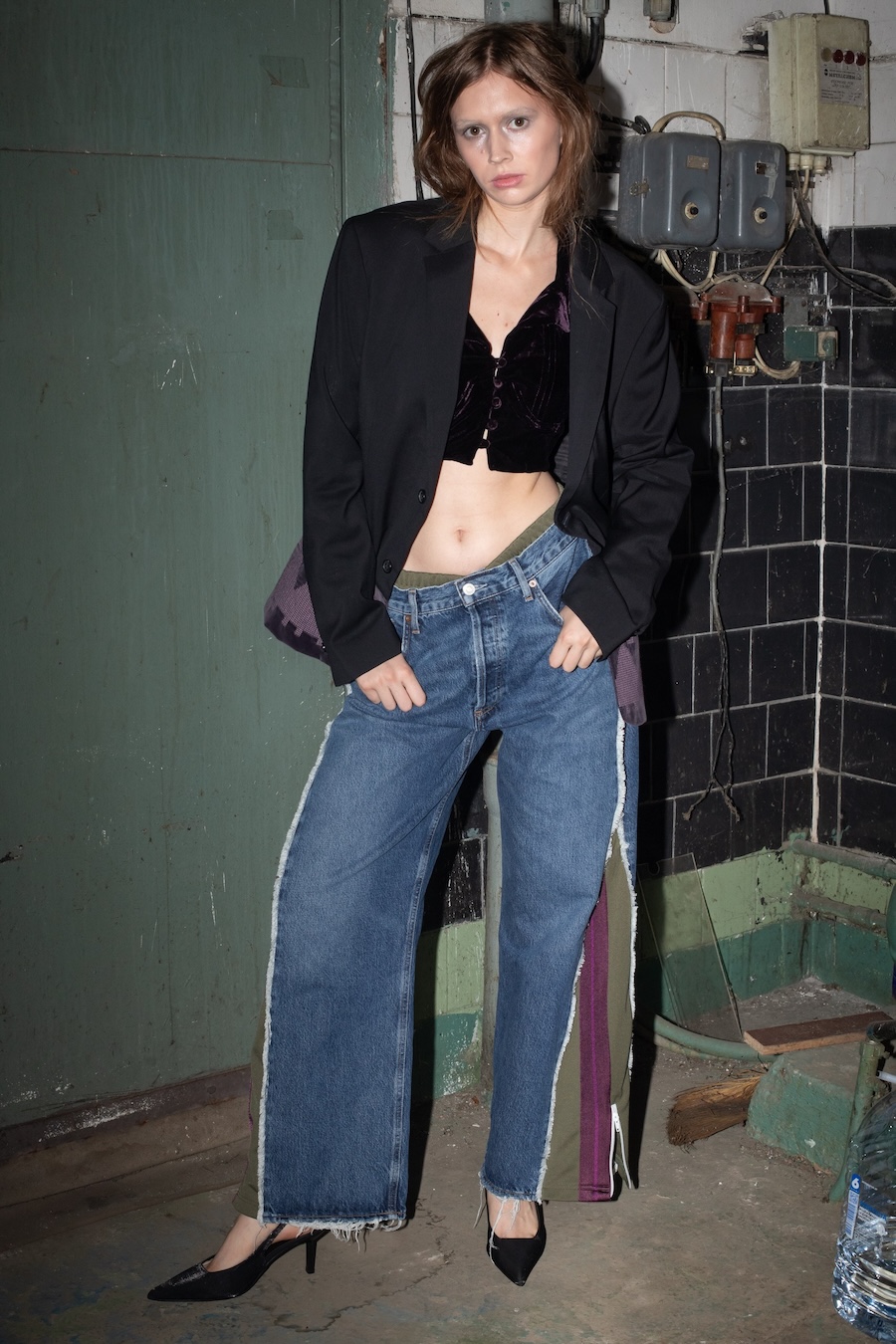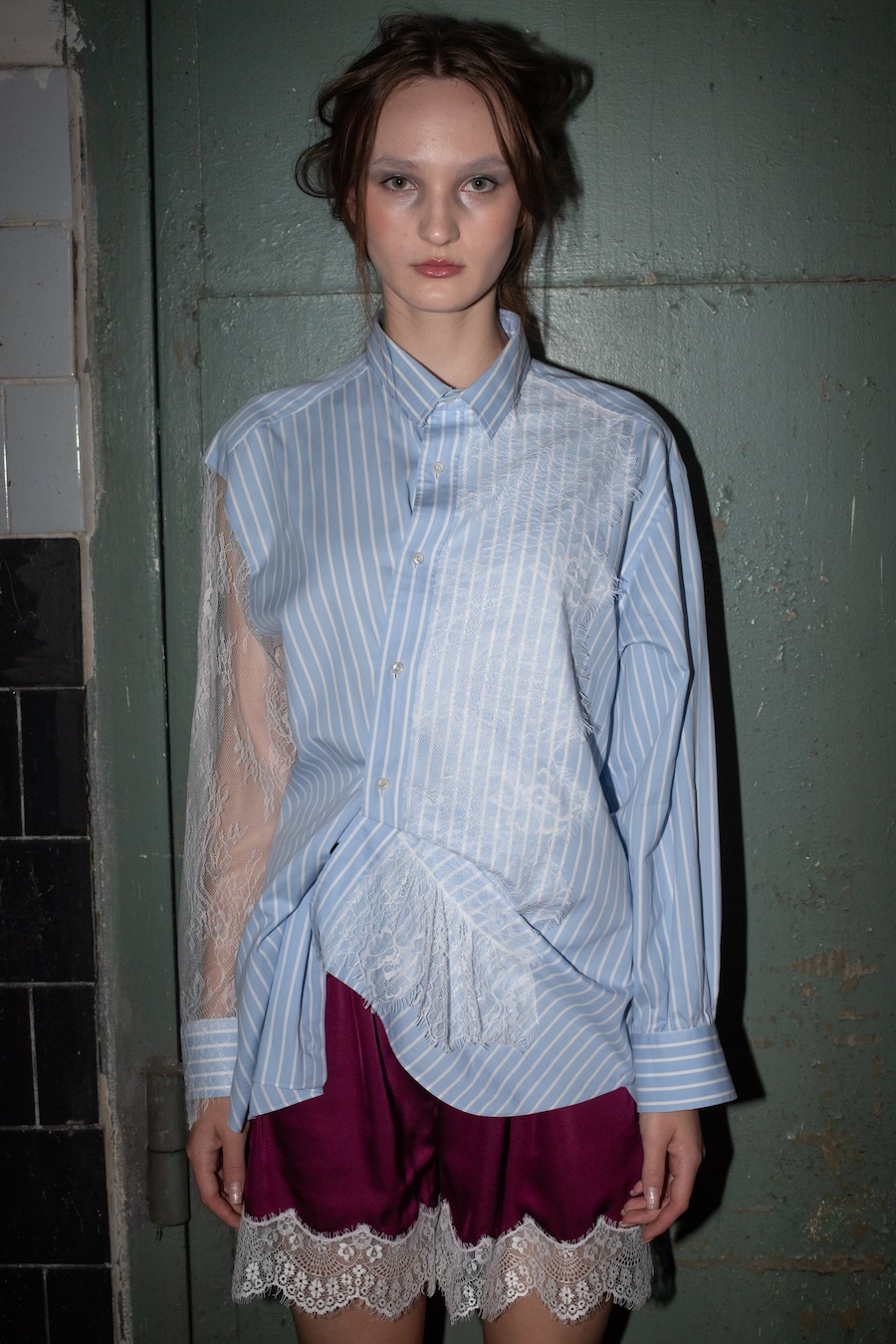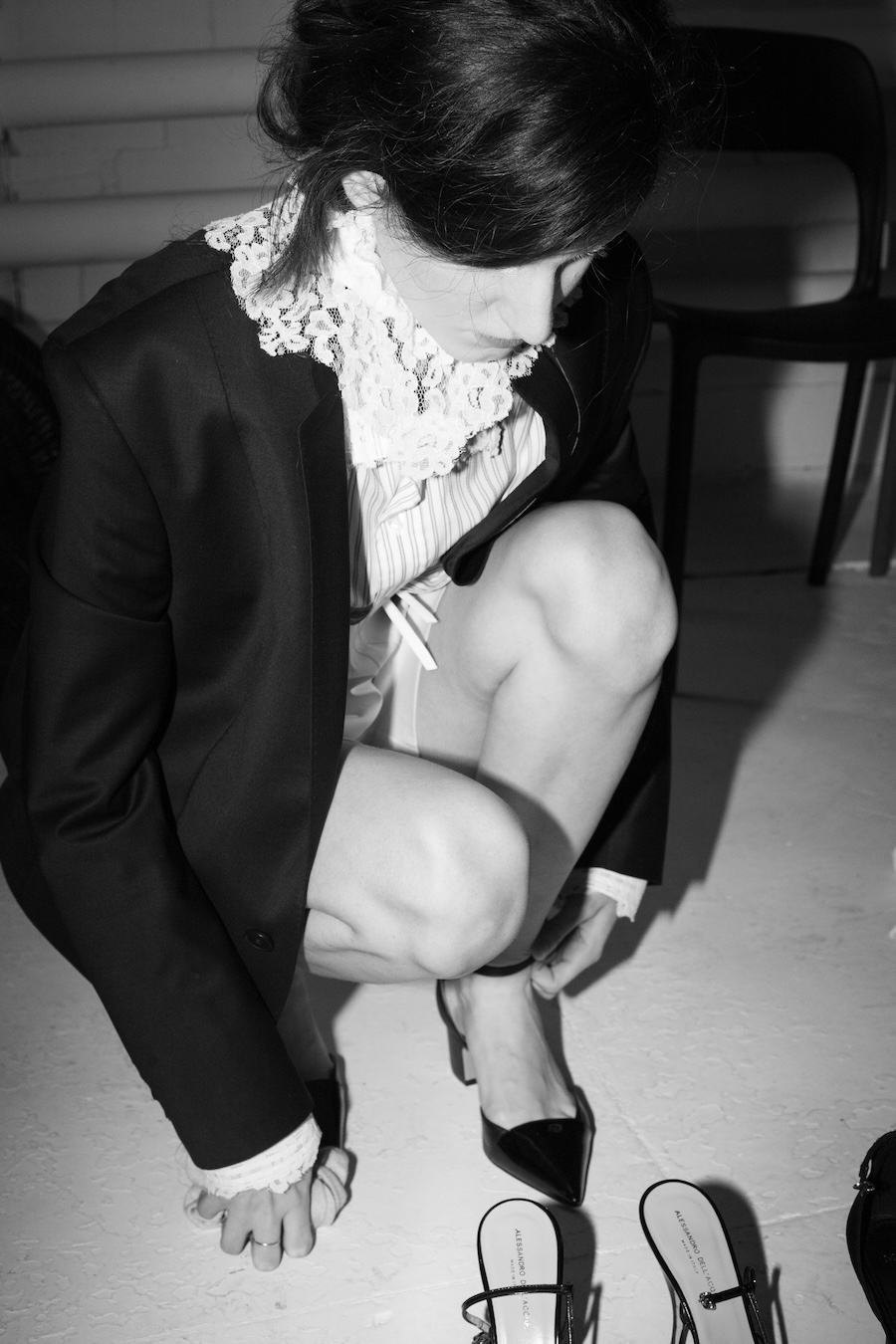
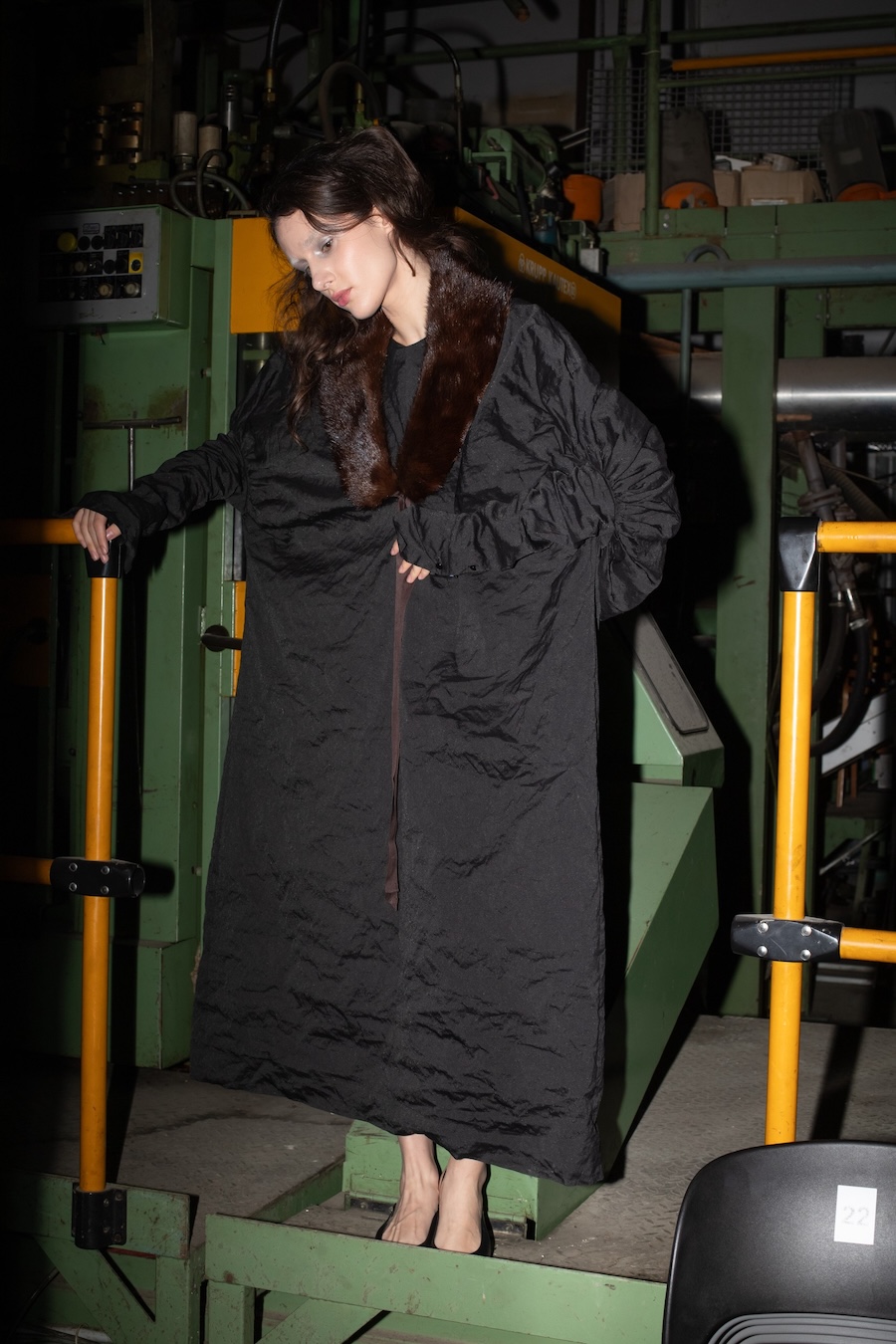
For the final chapter of our dispatch from the eighth edition of Moldovan Brands Runway @moldovanbrandsrunway, we turn the spotlight toward the driving creative force holding this fearless fashion week together. Over four unforgettable days in Chișinău, we witnessed shows staged inside places brimming with history and grit—from active subterranean mines to bustling flea markets—proving that Moldovan designers refuse to play by predictable Western runway rules.
At the center of that vision stands Nata Mitereva, Creative Director of Moldovan Brands Runway and stylist/creative director for the upcycling label PATRU @patru.upcycling.md
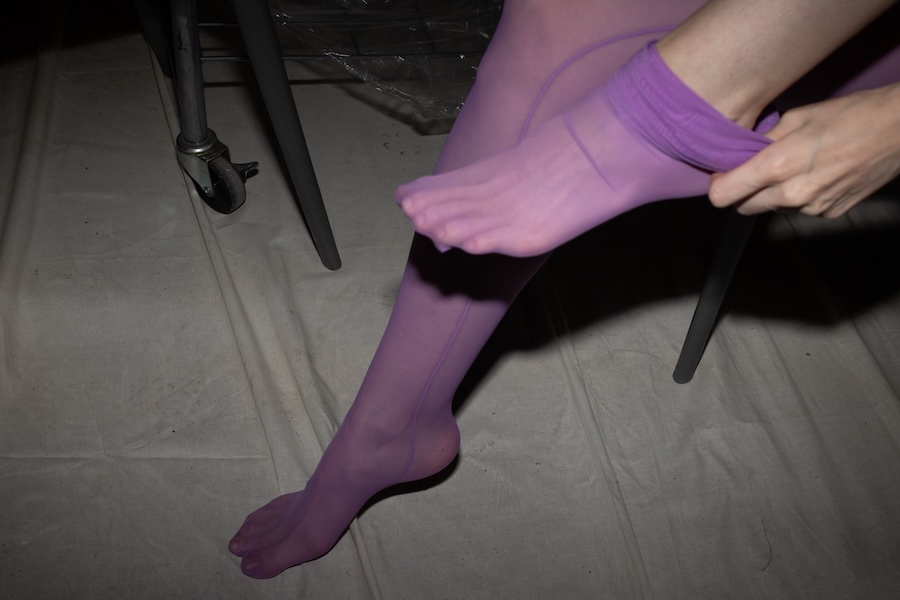
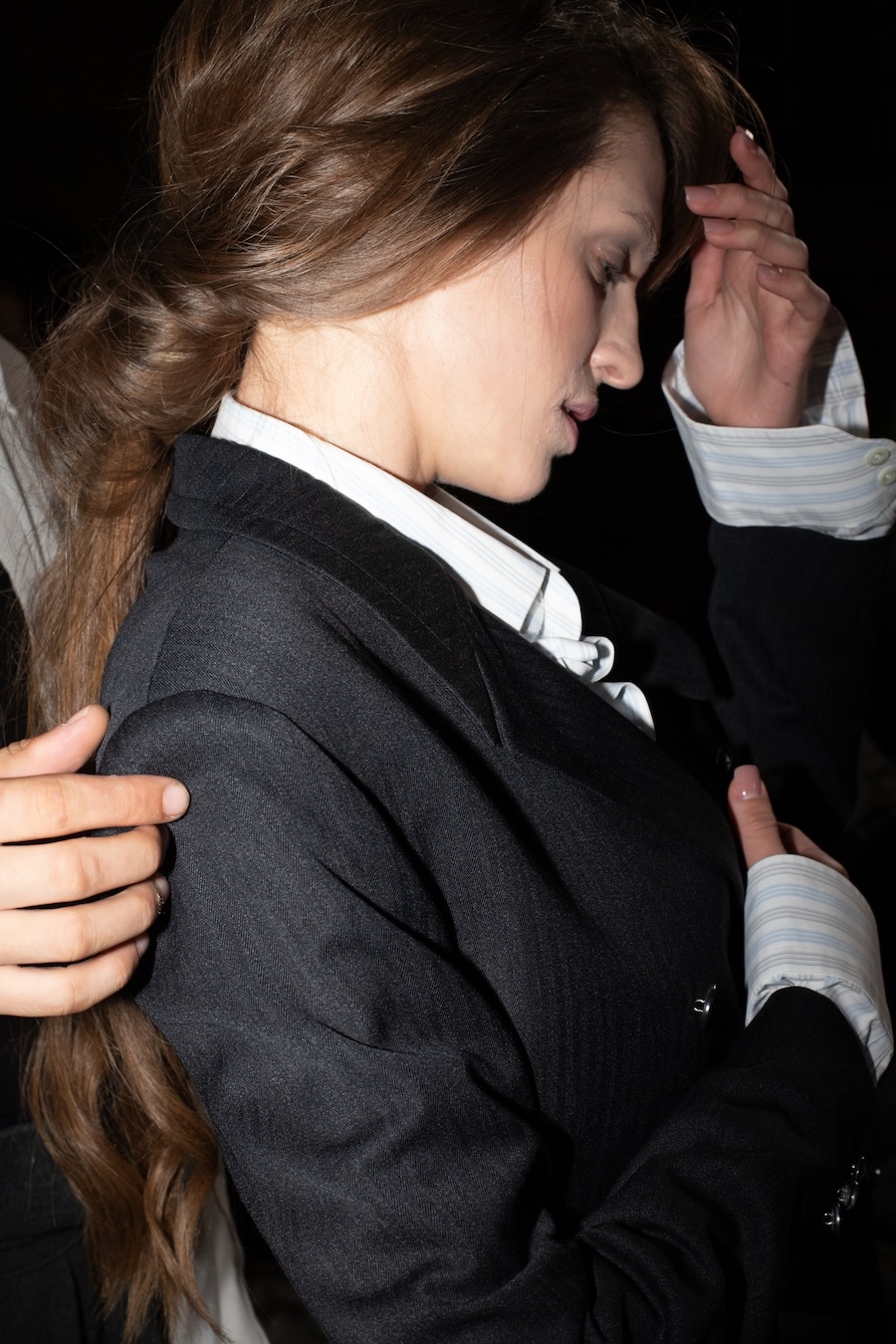
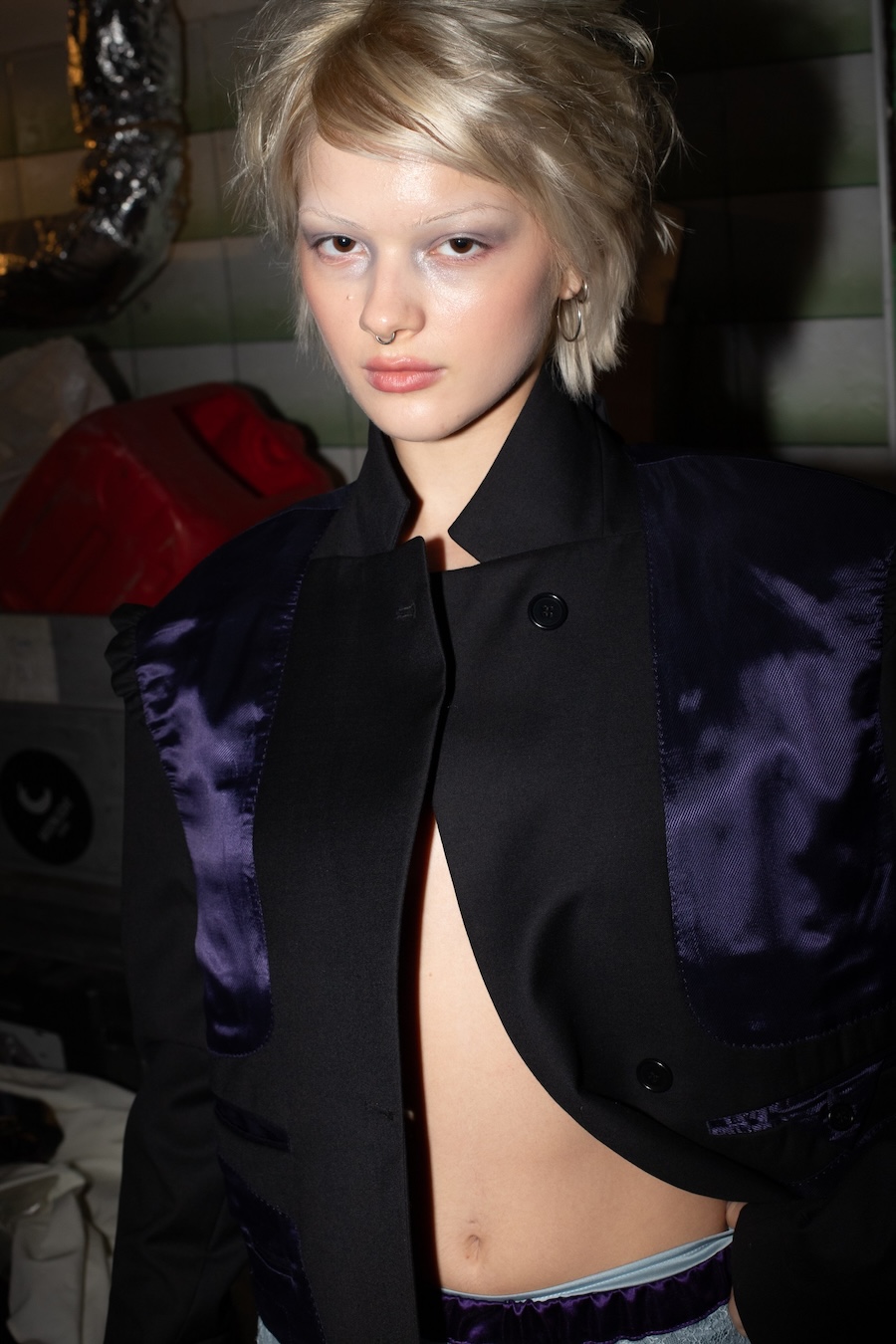
For Nata, fashion has long evolved beyond mere garments into a living philosophy built on responsibility, community, and family—a reality reflected directly in how we conducted this conversation, joined by her daughter Julia Mitereva, Director of Communications & Digital at MBR. From turning early 20th-century Chișinău family photographs into PATRU’s haunting closing collection to challenging international stereotypes about Eastern European fashion, Nata speaks with refreshing candor about building a self-determined creative ecosystem from the ground up.
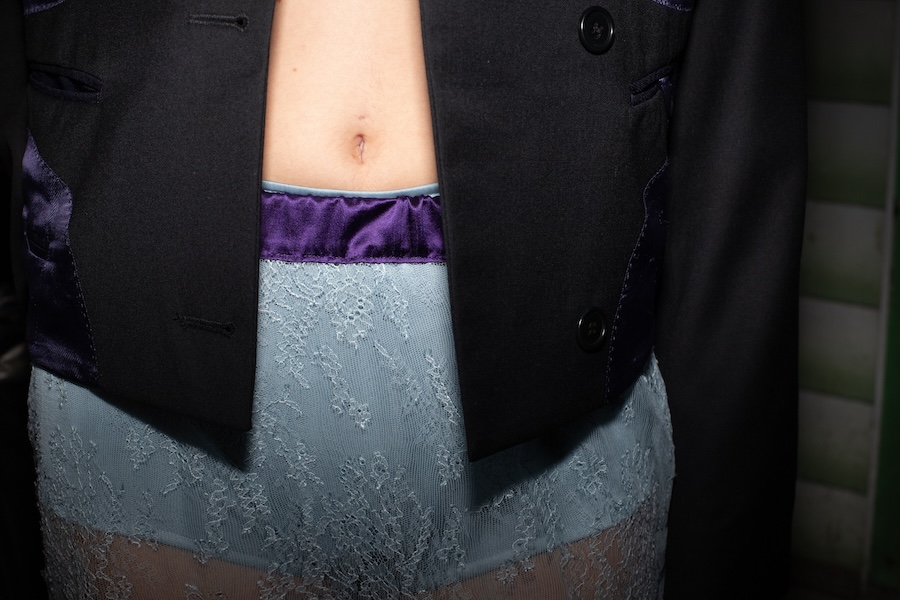
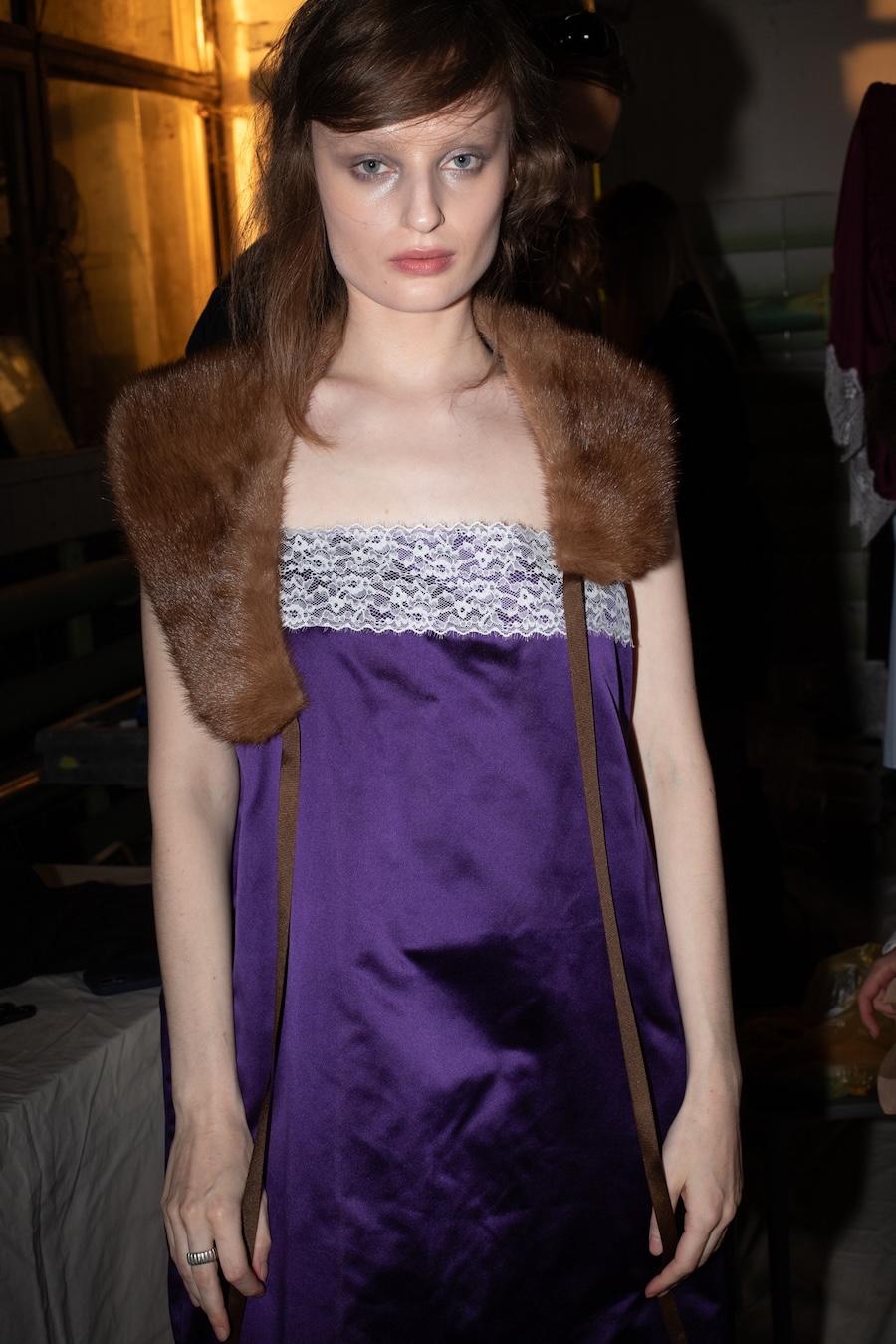
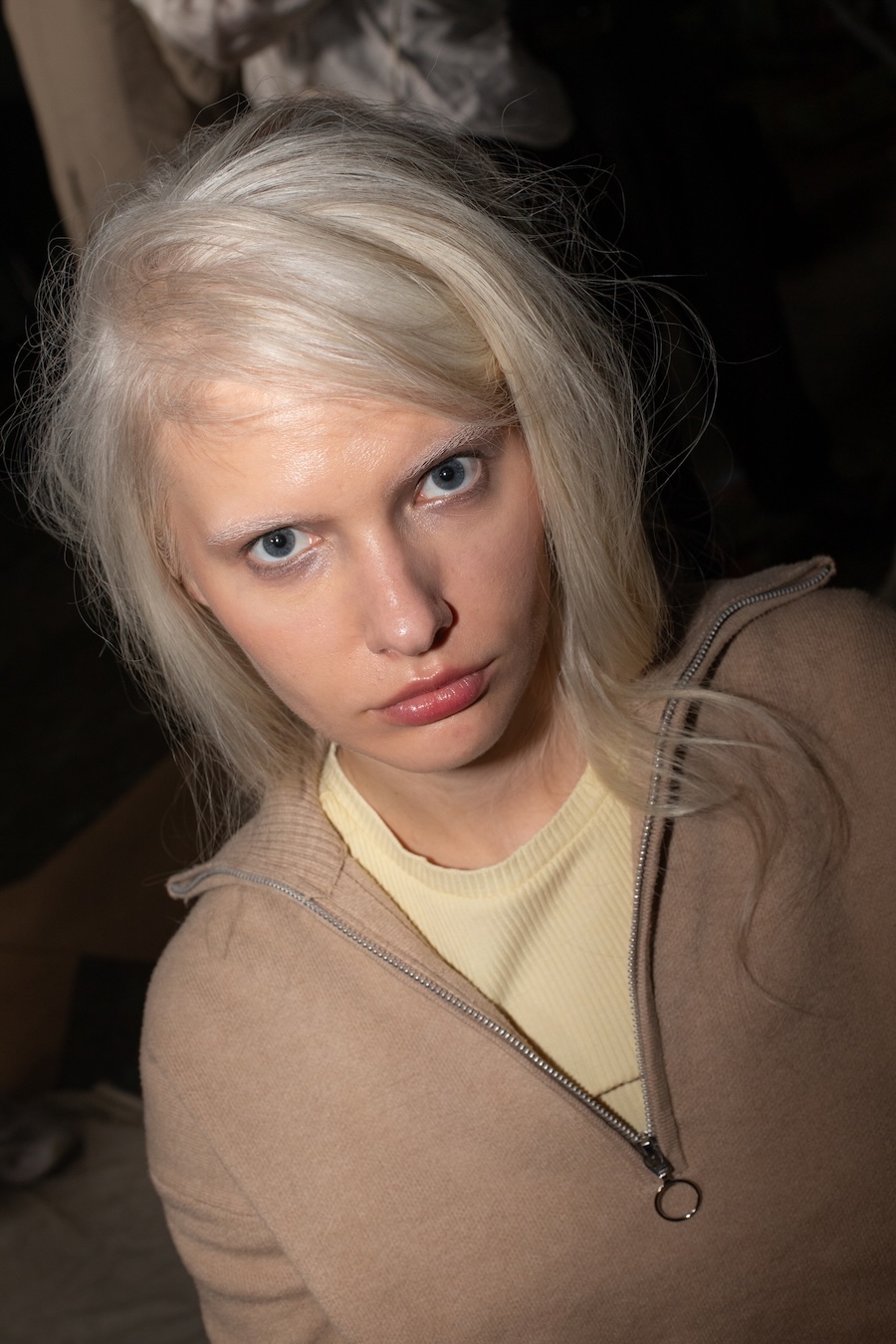
KALTBLUT: How did you first get into fashion? Was there a particular moment when you knew this was your world, or did you just gradually get sucked into it?
NATA: My journey into the fashion industry happened gradually. There was no set plan—just a growing curiosity about what happens behind the scenes. I was first drawn to fashion photography, which taught me to look more closely at the stories told through clothing, images, and details. Then I discovered styling, and with it, the opportunity to take part in fashion projects from a different perspective.
I became an organizer of Moldovan Brands Runway almost by chance. But sometimes it’s these unexpected turns that lead to exciting opportunities and help us find our place. Step by step, fashion became more than just an interest—it became an important part of my life.
KALTBLUT: You’re the Creative Director of both MBR and PATRU. One moment you’re shaping the vision of an entire fashion week, the next you’re working on a collection that closes it. How do you switch between these two worlds? And which one gives you more headaches?
NATA: Working on MBR is probably more challenging for me than working on PATRU. It involves making a lot of decisions, and unfortunately, not all of them are creative. Sometimes it feels as though practical matters crowd in around the idea, leaving it no room to breathe. Still, I’ve already started working on the next collection. I suppose I can’t help it—I’m always thinking about what comes next, even when the present demands my attention.
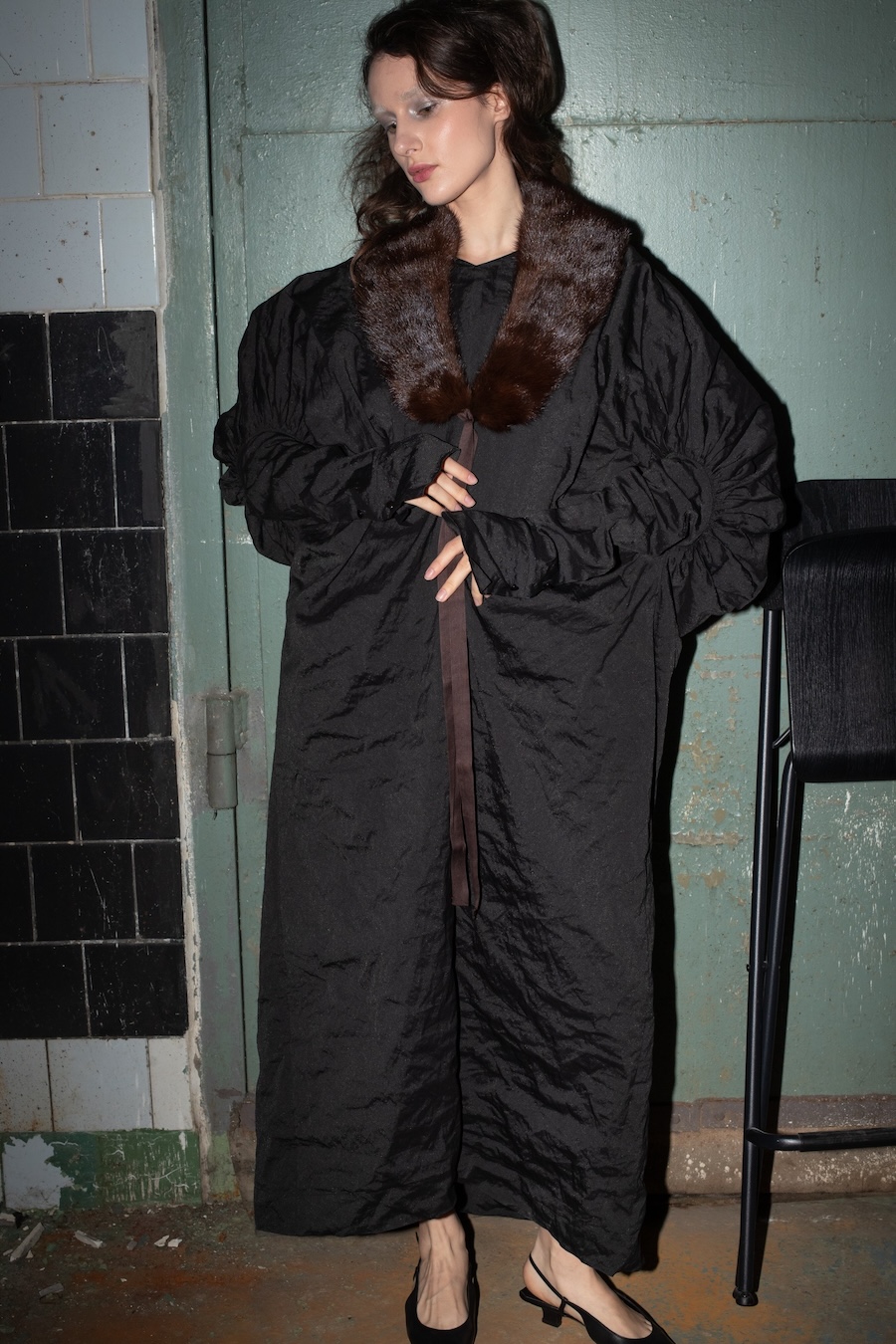
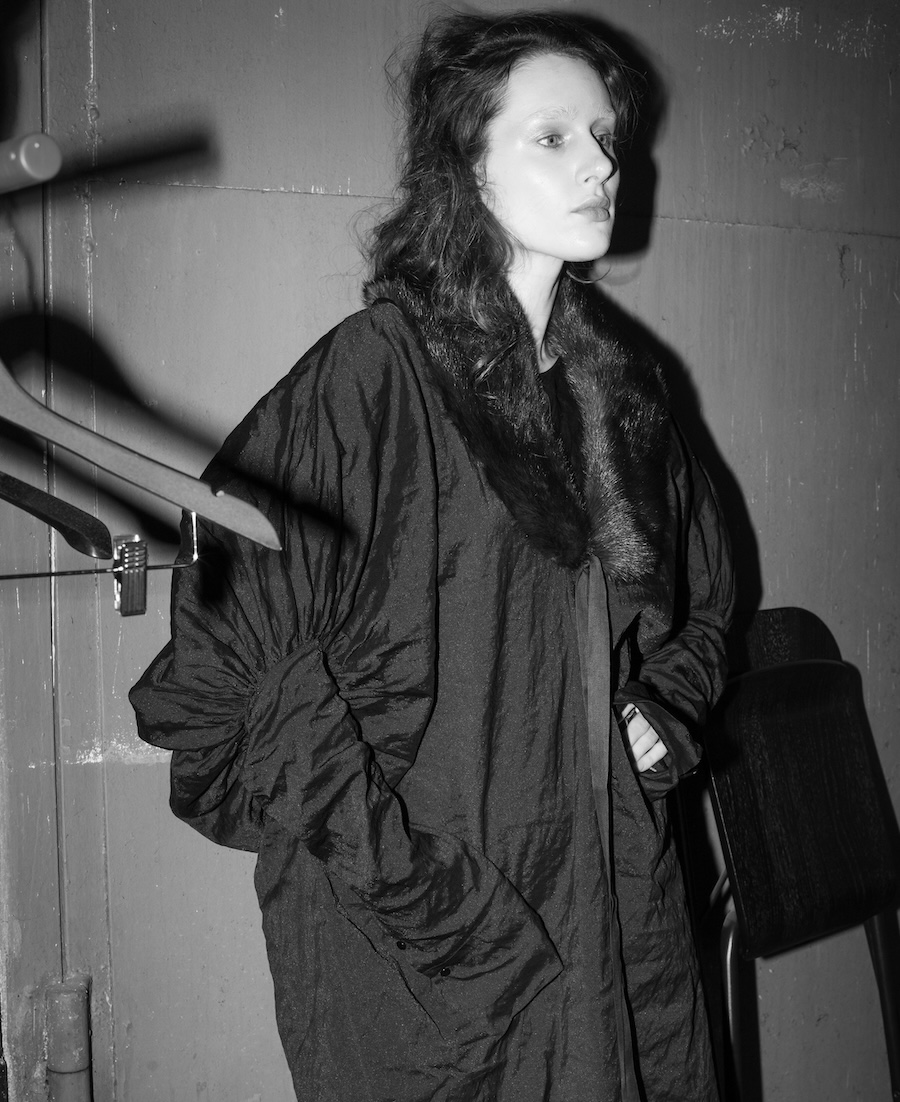
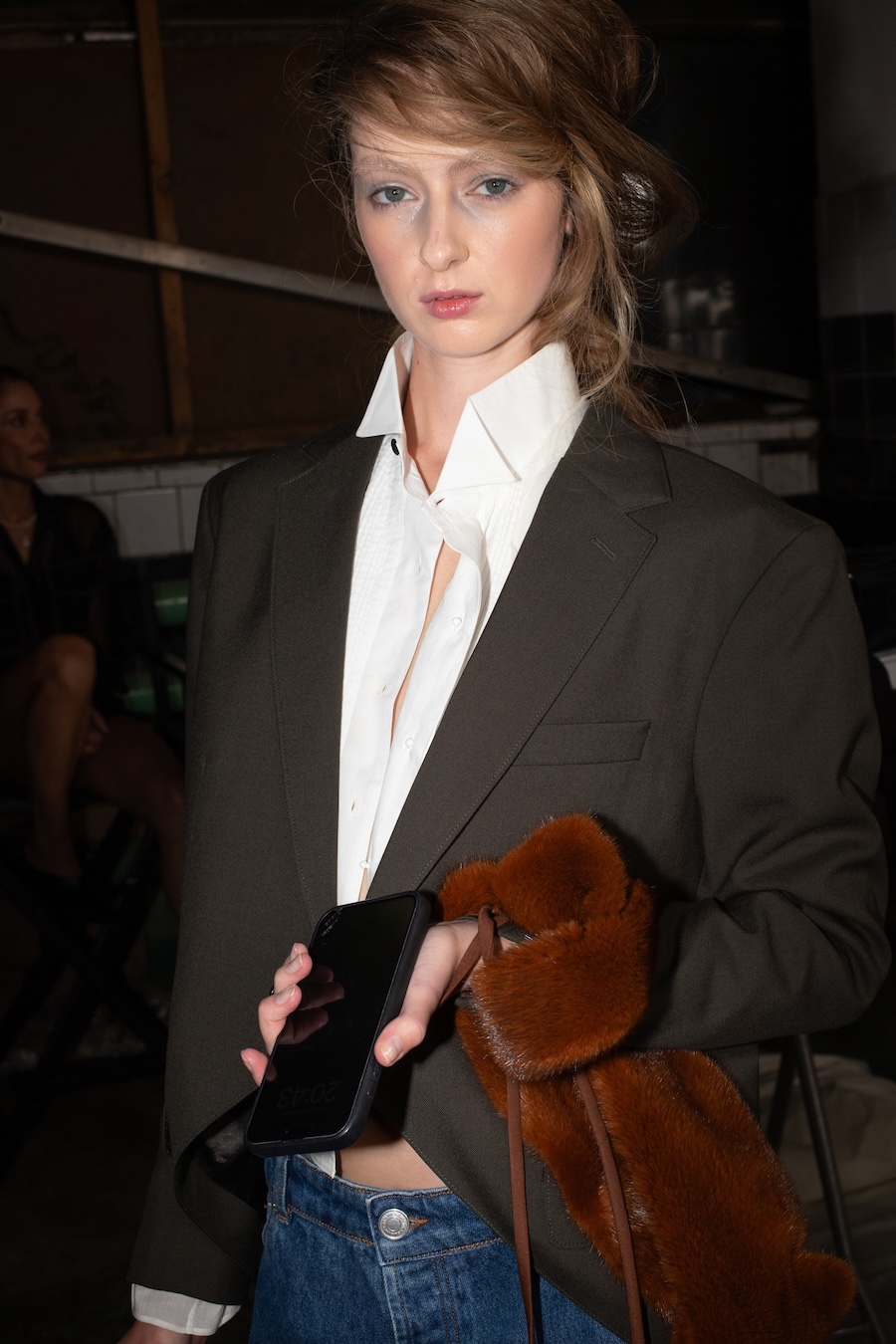
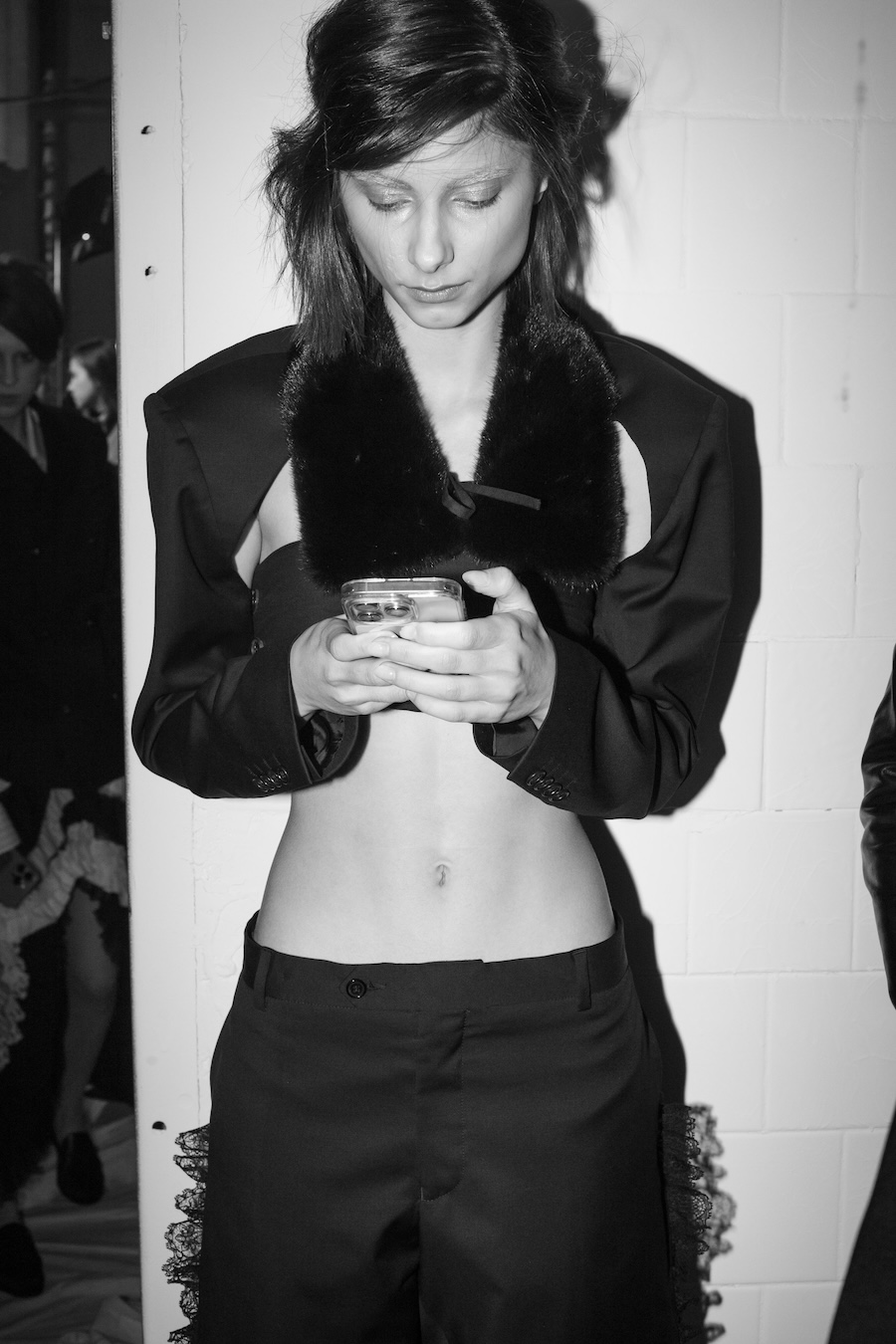
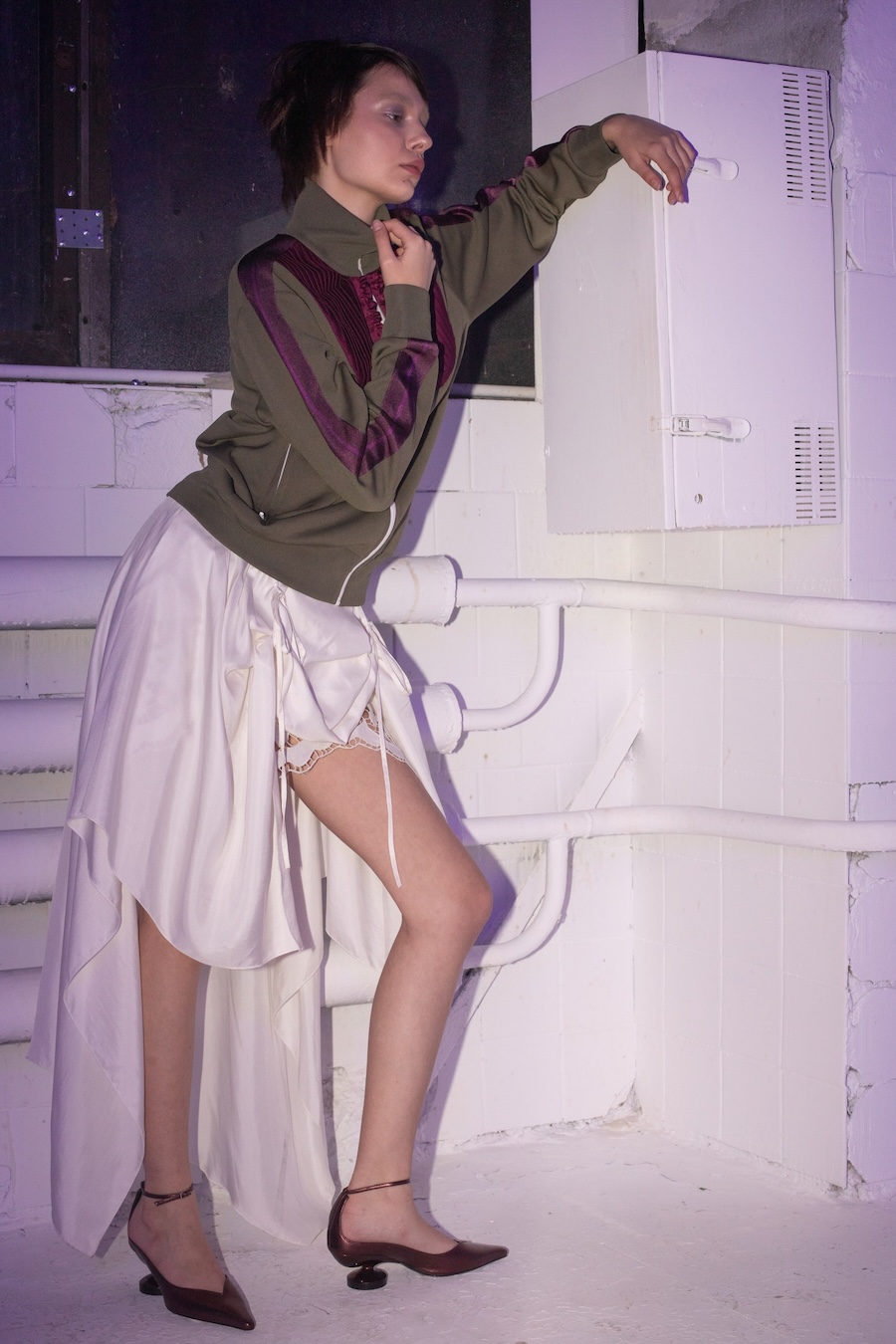
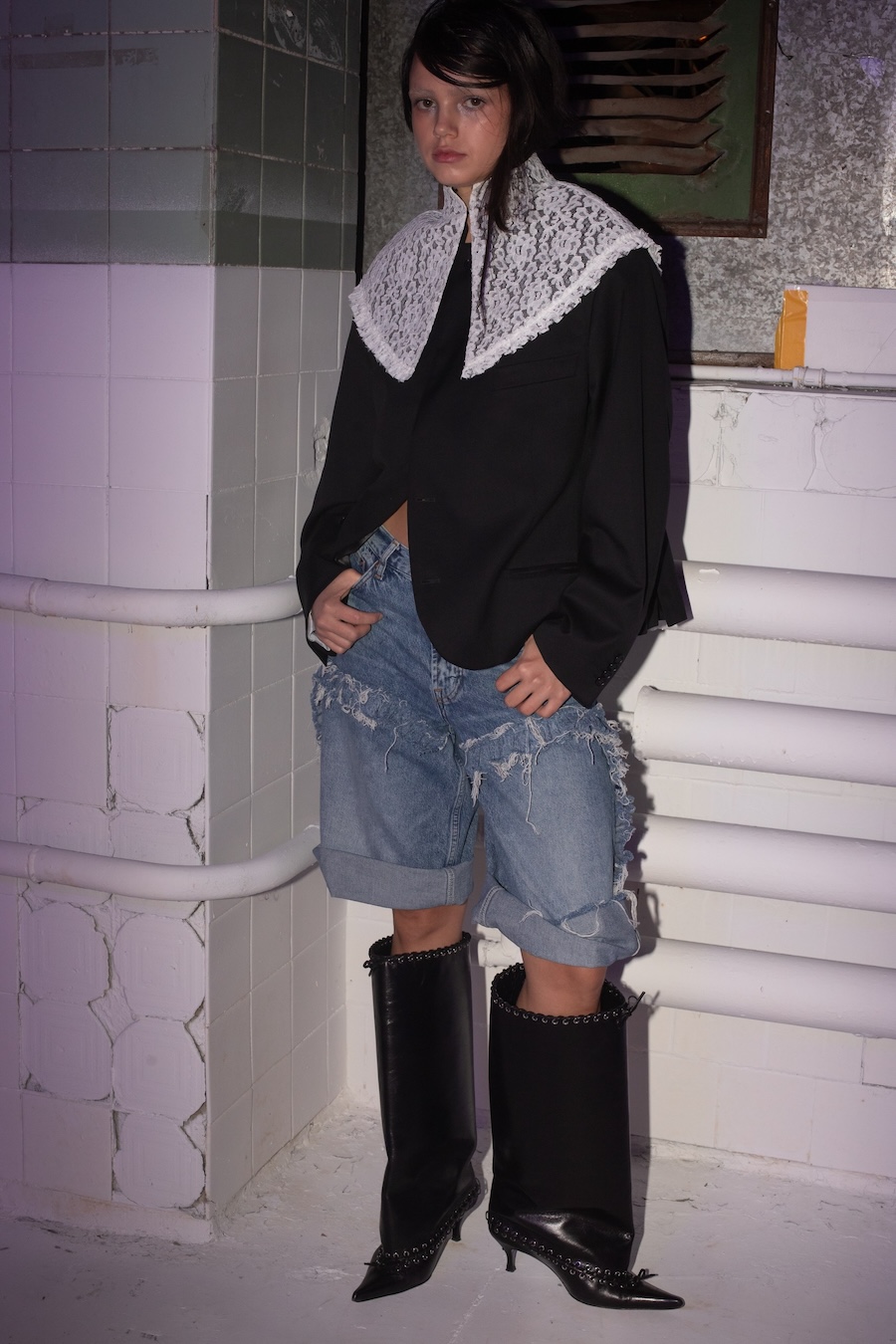
KALTBLUT: Let’s talk about PATRU’s closing show. What was the starting point for this collection, and what was the one thing you absolutely wanted people to remember after seeing it?
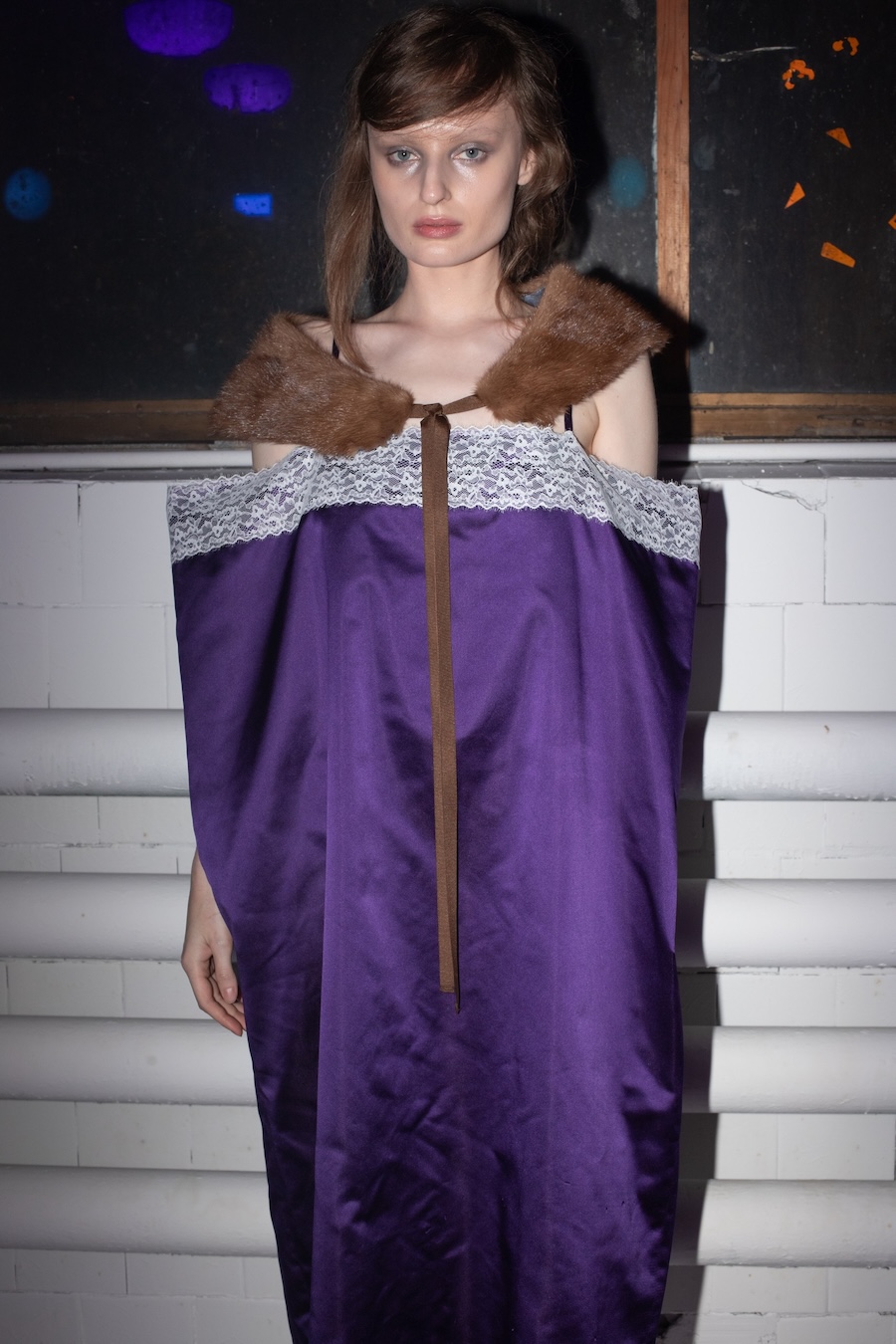
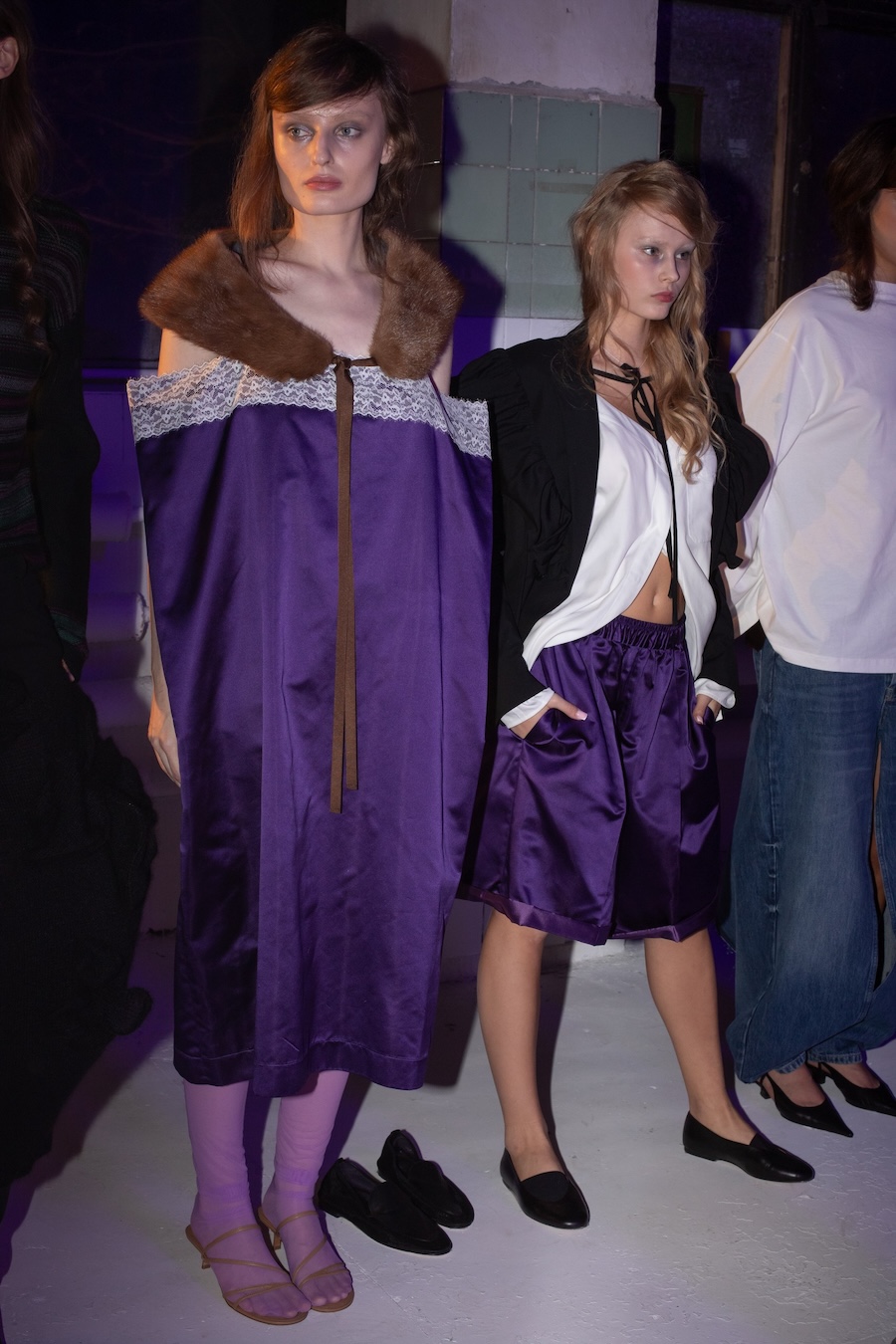
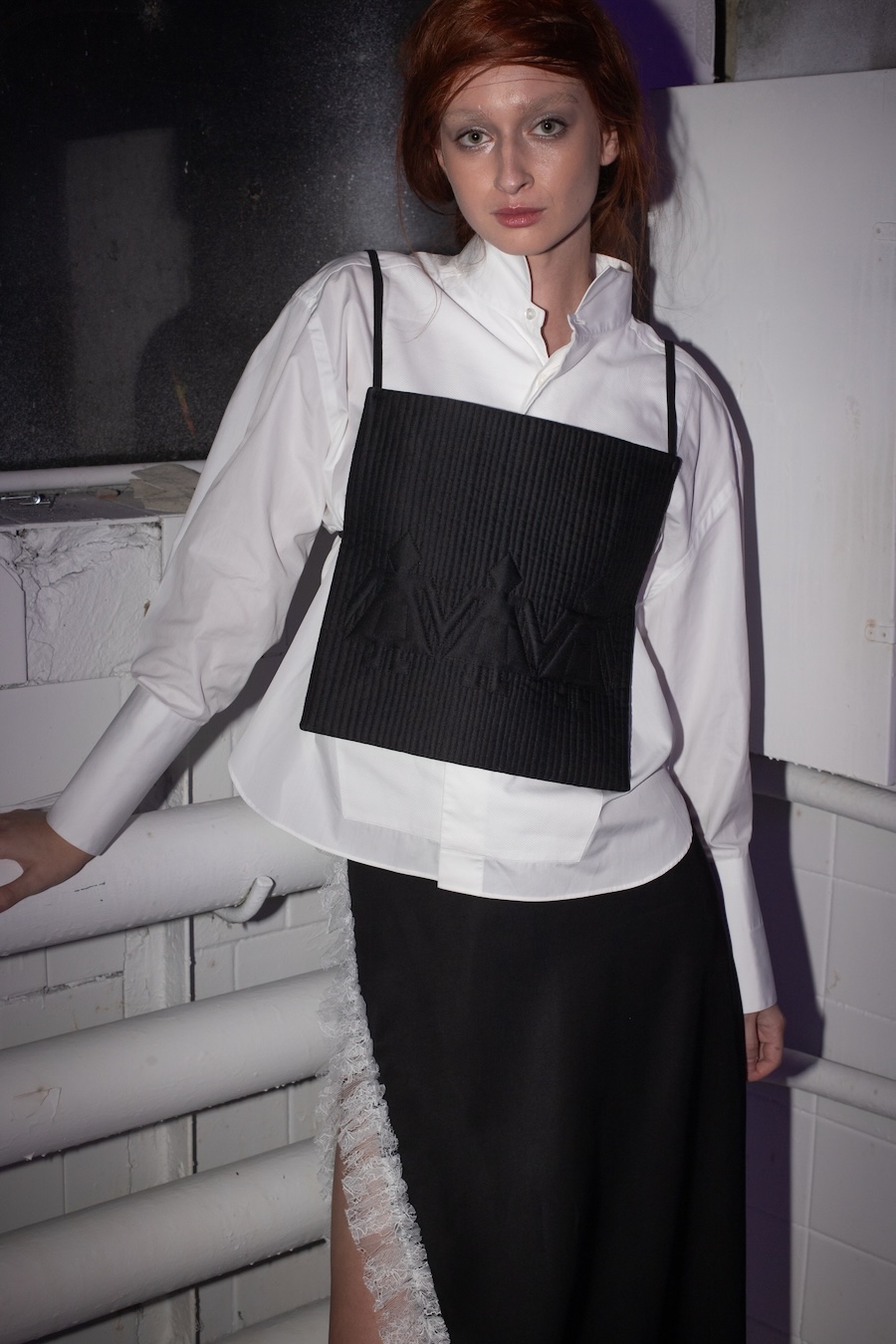
NATA: This idea had been with me long before Evgenia Gruzdeva invited me to work with PATRU. I have family photographs taken in Chișinău at the beginning of the last century. I’ve always been drawn to that period—it has a particular stillness and dignity, and evokes a life we know only through photographs and family stories.
I didn’t want simply to look back at the past; I wanted to feel it from within—to imagine the people in those photographs, their characters, their hopes, and their everyday lives. At some point, I realized I could try to translate that feeling into a collection. That’s how a personal story became the starting point for the show.
I hope the audience remembers not only the looks, but also the feeling of encountering the past—as if time had opened a door for a moment, revealing something deeply personal and familiar.
KALTBLUT: MBR has gone from seven brands on one day to four days of shows in theatres, museums and even a mine. Are Moldovan designers becoming more experimental, or is MBR pushing them to take bigger creative risks?
NATA: I think both are true. Sometimes we encourage designers to experiment: we discuss, debate, search for ideas together, and eventually dare to do what once seemed impossible. At other times, a designer comes to us with a bold idea already fully formed—and that’s especially exciting. It means something important has already taken shape within them, and our role is not to stand in the way, but to help bring that vision to life.
Perhaps this is what makes the relationship between MBR and its designers so dynamic: we don’t just open up new possibilities for them—we grow and change alongside them.
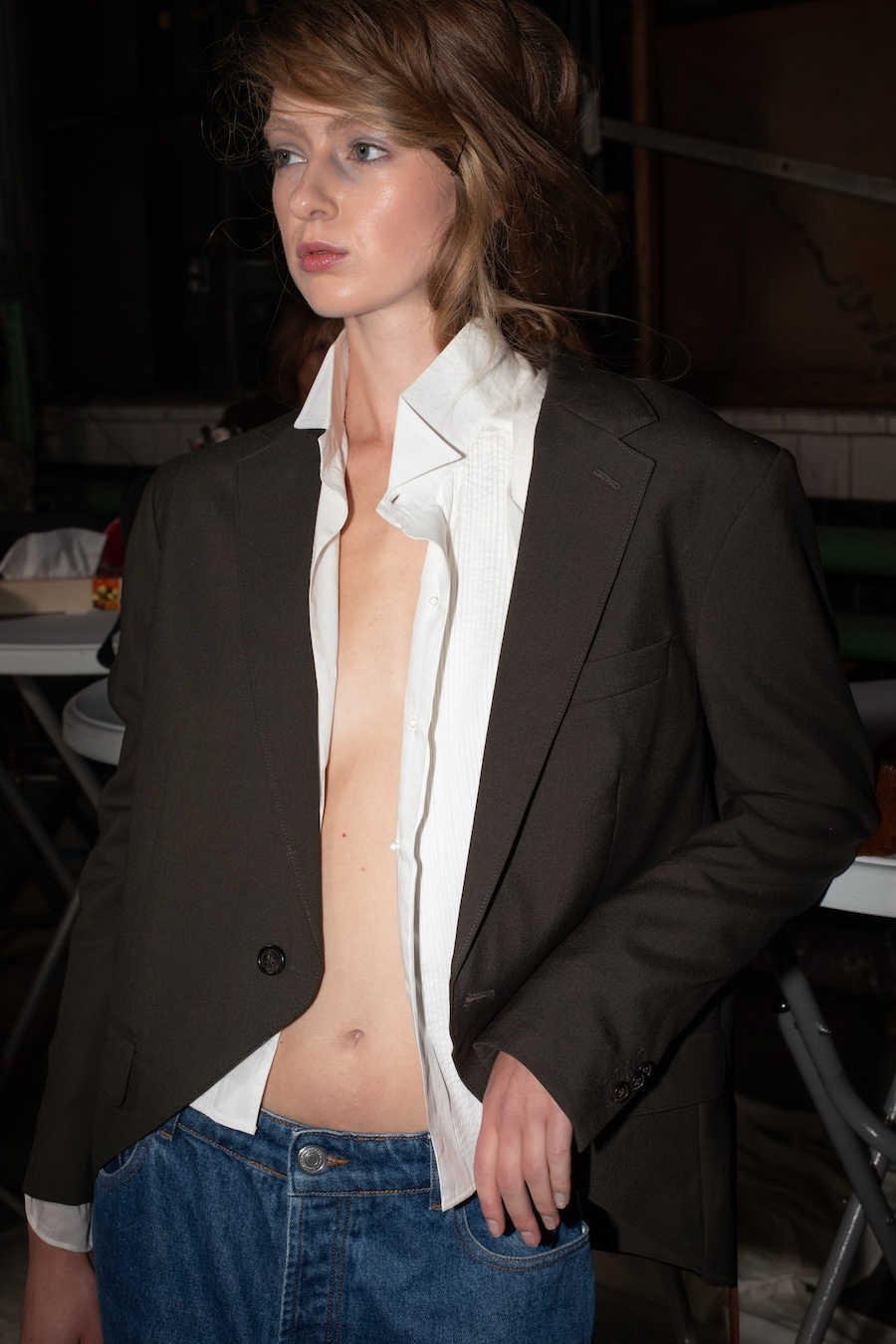
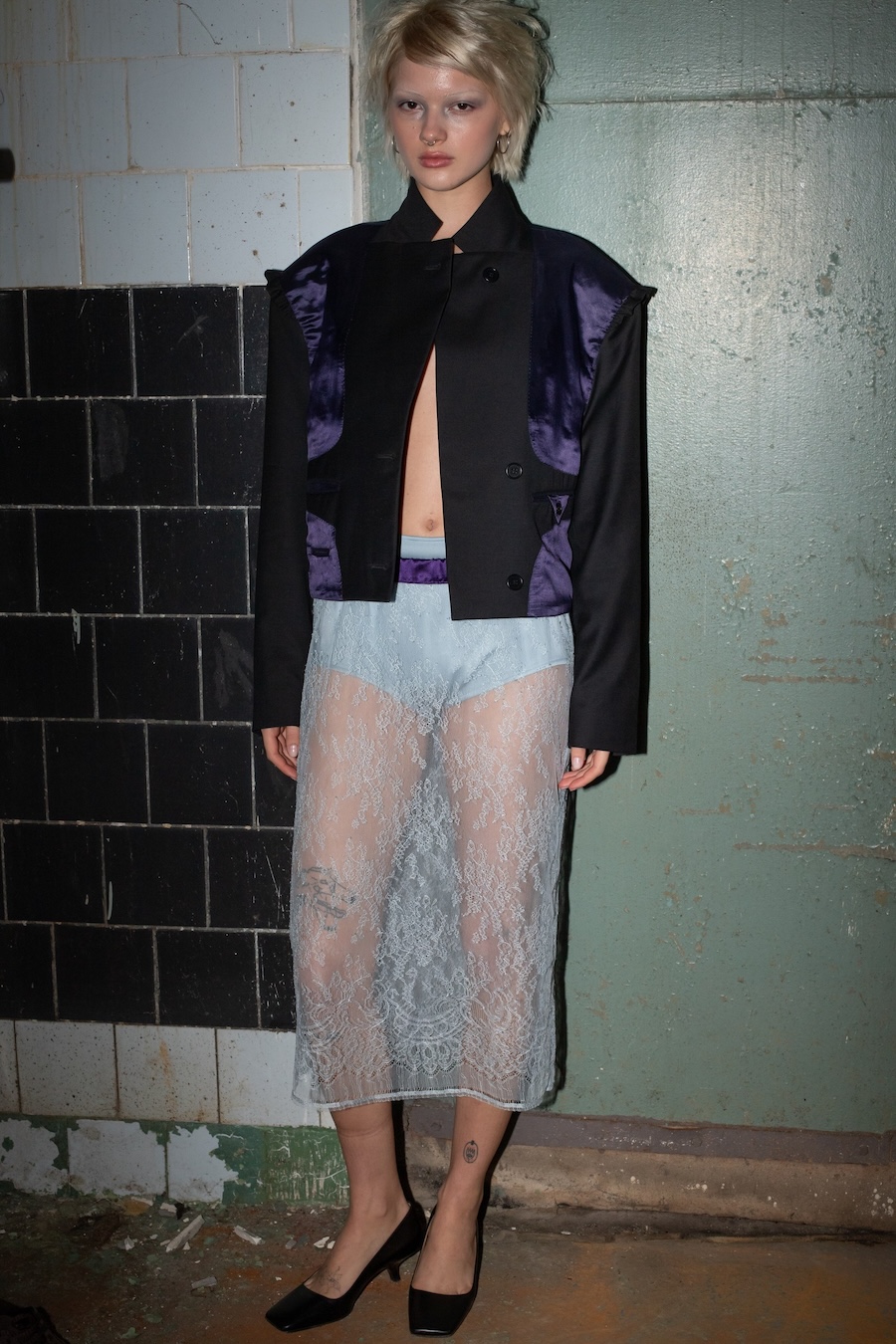
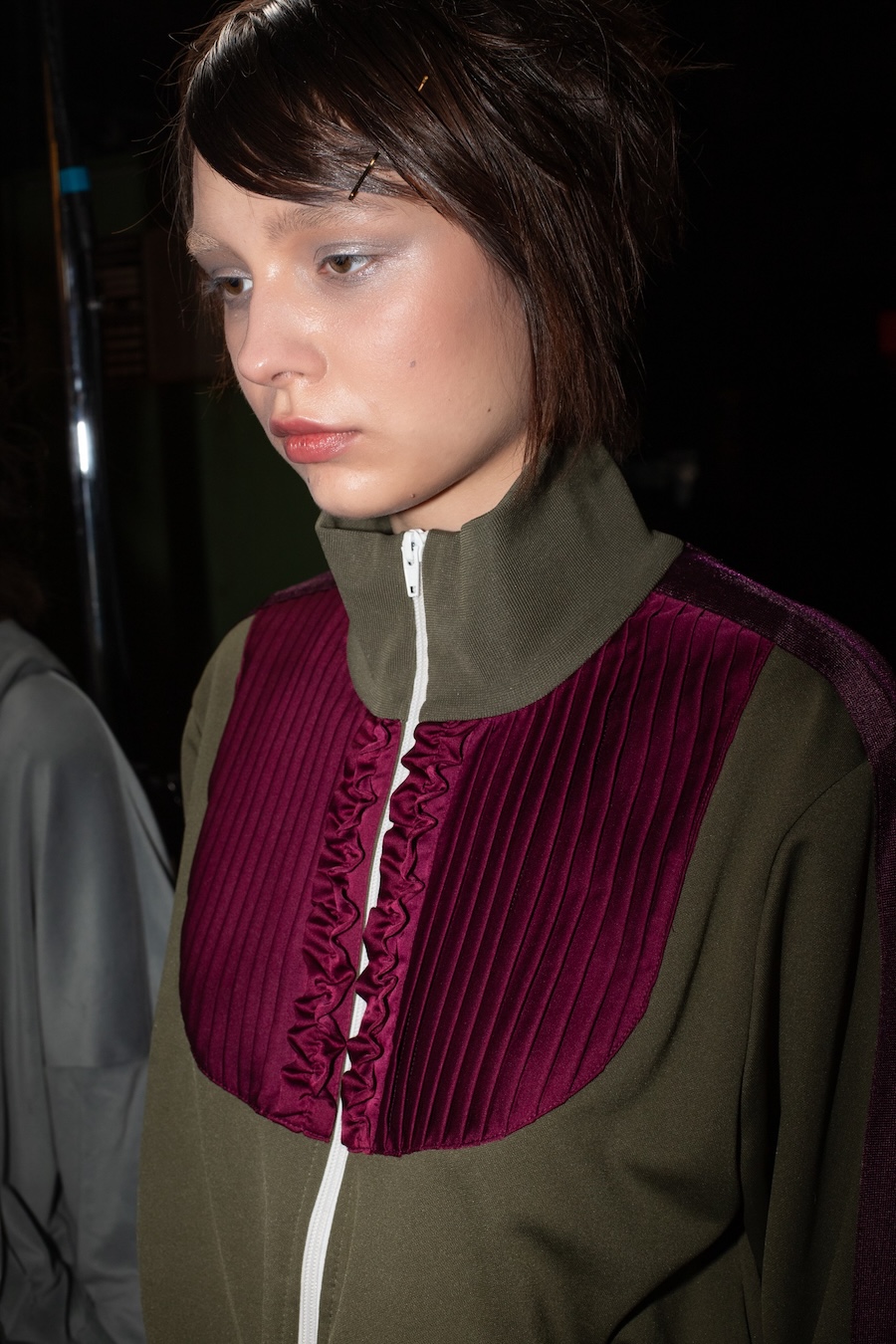
KALTBLUT: I noticed a kind of “hidden heritage” in several collections, with traditional references translated into something much more contemporary. Do you think Moldovan fashion needs to embrace its roots to stand out internationally, or should designers feel completely free to leave them behind?
NATA: I think designers are free in their choices—and relying on cultural roots is, in essence, also a form of that freedom. After all, freedom lies precisely in a person’s right to decide for themselves what to draw upon. One can turn to the past, or one can reject it—either way remains the artist’s own choice. Roots become a problem only when they are imposed by force, rather than chosen freely. So let every designer decide for themselves whether to draw on their land’s heritage or seek other paths—true creativity begins exactly where there is no compulsion.
KALTBLUT: Moldova’s fashion scene feels very close-knit, almost like one big family. But families can be complicated. Does that closeness encourage creativity, or can it sometimes make honest criticism difficult?
NATA: Yes, that’s true. We really are like one big family, bound by common work and shared fate. But, as they say, things happen in any family, and I won’t pretend that everything is perfect with us. Let’s leave about five to ten percent for minor intrigues and small grievances that are inevitable when people are closely connected by a shared cause. After all, where’s closeness, there can also be occasional tensions, personal sensitivities, and a bit of envy. But these are simply the inevitable complexities of being so closely connected.
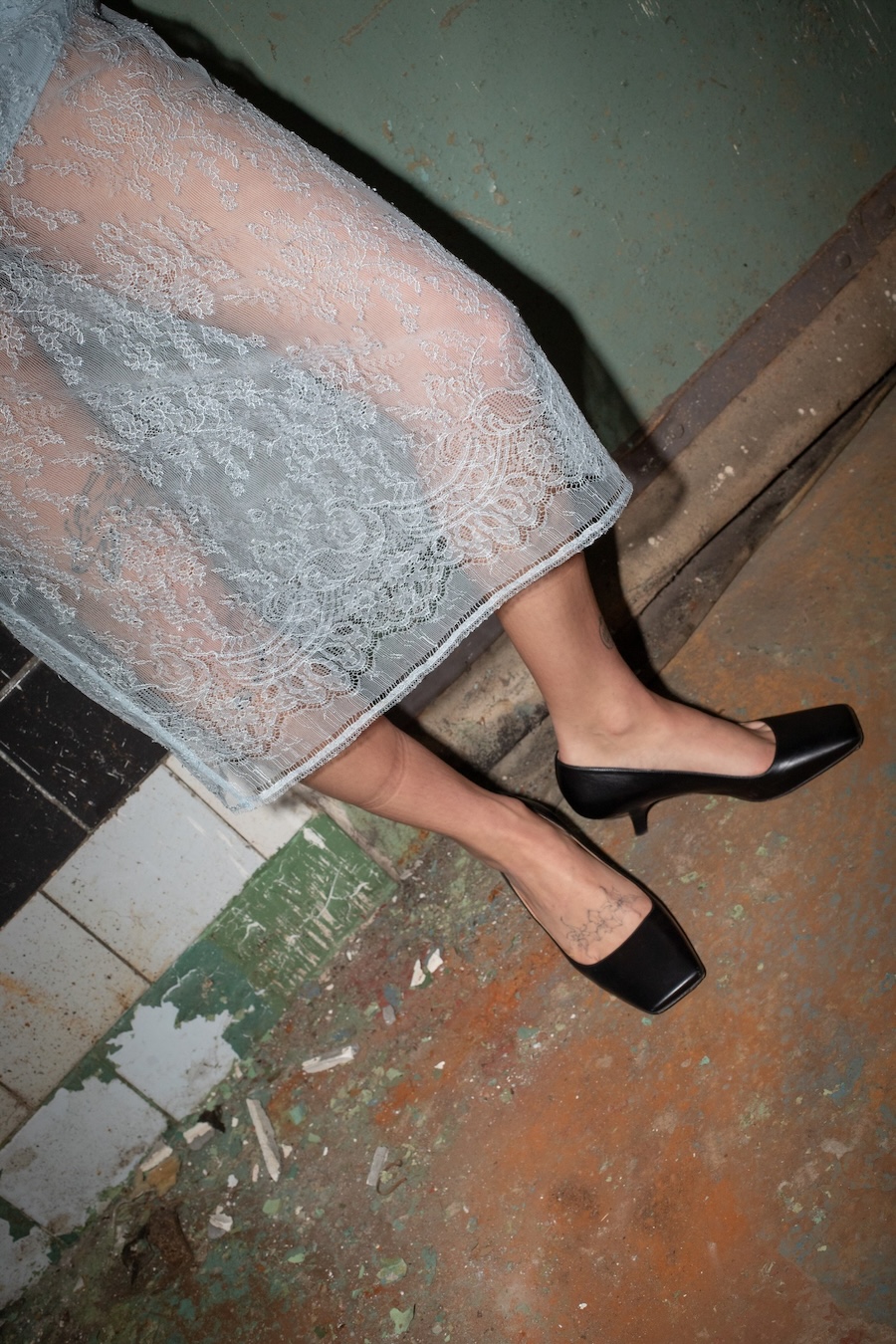
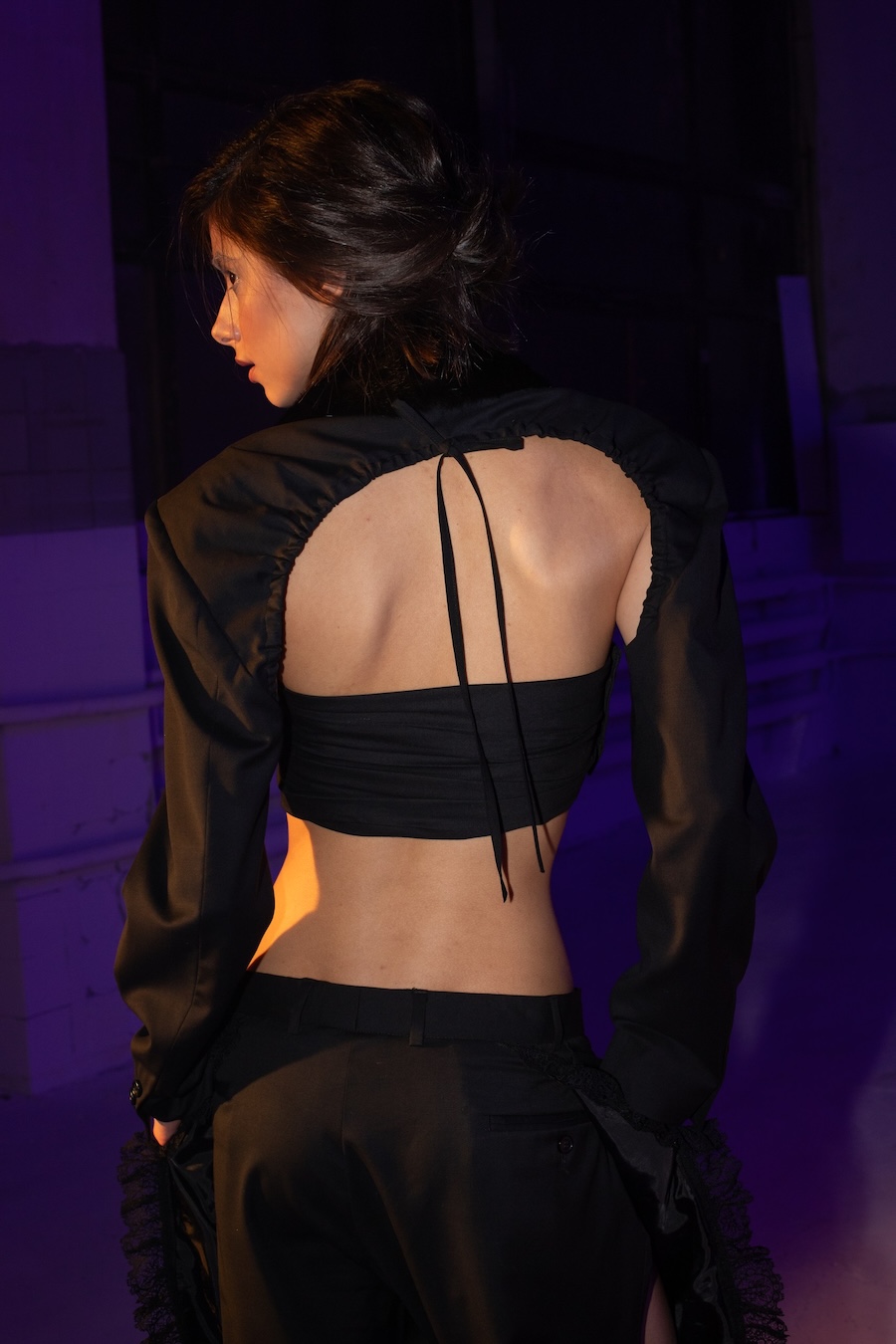
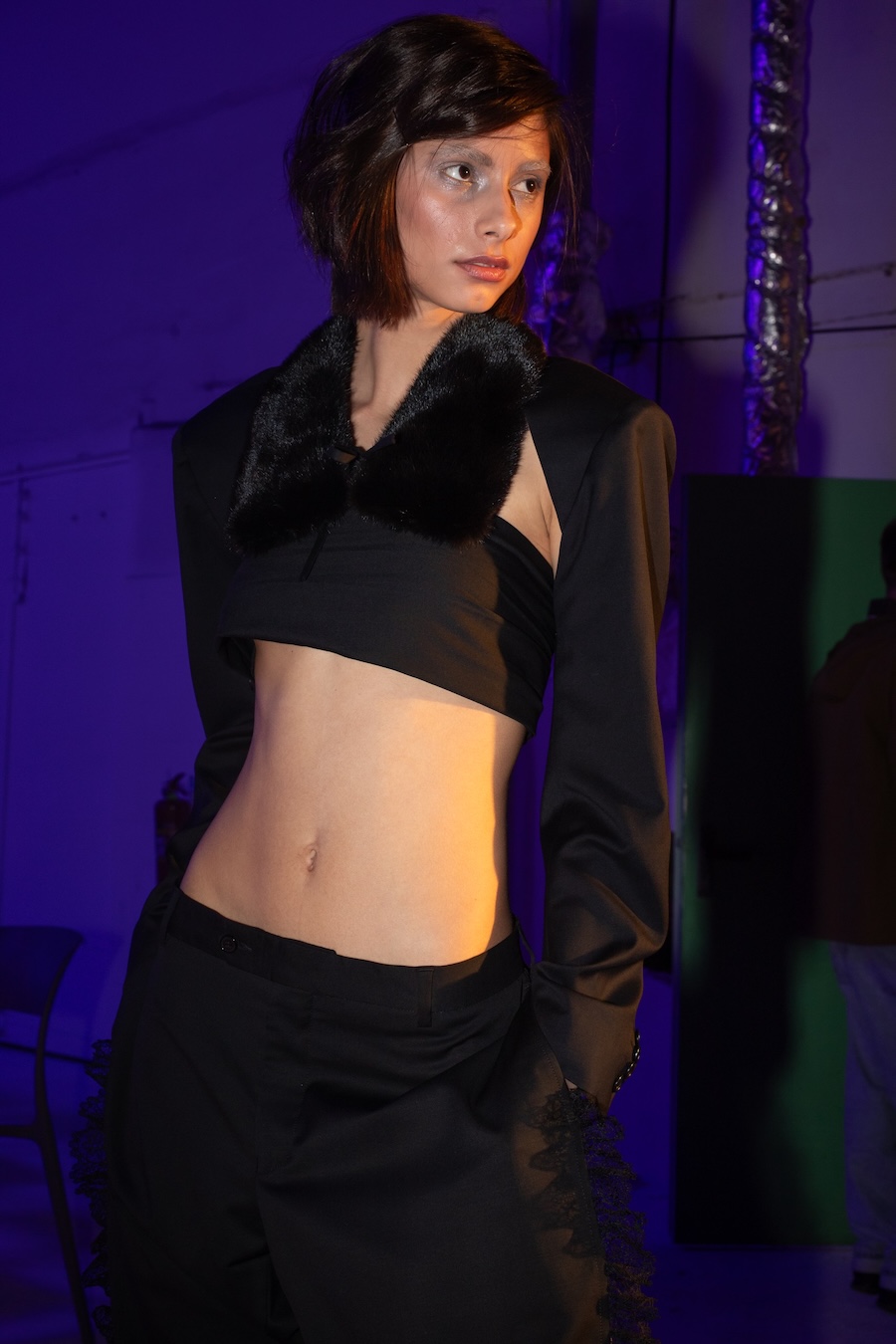
KALTBLUT: Something that struck me was how female-driven MBR is. Is Moldova’s fashion industry genuinely a space where women hold creative power, or are there still glass ceilings that outsiders don’t see?
NATA: It’s true, and it’s great to see that so many women hold leading positions in Moldova’s fashion industry. MBR itself started with a predominantly female team, although over time we’ve become more diverse, and today we have quite a few talented men involved in bringing the event to life as well.
Speaking from my own experience, I can’t say I’ve encountered a glass ceiling in the Moldovan fashion industry, and neither have many of the women around me. That doesn’t mean it doesn’t exist, of course. Perhaps it has something to do with fashion being traditionally perceived as a more female-driven industry. But in my experience, women here have the space to lead, make decisions and shape the direction of the industry. And I think that’s something worth celebrating.
KALTBLUT: What’s one thing you wish Moldovan designers would stop doing? And one thing you wish international fashion insiders would stop assuming about Moldova?
NATA: What I’d like Moldovan designers to stop doing:
-
Copying Western trends out of fear to show their own identity
-
Engaging in self-deprecation—too often people underestimate what they create with such hard work
-
Working in isolation—real creativity is born in dialogue, not in solitude
What I’d like to hear from international experts:
-
Stop being surprised by the mere fact that fashion exists in Moldova
-
Judge us not by stereotypes about the region, but by the actual work—by what’s really there
-
Stop seeing us as a cheap production resource, without recognizing us as creative partners
KALTBLUT: If you had an unlimited budget for the next MBR, what’s the wildest show or creative idea you’d bring to life?
NATA: If I had an unlimited budget, I wouldn’t chase glamour. I would connect our designers with the world. I would bring in real experts—buyers, editors, industry professionals. Not for a glossy appearance, but for real work: workshops, lectures, personal mentorship. I would invite designers from neighboring countries—to create a genuine exchange of experience, to speak the same language. Fashion week is just the beginning. What matters more is what remains afterward. Knowledge passed on directly doesn’t disappear after a week. It keeps working.
KALTBLUT: Hard question: what’s your favourite look from the latest PATRU collection, and why?
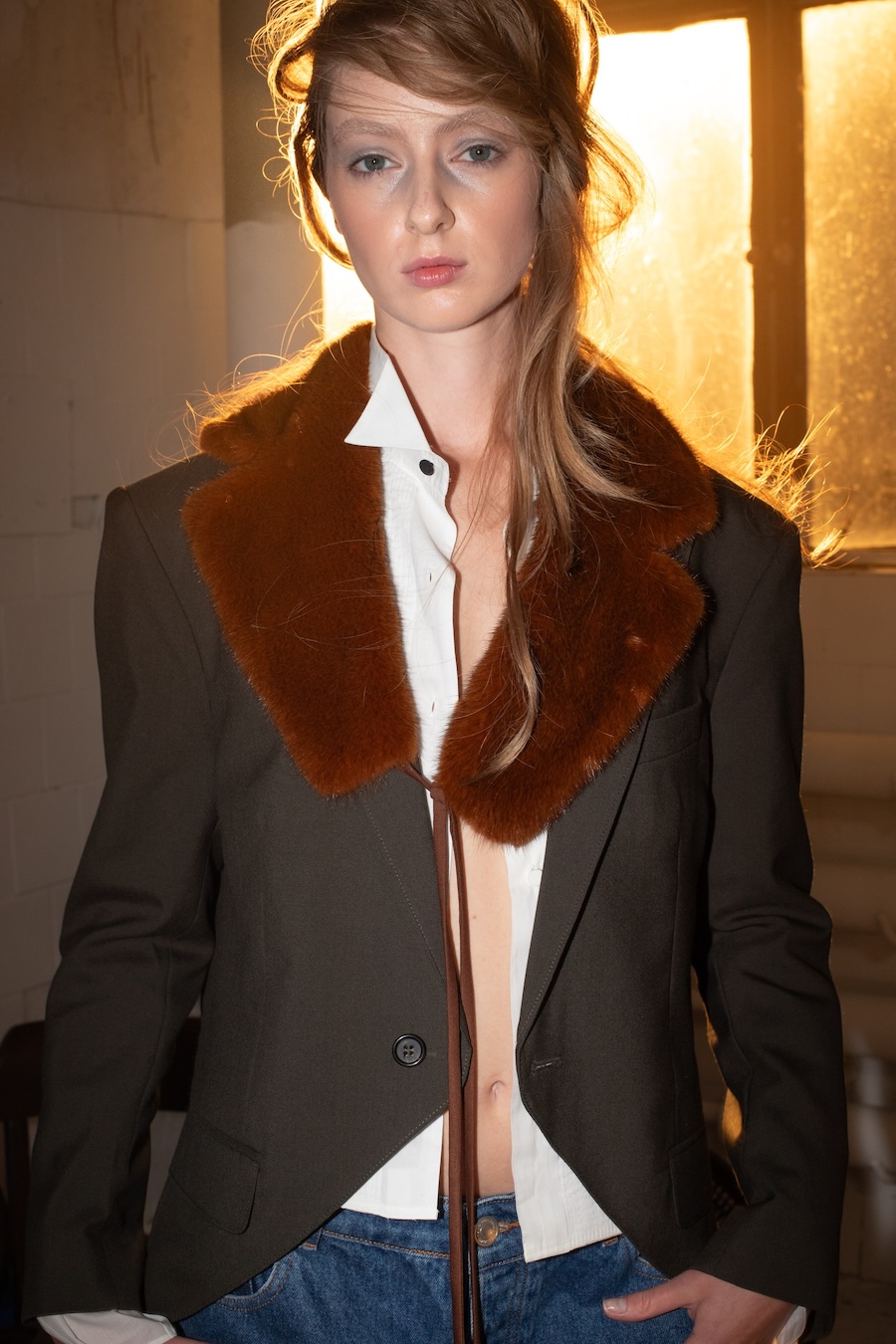
NATA: You don’t always understand why this particular look becomes your favorite. You count on one thing—and get something completely different. And it sticks with you. The jacket is versatile, wears easily, everything falls into place on its own. A seventies collar from Chișinău—there’s something in it. Just beautiful to me.
KALTBLUT: If PATRU were an ice cream, what flavours would it be? And would everyone like it?
NATA: If this were ice cream, it would taste like dried plum. Tart, bitter, not for everyone. It wouldn’t appeal to everyone. And it shouldn’t. Those who understand this flavor will understand everything else.
KALTBLUT: What was the last music track you listened to?
NATA: The last thing I listened to was a Lenny Kravitz playlist during my latest photoshoots. I’m also a fashion photographer, so music is always part of my creative process. But just before the PATRU show, I was listening to something completely different: Alla Rumana by Karol Mikuli, a composer of Moldovan-Armenian origin and a student of Chopin. We actually considered using it for the show but eventually went in another direction. Quite a contrast, I know, but I like moving between different musical worlds depending on what I’m working on.
@patru.upcycling.md
@moldovanbrandsrunway
Designer @natamiterev
Photo @toriwen
Interview by @nico_sutor_