

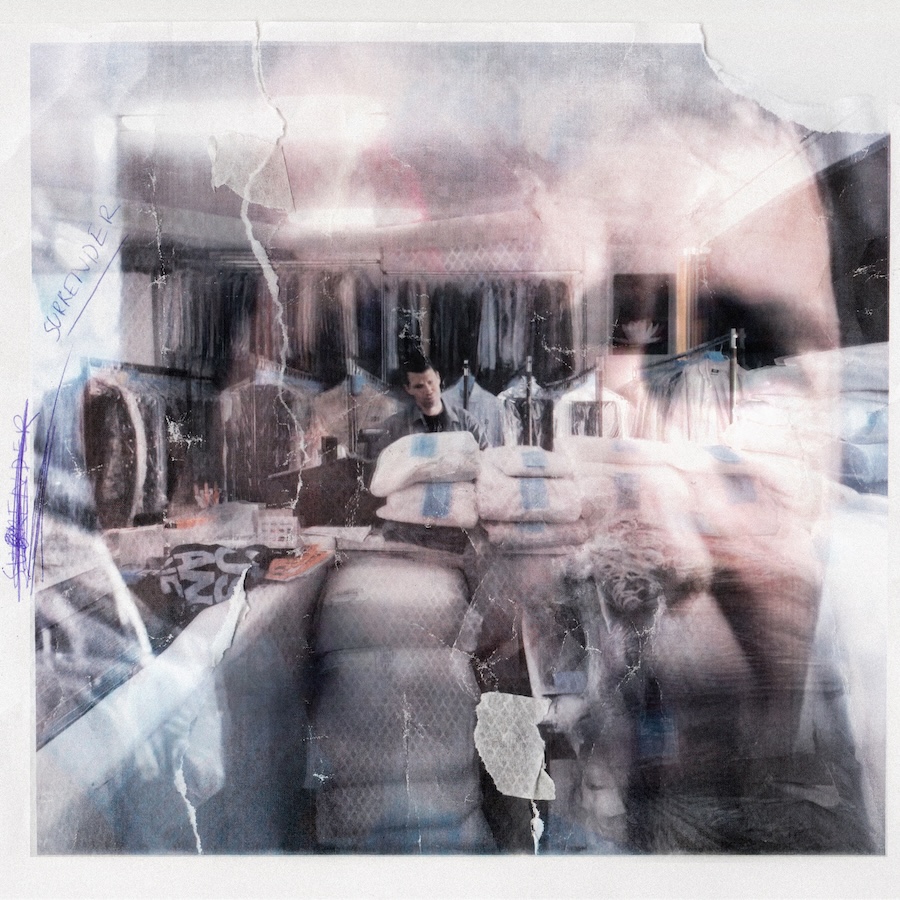
Valentina Parati, a name increasingly recognised in the realm of contemporary film and art, is set to unveil her latest work for the innovative project Illspeed. This short film features the esteemed Austrian actor Arno Frisch, who takes on the role of a middle-aged man navigating his unique, and perhaps slightly delusional, journey back to hope. Frisch, known for his impactful performances in Michael Haneke’s Funny Games and Benny’s Video, brings a nuanced depth to the character, reflecting themes of image culture and detachment that resonate deeply in today’s society.
The Art of Hope: Valentina Parati’s Vision in the Short Film for Illspeed
vid by @valentinaxparati
cover from @inesmaestre_
Illspeed itself is a collective born in New York City, uniting artists from around the globe. This eclectic group embraces various artistic disciplines, contributing to the realms of artistic direction, video direction, editing, music, and beyond. Their collaborative spirit aims to challenge conventional boundaries within the art and music landscape.
Parati’s work has already made significant waves on platforms like Mubi and at prestigious film festivals, including Queer Lisboa and Dokufest. She has also exhibited at renowned venues such as CAC Genève, Ciaccia Levi, and Mikro Zürich, alongside prominent exhibitions in Basel and Turin, signifying her unique voice in the art world.
Her artistic exploration focuses on the intricate interplay between human experiences and mechanised existence. Delving into liminal spaces and extreme contexts, Parati approaches her narratives through an acoustic and queer lens. In her films, personal memories converge with mechanical symbolism, exploring themes of transformation, resilience, and healing—qualities that align seamlessly with the essence of Illspeed.
In discussing the project’s conceptual framework, Parati notes, “We don’t really separate sound, image, irl or screen anymore; it all gets channelled together.” This philosophy resonates throughout the music associated with Illspeed, described by some as Power Pop Jams, while others interpret it as Rhythmless Blues. The diversity of these interpretations speaks volumes about the multifaceted nature of sound and its interactions with our perception.
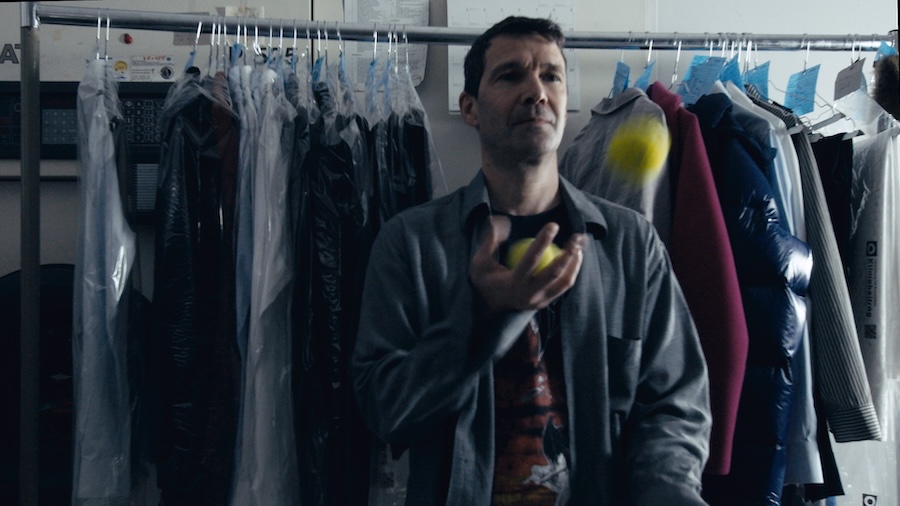
Rather than presenting a definitive scene or statement, the music crafted in this collaboration embodies layers—voices and textures coexist without the need for complete integration. This auditory experience reflects the complex nature of visual culture in which layers of meaning exist, fragmented yet whole. For those willing to embrace its intricacies, the work invites a richer understanding of reality as it unfolds in all its beautiful, chaotic splendour.
