

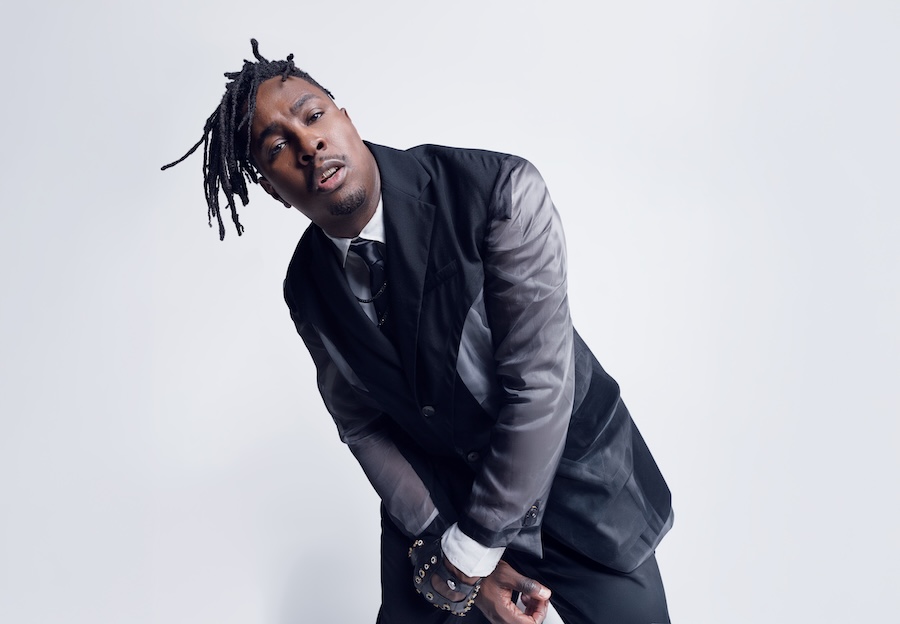
 Photo Credit: Kemal Bentot
For more than a decade, Mike Taylor has been connected to dance music, building a career that brings together his work as a singer, songwriter, and DJ. His journey includes collaborations such as “SummerThing!” with Afrojack and “Everything Black” with Unlike Pluto, which was certified Gold by the RIAA, as well as several years of international touring behind the decks.
Taylor never stopped writing. While travelling to different countries as a DJ, he accumulated songs and experiences that are now finding a new outlet in “Love,” the first preview of his upcoming project.
The single also opens a different territory for the artist, who is releasing a house track under his own name for the first time. The essence, however, remains unchanged. Whether through pop, electronic, or house, soul continues to be the foundation of everything he creates.
The choice reflects the moment the world is going through. “Love is the highest vibration. It transcends everything, and right now we need it more than we’ve needed it in a long time,” Taylor says, putting the idea at the heart of the song in its simplest form. The word “Love” also carries a deep connection to Philadelphia, his hometown, turning the song into a meeting point between his roots and the new chapter ahead.
That connection extends to the video, which serves as a bridge between Philly and Los Angeles, the two cities that are now part of his life. Taylor co-directed it with Steven Nicholas Smith, his friend since the days when they both belonged to different breakdance crews. Their shared history also gives the project a personal dimension, while the video marks the first official release from TaylorSmith, the production company they founded together.
The story eventually arrives at Electric Church, where Taylor was already scheduled to play a six-hour DJ set. The team filmed the actual event, allowing the final scenes to unfold within a real night of music. It reflects Taylor’s understanding of the dance floor as a space without hierarchy, where community and the freedom to respond to the moment matter more than the person behind the decks.
“Love” places your voice and songwriting at the centre again after several years of touring internationally as a DJ. What made this the right song to begin this new chapter?
Timing. I’ve never stopped writing. I have years of songs sitting there, so it’s never a question of whether there’s material; it’s a question of what the moment is asking for. And I look at where the world is right now, the general vibration of things, and a song called “Love” felt necessary.
The honest thing about this record is I don’t really feel like I wrote it. The verse isn’t a written verse. It’s what was on my mind that day, and I sang it. It came out urgent because that’s how it felt.
It’s also a house record, and that’s new for me as a solo release. I’ve done a lot of collaborations, and my last EP had pop and disco on it, but I’ve never put out a house record on my own. So it felt fresh, and it felt like the right pace change to open a chapter with.
The title carries an additional meaning for someone raised in Philadelphia, where “Love” has become deeply connected to the city’s identity. What does that word mean to you personally, and how does that meaning intersect with the song?
Love is the highest vibration. It transcends everything, and right now we need it more than we’ve needed it in a long time. I wanted to radiate that in the simplest possible form.
The Philly connection is just in me. City of Brotherly Love. The LOVE statue. LOVE Park, which for a generation of us was the skate spot, unofficially, before they took it. If you’re from Philly, that word is on the landscape from the day you’re born. You don’t think about it; you just grow up inside of it. So the weight of the word was already there for me before I ever wrote it into a song.
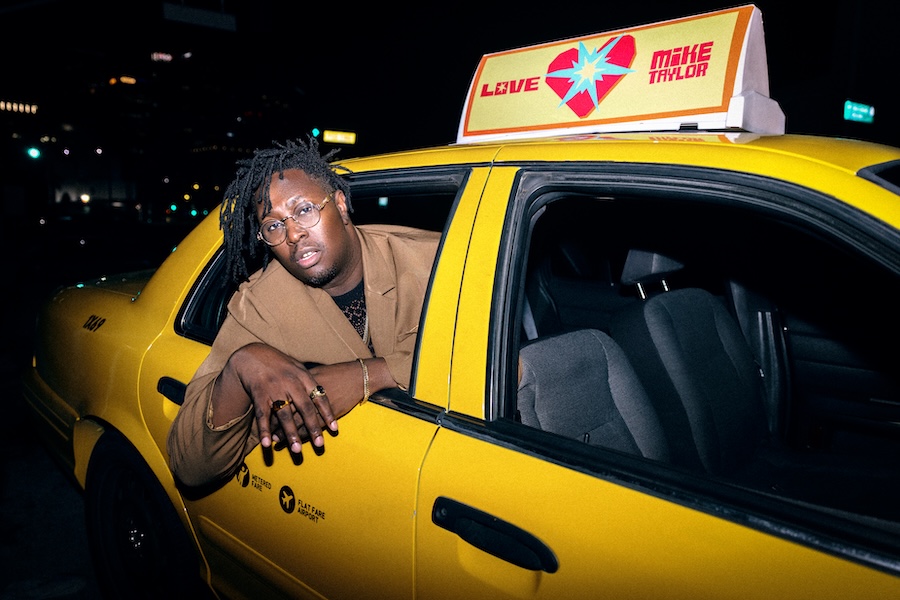 Photo Credit Steven Nicholas Smith
Several friends and collaborators from Philadelphia appear in the backseat throughout the video. What does their presence reveal about the creative community you have carried with you since moving west?
LA is a transplant city, and it has a reputation for being fake, which I don’t think is entirely fair, but the reputation exists for a reason. What that creates is a real hunger for solid community.
Philly runs deep out here. Over the years, we’ve cultivated something real, to the point where if someone anywhere in the world knows a person from Philly moving to LA, they’ll connect us even if we’ve never met. That’s the network. Those people in the backseat are that. When you’re on an artist’s journey and you land somewhere new, being able to look over and see a familiar face is everything.
When you think about the Philadelphia you left and the Philadelphia you carry with you now, what has remained constant in your musical perspective?
I have to push back on “left.” I still have a place in Philly. I’m there every month or two, and I throw parties there. HQ is in LA, but I’m bicoastal.
What’s constant is that everything I am musically was built there. Philly has one of the richest soul lineages of any city in the world. Soul, R&B, jazz, funk, hip-hop- it’s in the pores of the place. People forget Philly also has a serious dance and house history—Josh Wink, King Britt, Rich Medina—so even the thing I’m doing now traces back there. And it’s not just music. They call Philly the Mural Capital of the World, and they’re not exaggerating; the walls are covered. So you grow up surrounded by art, whether you asked for it or not. It is bestowed on you. Add the list of artists that the city has produced, and it’s just in your DNA. That’s why people from Philly are obnoxiously pro-Philly. It’s earned.
You co-directed the video with Steven Nicholas Smith, your best friend from Philadelphia, and it marks the first official release from your production company, TaylorSmith. How did your shared history influence the way you approached the visual story?
Steve and I have never stopped working since the day we met. We both came up dancing; we were in two different b-boy crews and met at a hip-hop event. Later, we worked at the same nonprofit film company in Philly, and then we both moved to LA a week apart from each other.
This video references other videos we made together, some of them for songs I’ve since taken down because they were that early. So it plays like a combination of everything we’ve built. What’s serendipitous about it is that those old videos were us reaching for ideas we didn’t have the resources or the experience to fully land yet. Now we do. Steve is family at this point.
The cab eventually arrives at Electric Church, where you were scheduled to perform a real six-hour DJ set. What made you want to incorporate an actual event into the video rather than recreate that experience for the camera?
I wish I had a more artistic answer, but the truth is we’re independent, and this was DIY. Renting a club and casting extras wasn’t realistic. Shooting the real thing was.
What made it possible is community. I DJ in LA constantly, and I have real relationships with the owners and promoters. We look out for each other. So we brought a camera to a venue I play often, shot my actual set, and designed the story around the resources we had. The six hours weren’t a choice made for the video either. I can’t remember the last club set I played under four hours.
“Electric Church” comes from an earlier song inspired by Frankie Knuckles and the idea of house music as a form of church, where people can move as one. After more than a decade in dance music, how has your understanding of the dance floor as a space for connection evolved?
The dance floor is the most honest exchange you can have. Nobody boos. If you play something people don’t want, they don’t groan or talk about it; they just leave. The floor gets thinner. That’s the whole review.
West Hollywood sharpens that because of its bar-hopping culture. People are going to move to the next spot at some point; it’s built into the identity of the area. So no matter how well the night is going, you feel the room breathe in and out. Which means the highest compliment you can get is people who don’t leave. And I play long. Four, five, six hours. If you’re still there at the end, that wasn’t an obligation; that was a choice you kept making all night.
What’s changed for me is what I want out of that room. I’m performing, but I don’t want a hierarchy where I’m on a pedestal and everyone’s facing forward, watching me. That’s a concert. I want people to be free enough to let their bodies respond to what the moment is doing to them without thinking about who’s looking. That’s what Frankie meant by “church.” The room is the thing, not the guy behind the booth. That kind of organic freedom is getting rarer, and the floor is one of the last places it still happens.
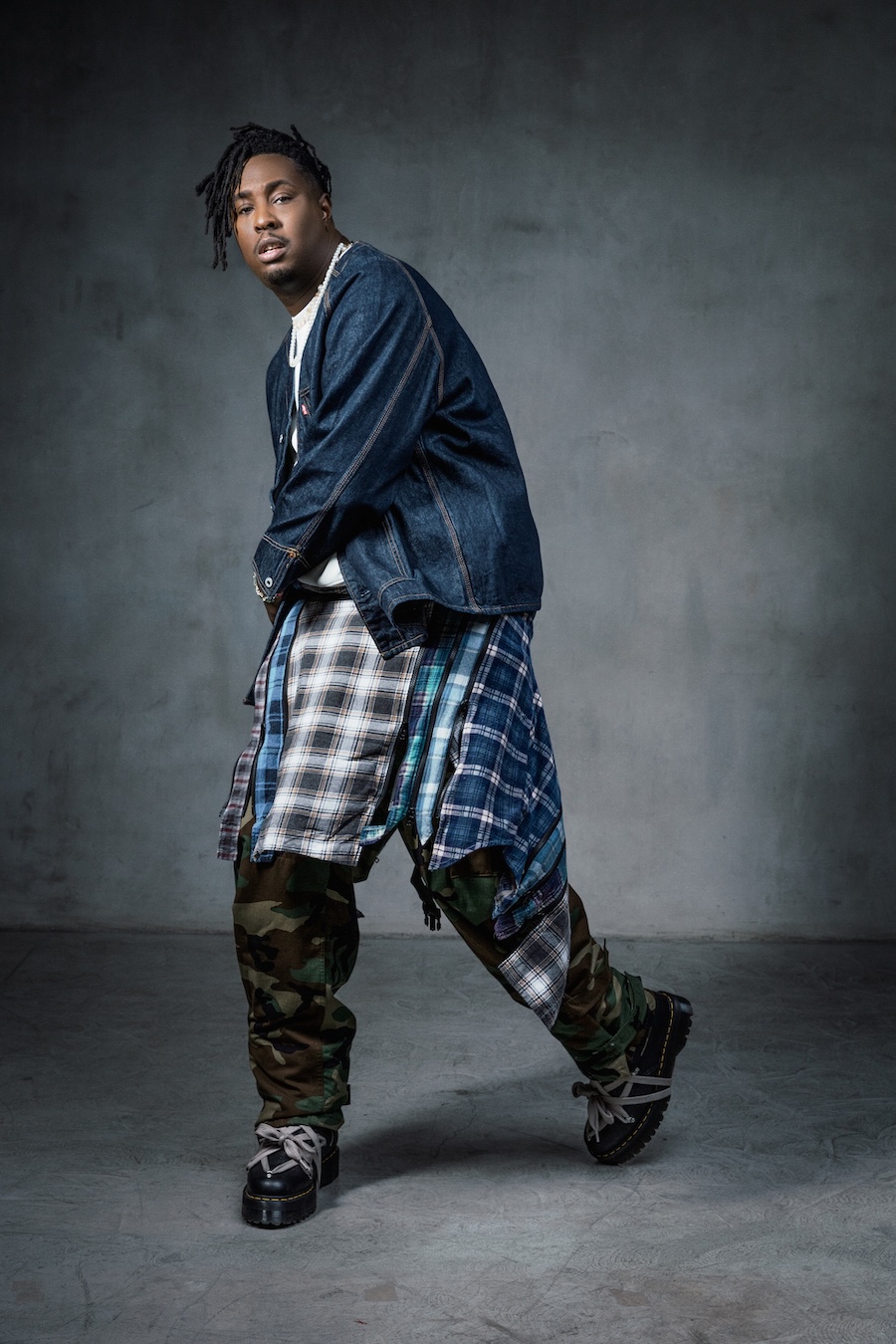 Photo Credit Kemal Bentot
“Love” is the first single from a project expected in early 2027. What does this song introduce about the project’s emotional direction, sound, and the version of Mike Taylor listeners will encounter next?
I’ve never been good at predicting where I’m going artistically, and honestly, that’s made my career harder. I don’t stay in one genre. I just do the thing I feel.
What I can tell you is I’m deep in a house bag right now. I’m inspired by the house music I love as a DJ and by the idea of running it through my own perspective. I’ve got a lot of up-tempo electronic records ready to go.
The one guarantee is soul. Whatever I make—pop, house, anything—it comes out soulful. That’s the foundation, and it doesn’t change.
