

The renewal of the creative landscape is vital to keeping fashion alive, unpredictable, and dangerous. In an era where production accelerates and aesthetic references circulate with numbing uniformity, authentic authorship, rooted in meticulous research, deep personal intent, and fearless material experimentation—matters more than ever.
That is precisely why the SANGUE NOVO platform at ModaLisboa remains one of the most essential incubators in contemporary European fashion. By offering emerging talents an uncompromised stage to challenge repetitive conventions, the initiative treats public runway debuts not as a tidy finale, but as a catalyst for creative growth. Among the ten proposals presented this season, four distinct voices instantly stood out as absolute Ones to Watch, pushing textiles and narratives into bold new territories.
ModaLisboa @lisboafashionweek
Photography: Alexandre Azevedo / ModaLisboa powered by CANON @alexandreazevedophot
Special Thanks: APICCAPS Portugal @portuguese_shoes
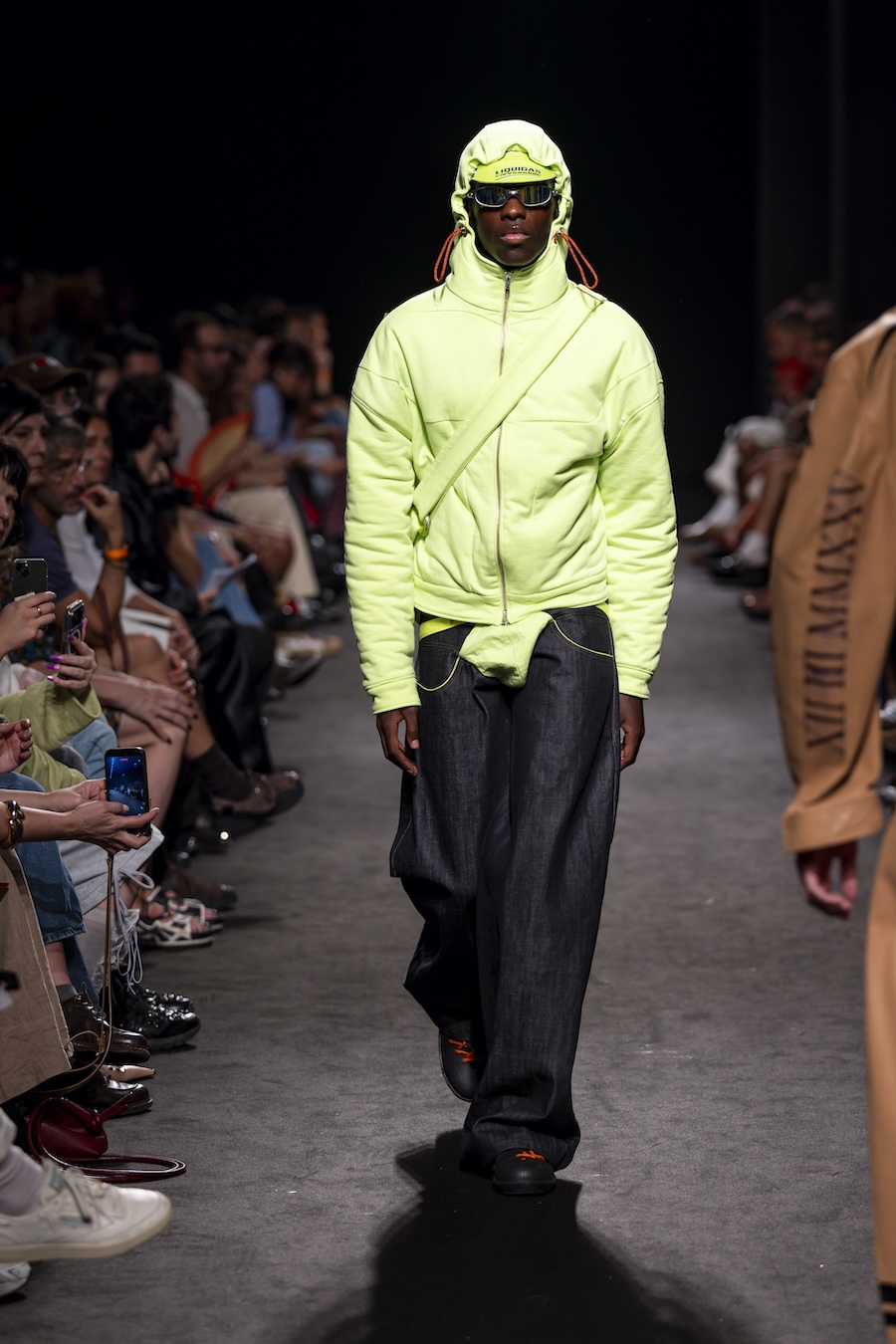
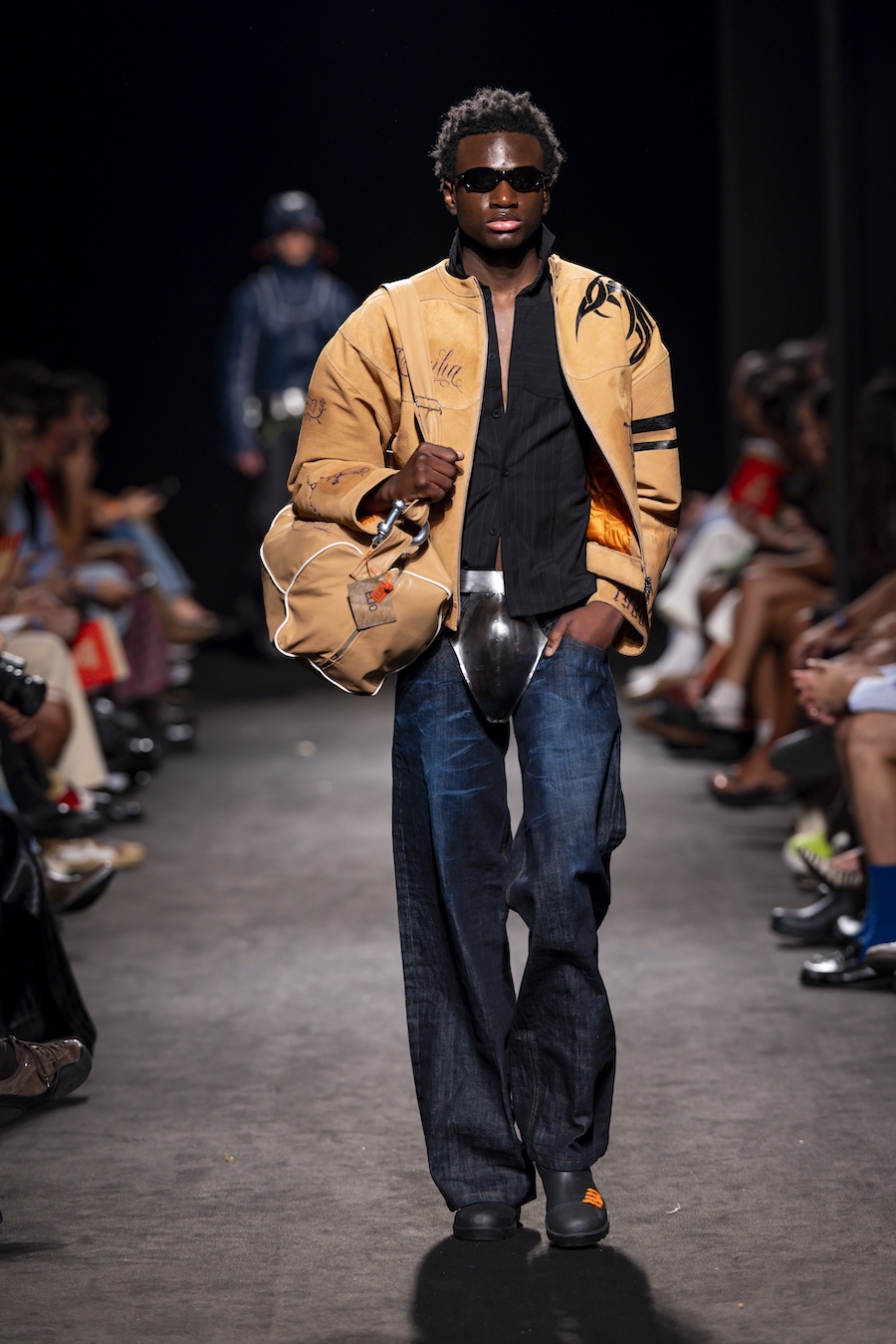
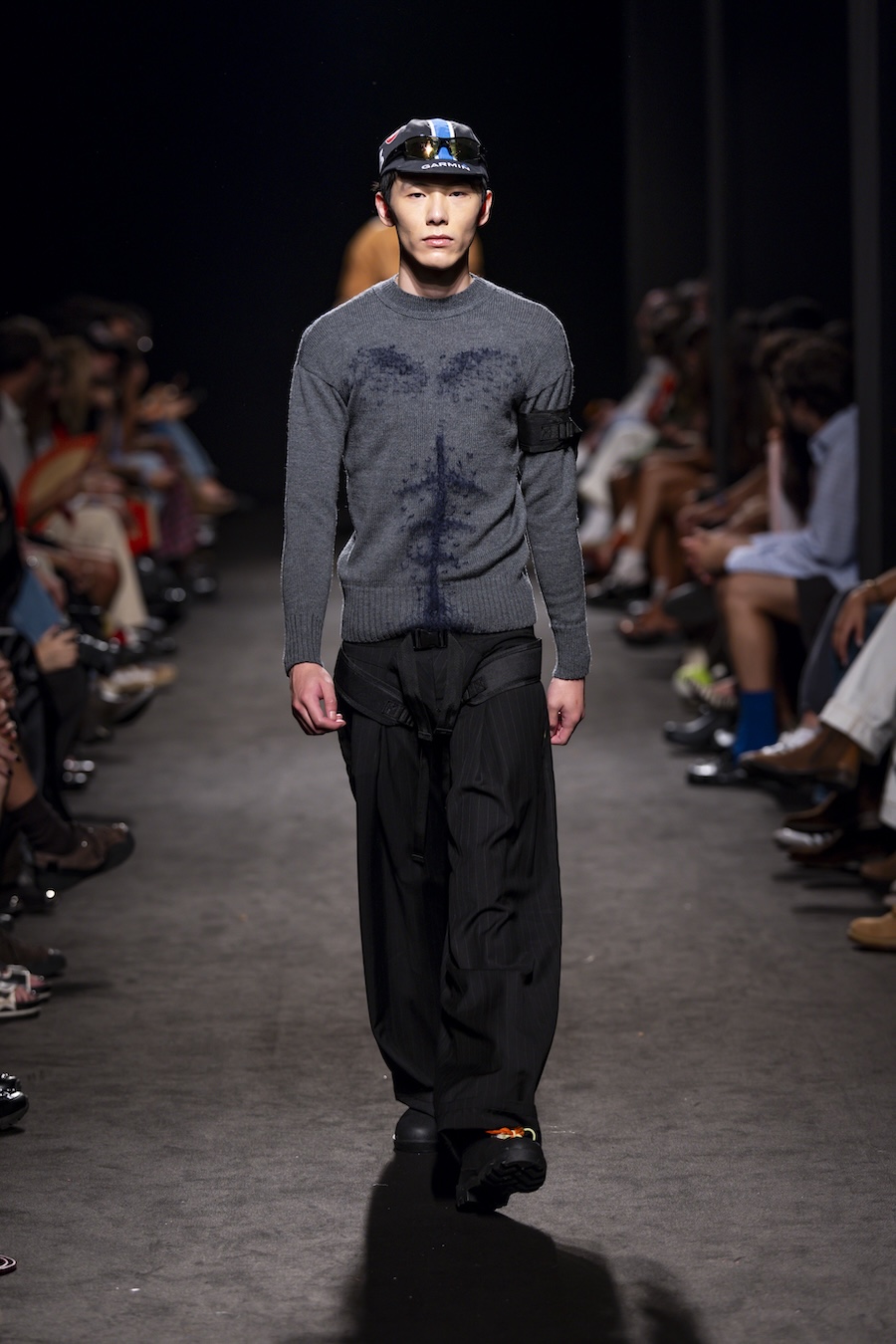
ELIO – “LOSER”
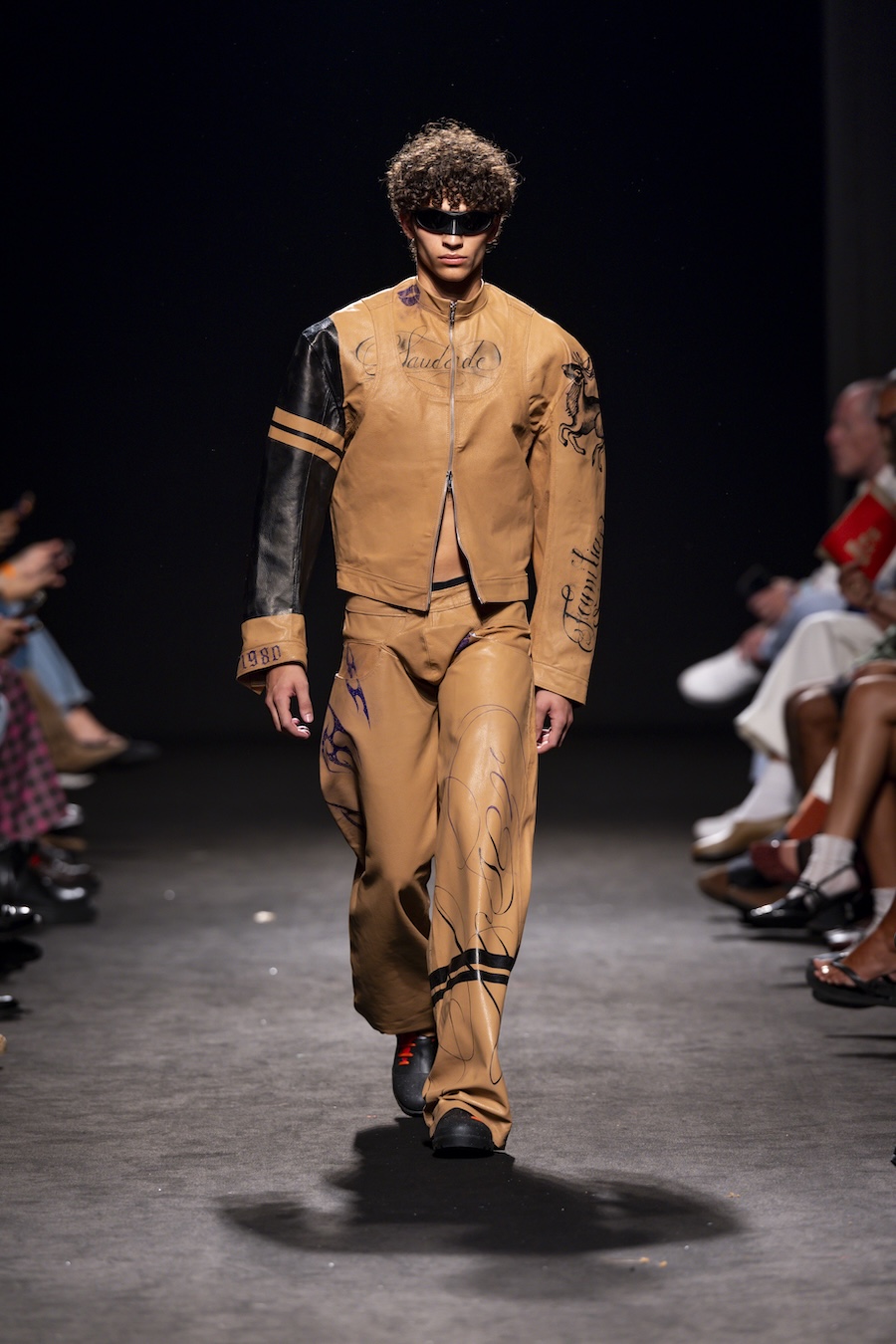
Élio Ramos cuts directly to the emotional marrow of modern masculinity with his collection LOSER. Sparked by the personal difficulty of admitting failure and the automatic internal reflex to “hold it together like a man,” Ramos’ work deconstructs the traditional codes of menswear rooted in invulnerability and stoic control.
Through “LOSER,” he brings the internal to the surface: exposed underwear layers, delicate tailoring framing vulnerable areas of the body, and visual nods to tattoos as permanent emotional scars. Crafted using deadstock fabrics, local suppliers, and ethical Portuguese manufacturing, ELIO turns perceived weakness into an armor of radical tenderness.
Marta Amorim – “X1: EXPERIENCE 1”
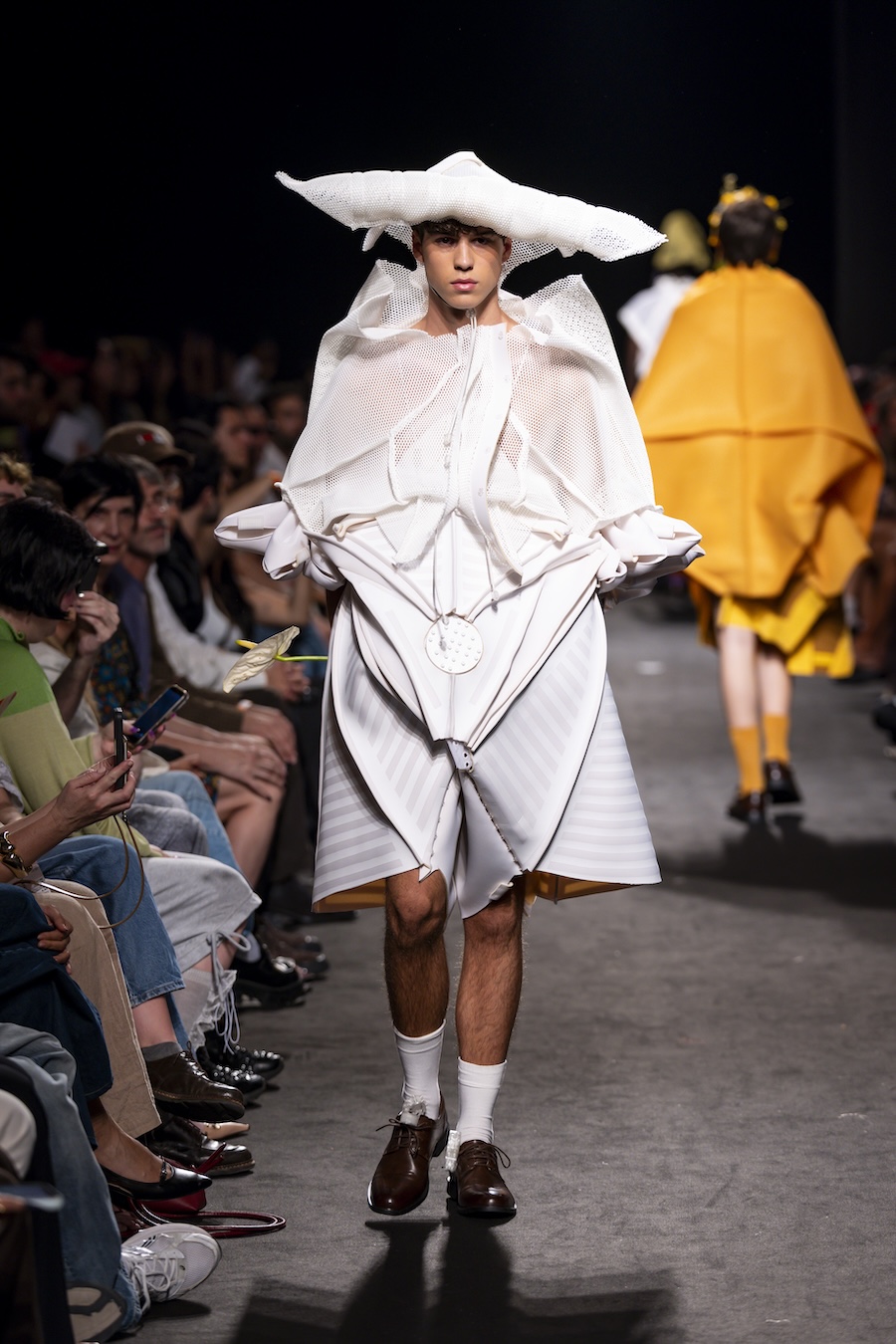
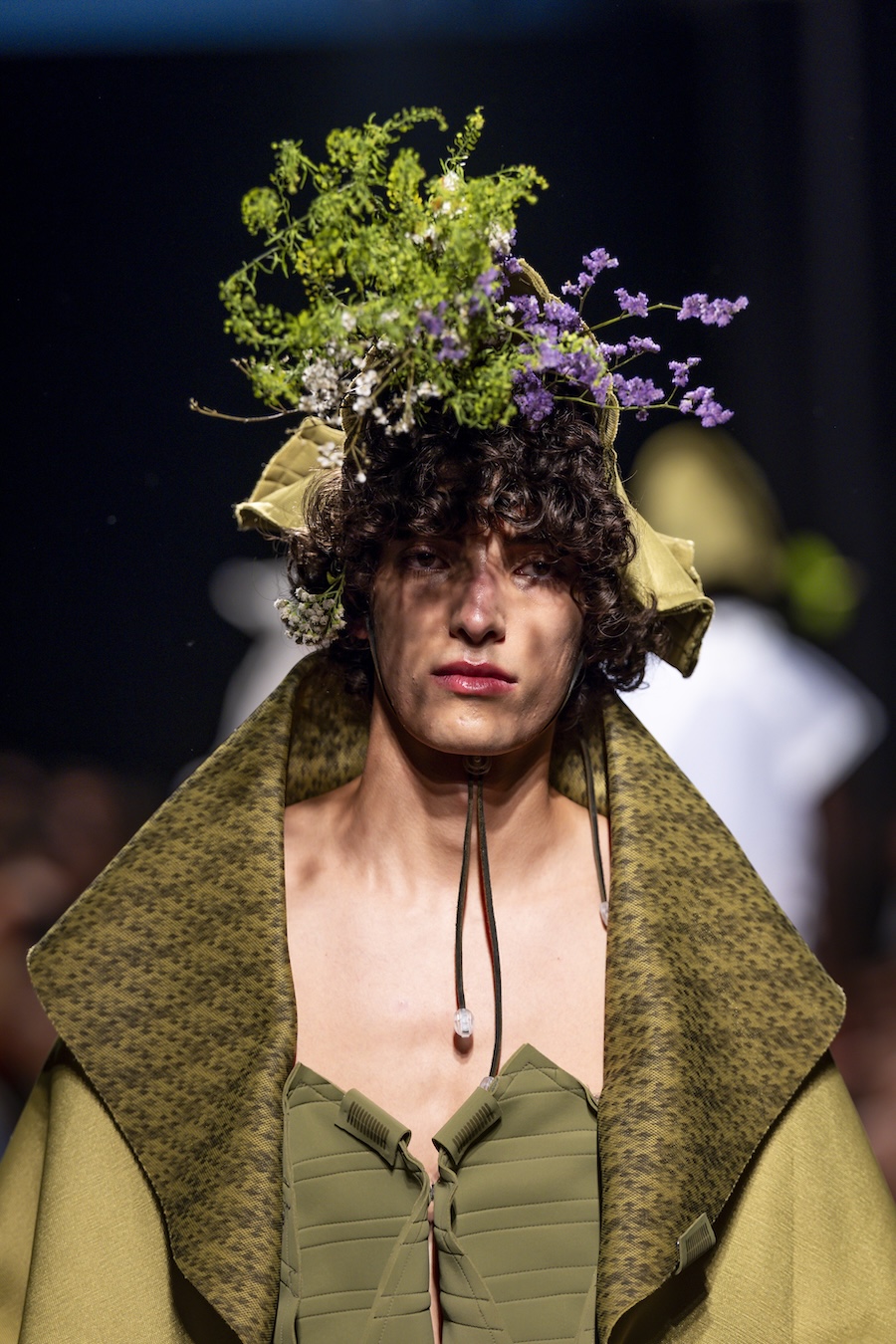
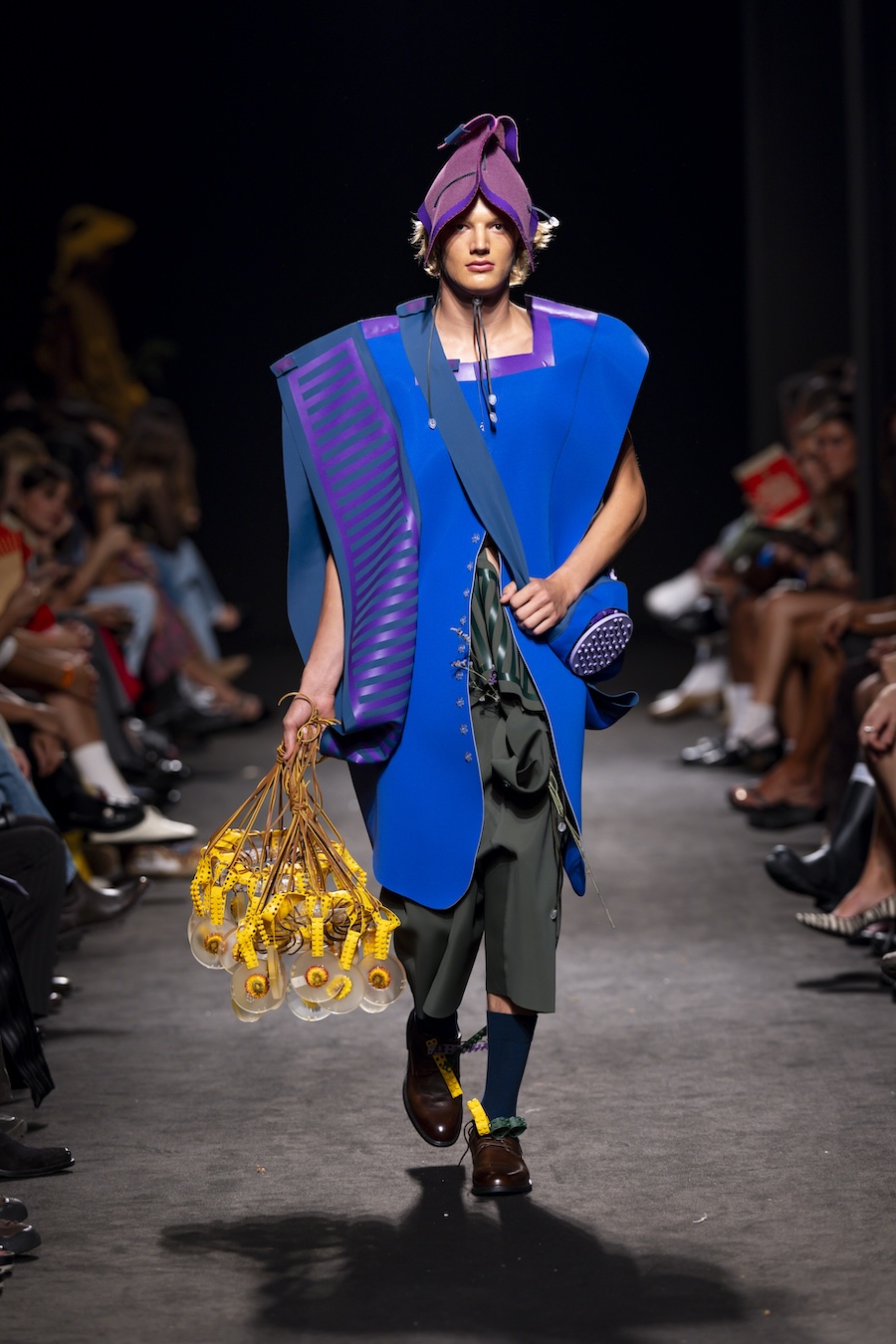
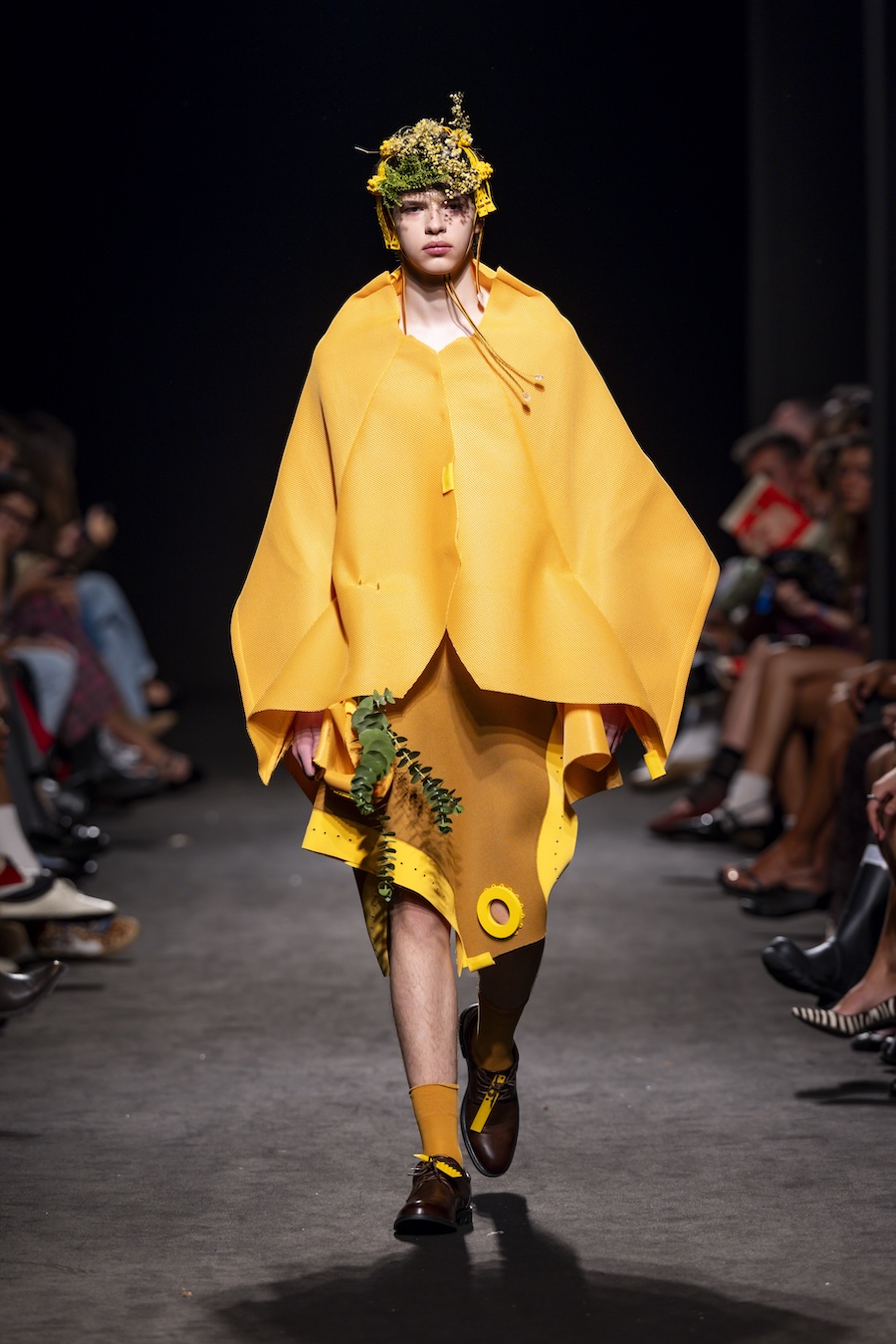
Bringing a sharp analytical background in law and marketing into technical fashion design, Modatex Porto graduate Marta Amorim interrogates the utility of the garment through Bruno Munari’s functionalist philosophy. Her collection, X1: EXPERIENCE 1, challenges the disposable excess of mass production by transforming clothing into a modular, regenerative tool for urban ecosystems.
Conceived around the idea of wearable plant-growing capsules, Amorim’s garments utilize high-performance technical fabrics engineered into modular systems through single-pattern manipulation. Grounded in an earthy, living palette inspired by vegetation and harvest, each look explores a vital symbiotic survival between the human form and the environment.
João Pecuro – “THE LAST TIME I HELD A BALLOON”
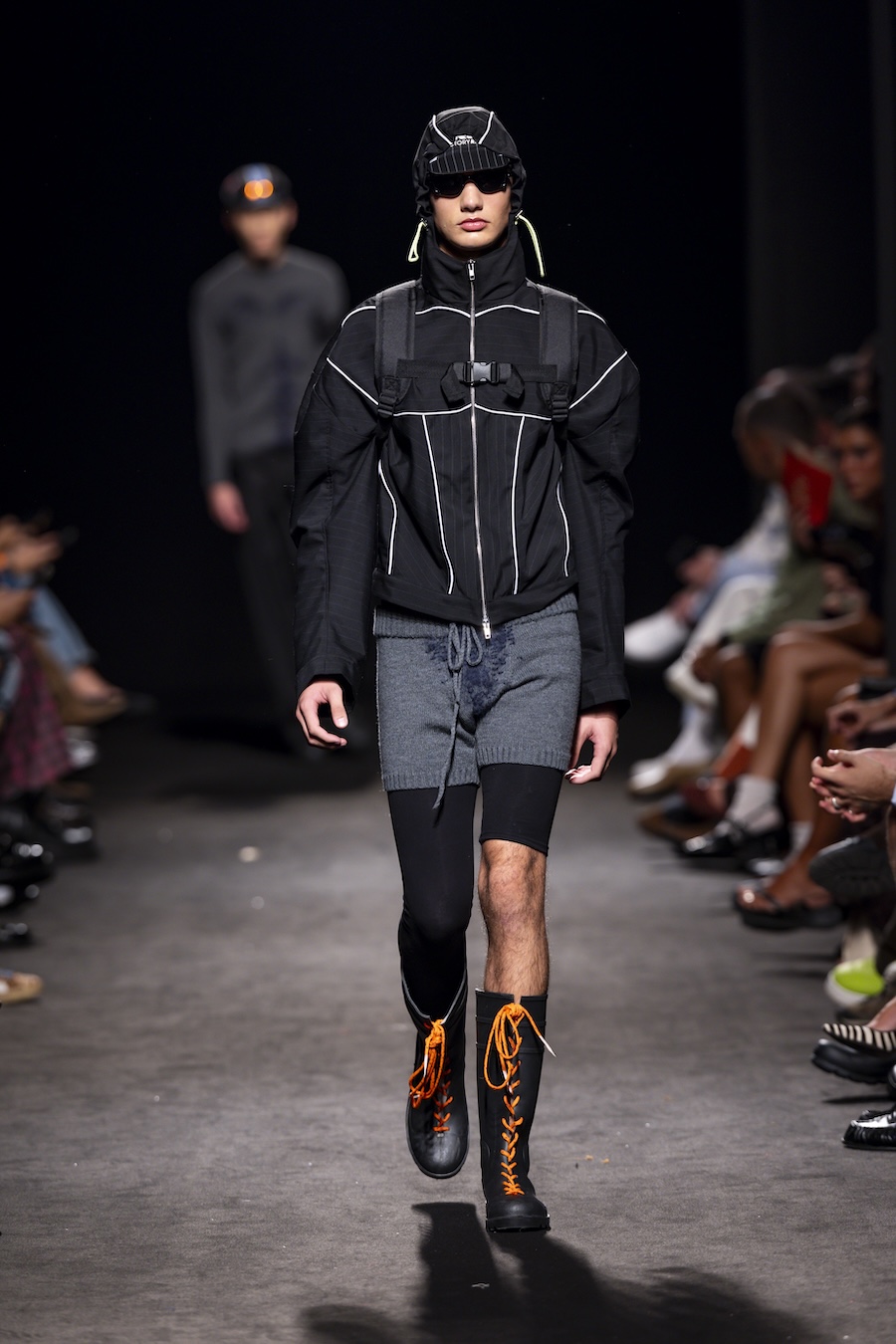
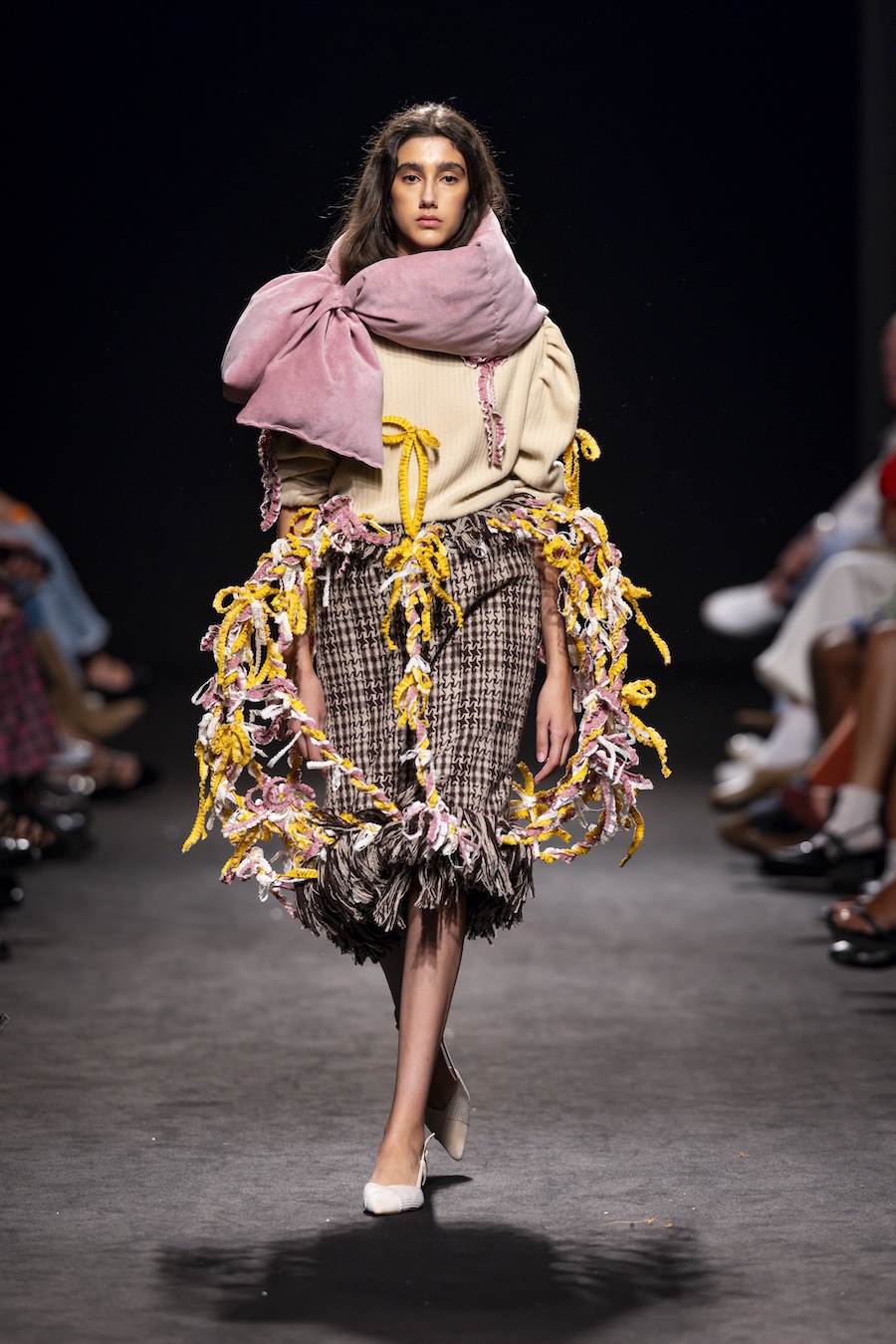
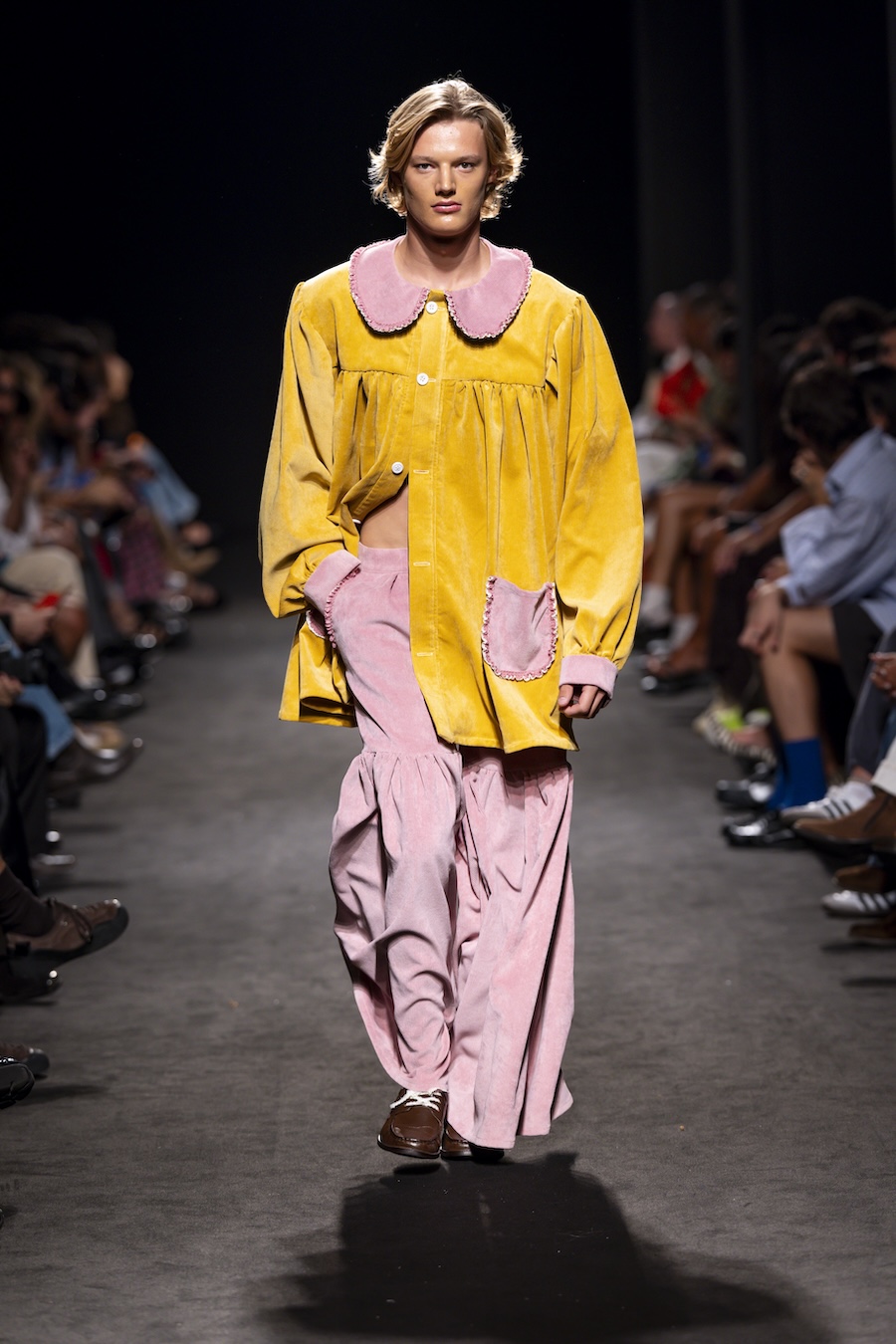
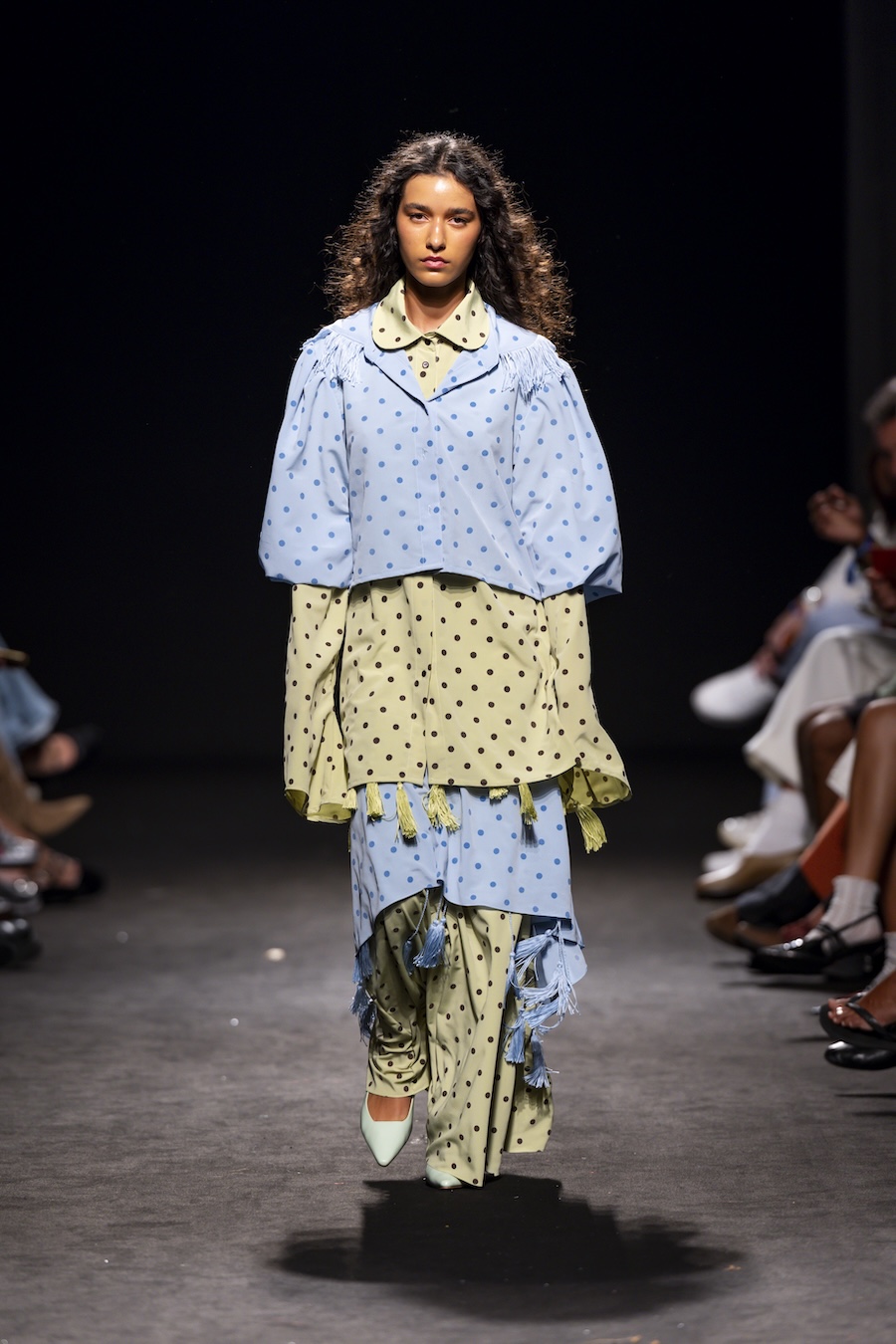
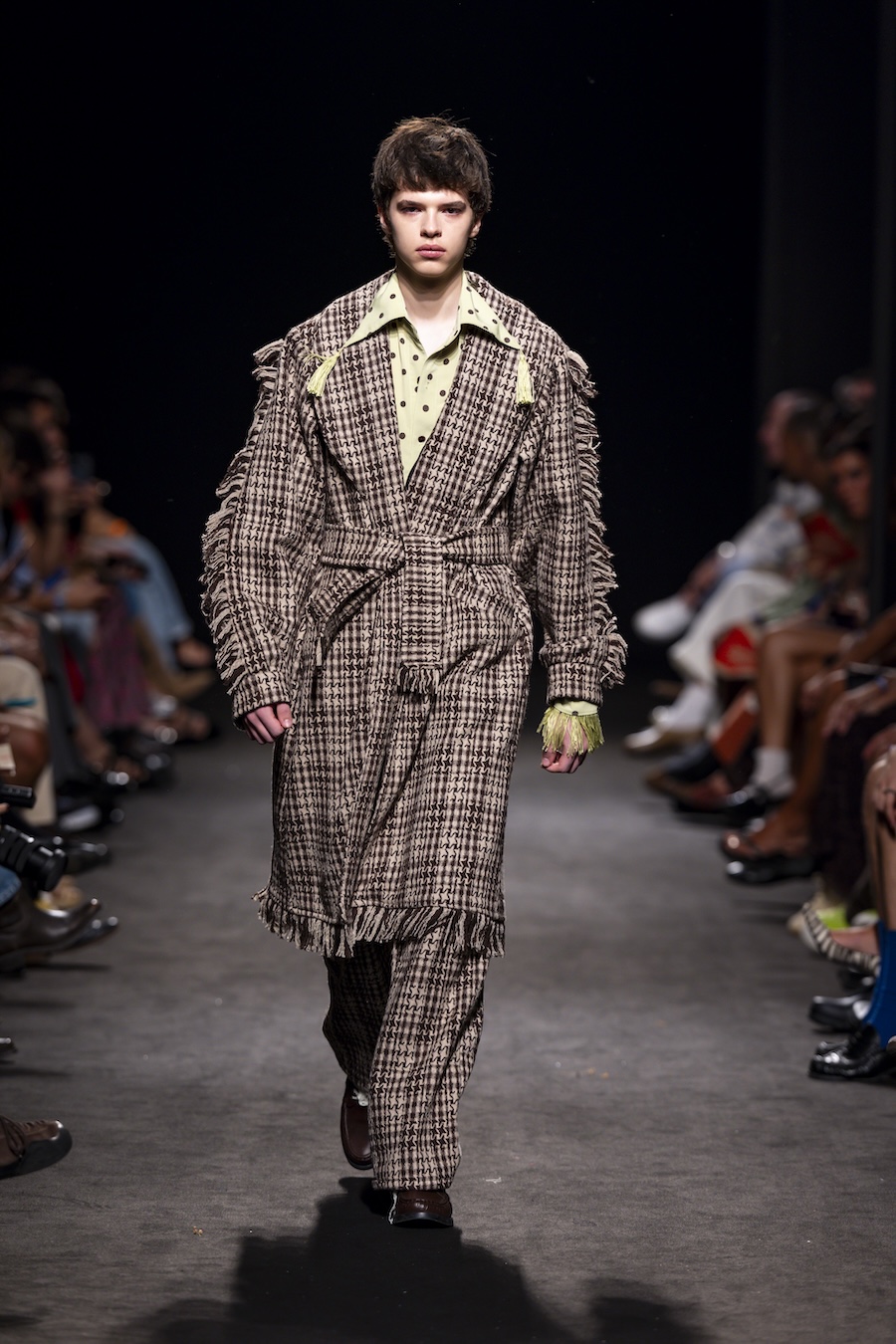
ESART graduate João Pecuro merges the precision of scientific thinking with lyrical emotional resonance in THE LAST TIME I HELD A BALLOON. Centered around childhood nostalgia and the inevitable passage of time, Pecuro uses the fragile balloon as a central motif—an object bound to slip from our hands, leaving behind only the string of memory that keeps the child within us intact.
Rejecting static design formulas, Pecuro’s evolving visual language plays with nuanced color palettes, shifting silhouettes, and material contrasts that bridge the innocence of youth with the wisdom of aging. It’s an evocative, poetic collection that reminds us that innocence doesn’t have to expire with adulthood.
Ronni – “D E V I R”
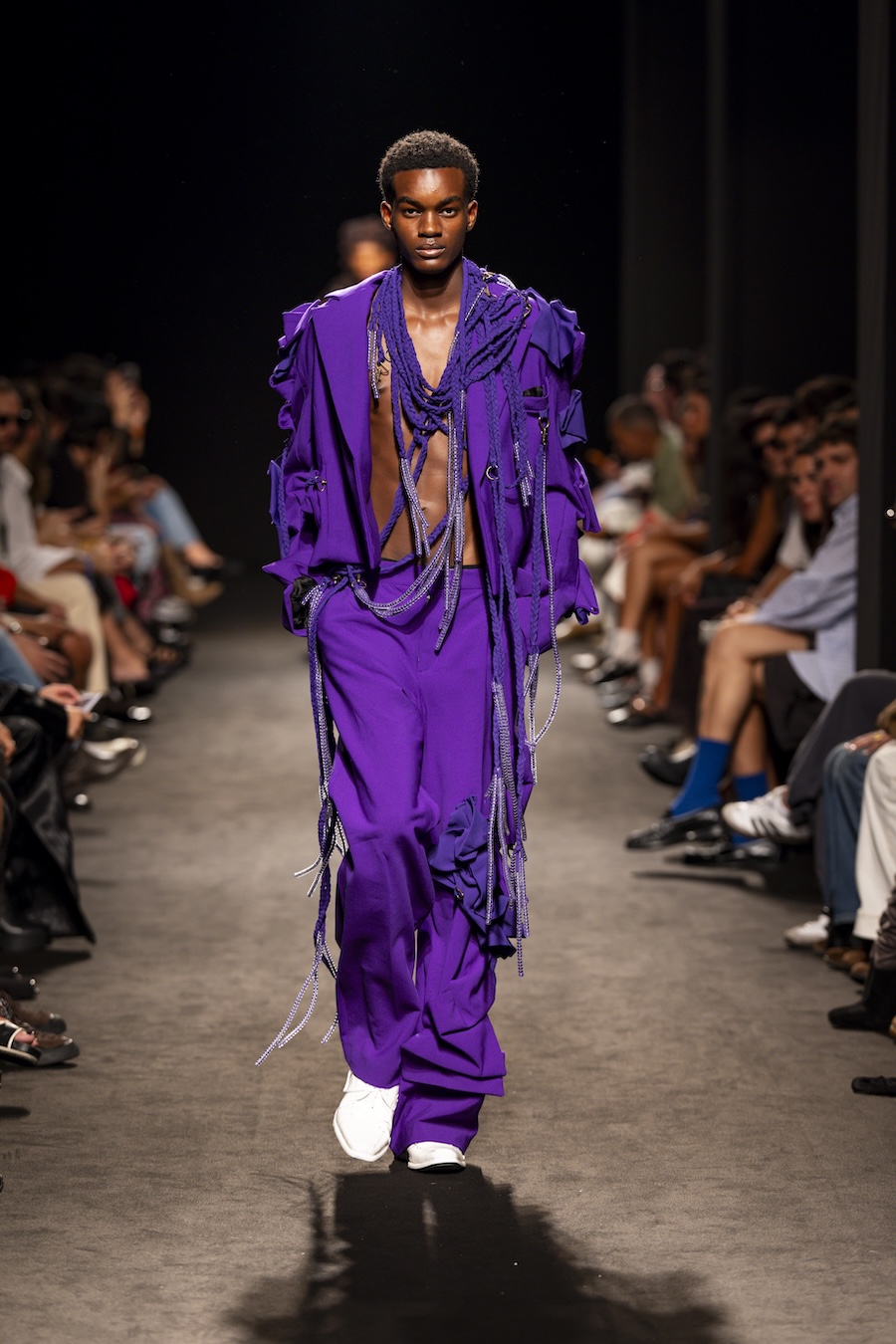
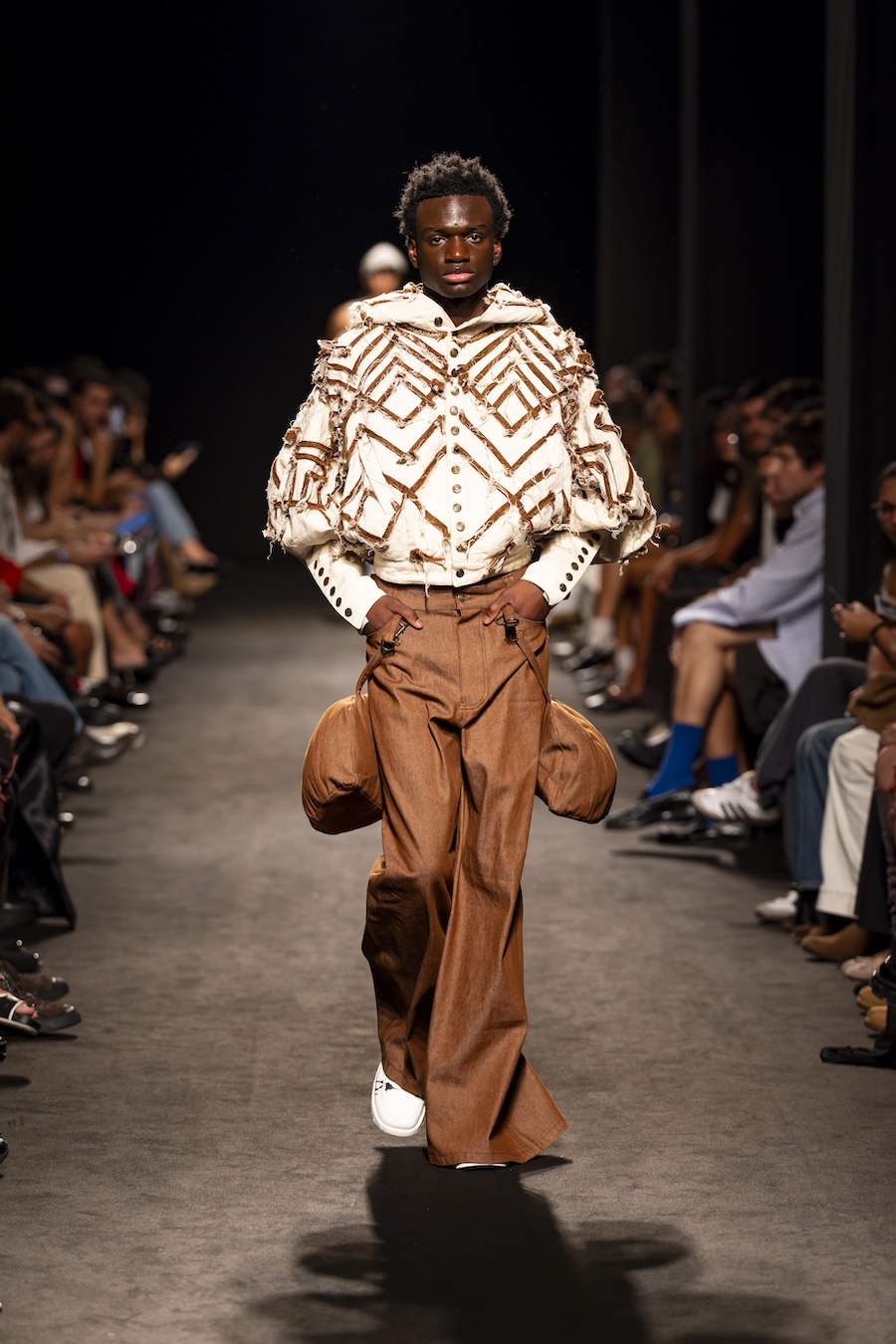
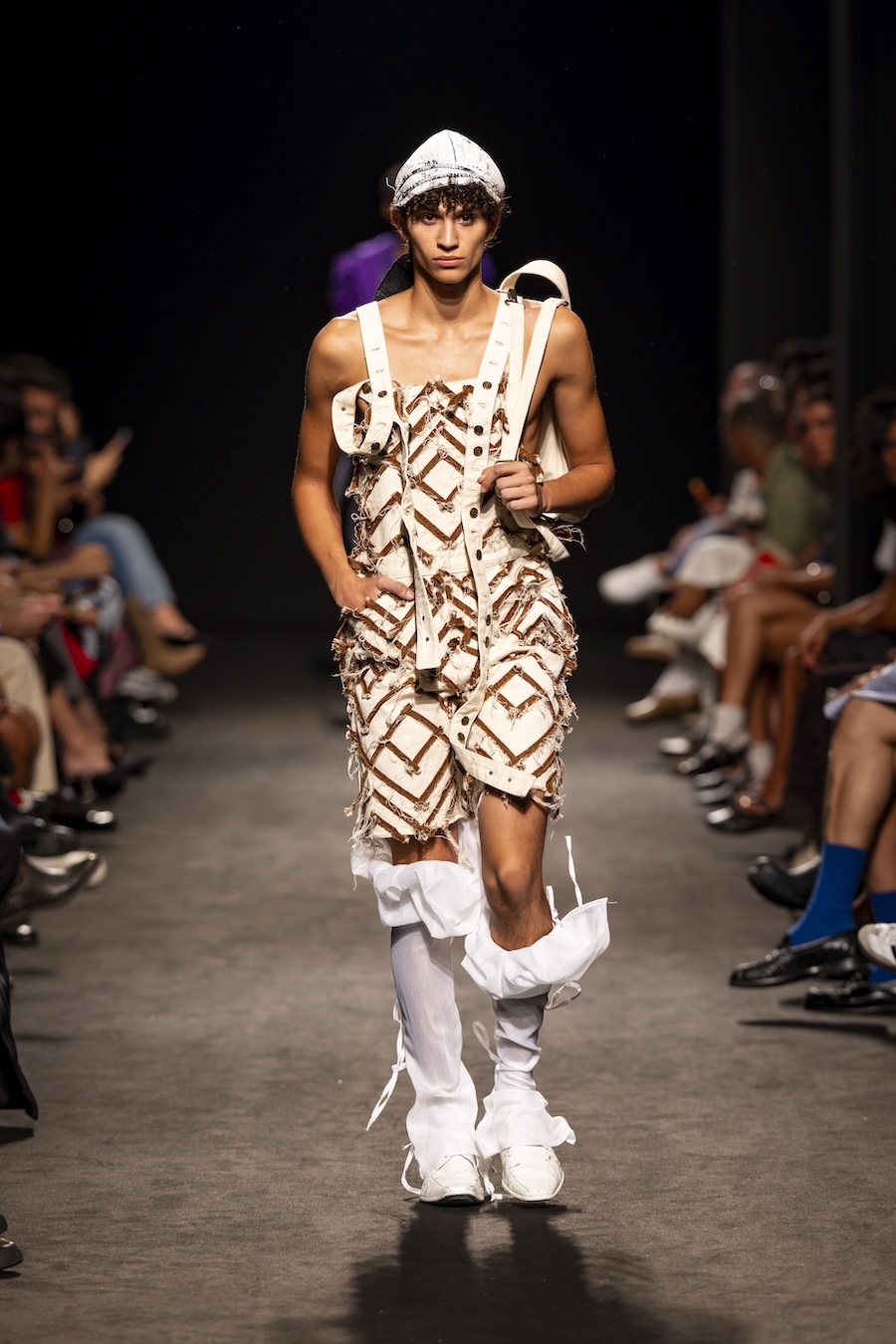
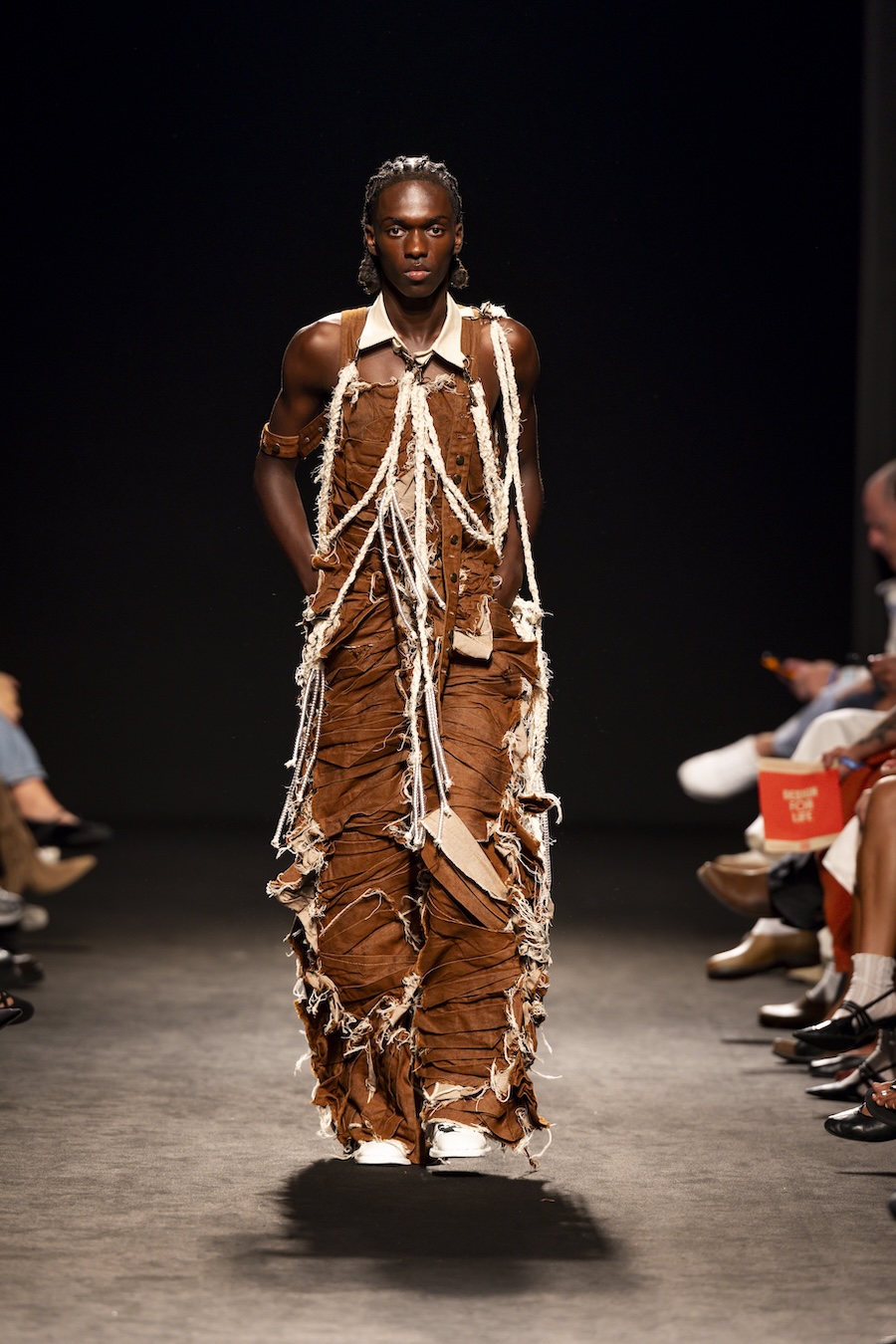
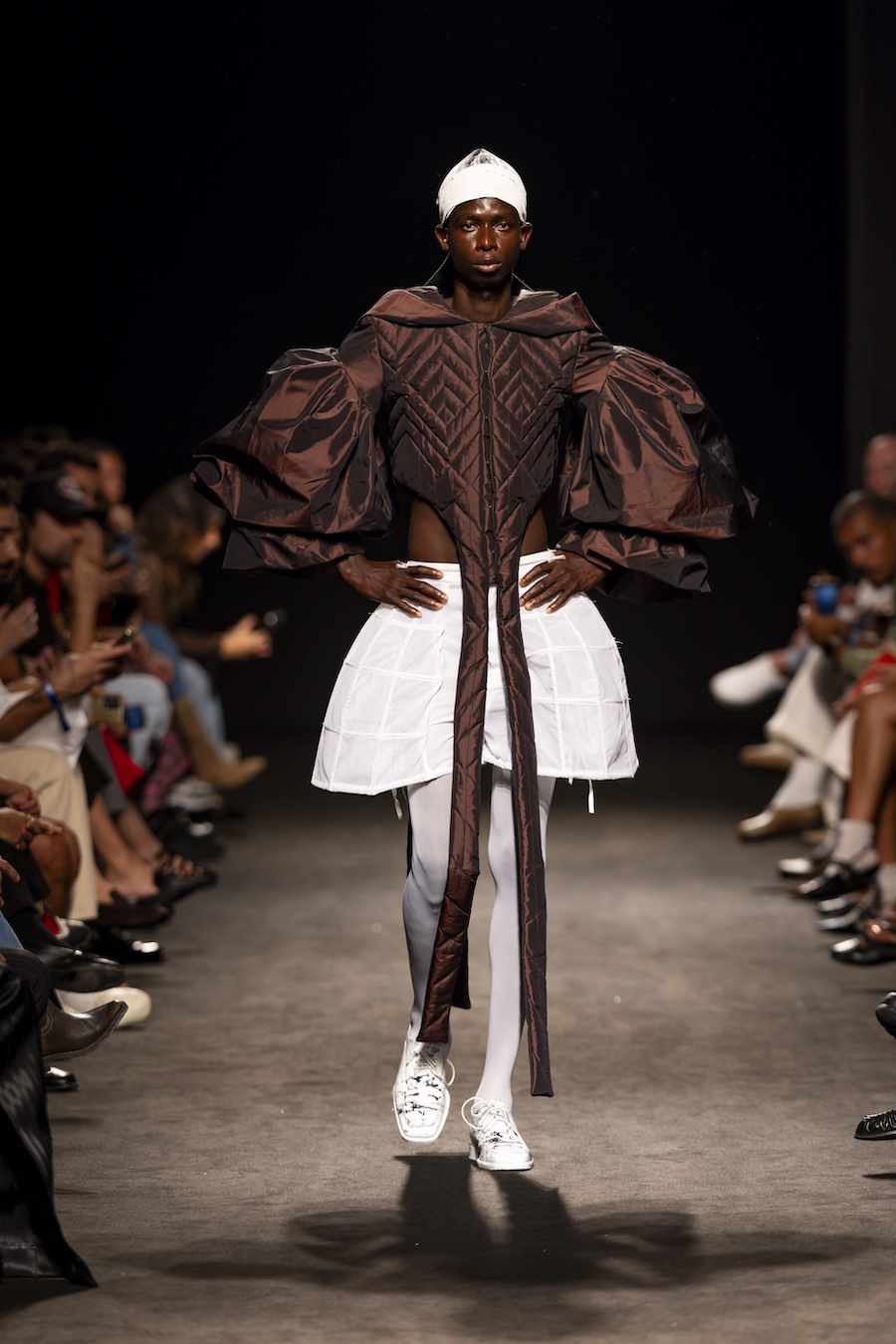
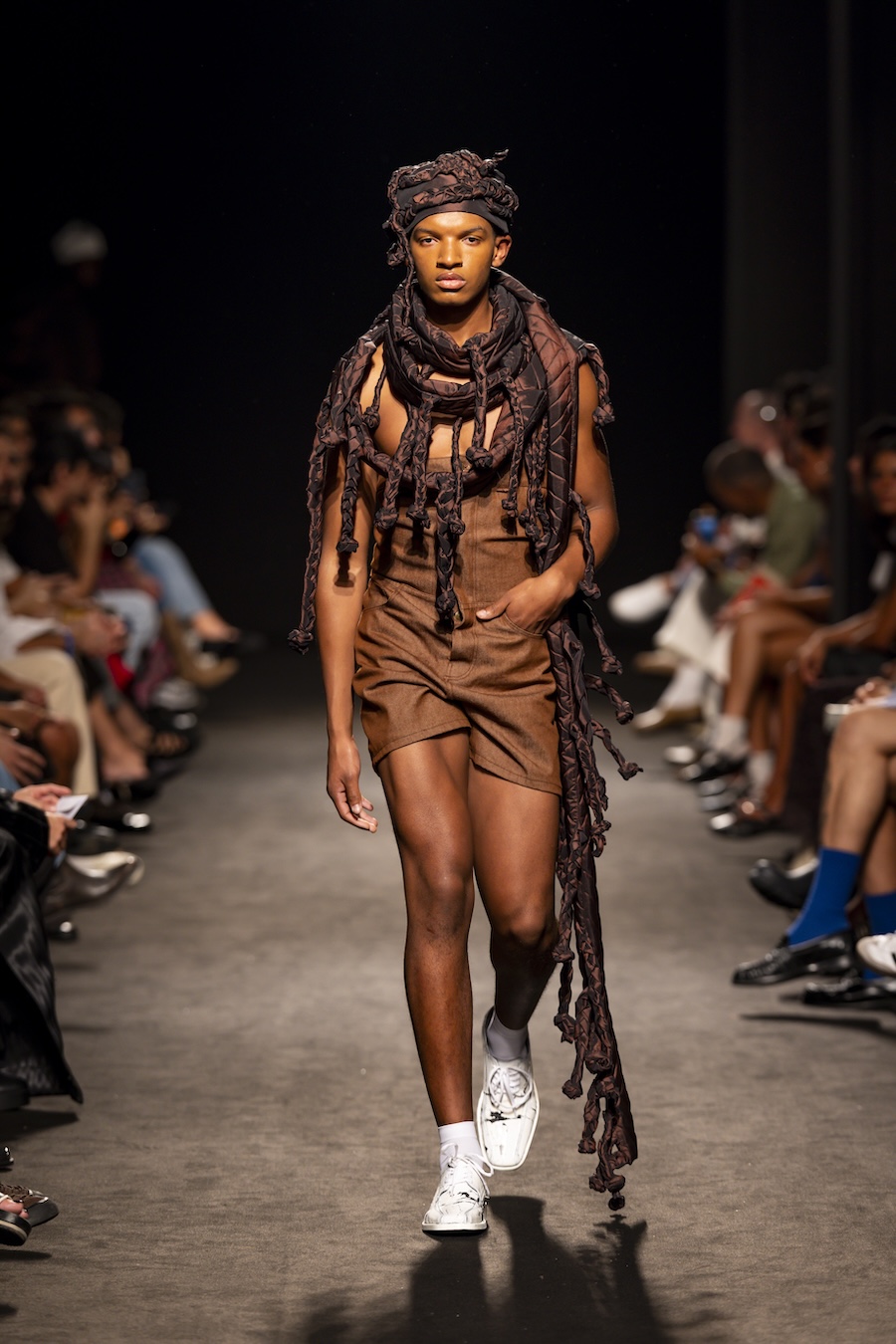
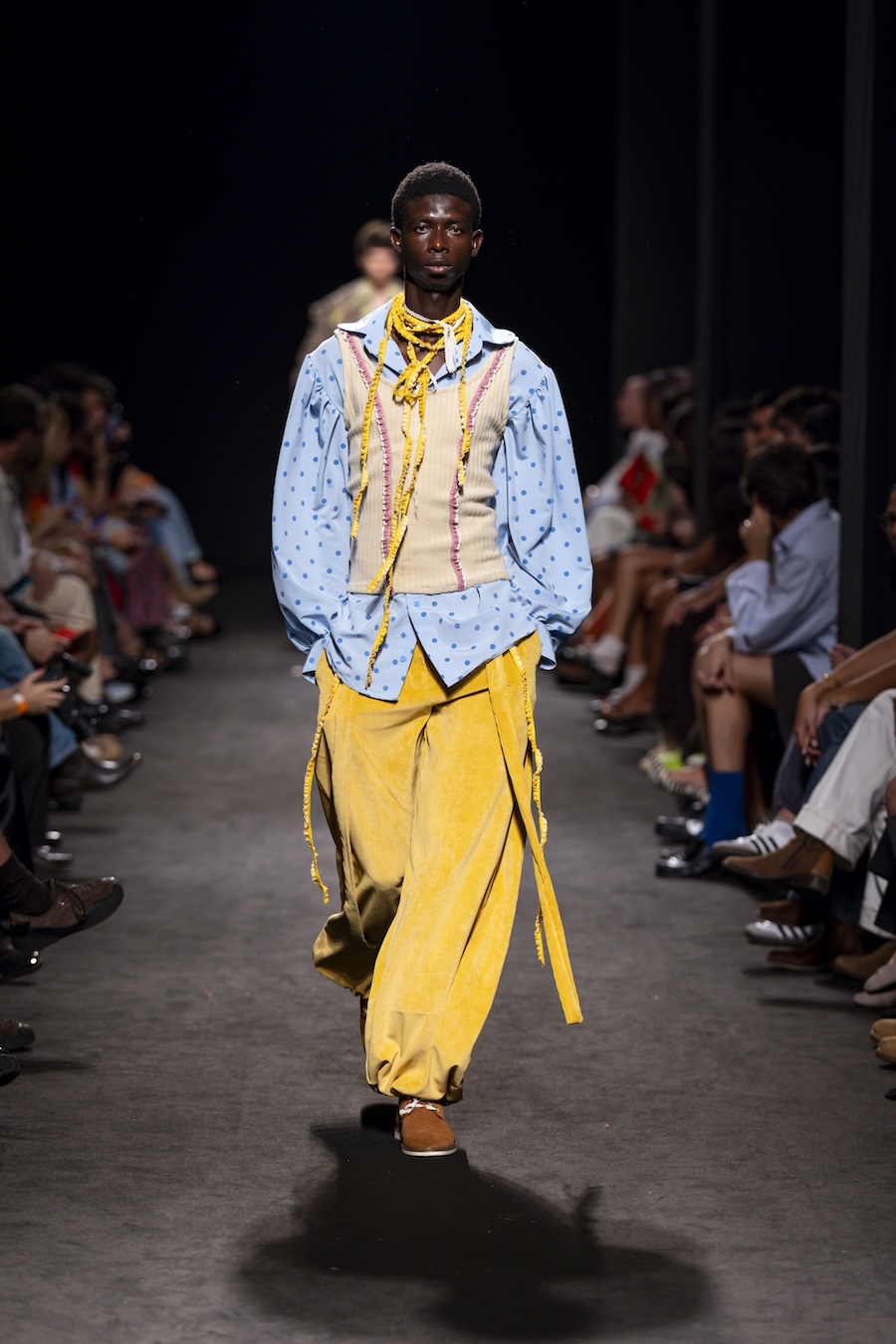
Lisbon-born, Cape Verdean designer Ronaldo Pina (Ronni) delivers an uncompromising manifesto with D E V I R—a body of work conceived as an ongoing act of self-reconstruction and political resistance. Grounded in the instability of living between worlds and navigating Black identity within predominantly white spaces, the collection confronts historical trauma, slavery, and systemic oppression through textile manipulation.
Drawing deeply from African dandyism, hip-hop rebellion, Black subcultures, and ancestral royalty, Ronni manipulates fabric into fragmented, layered armor. Balancing tension between the raw and the ornate, the broken and the affirmed, D E V I R weaponizes fashion as an undeniable instrument of reclamation.
Together, these four designers demonstrate what makes the Portuguese avant-garde so consistently thrilling: a refusal to play it safe, an obsession with tactile craft, and a fierce commitment to telling real, human stories. Keep your eyes locked on their next chapters.