


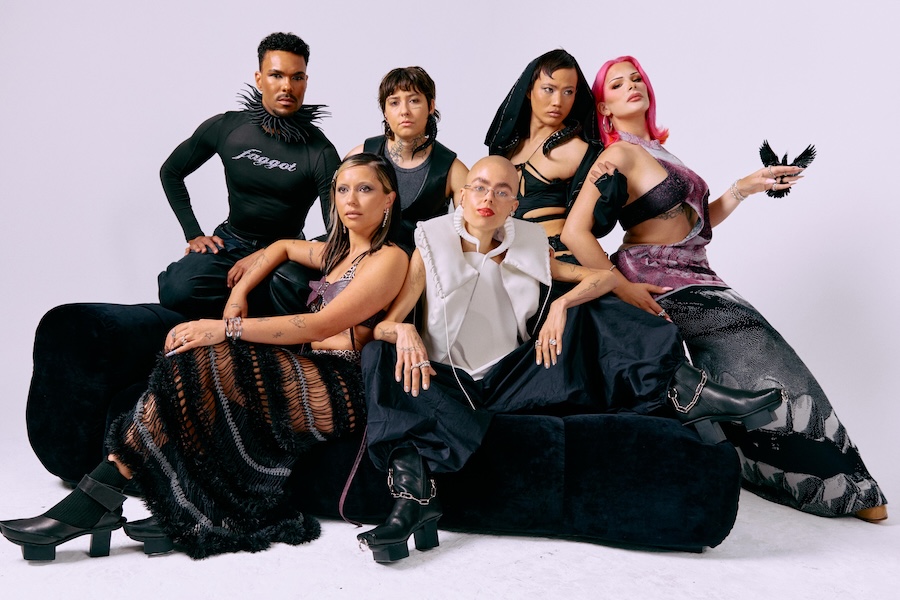
There is a difference between being seen and being looked at. One is recognition, and the other is judgement. For this PRIDE editorial, PLATTE gathered six people in front of the camera and asked them to focus on “ what makes them feel seen: without having queerness as their identity. To be truly present and themselves without being interpreted. Which is what Pride essentially celebrates.
Eliob and Myat. Toni and Izy. Raffa. Lotti.
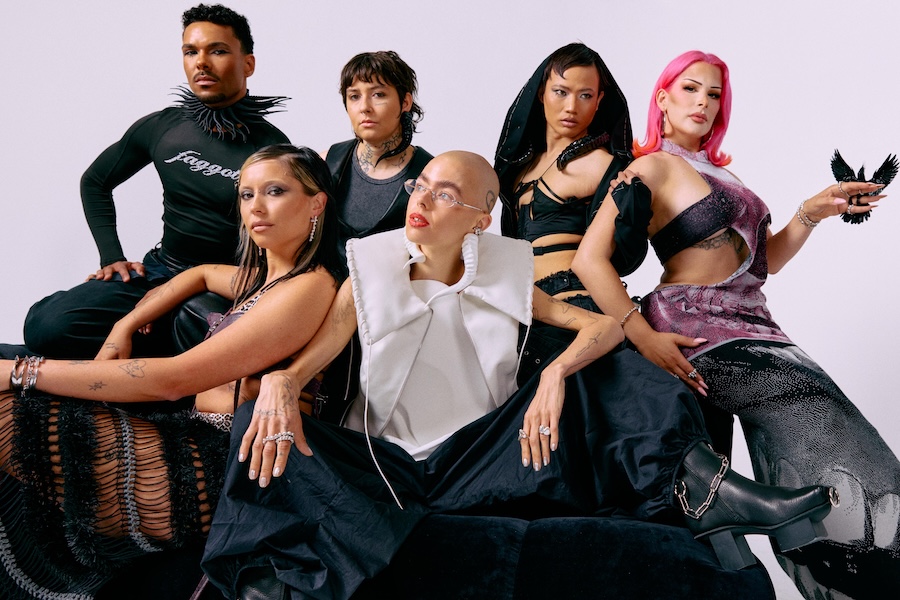
All came together, with a mix of backgrounds, a mix of personalities, a mix of preferences, but still the same needs. The overall need for freedom to be and express who they truly are, and the environment where they feel safe to love.
And this is exactly why this shoot and magazines like Kaltblut that continue to fight for open queerness and support new talents and voices exist. Queerness here isn’t a label that is affirmed to an individual; it’s just a fracture of a person. It is more about how someone holds their partner’s hand when they think no one is watching, the particular way they exist when they’ve decided to stop explaining and giving reasoning for their own lifestyle. A camera tends to flatten people into categories. We wanted to do the opposite, to hold the frame long enough so personality could outrun the label.
So the project sits intentionally in the intersection of fashion, connection and personal testimonies. Styling was chosen with insight to represent freedom and individual expression, putting the people wearing them in the spotlight. But at some point, we stopped shooting and started asking.
Pride is regularly framed as a celebration, and it is that. But apart from all the loud and strong connotations to it, it is also more quiet, an argument about presence and being free to be who you are and love who you want, every each one of these people comes with a story, of self-exploration, resistance, and most importantly the reminder that these lives and journeys are not a season, a campaign or a month in the calendar, but a reality to everyone that feels they are different from any norm. We tried to capture a moment of their being and their connection, and then we asked them to talk. What follows is their words.
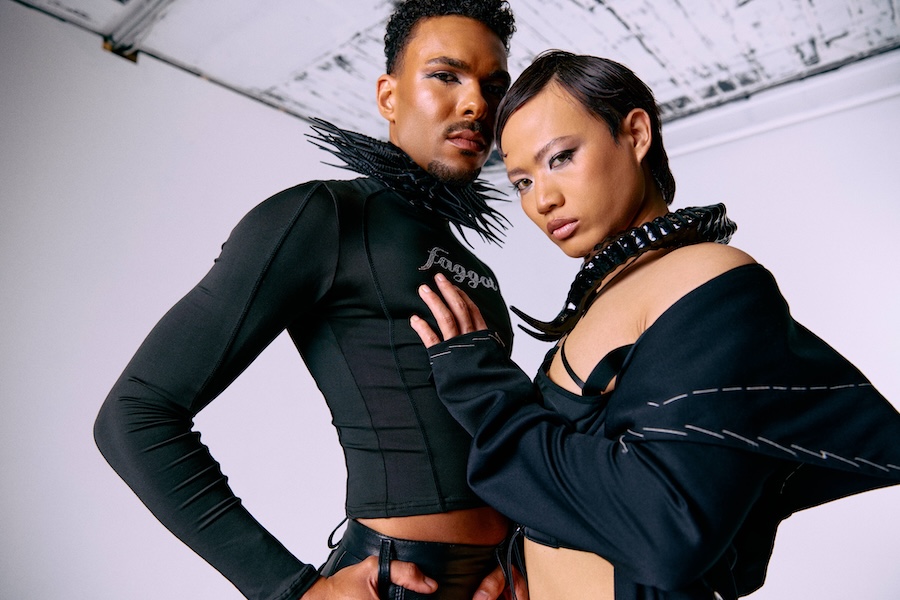
Q&A ELIOB MYAT
PLATTE Hey, who are you and who are you wearing?
ELIOB Hi, I am Eliob, and I am wearing Namillia and Handerlump
MYAT Hi, I am Myat, and my outfit is from Namillia.
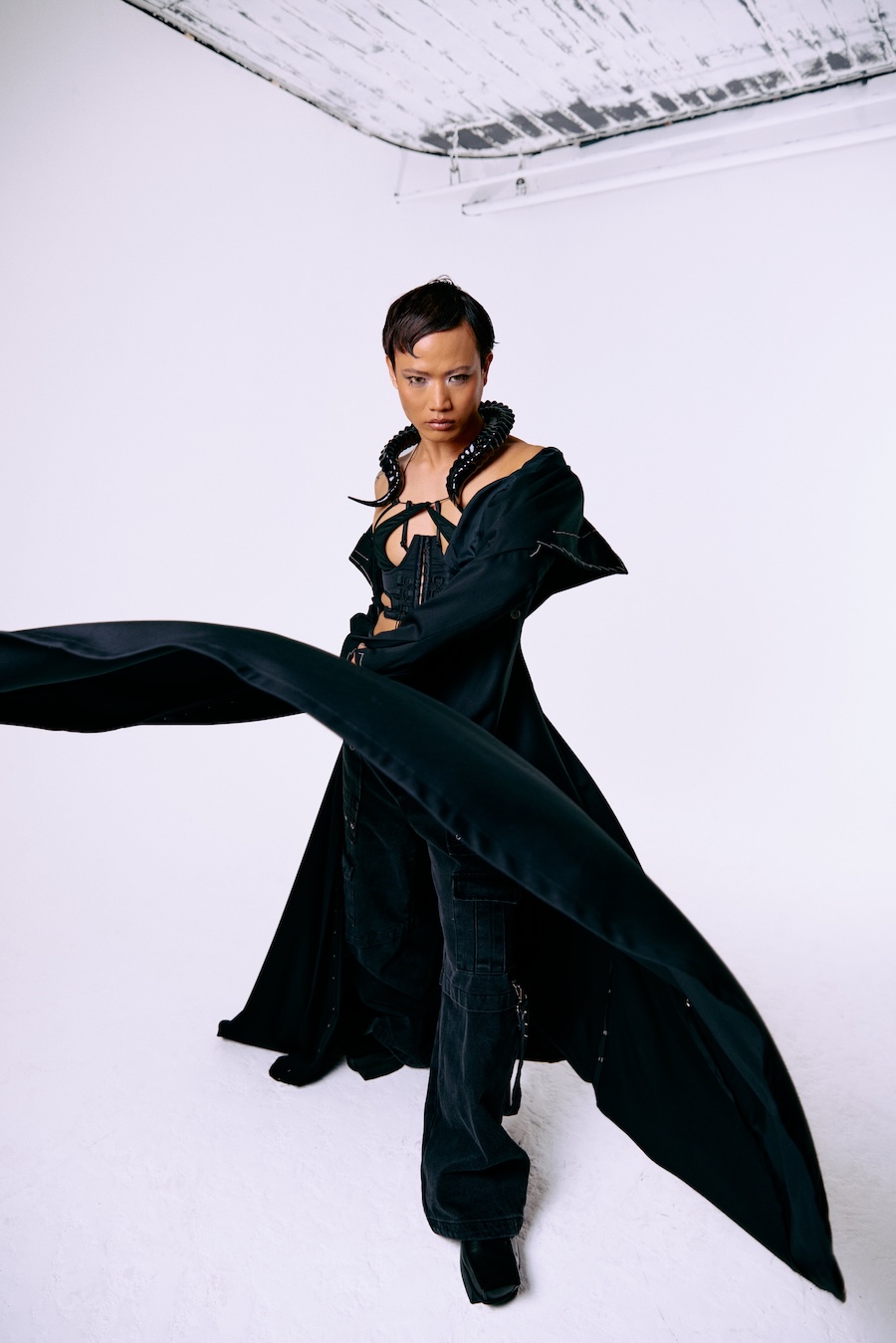
PLATTE What does loving each other openly in a public world change about how you understand intimacy?
ELIOB For me, loving each other as a queer and intercultural couple means that there is a lot of visibility out there as public figures, especially in Germany. Growing up in Europe as a queer child, I was rare to see love like ours, a couple like that. I would have loved to see someone like us on TV, or the public, openly kissing each other and holding hands in the subway when I was a child.
PLATTE What has loving each other taught you about yourselves individually?
MYAT A day before I met him, I never believed in love; I used to always think it was overrated. Eliob changed this and the way I used to think about love. This is why I started to believe in star signs and all the greater strengths of the universe.
ELIOB Being with Myat reminds me to be better at being my self everyday and over the years.
PLATTE Has visibility felt more like freedom, responsibility, exposure or a shifting mix of all three?
MYAT Is a mix for me. Everything we put online is seen by a lot of people, and sometimes the audience is older people, and we can’t or don’t want to influence everyone. We take the responsibility for our content, and we also think of our own and others’ freedom.
PLATTE: What gives you hope when you think of the next generation of queer people?
ELIOB That there is more visibility today and not everyone has to go through all these struggles that we had to go through when we were growing up.
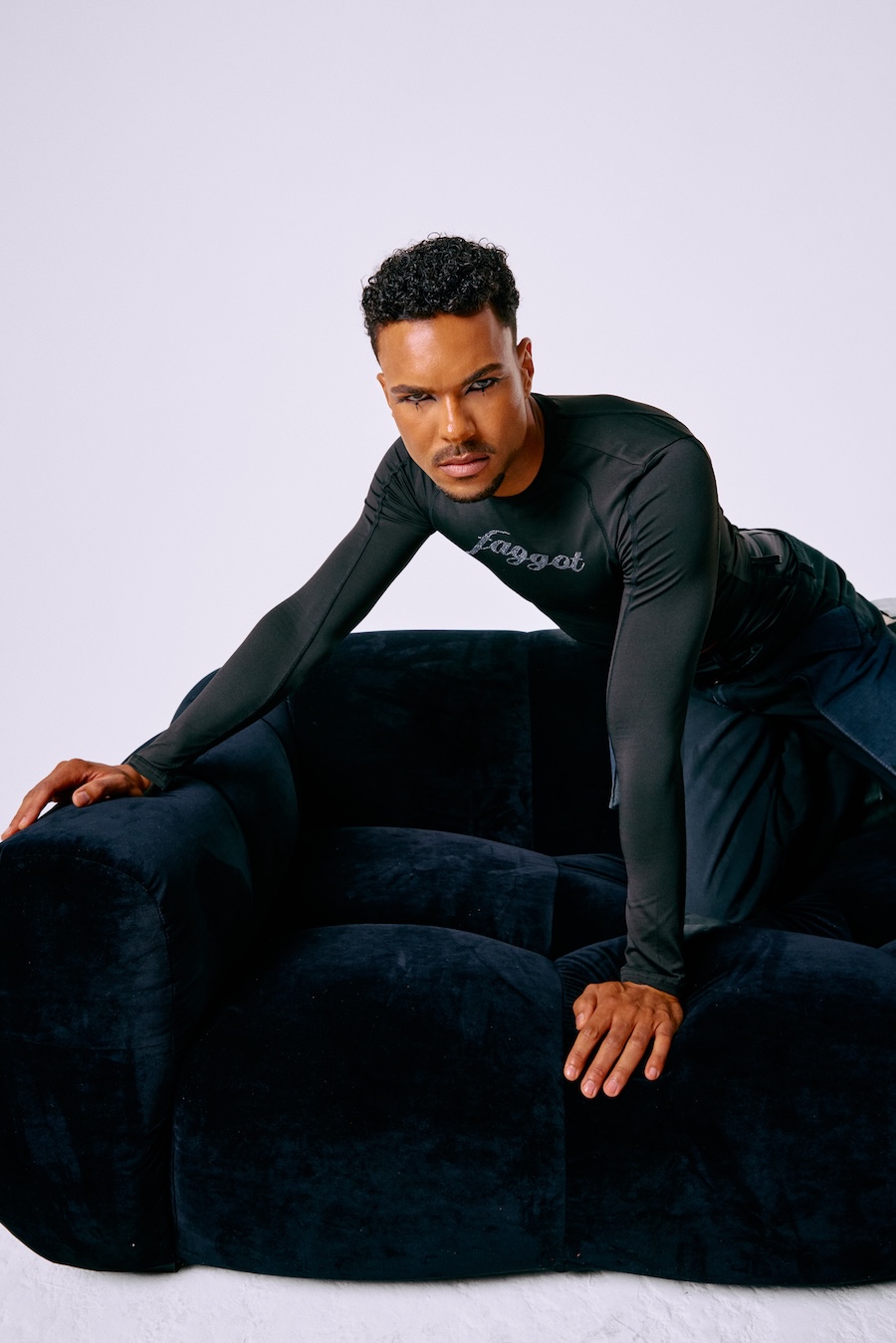
Q&A IZY AND TONI
PLATTE Hey, who are you and who are you wearing?
TONI We are wearing Krizstian and Selva, and ourselves (Format)
IZY We are a format, and we are also selling here at PLATTE.
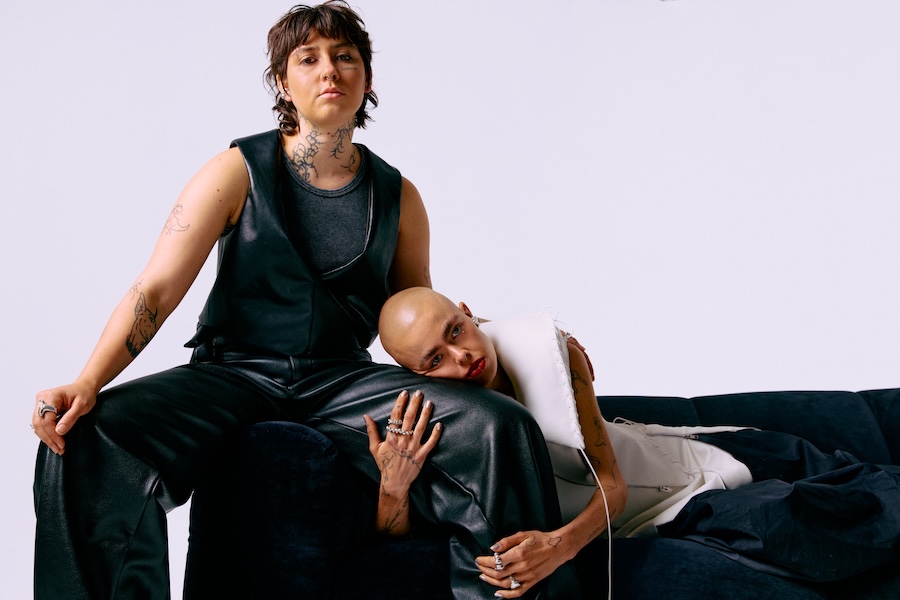
PLATTE What does loving each other openly in a public world change about how you understand intimacy?
TONI: We have had a lot of positive and negative reactions from people, but I know that I can rely on you in any situation. I can just turn to you, and you will understand without any words. Even if I do not want to react, I know that you would, and we could escape a situation together. Because it is scary sometimes, and it is very uncomfortable.
IZY: We have had a range of reactions. From “ Oh, this is so beautiful, this is what real life is” to the classic “Can I join you guys?” to even “God does not want that”. So you never really know what to expect.
TONI: People have been very sweet and heartwarming, and I know that in any reaction we can figure out the situation together, and this fact also bonded us a lot.
IZY: And by this point, we know what the situation could be and how we could handle it. We would support each other and take care of each other, depending on and no matter the situation.
PLATTE What gives you hope when you think about the next generation of queer people?
TONI: There is a big chance. I never had anybody around me, when I was growing up in my environment, to look up to regarding this, even at my age.
IZY: You can definitely see the next generation of queer people being more confident and open in comparison to when we were younger. I remember when I was at school, there were not that many queer people, but after some years, when I went back to school, there was way more representation.
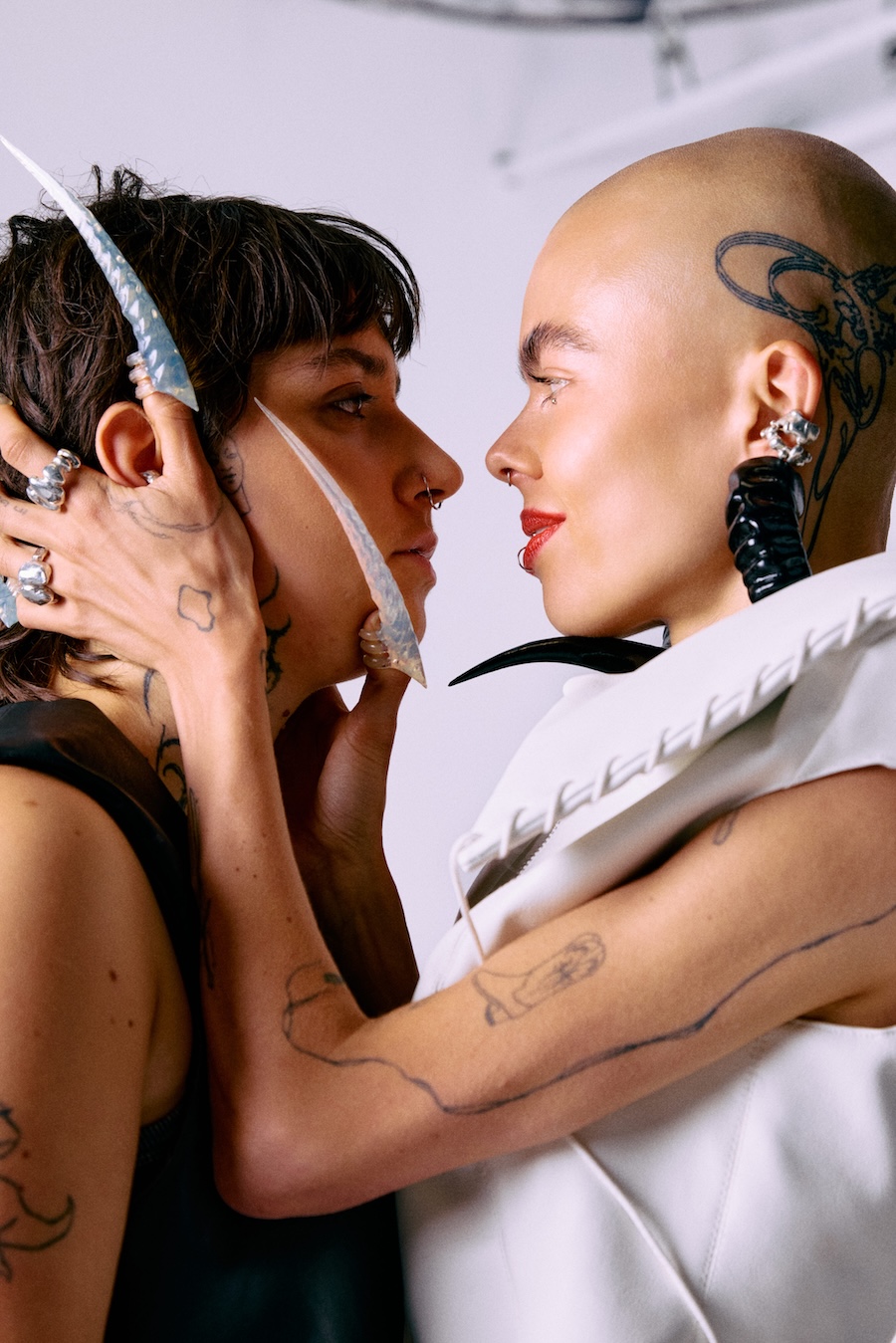
PLATTE: Would you say your work is a reflection of your identities or more of an expression, or maybe both?
TONI: Unfortunately, the jewellery we were envisioning was not affordable at the time. That is why we started, why we are still doing it and what we actually want to show. It is a part of who we are. We put a lot of ourselves into it. And I feel naked without my jewellery, so I will definitely say both a reflection of our identity and an expression.
IZY: We started the jewellery business with the vision that we ourselves wanted to wear lots of jewellery, and we were looking for big pieces and pieces to stack, and we were looking at flea markets. Sometimes we got lucky, but it still was not the piece we were envisioning and wanted.
PLATTE What does being in a relationship mean to you, in a world that still challenges queer love in visible and indivisible ways?
TONI: It is about remaining strong and confident in who you are through the resistance
PLATTE What do you think queer love reveals that other forms of love often don’t?
TONI: You build relationships from a different ground, very differently. You have your own environment where you feel confident and safe in yourself.
IZY: We start from a very different starting point, a different connection from the beginning, you don’t have this pattern, and this structure is given to you, and you have to recreate it, because you fall out of this structure anyway. Other relationships really have to learn to break out from the pattern that you have to recreate this structure, but sometimes you still have it because society pushes it to you. The best advice is to start at the base level.
Q&A RAFFA
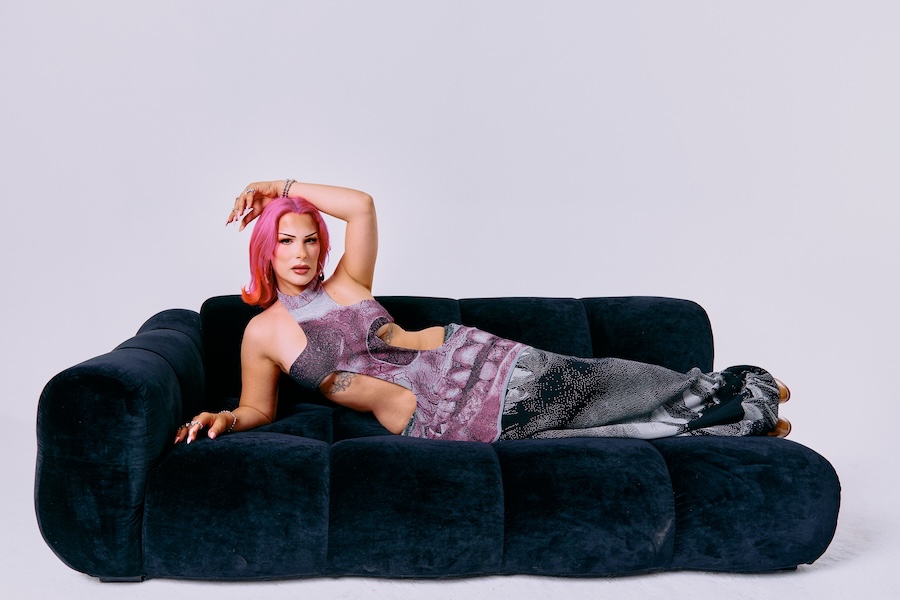
PLATTE: Hey, who are you and who are you wearing?
RAFFA: I am Raffa, also known as Raffa’s Plastic Life, and I am wearing Krisztian and Moritz Iden, and I Am Mother, Empress and Queen.
PLATTE: How has being visibly queer online changed your relationship with yourself off-camera?
RAFFA: The thing is, since I was a child, I knew I was a woman, and I was simply in the wrong body. I have never had any problems being brave and expressing myself in the outside world as well. I also find it super important to show who I am online, so all other queer people can feel that what they feel is right and important.
PLATTE: Do you feel queer aesthetics are being celebrated, diluted, or commodified in digital culture?
RAFFA: I find that so many people in the media world would use so many queer references without knowing that, for example, contouring, this much heavy makeup, also comes from drag and from trans women, and normally this is how we celebrate heteronormative women, but then with us trans women it is often seen as “bad”. I find it important that Pride exists, and I also find it important that we have our month, a moment to be present or rather “still” present, because actually Pride should be every day today.
PLATTE Have you ever felt pressure to perform a version of your identity for others?
RAFFA: No, I am me, and for example, I also do reality television, and in such formats, I do not feel forced to be more dramatic or feel that I am going to battle. I am me, and if this is good, then good, and if not, then it is not my problem, because I know I am good enough.
PLATTE: Did you ever imagine your life would look like this?
RAFFA: Yes, I have always known that I am a queen, empress and mother, and I am at the right place, at the right time.
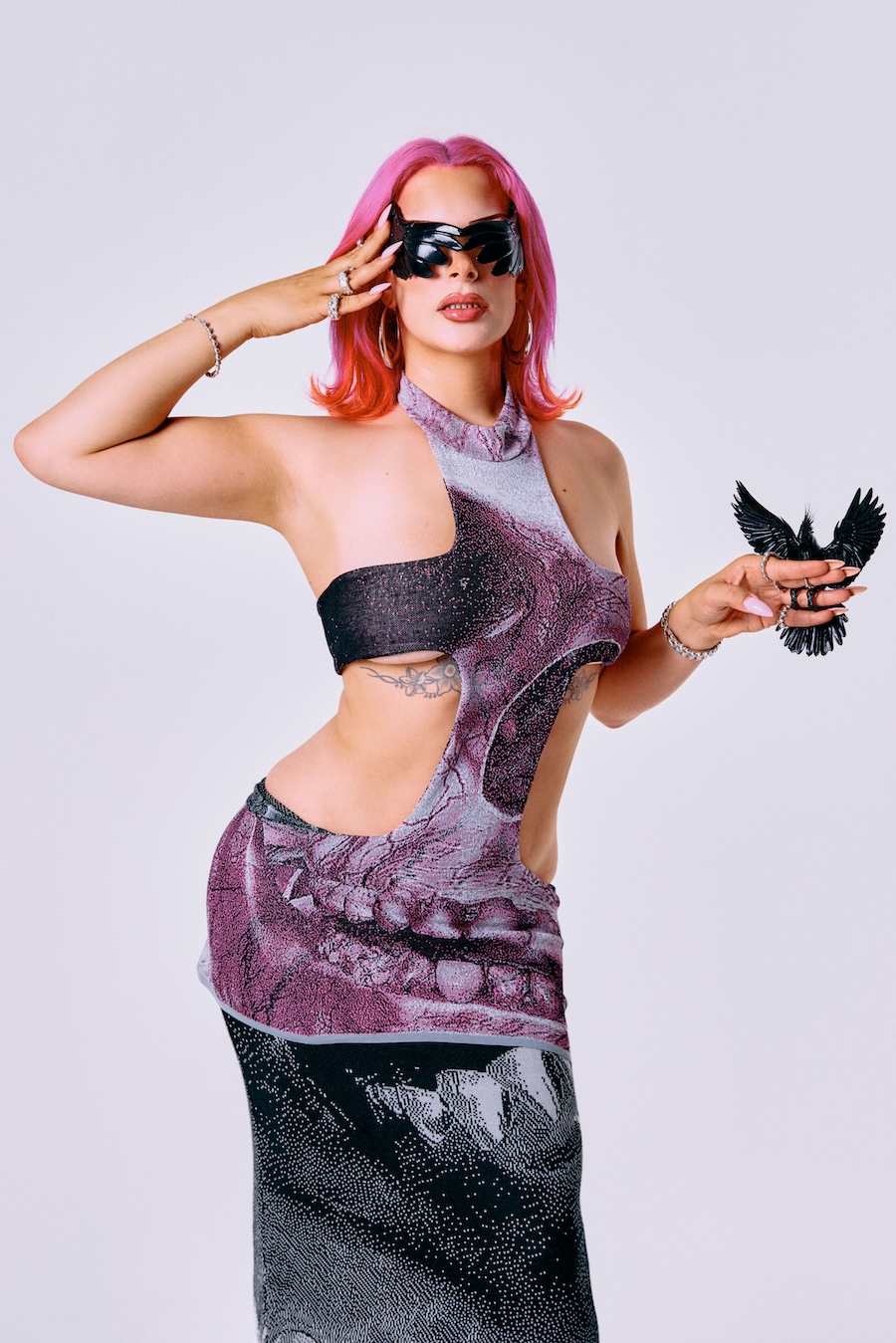
Q&A LOTTI
PLATTE: Hey, who are you and who are you wearing?
LOTTI: I am Lotti, and I am wearing MarisPyper. In the set here, I am wearing Akira, and then the skirt is from Spiky Cherry.
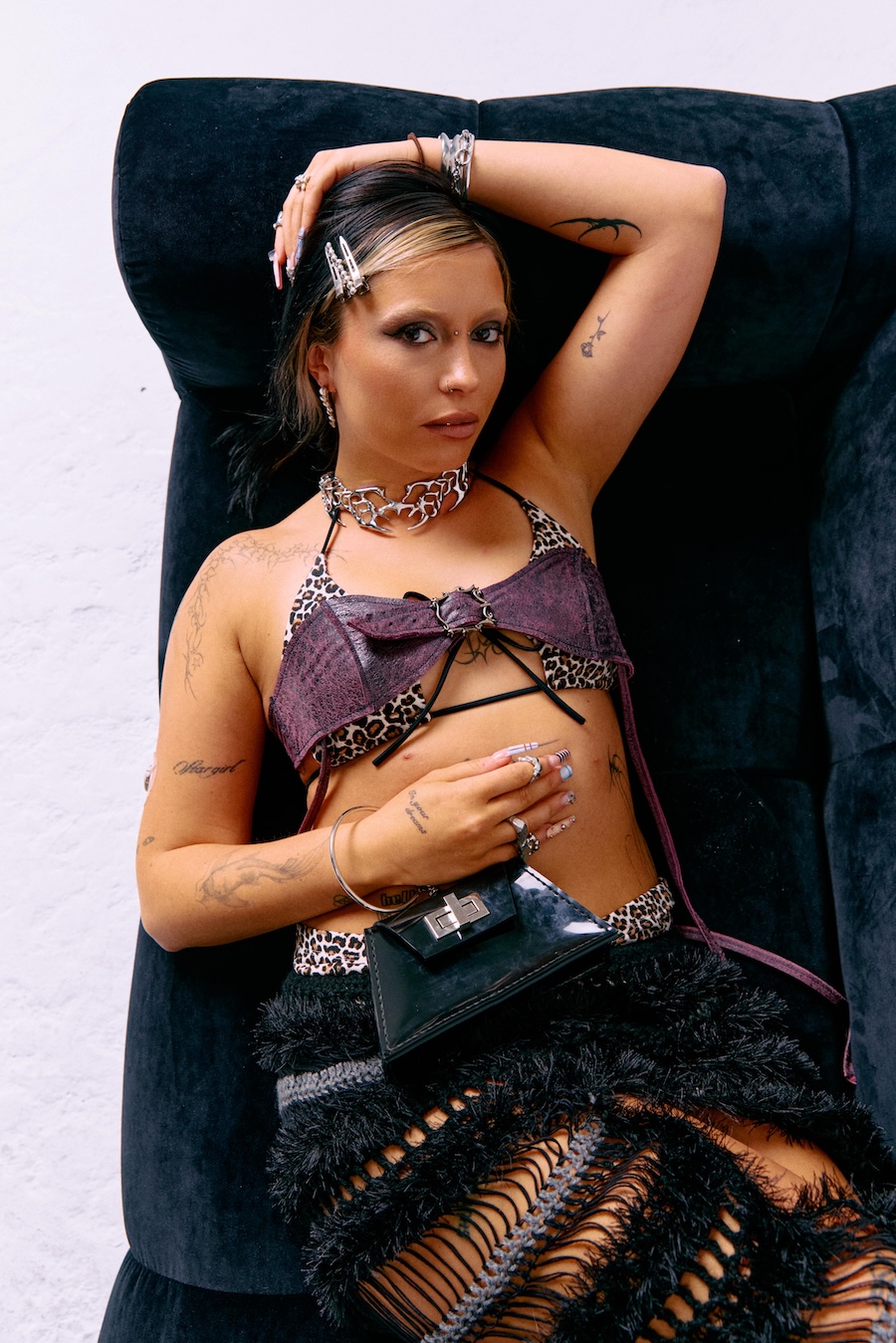
PLATTE What has fashion, beauty, or self-expression taught you about who you are?
LOTTI: Honestly, for me, it totally has to do with my coming out, because before my coming out, I dressed completely boring, as I was not able to express myself at all.
PLATTE: Have queer spaces changed the way you see yourself, or the way you move through the world?
LOTTI: Yes, queer spaces have completely influenced me, and it is where I also feel comfortable, before all other things. I am in queer spaces because there I feel safe, and this is also a reminder for me that there are very few of these queer spaces, and that is something that definitely needs to change.
PLATTE: Do you think that lesbian visibility versus male gay visibility is somewhat different these days?
LOTTI: I find that in any case lesbian visibility is clearly too underrepresented, and still it is. Lesbian people are still way more marginalised in comparison to gay men. We are, of course, all part of the queer community; nevertheless, there is much less queer Flinta space. Females are simply more discriminated against.
PLATTE: Is there something about yourself today that your younger self would be surprised or proud to see?
LOTTI: I believe if I showed myself now to my 8-year-old, then I would be very surprised because I came from an environment where it’s not typical to express yourself extremely through fashion or stand out in this way at all. I just like things that stand out, and I would not have expected that I would choose this lifestyle.
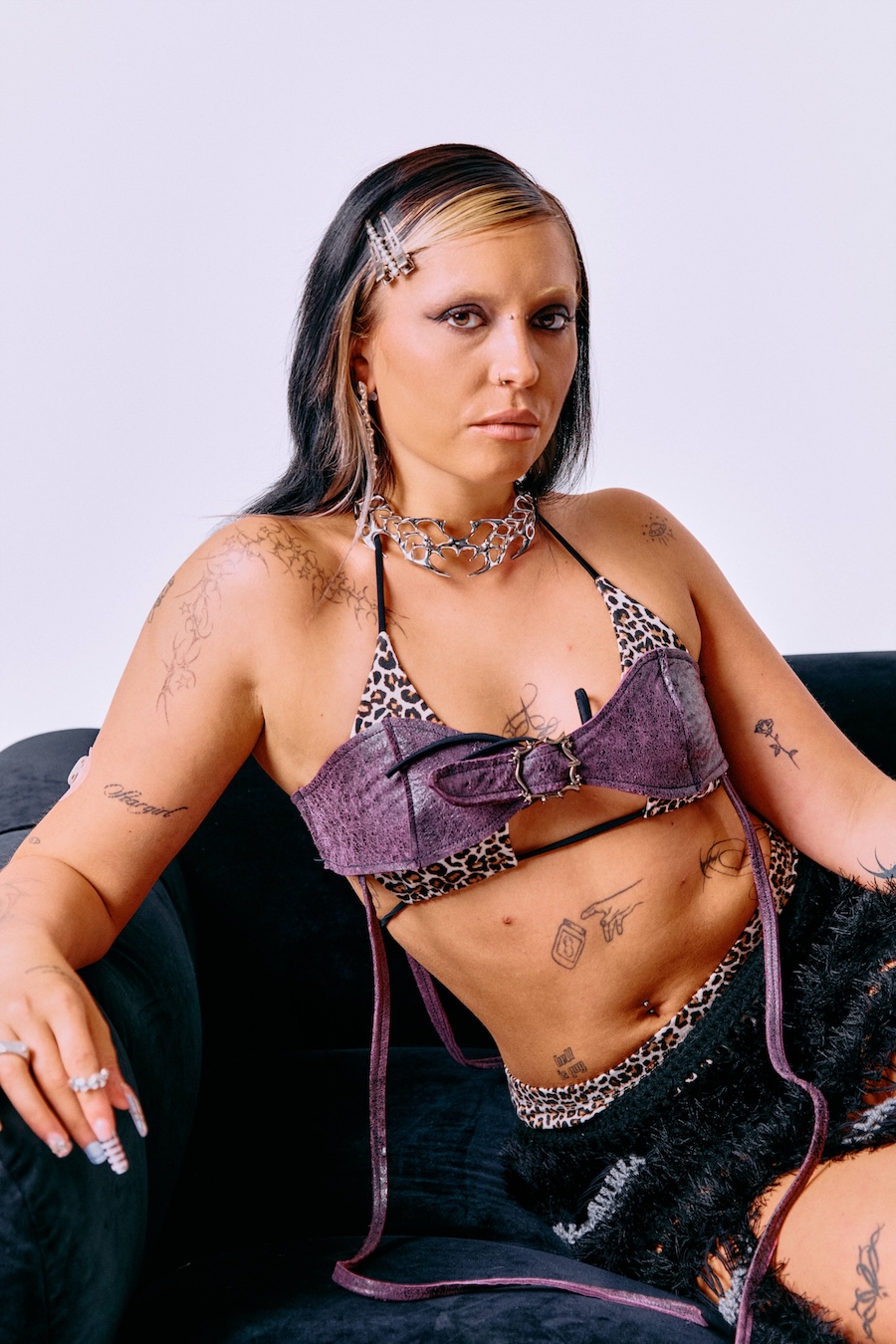
Read these conversations back and something comes in common; almost everyone wished for the representation they embody, when they were younger. The younger version of them, who never saw a couple like them, openly holding hands in the subway. The younger version of them, who had no one in their environment to look up to. The younger version of them, who dressed silently so they didn’t stand out. Visibility here is not a marketing campaign but an image that they themselves did not have, intentionally made for someone who needs it.
Fortunately, that is why Pride still exists and is celebrated. To remind us that it does not stop at freedom, but continues for safety and confidence of self-expression. Even in the queer community, there is discrimination.
“Lesbians are still far more marginalised than gay men. We’re all part of the queer community, but there’s much less queer FLINTA space. Women are simply more discriminated against”. – Lotti.
This is why visibility is not the same as safety; it is not shared out evenly. Lotti is right that being seen is rationed even inside the community. Raffa is right that a month is not enough. Pride should be an everyday stance. Toni and Izy are right that living your truth means staying present, strong and confident through the resistance. And Eliob and Myat are right to put out a picture of a couple that needs more representation.
What the six individuals we invited all have in common is that they discuss past celebrations, not to be applauded, but understood to be allowed to exist in the way they feel themselves. Here before the shoot and here after it, they are here, even when all the cameras are closed.
That is why, for us, here in PLATTE, none of this is seasonal. Pride is a year-round celebration, an extension of the foundation that we built our space on since the beginning. PLATTE exists to give people that room, to take up space and claim their own identity. A place where diverse talent and distinct identities are supported, the ones that do not always fit a template. Here we celebrate them for more than just a month, so they can keep showing up as just themselves.
Article written by @merouvios
A campaign created by @platte.berlin in collaboration with @fklt_creative_business
Photographer: @sophia.emmerich
Light Assistant: @carmensheis
HMUA: @nappychild Assistants: @debi.auer, @emma.xoxo_
Production: @anni.mlz
Assistant: @alchemllst Stylist: @aliyakrs_
Assistant: @merouvios
BTS: @anni.dotcom @jonasmchr @annaschepmann @maya_manichova @elenaa.biaggi
Models: @_eliobx @myat2_n @raffasplasticlife @lottikappes @tonixsie @izip72
Wearing @moritziden, @namilia, @selva________________, @spiky_cherry, @marispyperstudios, @kill.akira and accessories from @formatstudio.png, @marlon__ferry and @krisztiann and shoes by @trippen.official
This project was funded as part of the Joint Task “Improvement of the Regional Economic Structure” (GRW) with federal and state funds.
