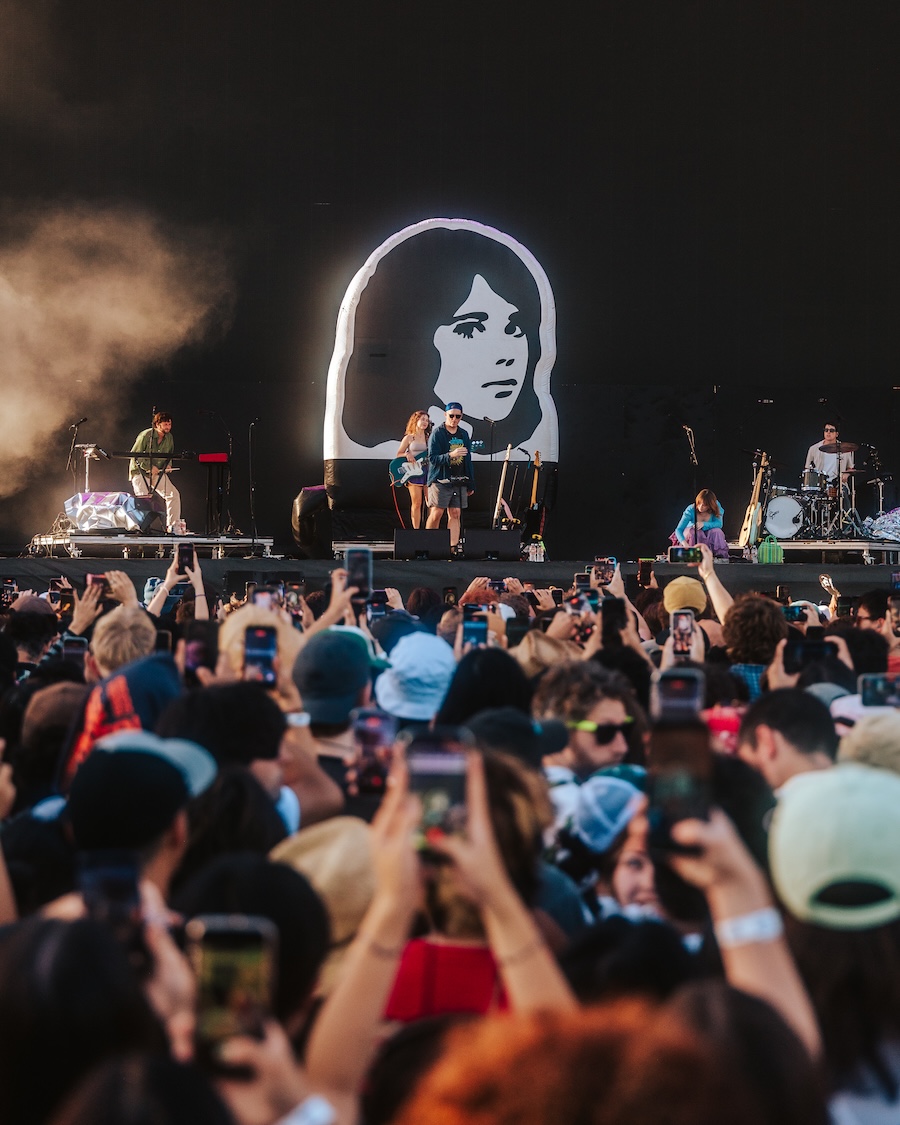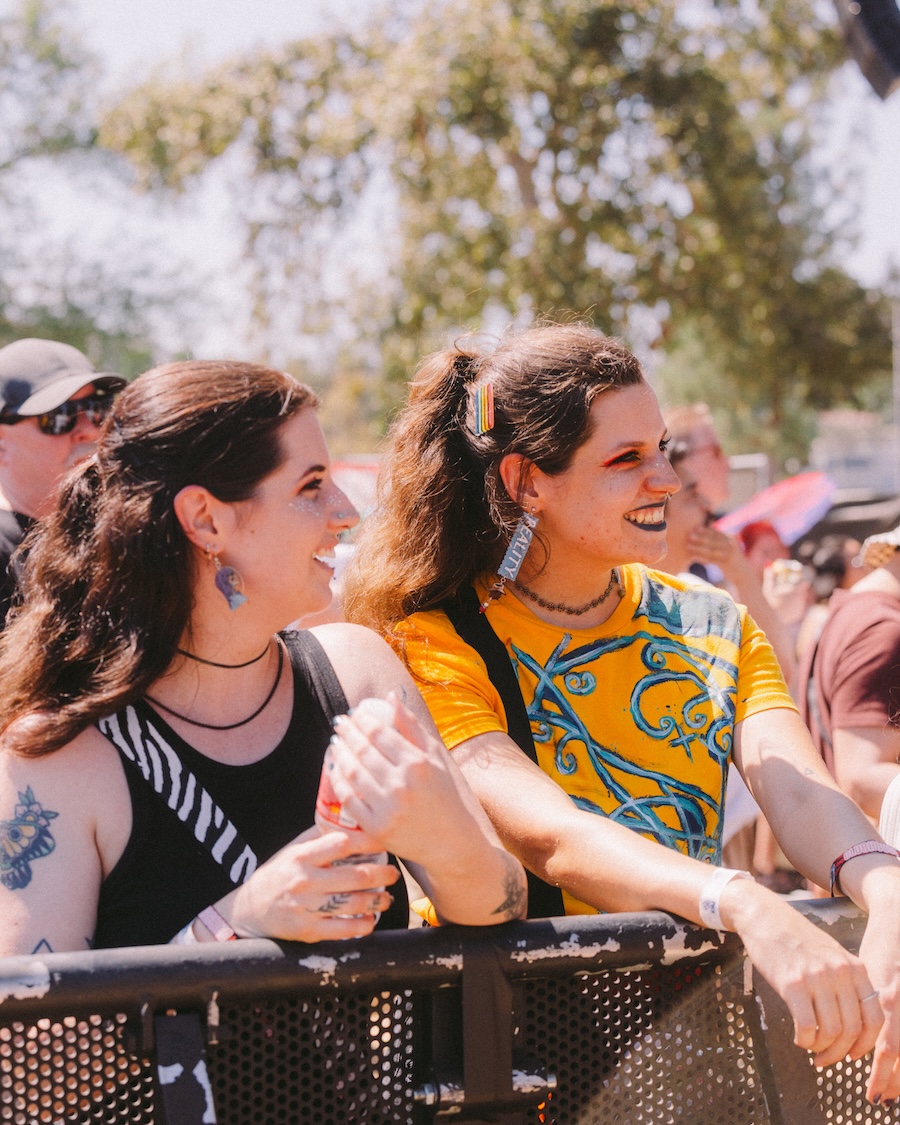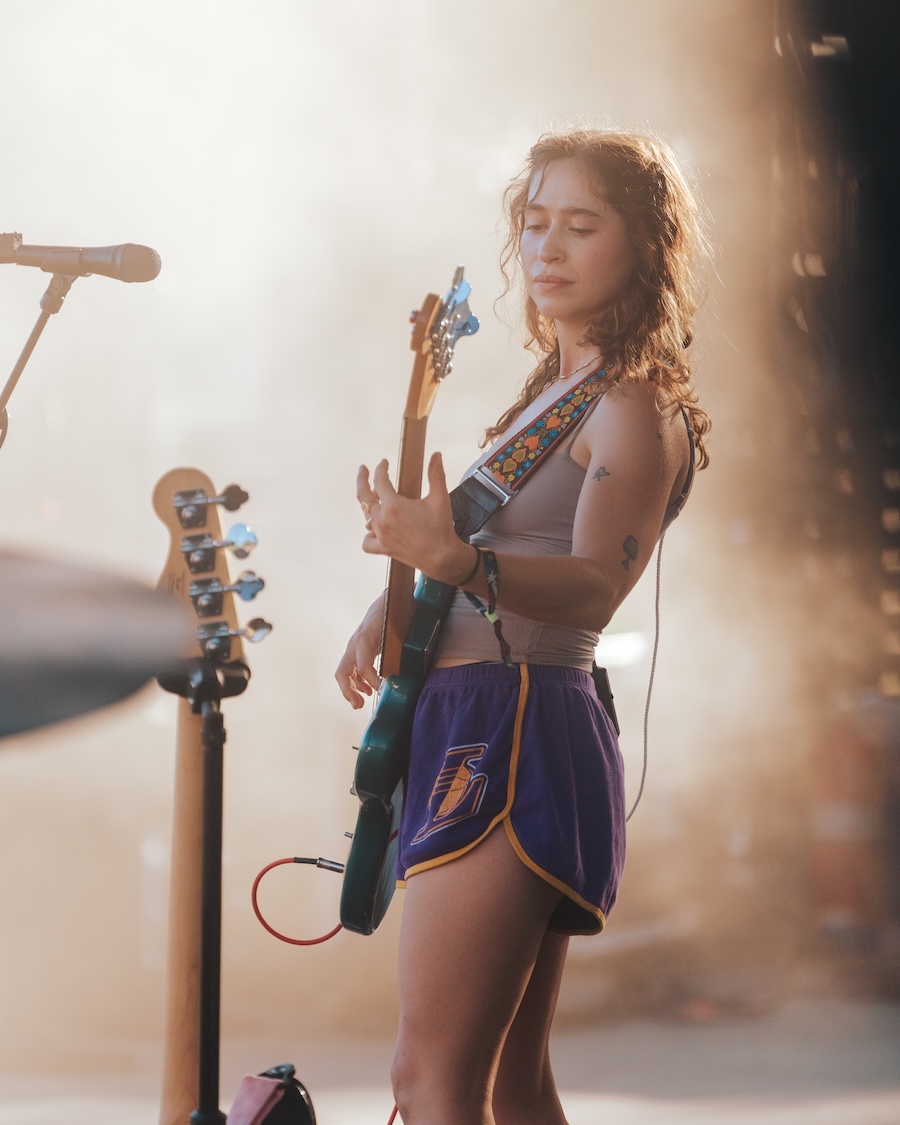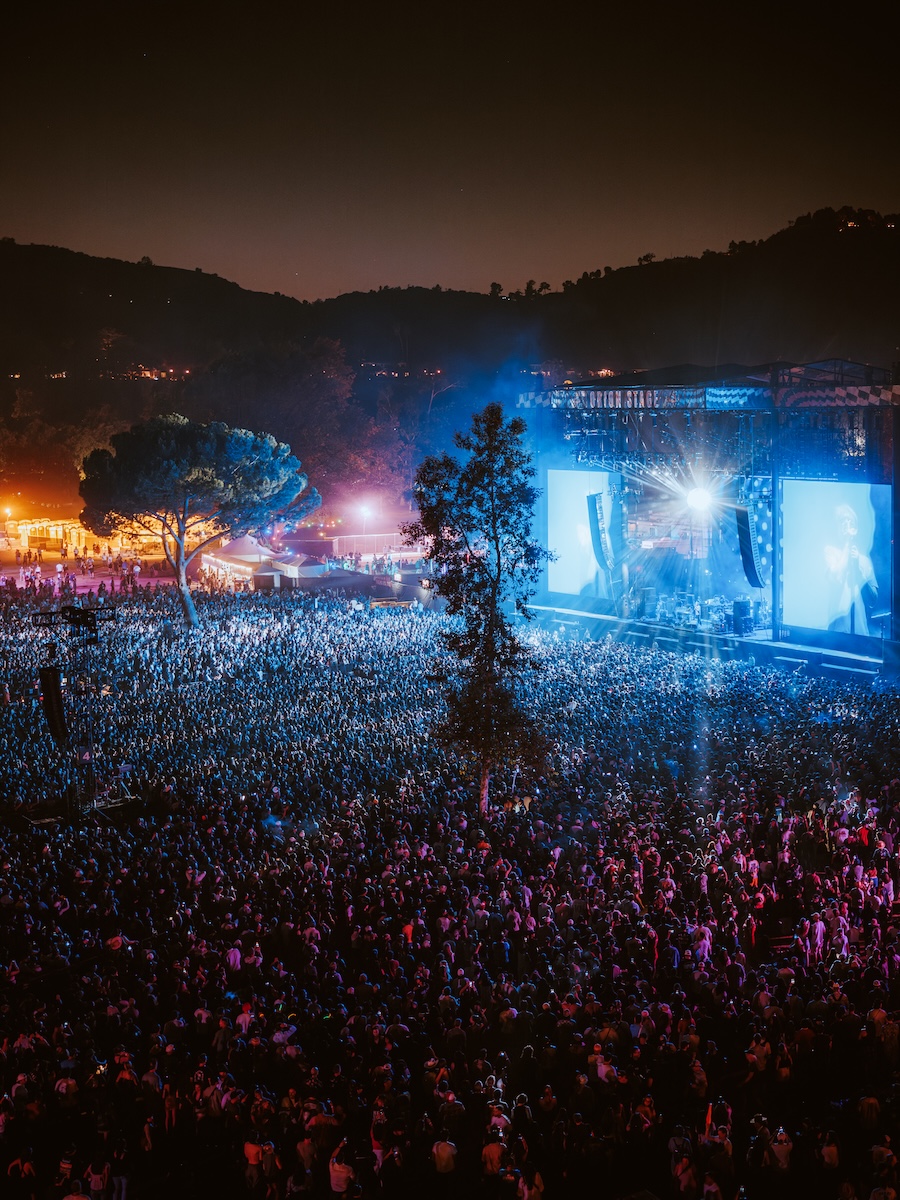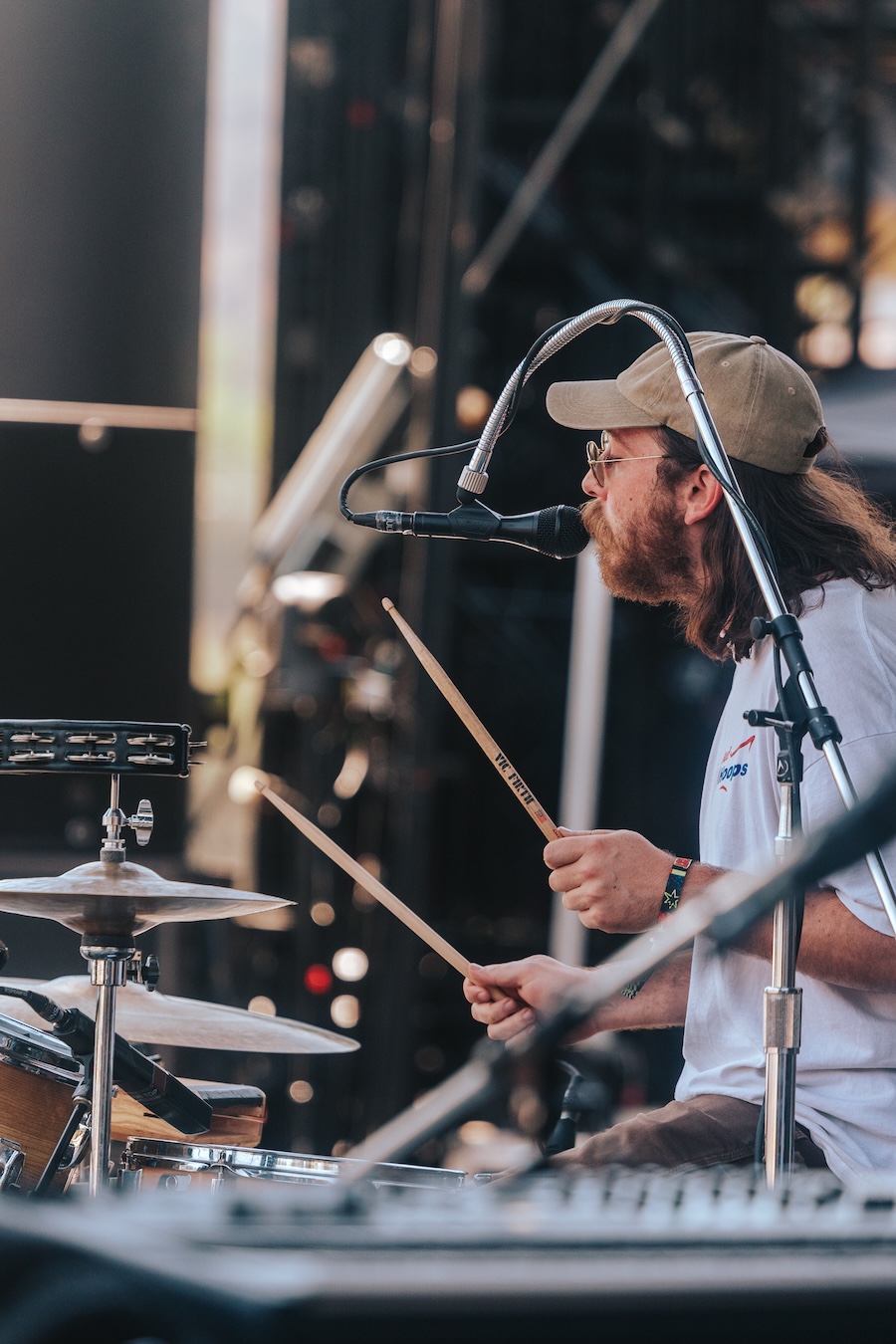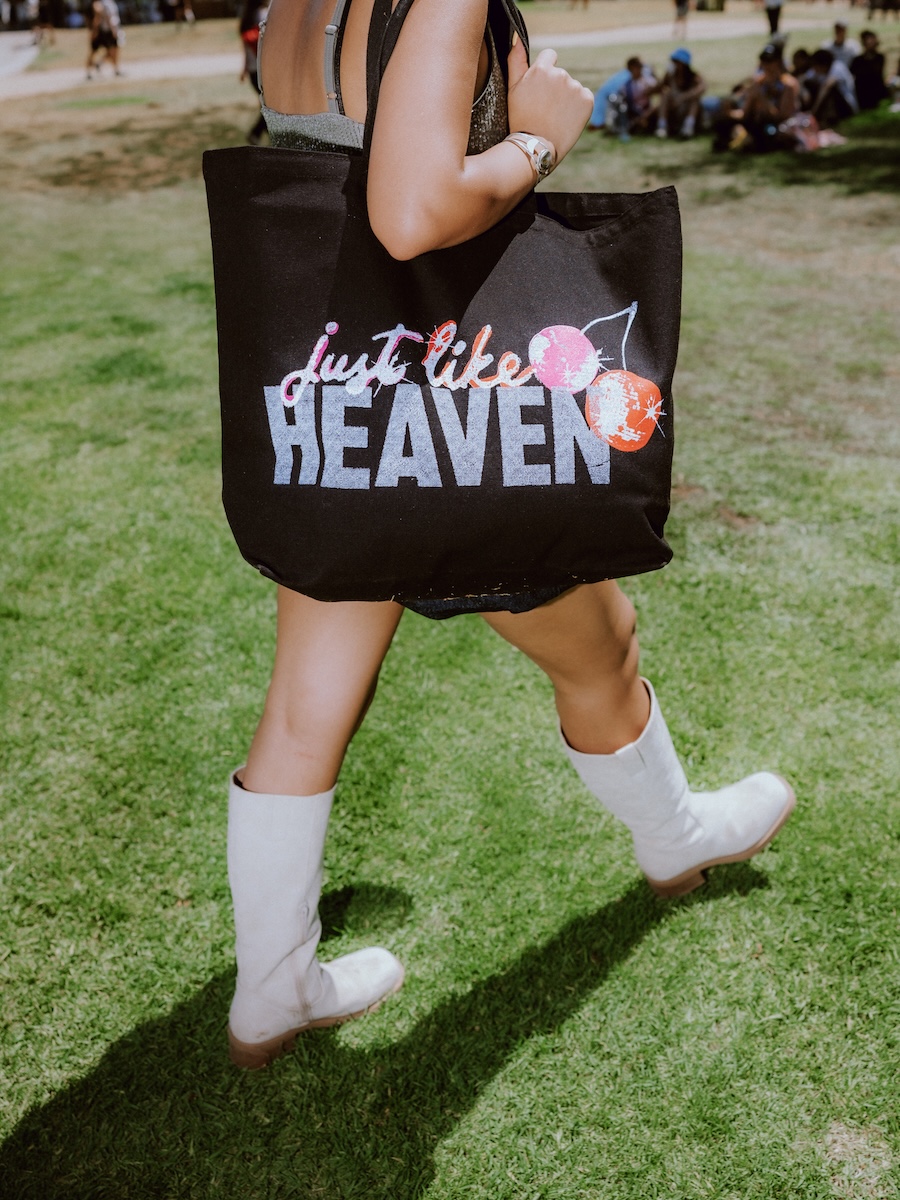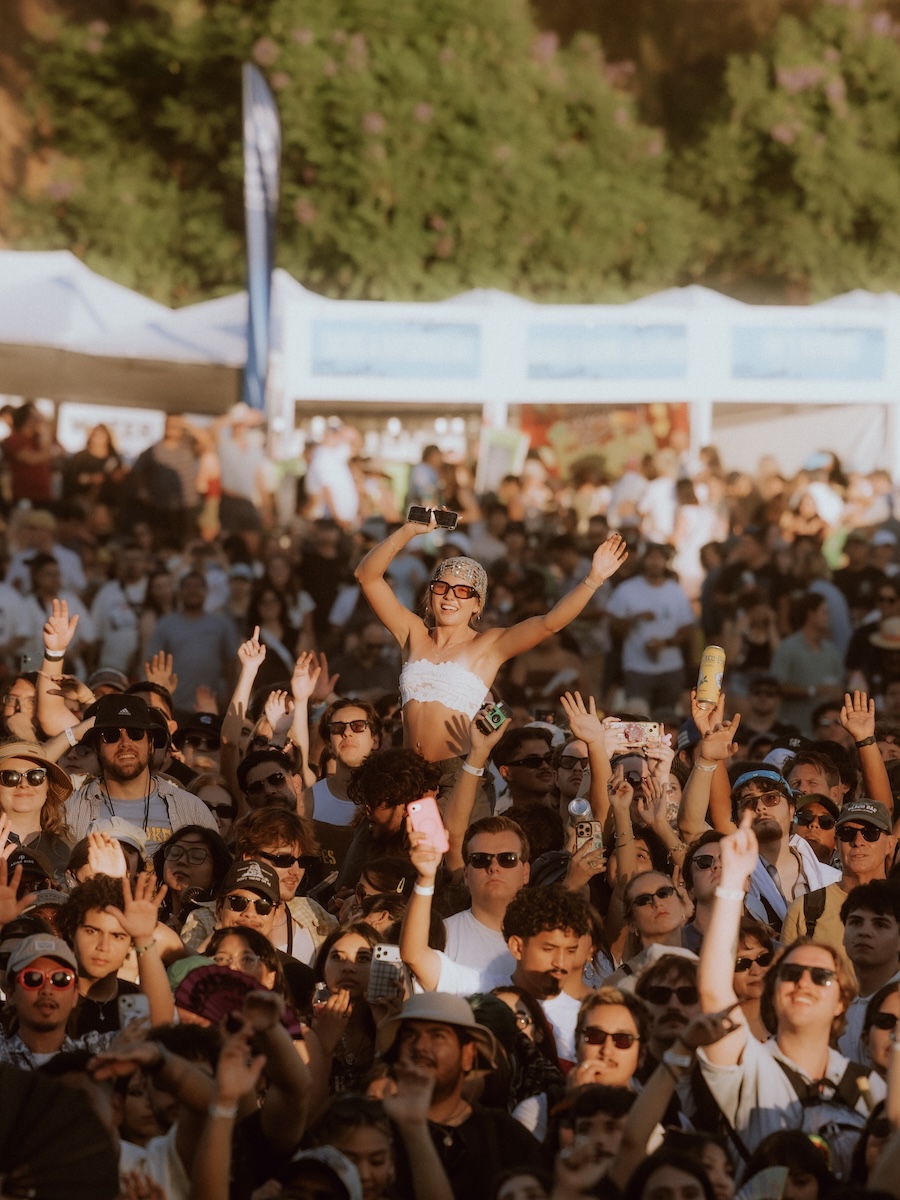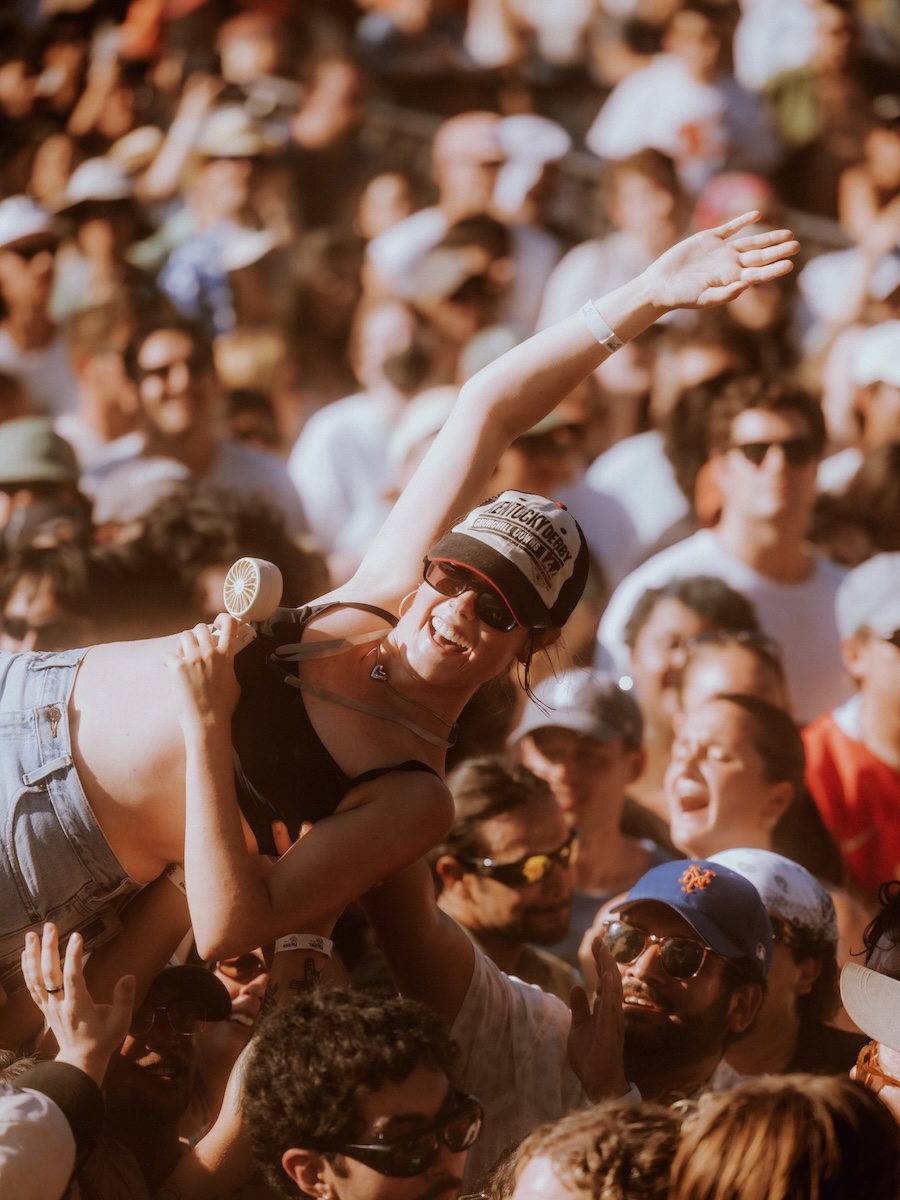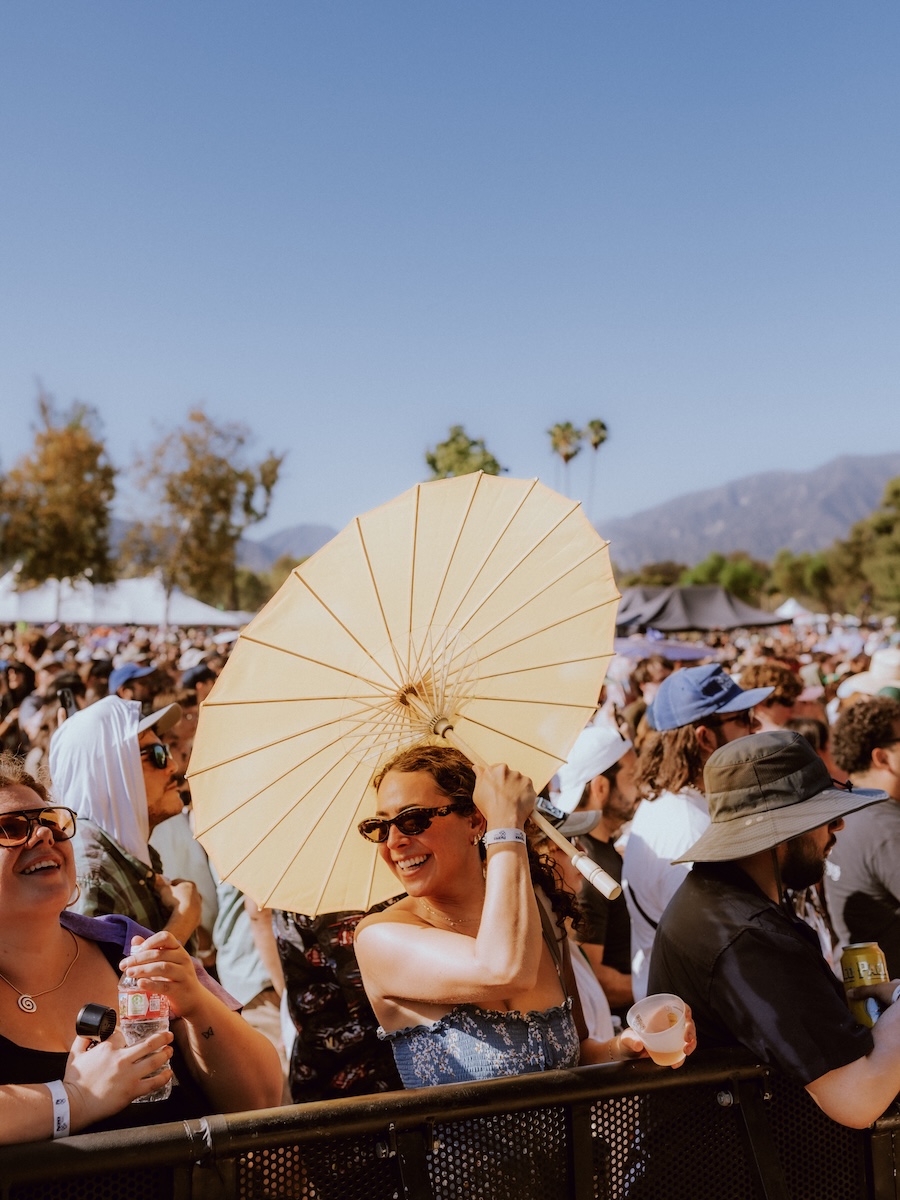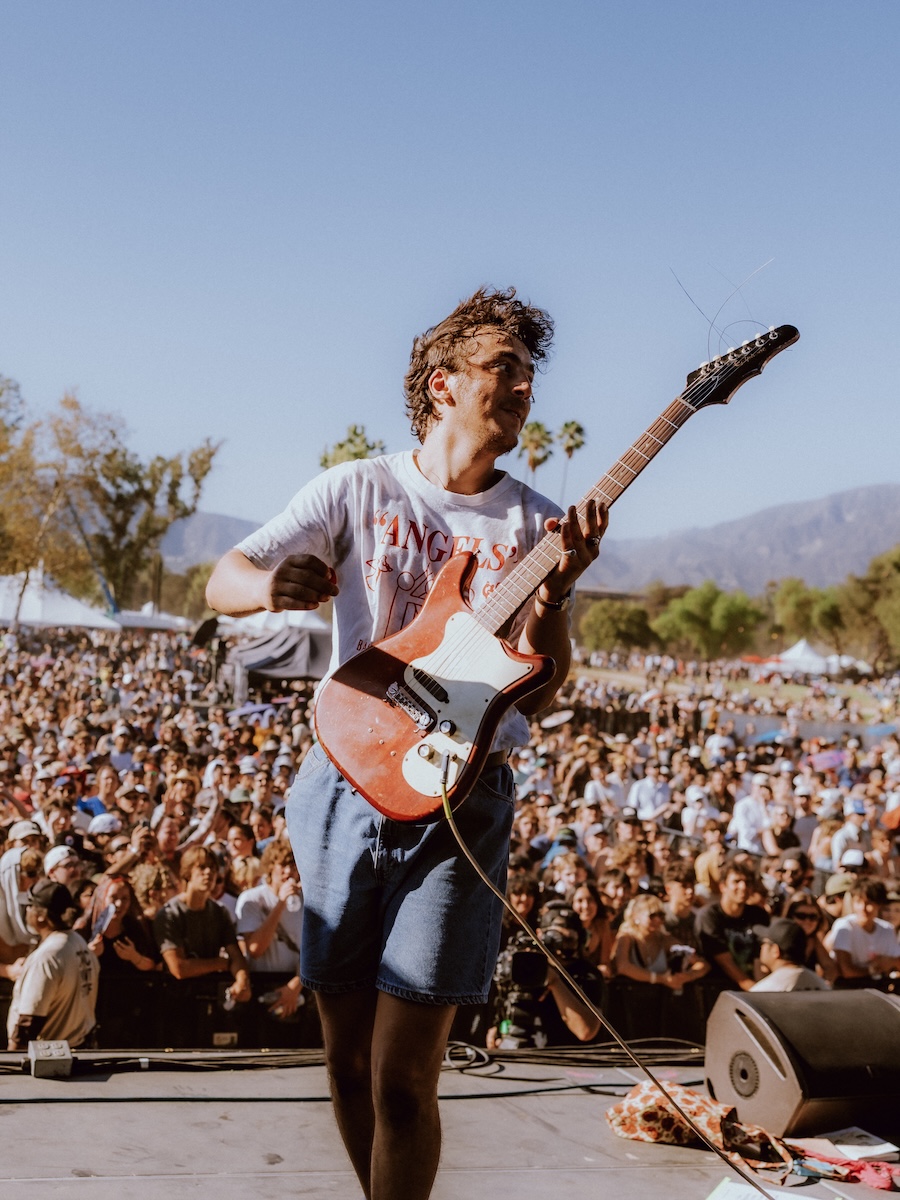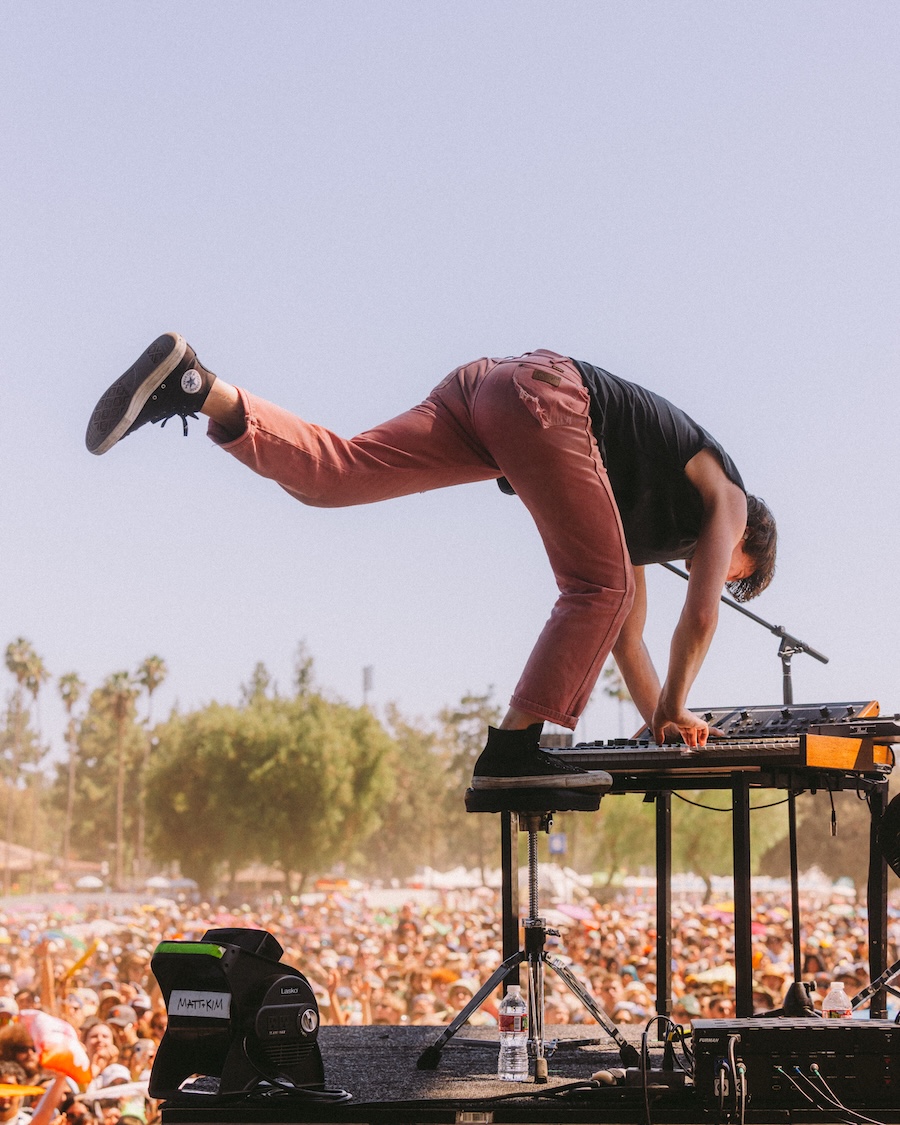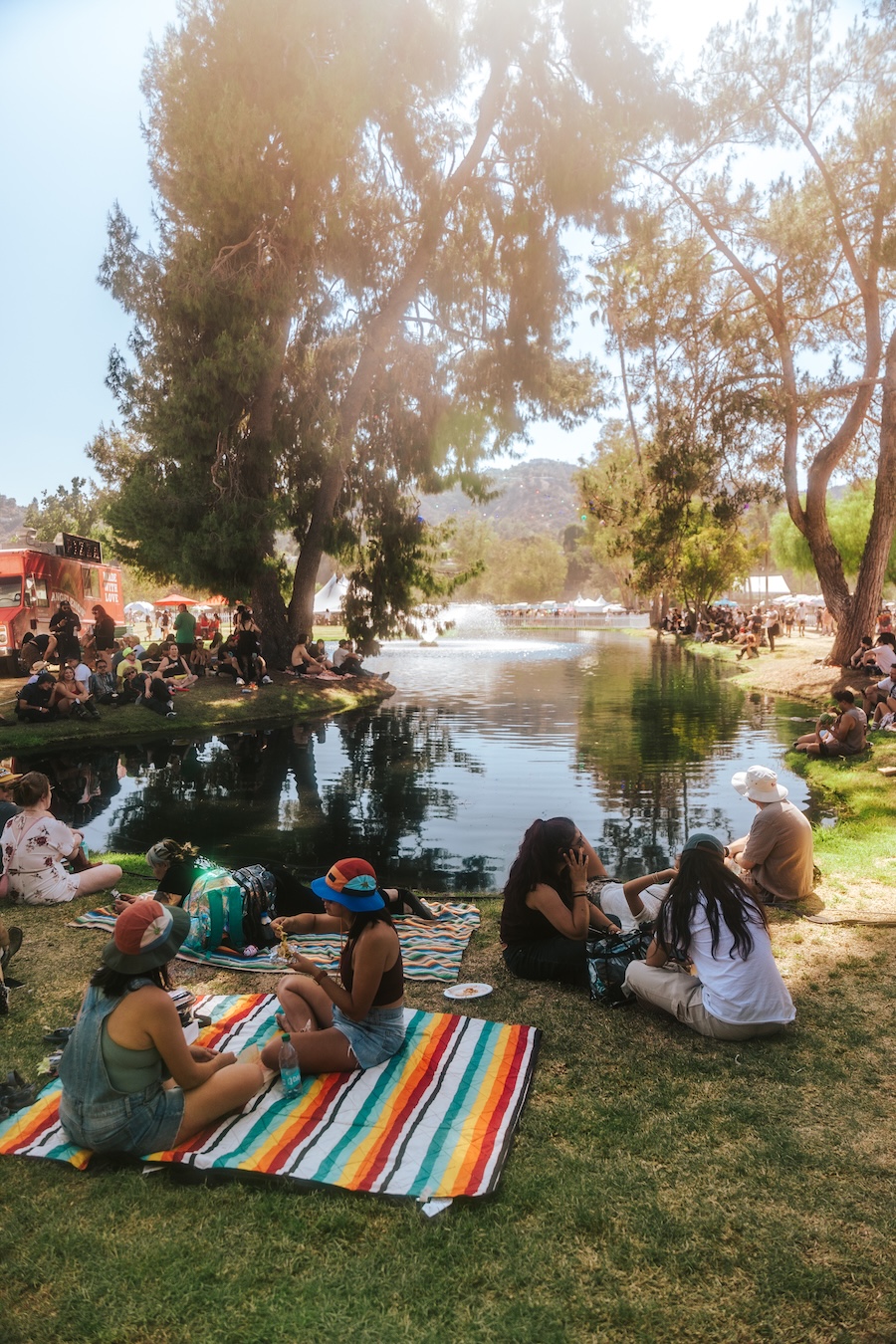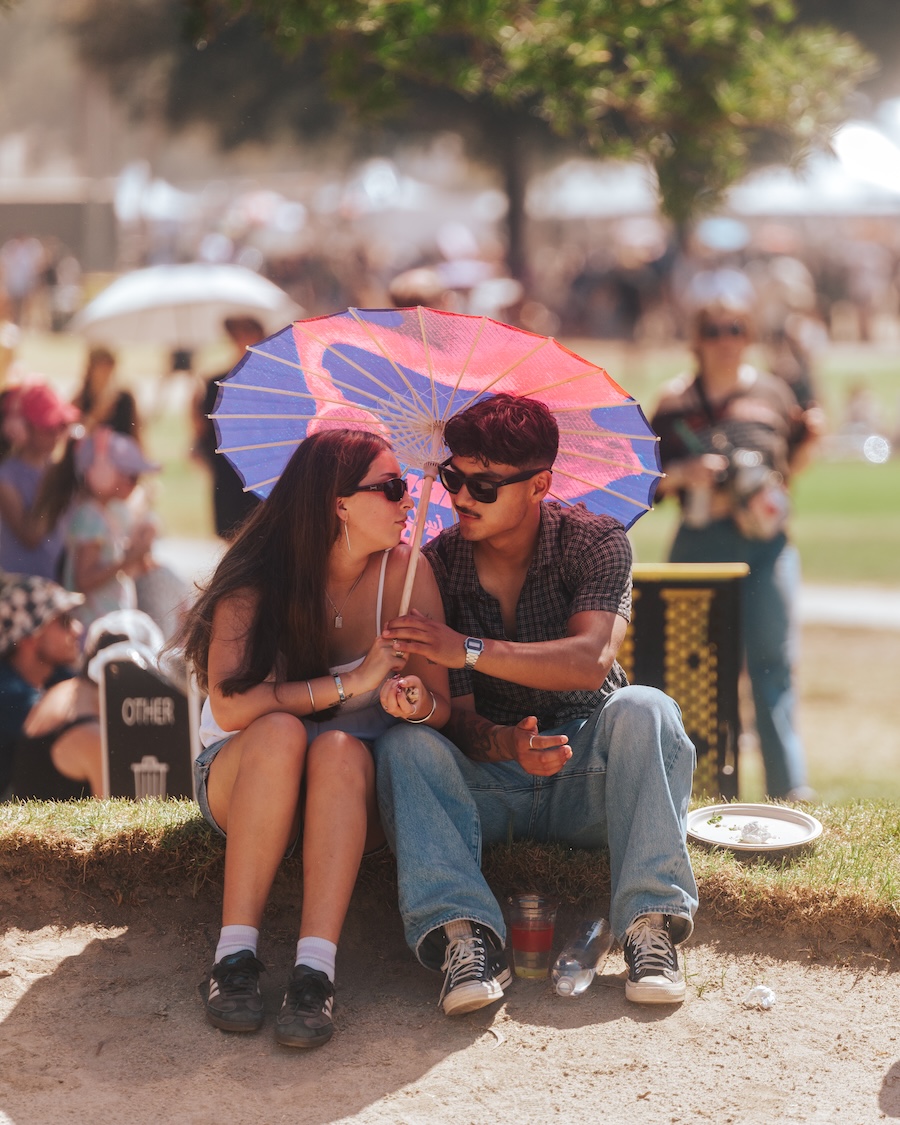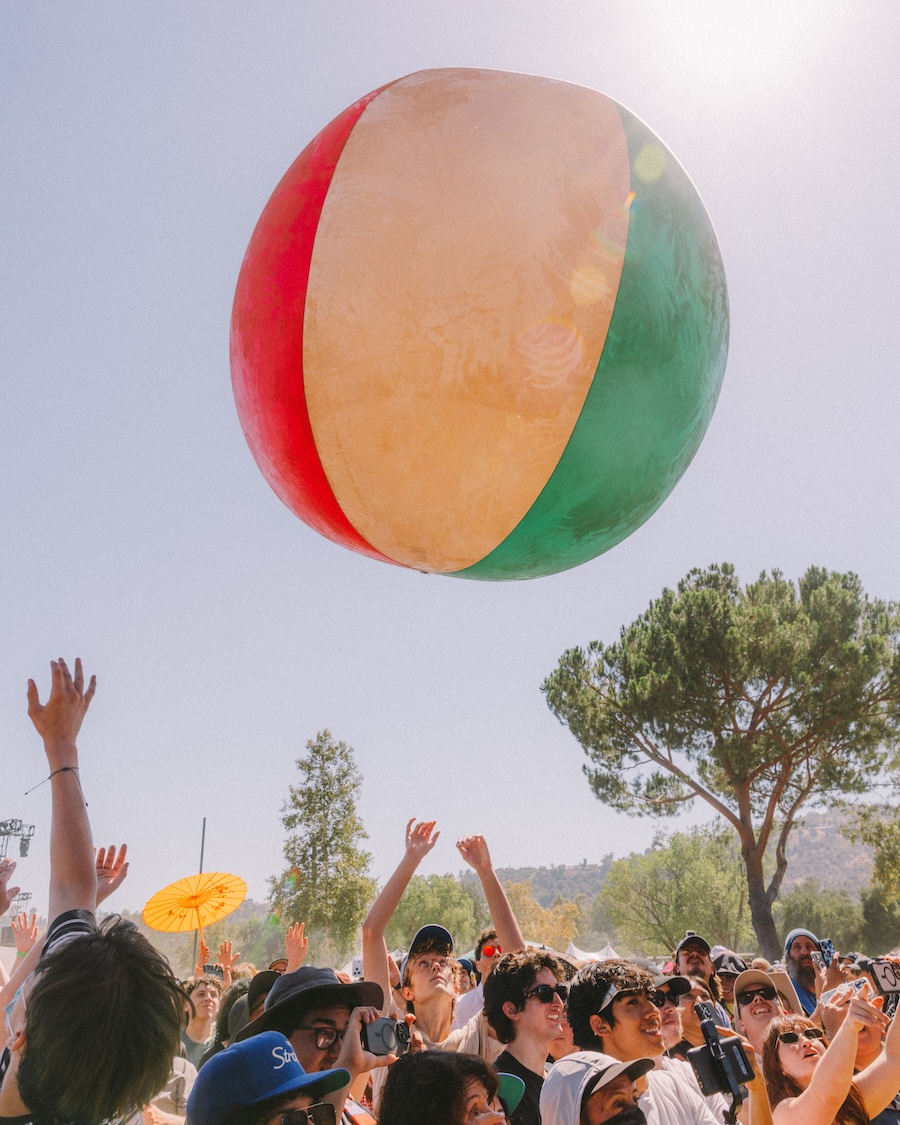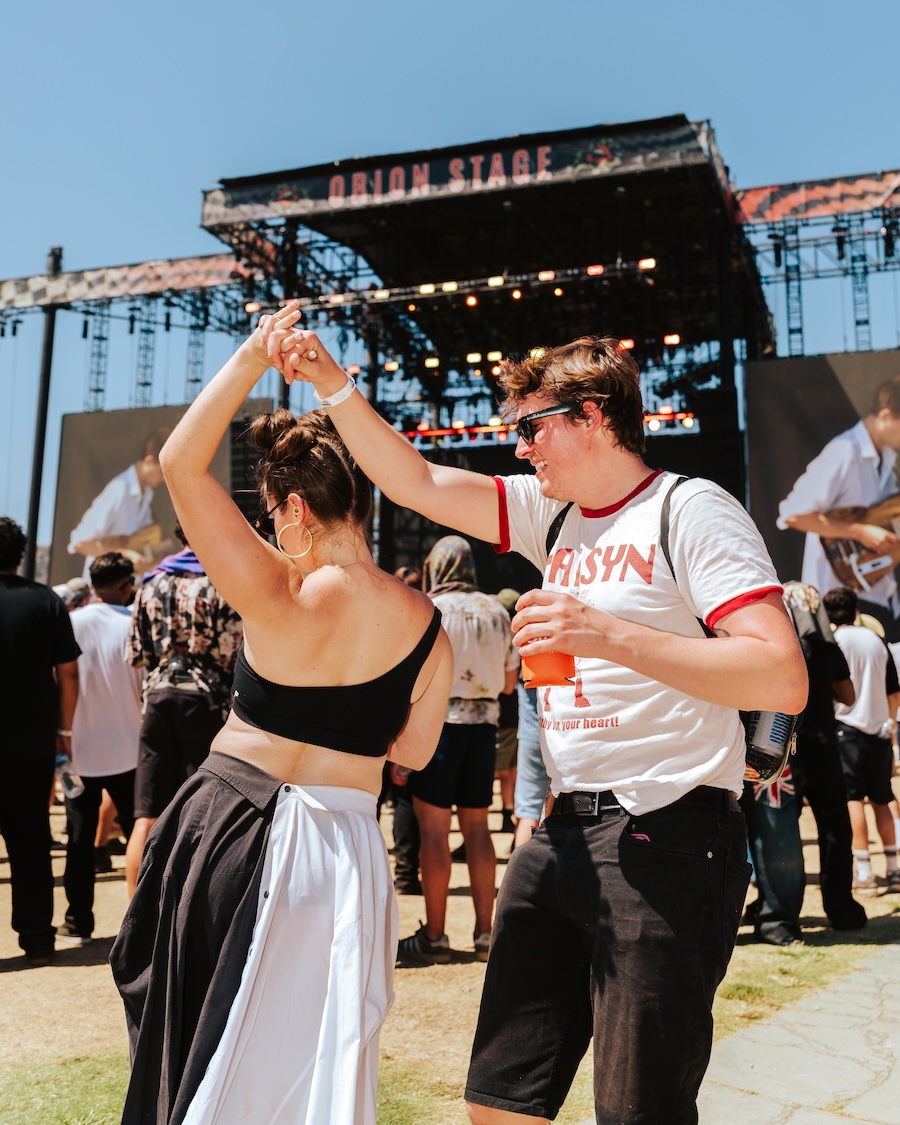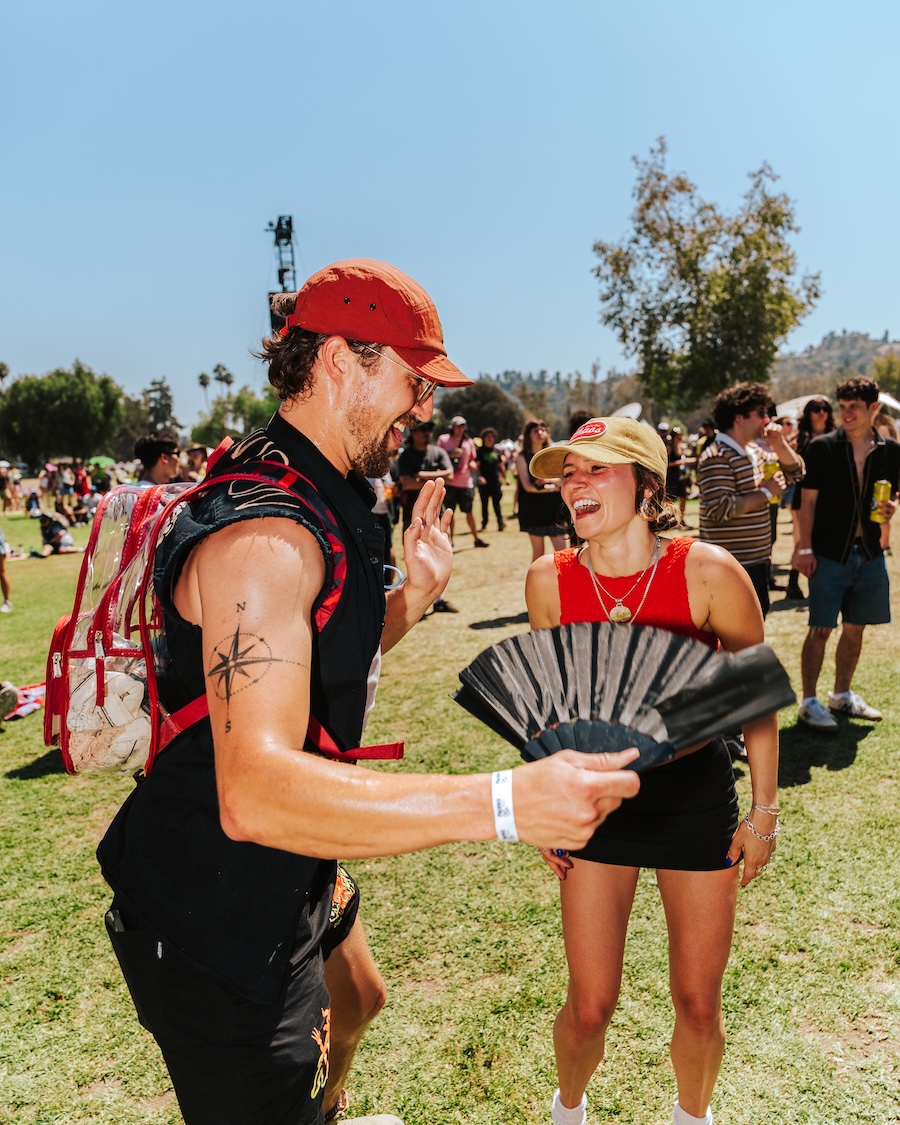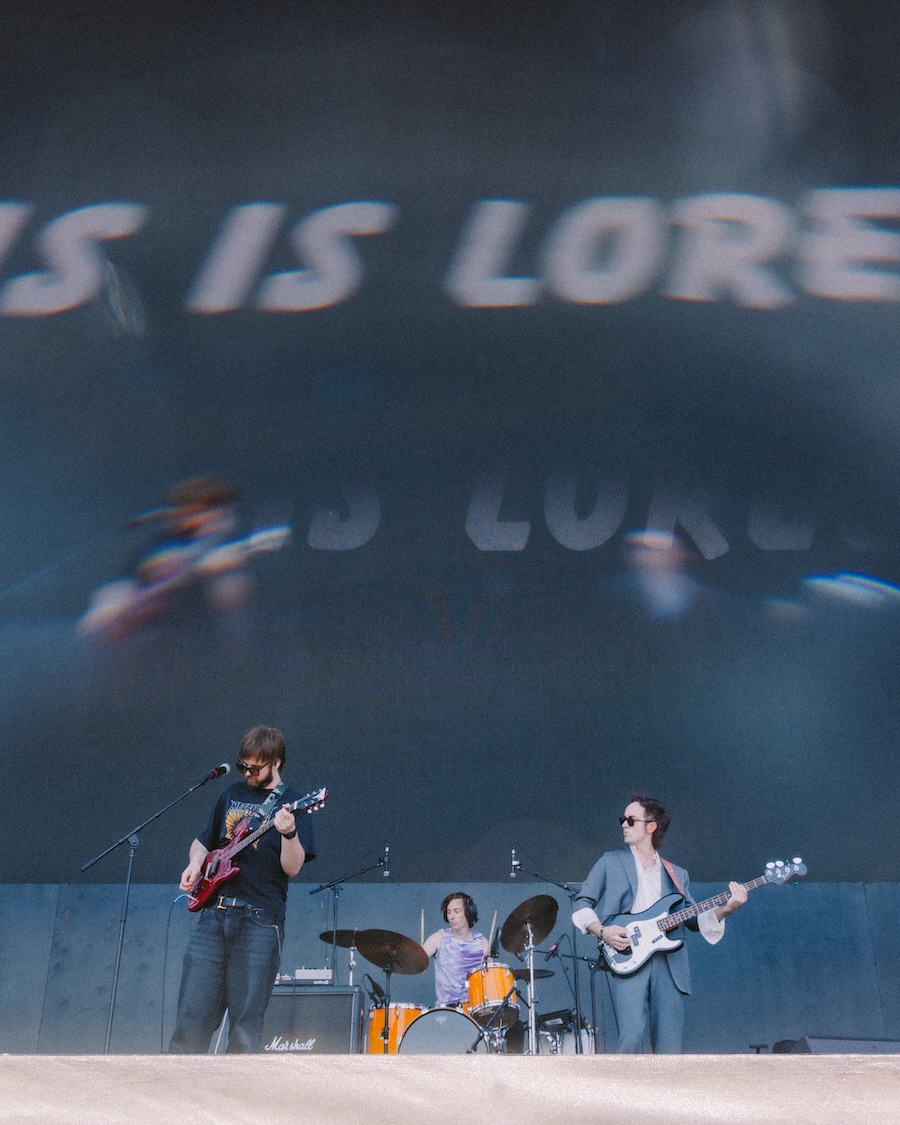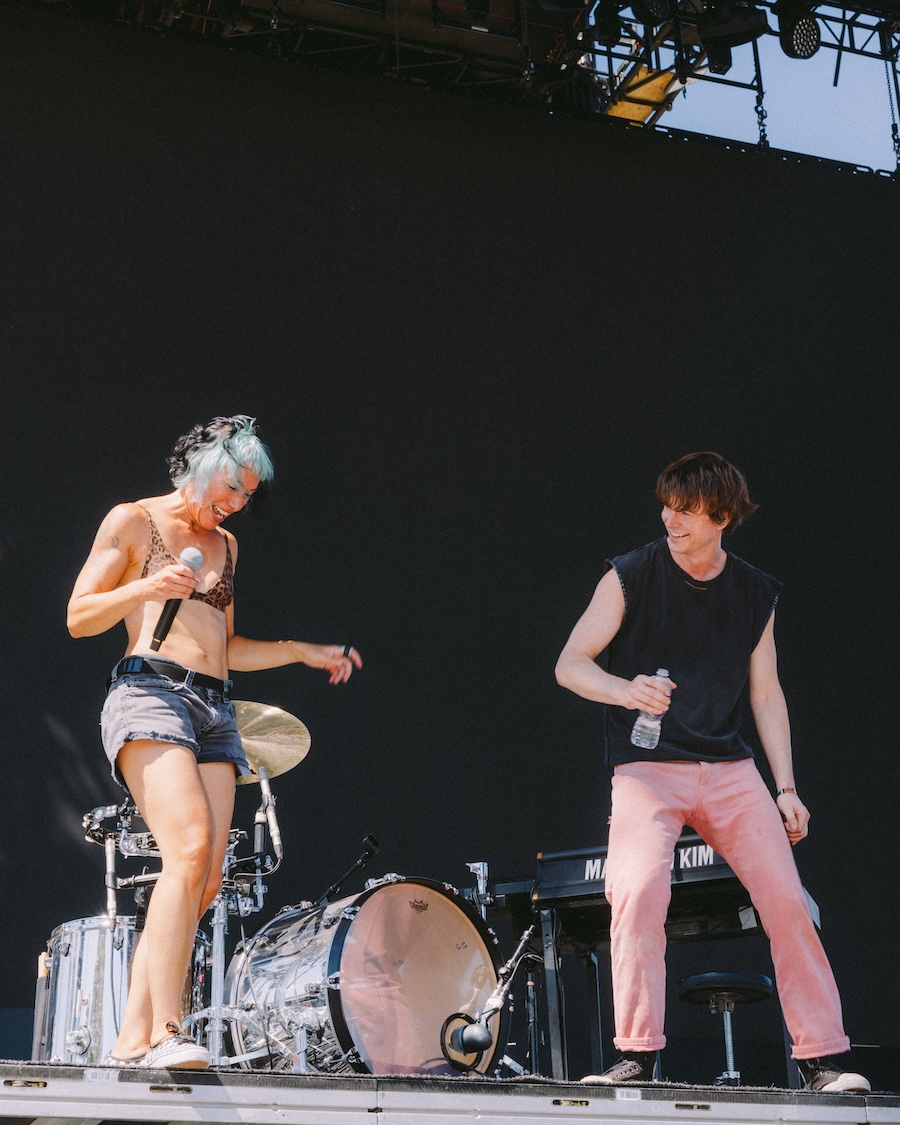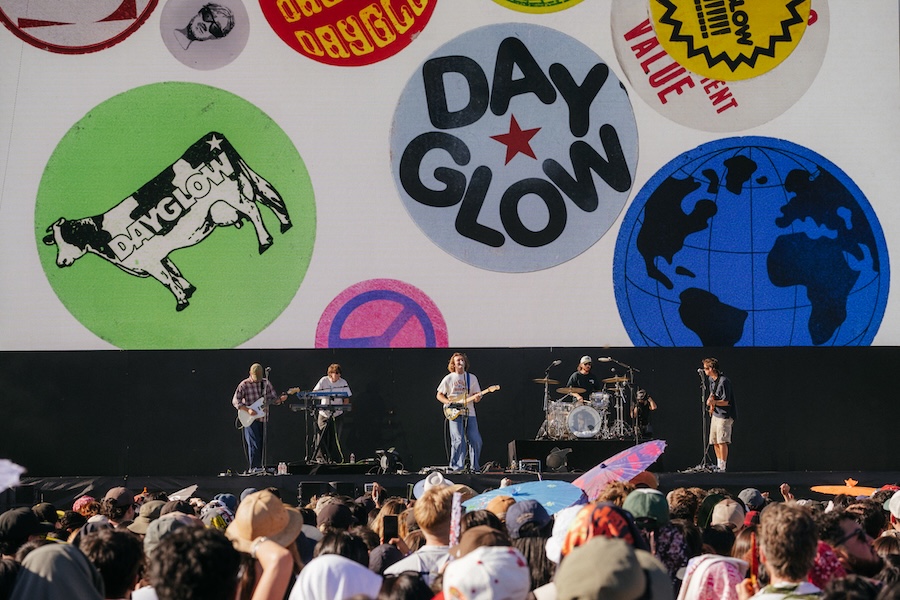


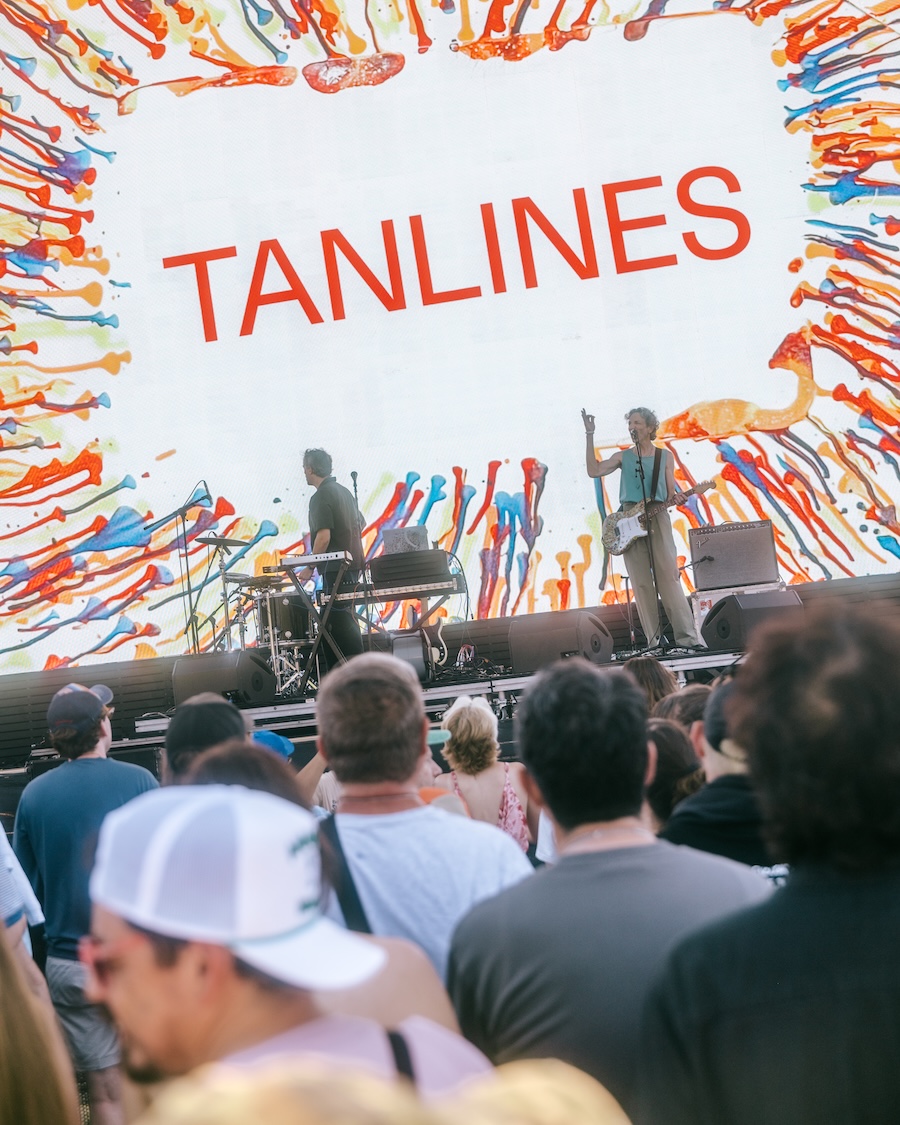
The heat was scorching, as if the sun had moved as close to the spectators at Just Like Heaven 2026. With temperatures reaching 95 degrees Fahrenheit at Brookside at the Rose Bowl in Pasadena, the water stations, misting fans, and every patch of shade were more than welcome.
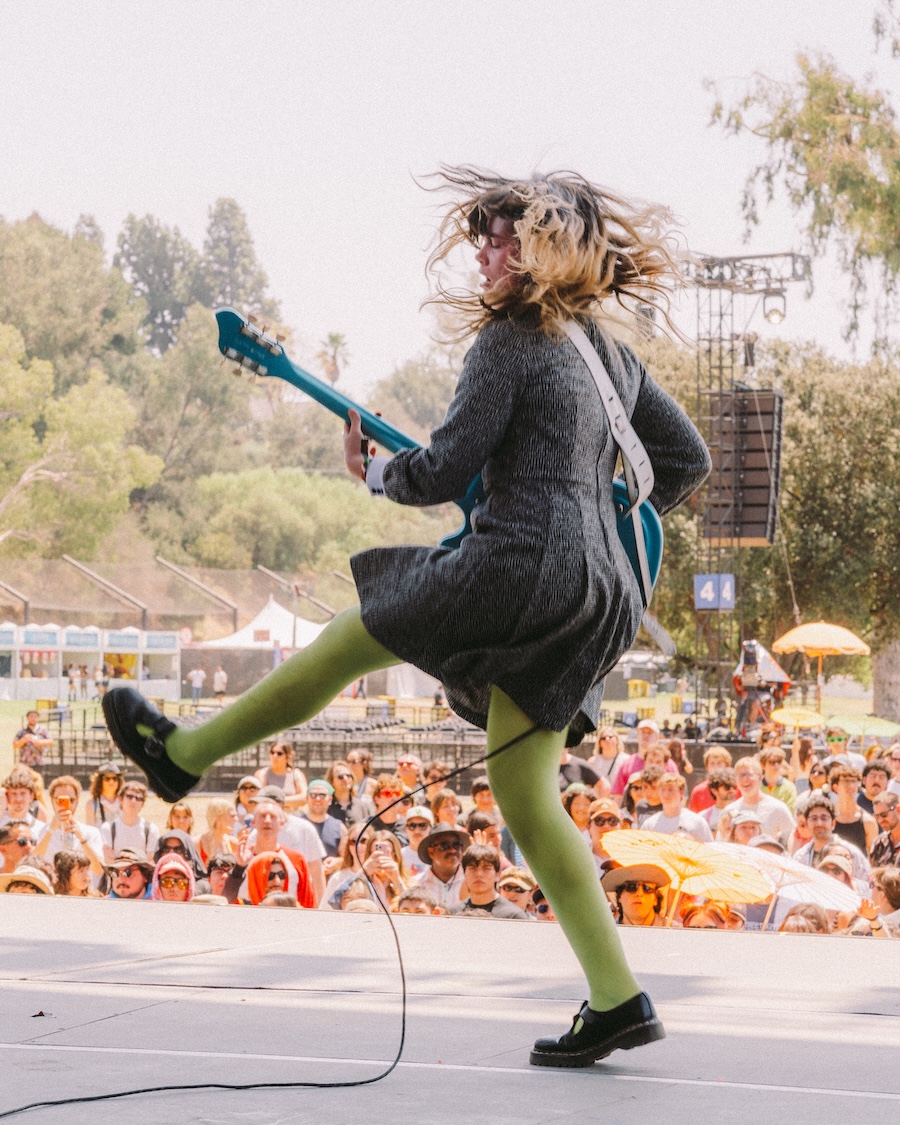
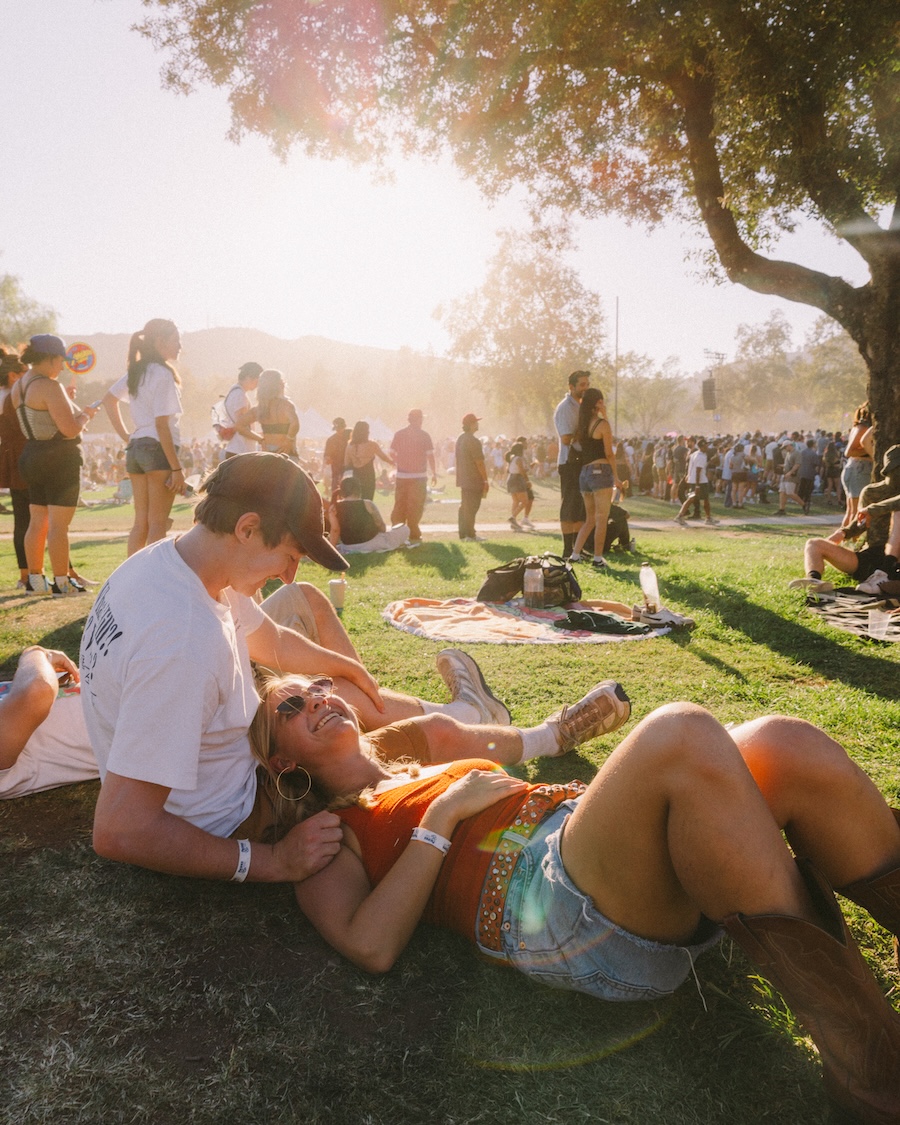
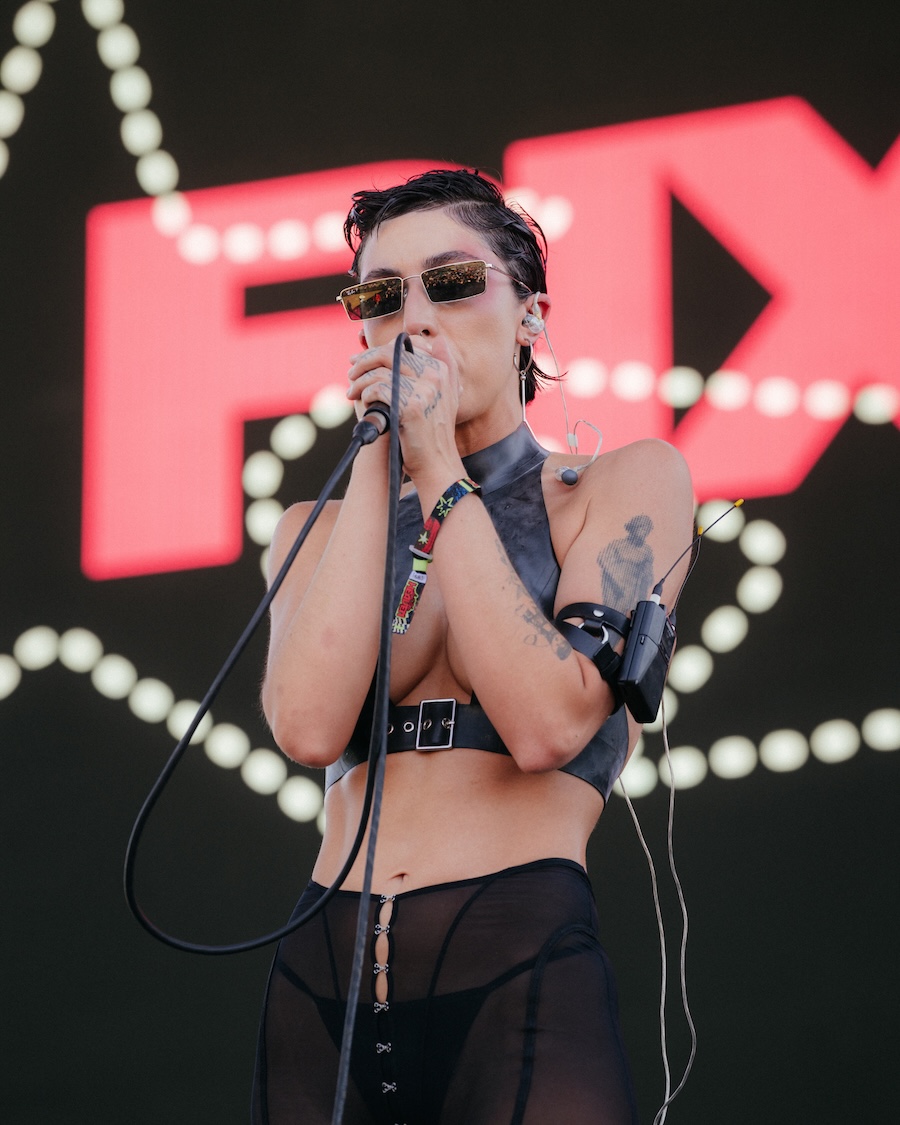
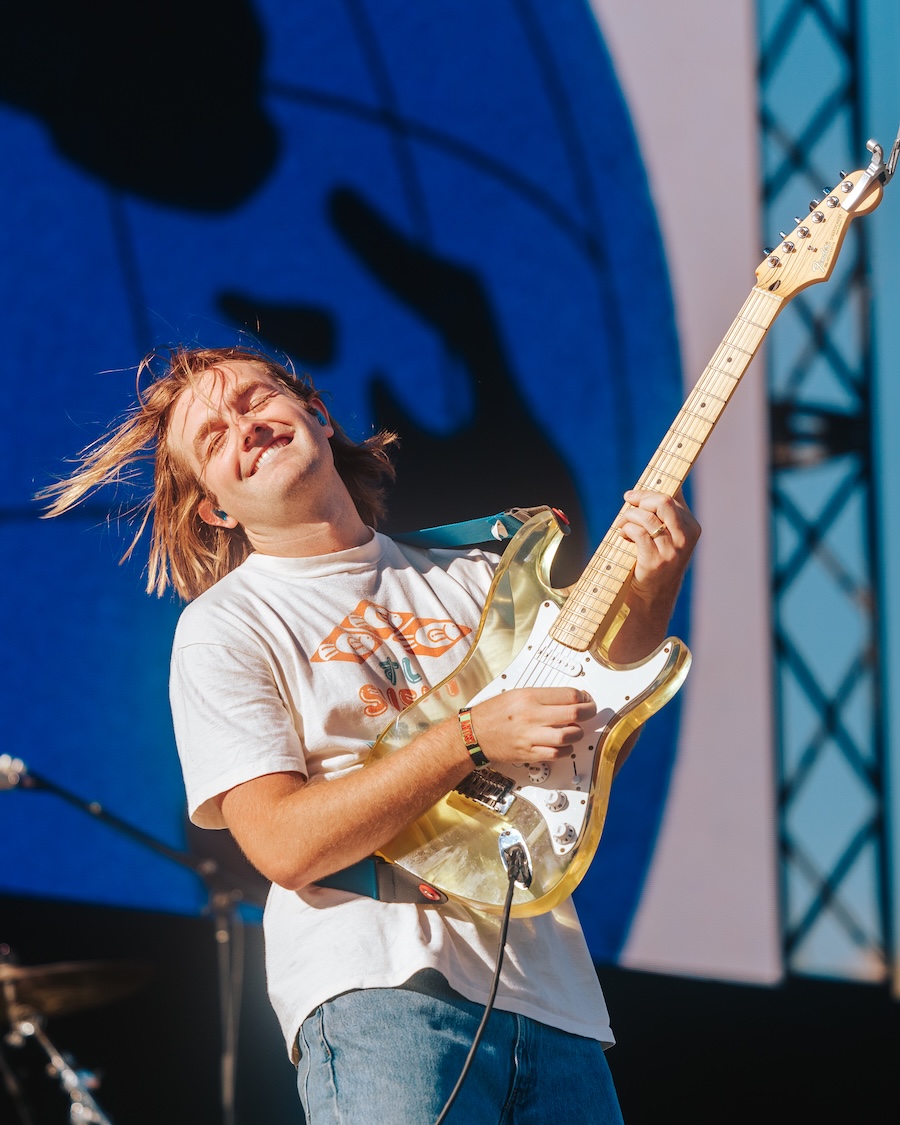
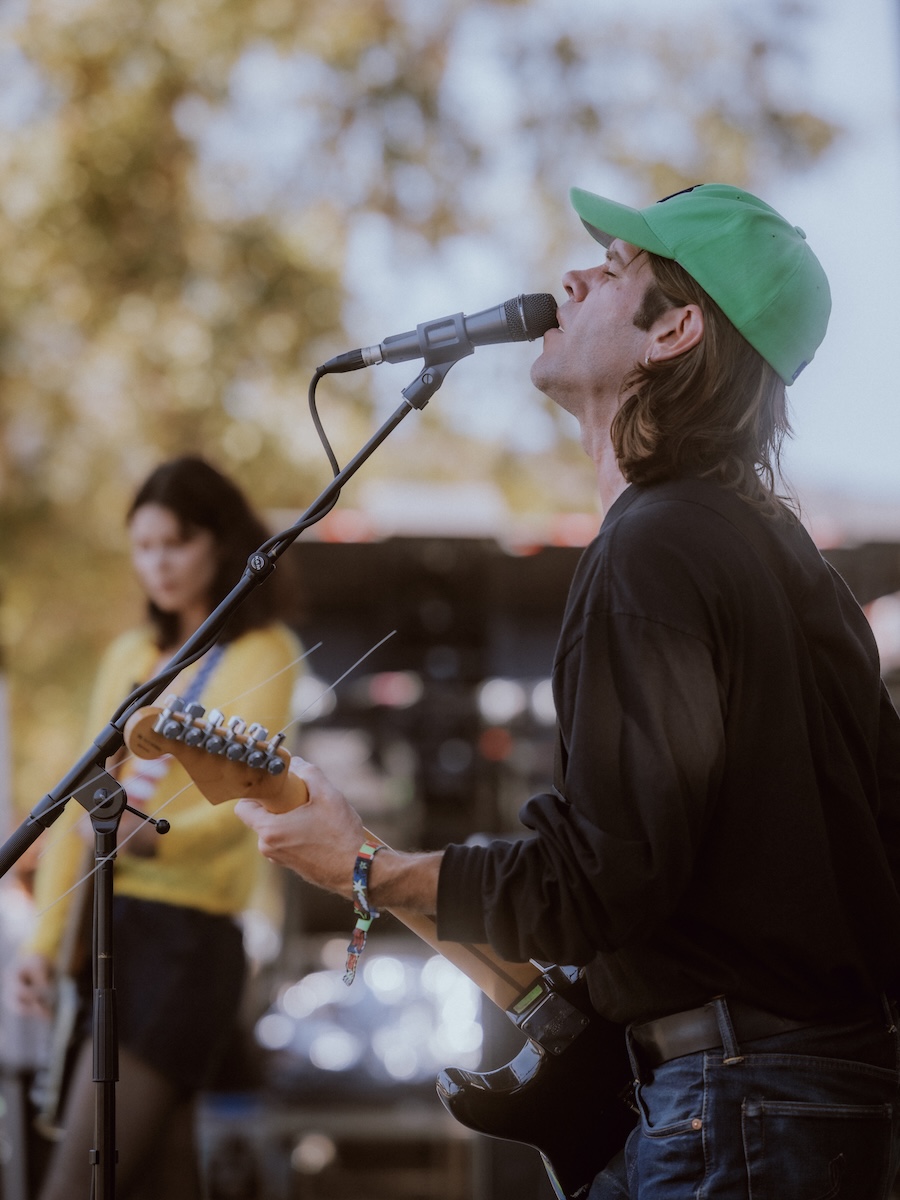
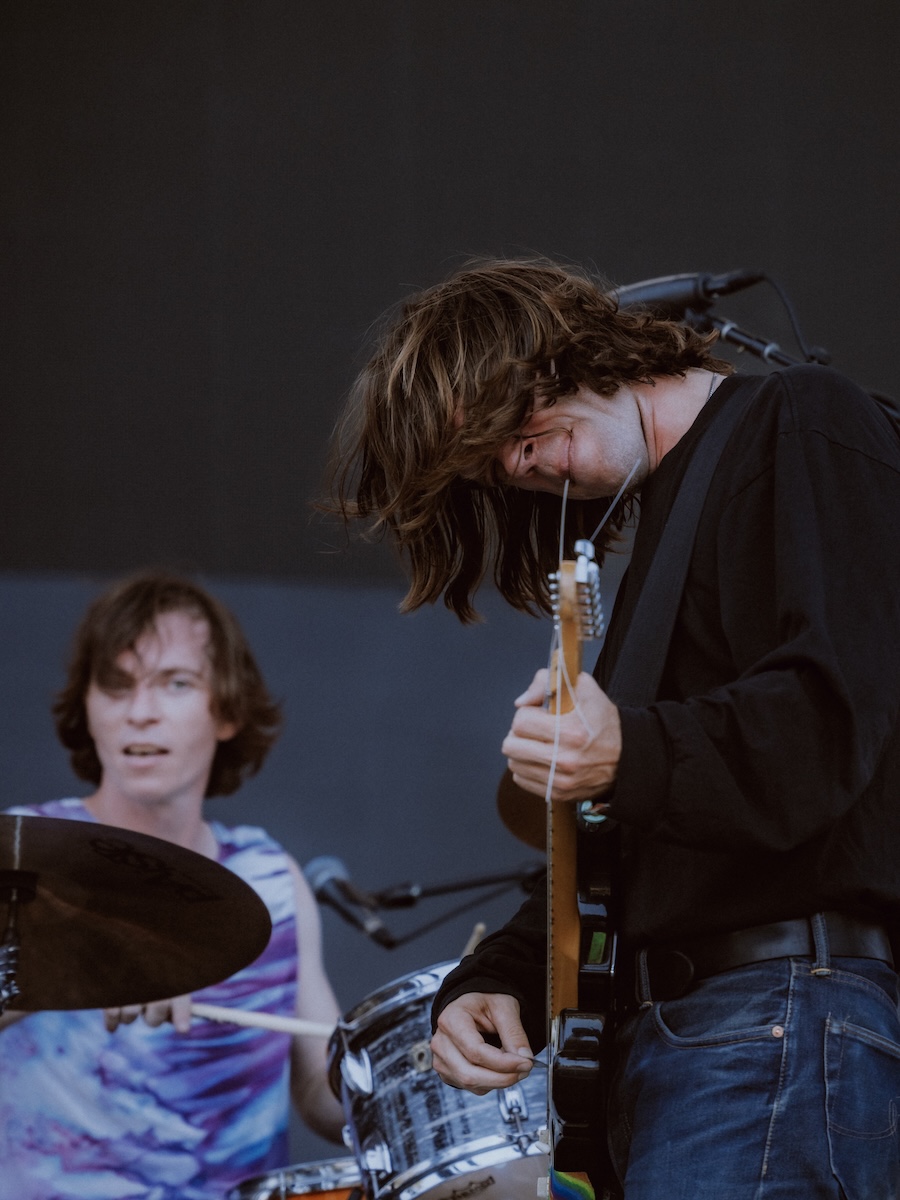
In its sixth edition, the festival once again brought together much of the indie imagination of the early 2000s, a time when discovering a band could still feel like finding something before everyone else did. That history returned alongside artists who have absorbed its influence and pushed it toward darker, more electronic territories that are harder to contain within a single genre.
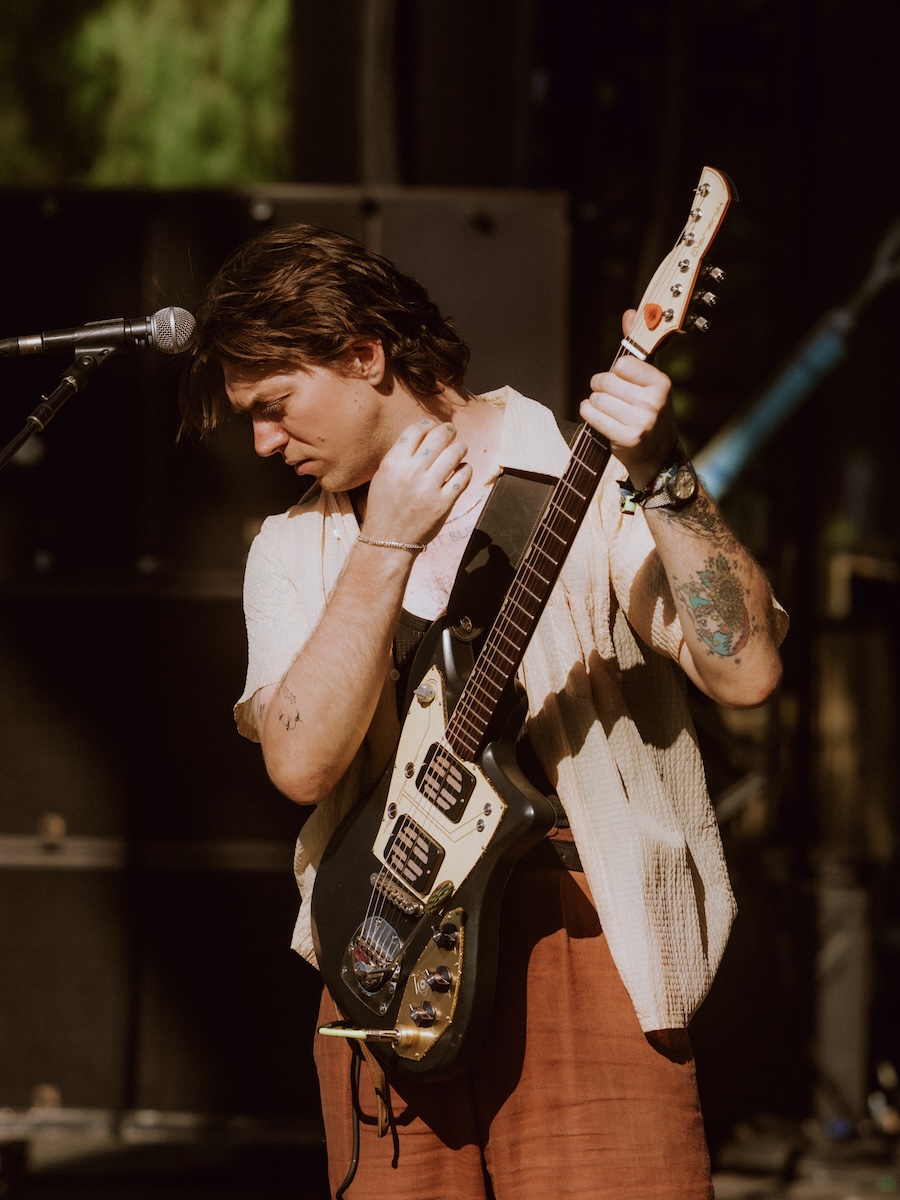
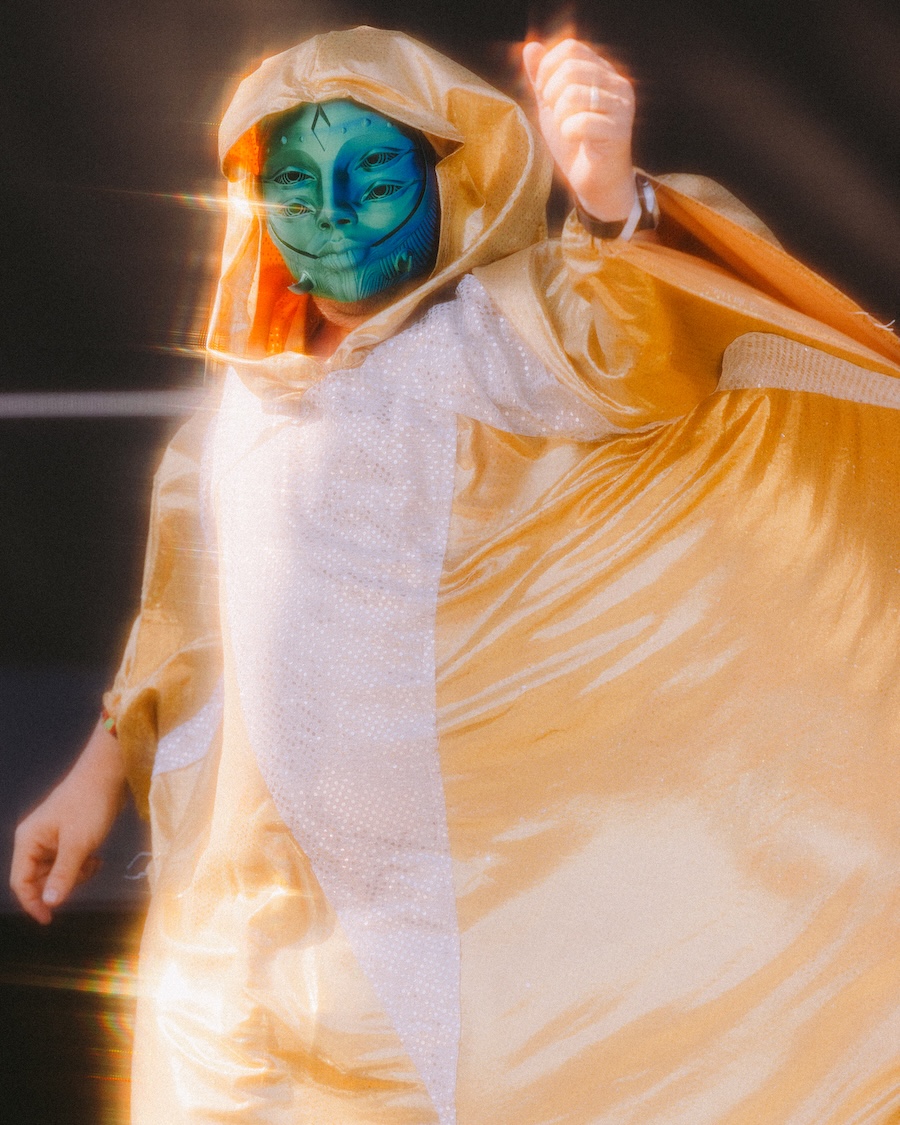
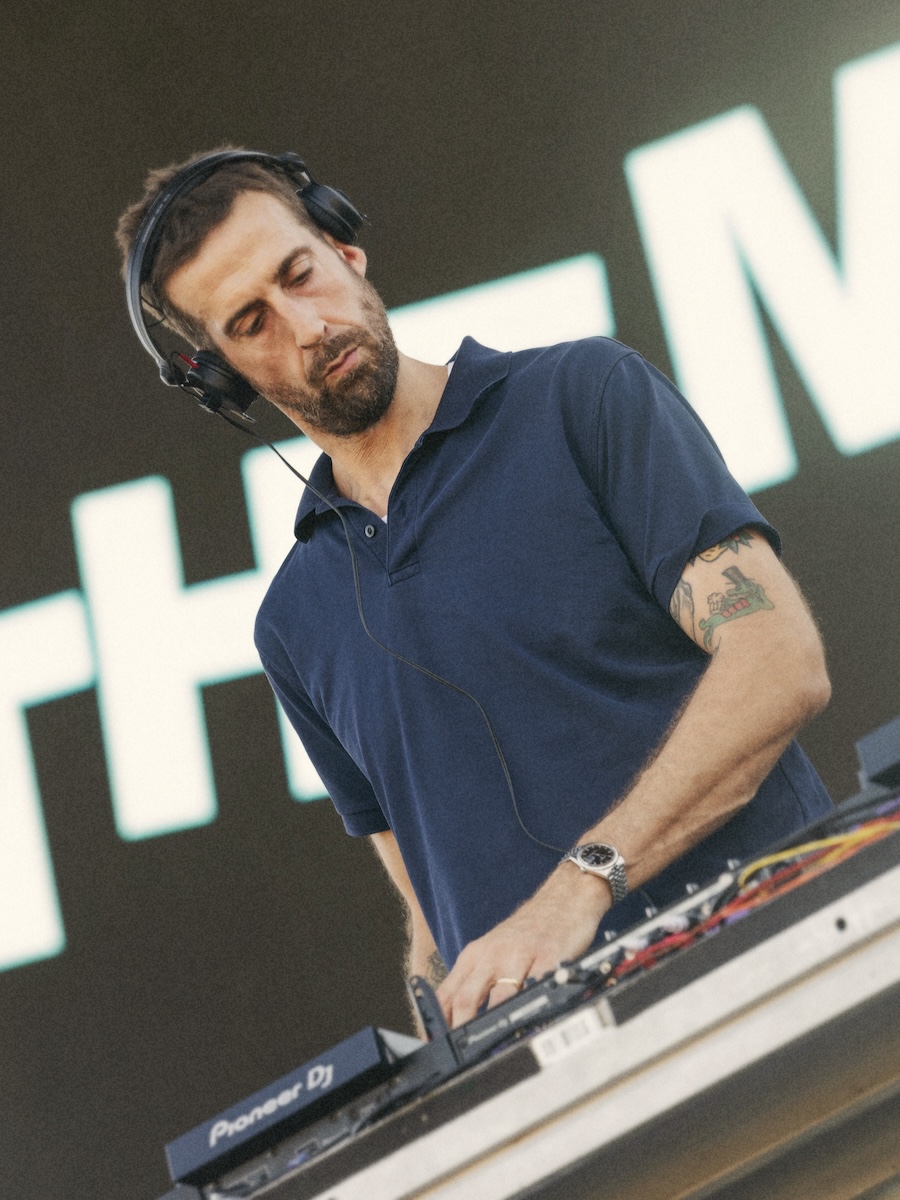
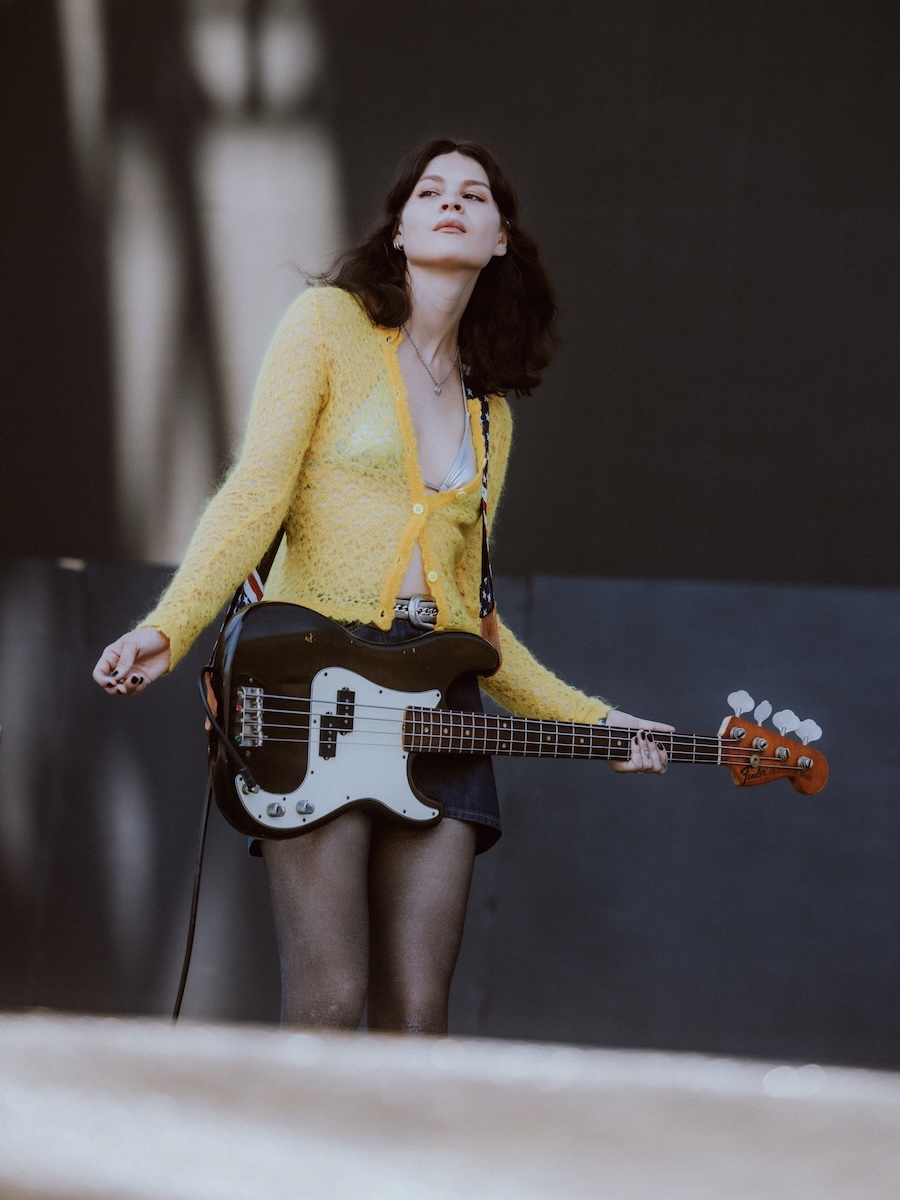
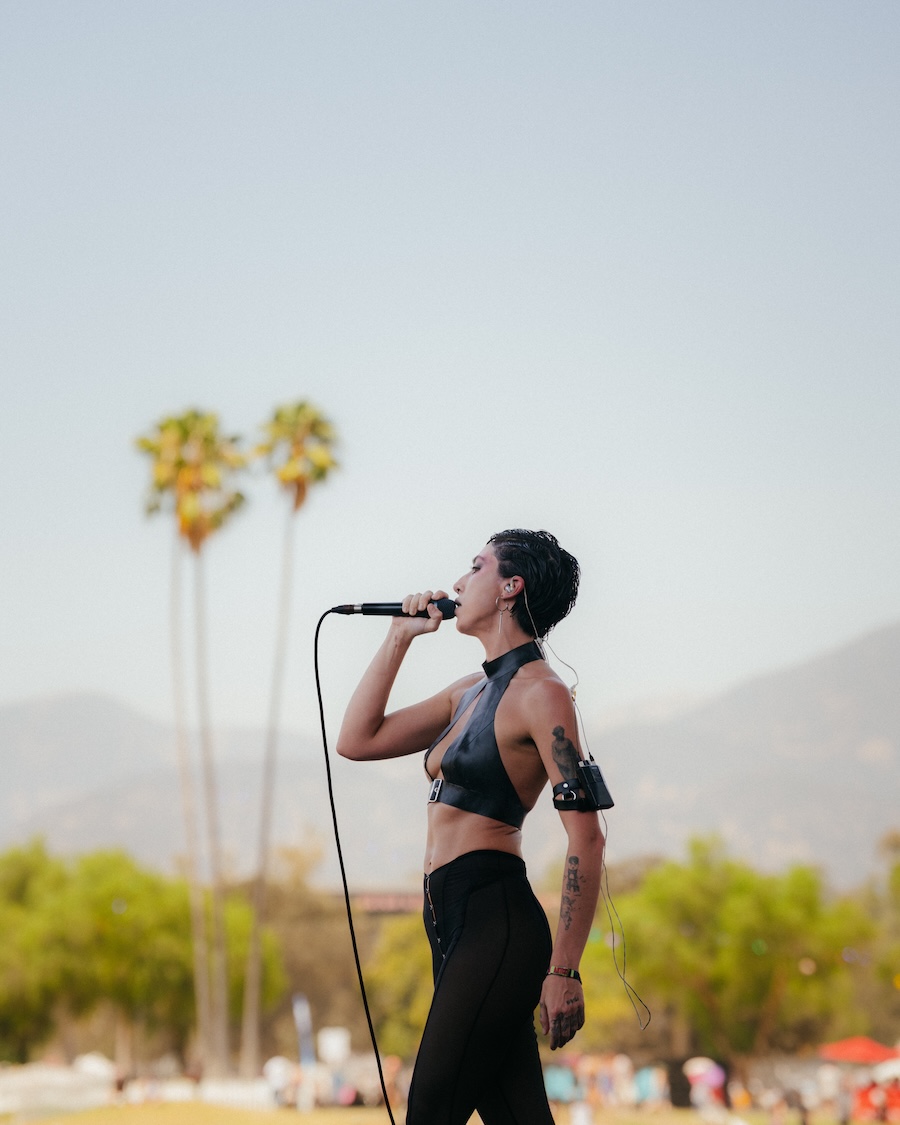
Pixel Grip made that evolution evident from one of the earliest time slots on the Stardust Stage. Under the light of an afternoon that seemed at odds with the darkness of their sound, the Chicago trio brought the physical energy of clubs to the festival, backed by industrial beats, abrasive synthesisers, and a sensual, intentionally disruptive presence. The brief set moved from “Dancing on Your Grave” and “Stamina” to “Reason to Stay,” “Insignificant,” and “ALPHAPUSSY,” allowing EBM, darkwave, and electronic pop to stand side by side without asking permission.
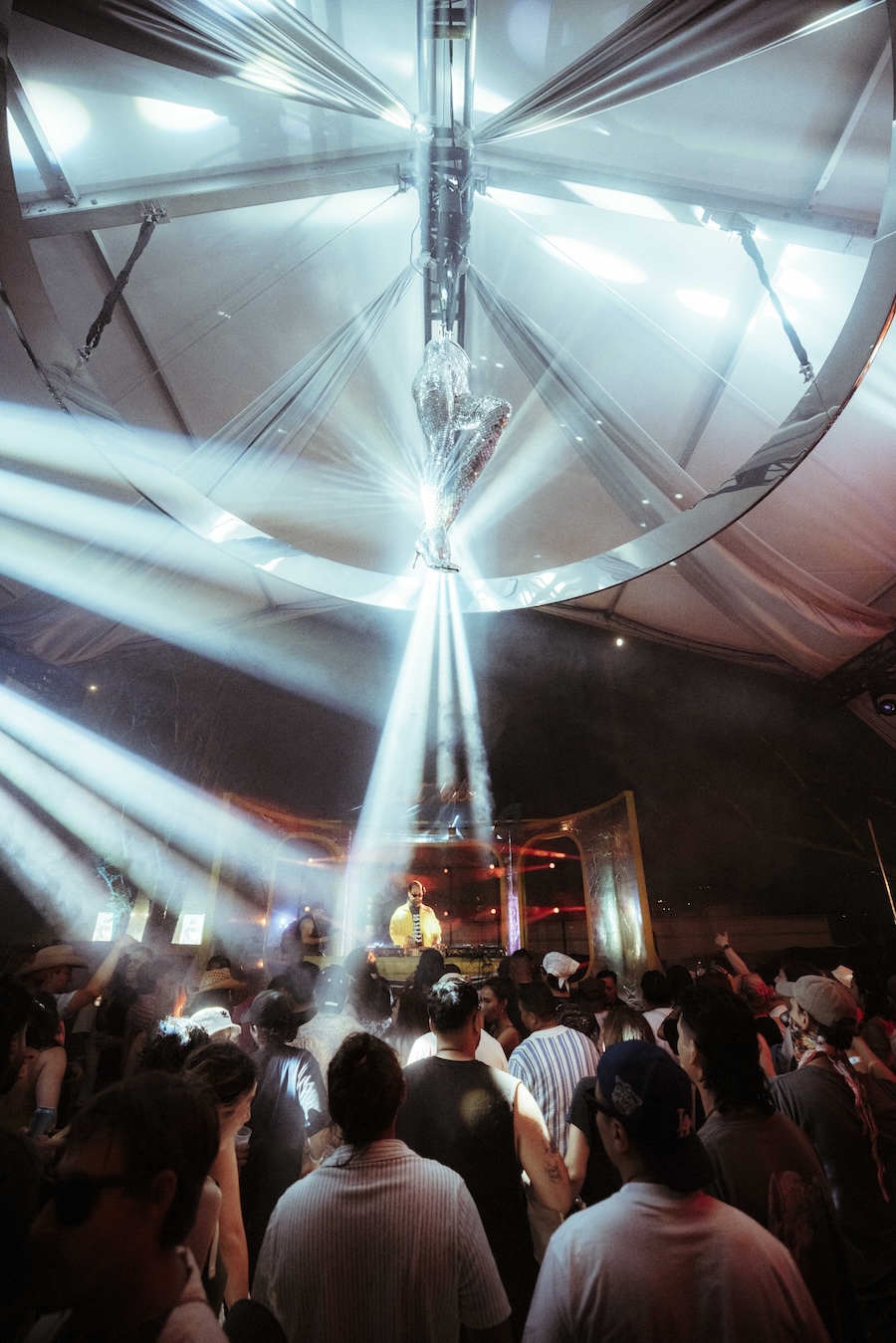
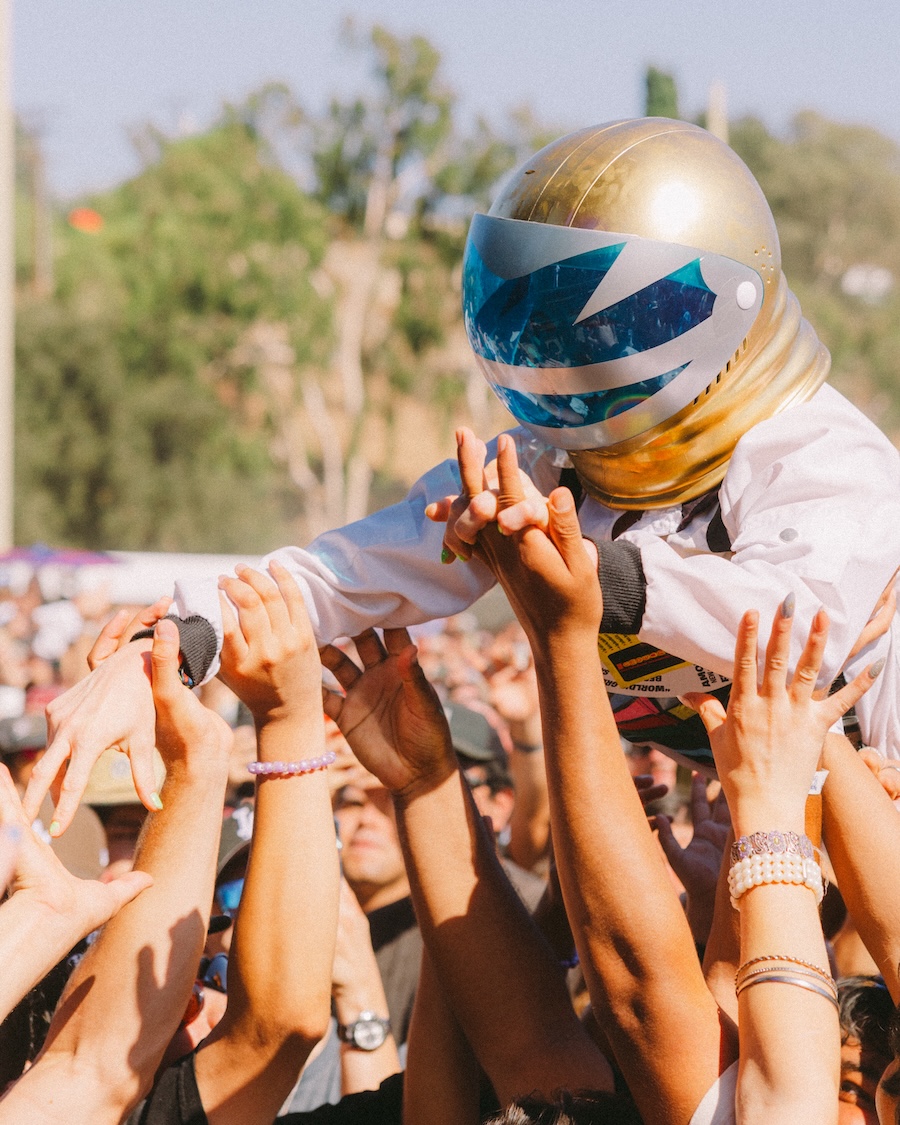
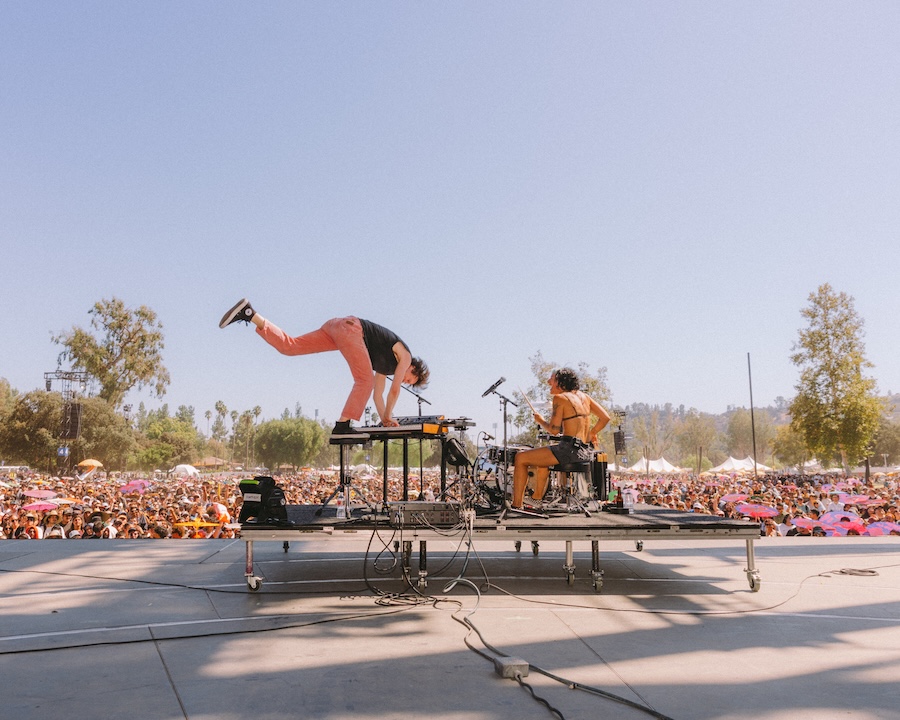
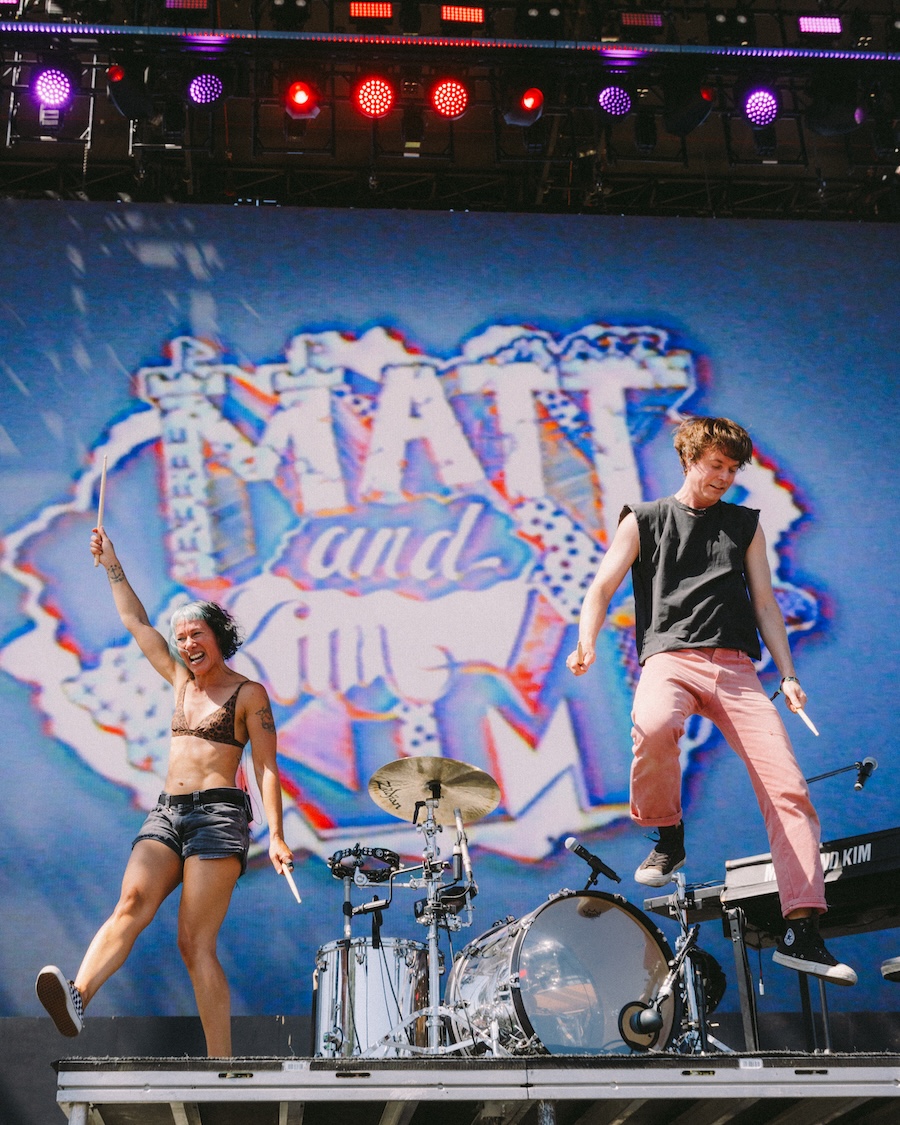
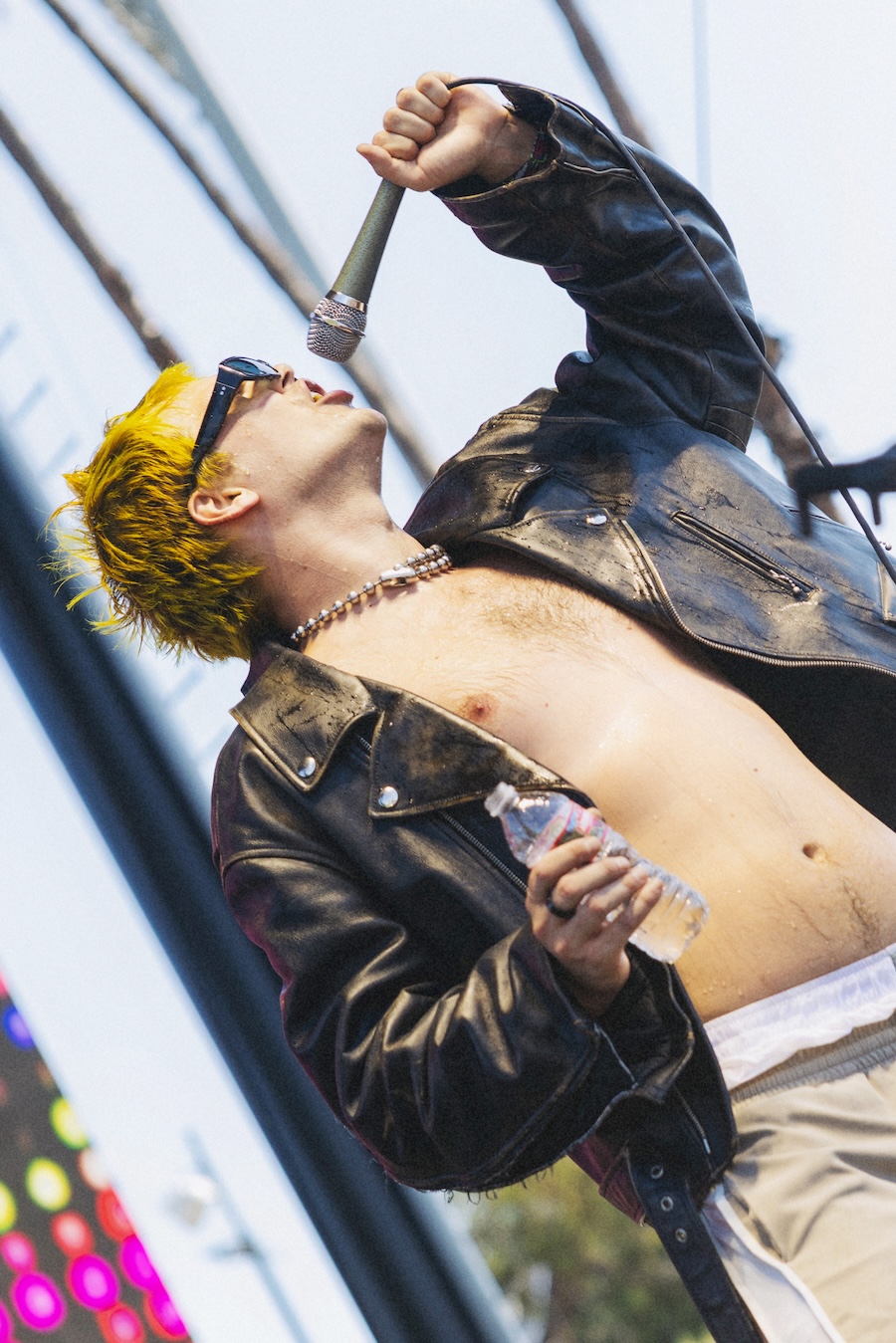
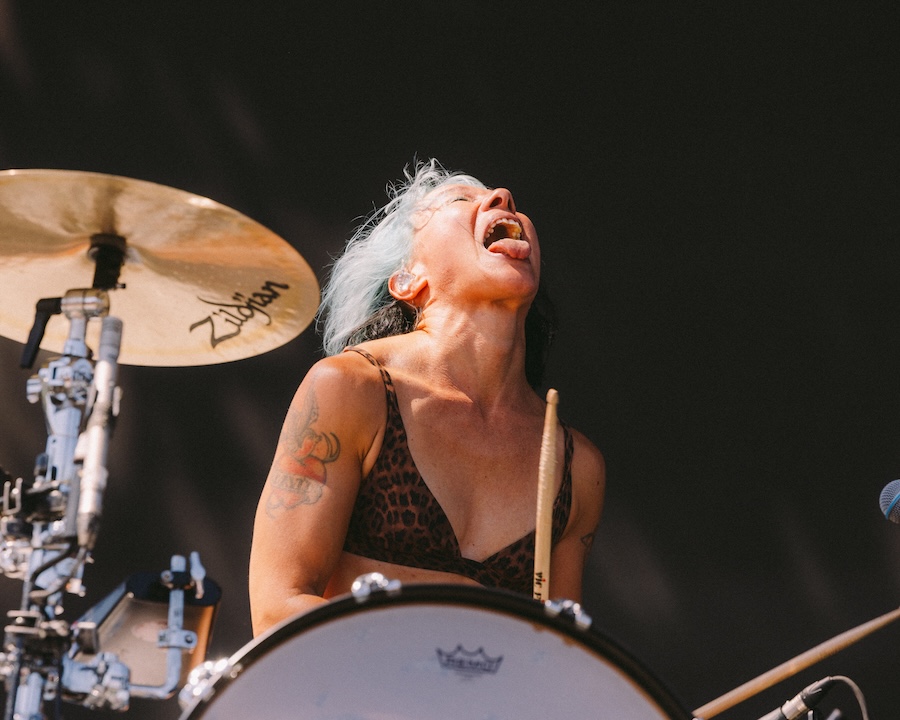
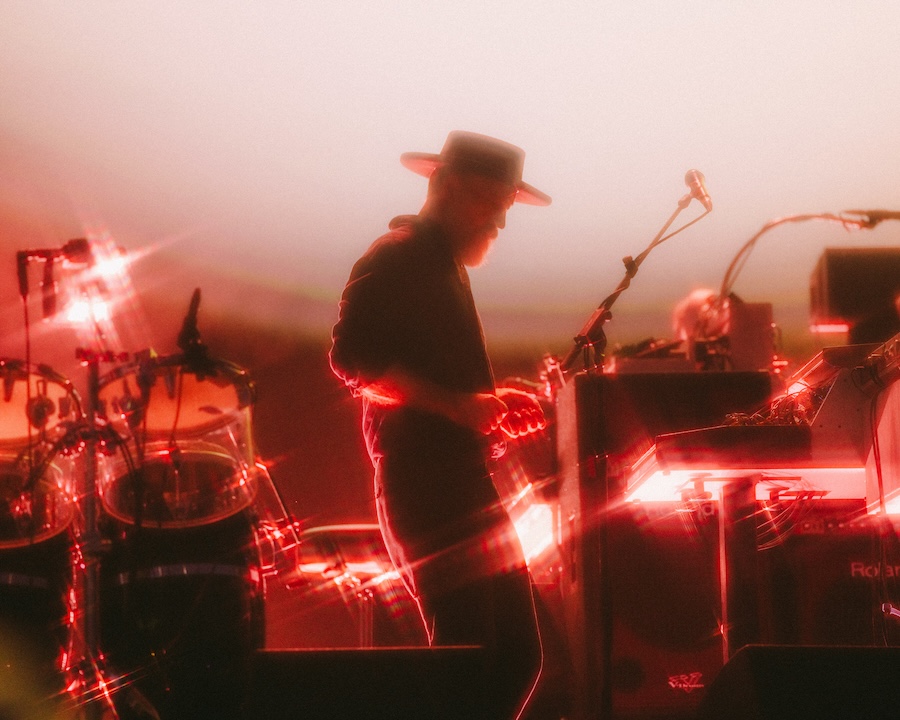
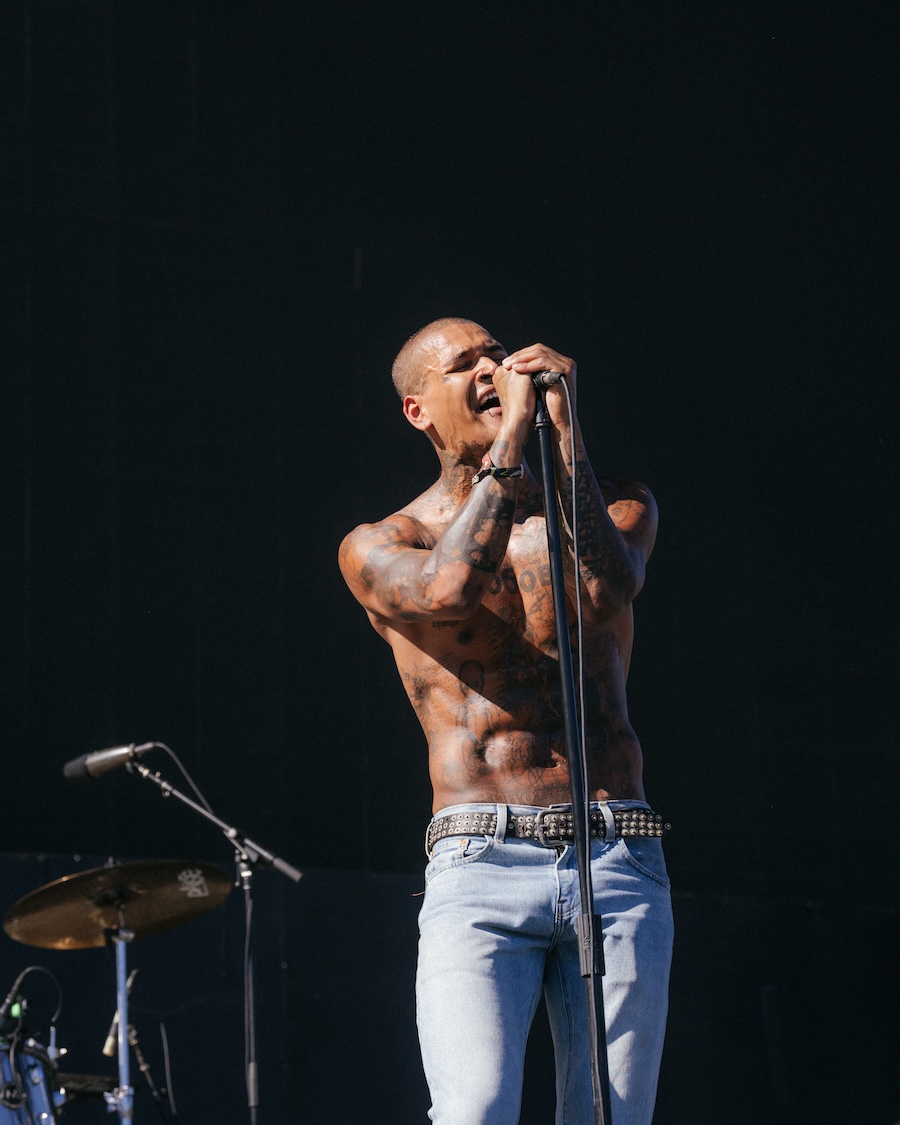
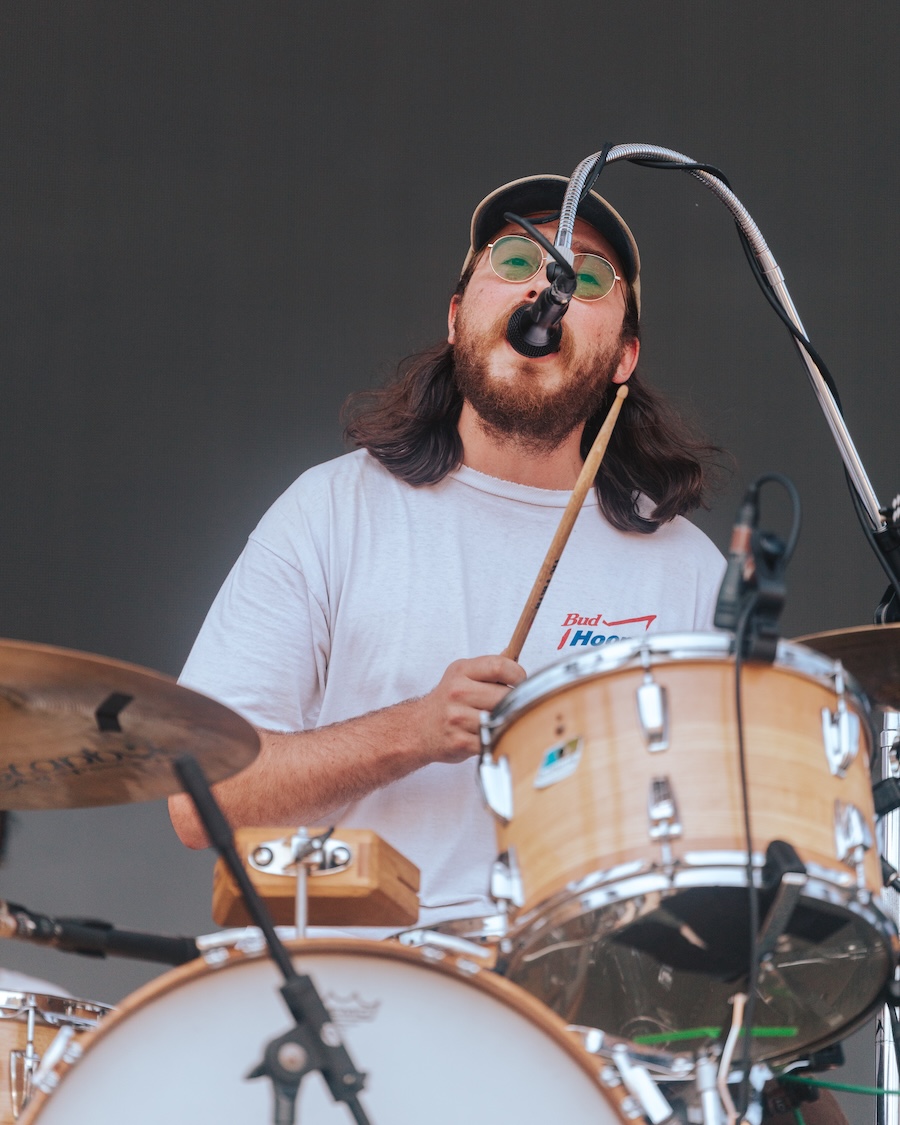
As the sun went down, the festival moved more clearly toward its dance-punk roots. The Rapture returned after being part of the inaugural edition of Just Like Heaven in 2019. Driven by drumming that kept the performance in constant motion, the band showed that it is possible to play pure, stripped-down rock and, within the same set, ignite a dance floor.
“House of Jealous Lovers” condensed that connection between eras. Its history made the evening’s lineup an especially fitting coincidence. The track was produced by James Murphy and Tim Goldsworthy and released through DFA, the label that also served as a home for Echoes. The Rapture finished its performance on the Stardust Stage just as LCD Soundsystem was preparing to take over Orion, creating one of the festival’s clearest links between its earlier years and the present.
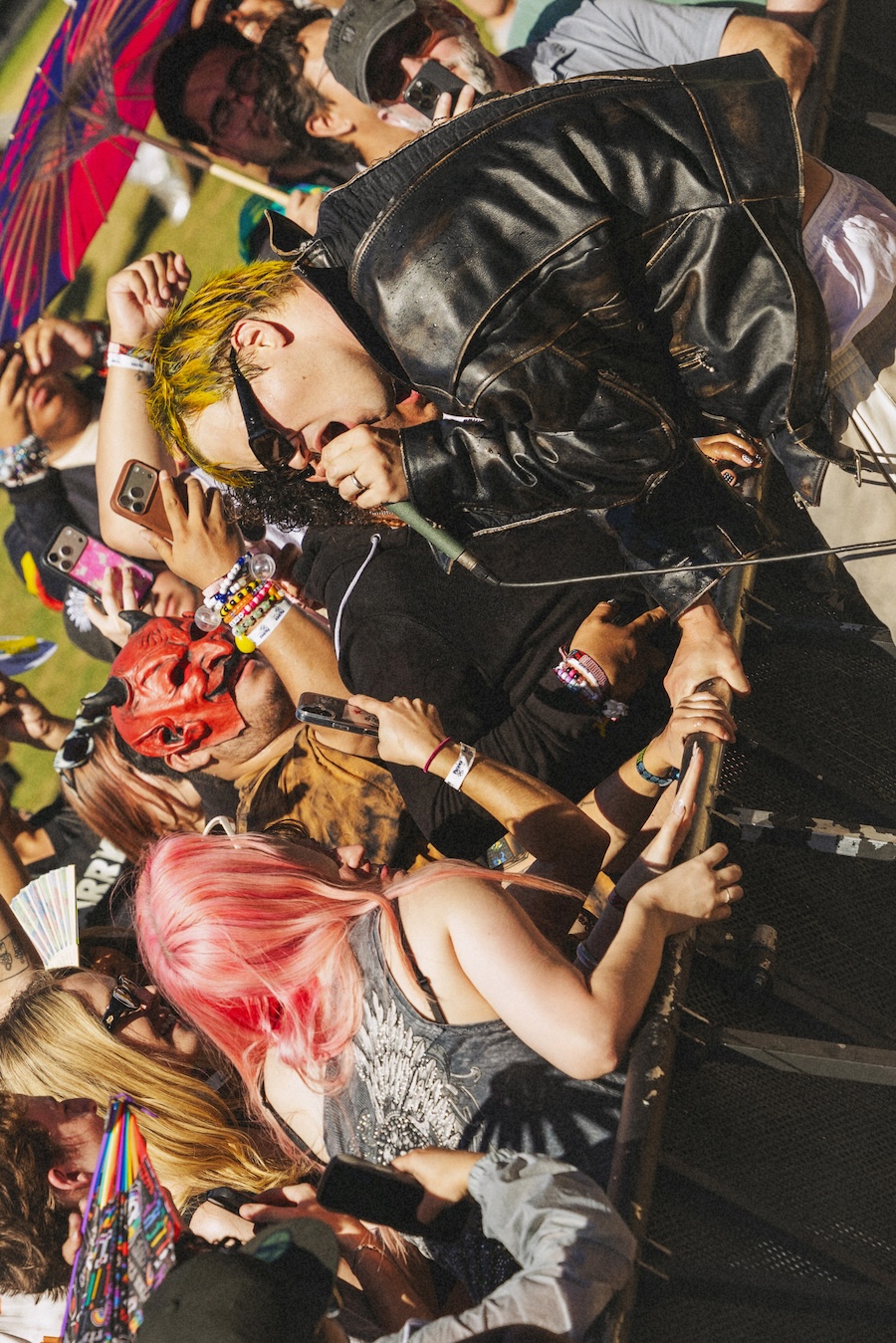
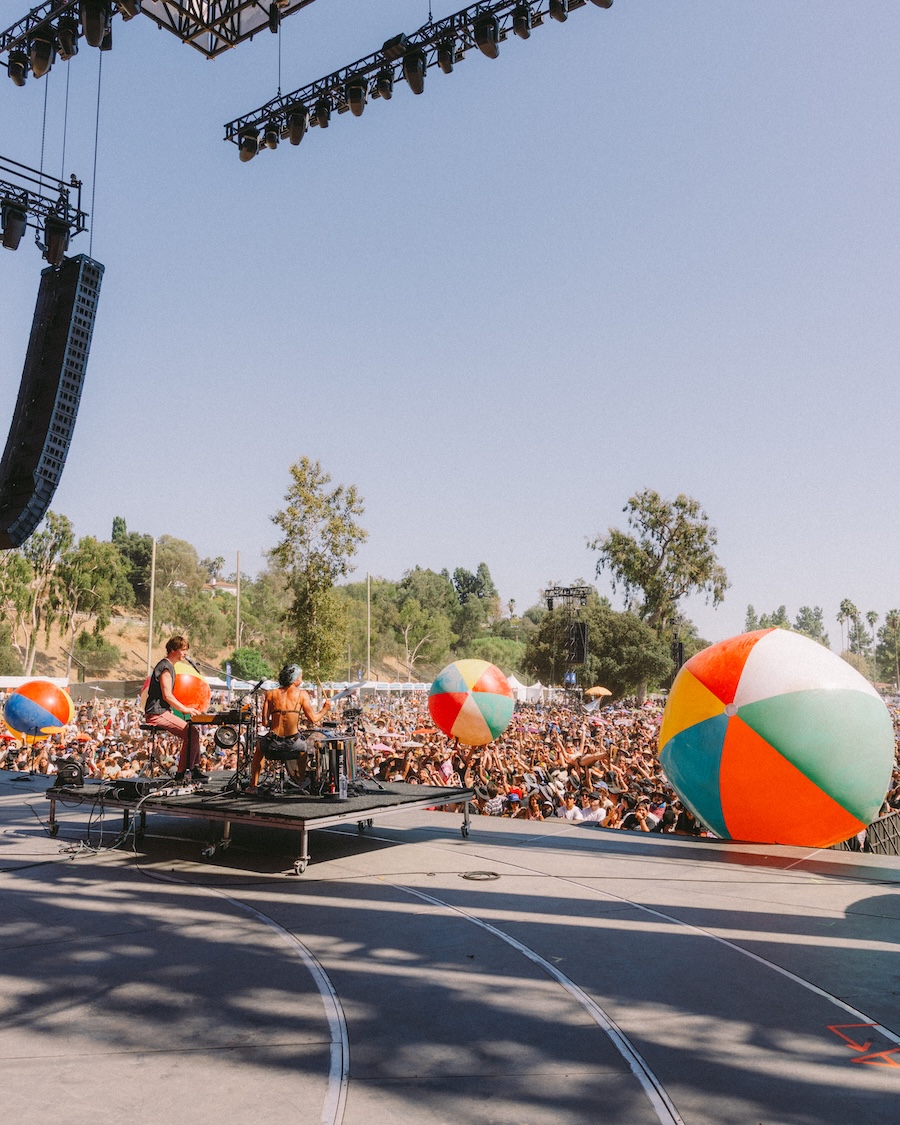
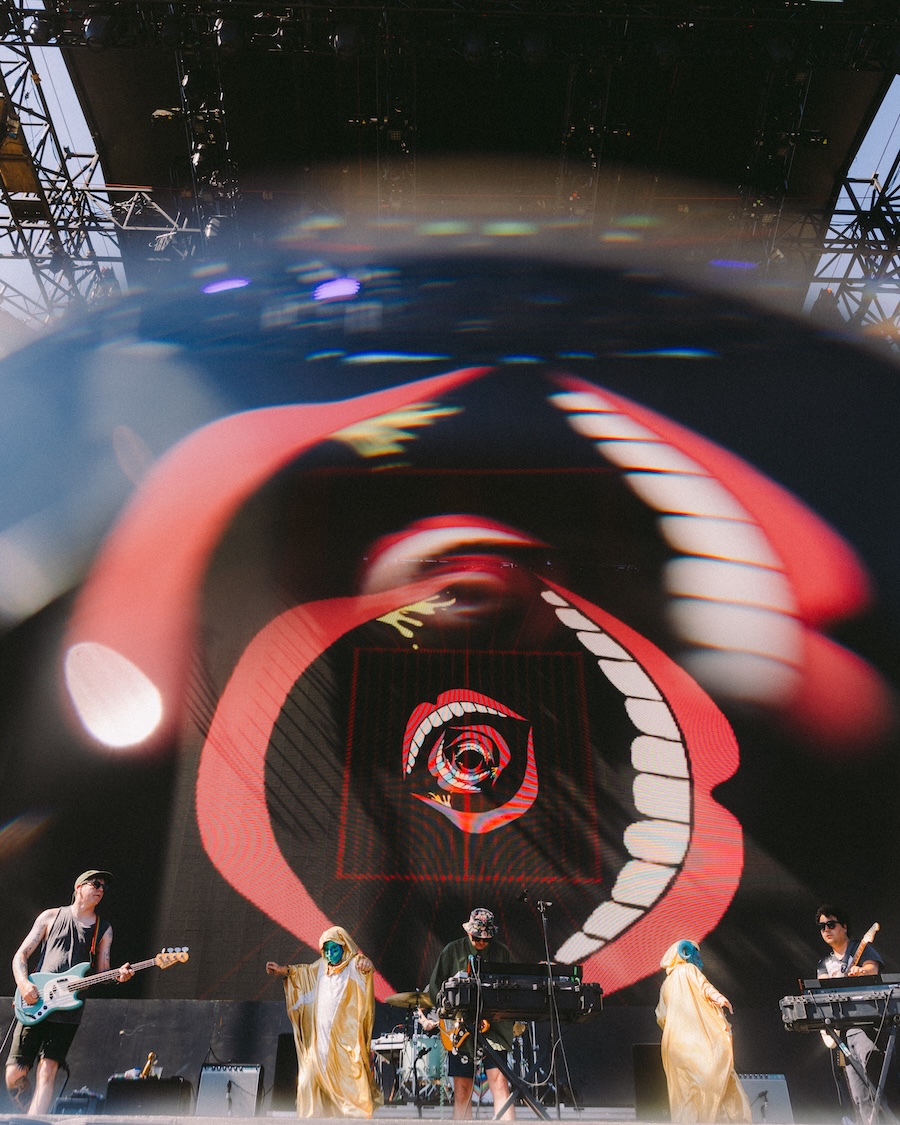
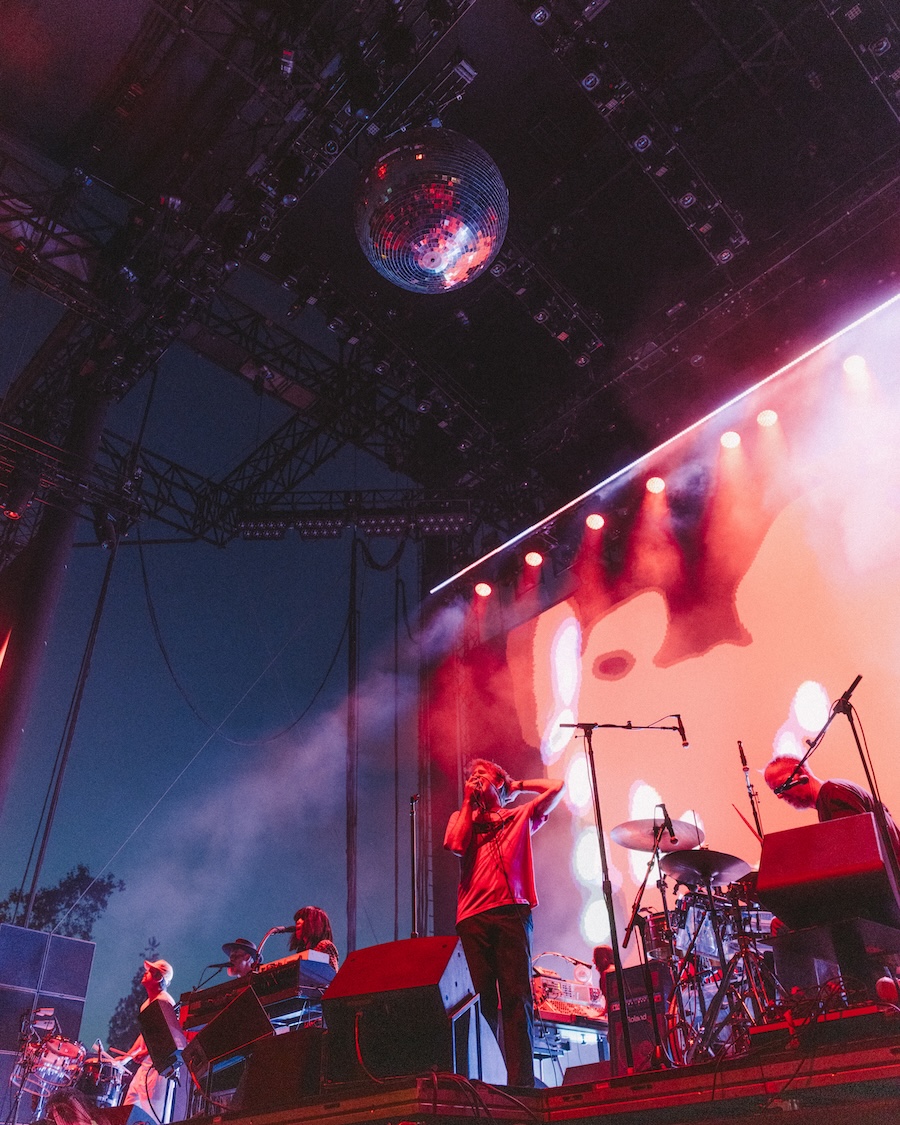
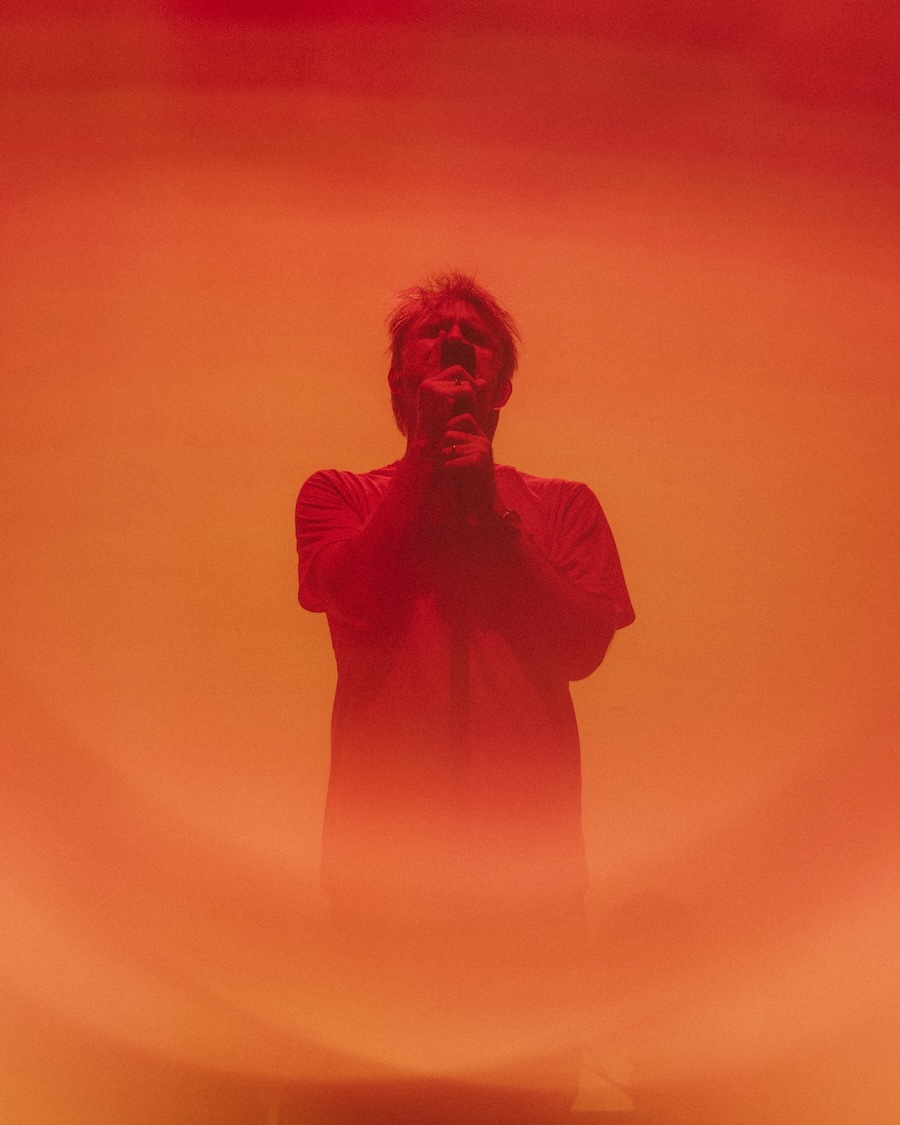
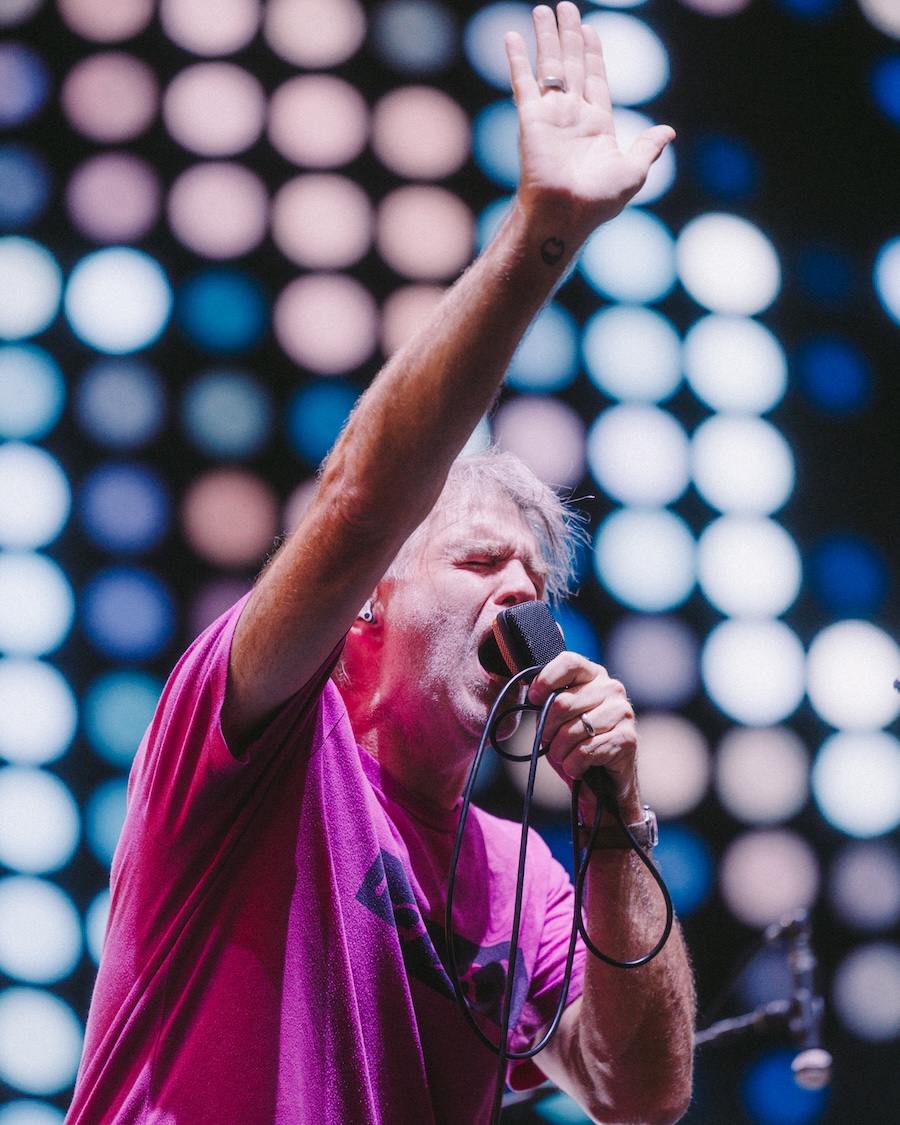
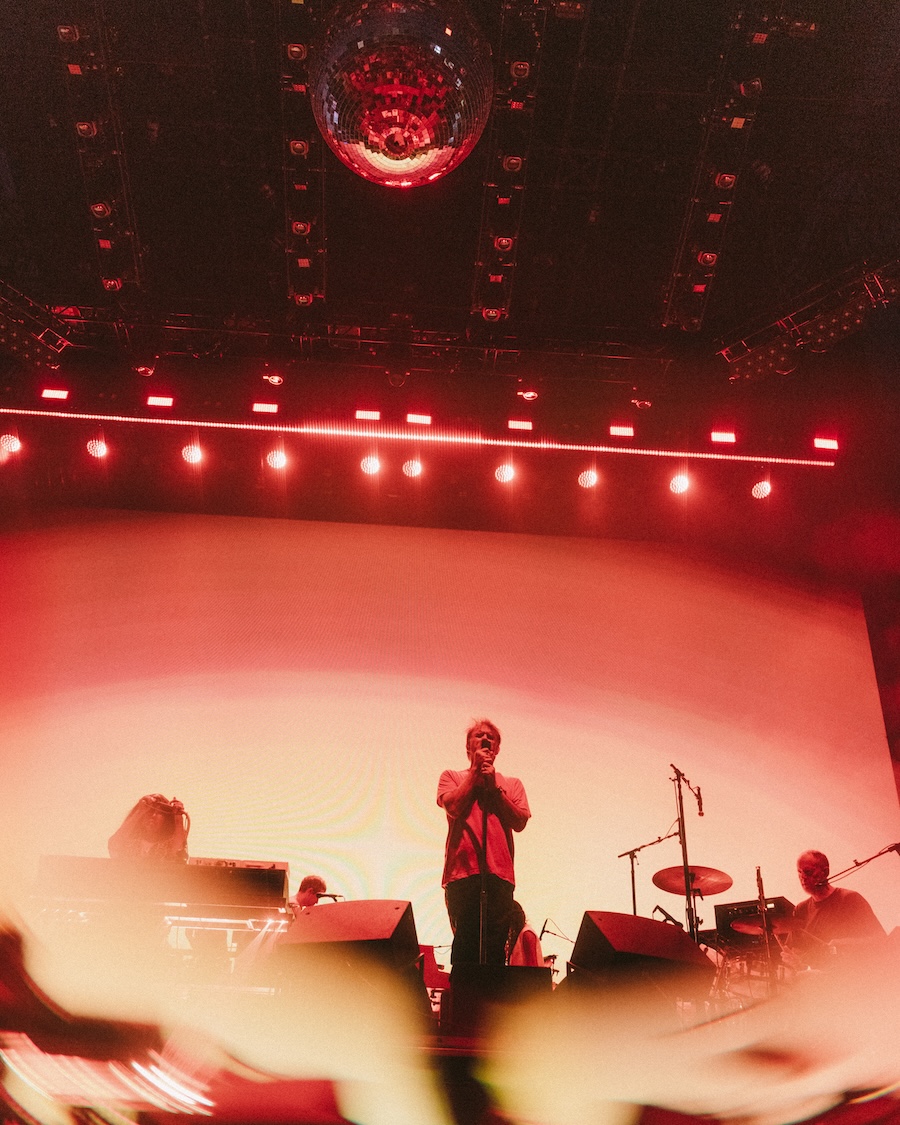
LCD Soundsystem welcomed the night with a much more gradual build. “Tonite” and “Tribulations” established the initial pulse before “I Can Change,” “Someone Great,” and “Losing My Edge” deepened the performance with themes of ageing, distance, and social anxiety. Surrounded by synthesisers, percussion, and a web of instruments, James Murphy guided the set with mastery. It closed with “Dance Yrself Clean” and “All My Friends,” the latter perfectly in tune with an event built around musical memory.
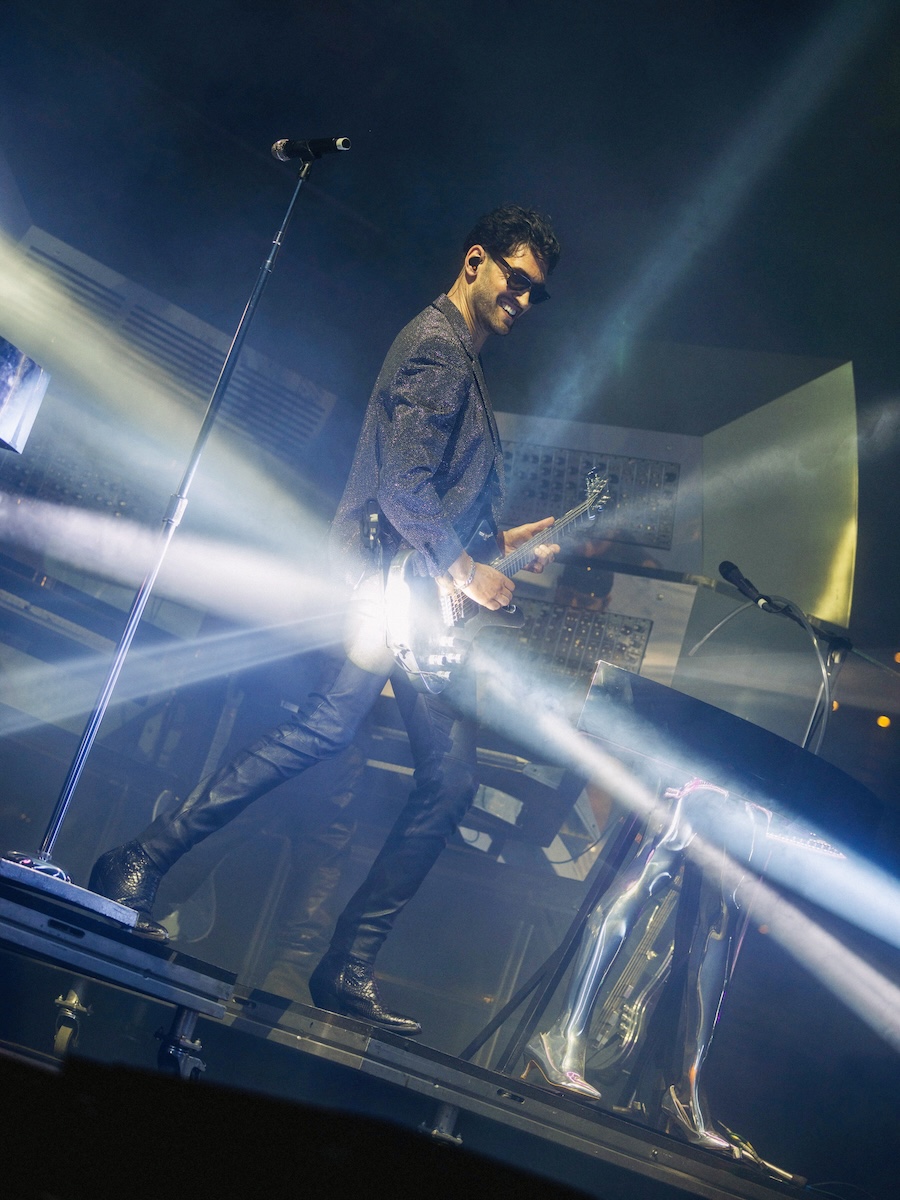
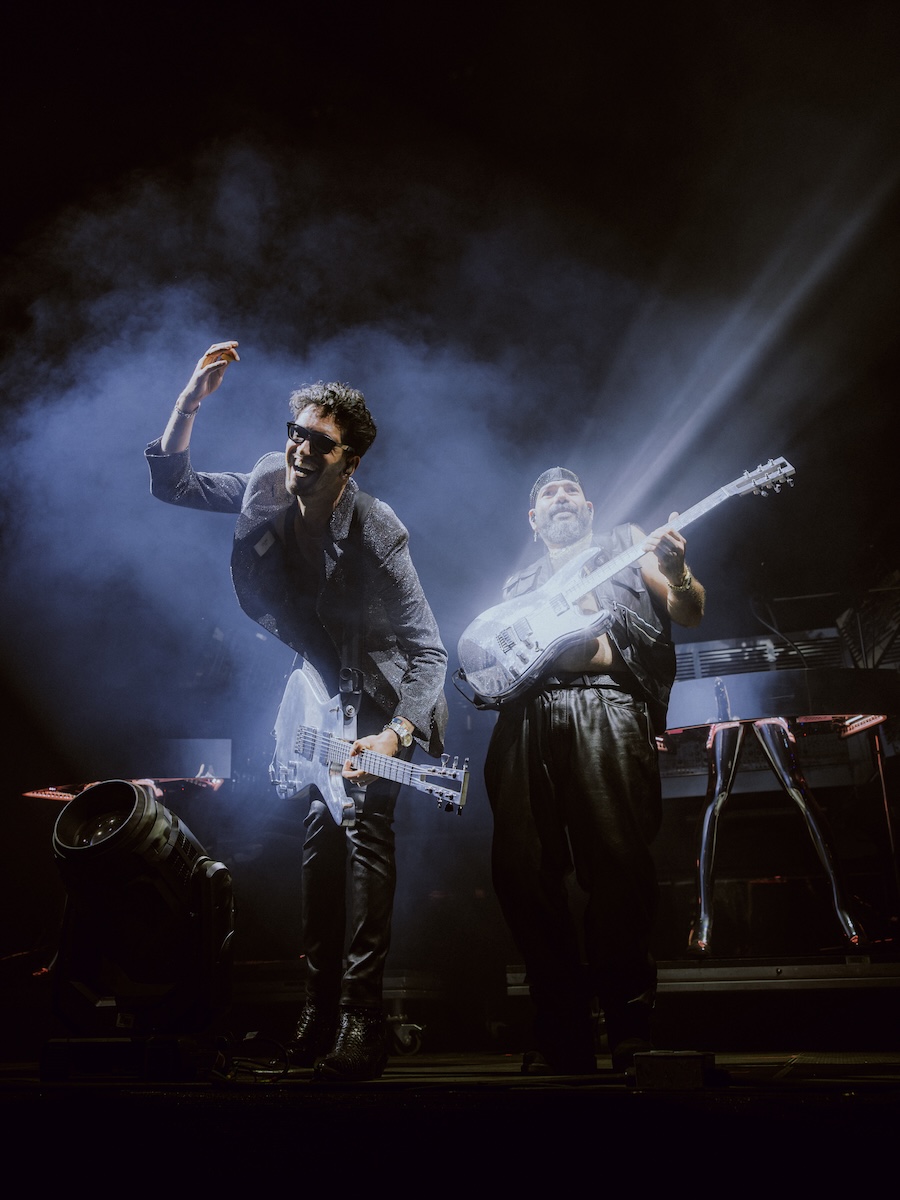
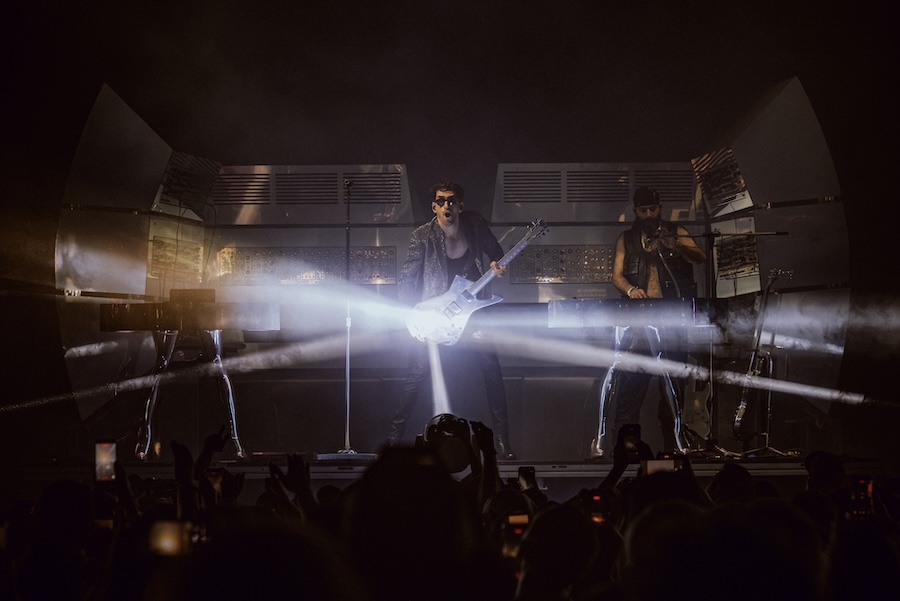
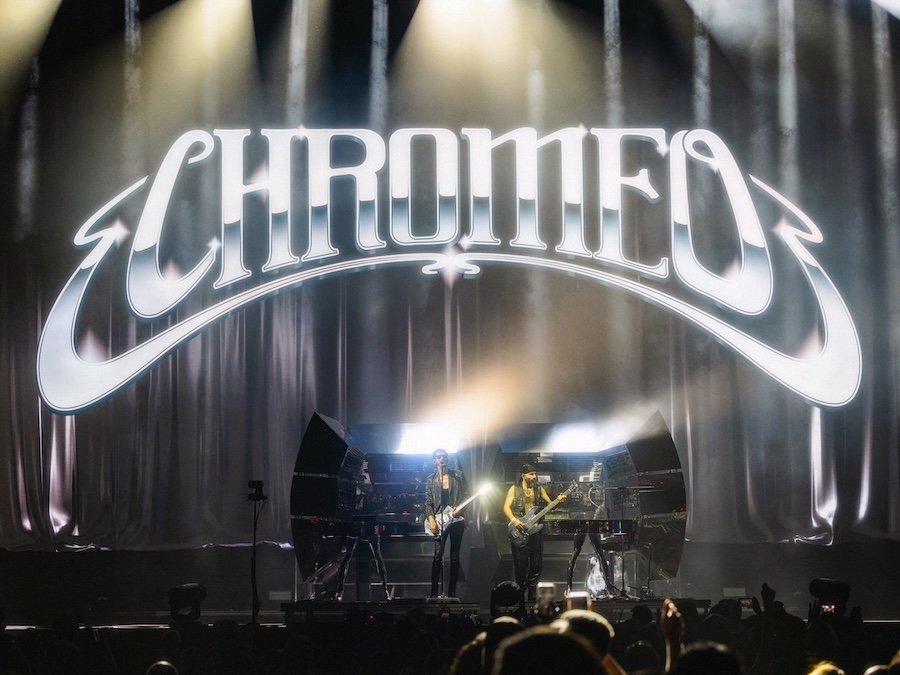
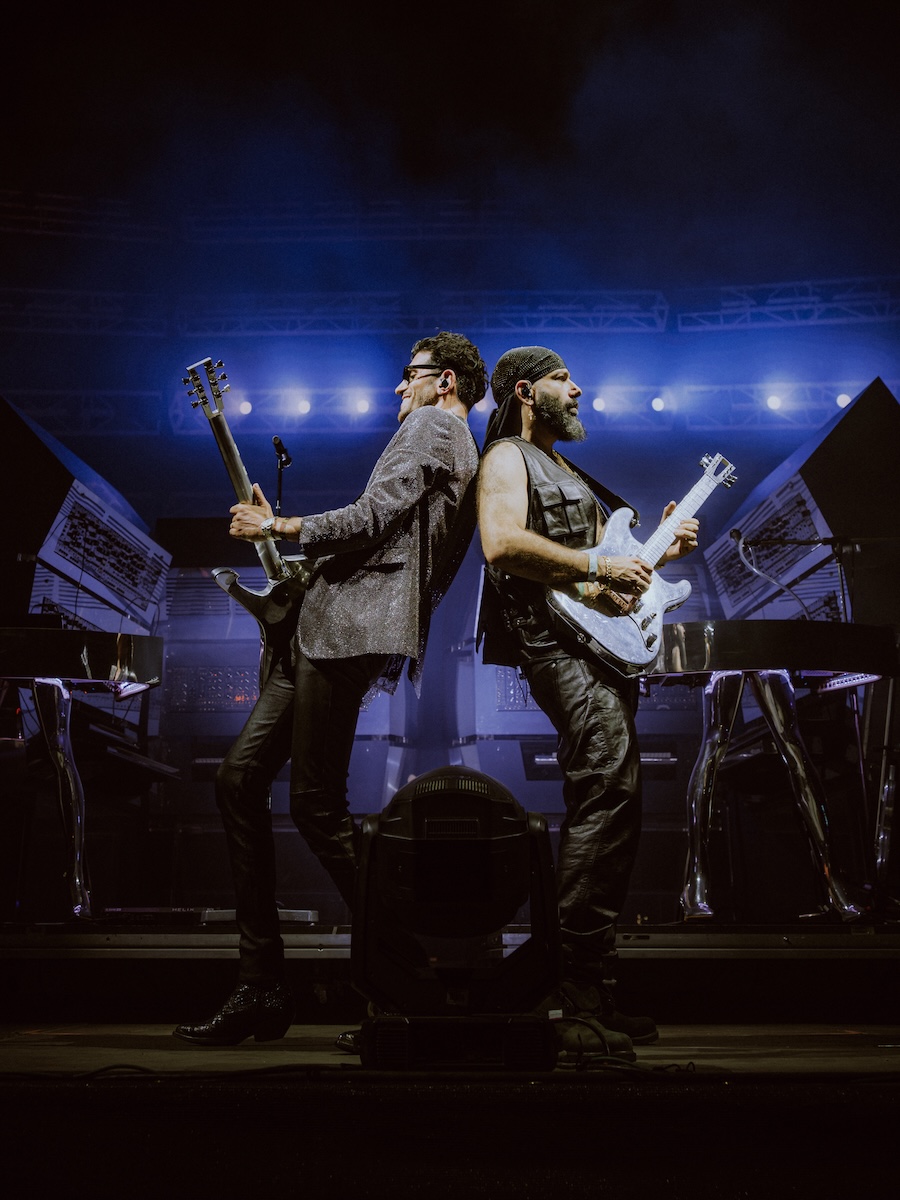
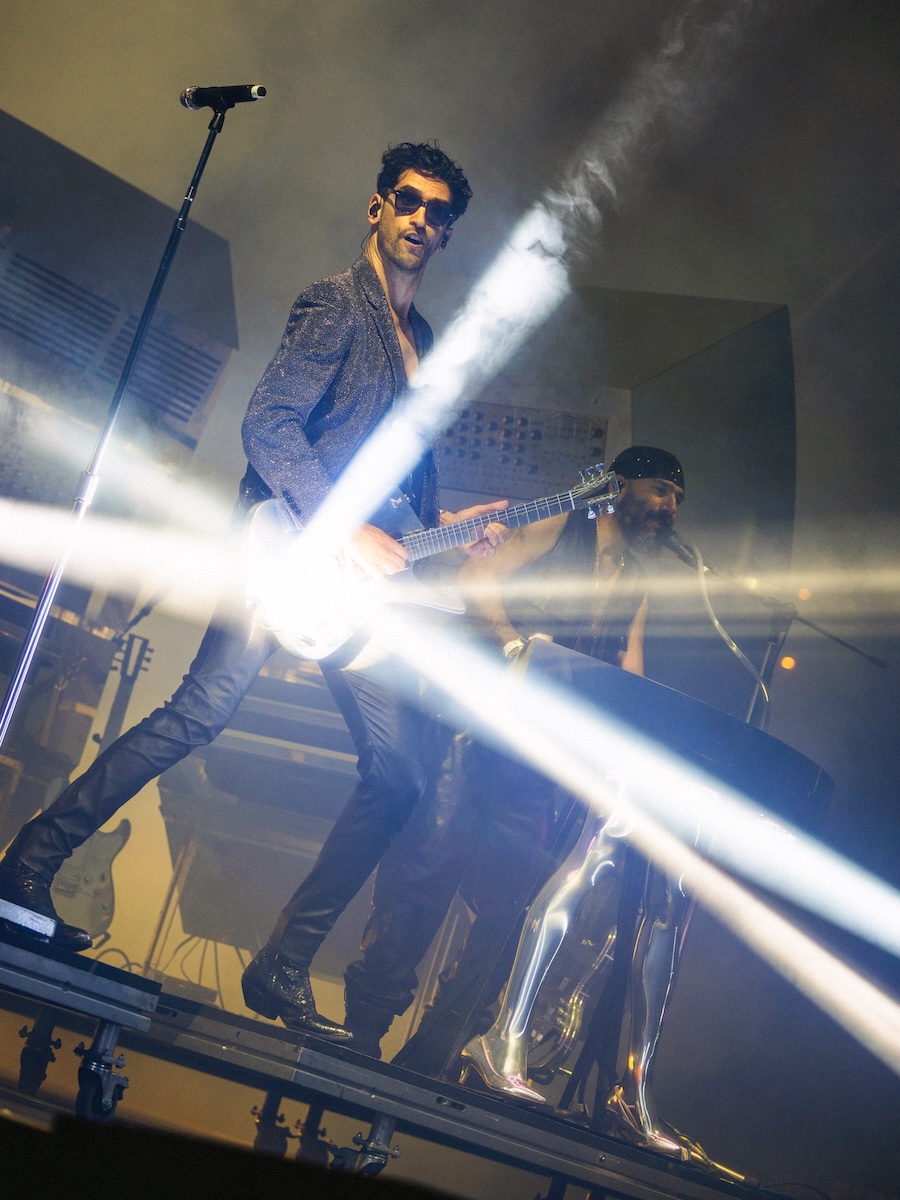
After Chromeo took over the Stardust Stage, The Strokes closed out the day beneath a web of green lights and lasers. Guitarist Nick Valensi, temporarily away from touring, was the major absence, one fans noticed immediately, but it did not alter the musical quality of an established band that moves with ease and confidence across any stage.
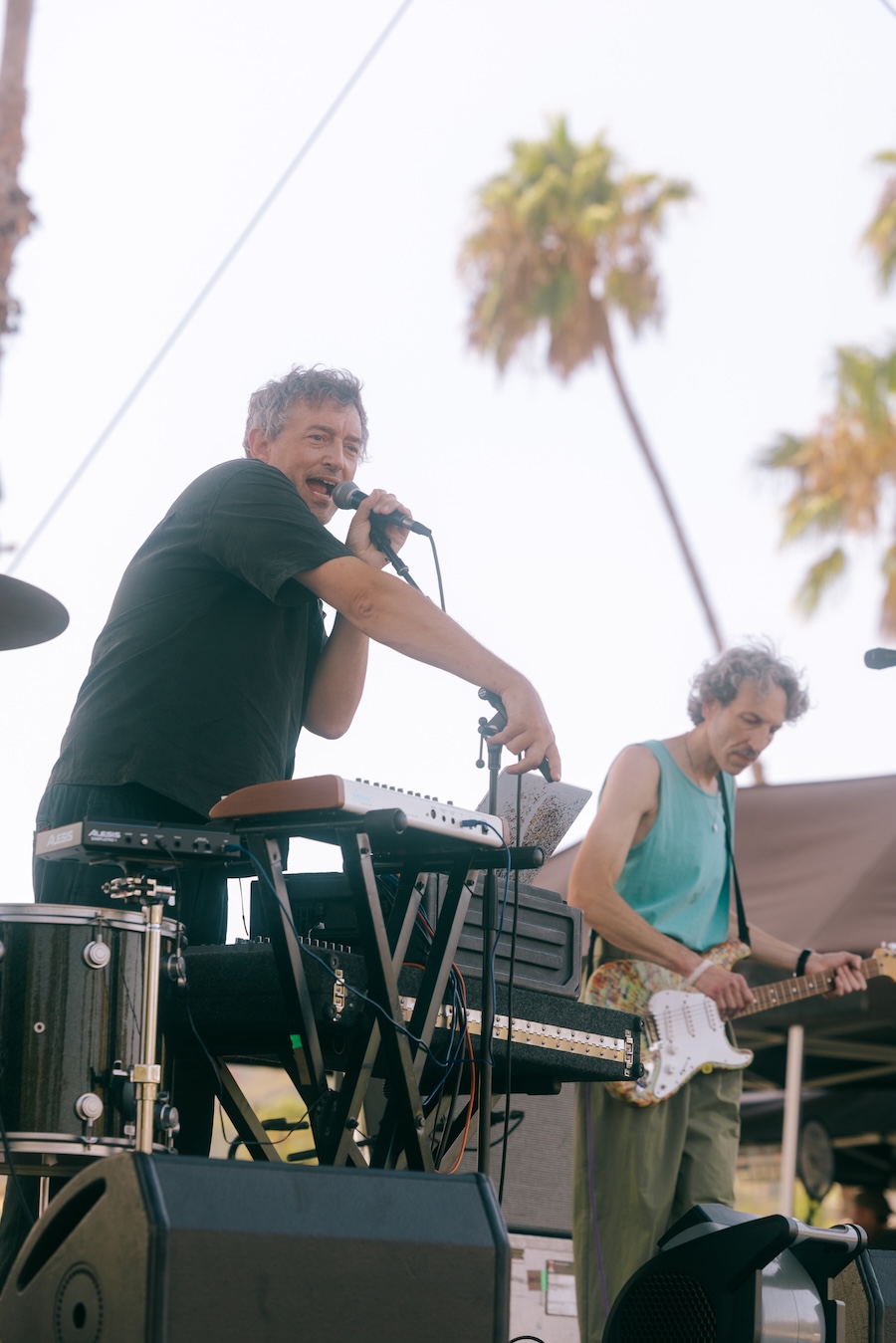
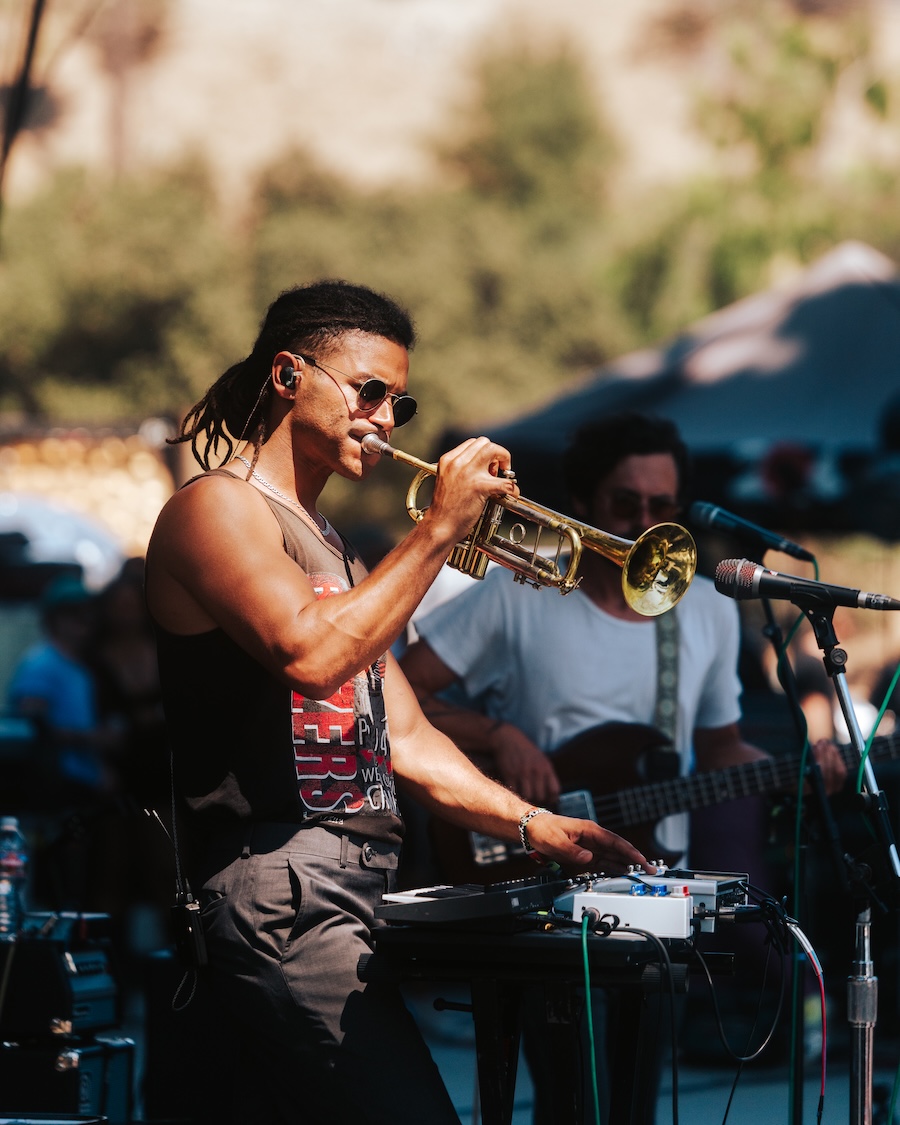
The Strokes were among the most anticipated acts, and although the band’s classics were the songs the crowd wanted most, “Going Shopping,” “Lonely in the Future,” and “Dine N’Dash,” from “Reality Awaits,” shared the set with “Hard to Explain,” “Someday,” “Reptilia,” “You Only Live Once,” and “The Adults Are Talking.” The encore also included the live debut of “Going to Babble On,” reinforcing the presence of the latest album within a show that could easily have been limited to replaying the band’s greatest hits.
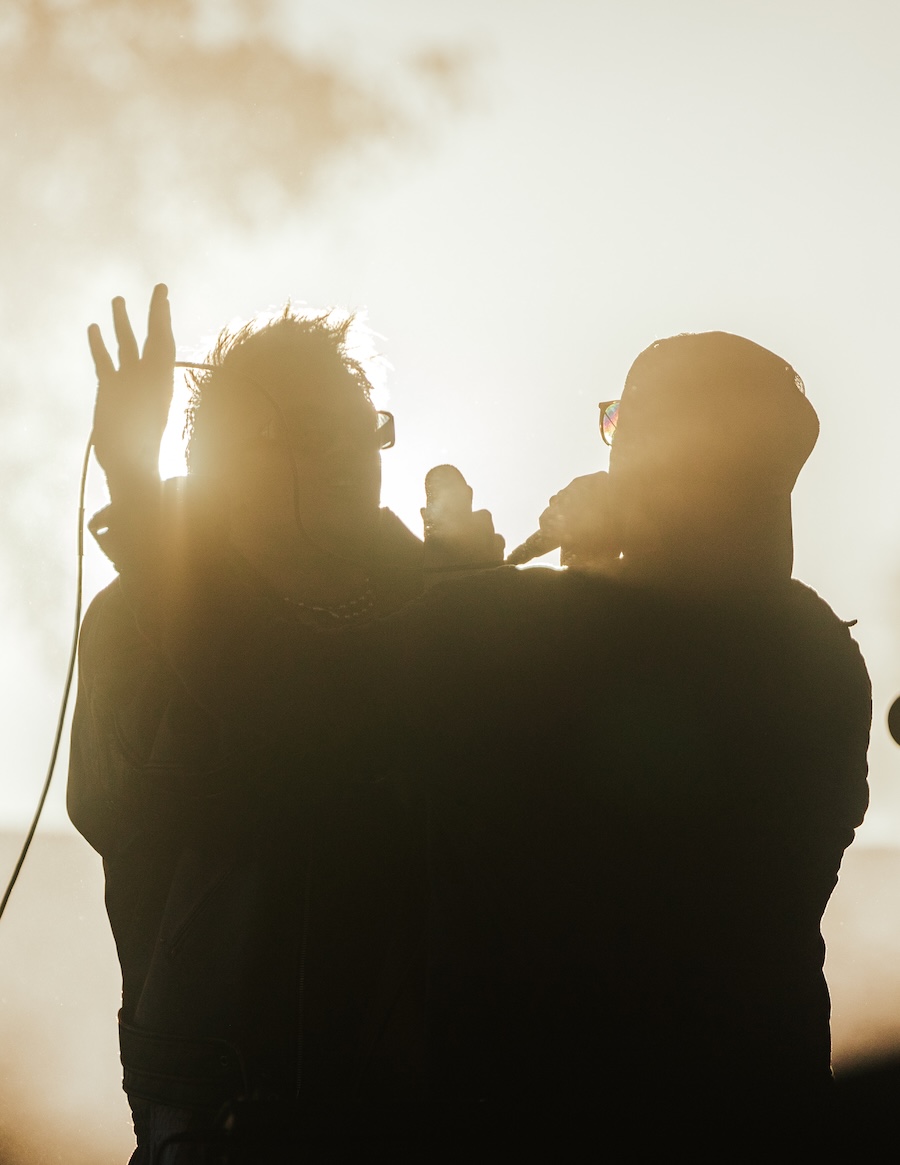
Julian Casablancas brought his usual dose of unpredictability. Between songs, he described Just Like Heaven as a “better Coachella” and called James Murphy the “Brett Favre of indie rock,” referring to LCD Soundsystem’s retirement announcement in 2011 and subsequent return. The joke became part of the exchange between two bands whose histories have accompanied the festival since its beginnings.
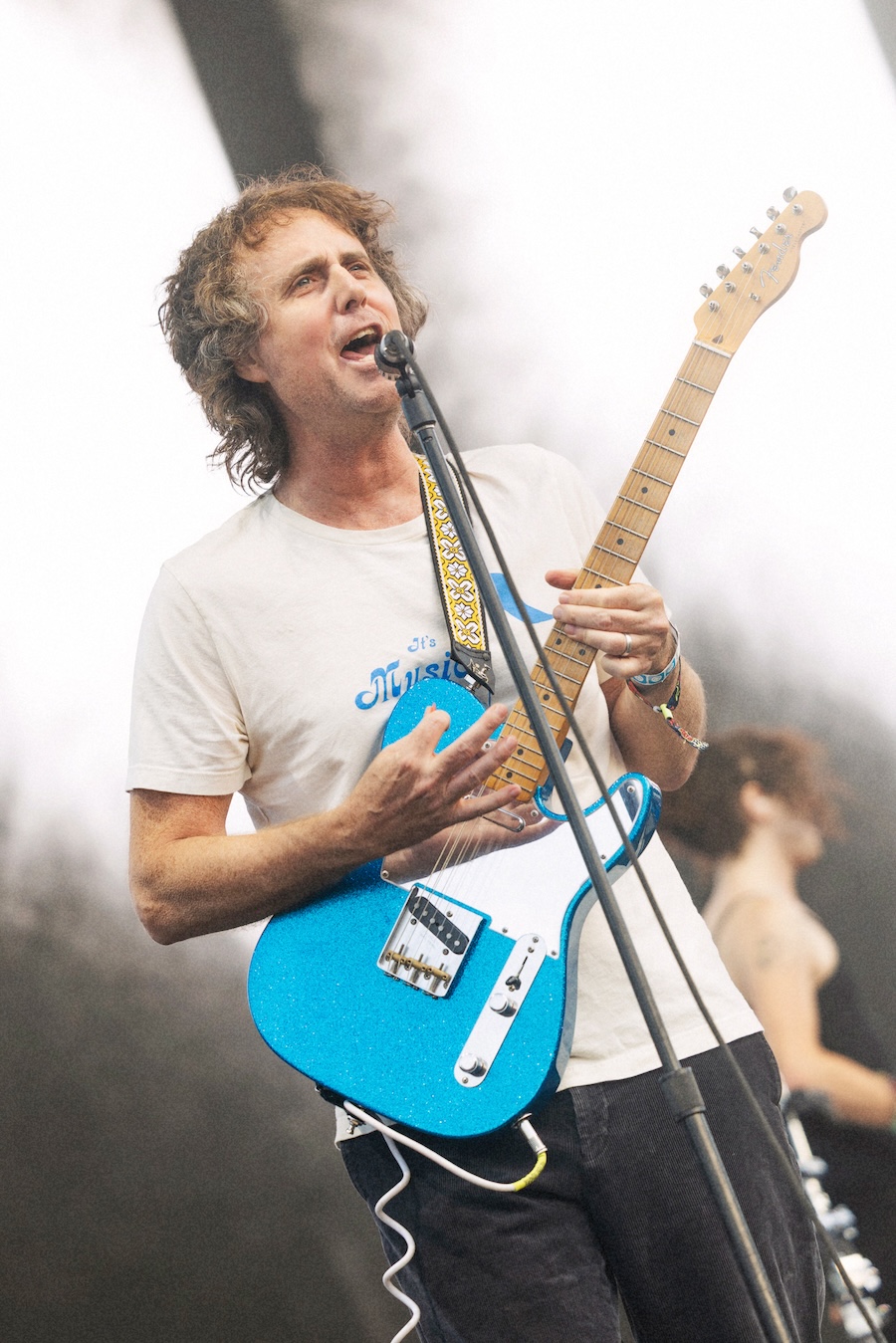
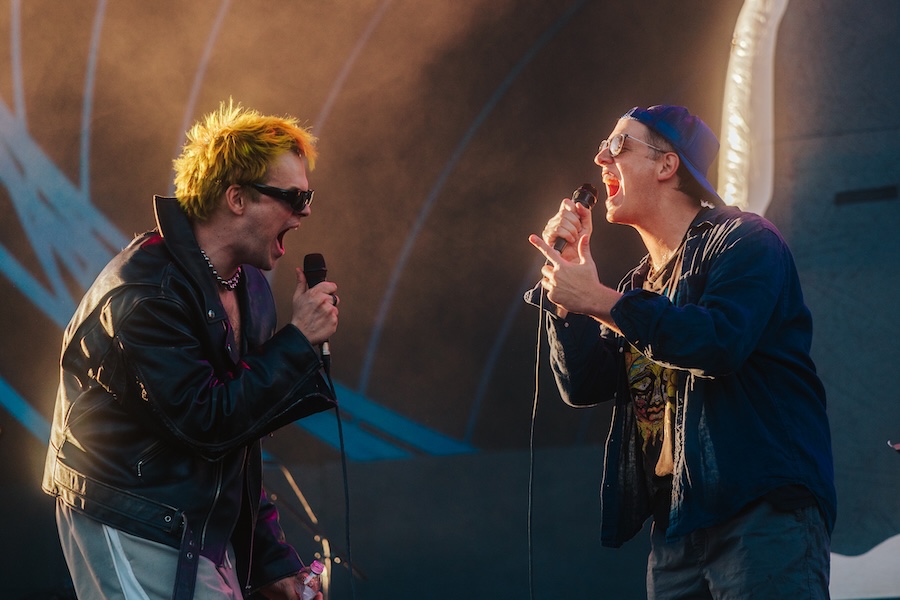
When someone in the crowd needed medical attention, Casablancas stopped the performance and asked people to clear a path. Looking at the opening in the crowd, he referenced the walls of death associated with IDLES shows and jokingly called this one a “wall of life.” The music resumed shortly afterwards, turning an otherwise routine interruption into one of the night’s most memorable moments.
Just Like Heaven 2026 brought the past back to Pasadena. New songs shared the stage with old favourites, different generations occupied the same grounds, and the brutal heat gave the day a physical intensity that nostalgia alone could never provide.