

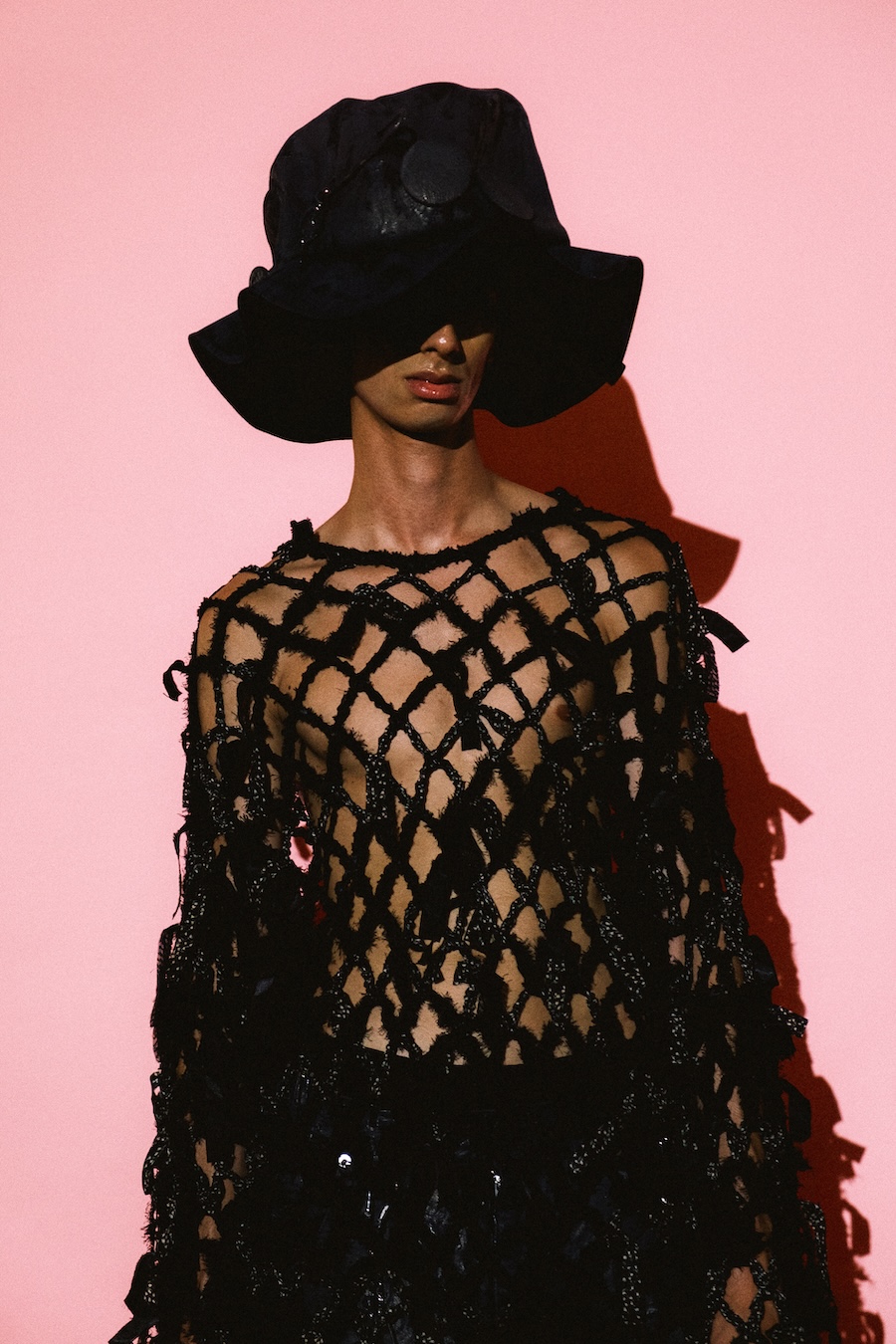
For over a decade, KIDILL has occupied a space where punk is less a dress code than a state of mind. Rejecting nostalgia in favour of constant evolution, Hiroaki Sueyasu continues to challenge conventional ideas of beauty through collections that embrace contradiction, imperfection and emotional honesty. With CHAOTIC DISCORD, the Japanese designer turns inward, presenting his most personal collection to date—one that finds harmony in unrest and beauty in remaining unfinished.
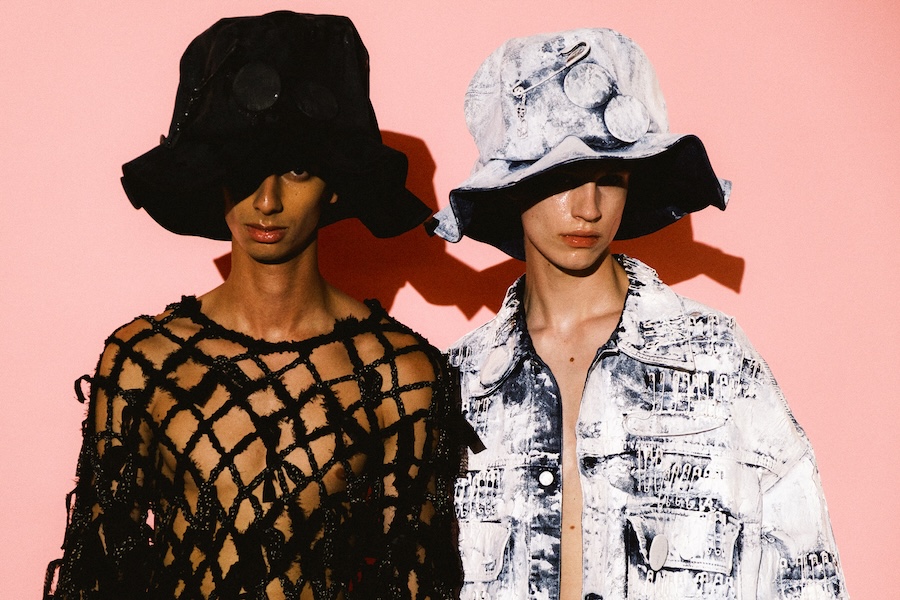
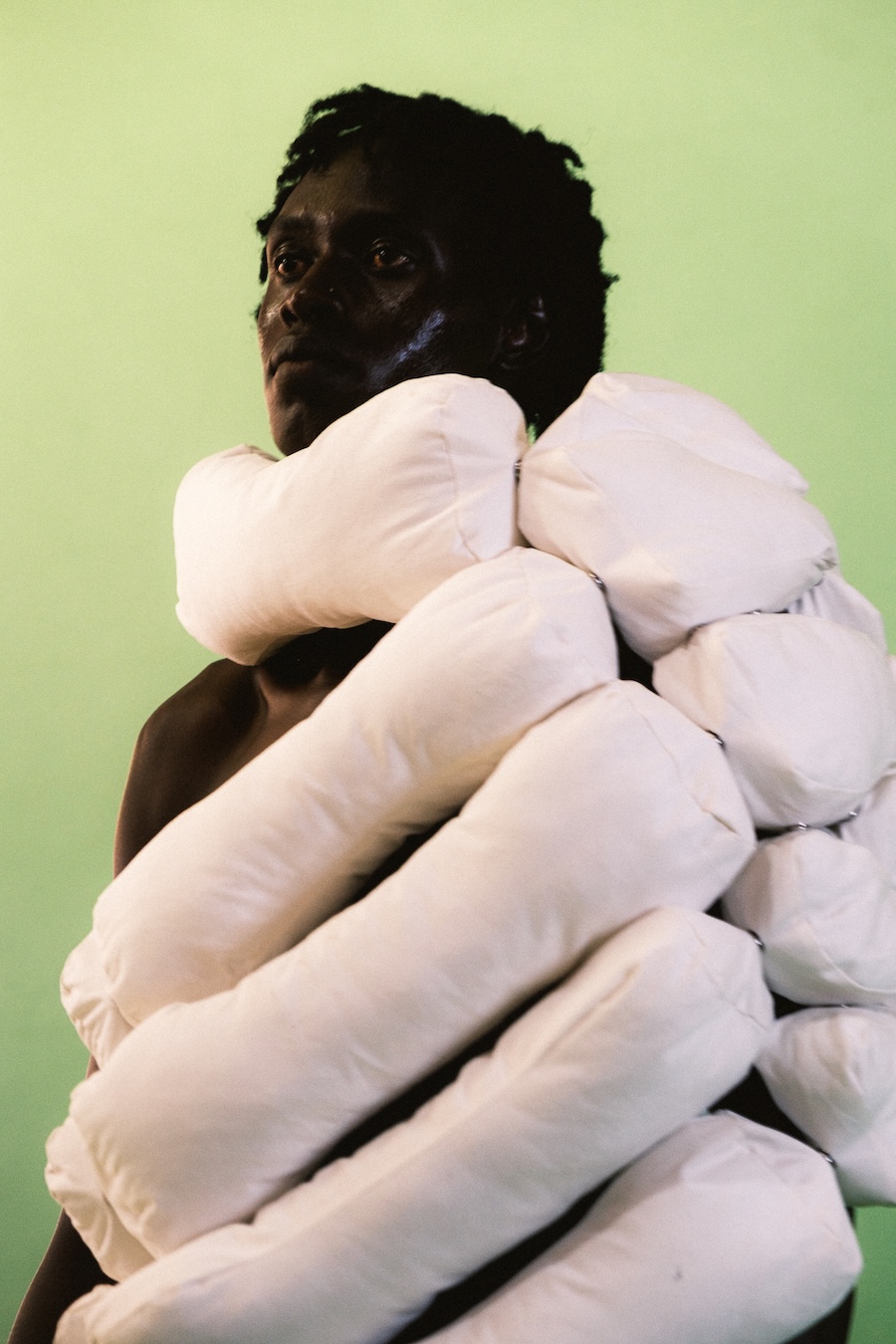
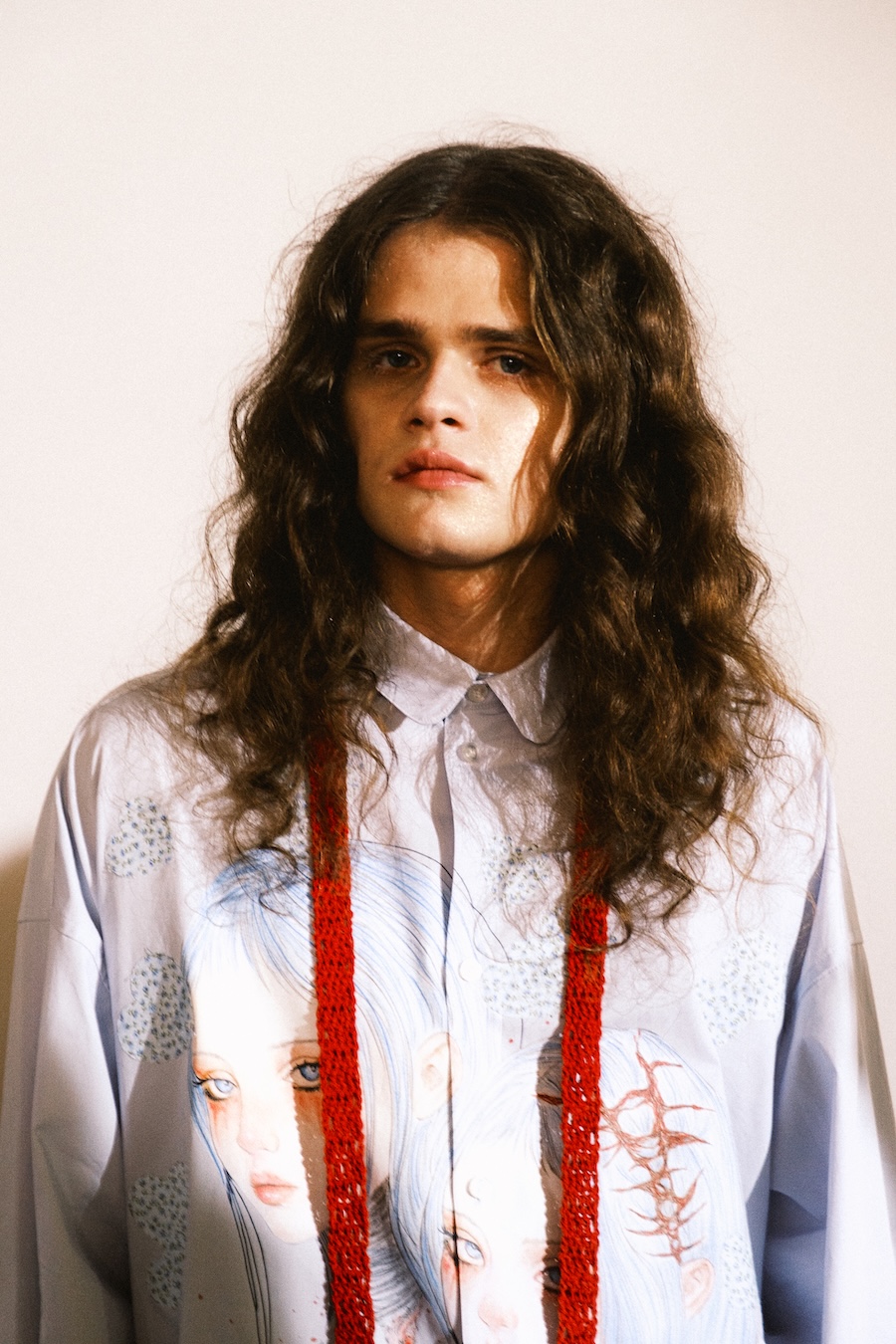
KIDILL has built a world that feels instantly recognisable without relying on a logo. What do you think is the invisible thread connecting every collection you’ve made?
One thing that has never changed is that I always infuse my clothing with a spirit of rebellion. While the theme of each season evolves, my mindset and values as a designer remain the same.
Your collections often blur the line between clothing and wearable art. When you begin a new season, are you thinking first about silhouette, narrative, music, or something else entirely? Are there particular films, directors or visual storytellers that continue to influence how you build a collection? What is your process?
The first thing I think about is the overall mood of the collection. As I begin sketching countless ideas and exploring what the next collection could become, the concept gradually starts to take shape. Up until my previous collections, I think my work reflected the people, objects, and cultural influences that had inspired me. For the Spring/Summer 2027 collection, however, I decided to leave all of that behind. Instead, I focused on the instincts and emotions that naturally emerge from within myself. I believe this collection reflects a much more personal expression of my own inner world.
Your work embraces contradiction, beauty and destruction, innocence and rebellion. Do you think contradiction is essential to creativity? The title of your upcoming collection, Chaotic Discord, suggests that conflict itself can become a creative force. At what point does chaos stop being destructive and become productive in your design process?
I don’t consciously set out to destroy things. My stronger motivation is to create something new. There are moments in the creative process when I literally deconstruct or break apart what I’ve made, but I see those acts as a necessary step toward discovering new ideas and new forms. This season, I wanted to embrace contradictions within the garments themselves, question conventional notions of beauty, and use the collection as a way to push my own evolution as a designer.
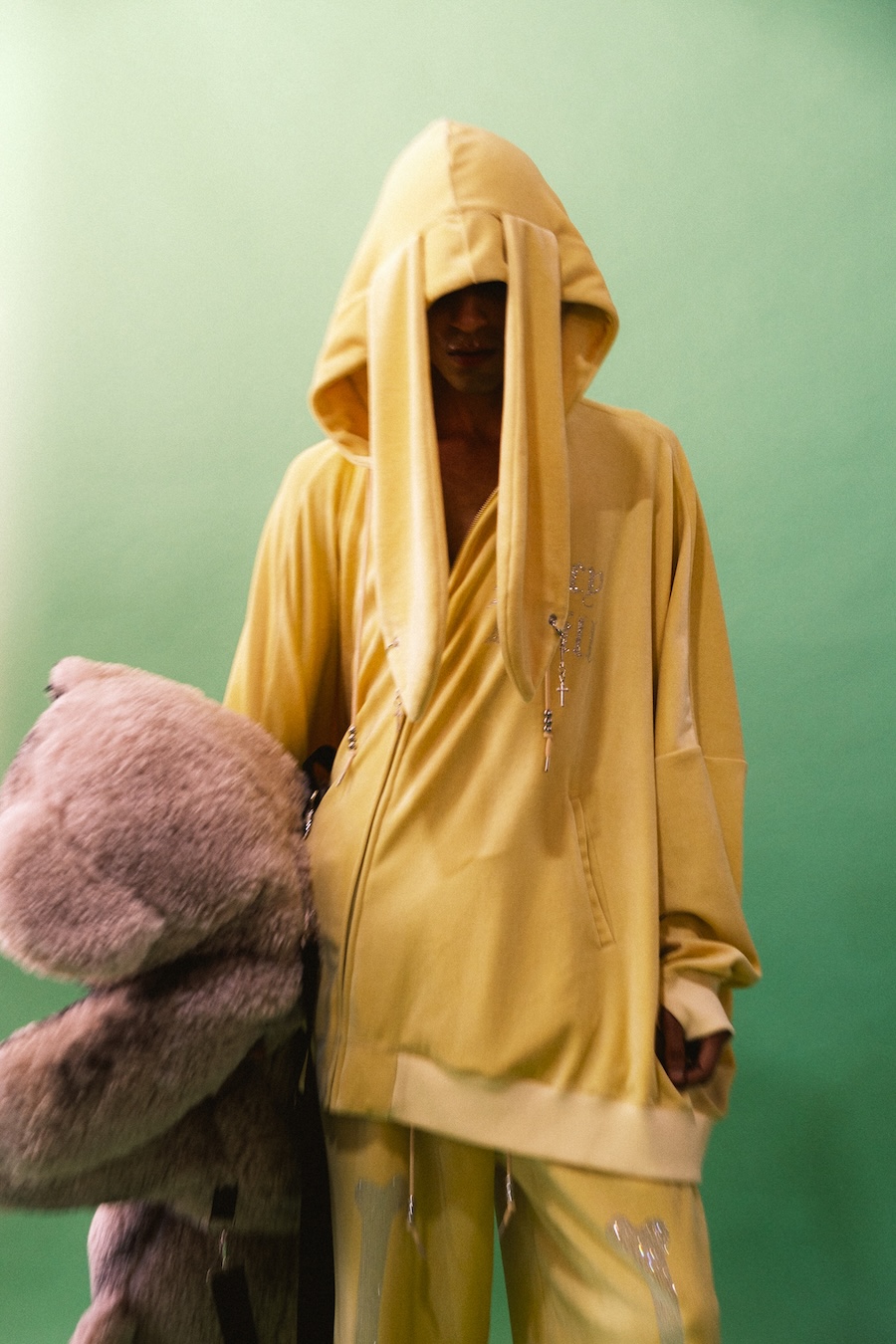
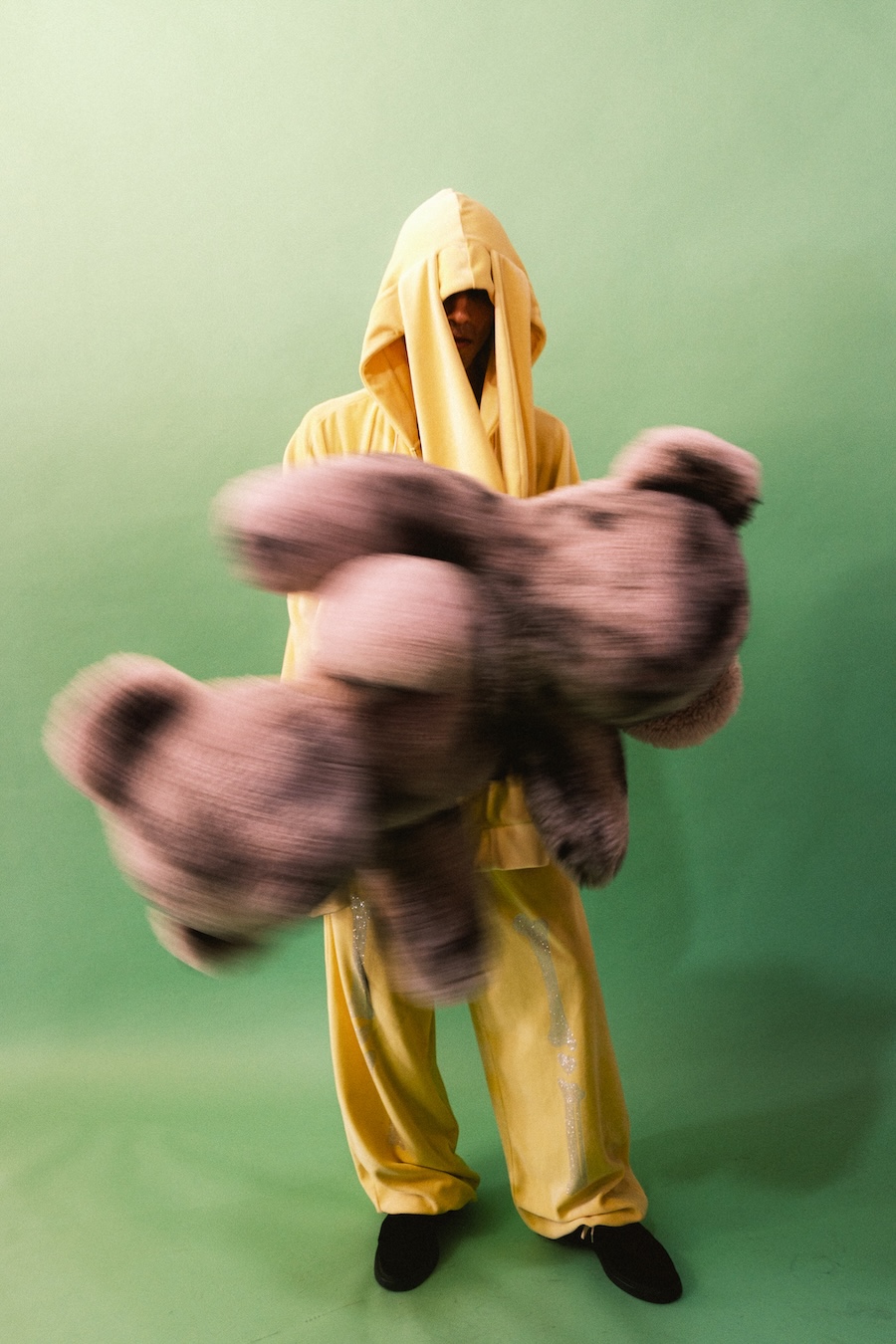
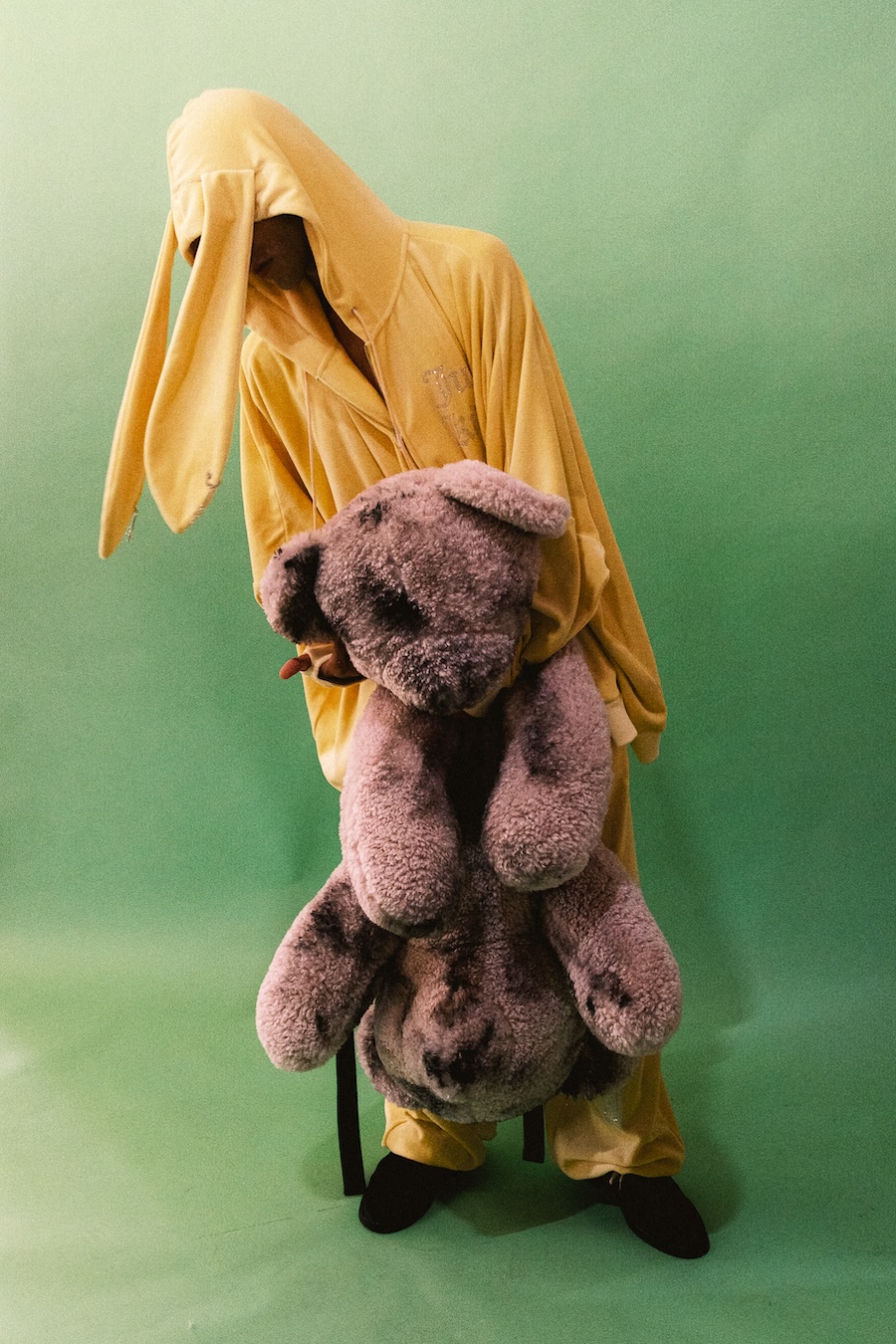
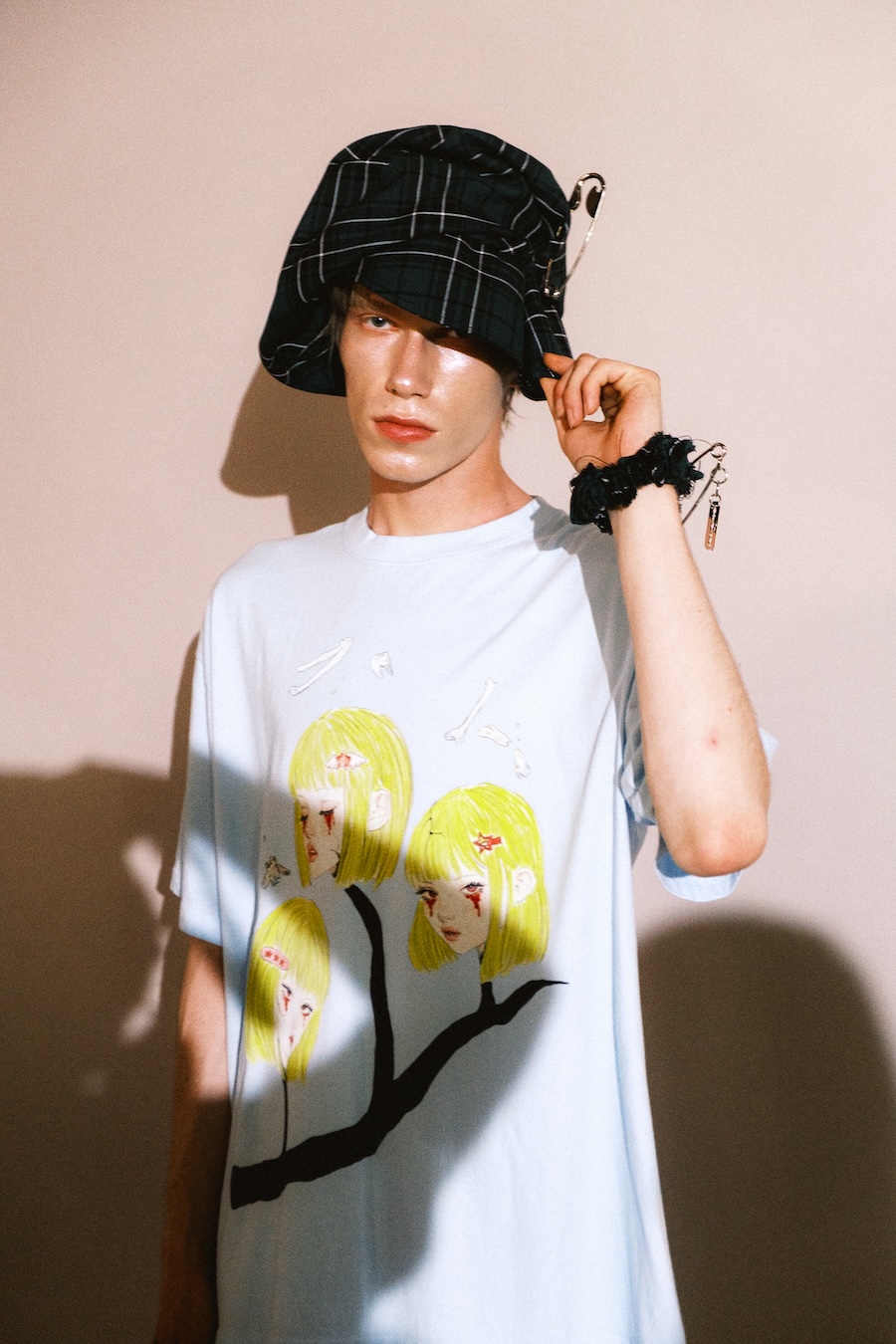
Many designers reference punk aesthetically, but KIDILL often captures its emotional energy instead. What aspects of punk culture still feel genuinely radical to you today?
I don’t want punk to become just another aesthetic or a set of stylistic conventions, nor do I want to simply recreate the punk of the past. To me, KIDILL is about the spirit of punk rather than its appearance. There’s no point in being nostalgic or romanticising what has already existed. Instead, I want to leave that kind of nostalgia behind and keep challenging myself to create something new.
There is an interesting tension between precision and spontaneity throughout Chaotic Discord. How do you know when a garment feels ‘finished’ if the goal is to preserve a sense of disorder?
To be honest, I’m not even sure whether it’s truly complete myself. I’ve introduced chaos and contradiction into forms and materials that are conventionally considered beautiful. For me, CHAOTIC DISCORD is a process of evolution―a way of challenging myself and testing my limits as a designer. I’ve never felt completely satisfied with any garment I’ve made, and I don’t expect that feeling will ever change. I think I’ll continue designing without ever reaching a sense of completion. In a way, I believe that remaining unfinished is what allows you to keep moving toward the future.
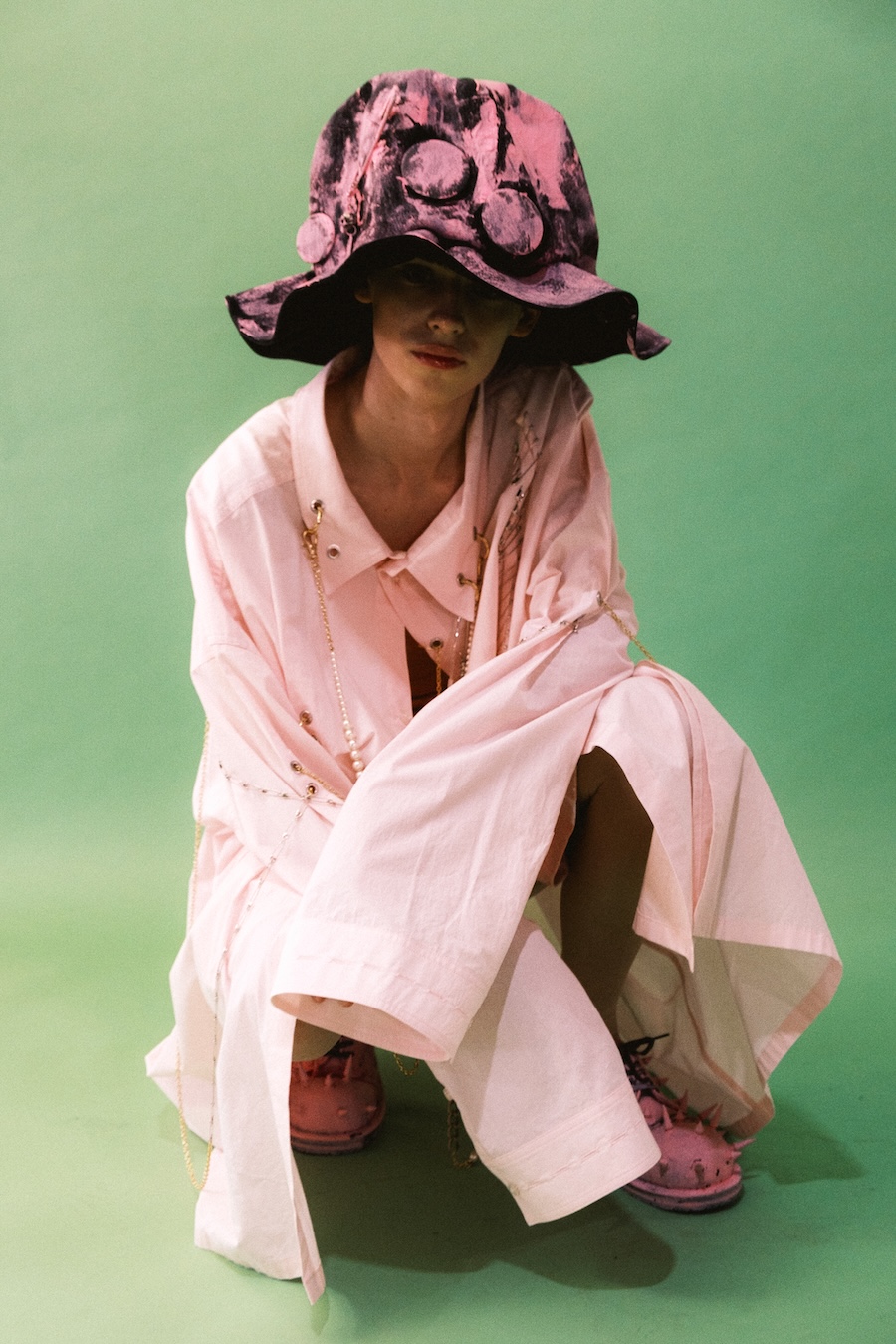
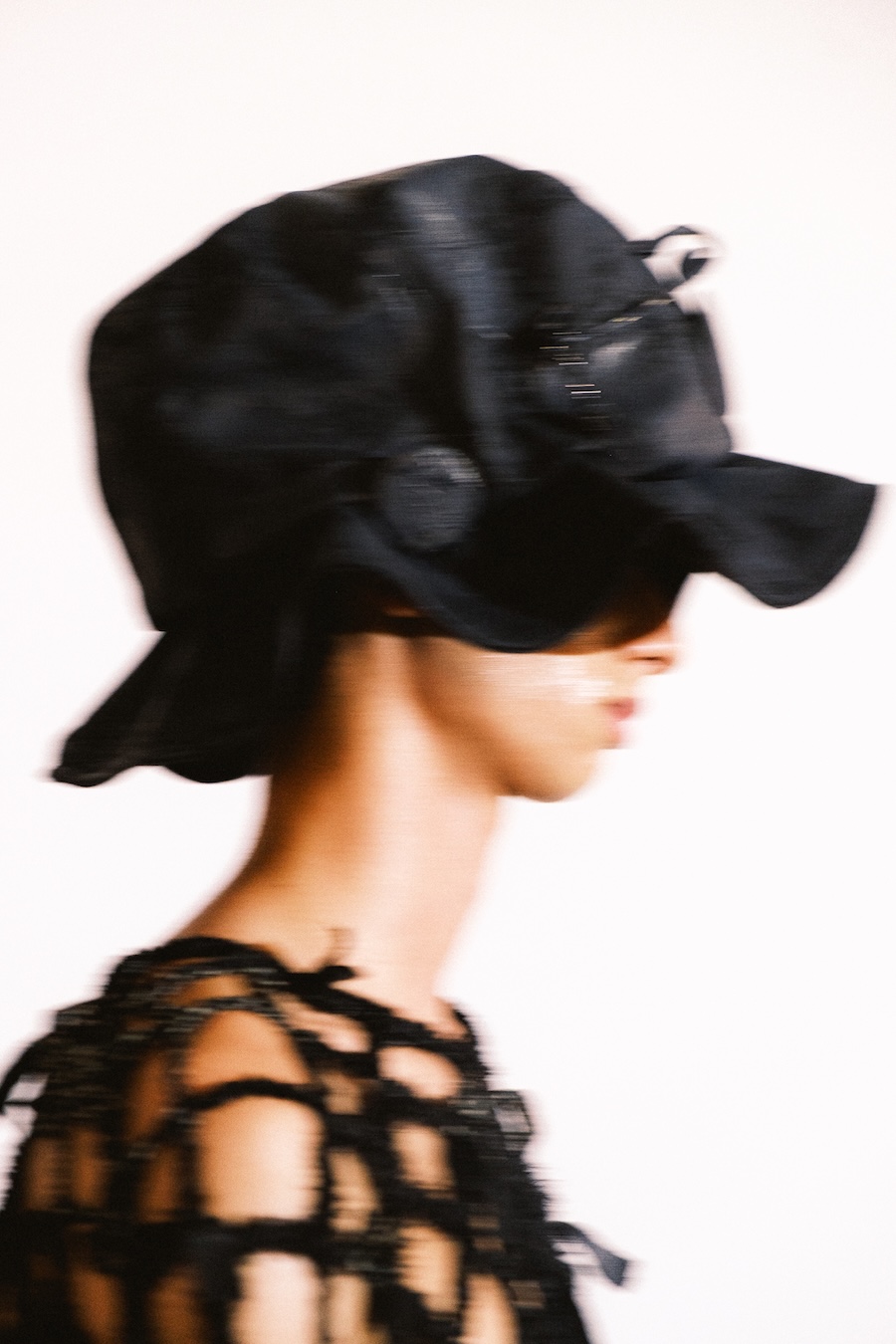
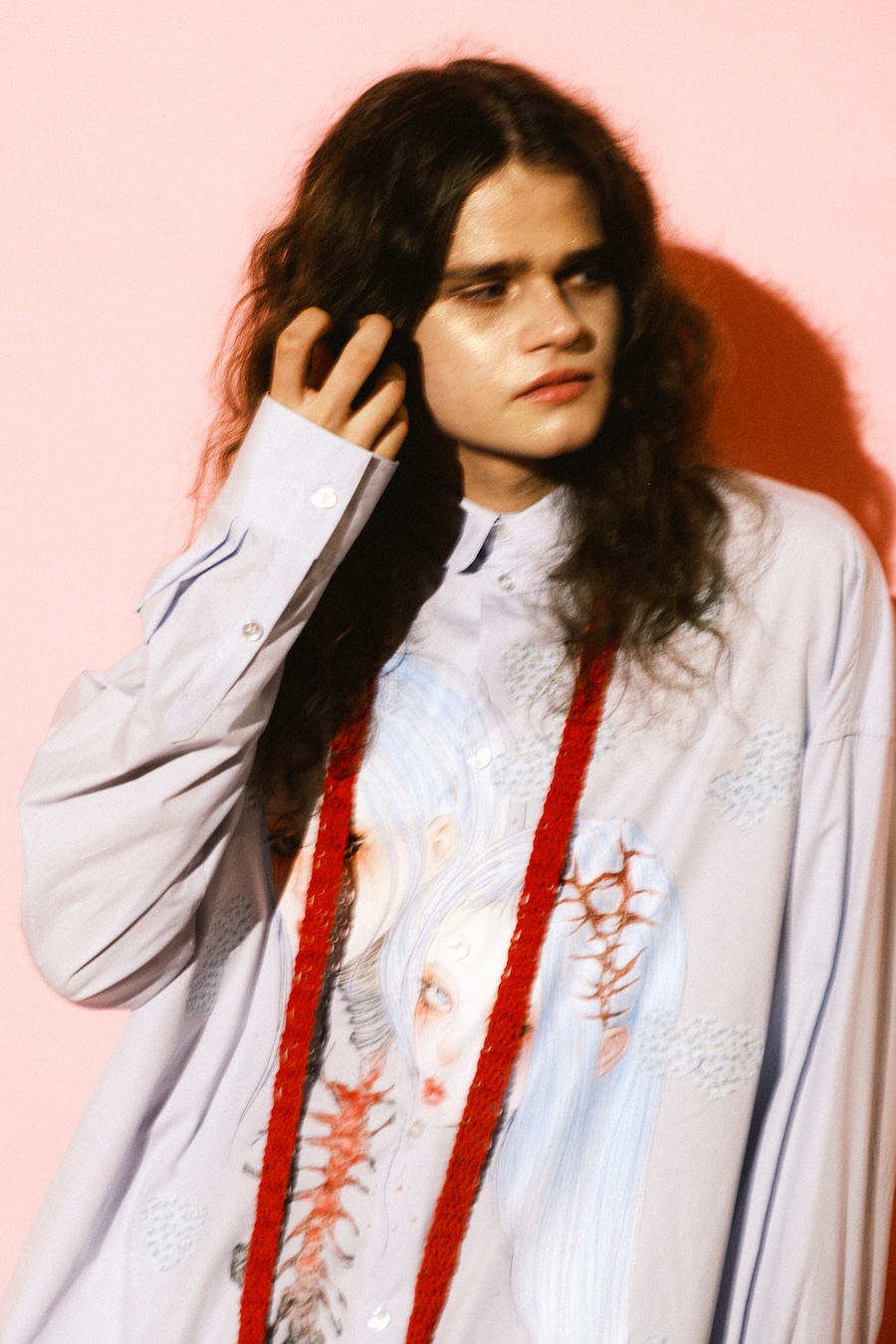
Collaboration has always been part of KIDILL’s identity, whether through artists, graphic work or craftsmanship. How do you decide when another creative voice will strengthen a collection rather than dilute it?
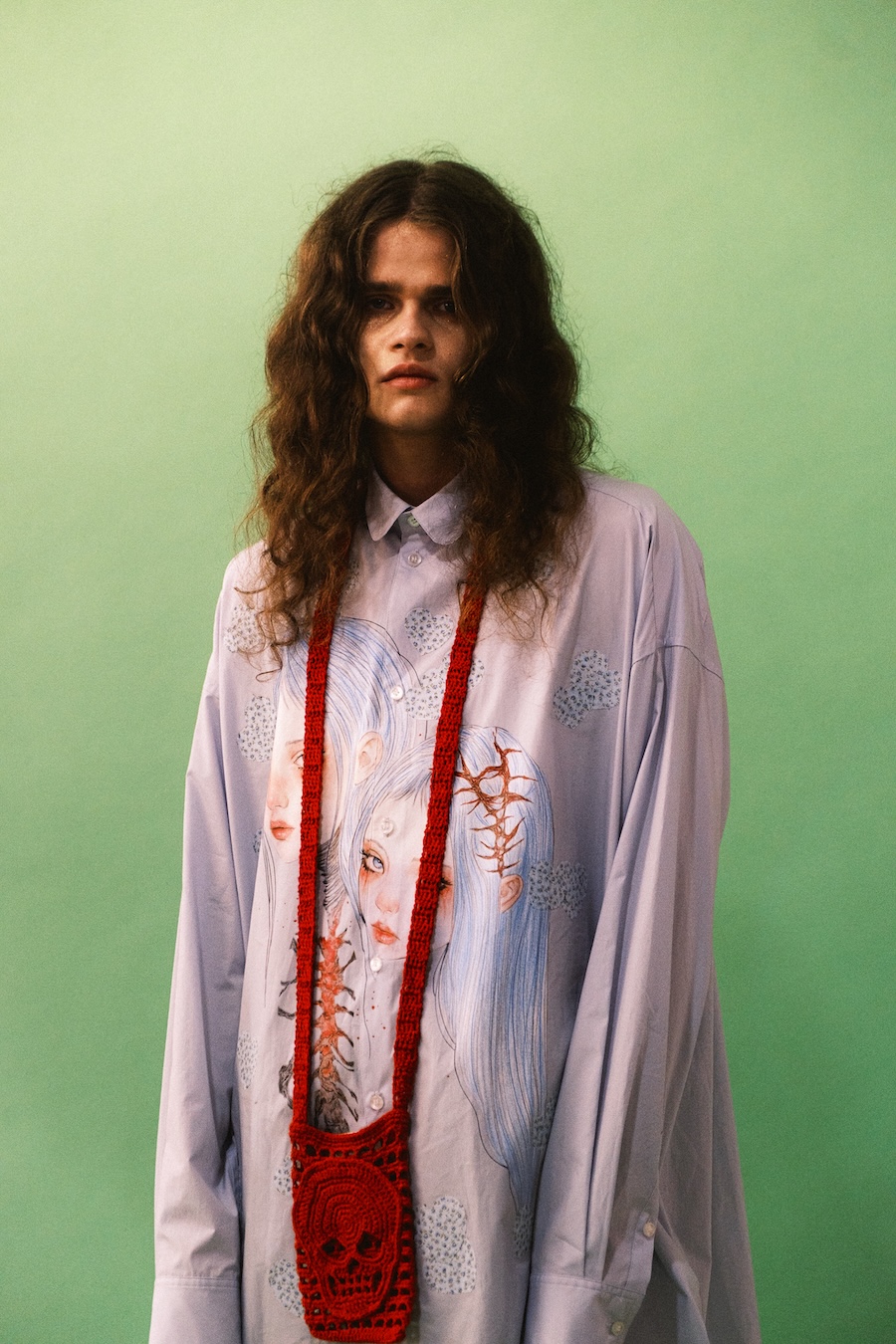
I’d love to collaborate with people who share a similar philosophy and way of thinking. This season, I worked with Amanda M. Jansson @amanda_mjnssn on the artwork for the first time. The moment I came across her work on Instagram, I immediately connected with it. I felt that the world she creates naturally resonates with the spirit of KIDILL. Collaborating with talented artists like her gives me new perspectives and expands the way I see things. Above all, I think it’s important to keep looking forward and to always continue evolving into a new version of myself.
Japanese fashion has a long history of challenging conventional beauty through designers like Rei Kawakubo and Yohji Yamamoto. Where do you see KIDILL fitting within that conversation today, and where do you deliberately depart from it?
Growing up, the work of Rei Kawakubo and Yohji Yamamoto was already part of the fashion landscape around me. As a student, I wore Comme des Garçons myself, so I do not doubt that their work has had a profound influence on me. What resonates with me most is the way they challenged established notions of beauty and value, creating entirely new forms of beauty in their place. That spirit is one of the reasons I fell in love with fashion in the first place. In that sense, I feel there is a certain destiny that comes with being a Japanese designer.
At the same time, as the designer of KIDILL, I believe it’s essential to develop an originality that is distinctly my own and to keep evolving beyond my previous work. With every collection, my goal is to surpass who I was the season before.
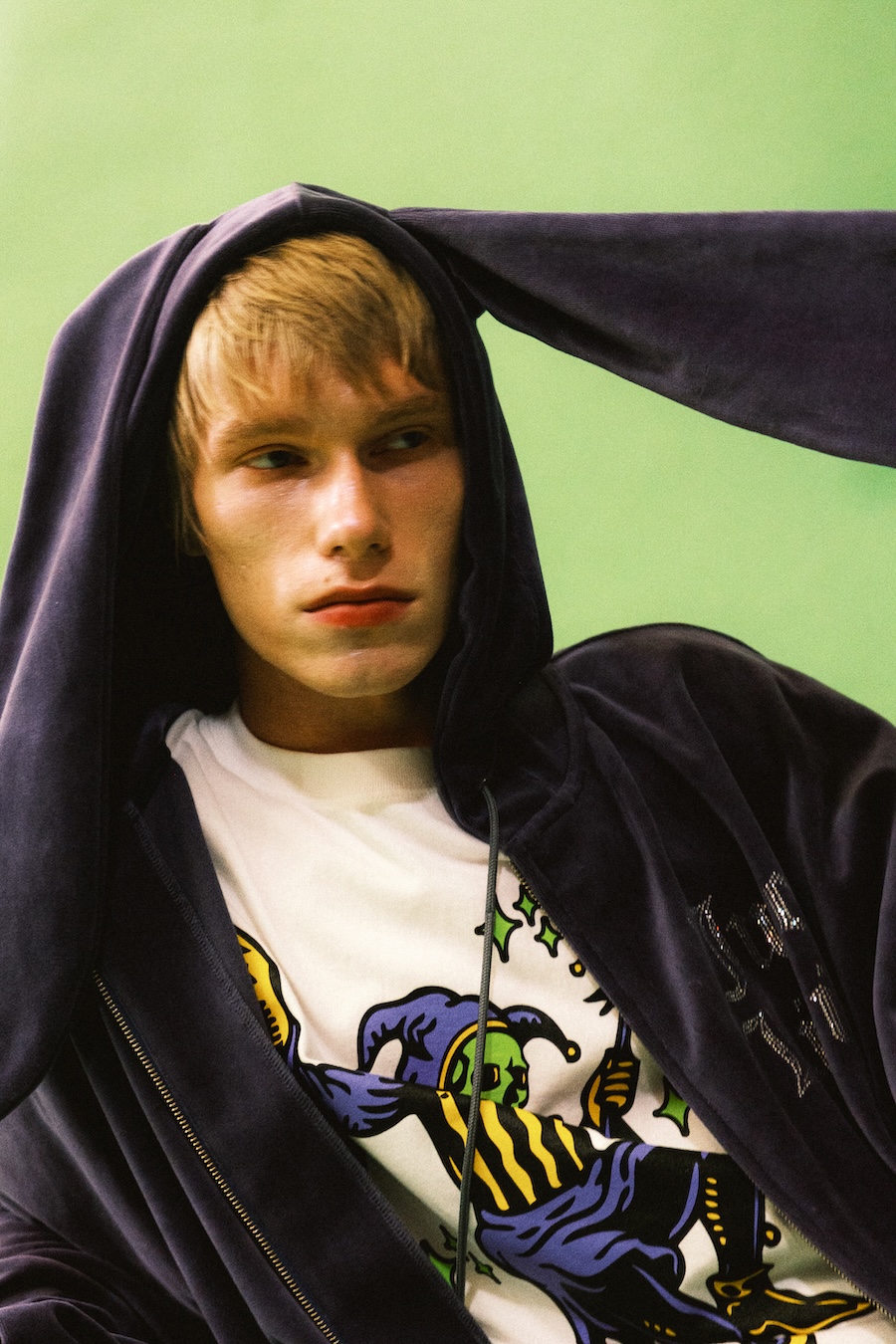
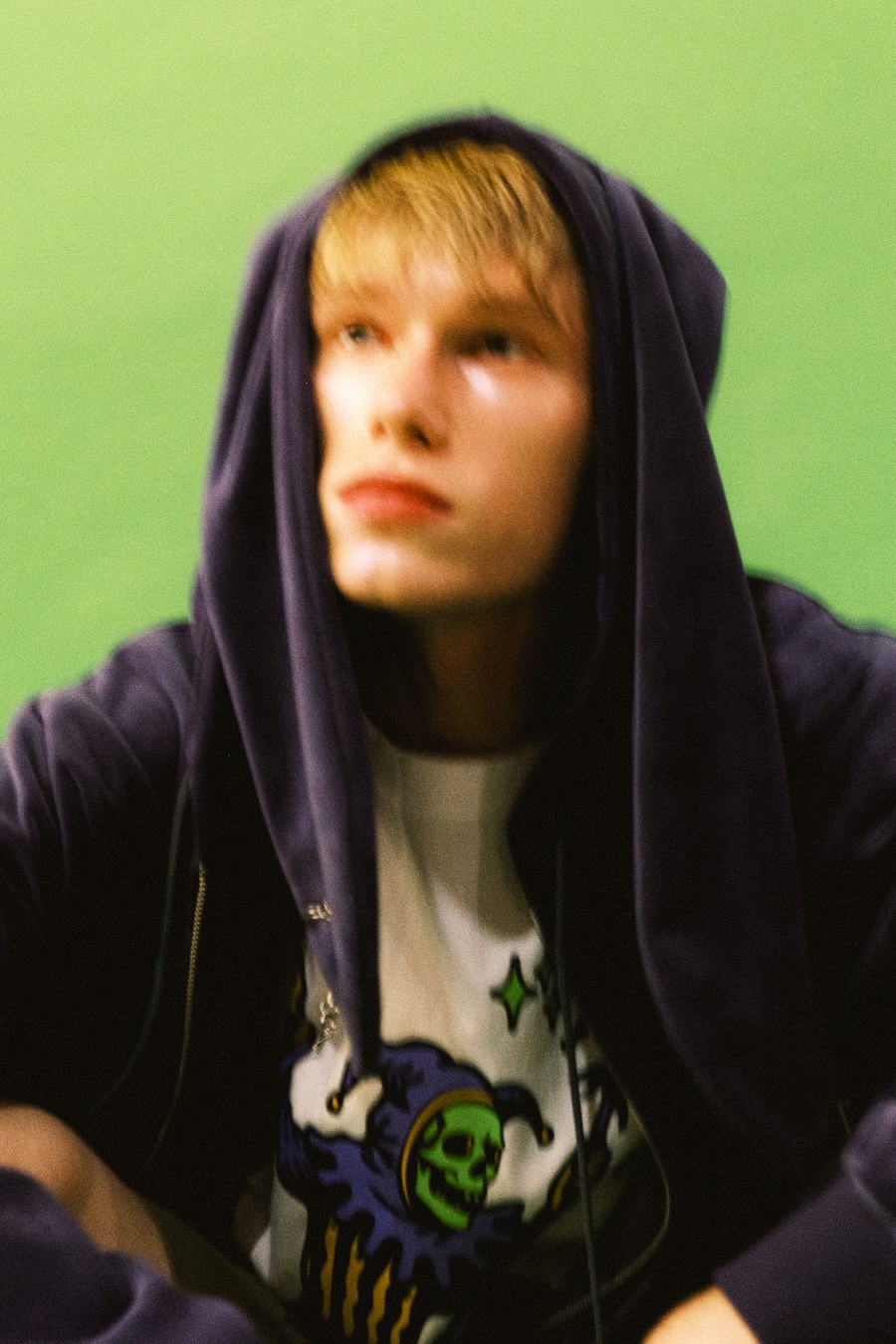
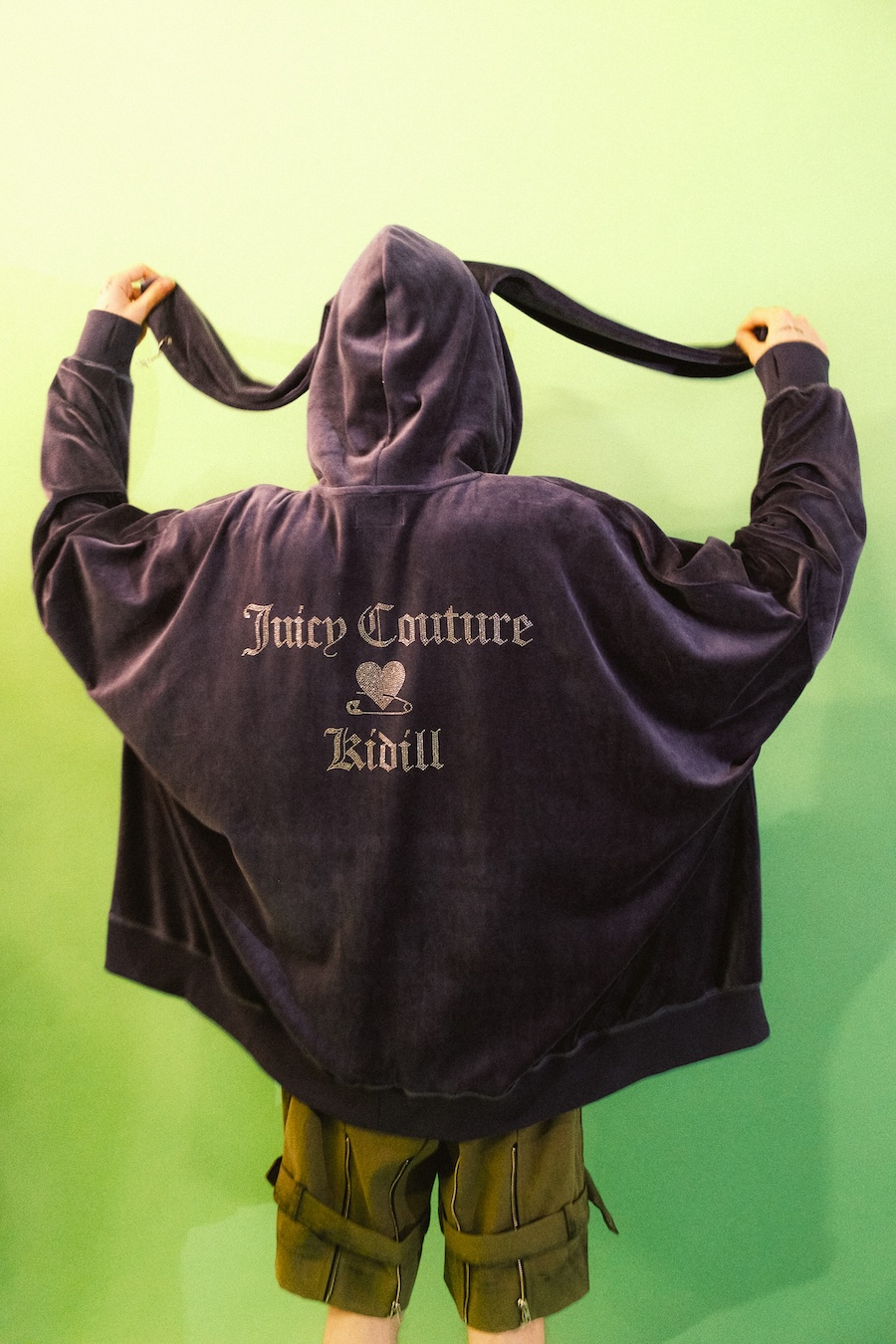
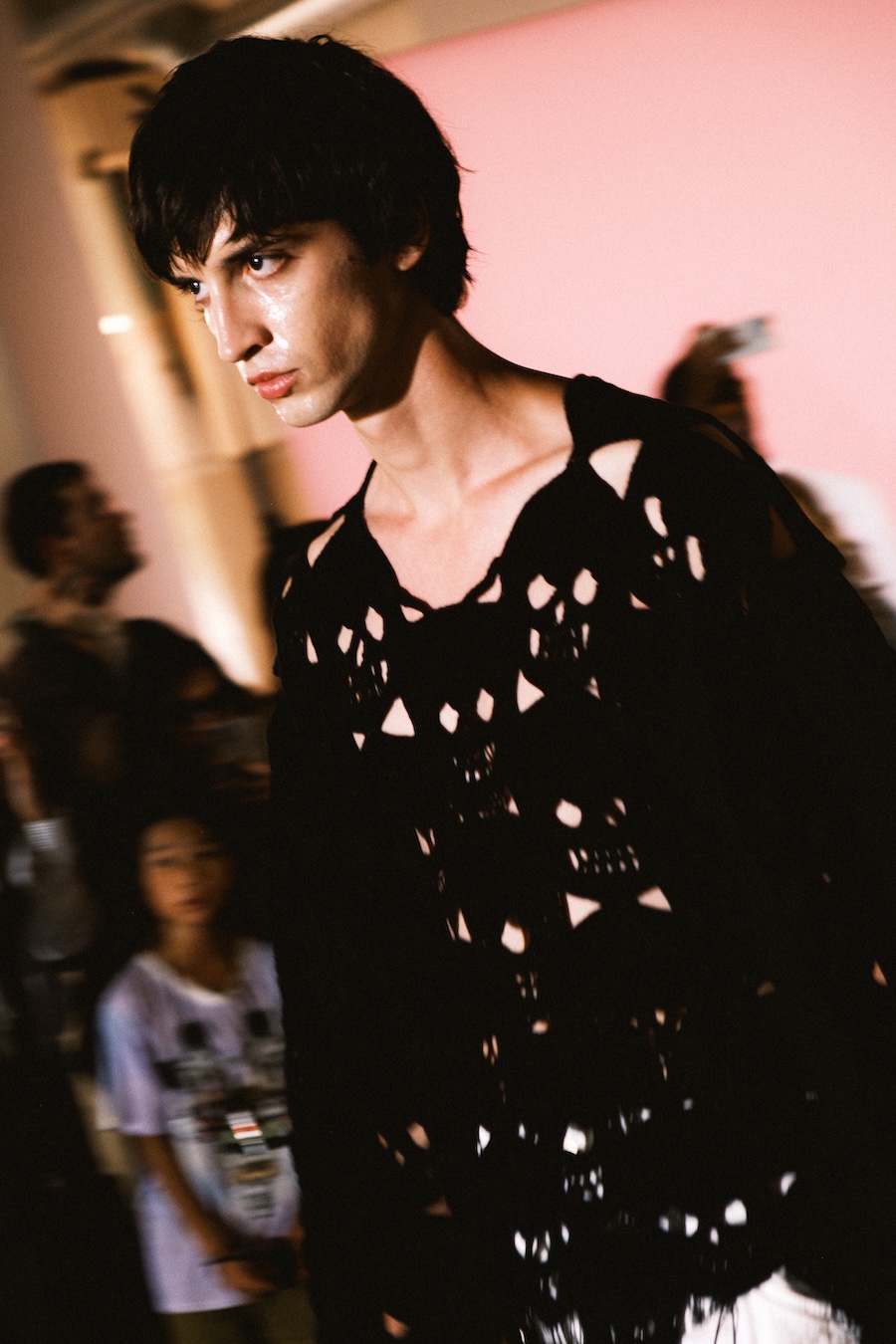
Many people describe your collections as rebellious, yet there is also a remarkable level of technical discipline beneath them. How important is craftsmanship in creating something that appears almost accidentally assembled?
Japan has an exceptional tradition of craftsmanship and the environment to support it. Each garment is created through the accumulation of countless small details that can only be achieved by hand. I believe the DIY spirit is at the very core of KIDILL. Today, almost anything can be made quickly and easily. Precisely because of that, I find value in creating things that cannot be made so easily.
If Chaotic Discord could leave audiences with one lasting feeling―not about fashion, but about the world we’re living in―what would you hope that feeling is?
Specifically with CHAOTIC DISCORD, I hope it resonates with a small group of people who share a sensibility similar to my own. It’s my way of saying that this, too, is a form of beauty. To be honest, I don’t think I’m overly concerned with how audiences are expected to respond to my work. More than anything, I want to create what feels true to me. When the time comes to look back on my life, I simply hope I can do so without regrets and feel that it was a life fully lived.
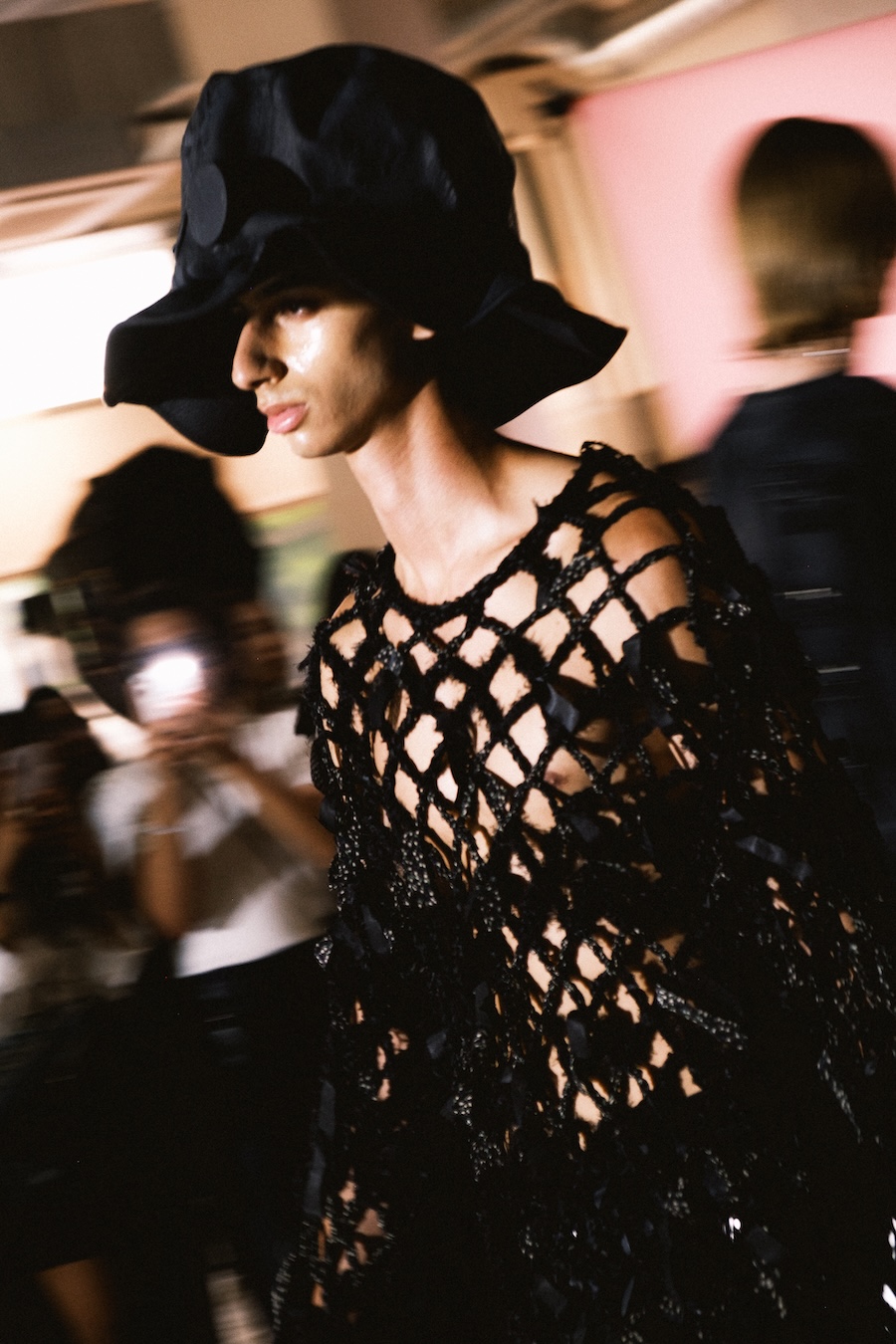
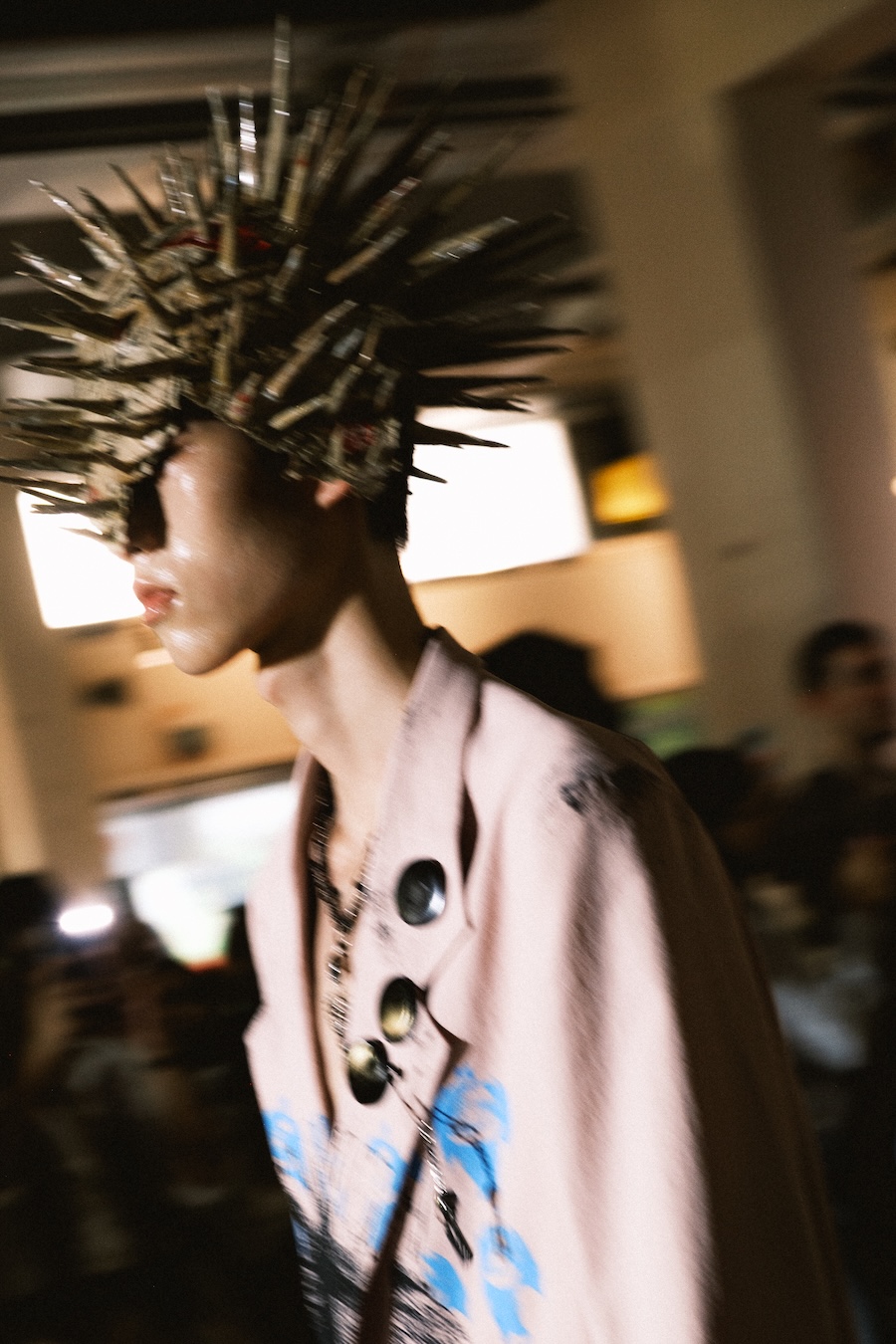
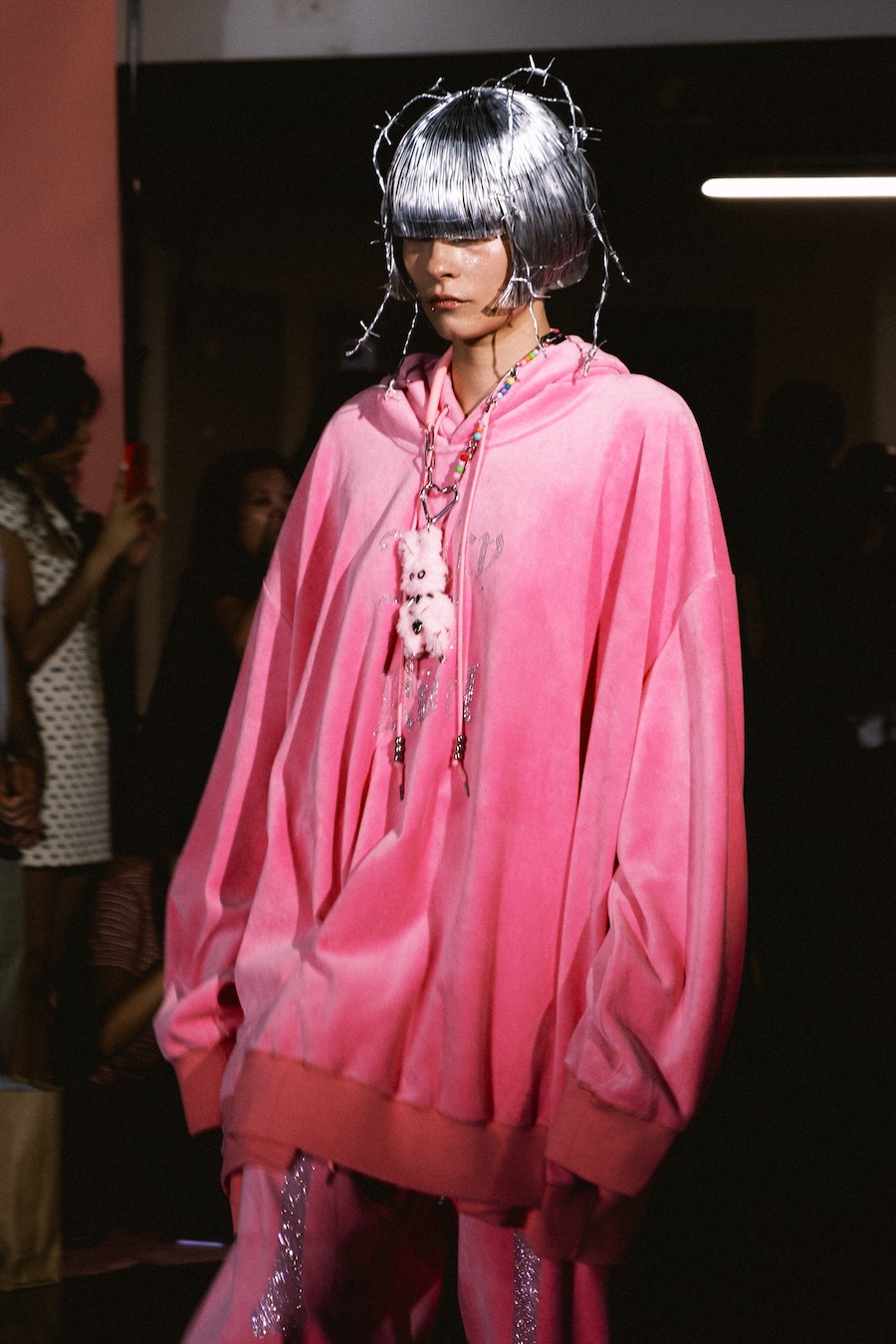
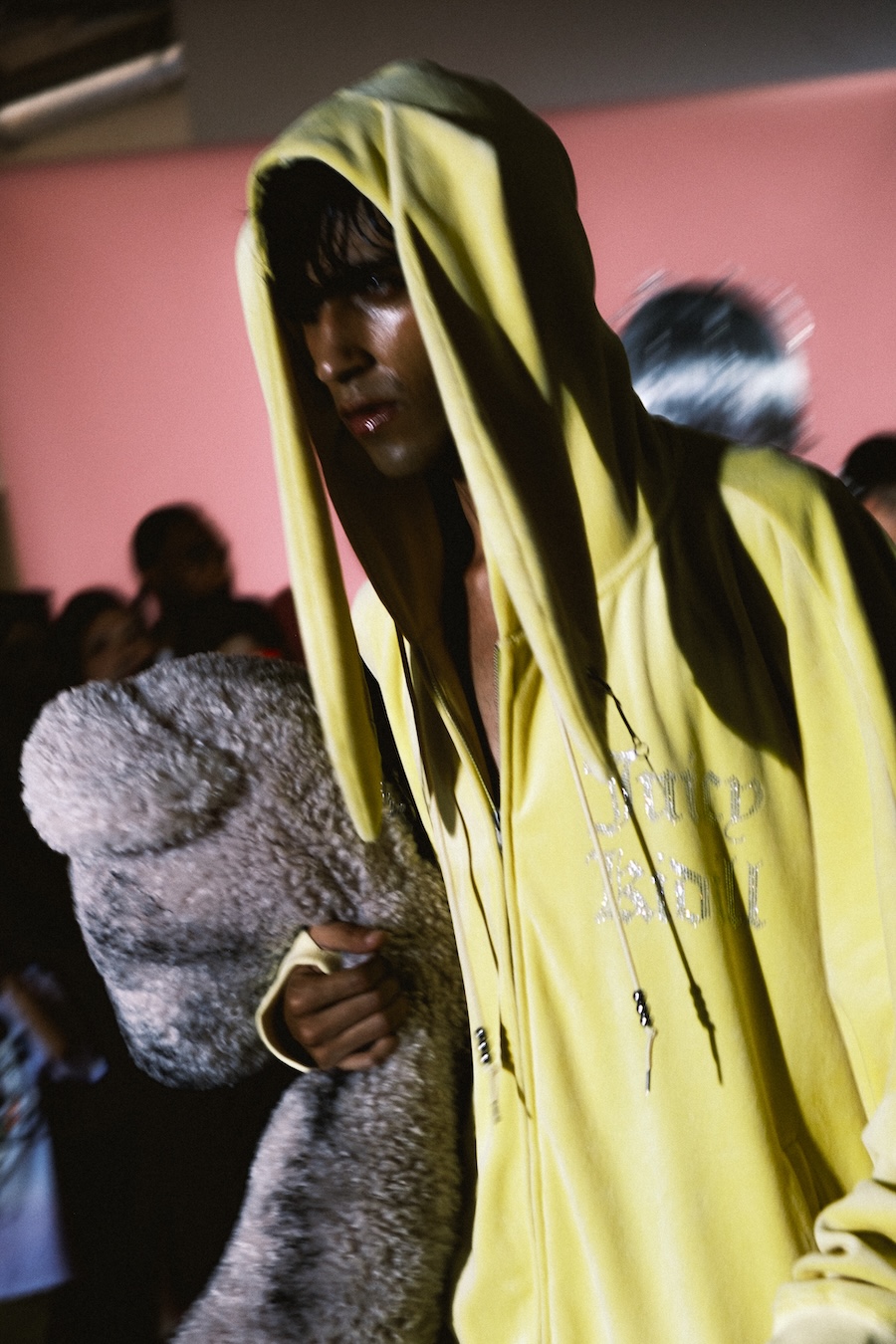
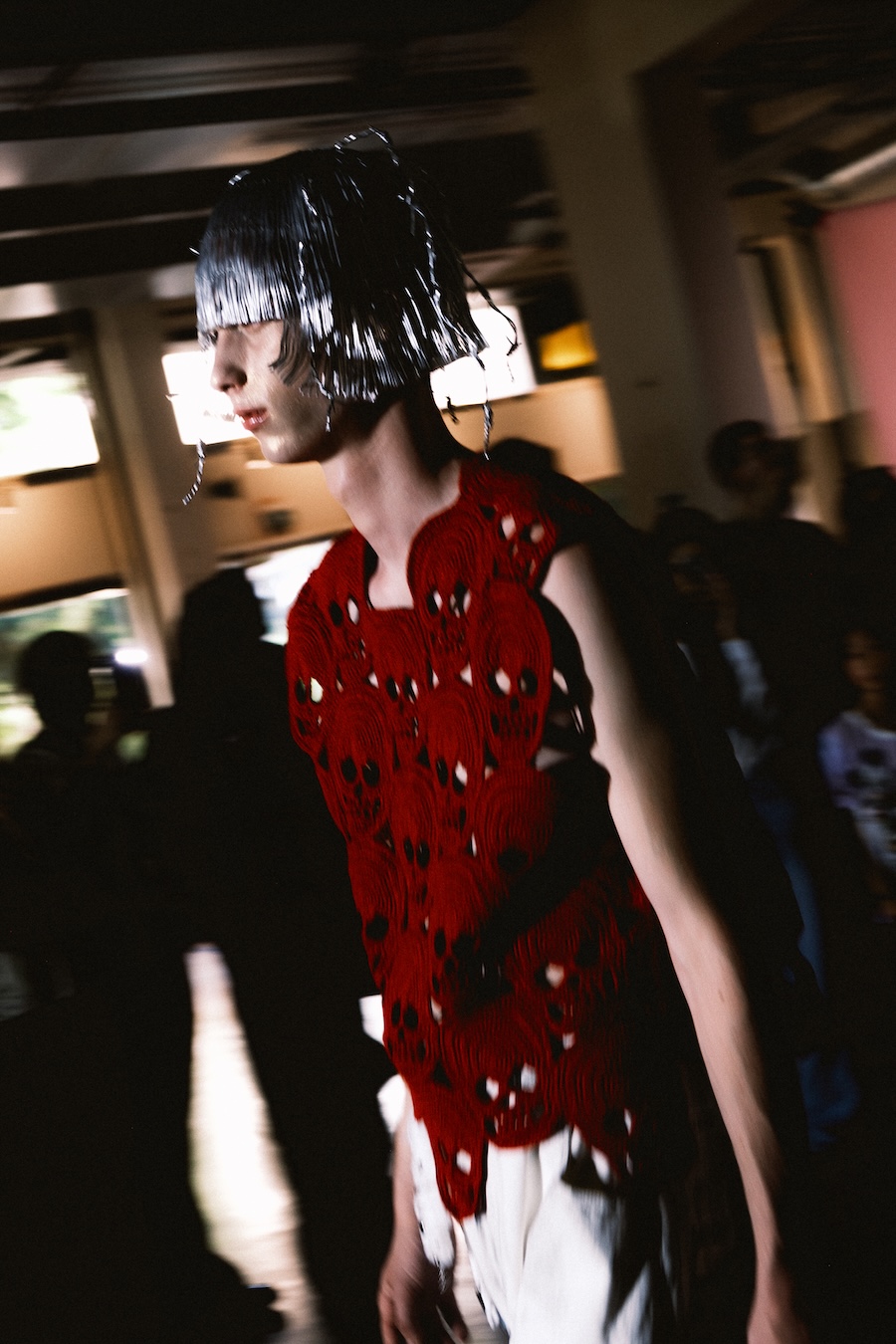
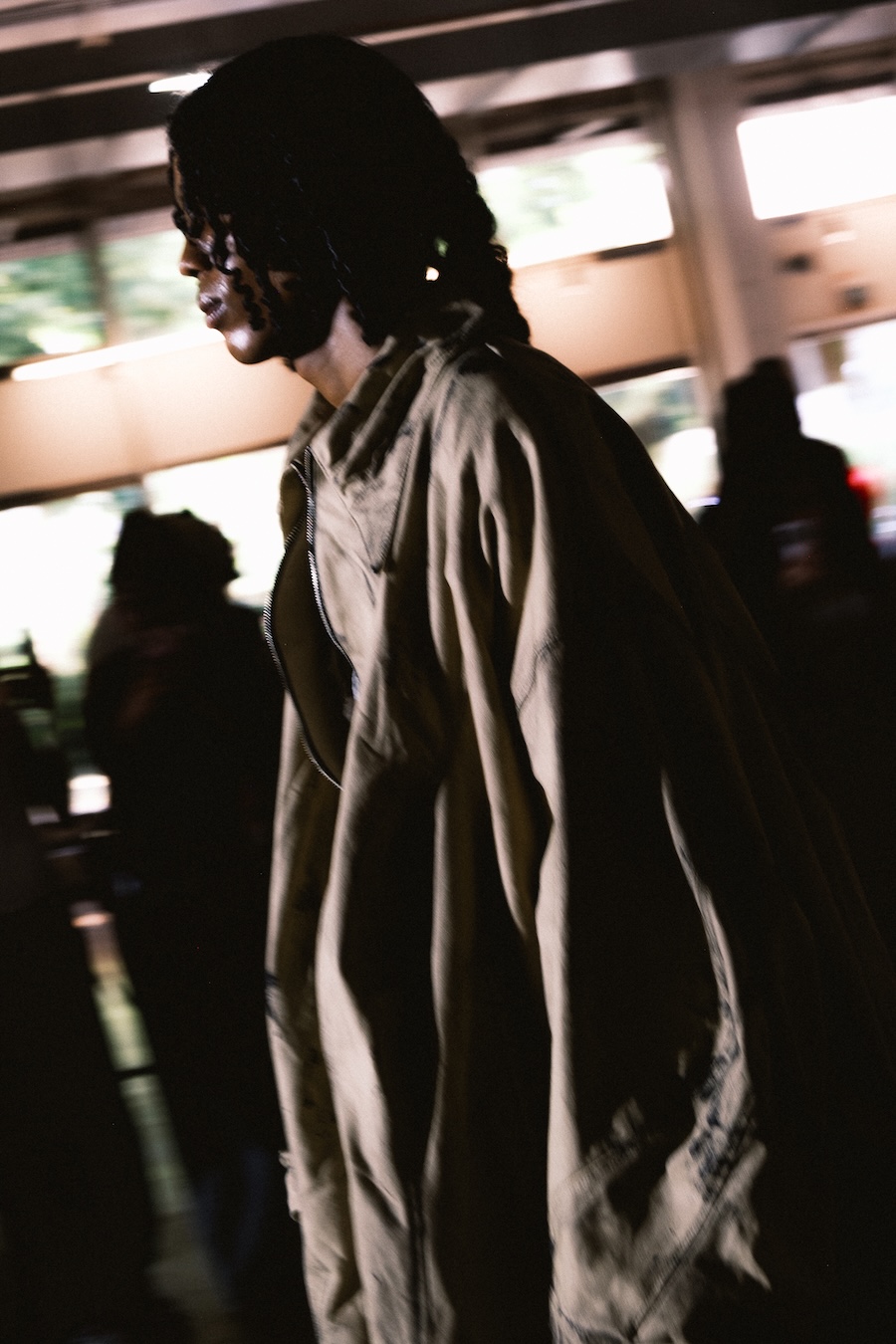
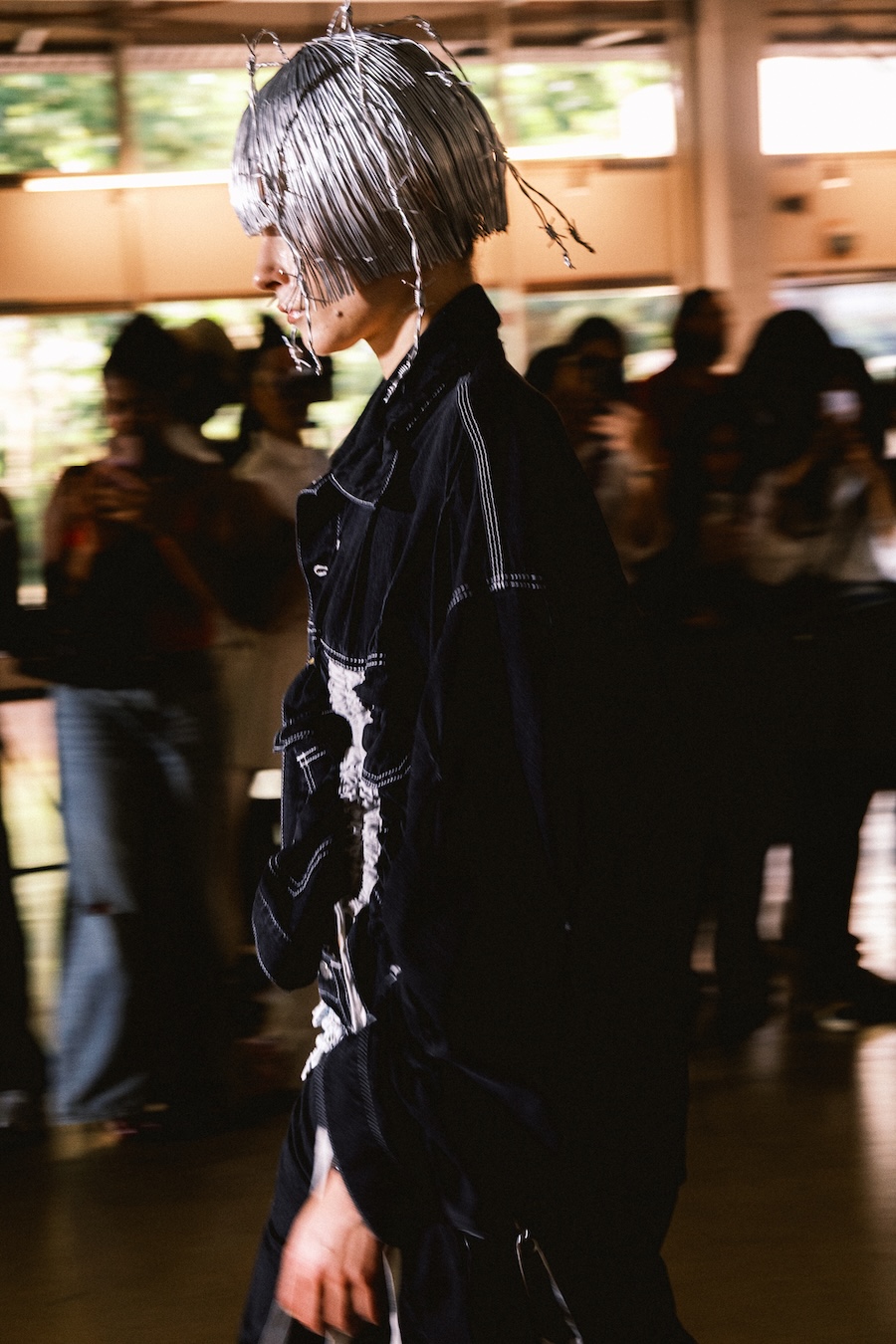
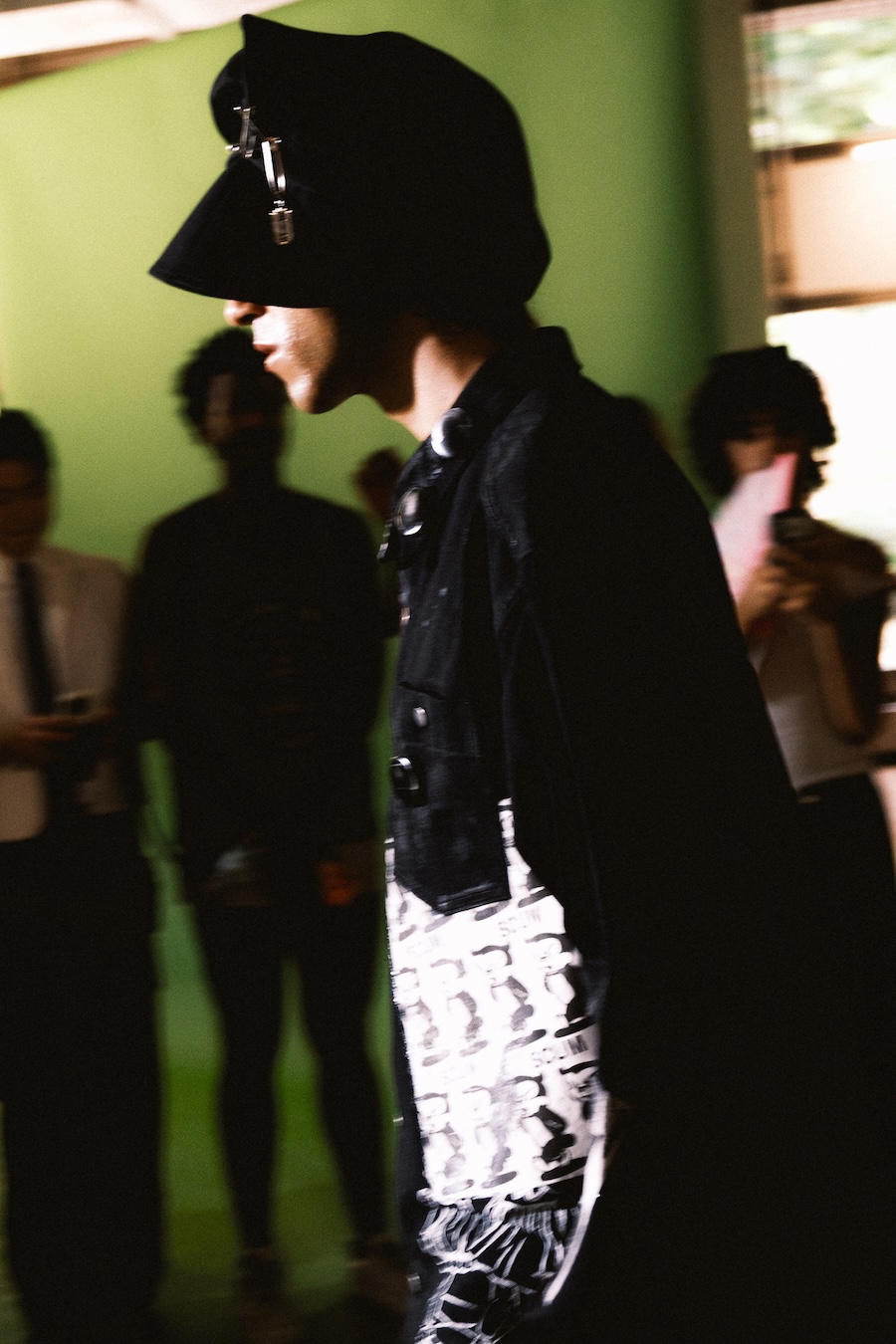
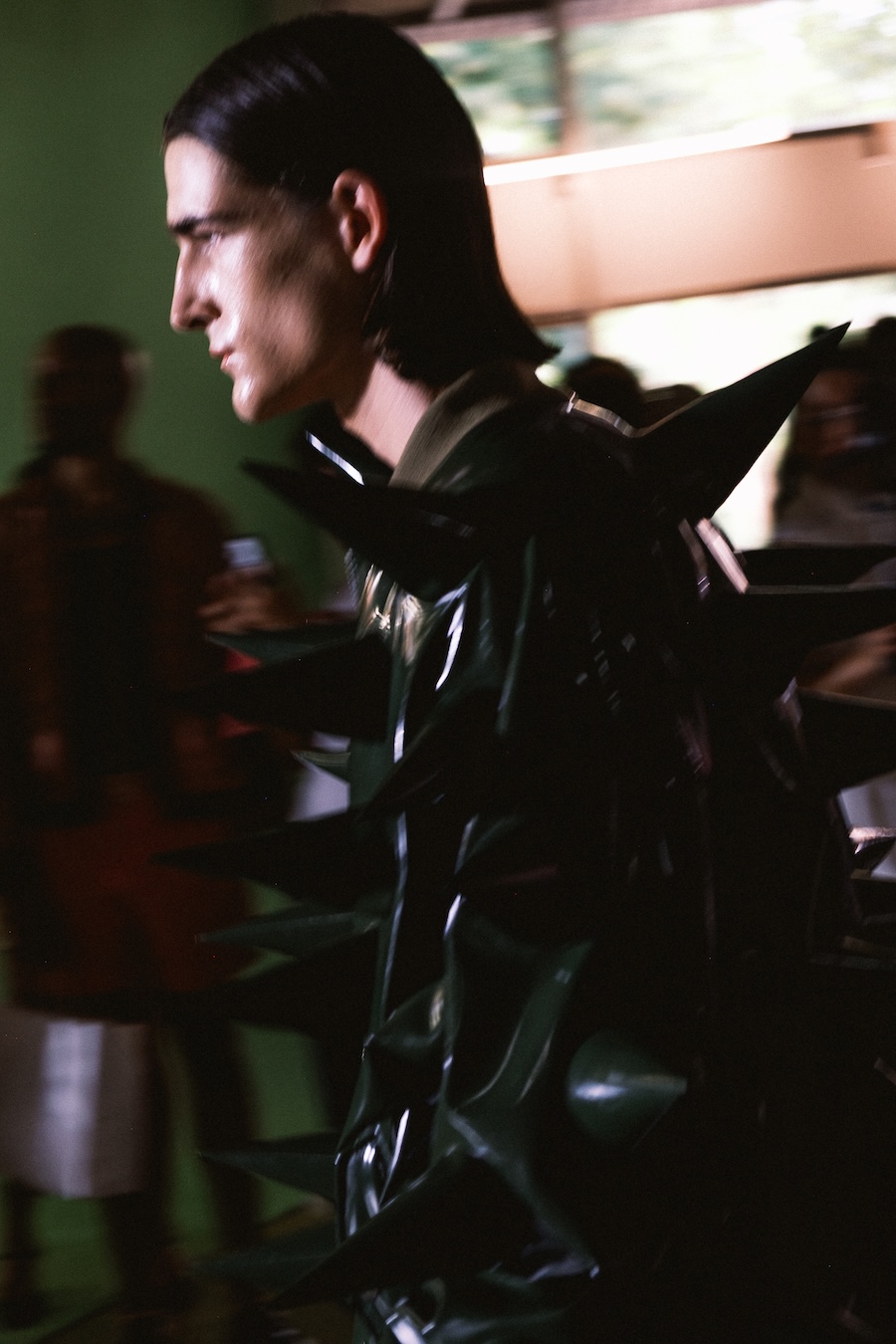
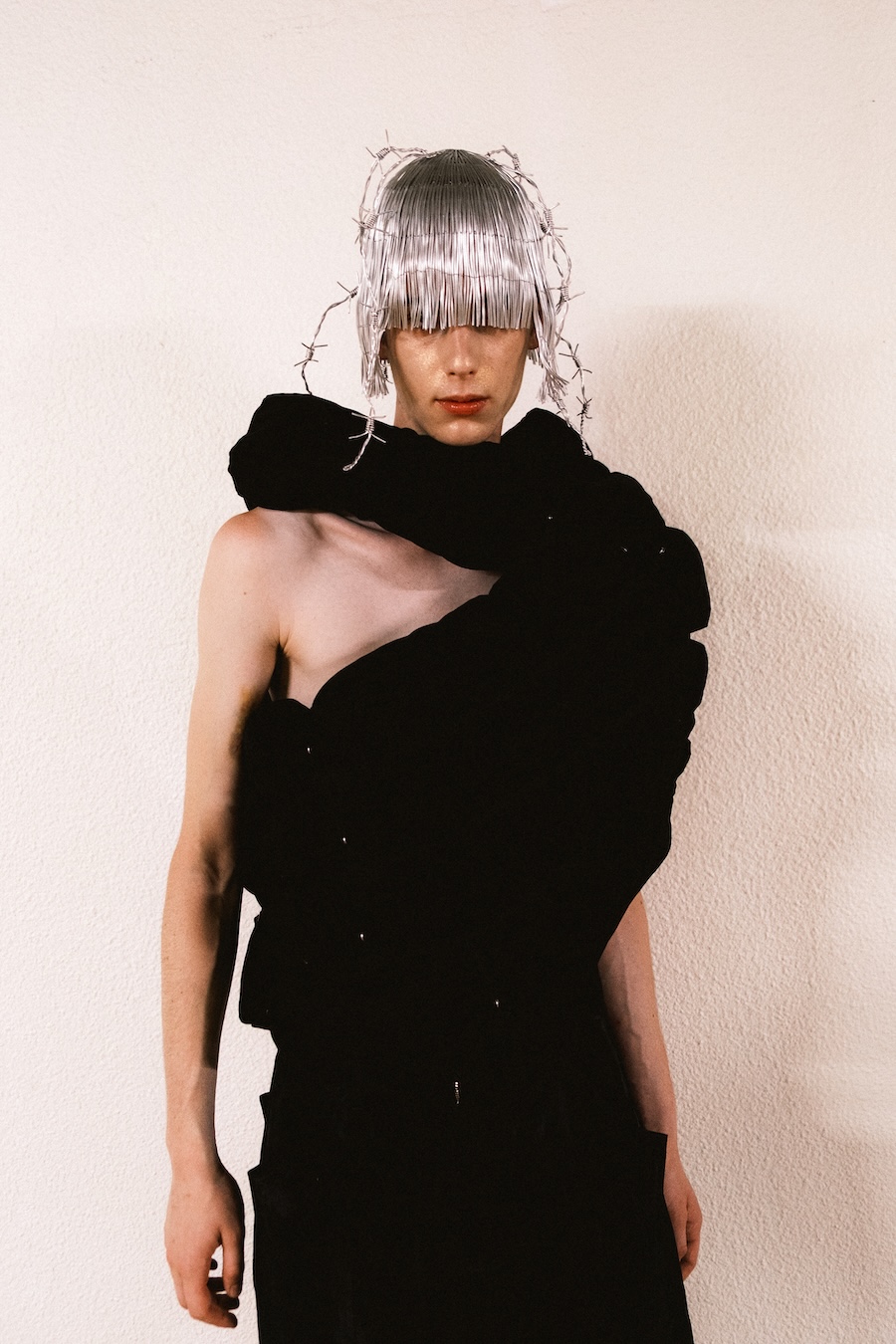
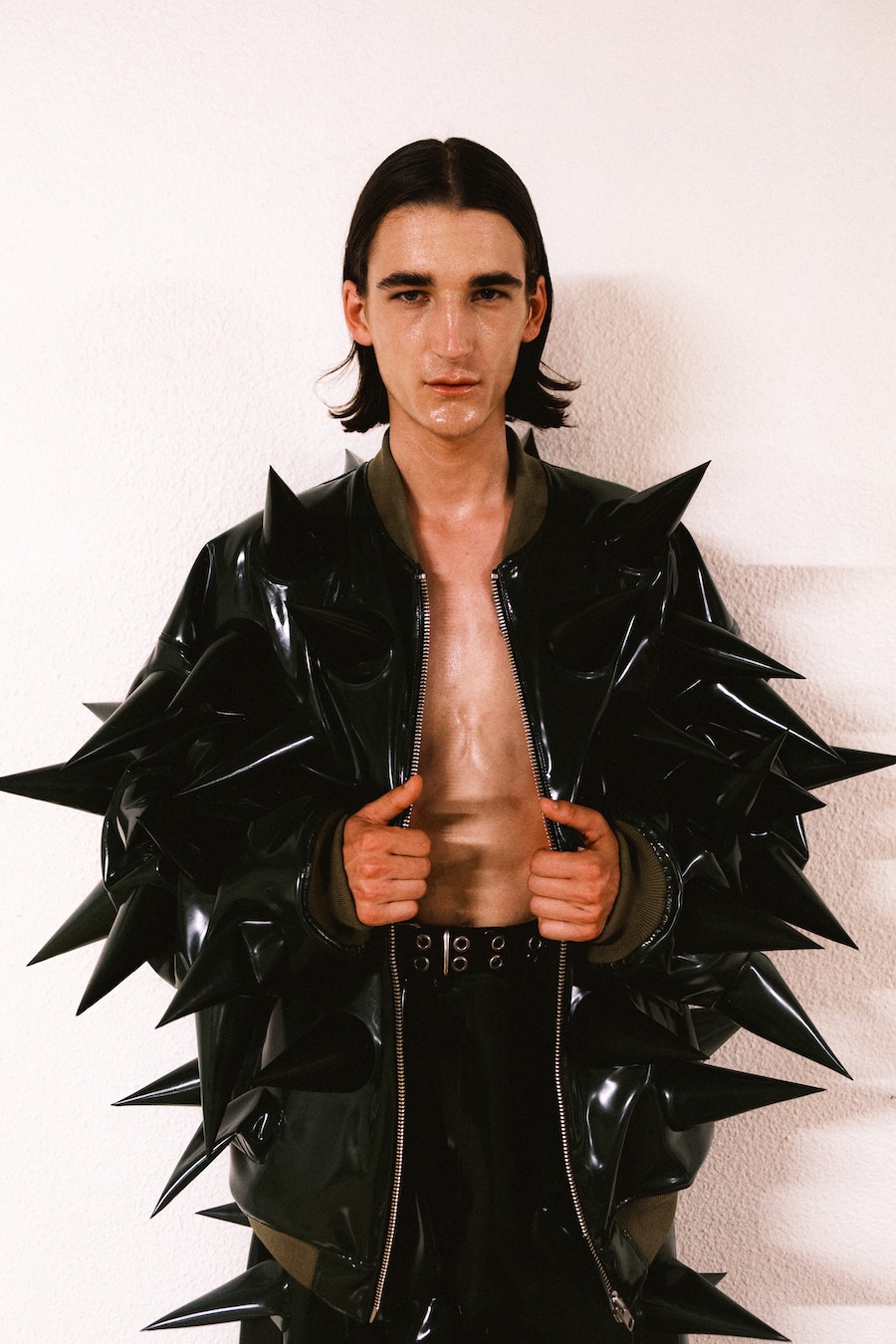
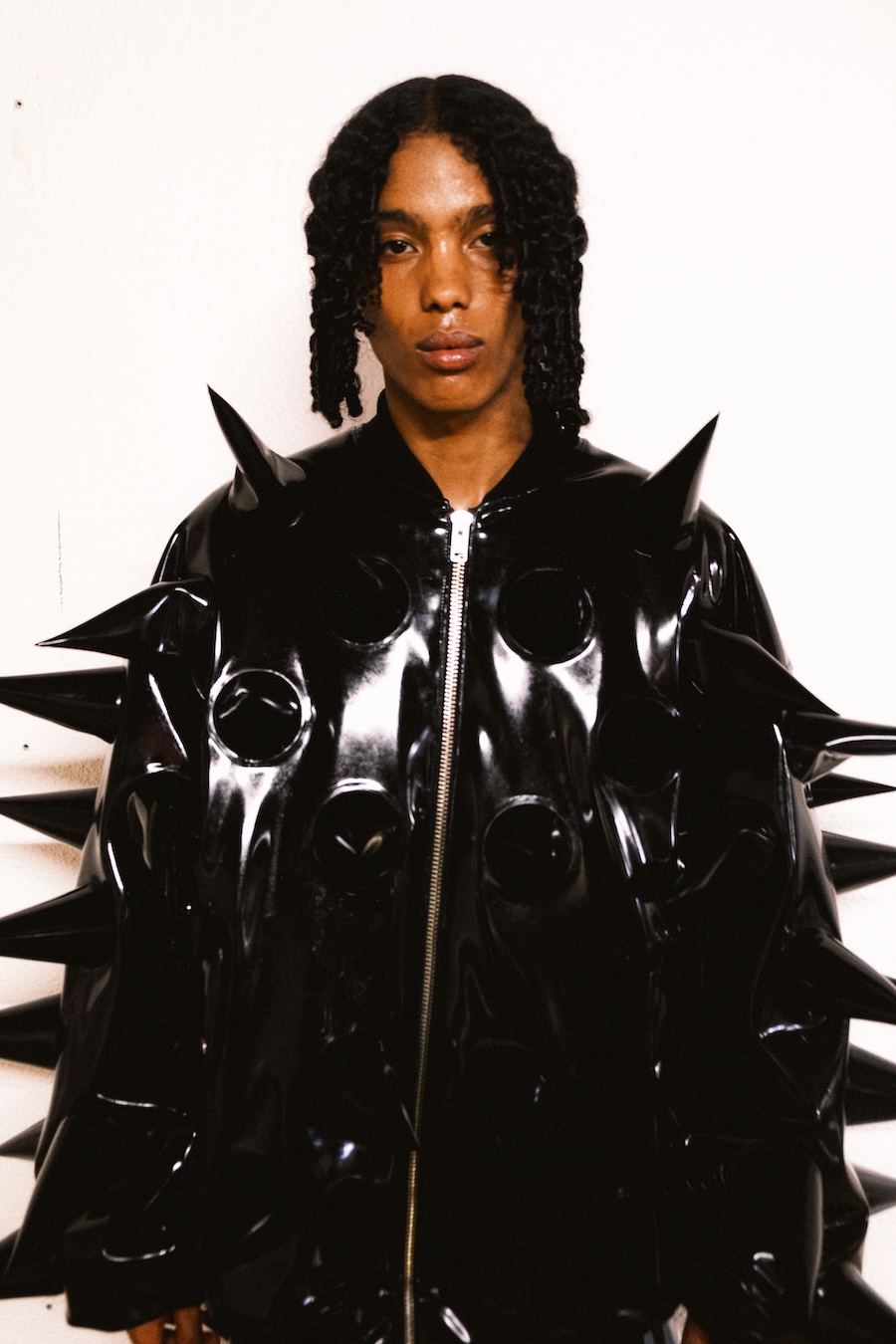
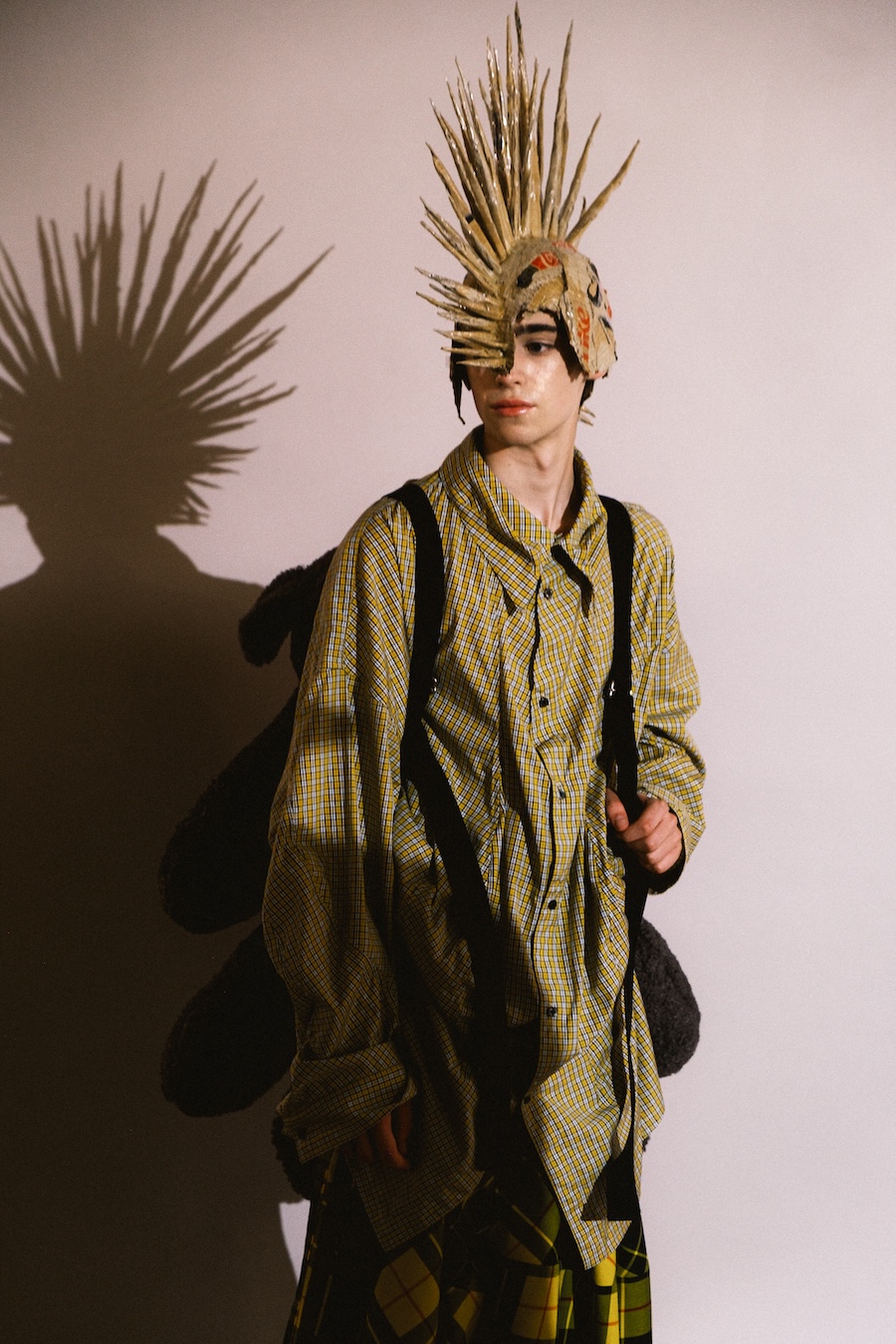
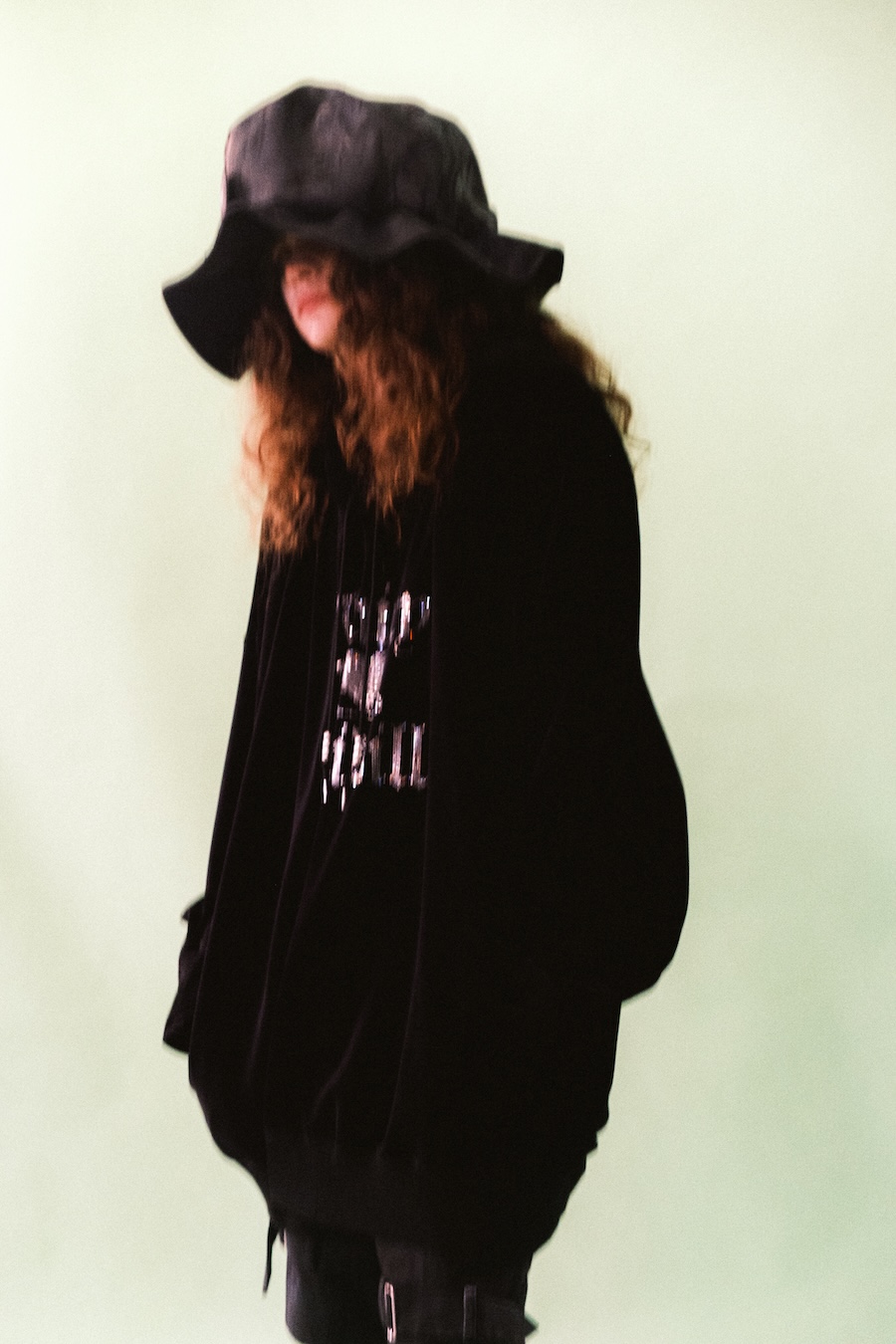
The photographs are by French photographer Jonathan Chandi @jonathanchnd
Amanda M. Jansson @amanda_mjnssn
